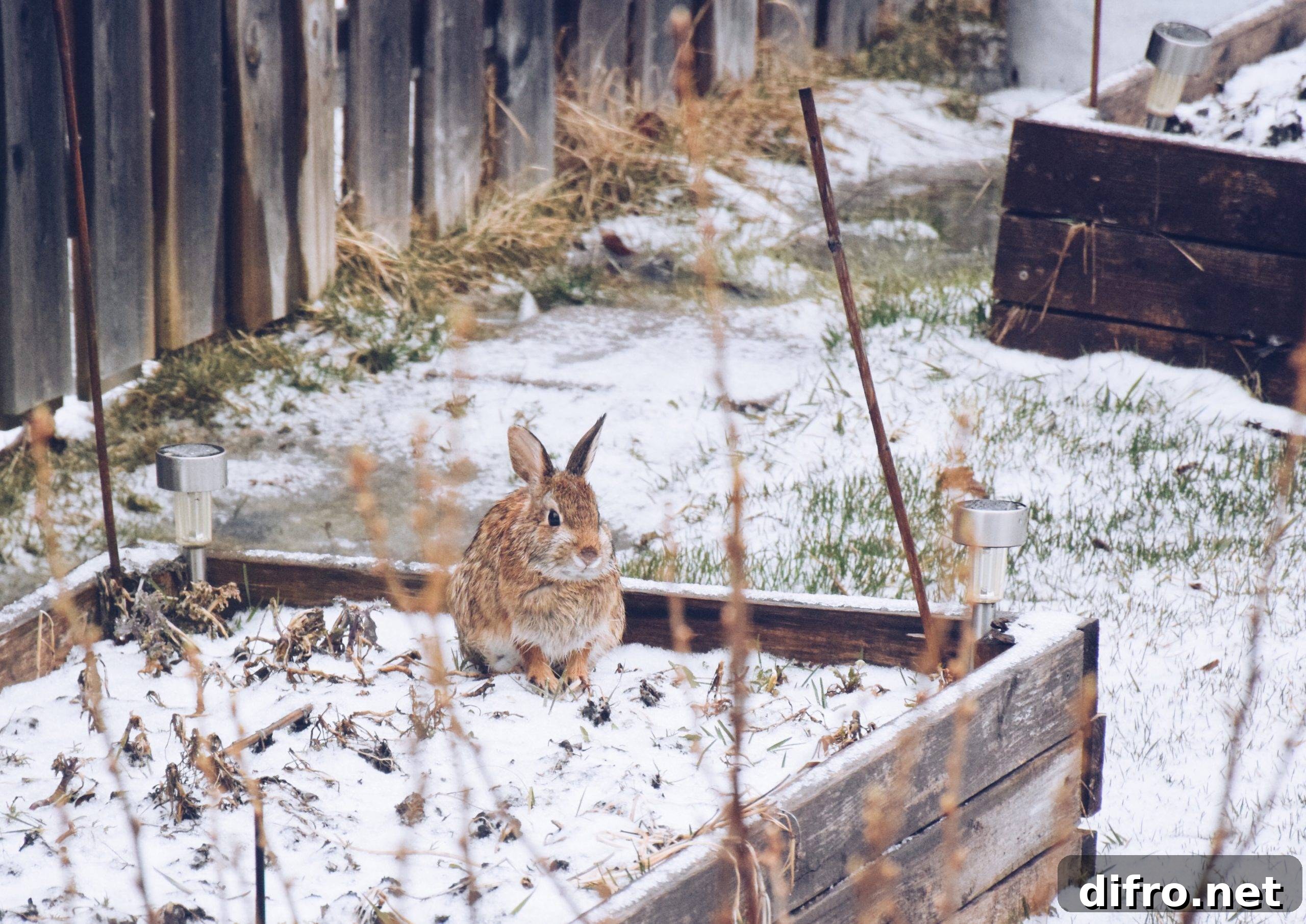
After a busy summer of weeding, pruning, and tending plants, the garden still needs one last round of care before winter arrives. Putting your garden to bed properly now will protect plants, preserve soil health, and make next spring’s work much easier. A few thoughtful steps in late autumn can prevent winter damage and set you up for a strong, productive growing season.
Below are practical, garden-tested steps to prepare beds, perennials, trees, lawns, and other elements for cold weather. Follow these tips to protect your investment and enjoy a healthier garden next year.
1. Cover garden beds
Instead of waiting until spring, add a couple of inches of well-aged compost to your vegetable and flower beds in late autumn. Spreading compost now gives the soil time to absorb nutrients over winter and improves soil structure. After adding compost, apply a light layer of straw or organic mulch to reduce nutrient leaching, slow erosion, and suppress winter weed growth.
For vegetable plots where you want a clean start, covering beds with black plastic or a layer of cardboard is an effective winter strategy. Leave the cover in place through winter; it will smother existing weeds and prevent dormant seeds from sprouting, giving you a neater, less weedy bed in spring.
2. Prepare perennials for winter
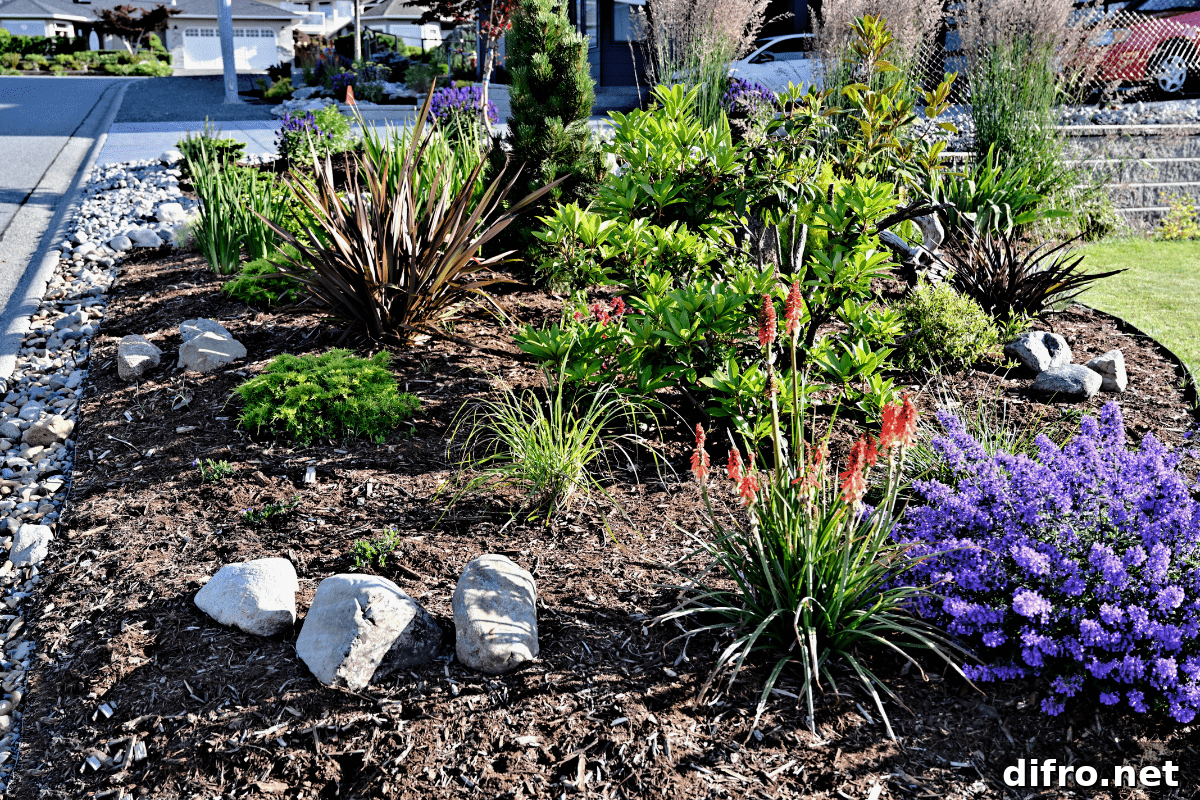
Give flowering shrubs and perennials a deep drink of water in the fall if the soil is dry; well-hydrated plants withstand winter stress better. Some perennials are best left uncut until spring, but if a plant showed signs of disease during the growing season—such as powdery mildew on bee balm, phlox, or hostas—remove and dispose of the infected foliage in autumn to reduce overwintering spores.
When conditions are right—after foliage has died back and the ground begins to freeze—trim stems to about three inches above the soil and cover the crowns with a thick layer of leaves or straw mulch. This insulating layer buffers temperature swings, reduces winter heaving, and suppresses early weed growth when soil temperatures rise in spring.
3. Prepare trees and shrubs for winter
Avoid pruning trees and large shrubs right before winter. Pruning creates fresh wounds and can stimulate new growth that won’t have time to harden off before cold weather arrives. Wait until late winter or early spring to do structural pruning when plants are still dormant.
If your area gets heavy, wet snow, shield small trees and vulnerable shrubs with a simple wooden frame or stake-and-burlap barrier to reduce snow load and wind exposure. Place stakes at the corners, wrap burlap or breathable fabric around the stakes, and secure at top, middle, and bottom to keep the cover in place.
Young fruit trees benefit from a protective tree wrap around the lower trunk. Wrapping deters rodents and prevents winter sunscald and bark splitting caused by rapid freeze–thaw cycles, especially on trunks facing south or southwest. Remove the wrap in spring to allow the bark to breathe and inspect for pests.
4. Manage your compost
Turn your compost pile or refresh the contents of your compost bin one last time before a hard freeze. Turning introduces oxygen, accelerates decomposition, and helps break down fresh material into rich humus over winter. If the pile is very wet, add dry brown materials—shredded leaves, straw, or cardboard—to restore balance and reduce unpleasant odors.

5. Feed your lawn
Autumn is the most important time to fertilize the lawn. A fall application of a slow-release, phosphorus-free fertilizer encourages root development, improves winter hardiness, and reduces susceptibility to snow mold and spring browning. If you haven’t applied a fall feed yet, there’s still time—apply according to product instructions and local seasonal guidelines.
6. Hill up your roses
Before deep freezes, mound soil or compost about 50 cm (roughly 20 inches) high around the base of hybrid teas, floribundas, grandifloras, and miniature roses to protect graft unions and crowns. Plastic rose collars can help create an even mound. Continue to water roses through dry autumn periods, but stop fertilizing about six weeks before your average first frost date to avoid stimulating tender fall growth. Remove any dead or diseased canes to reduce pest and disease pressure over winter.
7. Add leaves to beds
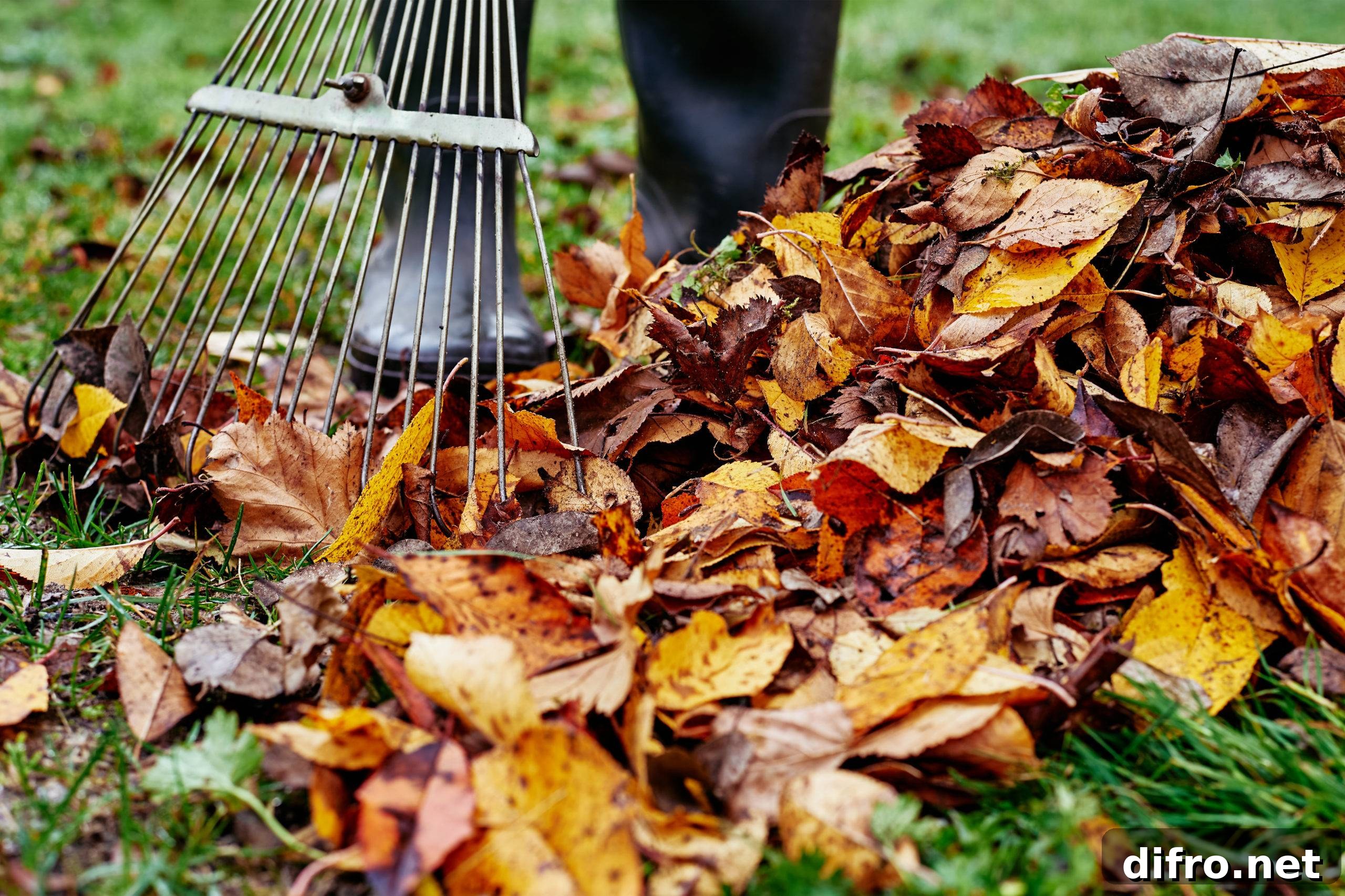
Rake the last fallen leaves off the lawn and add them to garden beds. Running a mower over piled leaves before moving them makes them easier to spread and speeds decomposition. Shredded leaves are a free, nutrient-rich mulch that earthworms and soil organisms will pull into the soil come spring, improving structure and fertility.
8. Wrap cedars and exposed evergreens
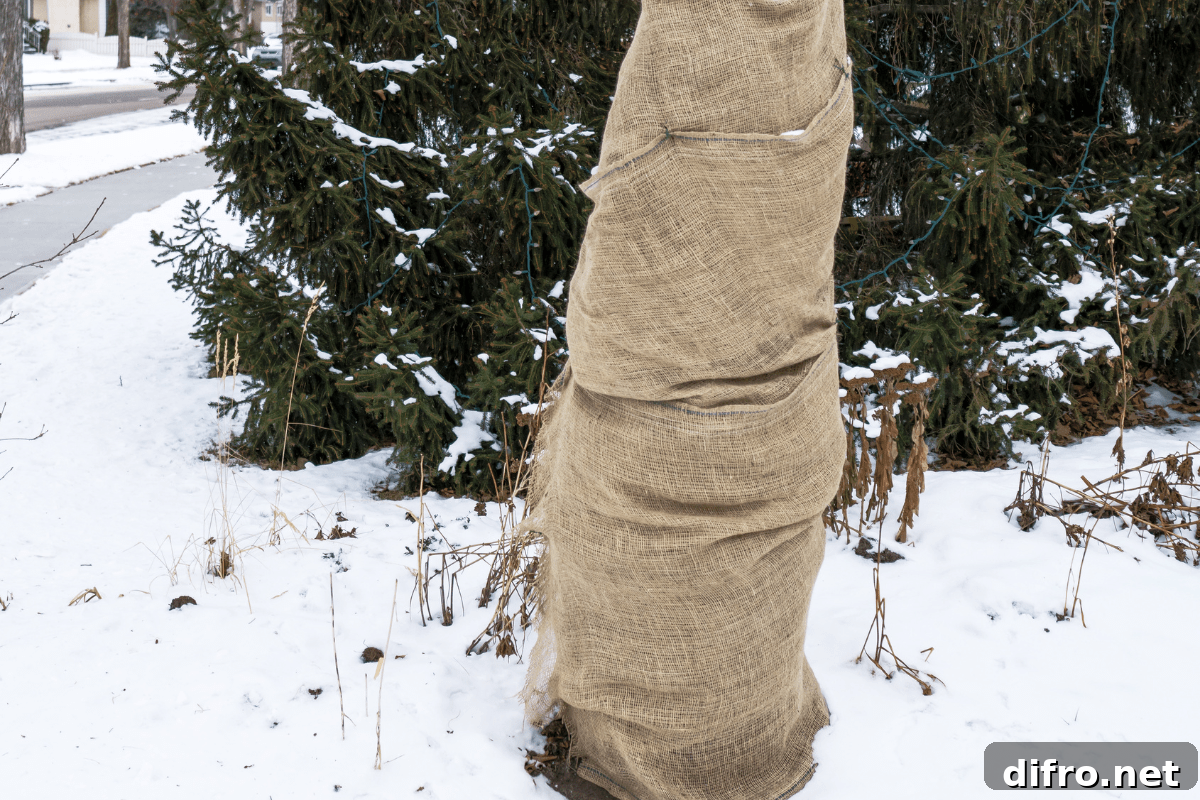
Cedars and other evergreens exposed to prevailing winds benefit from a burlap wrap. Two layers of burlap around windward sides reduce snow damage, protect foliage from salt spray on roads, and minimize late-winter sun scald caused by reflected light off snow. Make sure wraps allow air circulation and are secured so they won’t rub branches during storms.
Taking these steps now—covering beds, mulching perennials, protecting trees and shrubs, managing compost, feeding the lawn, hilling roses, and using leaves as mulch—will protect your landscape through winter and reduce spring cleanup. A little late-autumn effort goes a long way toward a healthier, more productive garden next year.