A cottage kitchen instantly feels warm, relaxed, and welcoming. It usually emphasizes light, airy colors, natural wood details, and furniture with a slightly worn or distressed finish that hints at history. The look often evokes memories of busy mornings in a family kitchen while remaining comfortable and practical for today’s life. If you want a kitchen that feels natural, laid-back, and timeless, use these cottage kitchen ideas as inspiration.
Whether you live in a countryside cottage or simply love the farmhouse-meets-vintage aesthetic, the following ideas will help you plan a kitchen that feels both beautiful and functional.
Elements of a Cottage Kitchen
Cottage kitchens are defined by authentic, tactile elements: stone or flagstone floors, exposed beams, weathered wood, and built-in nooks that feel lived-in. Below are core features that create that unmistakable cottage kitchen charm.
Soft Colors
The cottage palette is light and breezy. Crisp white is a safe choice, but soft yellow, pale turquoise, muted khaki, and other faded tones all work beautifully. Consider mixing cabinet colors—for example, one hue for the island and another for perimeter cabinets—to add gentle contrast and visual interest.
Open Shelving
Open shelves recall the practical roots of older kitchens, when utensils and dishes needed to be within easy reach. Today, open shelving balances function and display: it makes the room feel larger and gives you a place to show favorite dishware, cookbooks, or decorative pieces. Keep things streamlined—limit dishware colors and avoid clutter to maintain a tidy, cohesive look.
Beadboard
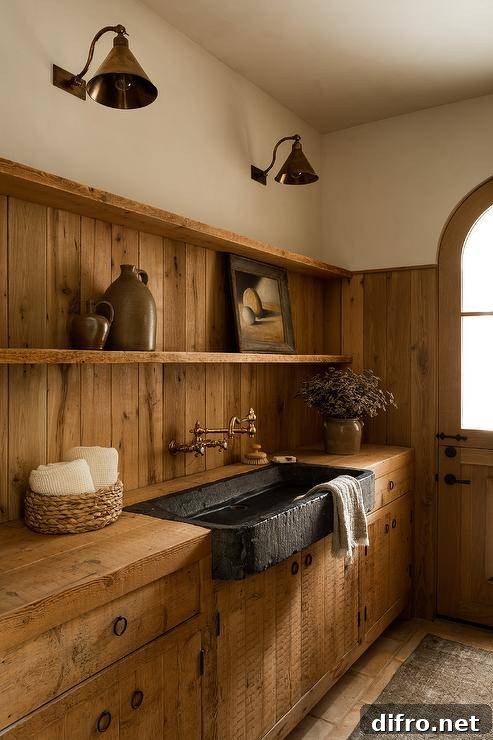
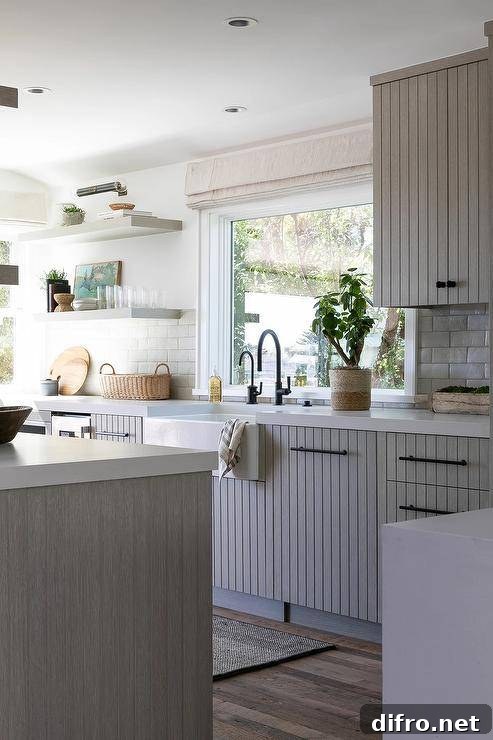
Beadboard paneling is practically synonymous with cottage kitchens. Its narrow, vertical grooves warm walls and cabinetry and add architectural interest without fuss. Use beadboard on walls, backs of cabinets, island sides, or even as lower-cabinet detail. Paint it in a creamy neutral, match it to cabinetry, or sand it lightly for a distressed, antique look.
Farmhouse Sinks
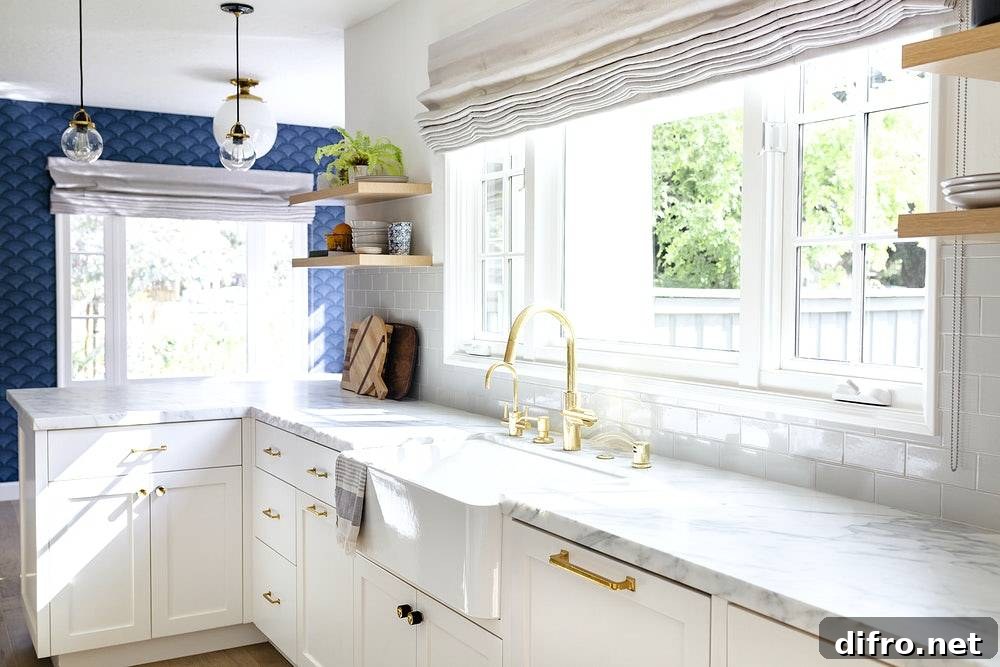
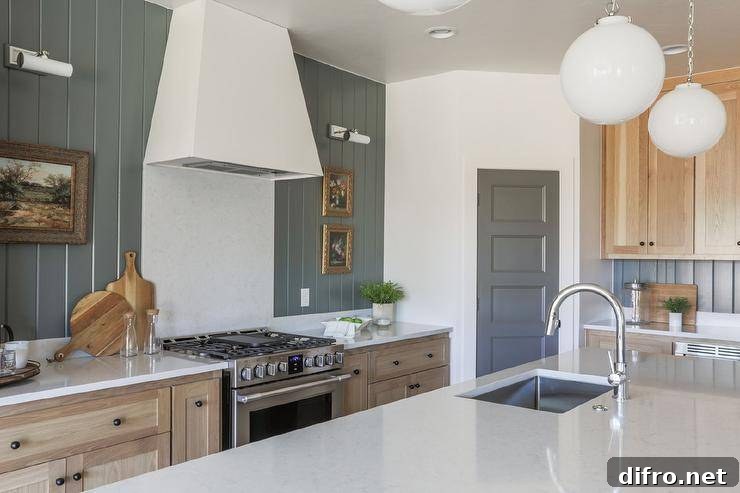
Apron-front or farmhouse sinks—with their wide face and deep bowl—are both practical and characterful. They feel at home in cottage kitchens, helping to reinforce the country aesthetic while accommodating large pots and pans for everyday cooking.
Furniture-Style Details
Before built-in cabinetry became common, kitchens used freestanding pieces—armoires, pie safes, and sideboards. Bring this spirit back with furniture-style details: decorative bun feet, corbels, or a painted hutch that reads like a freestanding piece. These touches add personality and a custom, handmade feel.
Stunning Cottage Kitchen Ideas
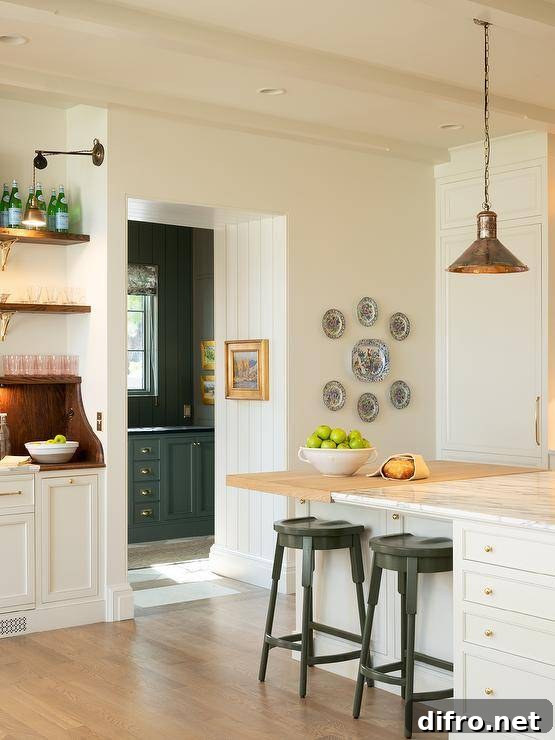
Designing a cottage kitchen is about balancing charm with everyday use. The style is cozy, unpretentious, and rooted in simple comforts. Below are specific design approaches and finishing details that help the cottage aesthetic sing while keeping the space practical.
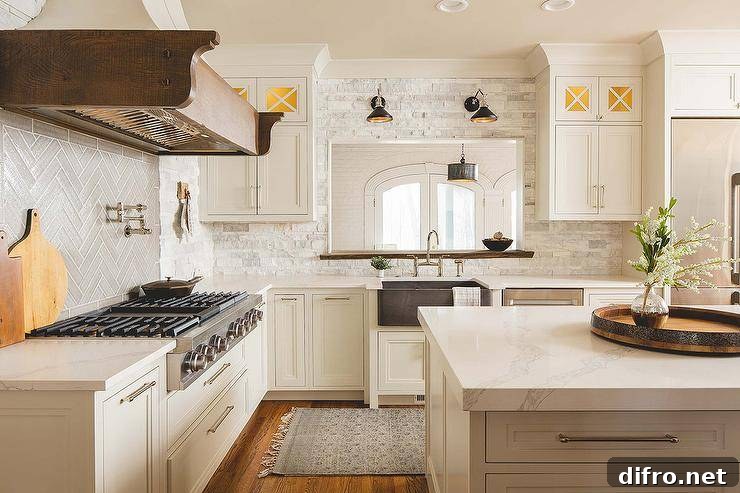
A Cottage Kitchen in Muted Colors
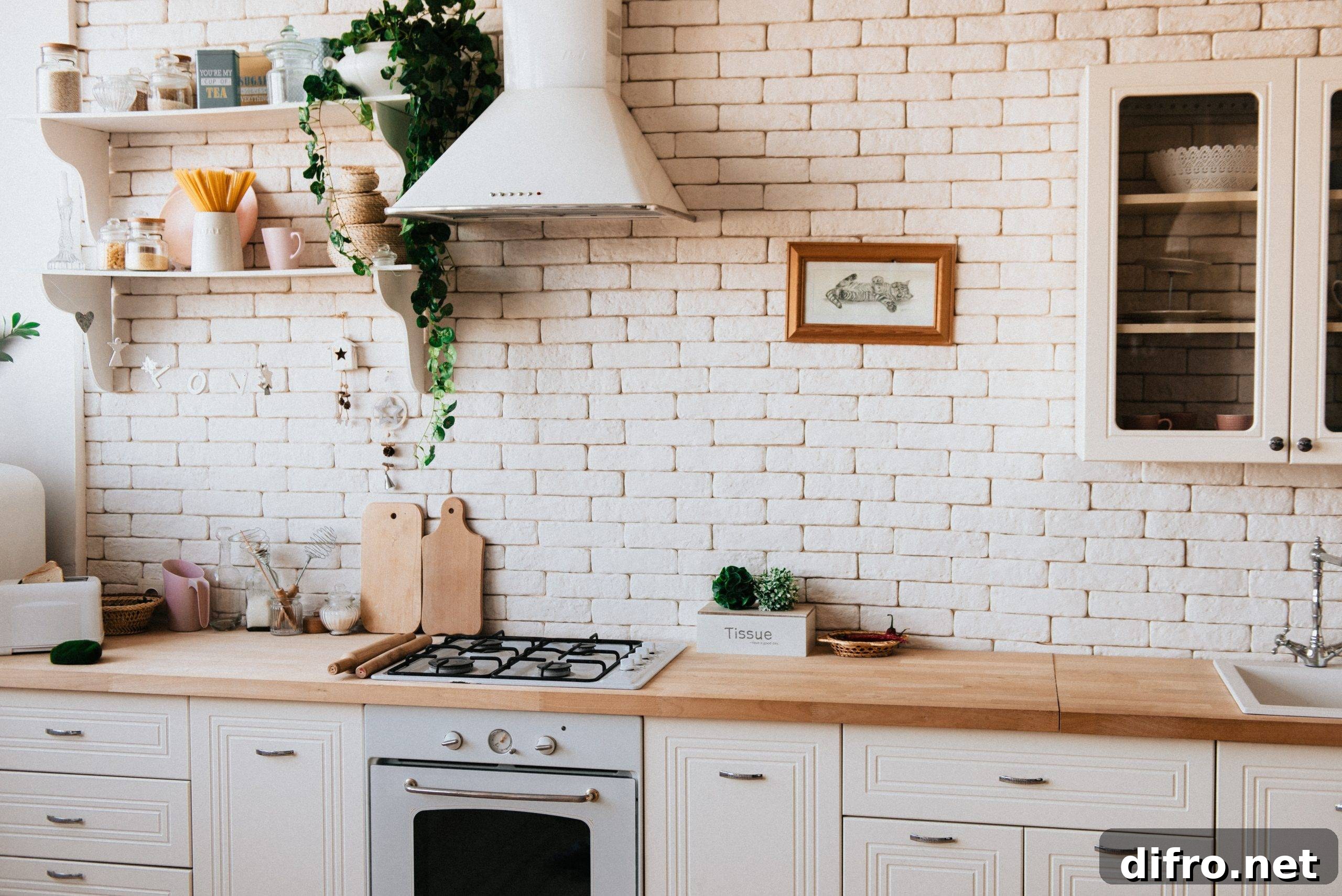
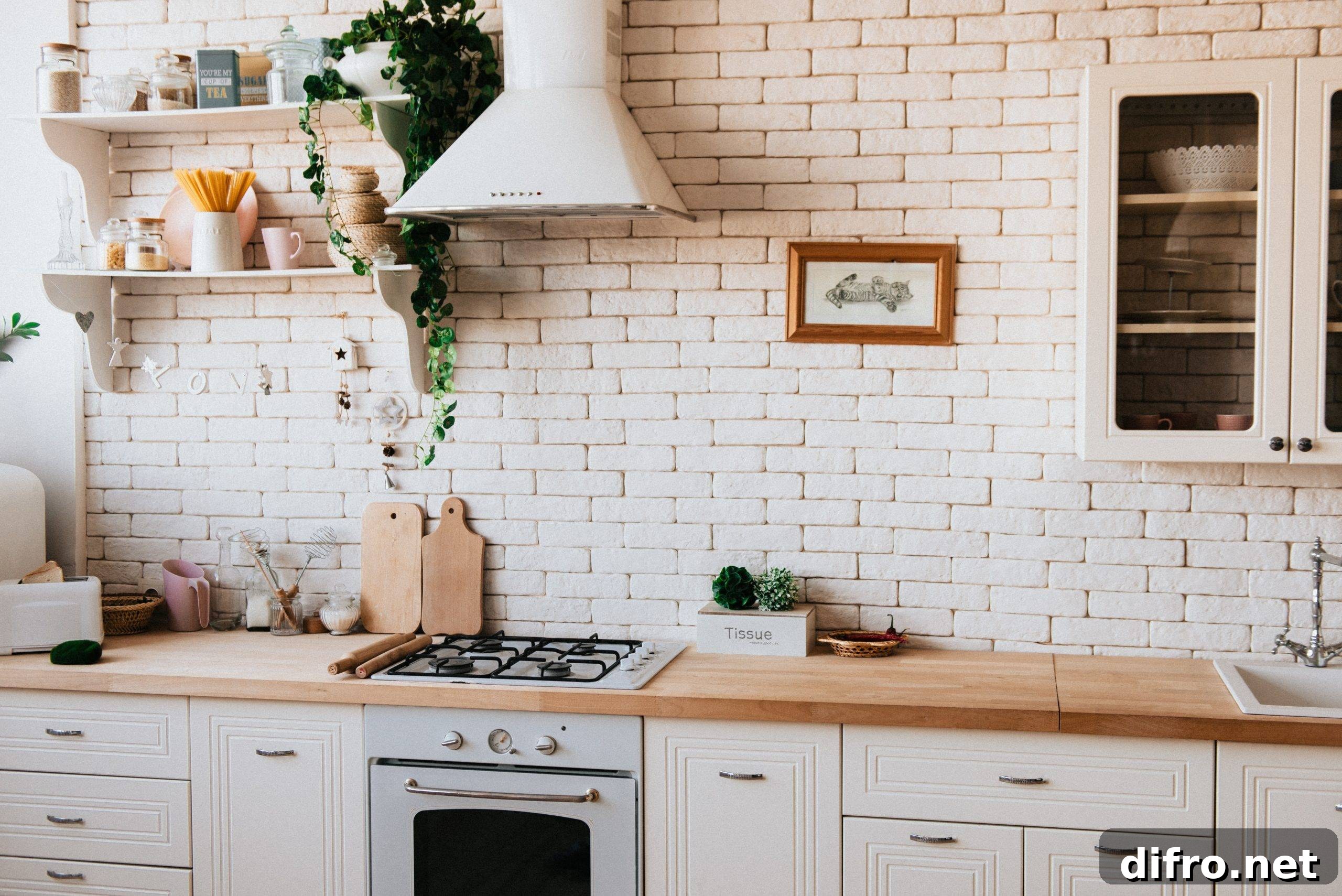
Soft, subdued tones produce a calm and welcoming kitchen. Wood countertops and textured walls pair well with floating shelves for displaying treasured items and everyday ware. Add a trailing plant or two for a fresh, lived-in touch.
Flaunting Old-World Character
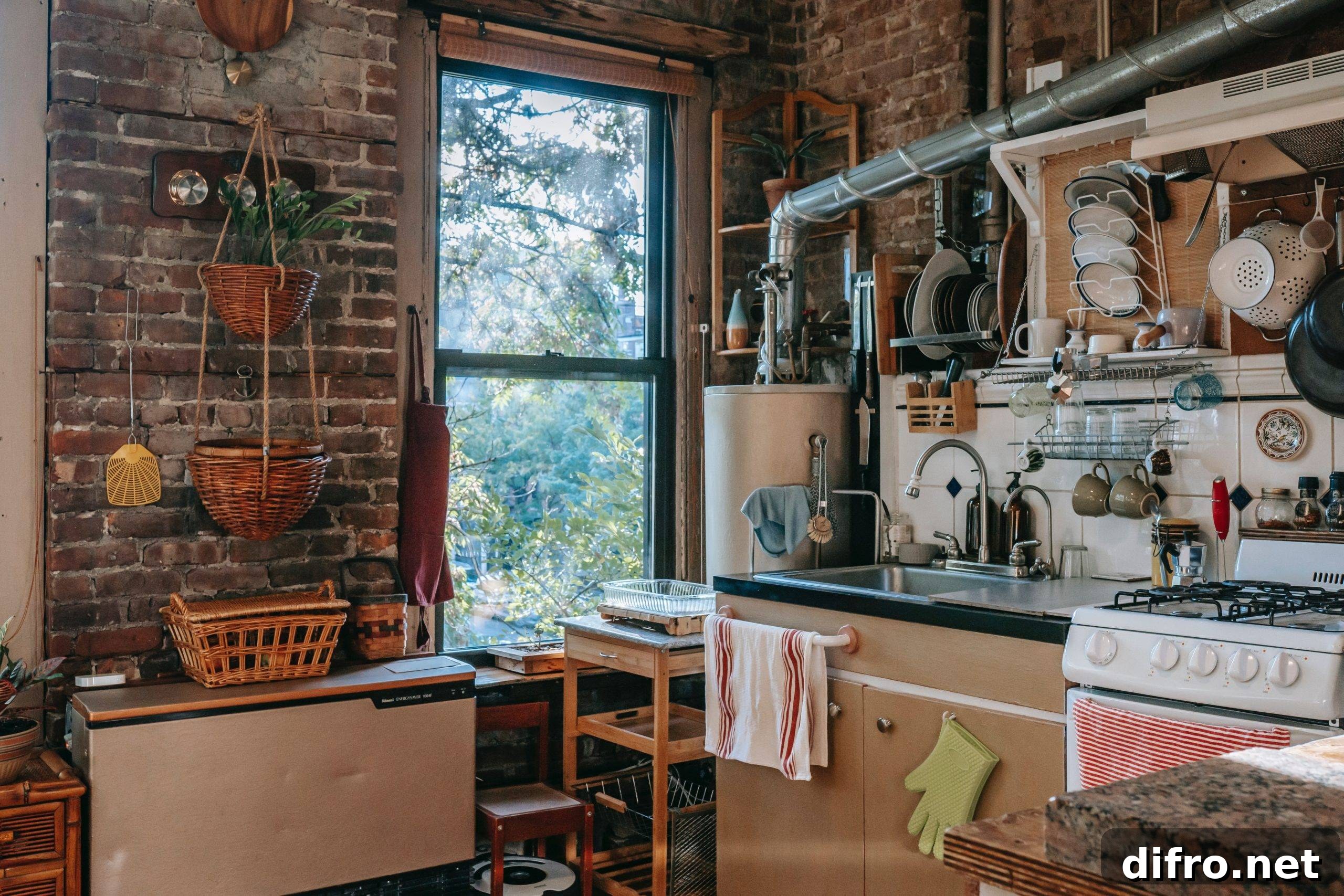
Vintage touches—brick, textured plaster, wicker baskets, and antique furniture—reinforce a timeless, rustic mood. Where full structural changes are possible, exposed brick or reclaimed wood create a beautiful, authentic backdrop; otherwise, wallpaper or well-chosen vintage accessories can convey the same spirit.
Frame Structural Elements
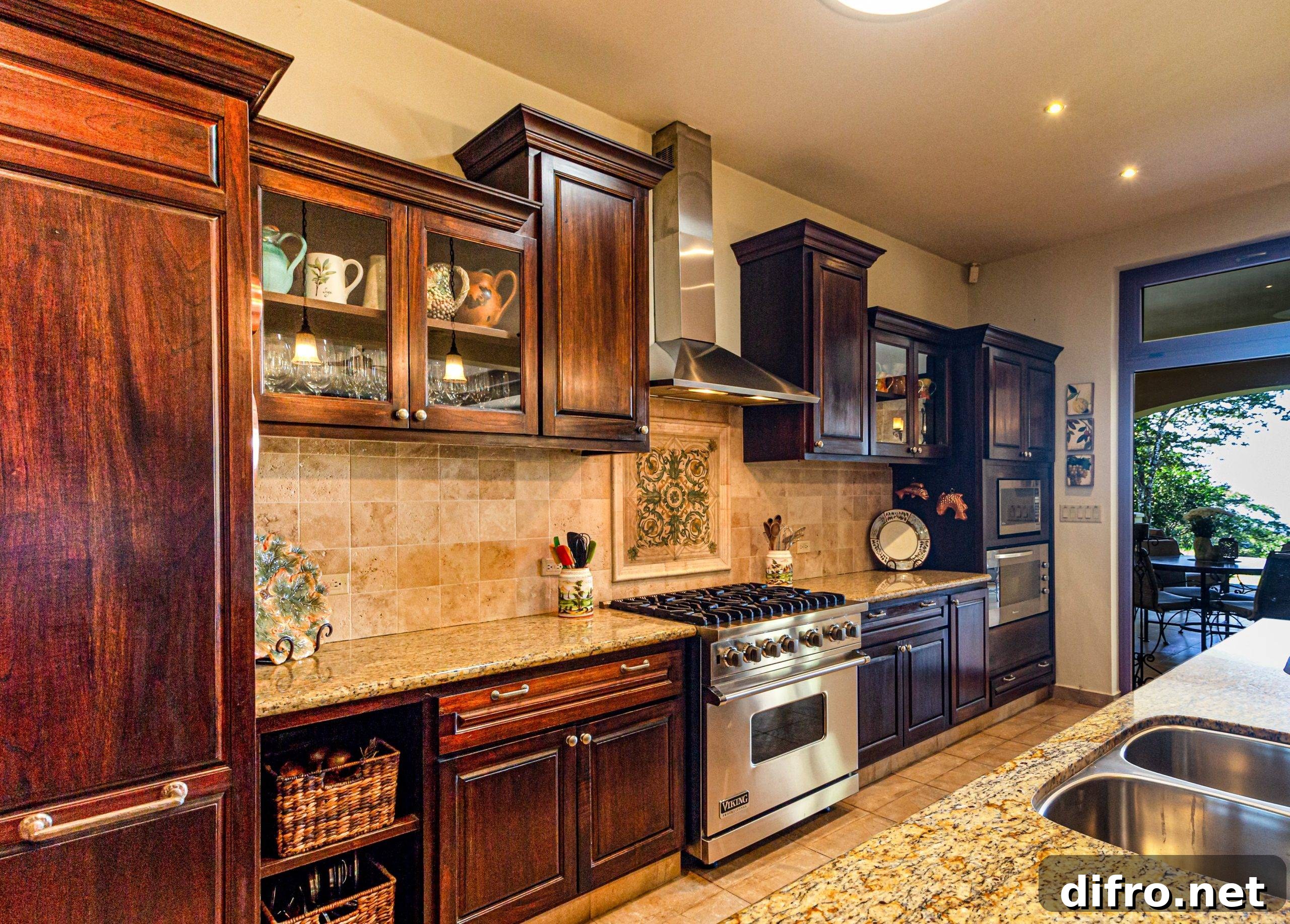
Moldings and trim add refinement and help frame cabinetry and openings. Well-placed moldings enhance resale appeal while complementing stainless-steel appliances and contemporary elements for a modern-cottage balance.
Warm Wood Elements
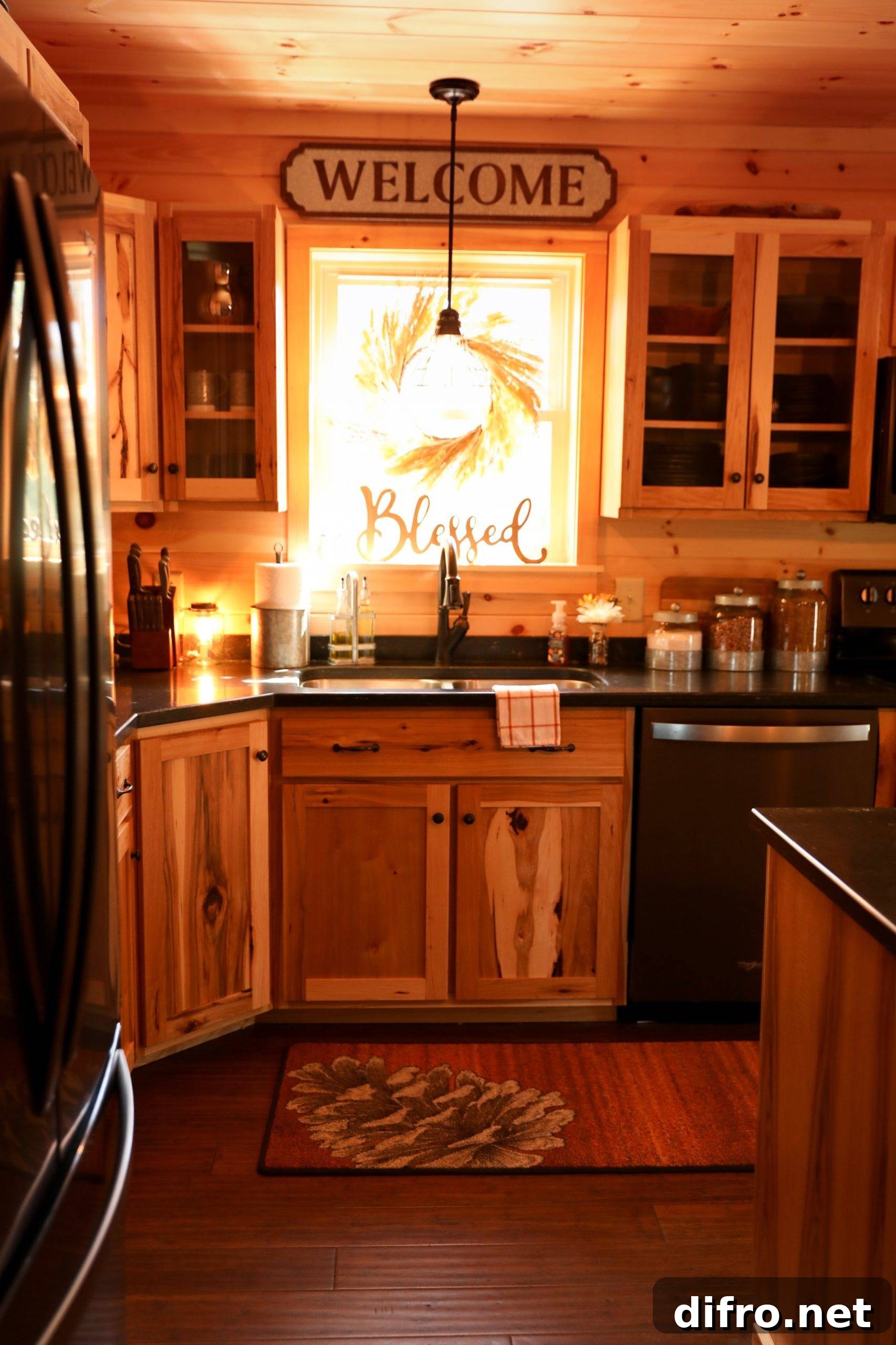
Wood is central to the cottage look—flooring, countertops, beams, and furniture provide warmth and natural texture. Break up expanses of wood with rugs, light fixtures, or painted cabinetry to avoid monotony while keeping the cozy, grounded feeling.
Pastel Accents for Whimsy
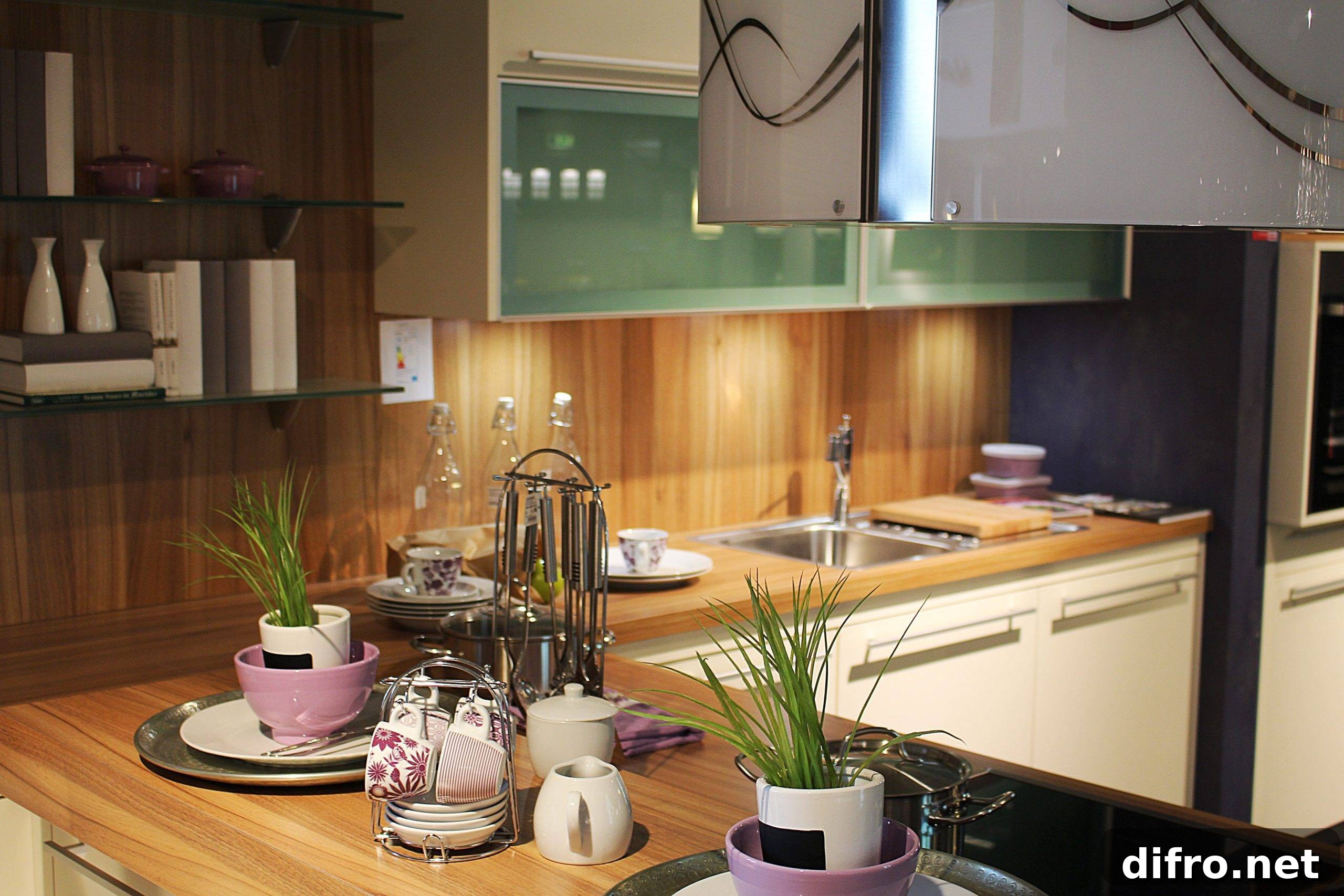
Introduce pastels through small accents: kettle, bowls, canisters, or textiles. These pops of color bring charm and nostalgia without overpowering the serene cottage palette.
Hardwood and Flooring Patterns
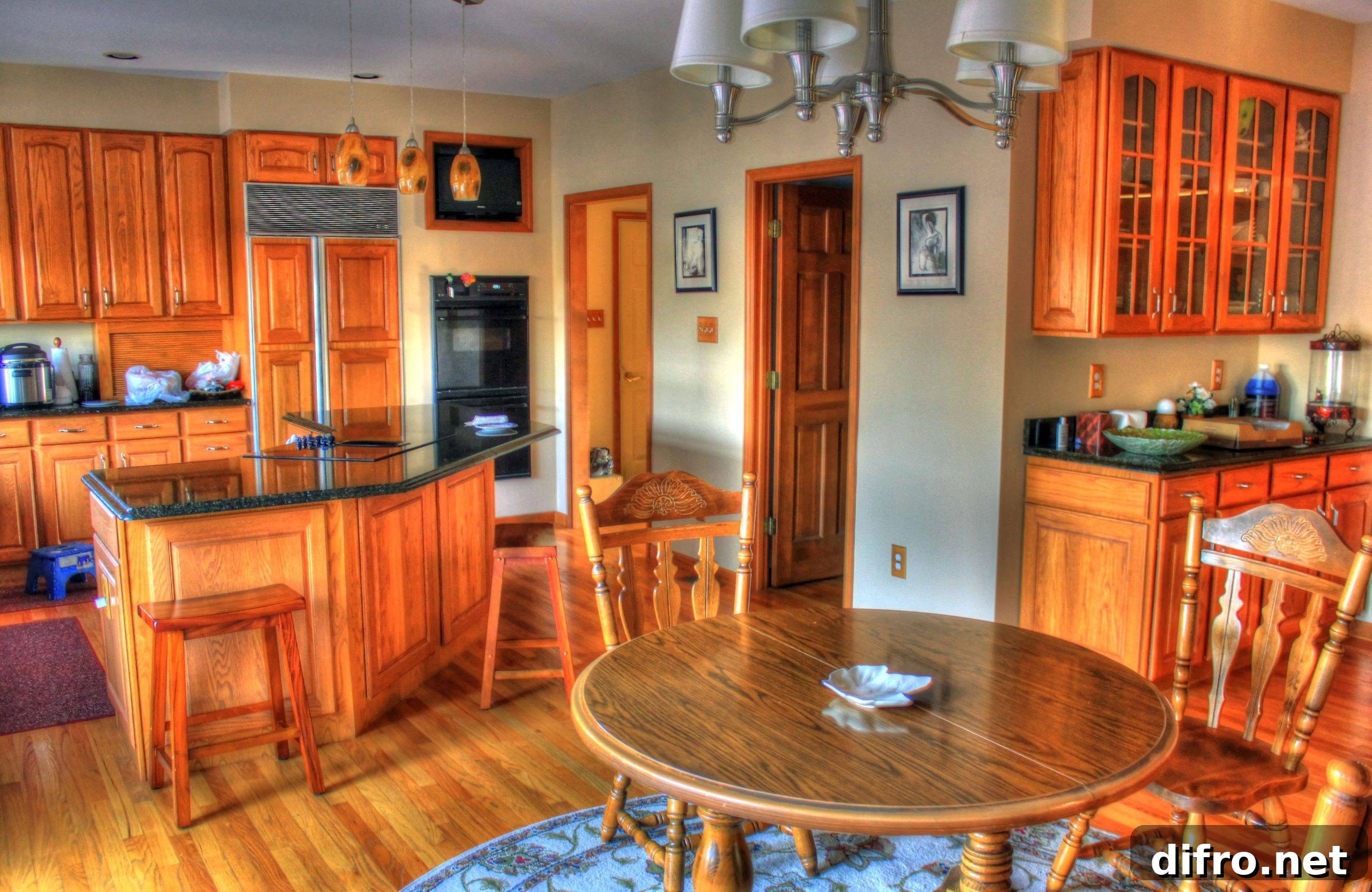
Hardwood floors and wood accents feel timeless and rich. If you prefer pattern, a modest geometric tile or patterned floor can expand the room visually—use bold flooring sparingly so it complements, rather than competes with, other details.
Kitchen Islands and Layout
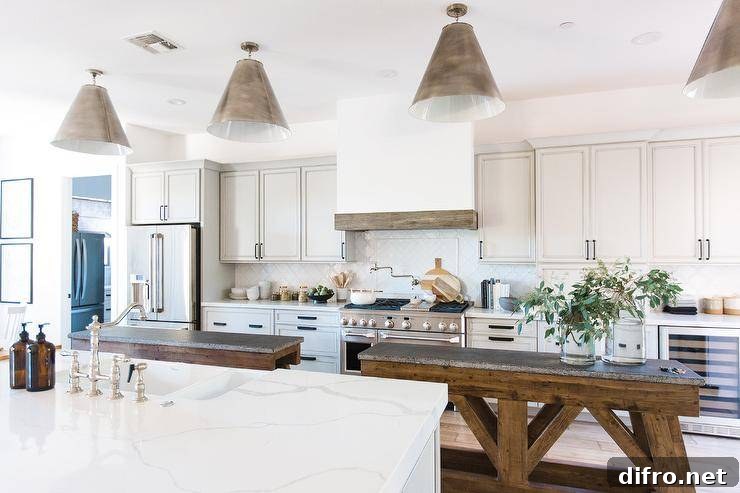
An island anchors a cottage kitchen, creating an informal work and gathering area. Even a small movable island or cart can add the look and function of a full island in compact spaces. Choose materials and finishes that harmonize with the rest of the kitchen to keep the atmosphere casual and welcoming.
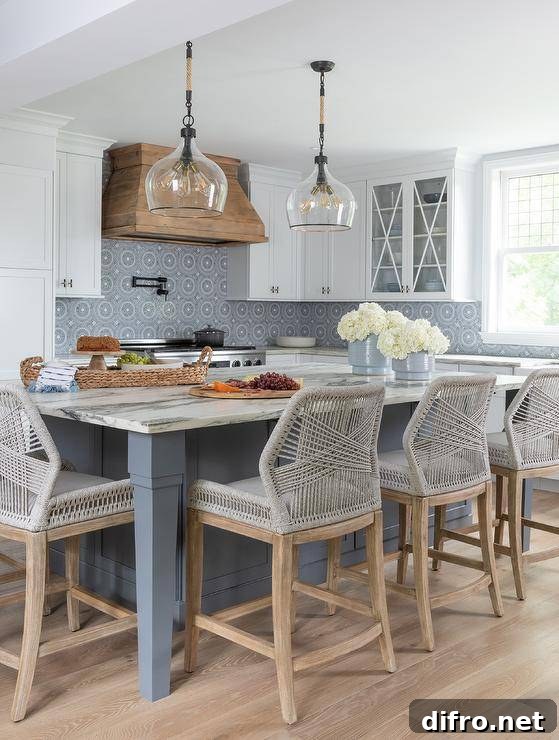
Texture and Depth
Layer surfaces and finishes to give the kitchen depth: glossy floors, rough-hewn beams, textured walls, and woven baskets all work together to make the space feel curated and complete. Small contrasts—like a dark island top against light cabinetry—create a pleasing focal point.
Accessories Perfect for a Cottage Kitchen
Accessories complete the cottage look: vintage-style faucets, pot fillers, beadboard accents, a sideboard or hutch, cafe curtains, seagrass baskets, and wooden cutting boards lend authenticity and function. Select a few statement pieces rather than overbuying to maintain a clean, inviting kitchen.
Classic Details to Consider
- Vintage brass or brass-effect faucets and pot fillers
- A white sideboard hutch or furniture-style storage
- Beadboard on walls, island sides, or cabinet backs
- Replica vintage fridge in a soft color
- Cafe curtains or patterned fabrics for a cozy feel
- Seagrass baskets and wooden cutting boards for storage and texture
Takeaway
A cottage kitchen blends comfort, function, and history. Start with soft, natural colors and build in authentic details: beadboard or planking, warm wood, a farmhouse sink, open shelving, and a few vintage accents. Even small changes—textiles, pastels, or a brass faucet—can transform a modern kitchen into a cozy cottage haven. Use the ideas above to create a space that feels effortless, welcoming, and truly yours.