Gray is an incredibly versatile color that works across many interior styles, from minimalist and modern to cozy and rustic. Anthracite, a very deep charcoal gray, offers the drama of black while remaining a softer, more nuanced neutral. Because it sits at the darker end of the gray spectrum, anthracite creates strong visual anchors in a room without the stark contrast of pure black. Designers favor it for statement walls, furniture, cabinetry and details where a sophisticated, contemporary mood is desired. Below are practical and stylish ways to bring anthracite into your home while keeping balance, texture and light in mind.
Accent wall
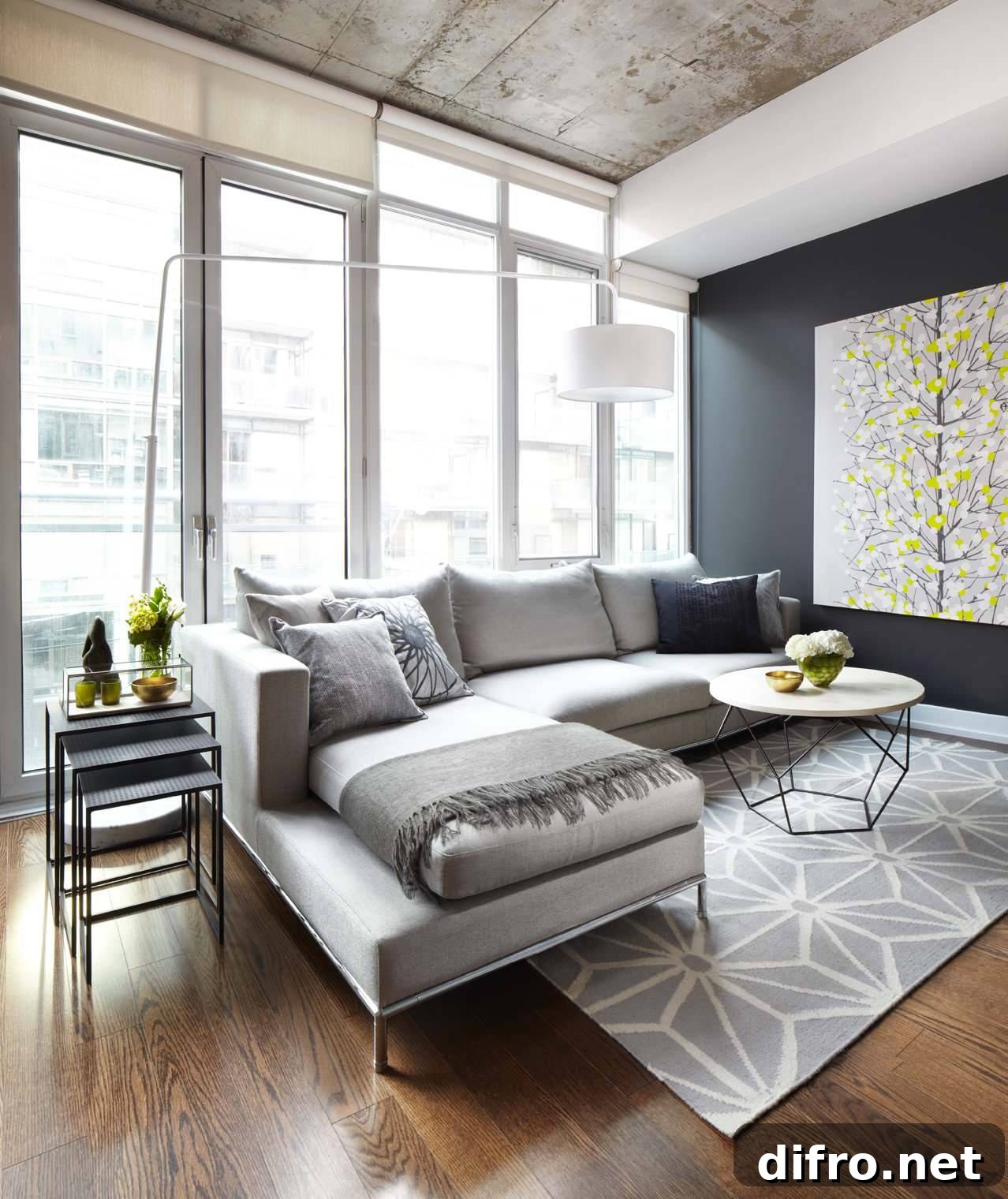
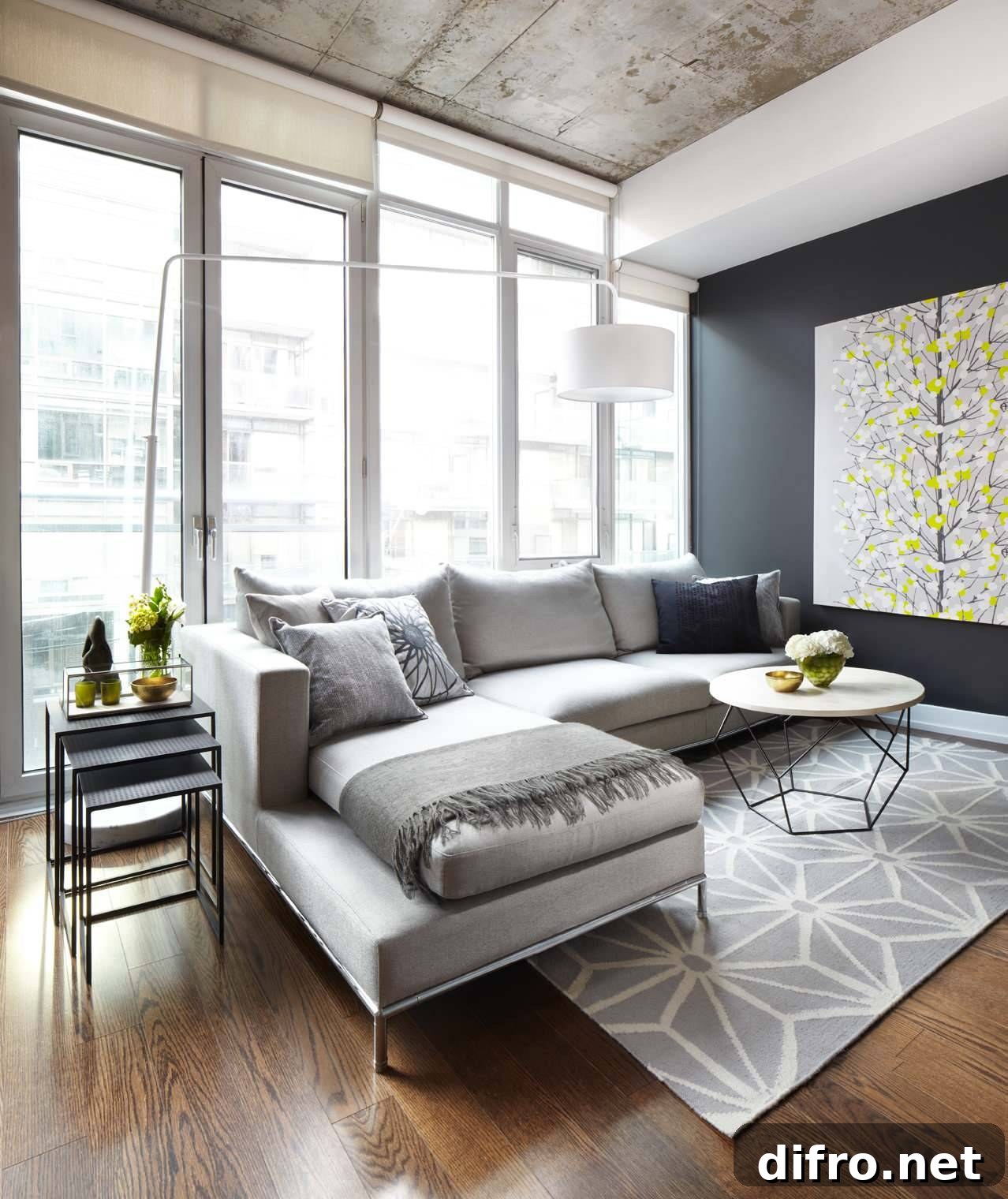
Painting a single accent wall in anthracite instantly adds depth and dimension to a room. An anthracite focal wall can ground a living area, bedroom or hallway, creating contrast with lighter walls and furnishings. If you worry a dark wall will make the space feel smaller, counteract that effect with generous lighting, mirrors or an oversized piece of artwork to visually break up the surface. Pair anthracite with warm woods, pale neutrals or metallic accents to keep the look inviting rather than heavy.
Sofa
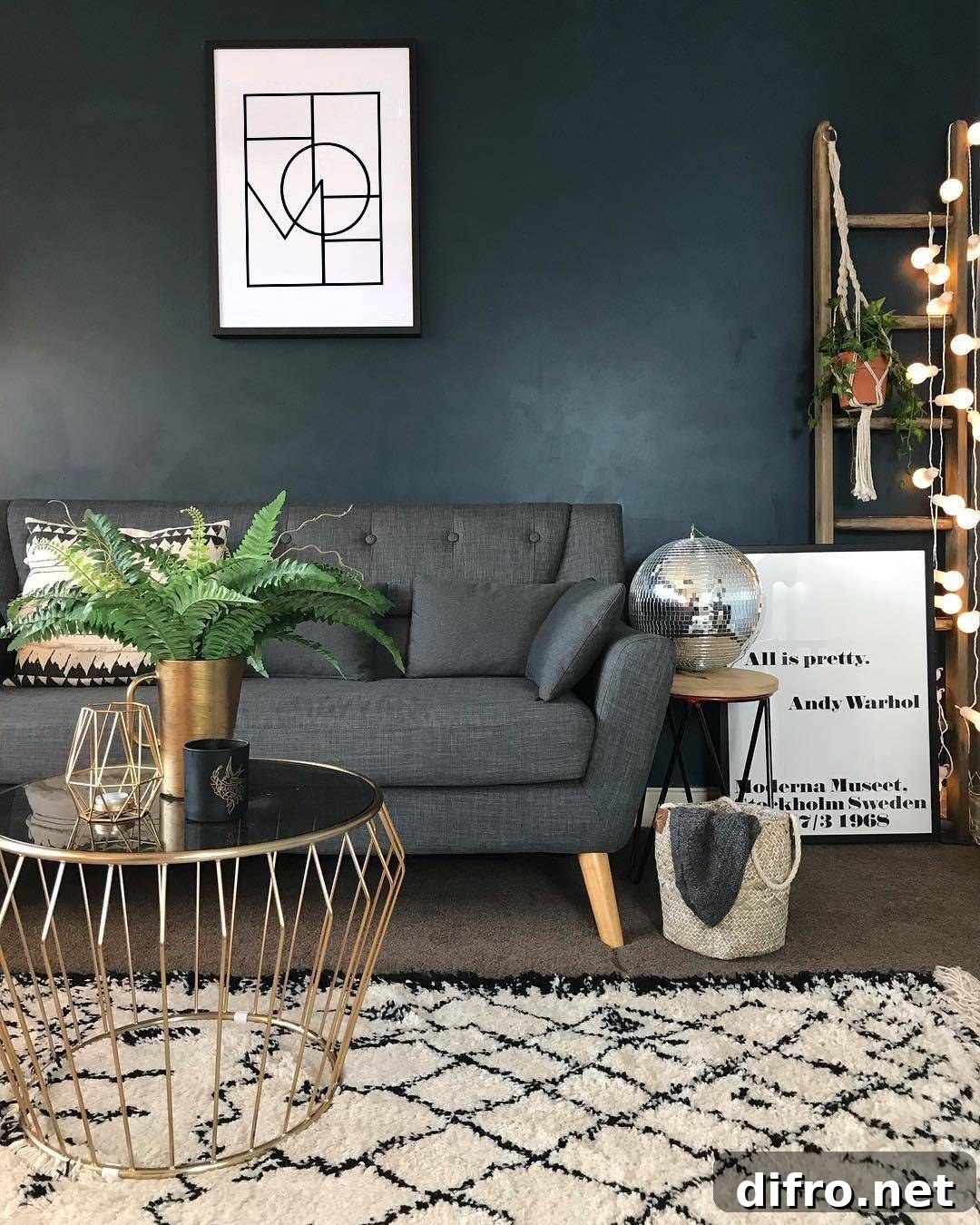
An anthracite sofa makes an elegant and versatile centerpiece in a modern living room. Its rich tone reads as neutral but carries enough presence to define the seating area. Anthracite upholstery works well with a wide palette of accent colors — consider mustard yellow, muted pink, deep red, sage green or warm terracotta for cushions and throws. Textured fabrics like boucle or linen blends will soften the sofa’s strong color, while sleek leathers emphasize a more streamlined, contemporary feel.
Kitchen
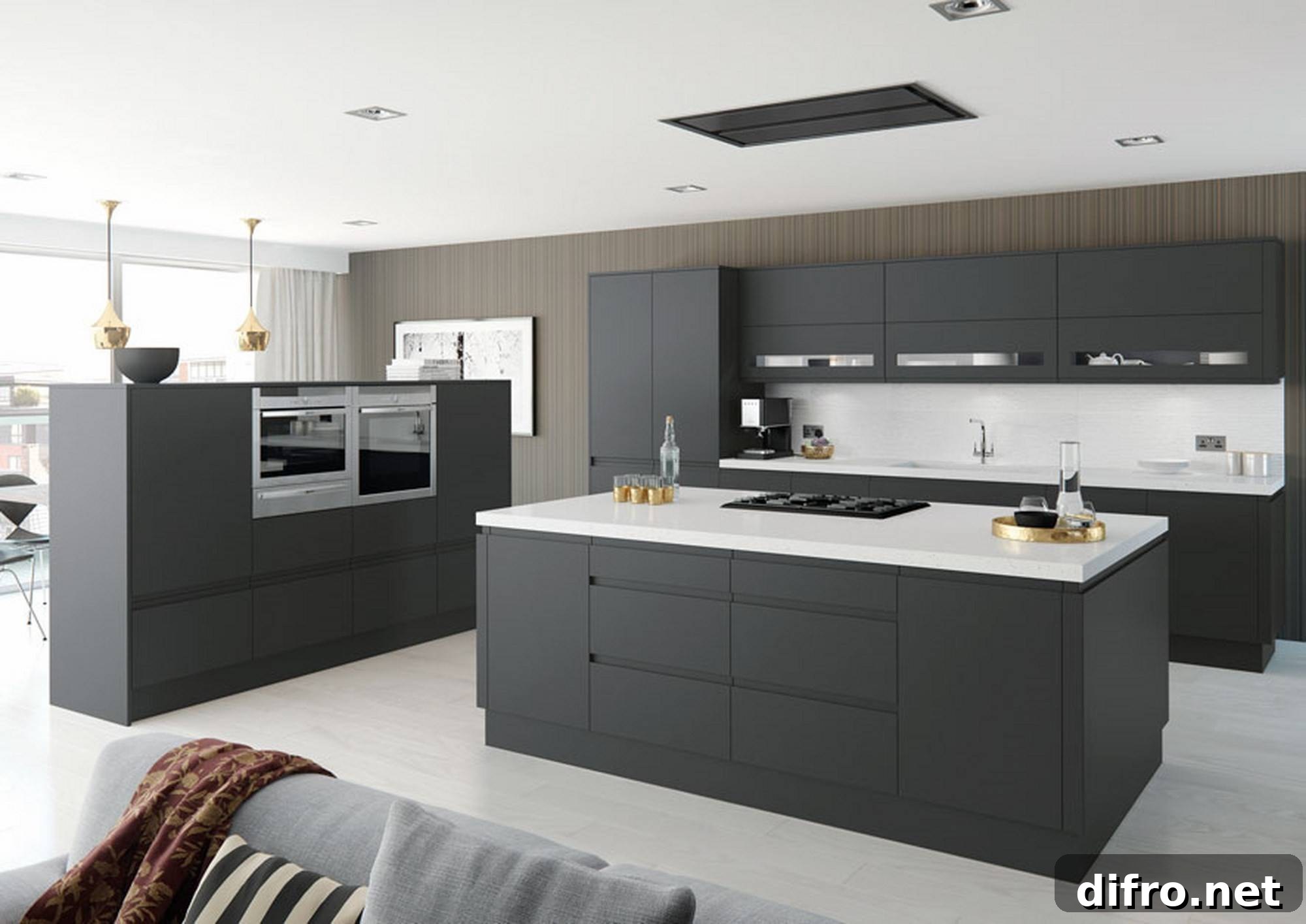
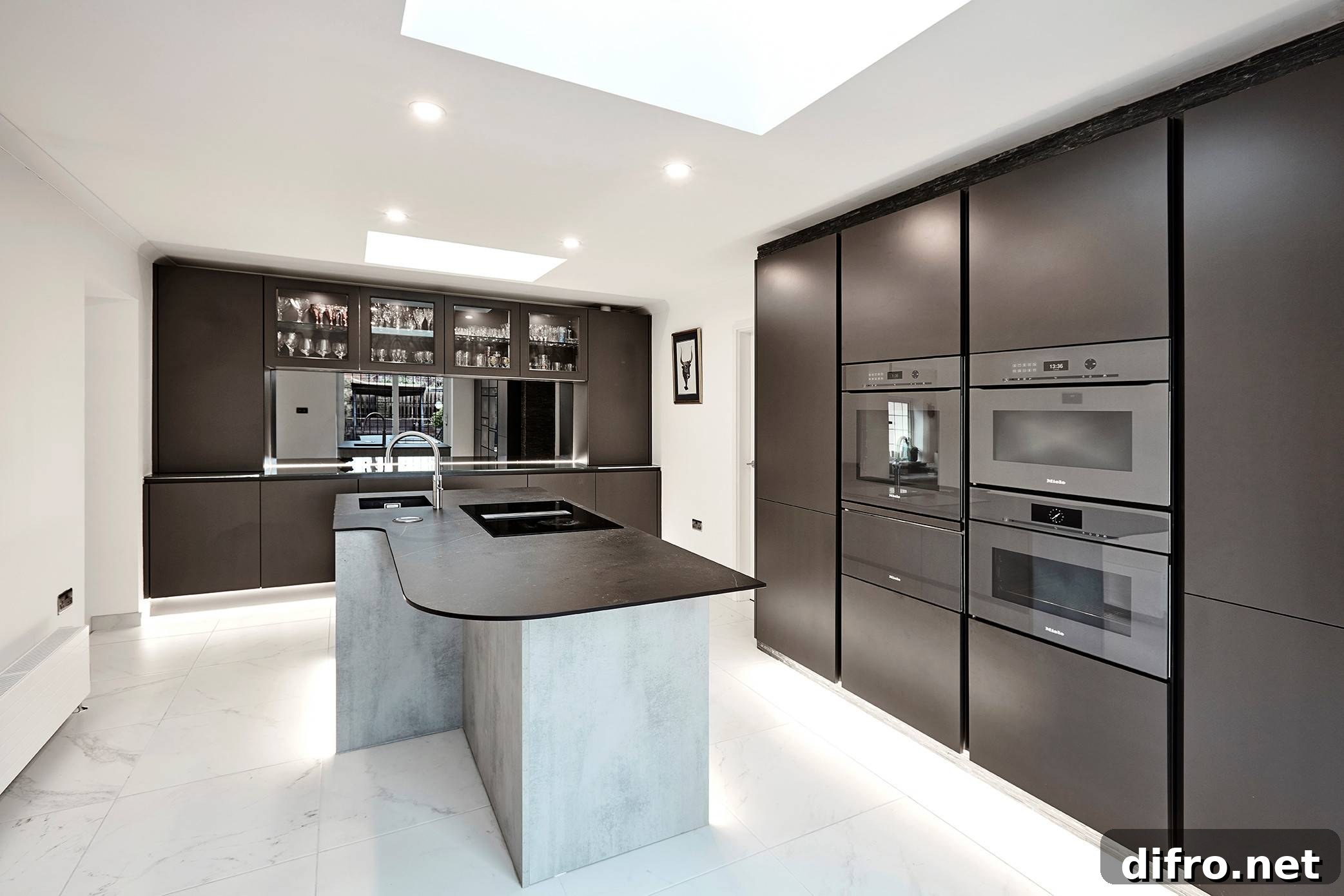
Anthracite cabinetry is an excellent way to introduce sophistication into the kitchen. Dark gray cabinets create a strong silhouette and work particularly well in modern, handle-less designs or kitchens that favor clean lines. To balance the depth of anthracite, combine it with lighter countertops — white or light stone surfaces reflect light and prevent the overall scheme from feeling too heavy. Warm metal hardware, such as bronze or brass, adds an elegant contrast, while natural wood finishes introduce warmth and texture. For a contemporary industrial look, pair anthracite with concrete or dark stone surfaces.
Tiles
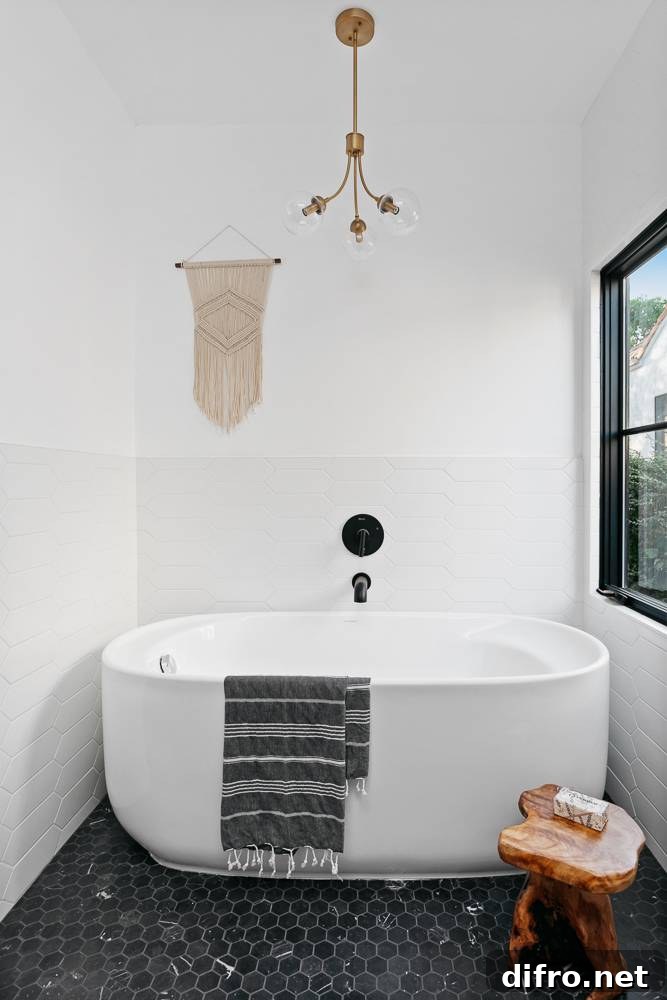
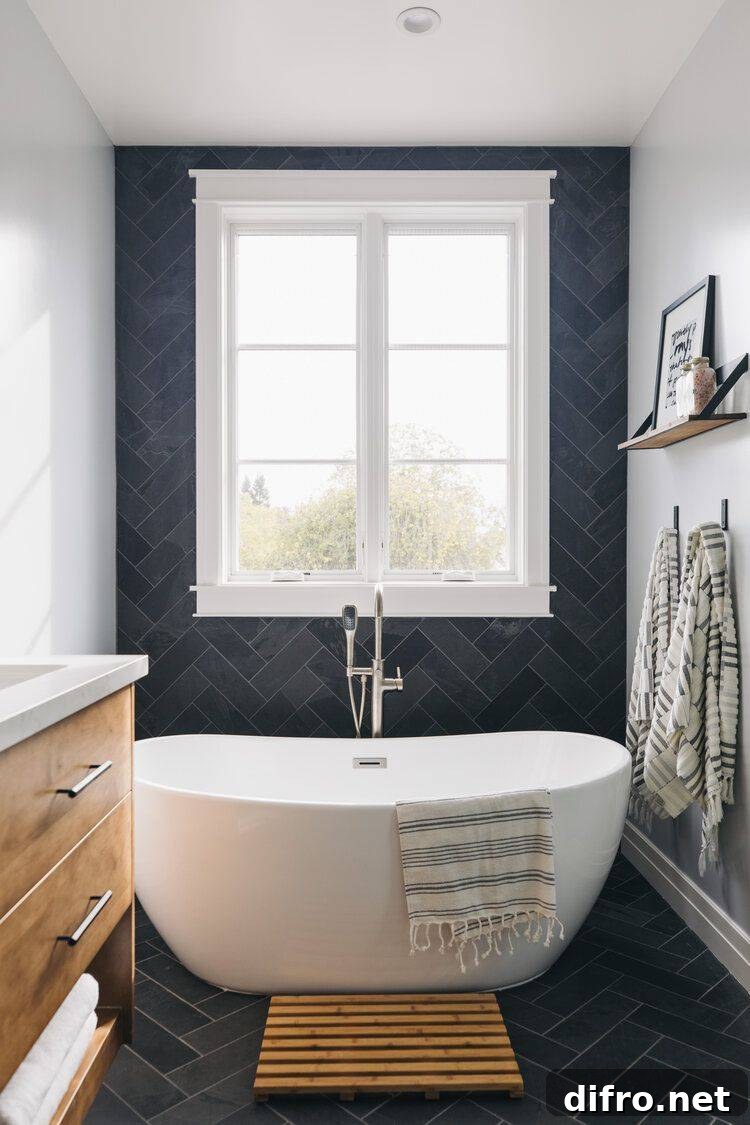
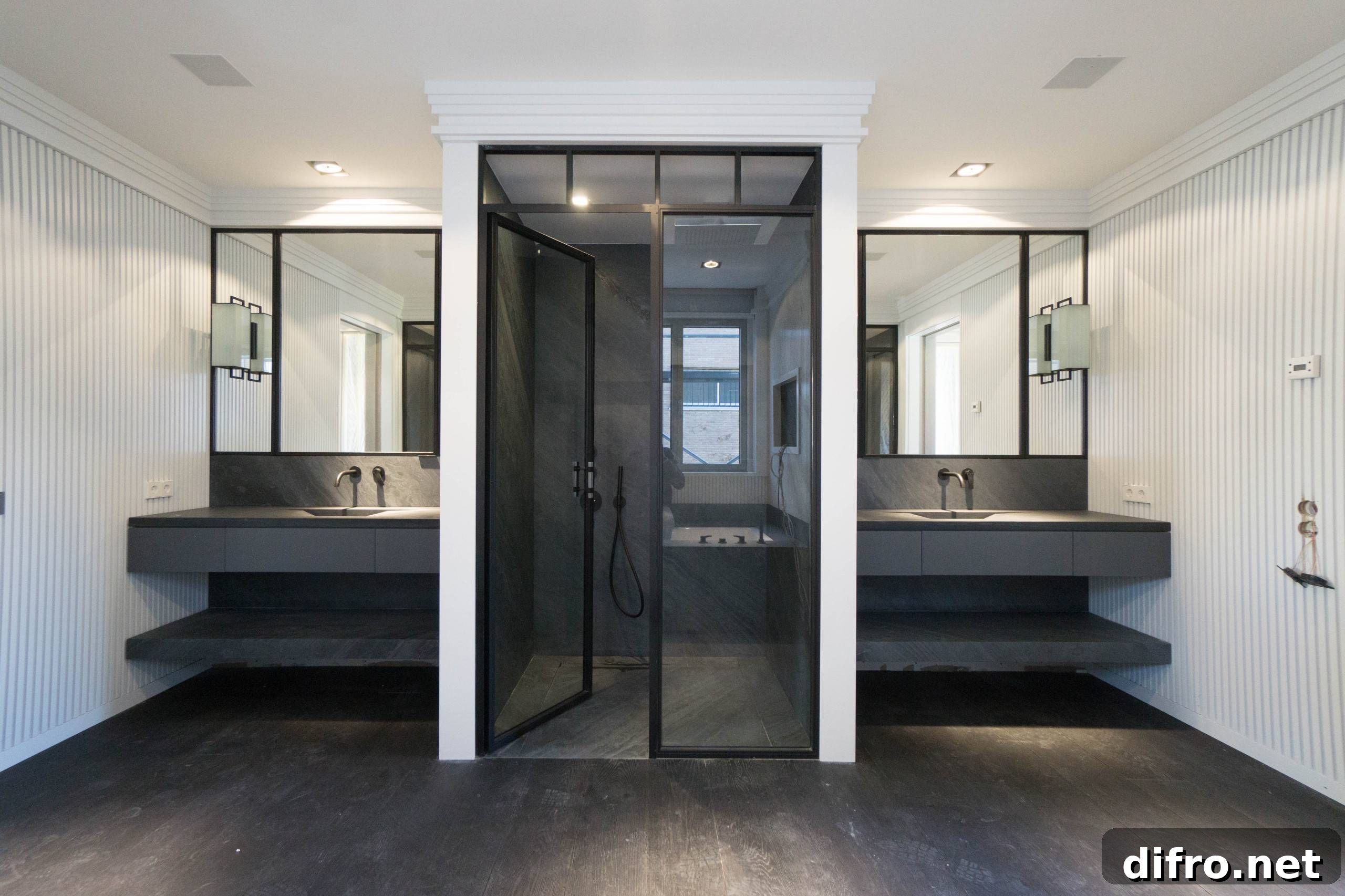
Anthracite tiles add drama and sophistication to bathrooms, entryways and floors. Dark hexagon tiles are a popular contemporary choice, offering pattern and depth without overwhelming the space. Herringbone tile in anthracite makes a striking focal wall, particularly behind a vanity or within a shower enclosure. If you want the floor to be the main visual feature, use classic subway tiles in lighter tones for the walls to create contrast and keep the space feeling balanced. When working with dark tile, consider warm lighting and lighter textiles to maintain a welcoming atmosphere.
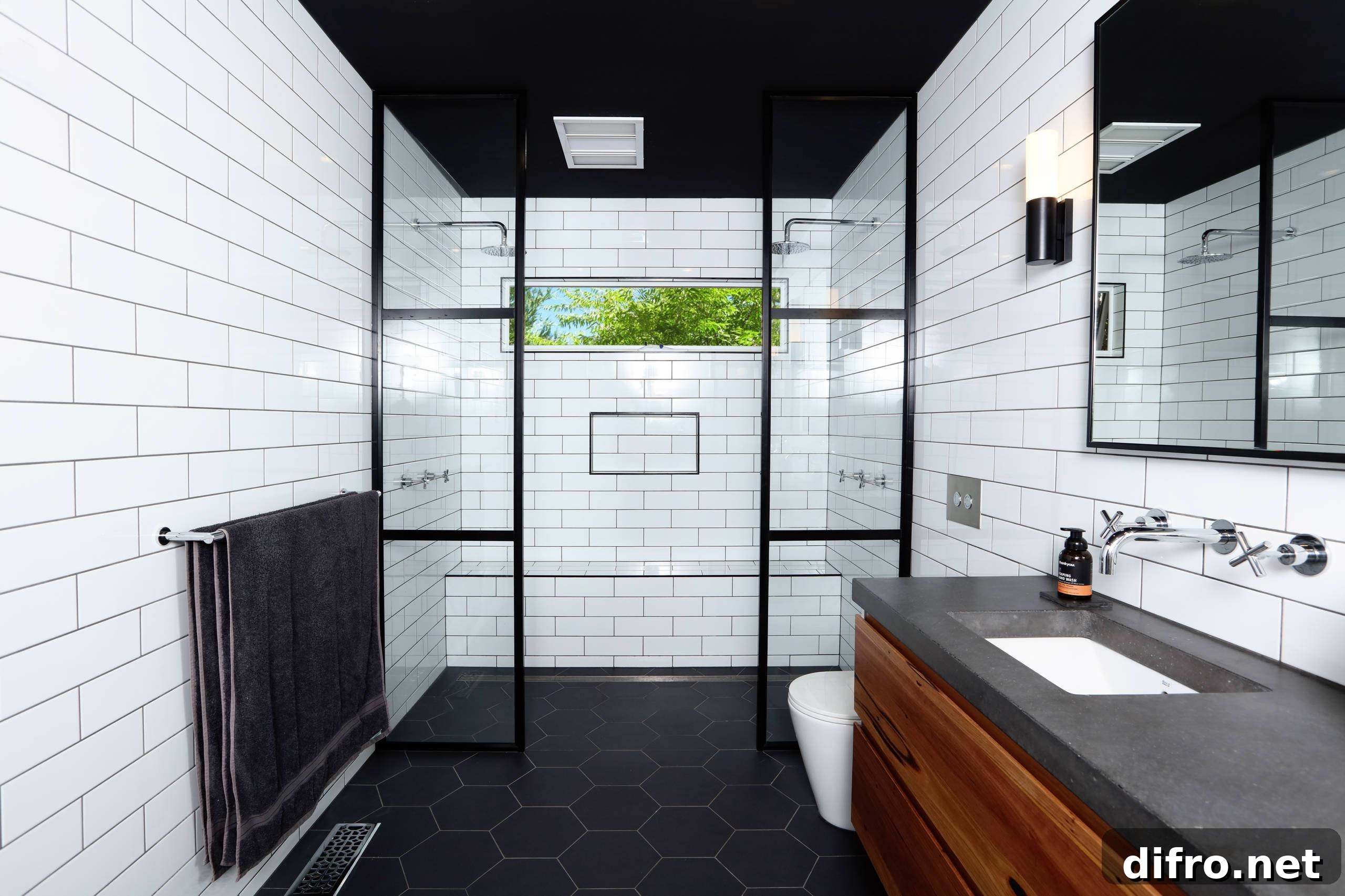
Decor
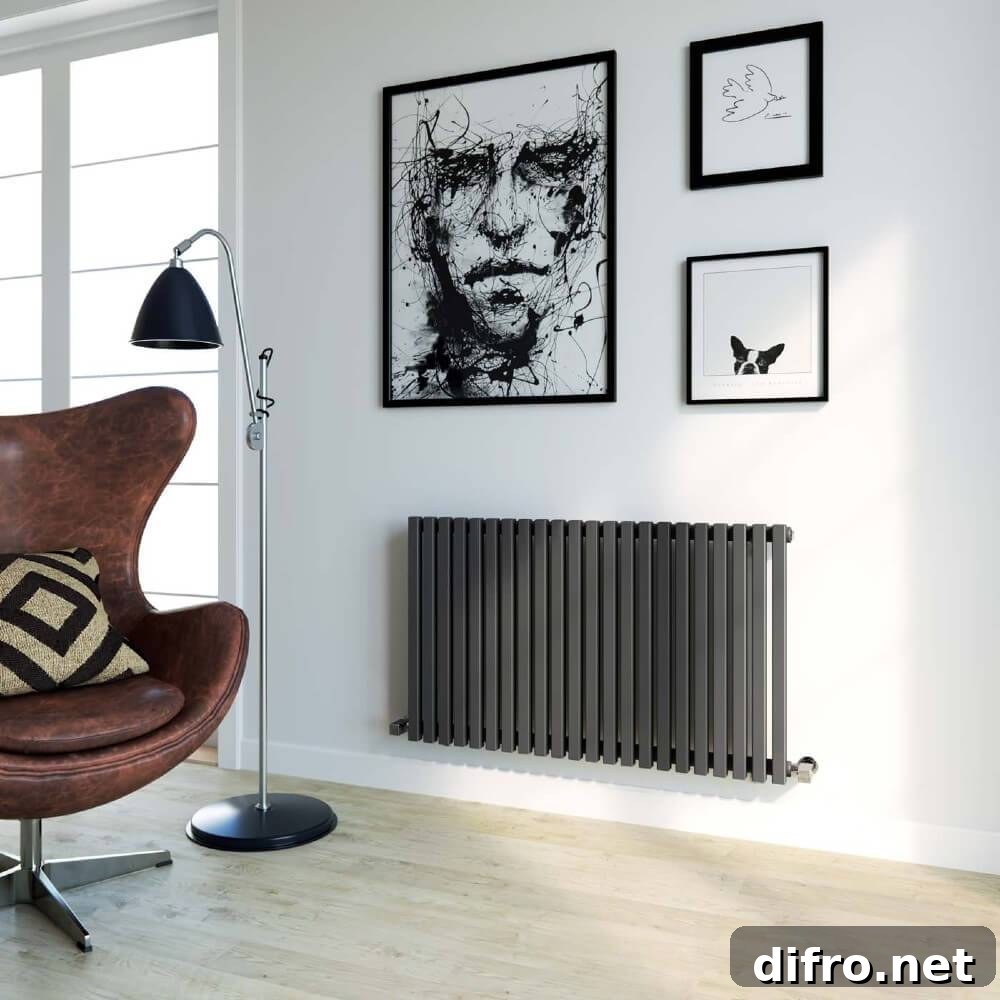
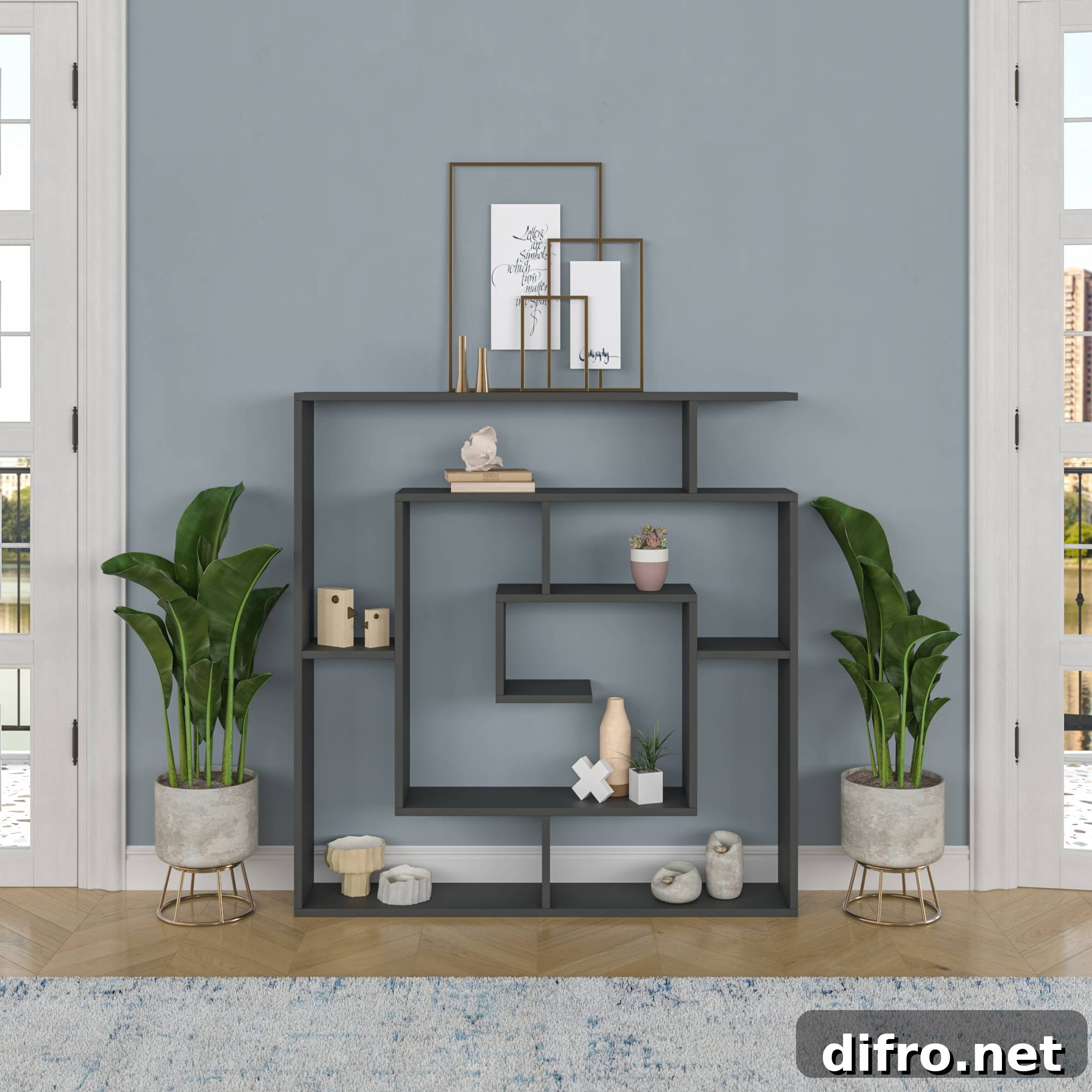
Introducing anthracite through decorative elements is an easy, low-commitment approach. Radiators, shelving units, window frames or smaller accent pieces in anthracite add a modern edge while remaining functional. Metal radiators or matte-painted radiators in anthracite can look intentionally architectural. Shelving, bookcases and side tables in this deep gray create continuity and help tie other dark accents together. If you’re experimenting, start with accessories and textiles to see how the color affects light and mood in your room before moving on to larger installations.
Whether you use anthracite as a dominant finish or as an accent, its strength lies in its ability to anchor a space and bring a modern, sophisticated mood. Balance anthracite with lighter tones, varied textures and thoughtful lighting to create spaces that feel both dramatic and inviting.