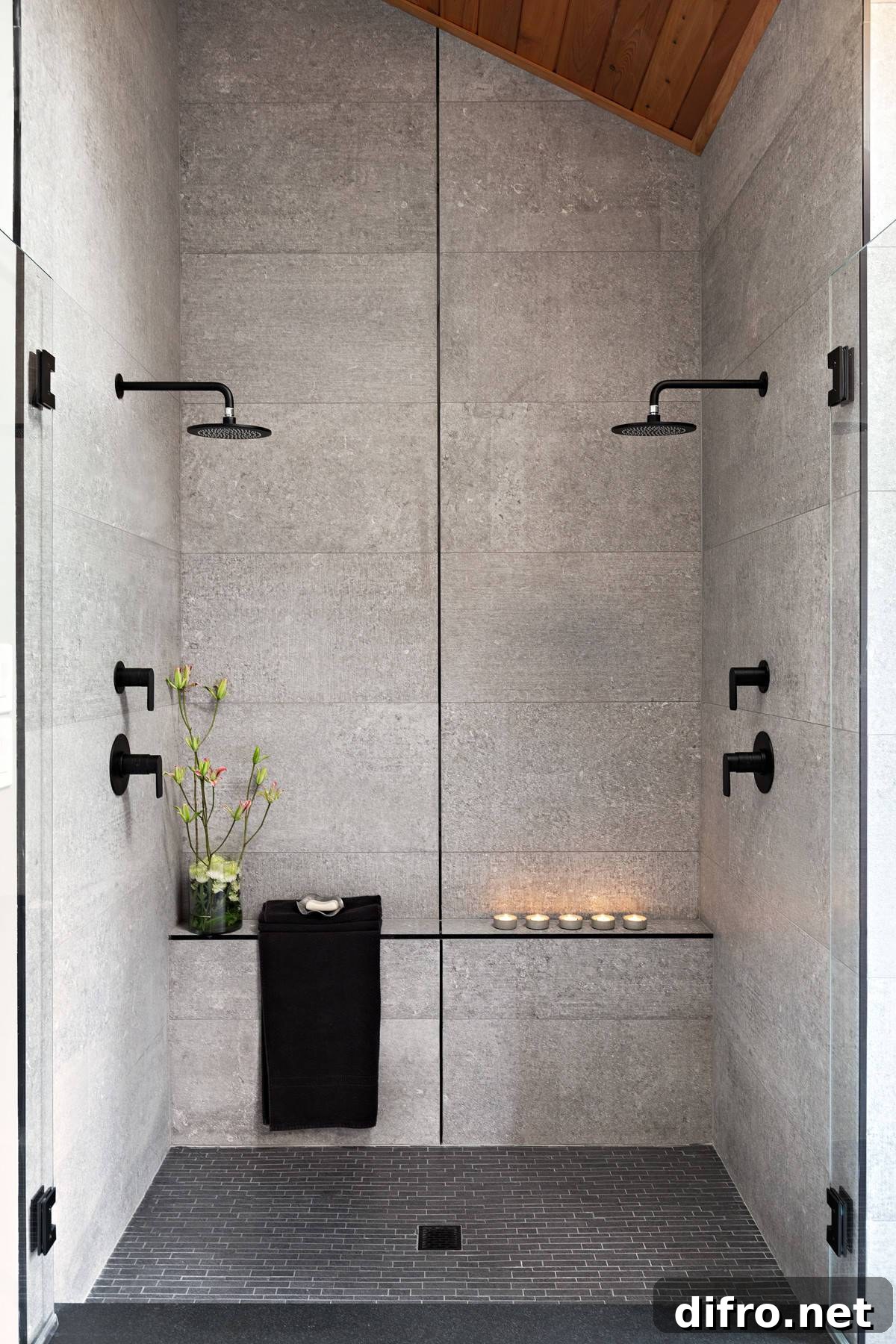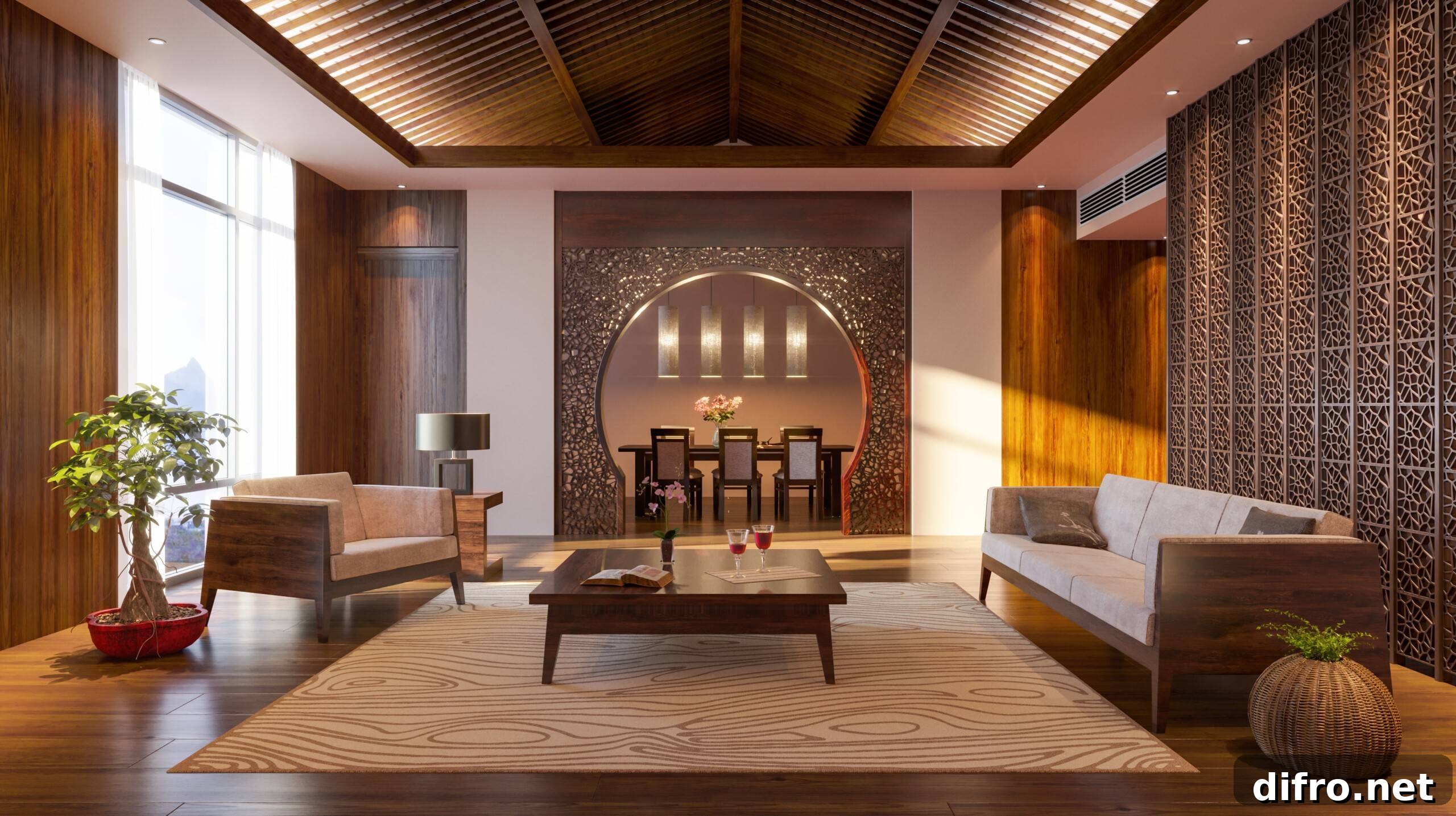
The Asian Zen style blends natural materials and the principles of Zen to create calm, balanced interiors that support wellbeing. This design approach recognizes that the spaces we live in affect our mood: clutter and chaos make it hard to relax, while deliberate, functional choices foster calm. Rather than enforcing strict rules, Asian Zen emphasizes simplicity, natural elements, and a peaceful atmosphere tailored to your needs. Below are the core features to help you bring this style into your home.
Neutral colors
Neutral hues form the foundation of Asian Zen interiors. Whites, beiges, soft grays and warm earthy tones ground a room and create a serene backdrop. Use these shades for walls, large furniture pieces, and flooring. Accents can introduce subtle color—muted greens, soft blues, and pale yellows work well—always keeping the overall palette restrained and cohesive.
Natural light
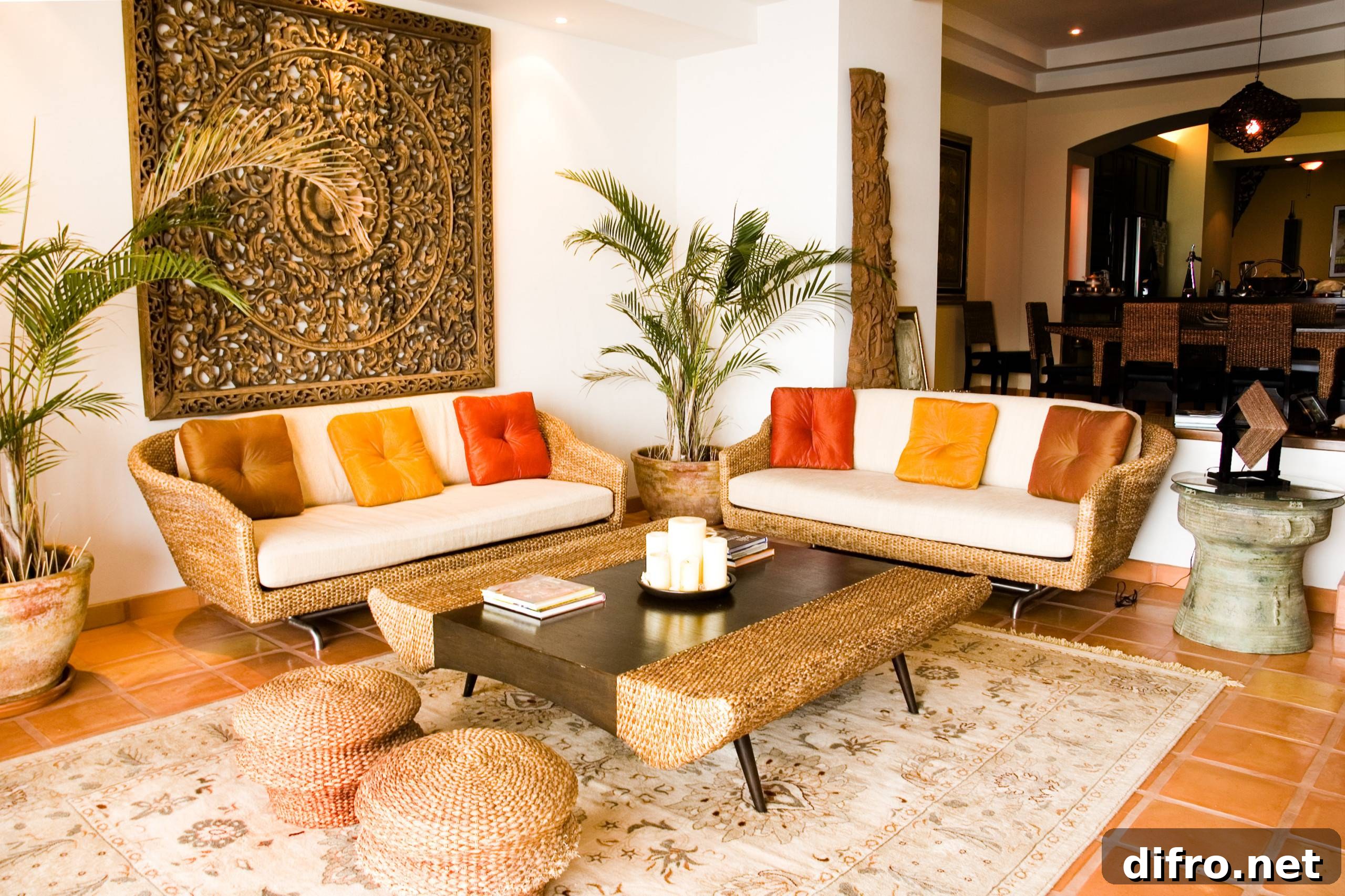
Light plays a central role in creating a Zen atmosphere. Wherever possible, maximize natural light with large windows, open layouts, and unobstructed sightlines. For evening and mood lighting, use layered, soft sources—table lamps, floor lamps, and candles—rather than harsh overhead fixtures. A mix of ambient and task lighting helps maintain a tranquil ambiance throughout the day.
Natural textures
Layering natural textures gives rooms warmth and tactile comfort while staying true to the Zen aesthetic. Choose fabrics like linen, cotton, wool and bamboo for upholstery, throws, rugs and window treatments. A wool or natural-fiber rug anchors a seating area; linen pillows and cotton upholstery feel both elegant and comfortable. Natural wood finishes, woven baskets, and stone accents reinforce the theme without overwhelming the space.
Greenery
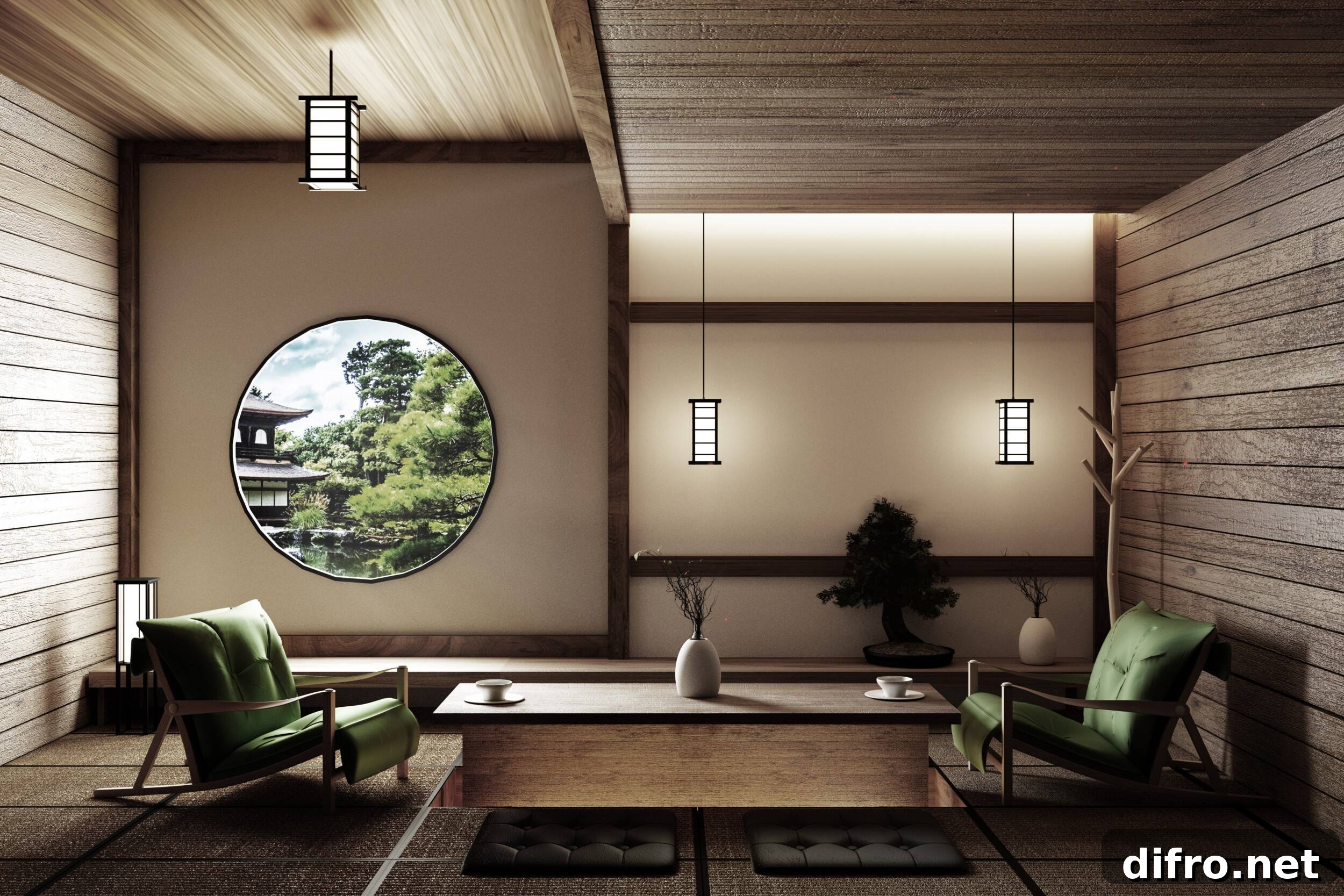
Plants bring a sense of life and freshness into Asian Zen rooms, but choose species that support a calm mood. Opt for green, leafy plants with understated forms—dracaena, snake plants, and bonsai or small sculptural trees are excellent choices. Avoid highly scented or brightly flowered varieties that compete with the room’s quiet aesthetic. Well-placed plants enhance airiness and connect your interior to nature.
Decorative touches
Decor in Asian Zen design is purposeful and minimal. Natural objects—smooth pebbles, wooden bowls, ceramic vessels—can be used as focal accents. Water features, such as a small tabletop fountain, add gentle sound that promotes relaxation. A mini Zen garden with sand and a tiny rake offers a tactile reminder to slow down; grooming and raking patterns can be a simple mindfulness ritual.
Minimalist approach
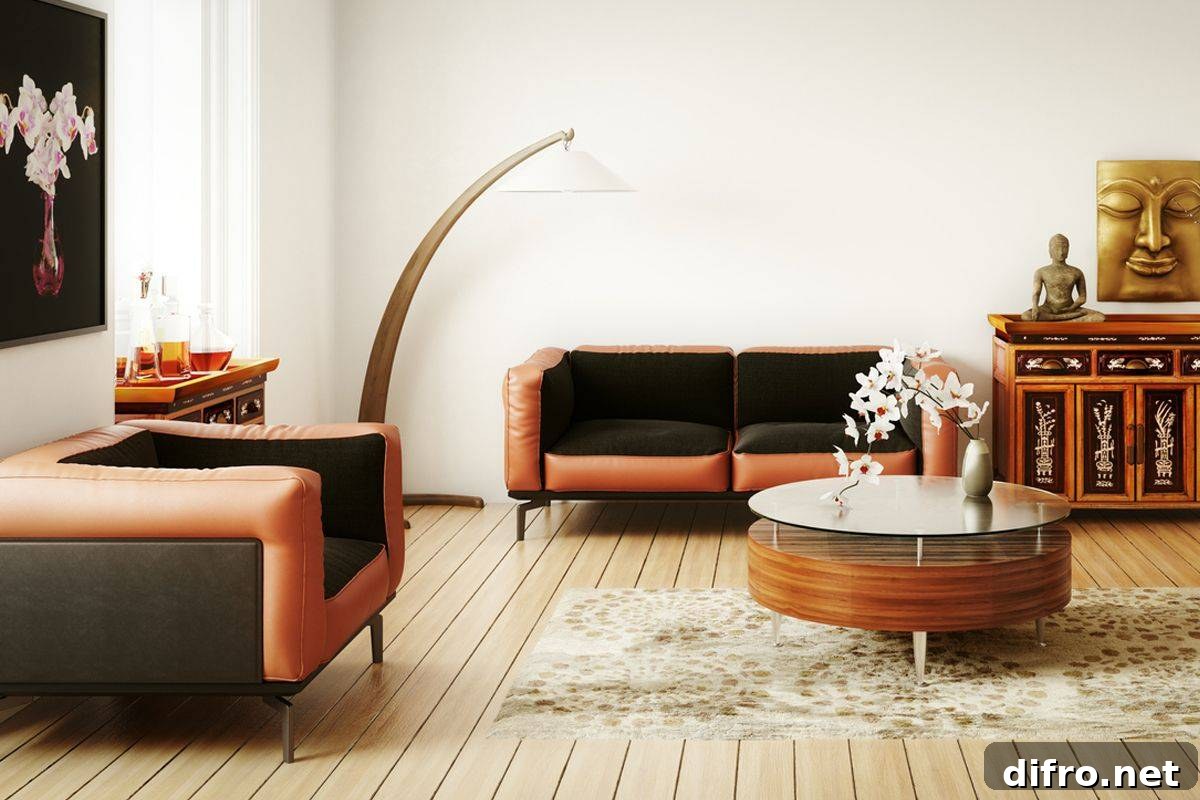
At its core, Asian Zen champions a minimalist mindset: keep only what you need and what brings you joy. Reducing clutter simplifies visual stimuli and lowers stress. Use concealed storage, selective display, and clean-lined furniture to maintain open, peaceful spaces. When choosing furnishings, favor low-profile pieces with simple forms that encourage a sense of balance and proportion.
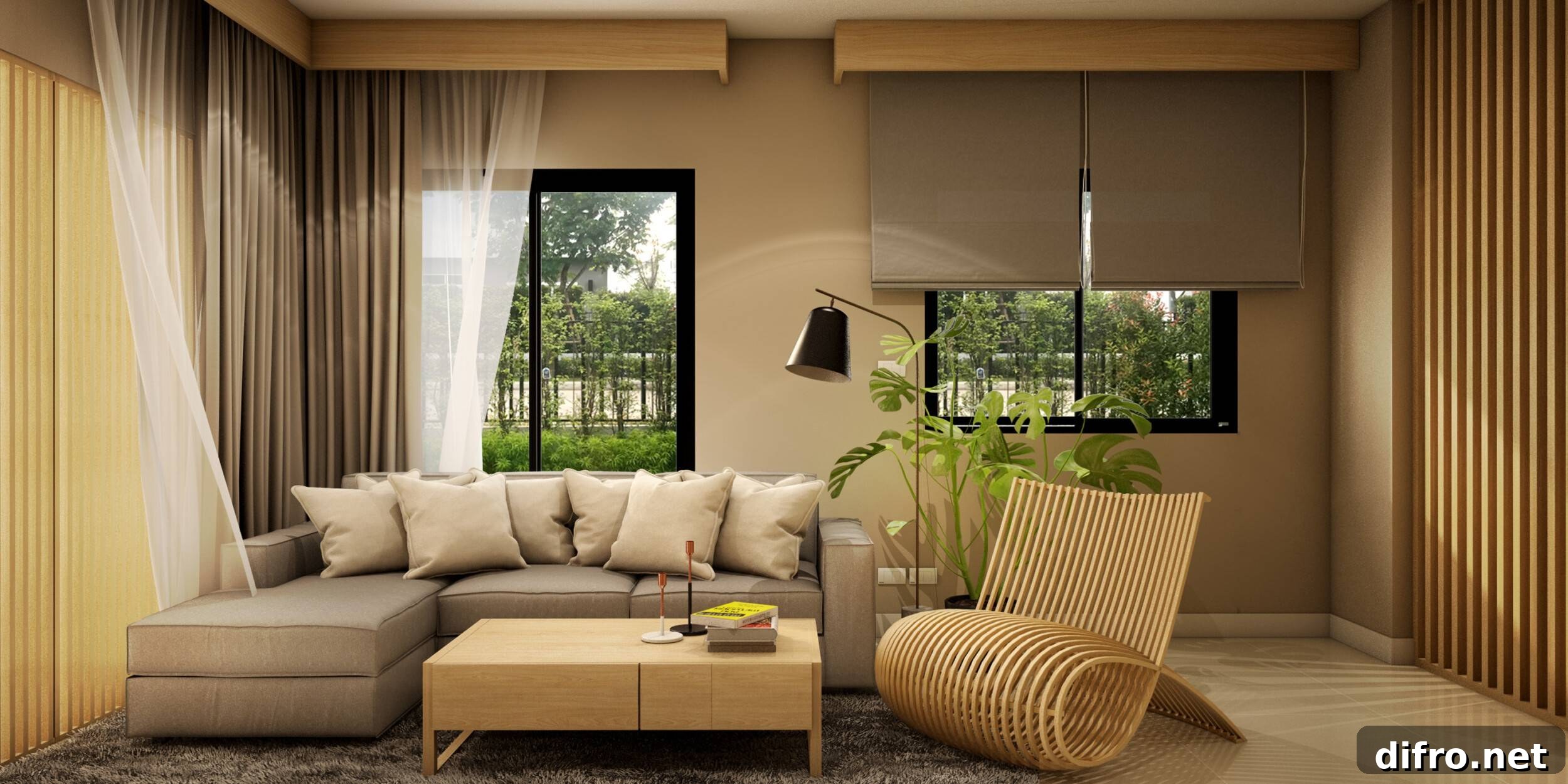
How to get started: choose one room to transform—often a bedroom or living room—and introduce a neutral base, one or two natural textures, a plant, and a simple focal object like a small fountain or sculpture. Gradually edit belongings and tune lighting to create a steady, calming flow. The goal is a personal space that feels restful, intentional, and connected to nature—an environment that supports clarity, relaxation, and everyday wellbeing.