There is never too much inspiration when it comes to kitchens, and each one has its own character. That’s why we continually share ideas that bring together form and function. Some concepts improve a kitchen’s usability by saving space and allowing effortless multitasking. Others introduce new visual, geometric or textural dimensions without disrupting the room’s style. Today we focus on a feature that began as a structural necessity and has evolved into a sought-after aesthetic element: the ceiling beam.
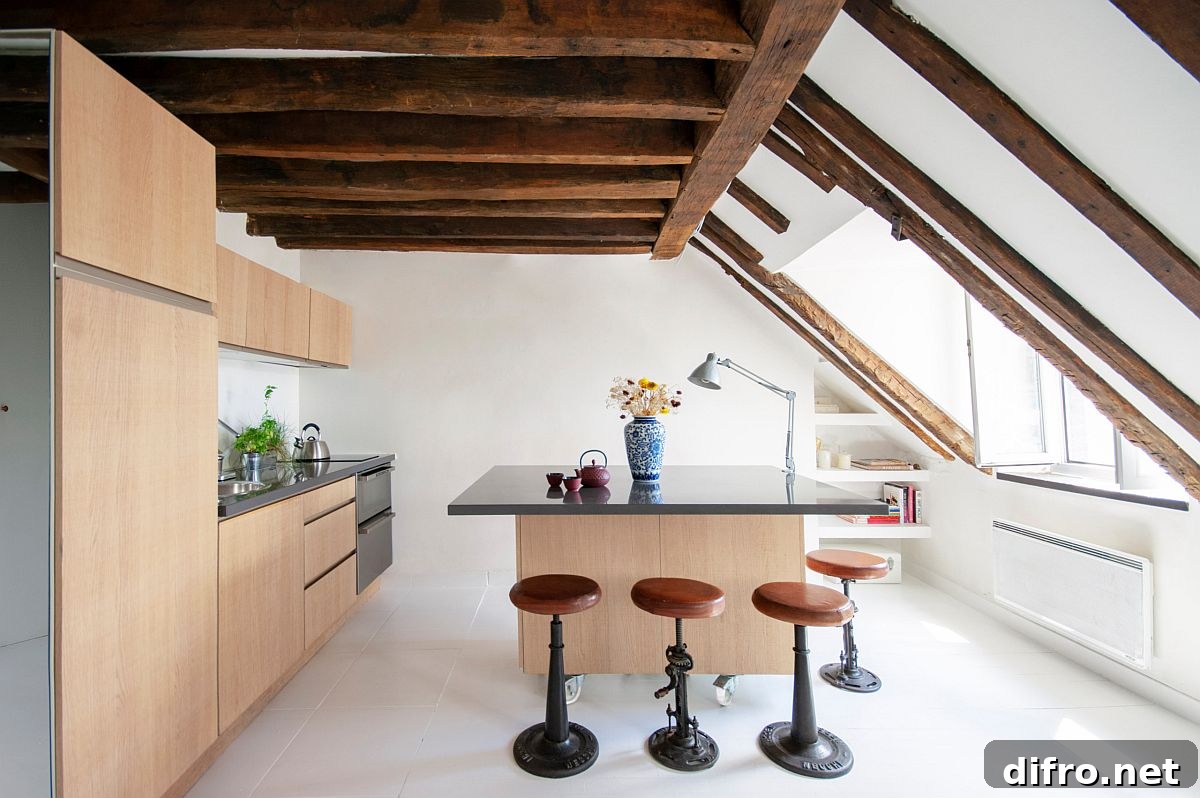
We’ve shown ceiling beams used in bedrooms and living rooms before; here, we turn our attention to kitchens where beams add warmth, texture and architectural interest. Kitchens with ceiling beams come in many styles and scales: rustic farmhouse rooms, modern minimalist spaces and Mediterranean-style kitchens all benefit from the character that beams bring. Whether the beams are an original part of the structure or added as a design feature, wooden beams consistently make a memorable impression.
Breathing Life into the White Ceiling
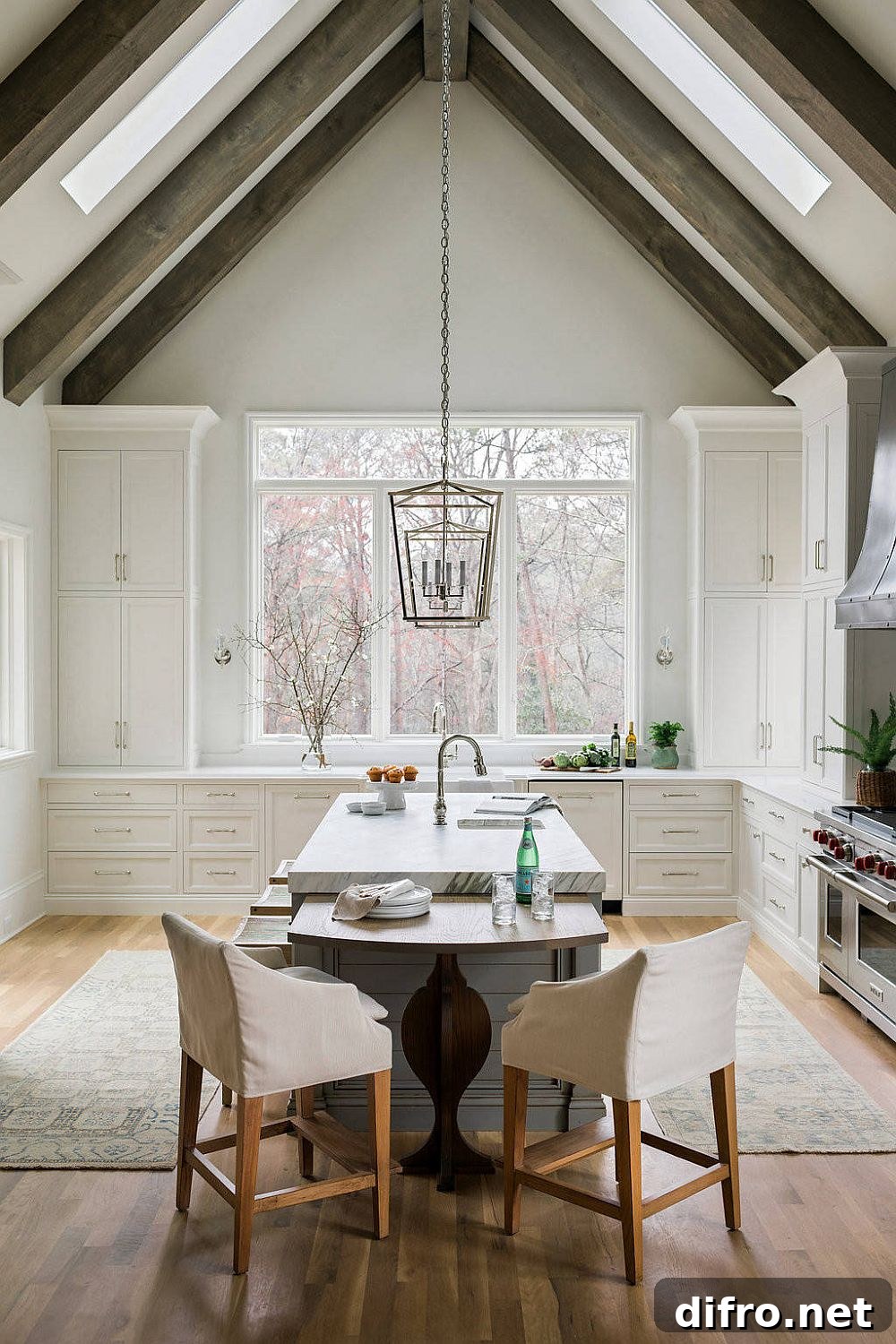
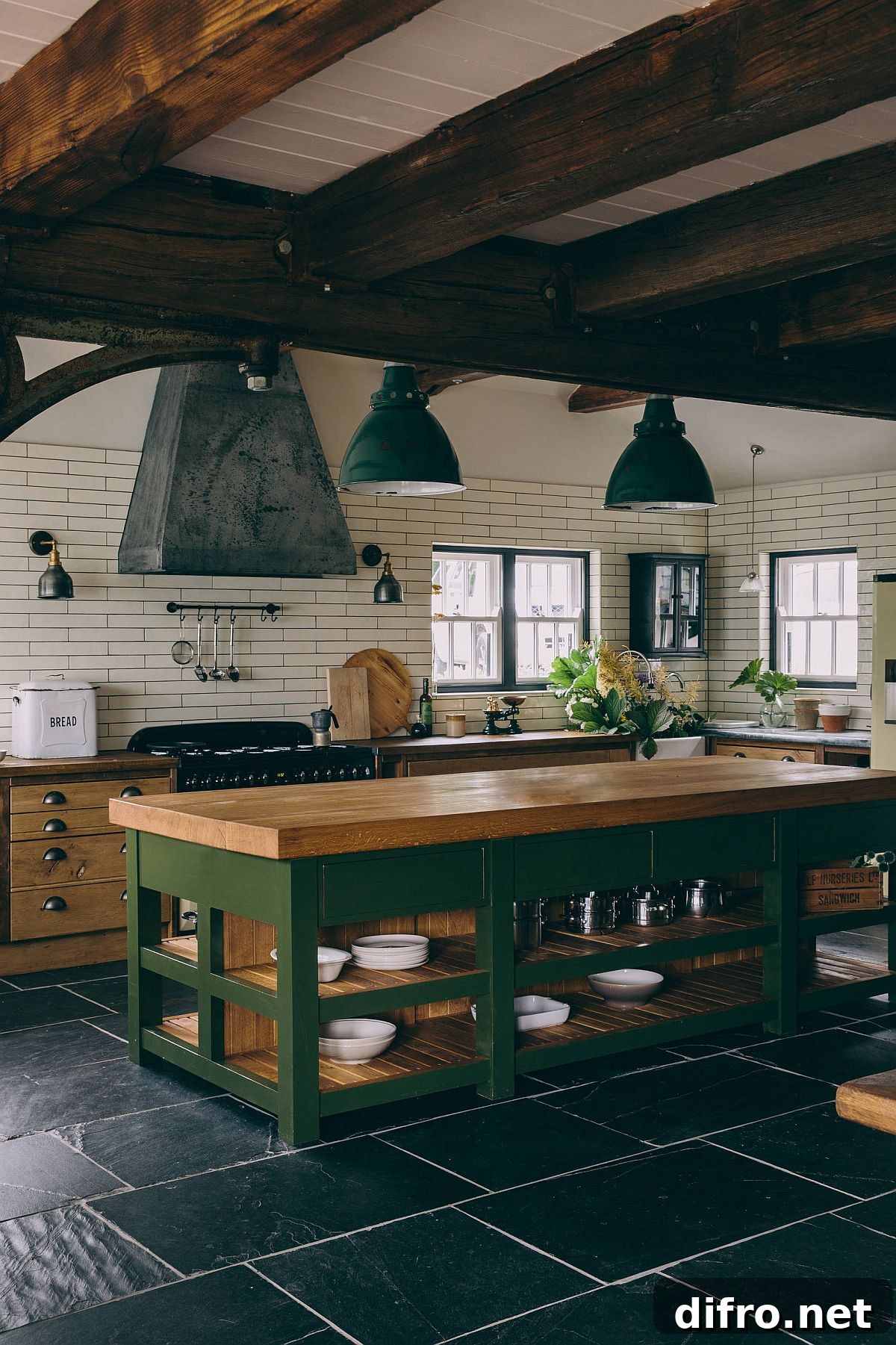
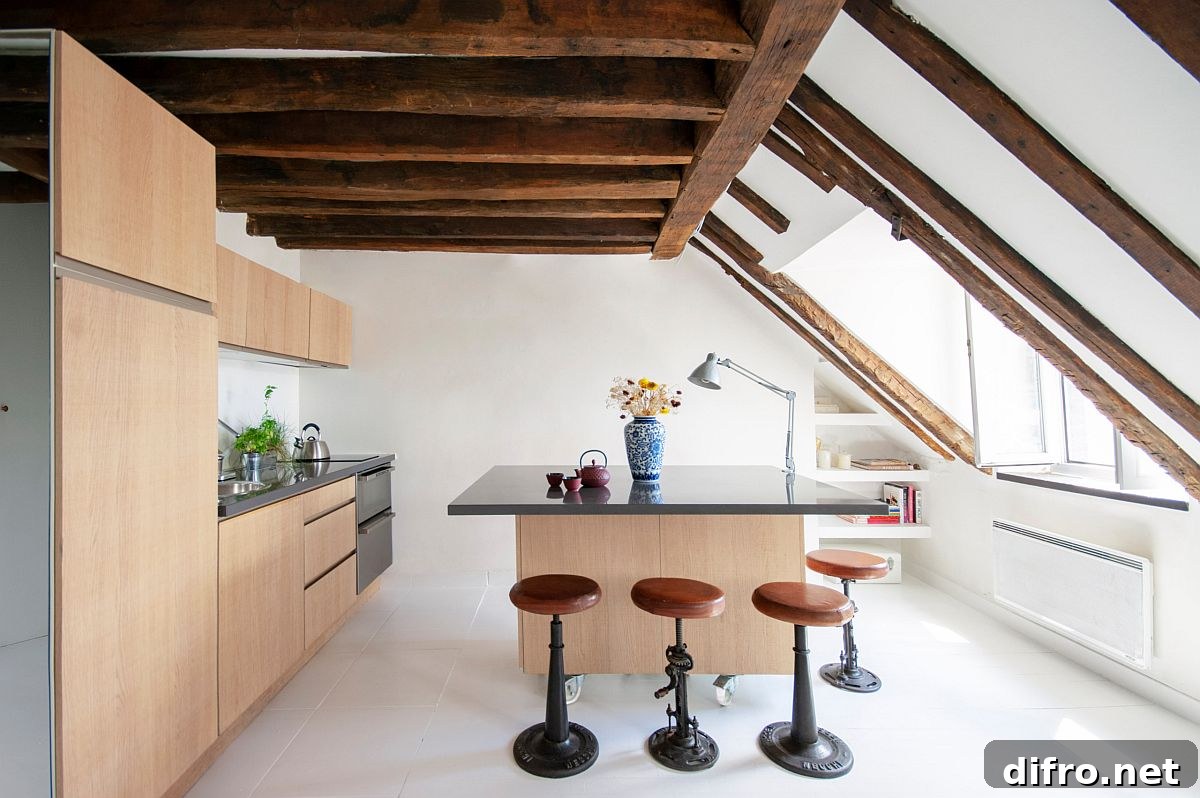
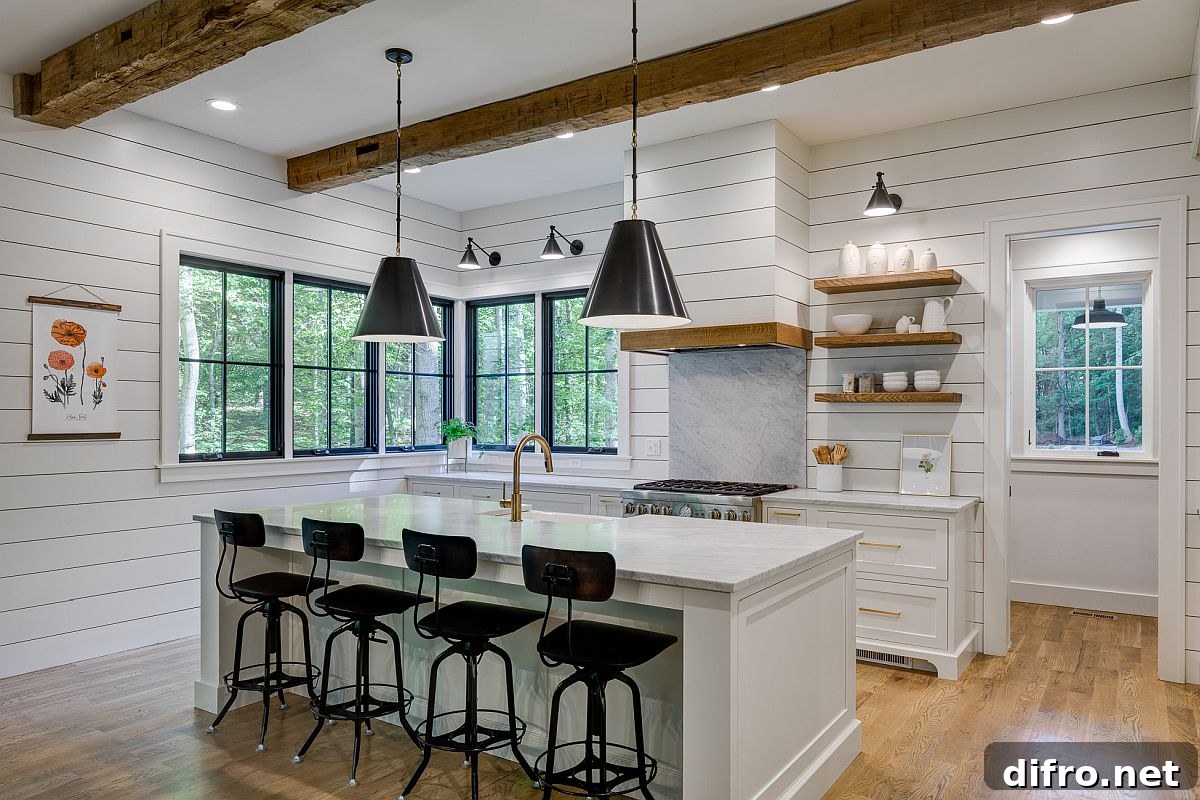
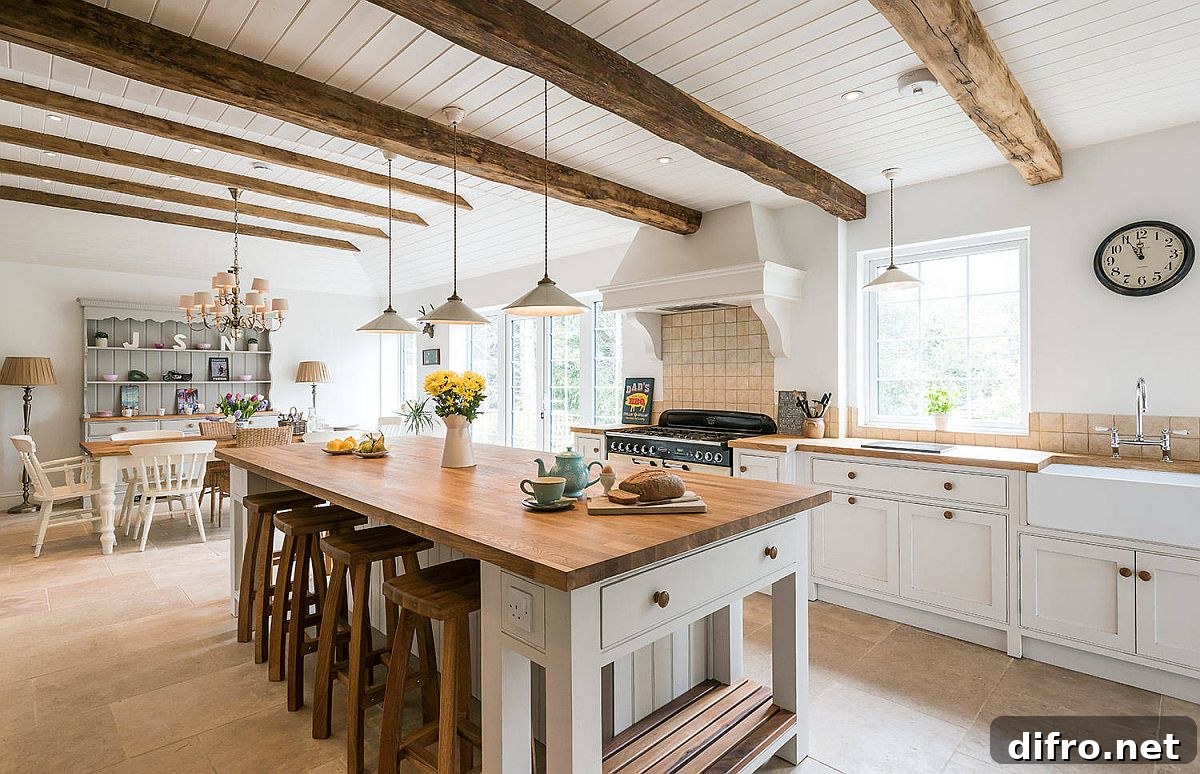
In kitchens dominated by white finishes, wooden beams create a compelling contrast. Pairing exposed wooden beams with a white ceiling highlights the beams and anchors the space, adding warmth and visual depth. In older homes beams are often original to the construction, which makes them easy to embrace; in newer builds you can add faux or engineered beams to reproduce the effect. Repeating the wood tones used across countertops, flooring or open shelving helps unify the palette, producing a carefully curated look that still feels natural.
An Overload of Wood
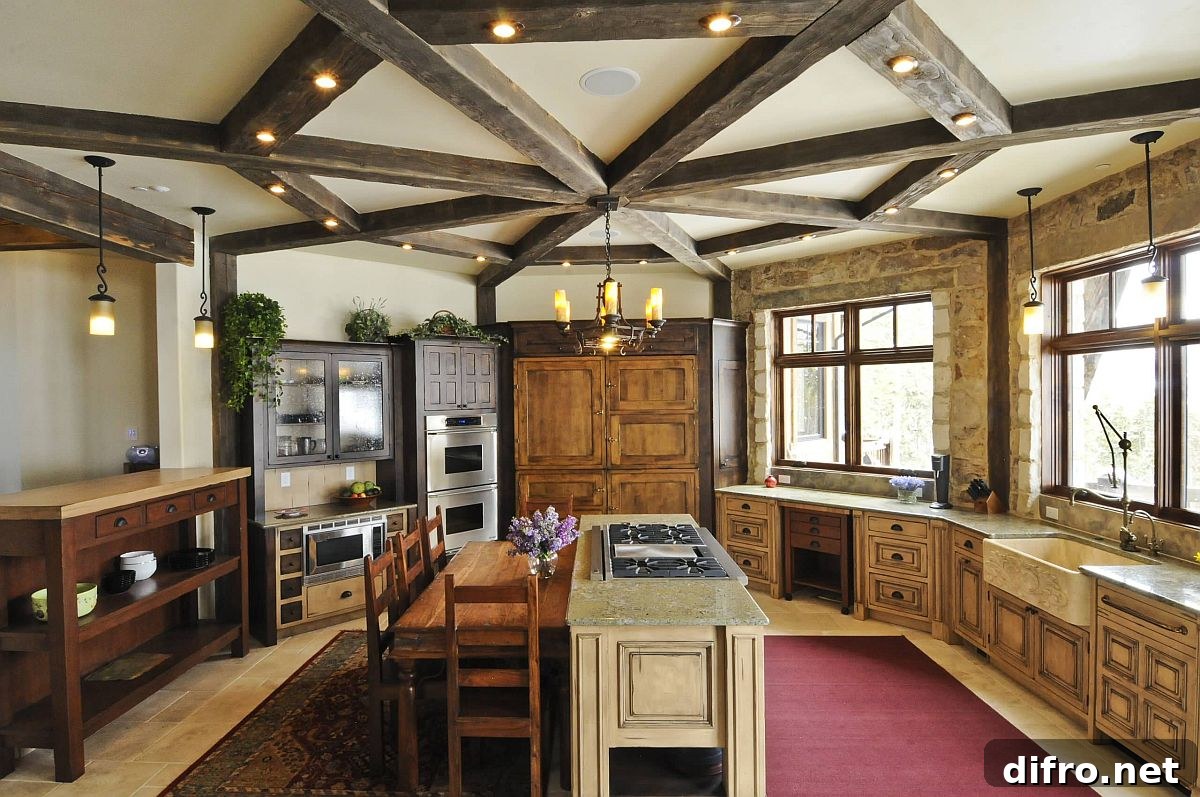
While contrasting beams against a white ceiling is a popular choice, you can also embrace a fully wooden ceiling that blends seamlessly with sturdy exposed beams. This “all-wood” approach works especially well in rustic, farmhouse and cabin-style kitchens where wood’s tactile warmth and timeless quality enhance the room’s character. A wooden ceiling paired with robust beams creates a cozy, enveloping atmosphere that can also complement more contemporary designs when executed with clean lines and restrained finishes.
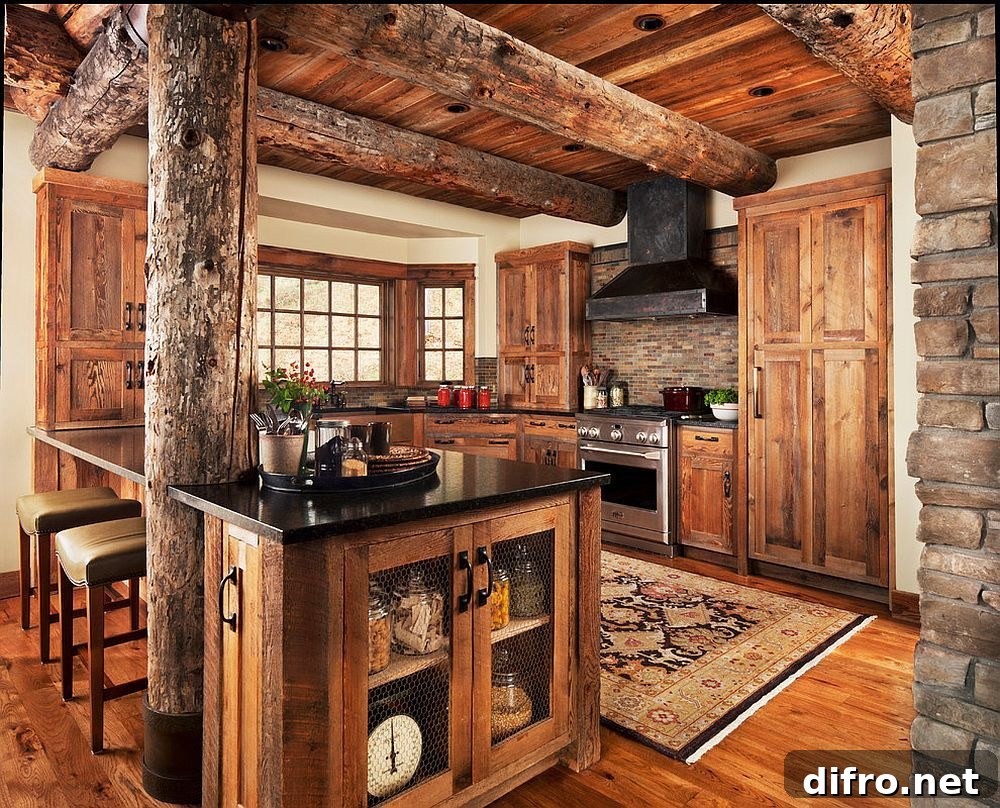
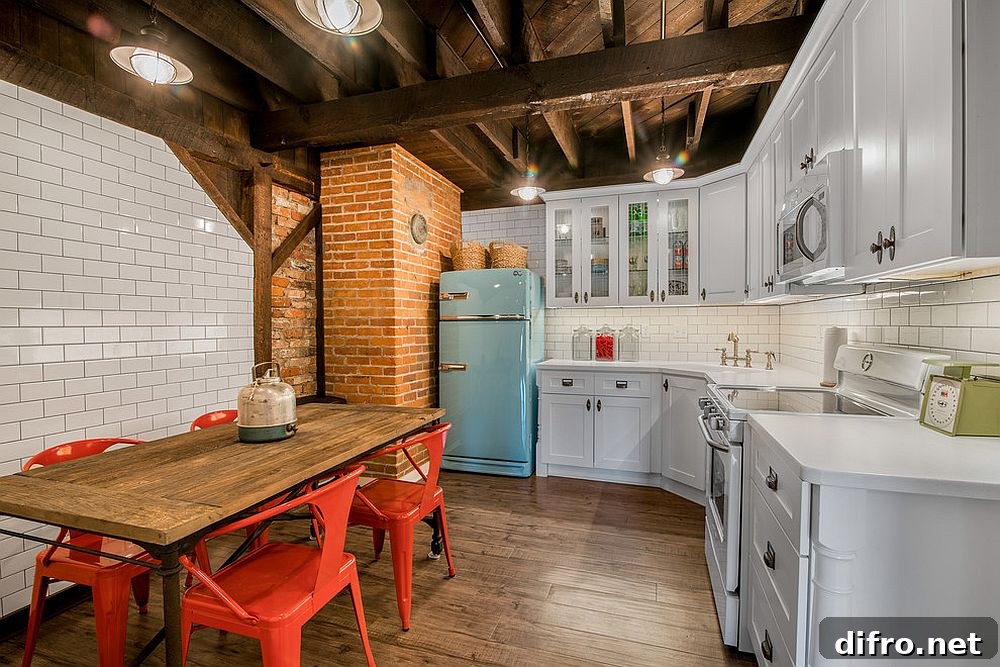
Wood-heavy schemes should be balanced with thoughtful accents—textured tiles, painted cabinetry, or a lighter countertop—to avoid a monotonous look. When planned well, an abundance of wood creates a timeless kitchen that feels grounded and inviting.
Beyond Just Structural Support
Ceiling beams are rarely just structural these days. Designers use beams as mounting points for pendant lights, chandeliers or recessed fixtures, turning them into practical elements that also serve as visual anchors. Running a row of pendant lights from a central beam can frame an island or dining nook, while skylights placed between beams flood the kitchen with natural light without compromising the architectural rhythm. For a subtler effect, some homeowners choose to paint beams the same color as the ceiling, which softens their presence while preserving texture.
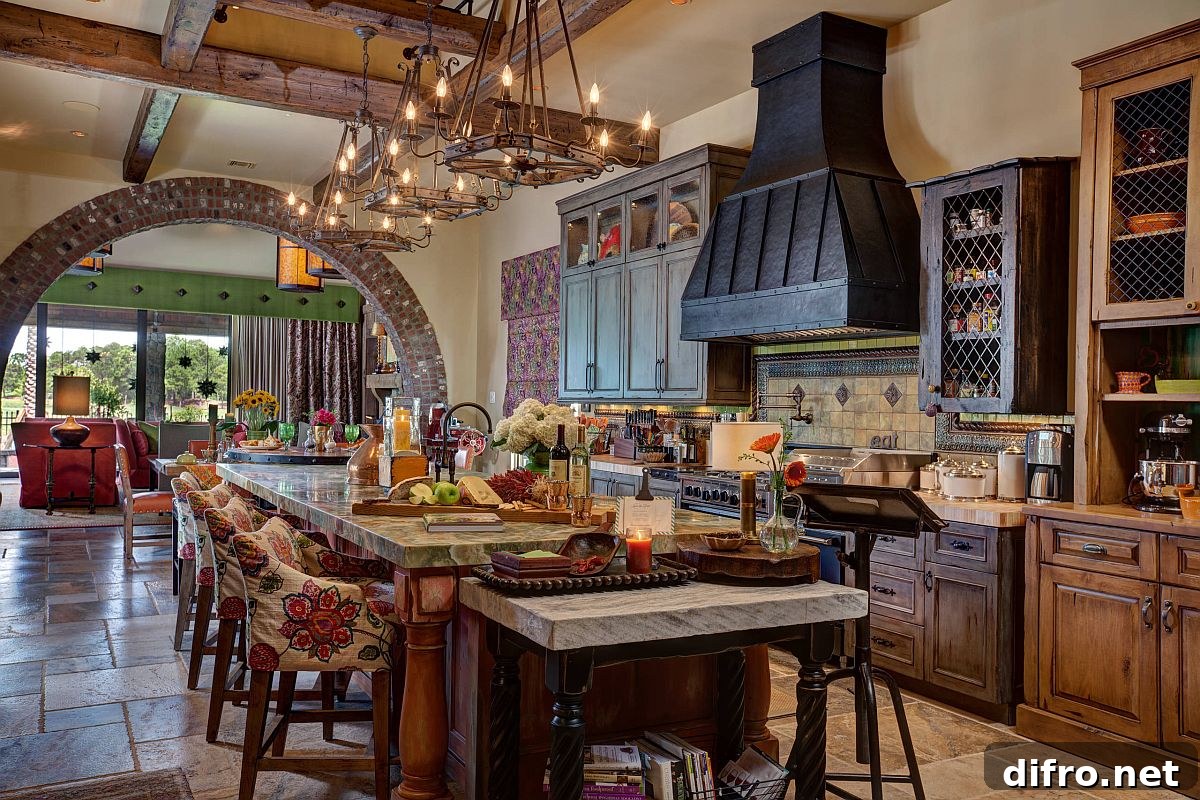
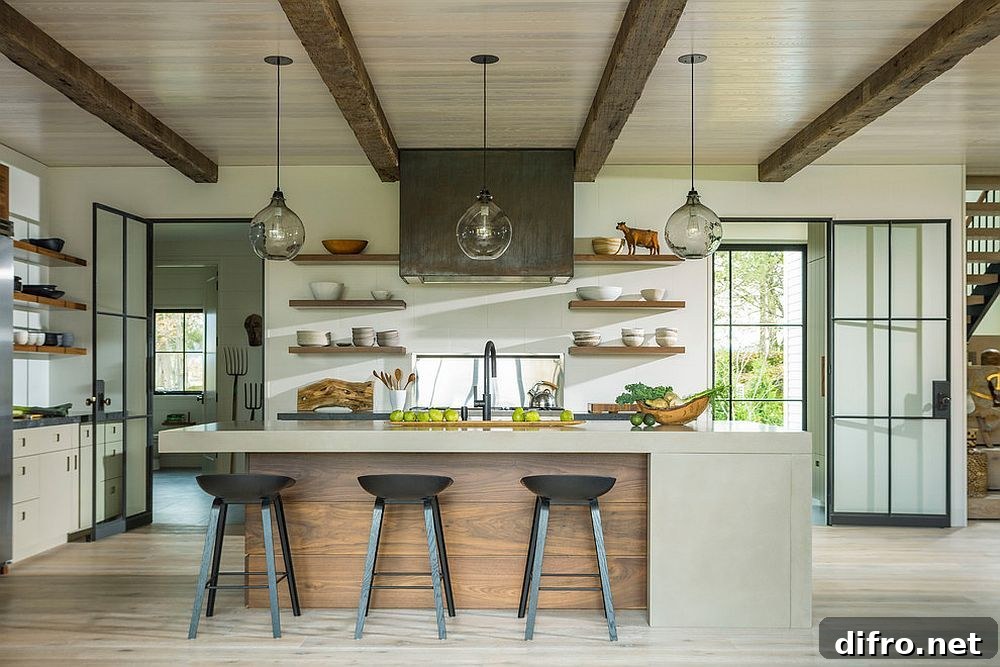
Vaulted ceilings and well-placed beams can also enhance a room’s proportions, making a kitchen feel larger and more architecturally interesting. Whether you prefer the crisp contrast of dark beams against white plaster, the continuity of an all-wood ceiling, or a mix of materials that adds texture and depth, ceiling beams remain one of the most effective ways to add personality and purpose to the heart of the home.