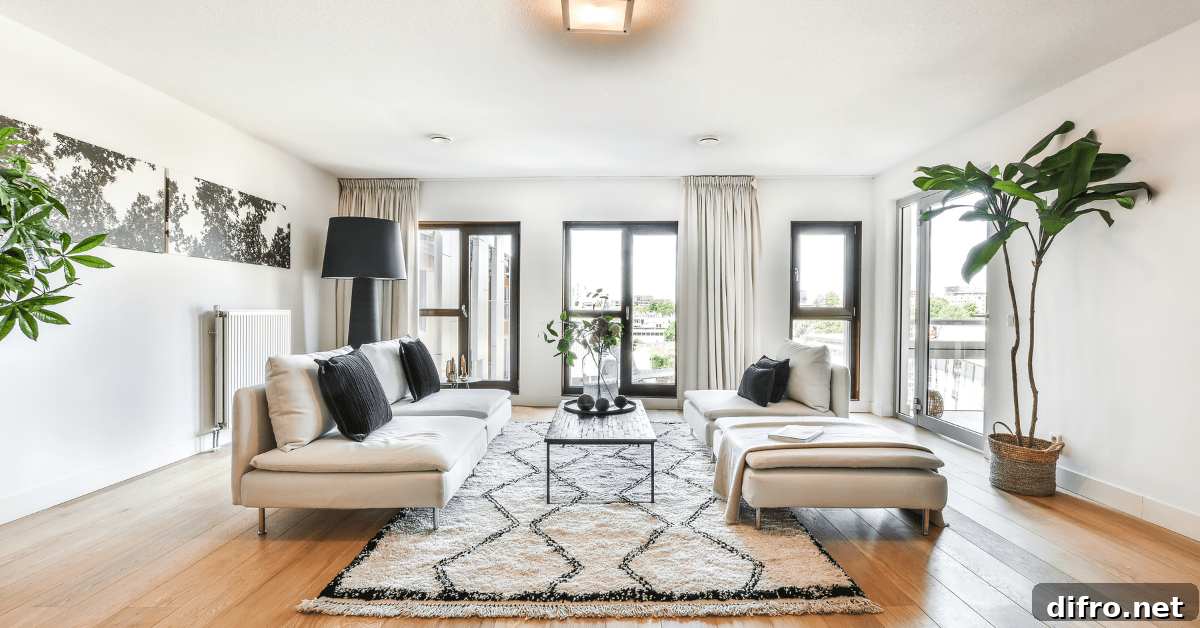
An awkward living room layout can feel like a stubborn puzzle, making it difficult to create a comfortable and functional space. Whether the room is long and narrow, cut by odd angles, or lacks a clear focal point, these challenges can interrupt flow and curb style. With a few thoughtful changes—focusing on focal points, purposeful zones, flexible furniture, and vertical balance—you can turn a difficult layout into a welcoming, practical living area. Below are clear, practical strategies to rework even the trickiest living room layouts.
Identify the Room’s Focal Point and Build Around It
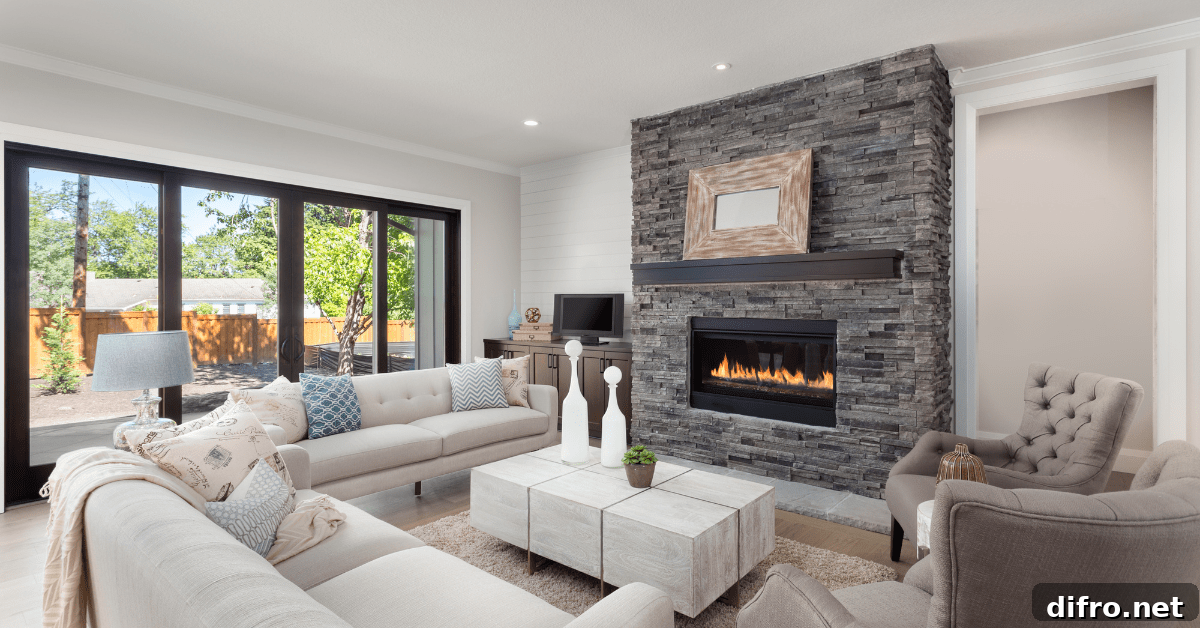
A focal point gives the eye something to rest on and helps organize furniture and decor. Typical focal points include a fireplace, a large window with a view, or a media wall. If your living room lacks one, create a focal point with a bold artwork, an oversized mirror, a sculptural bookshelf, or a statement console. Once established, place your largest pieces—like the sofa or a sectional—so they face or align with this focal point to create natural flow and balance.
After anchoring the main seating, add smaller pieces such as armchairs, side tables, and lighting to support conversation and function. This intentional arrangement reduces the awkwardness of an odd layout and makes the space feel cohesive and inviting.
Use Zoning to Define Different Areas Within an Awkward Living Room Layout
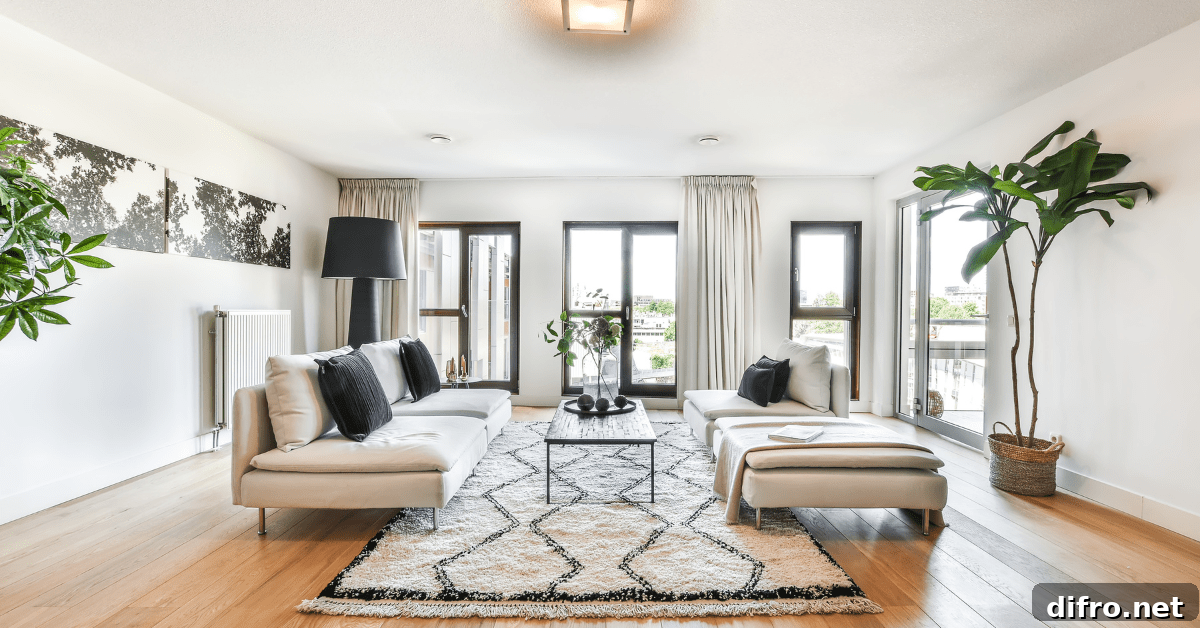
Zoning breaks a single awkward living room into purposeful areas—seating, reading, working or play—so the whole space feels intentional rather than scattered. Use rugs to anchor each zone, grouping furniture on top to define boundaries visually. Lighting is another strong zoning tool: a pendant or chandelier for the main seating, a floor lamp for a reading corner, and a task lamp for a small workspace.
Use low-profile furniture as subtle partitions. A console table or an open bookshelf behind a sofa separates zones without blocking sightlines or light. Zoning is especially useful in open-plan or irregularly shaped rooms because it divides the space into manageable, functional pockets while preserving overall unity.
Embrace Floating Furniture to Maximize Space and Flexibility
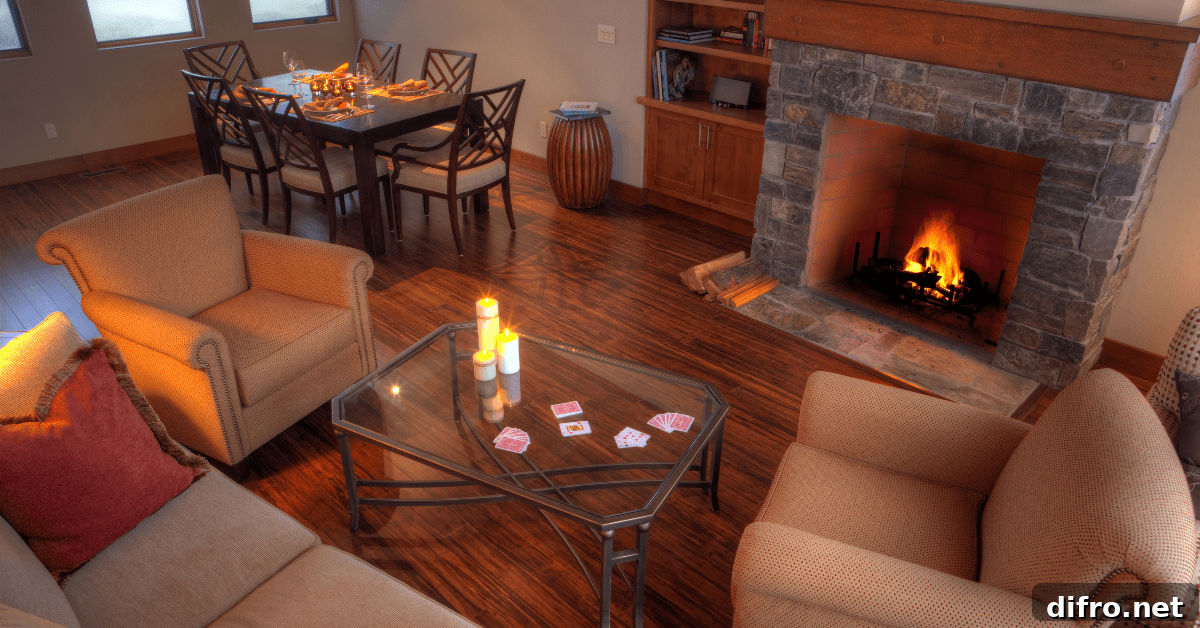
Pushing every piece against the walls often makes a room feel hollow and disconnected. Floating furniture—pulling seating and tables slightly into the room—creates natural conversation areas and improves circulation. Position a sofa away from the wall with a slim console table behind it to add surface space and define the seating without blocking movement.
As you float furniture, map the room’s pathways. Leave clear channels for walking so the layout feels open and navigable. Floating arrangements also give you more flexibility for seasonal updates or occasional reconfigurations.
Choose Multi-Functional Furniture for Flexibility and Storage
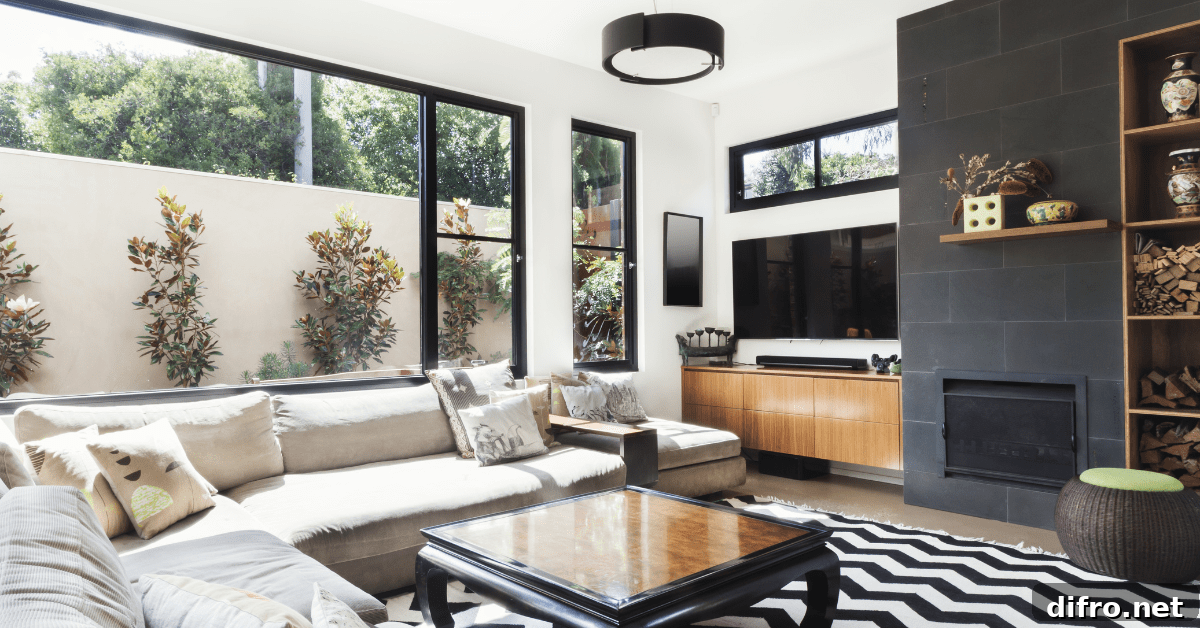
In awkward living rooms, every piece should earn its place. Select multi-functional furniture—storage ottomans, coffee tables with shelves, benches that double as seating and storage, or a sleeper sofa—to maximize utility without overcrowding. These solutions keep clutter contained and surfaces clear, which instantly improves the look and usability of an awkward space.
Well-chosen multi-purpose items also allow the room to adapt to different needs: extra seating for guests, hidden storage for blankets and toys, or a compact desk area for occasional work. This flexibility makes awkward layouts more forgiving and versatile.
Utilize Vertical Space to Balance an Awkward Living Room Layout
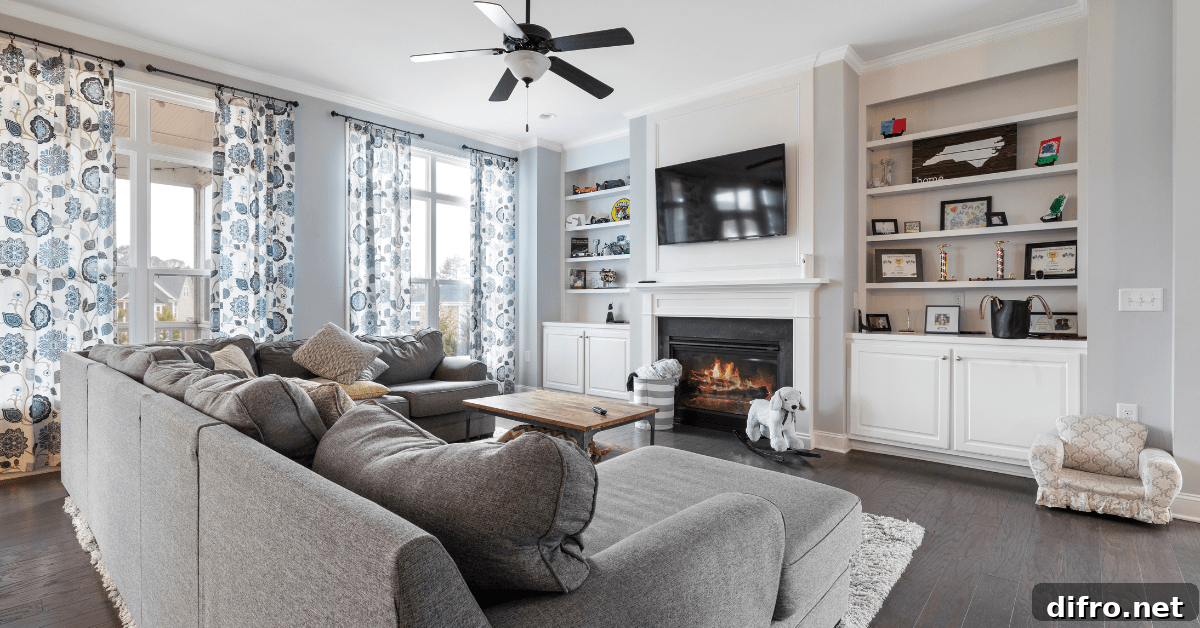
When floor space is tight or awkward, look up. Vertical storage such as tall bookshelves, wall-mounted shelving, and gallery walls draw the eye upward and free up precious floor area. Tall plants and floor lamps can soften corners and break up angular lines without consuming usable square footage.
Wall-mounted lighting like sconces or slim pendants clears room on side tables and creates layered illumination, making the entire room feel more balanced and intentional. Using vertical space thoughtfully enhances both function and aesthetic appeal in challenging layouts.
Related Articles
- What Your Living Room Layout Says About Your Lifestyle
- 10 Small Living Room Dining Room Combo Layout Ideas
- Open Concept Living Room Design Ideas and Layout Tips
An awkward living room layout doesn’t have to limit comfort or style. By establishing a focal point, dividing the space into functional zones, and choosing flexible furniture arrangements, you can create a room that’s both practical and inviting. Embrace floating furniture, prioritize multi-functional pieces, and make the most of vertical space to balance proportions and improve flow. With deliberate planning and a few strategic changes, even the most awkward living room can become a comfortable, stylish retreat you’ll use and enjoy every day.
Ready to refresh your home? Subscribe to receive interior design tips, trends, and ideas to help transform your space.