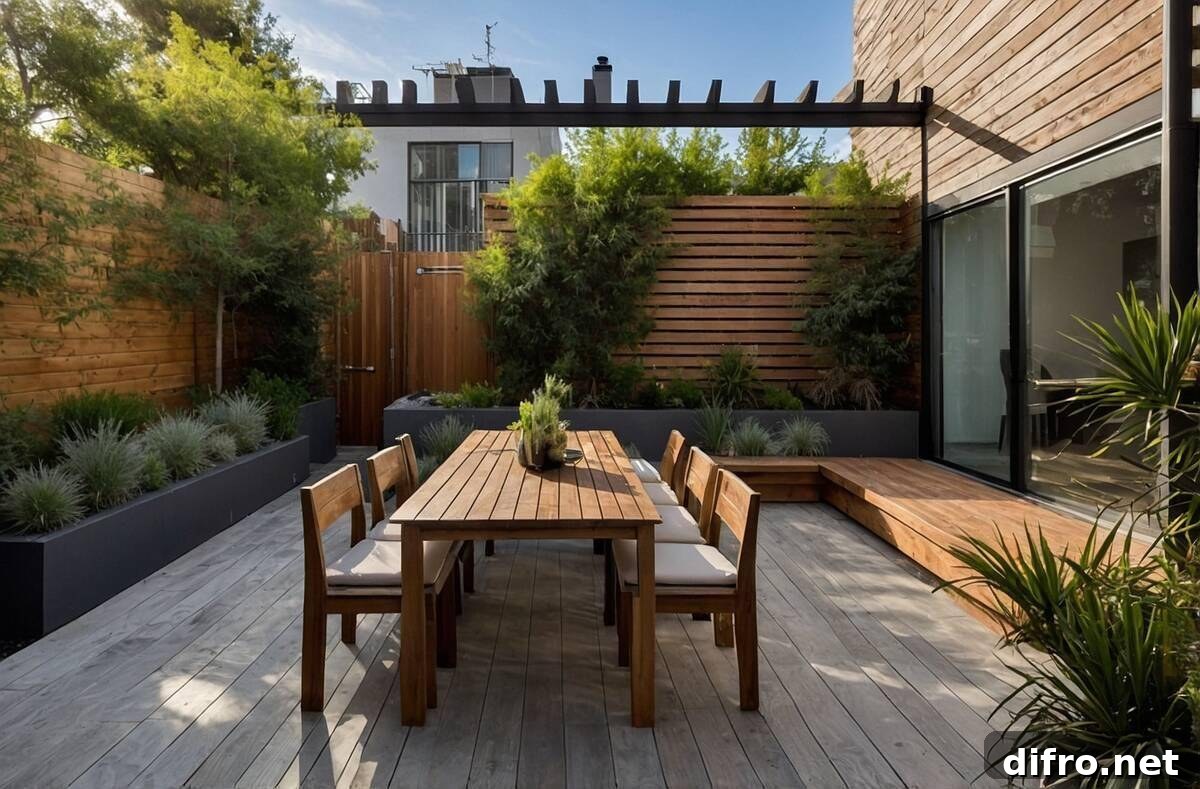
In recent years, the idea of a no-grass backyard has grown in popularity as homeowners look for attractive, low-maintenance outdoor spaces that conserve water and require less upkeep. Increasing droughts, water restrictions, and a desire for more personalized outdoor areas have pushed many people to rethink traditional lawns. By using smart design choices and sustainable materials, you can create a functional and inviting backyard that fits your lifestyle without the burden of mowing and heavy watering.
Embracing Native Plant Landscaping
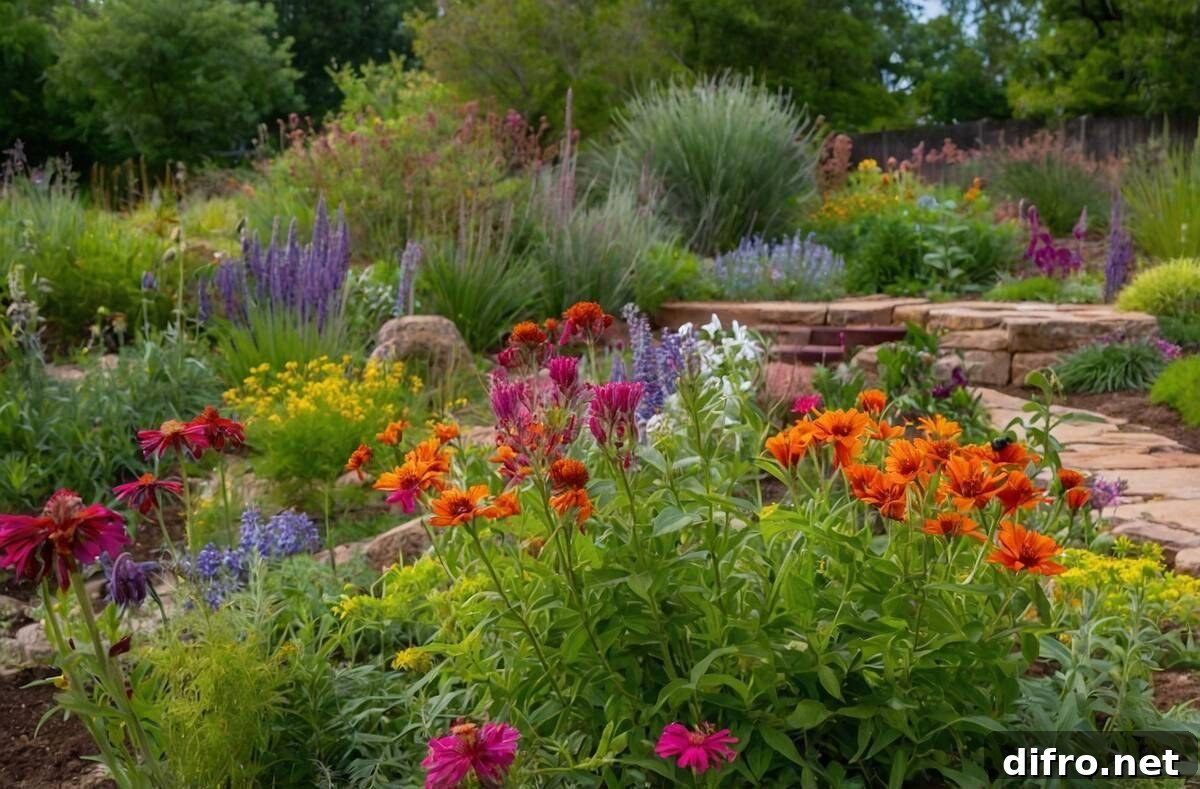
Choosing native plants is one of the most effective strategies for a resilient, low-water backyard. Native species are adapted to local climate and soil, so they generally need less irrigation, fertilizer, and intervention once established. A thoughtfully arranged native garden provides visual interest through seasonal variation while supporting local wildlife, including pollinators like bees and butterflies.
To maximize benefits, plan groupings by water needs, install a simple drip irrigation system for initial establishment, and add features such as birdbaths or nesting boxes to attract birds and beneficial insects. Layer plants for texture and color, and prioritize long-blooming varieties to maintain year-round appeal.
Transforming Outdoor Spaces with Decking
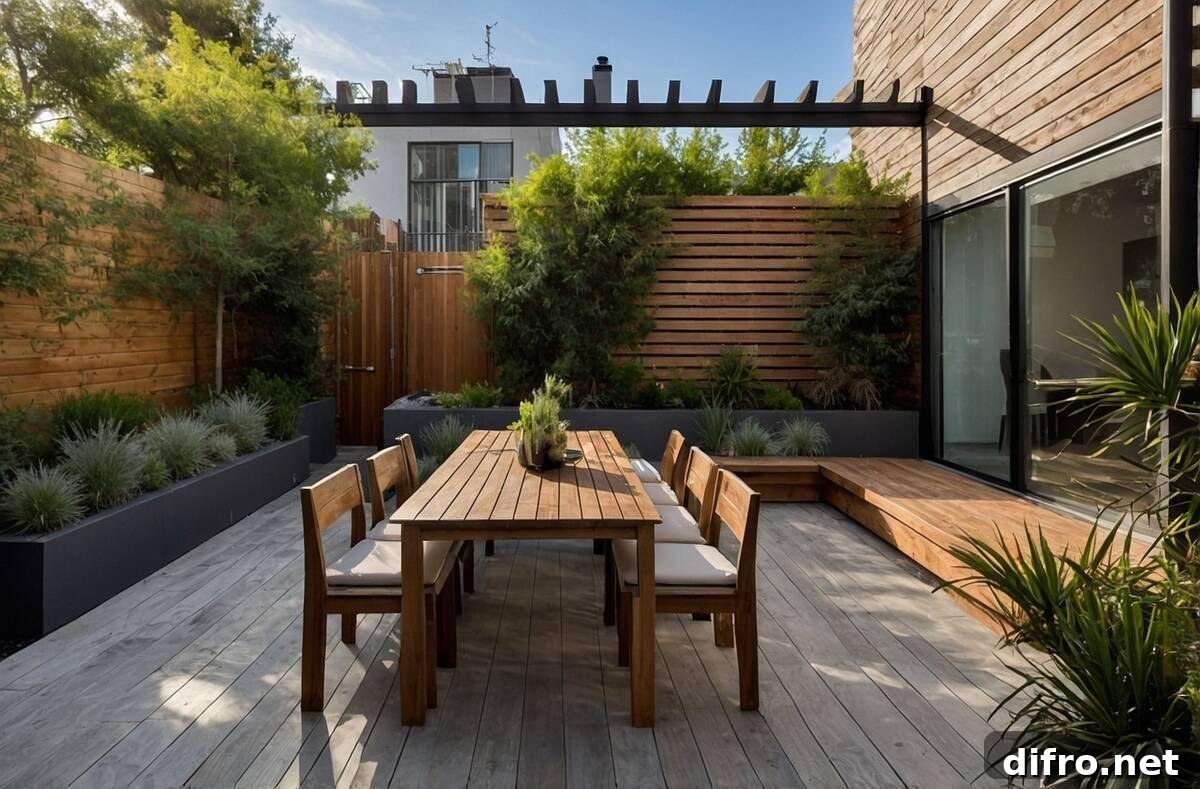
Decking offers a versatile, low-maintenance alternative to grass. It creates a flat, practical surface for dining, lounging, and entertaining, and it can make uneven or sloped yards more usable. Decks can be built from a range of materials—natural wood, composite, or recycled plastics—so you can balance appearance, budget, and upkeep needs.
When designing a decked area, consider integrating built-in seating, planters, or a pergola to define zones and add shade. Incorporate durable finishes and simple drainage solutions to prolong the deck’s life. A well-designed deck becomes the focal point of the backyard, simplifying maintenance while expanding outdoor living options.
Cultivating Your Own Edible Garden
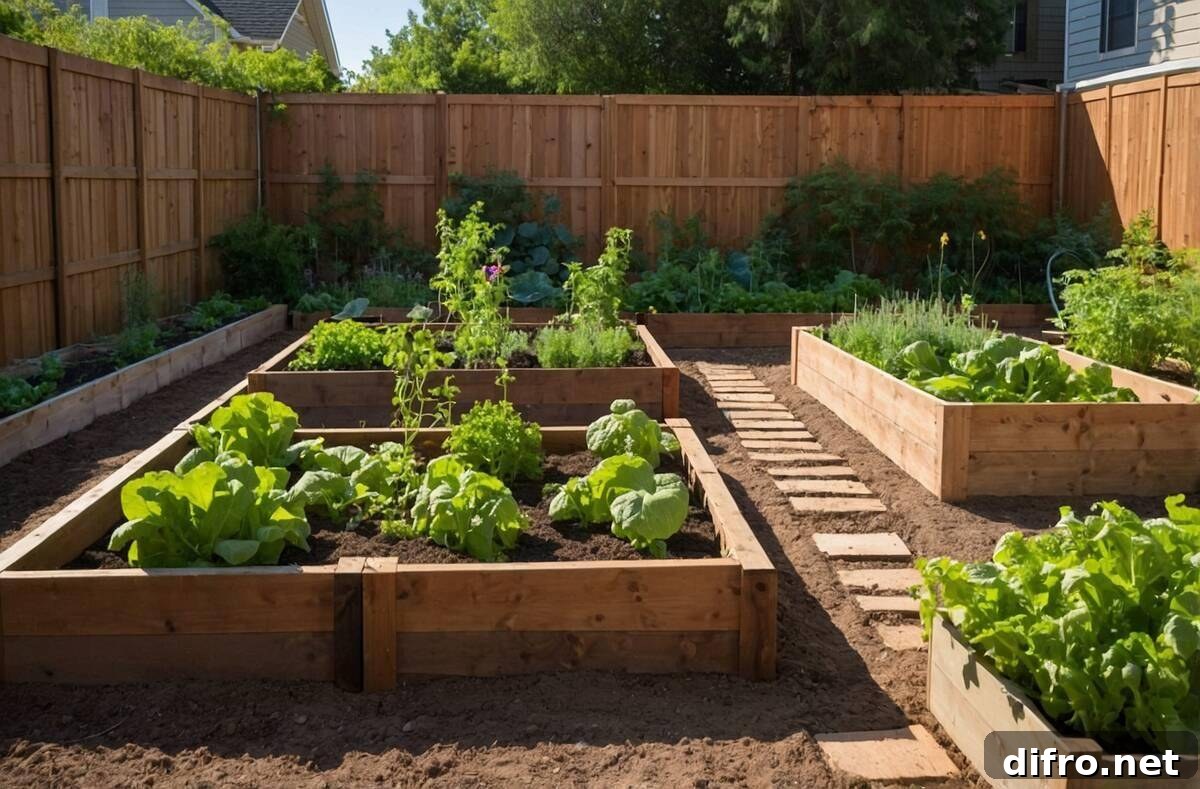
Replacing turf with raised beds, container gardens, or vertical planters lets you grow food even in small backyards. Edible landscaping can combine beauty and productivity—herb borders, compact fruit bushes, and seasonal vegetables provide fresh ingredients while enhancing the garden’s visual appeal.
Design pathways with mixed materials to create a sense of space and easy access for planting and harvesting. Use companion planting and crop rotation to maintain soil health, and select varieties suited to your climate and microclimate. An edible garden encourages more sustainable living and delivers the daily reward of homegrown food.
Exploring Xeriscape Landscaping
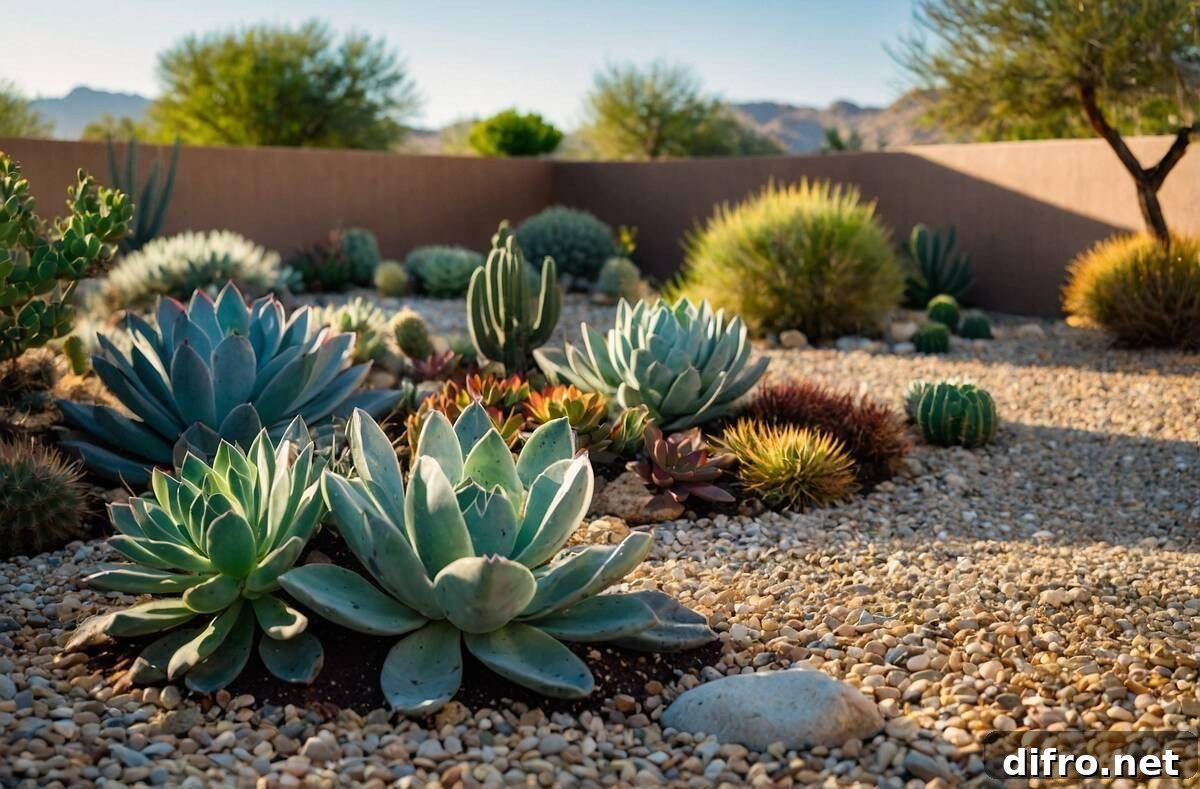
Xeriscaping focuses on drought-tolerant plants, efficient irrigation, and purposeful hardscaping to reduce water use and maintenance. Elements like gravel or decomposed granite paths, mulched planting beds, ornamental grasses, and succulents create layered visual interest while conserving moisture.
Start by tuning into your site conditions—sun exposure, soil type, and prevailing winds—and choose plants that thrive in those conditions. Combine textural contrasts and a restrained palette to achieve a stylish, cohesive design. Xeriscape principles can be adapted to many climates and are ideal for homeowners aiming for sustainability without sacrificing aesthetics.
Incorporating Wellness Features in Your Backyard
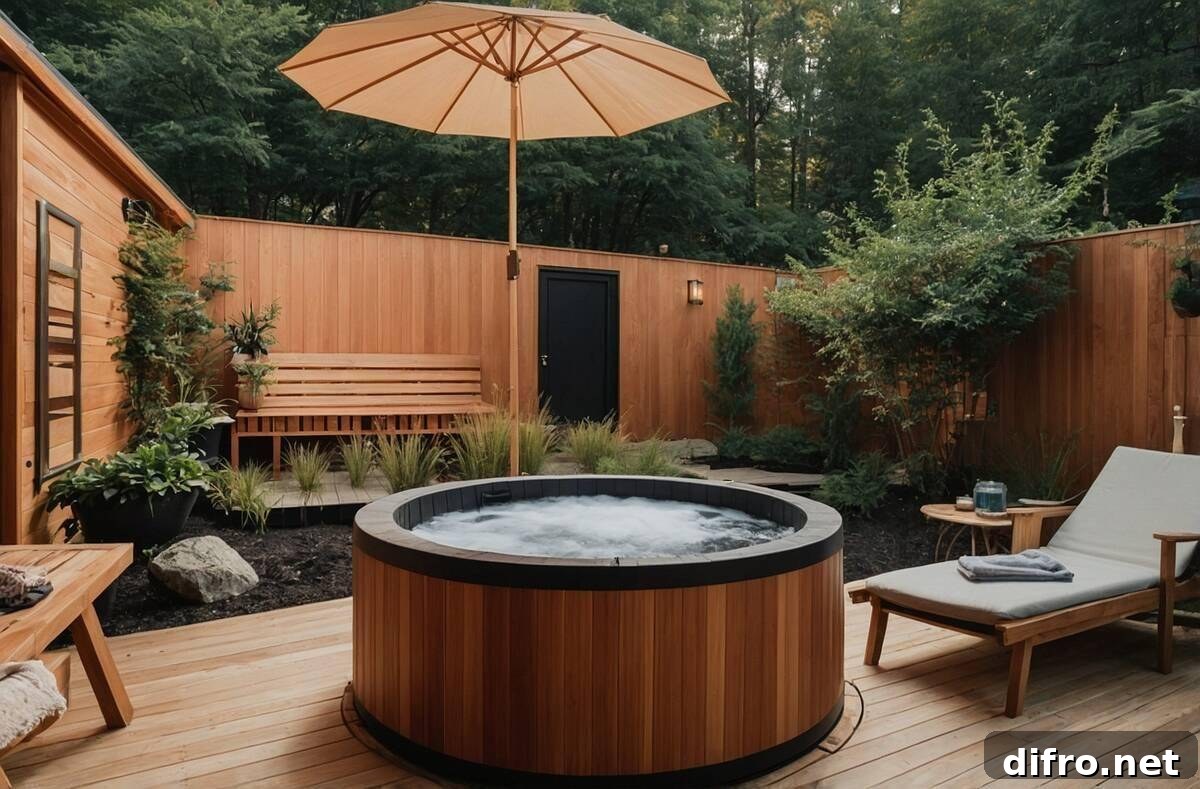
Wellness features make a backyard more than just a visual space—they turn it into a place for relaxation and recovery. Options range from simple elements like soothing water features and comfortable seating to more immersive installations such as saunas, hot tubs, or cold-plunge tubs. Thoughtful lighting, privacy screening, and sheltered nooks help create a tranquil atmosphere.
Designing for wellness means balancing form and function: choose materials that are comfortable underfoot, add soft landscaping for sound absorption, and create pathways that invite movement. These features help separate work and home life, offering a daily retreat that supports physical and mental well-being.
Related Articles
- DIY Outdoor Bar Ideas to Elevate Your Backyard Entertainment
- Cozy Small Outdoor BBQ Area Ideas for Transforming Your Backyard
- Stylish and Functional Shed Designs for Every Backyard
Converting a traditional lawn into a no-grass backyard opens many creative possibilities. Whether you prioritize biodiversity with native plants, create a welcoming deck for gatherings, grow an edible garden, adopt xeriscape principles, or add wellness features, you can design a low-maintenance, water-wise outdoor space that reflects your tastes and supports a sustainable lifestyle. Start by assessing your site and lifestyle needs, then choose a combination of elements that will make your backyard both beautiful and practical for years to come.
Turn your house into the home of your dreams. Our newsletter shares design ideas and decor trends to help you create a stunning home. Subscribe to receive regular inspiration and practical tips.