Owning a home means staying on top of regular upkeep. Small habits that seem harmless can gradually cause costly damage or safety hazards if left unchecked. Below are practical, easy-to-follow tips to protect your home, extend the life of key systems and surfaces, and reduce the risk of accidents.
Avoid Using Toilet Bowl Cleaner on Grout
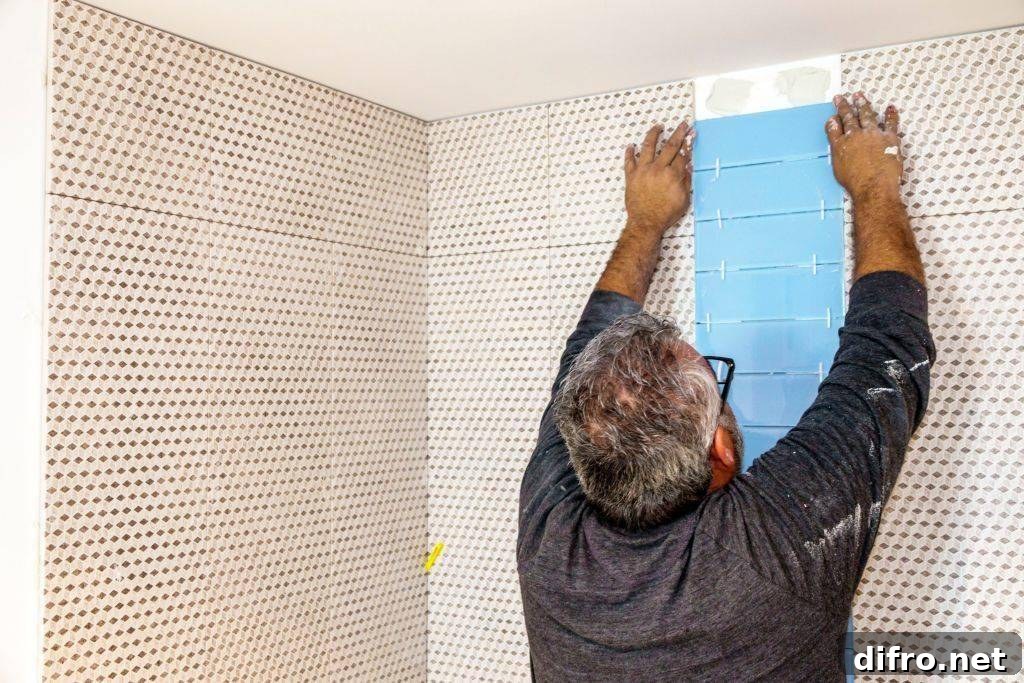
Toilet bowl cleaners often contain strong acids and chemicals that can erode grout and caulk over time. Regular use around tile joints accelerates cracking and allows moisture to penetrate behind tiles, creating conditions for mold and water damage.
Choose a pH-neutral or grout-specific cleaner and use soft brushes. Gentle, regular cleaning preserves both appearance and structural integrity of tiled surfaces.
Towel Off Before Walking Around After a Shower
Water dripping onto hardwood floors might seem trivial, but repeated exposure causes warping, cupping and finish breakdown. Moisture collects at seams and joins, eventually leading to costly repairs or replacement.
Dry off thoroughly in the bathroom and use bath mats or quick-drying towels to protect wooden flooring. Proper ventilation and prompt cleanup of any puddles help maintain your floors longer.
Regularly Clean the Dishwasher Filter
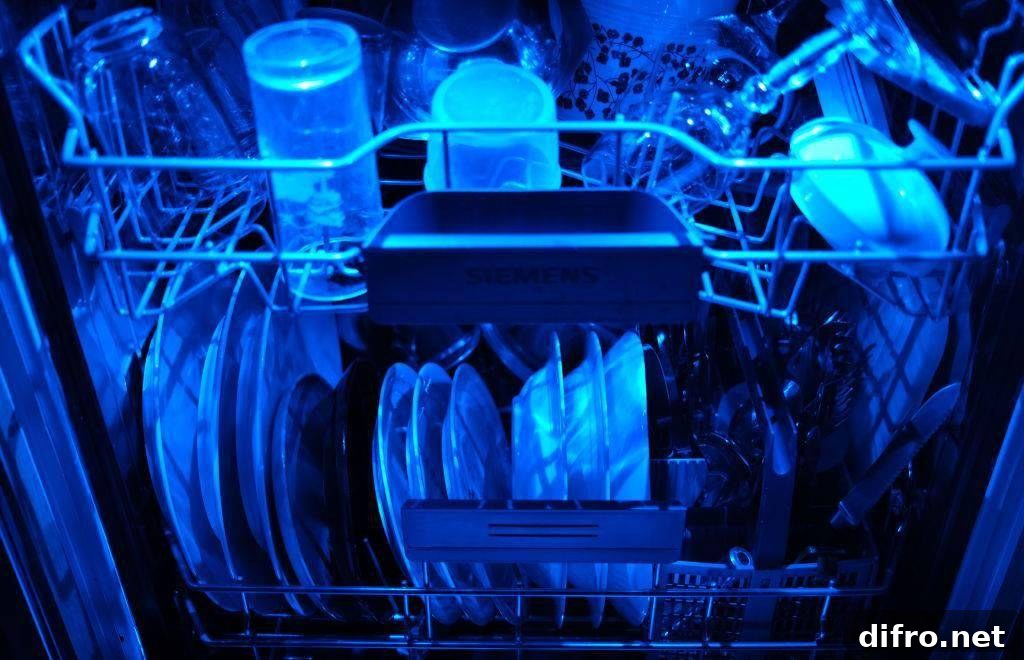
Dishwashers collect food particles and grease in their filters. Letting debris accumulate reduces cleaning performance and can create odors. A quick manual rinse of the filter every few weeks keeps the machine efficient and helps dishes come out cleaner.
Refer to your owner’s manual for filter removal and cleaning instructions, and avoid harsh scrubbing that could damage components.
Prune Overhanging Tree Branches Before Storms

Branches that hang over a roof or near windows can break during high winds and storms, causing structural damage or shattered glass. Regular pruning reduces the chance of falling limbs and keeps trees healthy.
Schedule trimming before storm season and remove dead or weak limbs. If pruning large branches, consider hiring a professional arborist for safety and proper technique.
Keep Your Grill at a Safe Distance from the House

Grills generate open flames and hot embers; placing them too close to siding, eaves or decks increases fire risk. Grease flare-ups can quickly become dangerous if the grill is near combustible materials.
Position your grill on a stable surface well away from the house and keep a fire extinguisher or water source nearby. Regularly clean grease traps to reduce flare-ups.
Always Use a Stud Finder Before Hanging Heavy Items
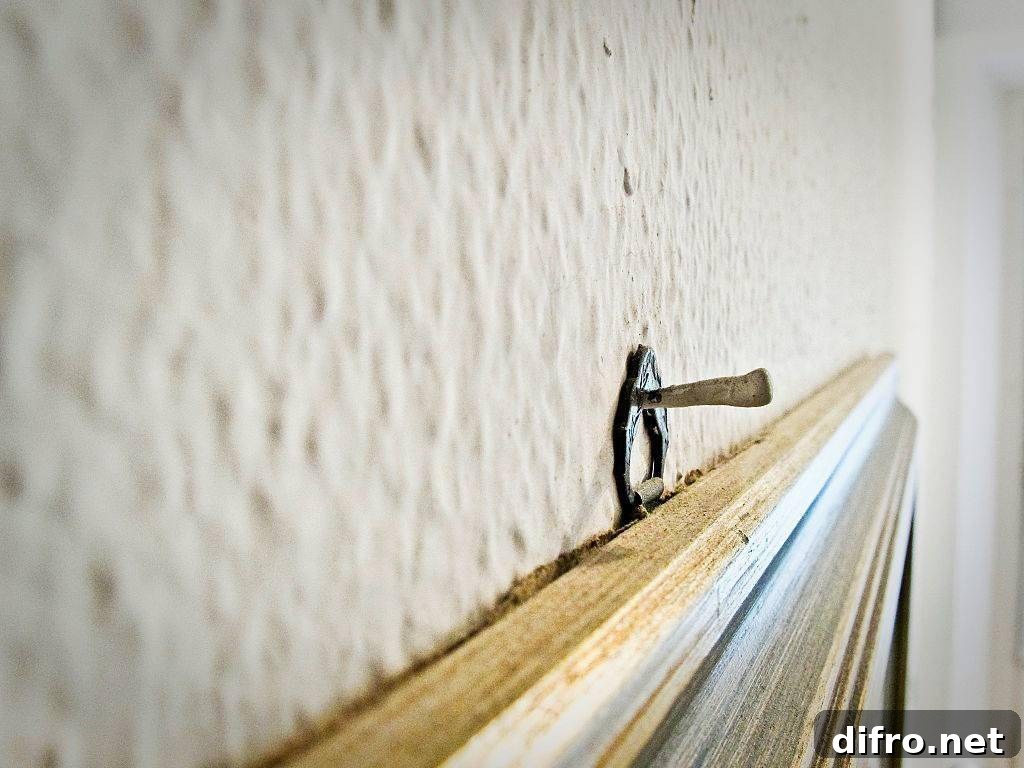
Hanging heavy mirrors, shelves or TVs only into drywall risks torn anchors and falling items. Anchoring directly into studs provides secure support and prevents damage to walls and belongings.
Use a quality stud finder, and if in doubt, use appropriate anchors or consult a professional installer for especially heavy or valuable items.
Protect Hardwood Floors with Furniture Pads

Unprotected furniture legs create scratches and dents that accumulate over time. These marks can be expensive to repair and degrade the look of hardwood floors.
Use felt or rubber pads under furniture legs and replace them when worn. For high-traffic pieces, consider area rugs to add protection and style.
Keep Your Chimney and Fireplace Clean
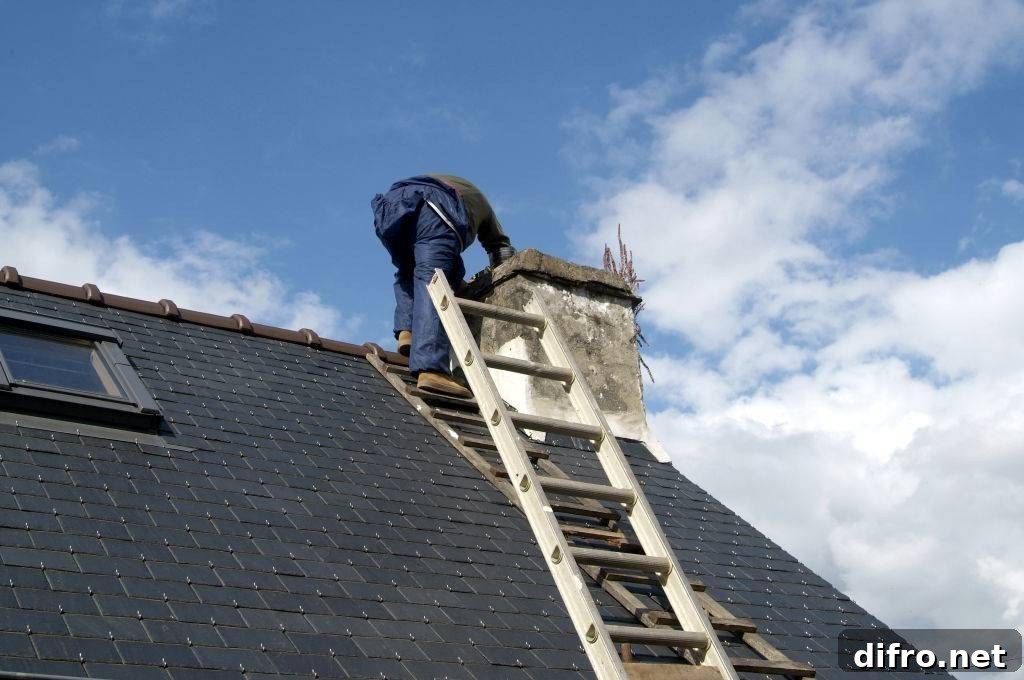
Creosote builds up inside chimneys after burning wood and can ignite, causing chimney fires. A dirty flue also reduces ventilation and can allow smoke and pollutants into the home.
Schedule regular chimney inspections and cleanings, especially if you use your fireplace frequently. This protects your home and improves indoor air quality.
Don’t Use Mulch Too Close to Your Foundation
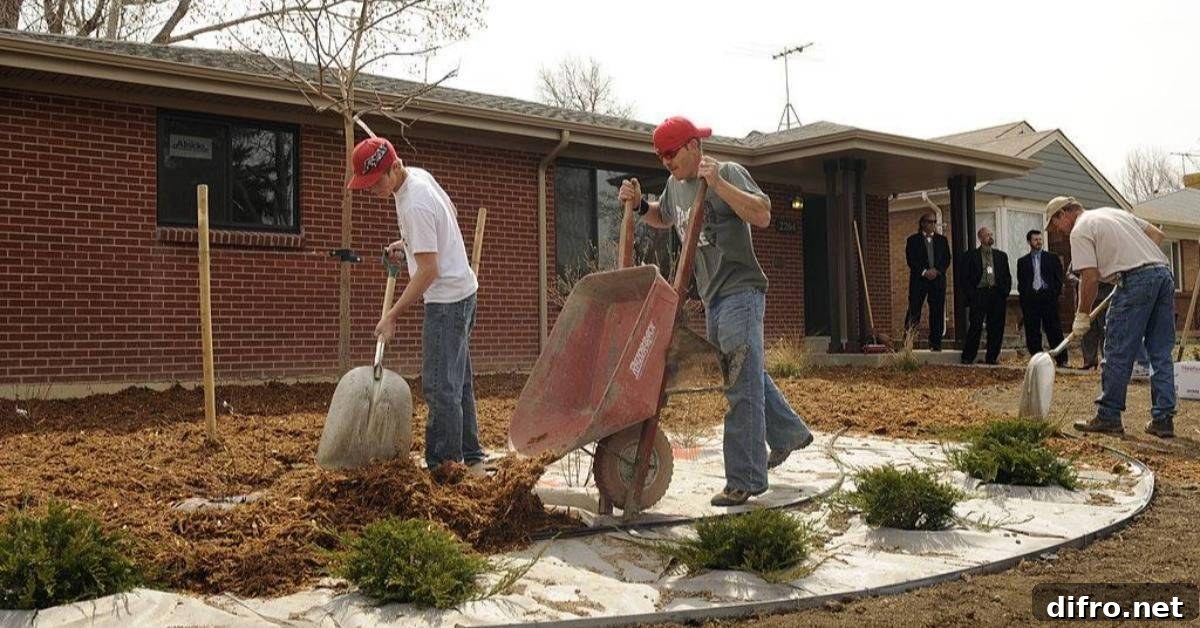
Mulch placed directly against exterior walls traps moisture against siding and foundation, encouraging rot, mildew and pest activity. Over time this can undermine structural elements and cause interior dampness.
Leave a small gap between mulch and your foundation, and slope planting beds away from the home to improve drainage and avoid moisture buildup.
Avoid Spraying Cleaners Directly Onto Surfaces
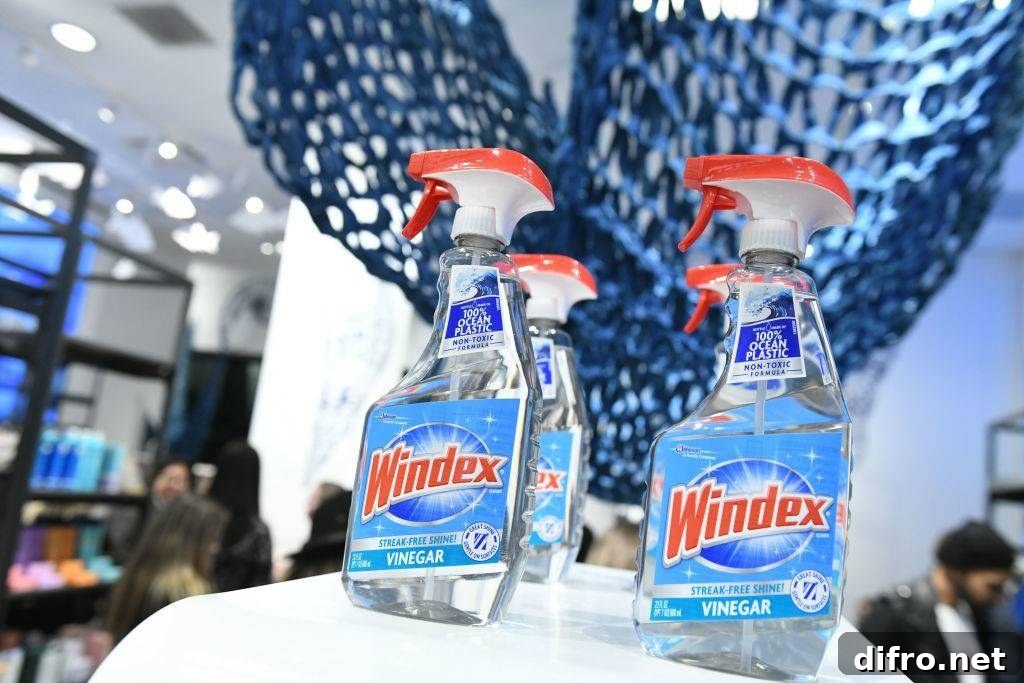
Spraying cleaners directly onto counters, wood, or electronics risks over-saturating finishes and leaving streaks or residue. Some cleaners can dull or damage delicate surfaces over time.
Spray cleaners onto a microfiber cloth and then wipe surfaces. This offers controlled cleaning and helps preserve finishes and sealants.
Run Your Exhaust Fan After Every Shower
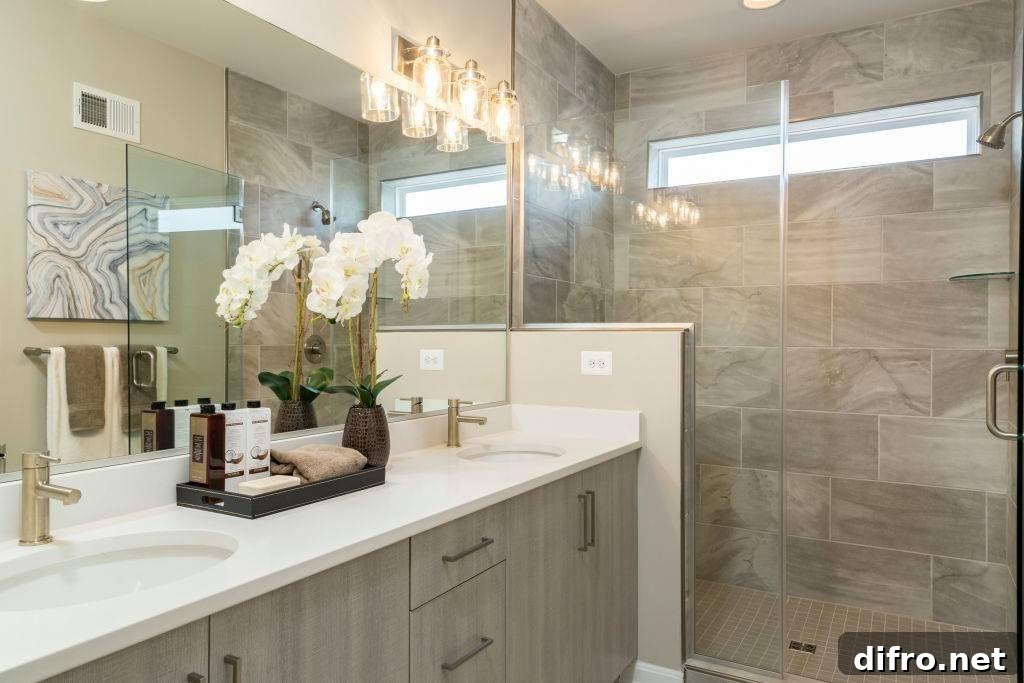
Bathrooms are prone to humidity, which promotes mold and mildew growth in grout, corners and on walls. Running the exhaust fan during and for several minutes after a shower removes excess moisture and improves air quality.
If your bathroom lacks an effective fan, consider upgrading to a model with appropriate airflow for the room size.
Let Your Toilet Brush Dry Before Storing
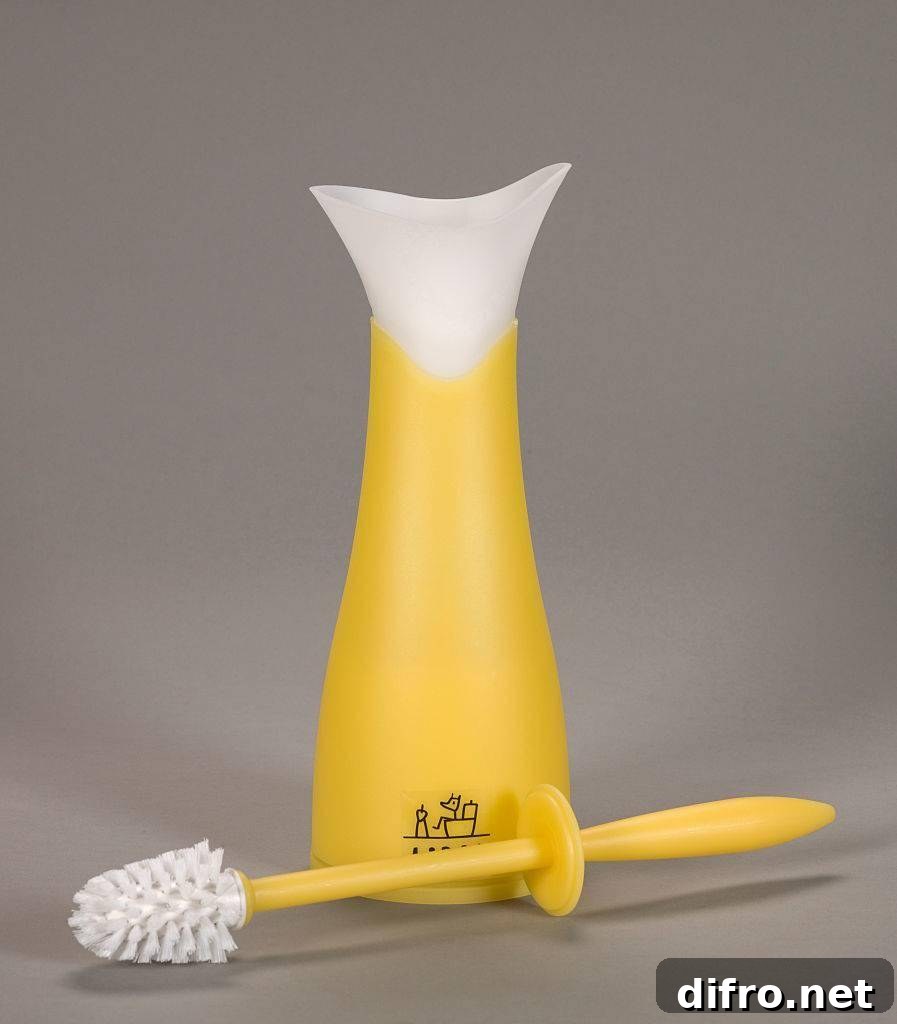
Storing a wet toilet brush in a closed holder encourages bacterial growth and unpleasant odors. Allowing the brush to air dry prevents a sanitary concern and keeps the bathroom fresher.
Rinse the brush after use, let it drip-dry in an open rack, and then return it to its holder once dry.
Don’t Leave Damp Towels in the Bathroom
Leaving wet towels bunched on hooks or floors creates a humid microclimate that supports mold and bacteria. That leads to musty smells and potential health concerns.
Spread towels out to dry in a well-ventilated area or take them out of the bathroom between uses to prevent lingering dampness.
Don’t Use Vinegar in Your Dishwasher
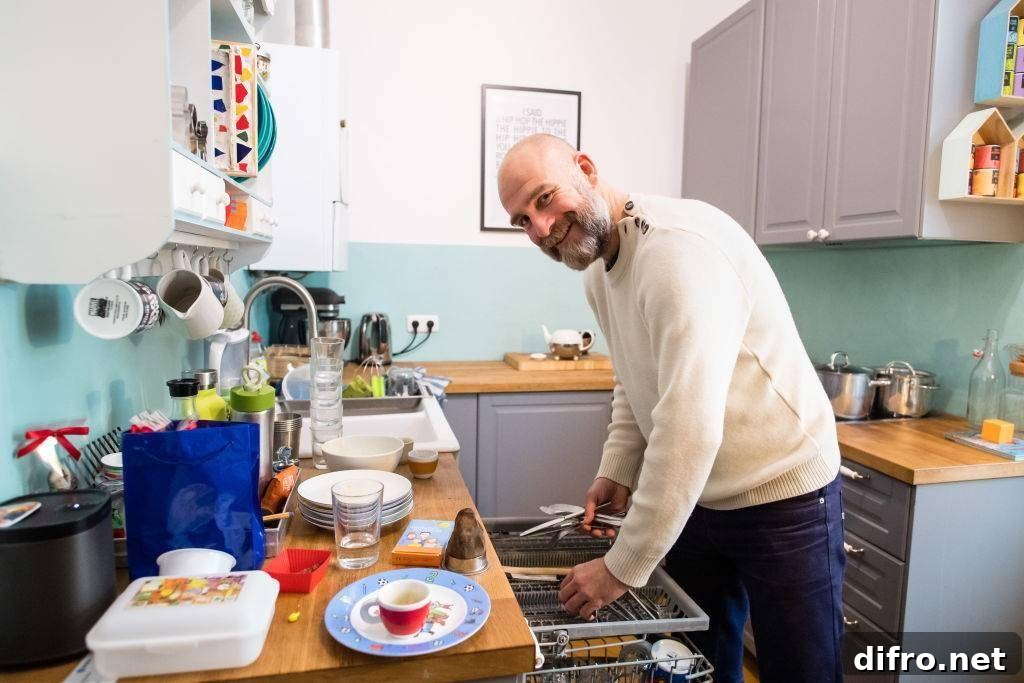
Although vinegar is a common household cleaner, its acidity can degrade rubber seals and plastic components inside dishwashers over time. This may shorten the appliance’s lifespan or lead to leaks.
Use products labeled safe for dishwashers for routine maintenance and descaling, following manufacturer recommendations.
Hold Off on Making the Bed Immediately
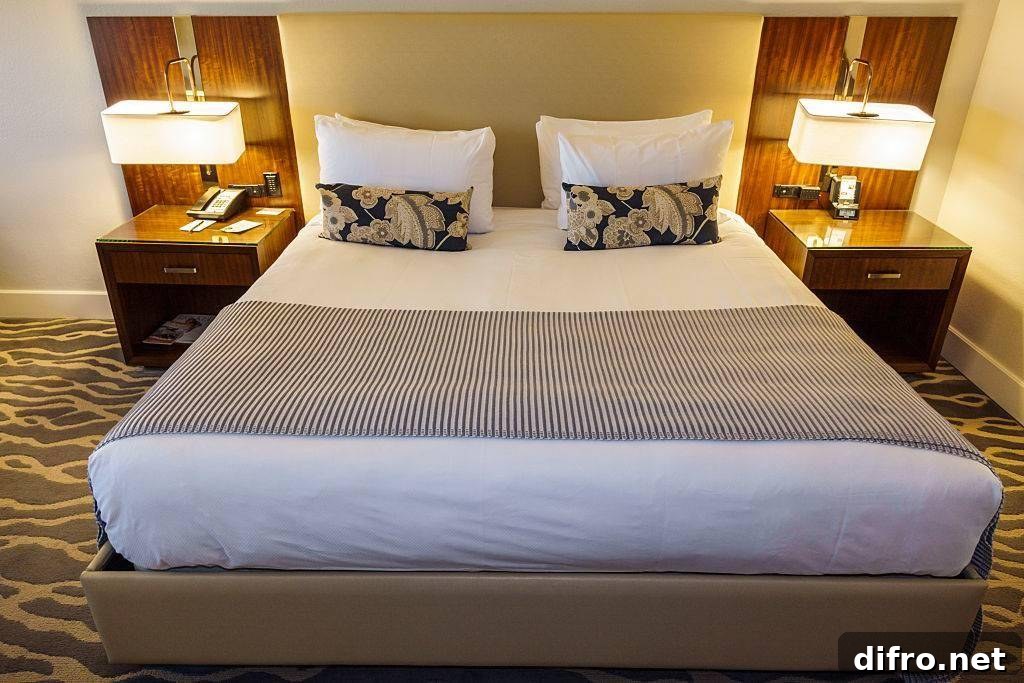
Making your bed while sheets are still warm and damp traps moisture that encourages dust mites and odors. Letting bedding air out for 10–15 minutes reduces humidity and helps keep sheets fresher longer.
After airing, make the bed neatly to maintain a tidy bedroom and extend the life of linens and mattress protectors.
Never Remove Downspouts from Your Home
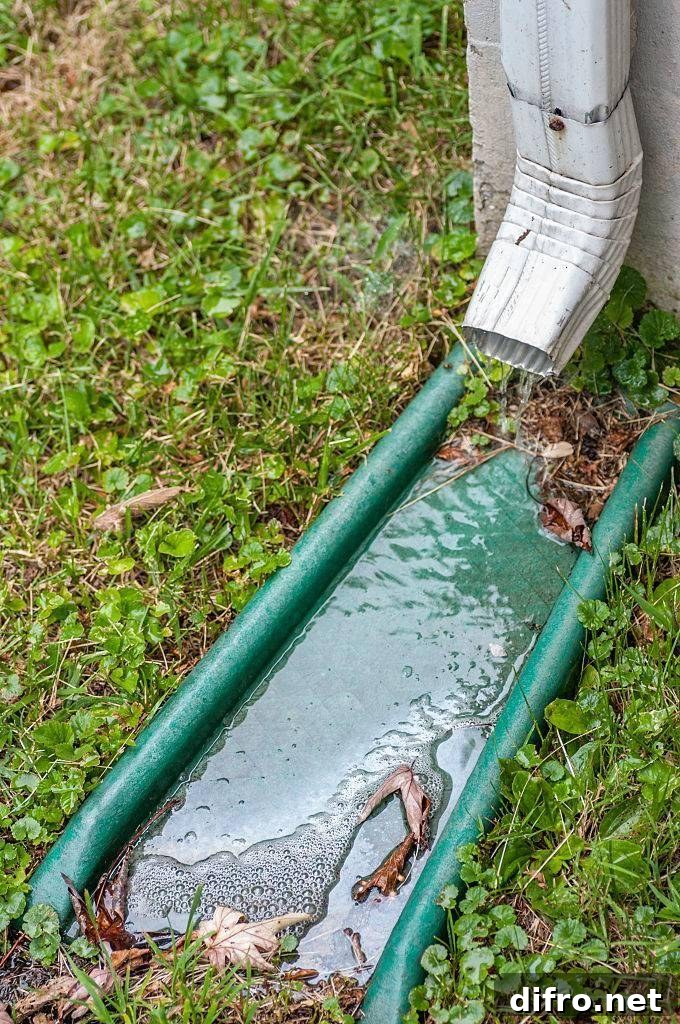
Downspouts channel roof runoff away from your foundation. Removing or shortening them can allow water to pool near the house, increasing the risk of foundation settlement, basement leaks, and soil erosion.
Keep downspouts intact and direct water several feet away from the foundation. Install extenders or splash blocks if necessary to improve drainage.
Use Hydrogen Peroxide for Cleaning Cutting Boards

Liquid dish soap cleans the surface but may not fully sanitize deep grooves where bacteria can hide. Hydrogen peroxide is an effective, food-safe option for disinfecting cutting boards after handling raw meats.
Rinse boards, apply hydrogen peroxide, let it sit briefly, then rinse and dry. For wooden boards, oil them periodically to maintain the surface.
Don’t Let Dryer Lint Build Up
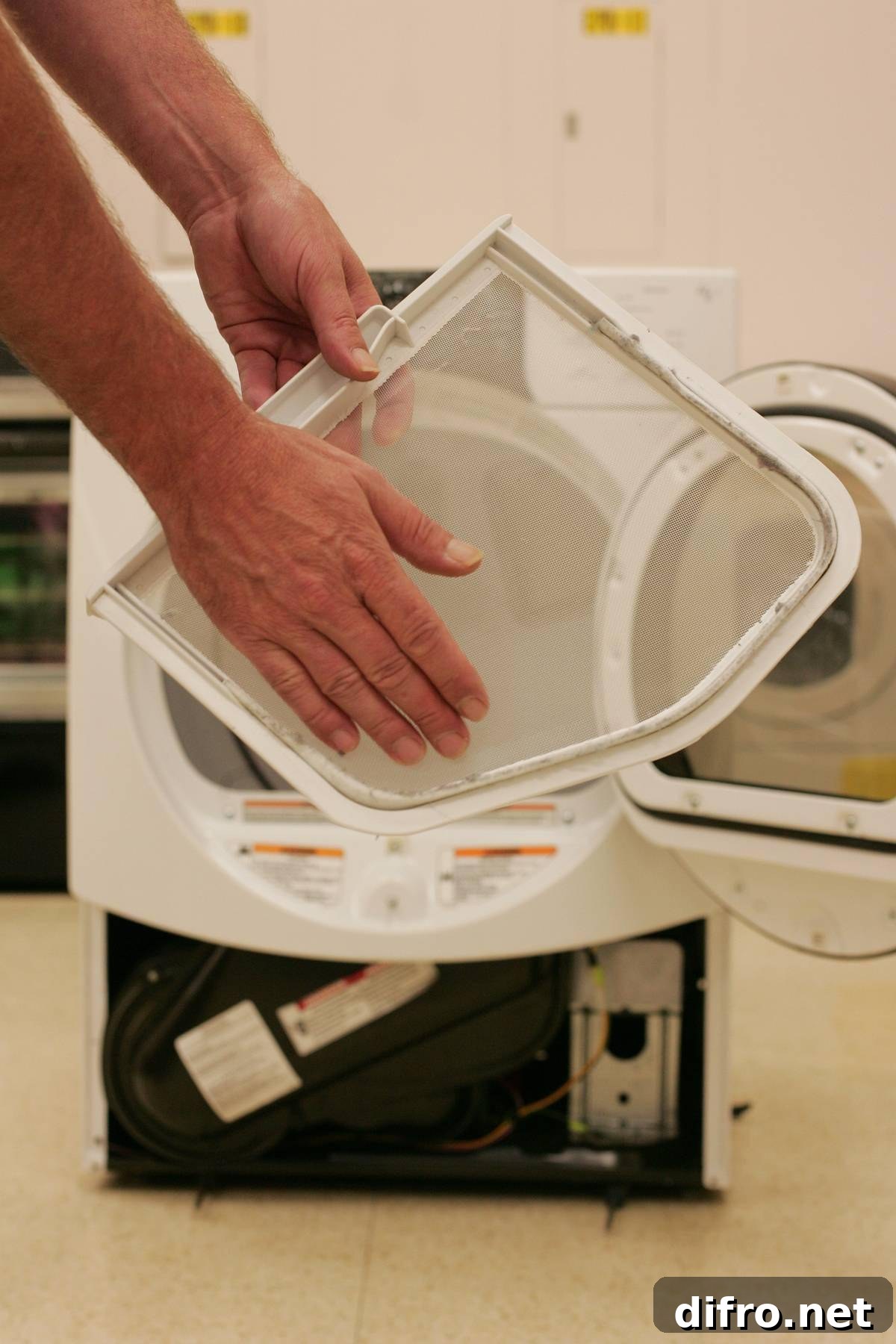
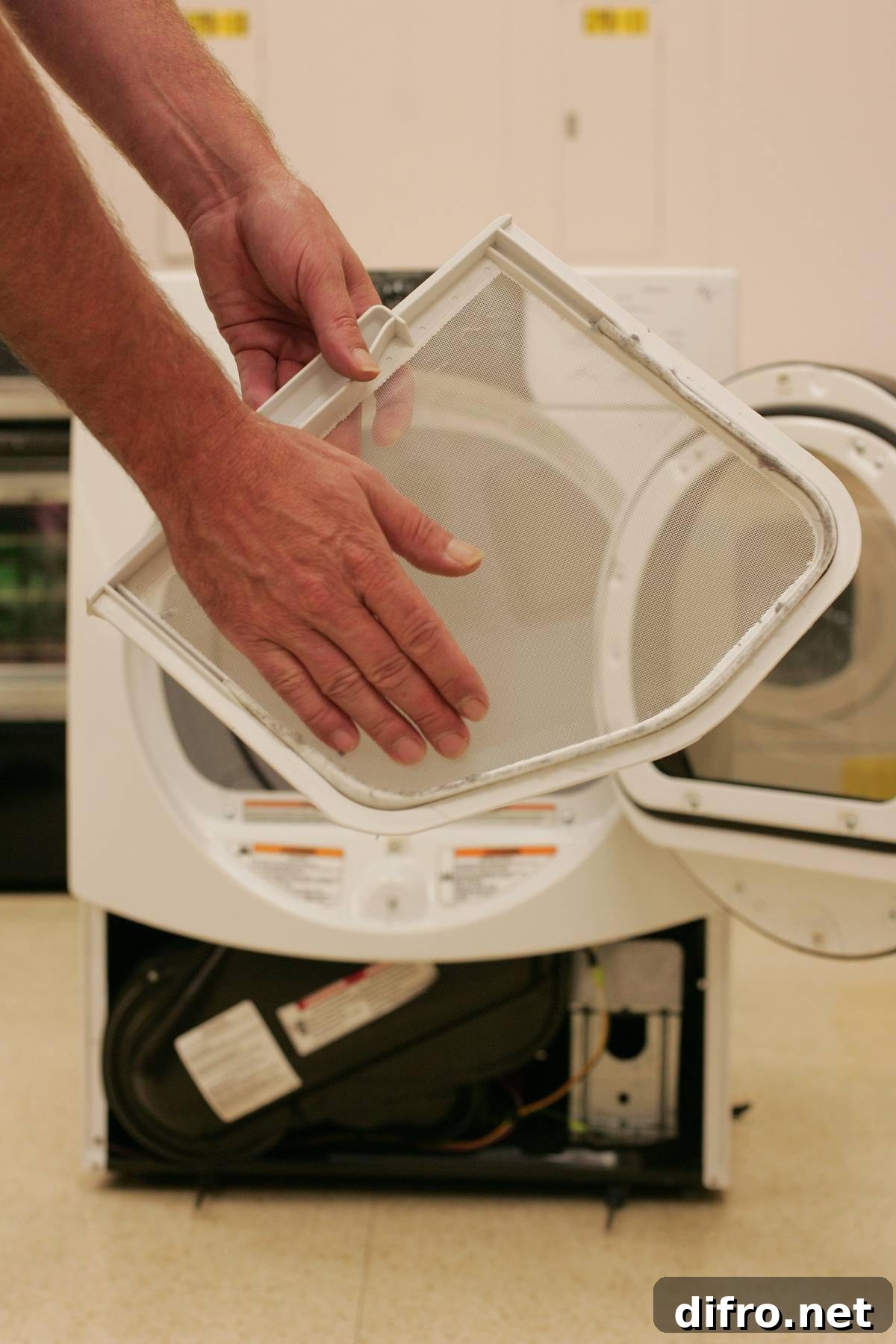
Lint buildup in the dryer lint trap or vent reduces air flow, lowers efficiency, increases drying times and raises the risk of a dryer fire. Regular cleaning keeps the appliance safe and energy-efficient.
Clean the lint trap after every load and inspect the vent hose and external vent periodically. Replace damaged ducts and consider a professional vent cleaning if you notice slow drying or excessive lint accumulation.