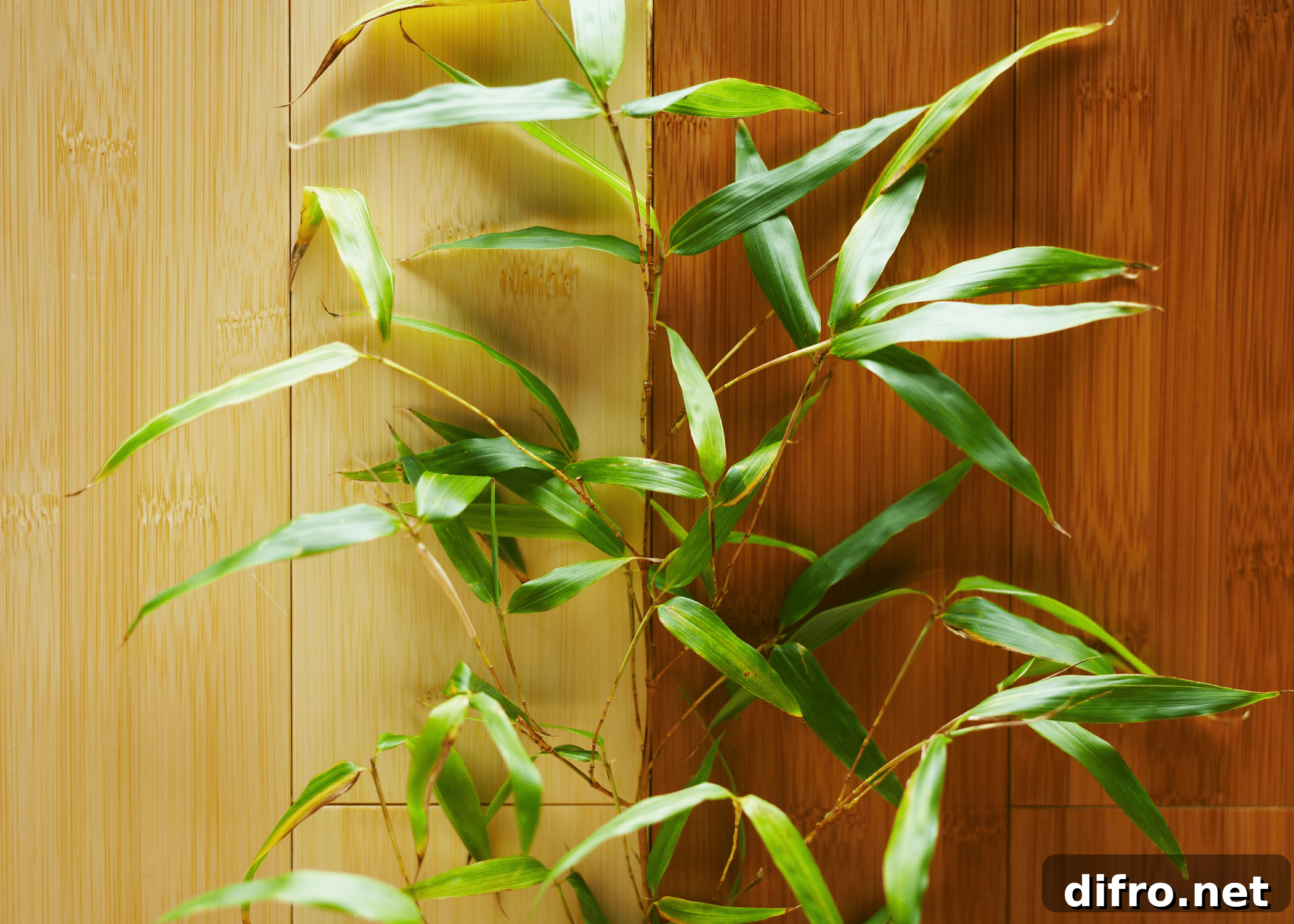
Imagine stepping into a room warmed by the natural tones of a renewable material underfoot—bamboo flooring offers that inviting look and a sustainable alternative to traditional hardwood. Popular for its modern aesthetic and impressive strength, bamboo is an appealing option for homeowners, but it also has limitations to weigh before you commit. This article outlines the pros and cons of bamboo flooring, practical installation and maintenance considerations, and the best rooms in the home for this material.
Before Investing in Bamboo Flooring: Key Questions to Consider
Choosing bamboo flooring requires research and realistic expectations. Consider the specific type of bamboo, the environmental credentials of the product, and the true cost including installation and long-term maintenance. Answering these questions up front will help you select the right product for your home and budget.
What Type of Bamboo Flooring is Best for Your Home?
Bamboo flooring is available as solid, engineered, and strand-woven planks. Solid bamboo has a classic appearance and feels like natural hardwood. Engineered bamboo includes a layered construction that improves dimensional stability, making it better suited to spaces that experience temperature and humidity changes. Strand-woven bamboo is manufactured by compressing bamboo fibers under high pressure and is typically the hardest and most durable option. Selecting the right type depends on where you plan to install the flooring and how much wear it will receive.
How Sustainable is the Bamboo Flooring You’re Considering?
Bamboo grows much faster than most hardwood trees, making it an inherently renewable resource. However, sustainability varies by supplier and harvesting practices. Look for independent certifications—such as Forest Stewardship Council (FSC) or other credible eco-labels—that confirm responsible sourcing and environmentally conscious manufacturing. Ask suppliers about adhesives and finishes used during production, since these affect indoor air quality and the overall environmental footprint.
What Is the Cost and Installation Process?
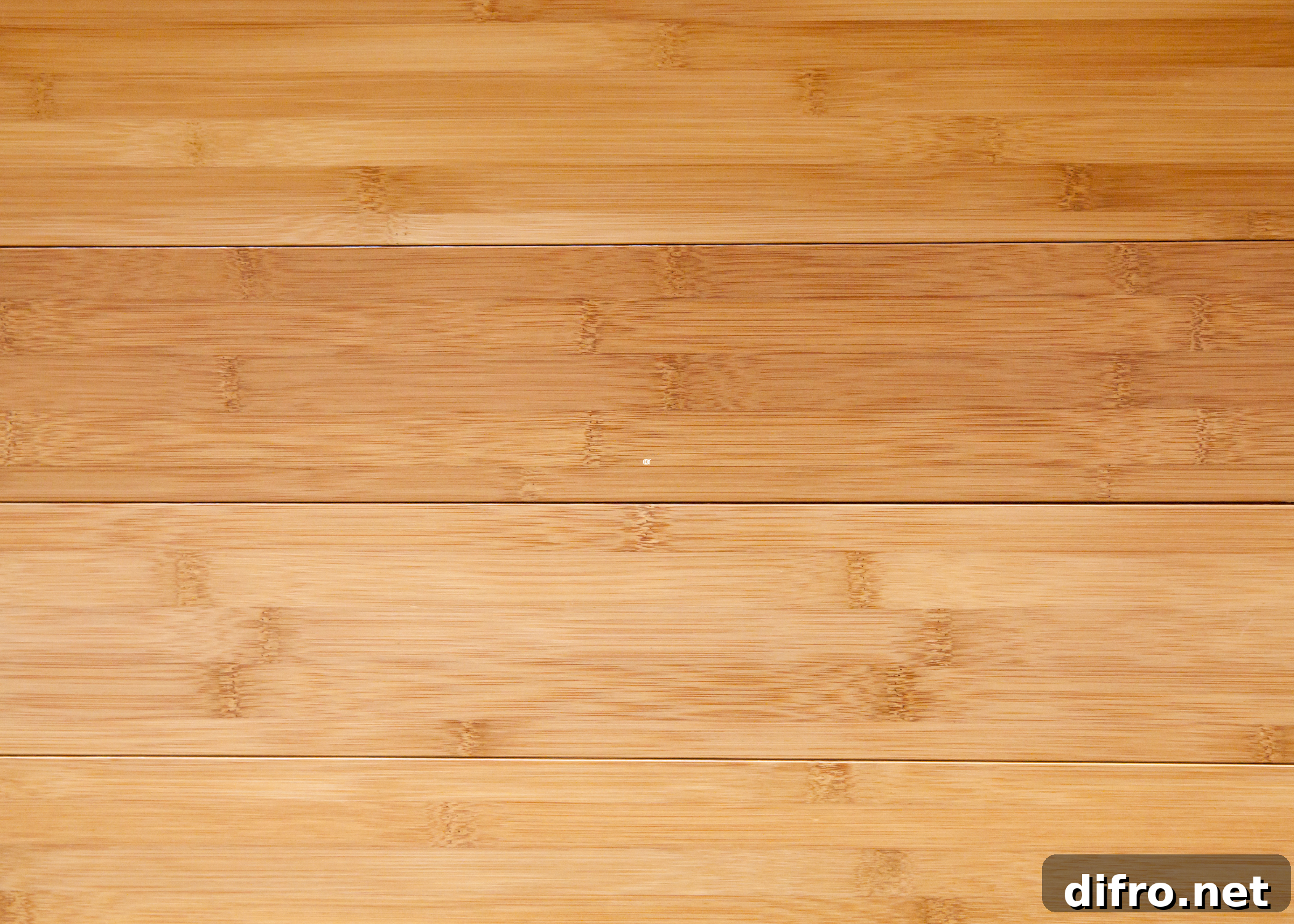
Prices for bamboo flooring vary widely based on type, finish, and quality. Engineered and strand-woven products typically cost more than basic solid bamboo. Installation methods—floating, glue-down, or nail-down—also affect total cost and suitability for different subfloors. Obtain multiple quotes from reputable installers, confirm warranty details, and factor in any subfloor preparation, trims, and underlayment into your budget.
Pros of Bamboo Flooring
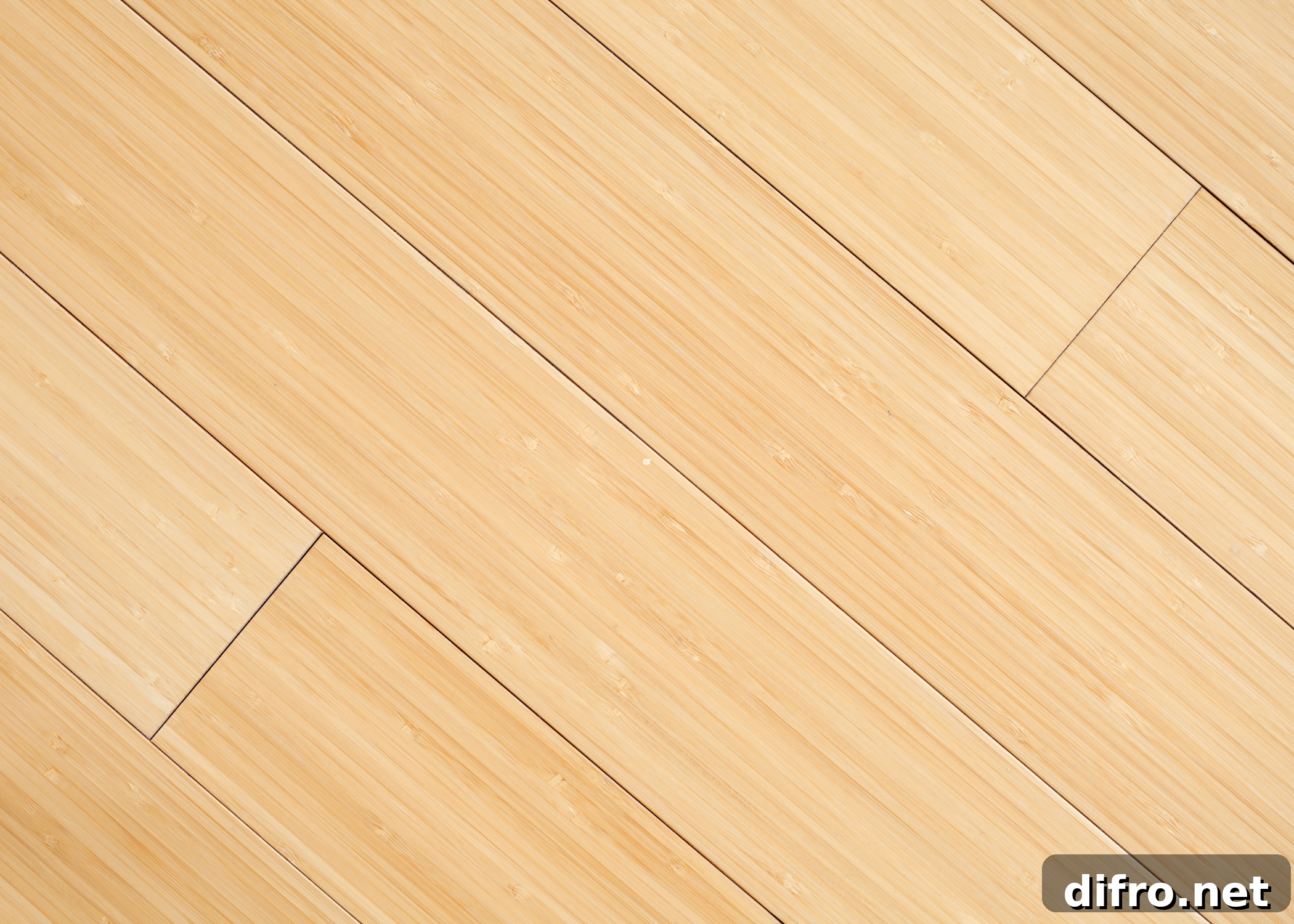
Eco-Friendly and Renewable
Bamboo matures in a few years rather than decades, which makes it a renewable resource when harvested responsibly. Choosing certified bamboo flooring reduces pressure on slow-growing hardwood forests and supports more sustainable building choices.
Aesthetic Appeal
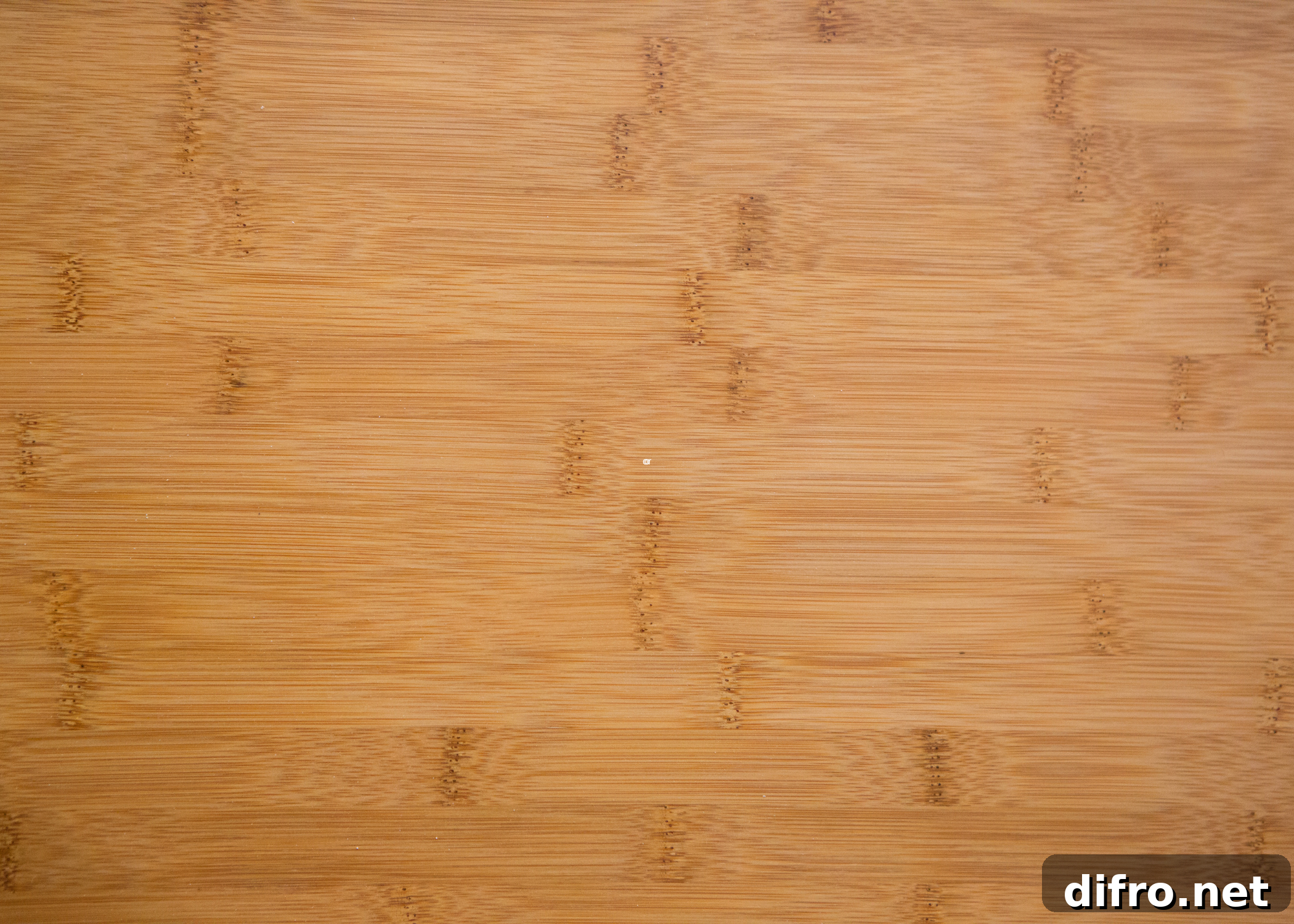
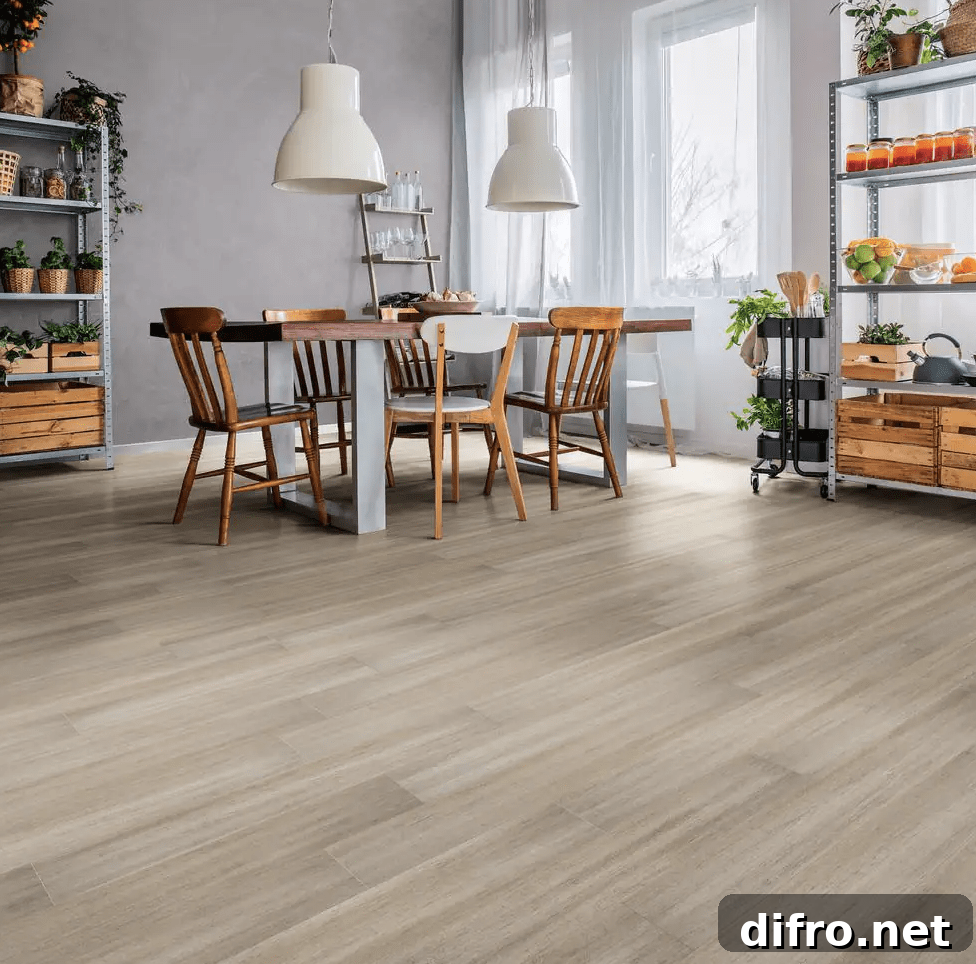
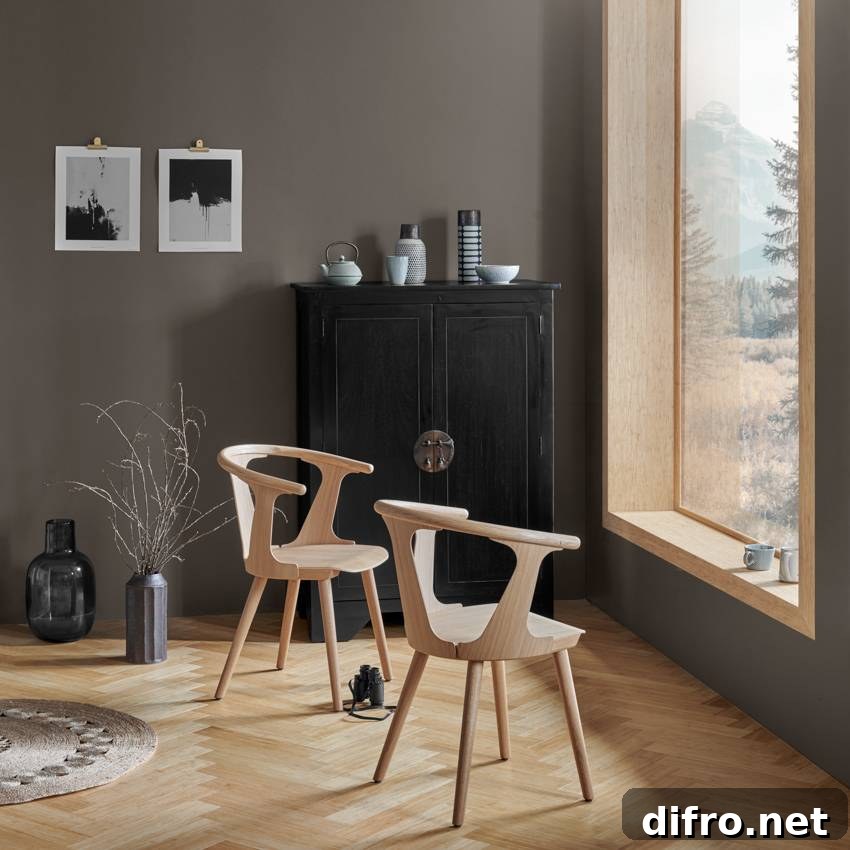
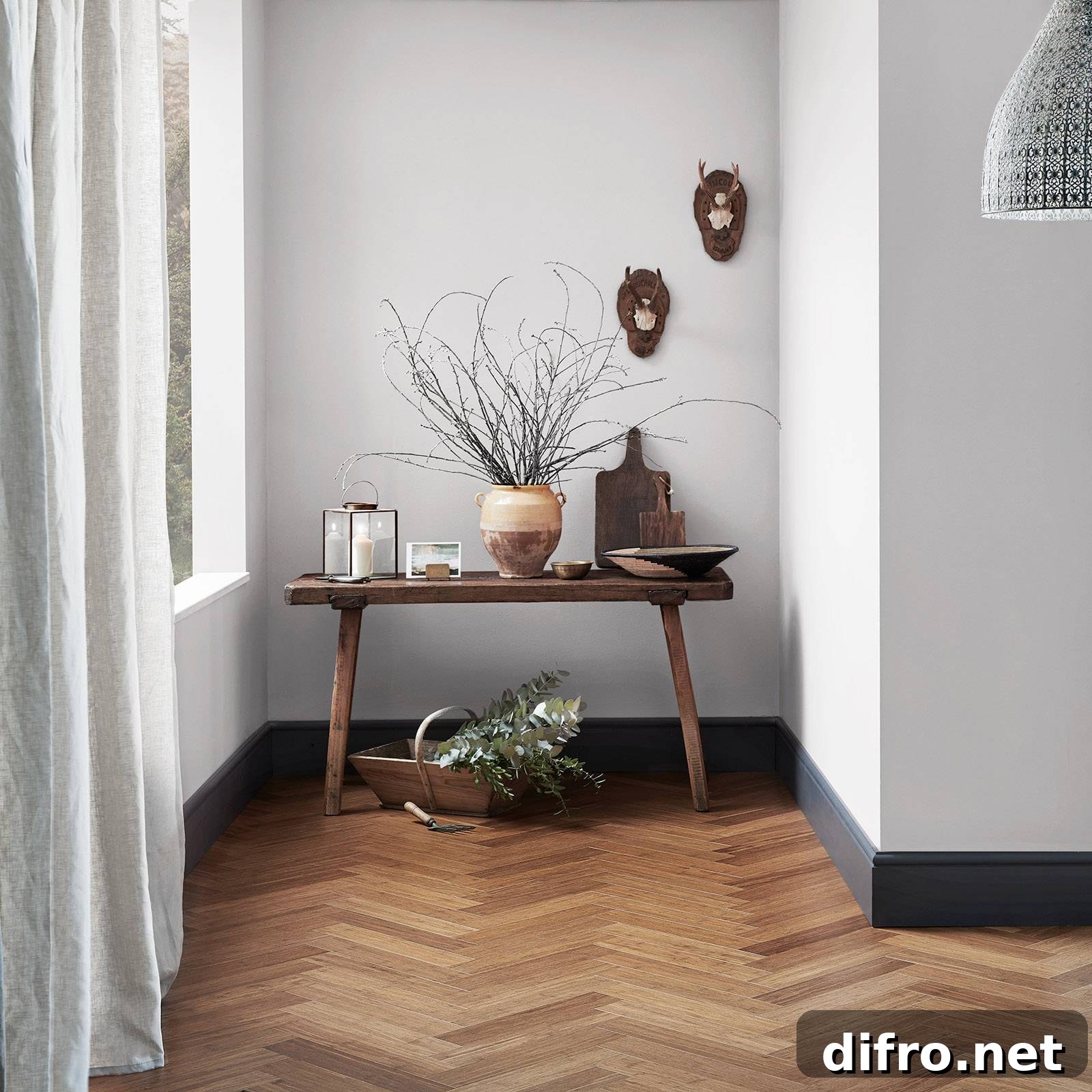
Bamboo brings a distinctive grain and warm tones that complement a variety of interior styles—from contemporary to rustic. Its clean lines and natural texture help create an elegant, modern floor that can enhance living areas, bedrooms, and open-plan spaces.
Durability and Hardness
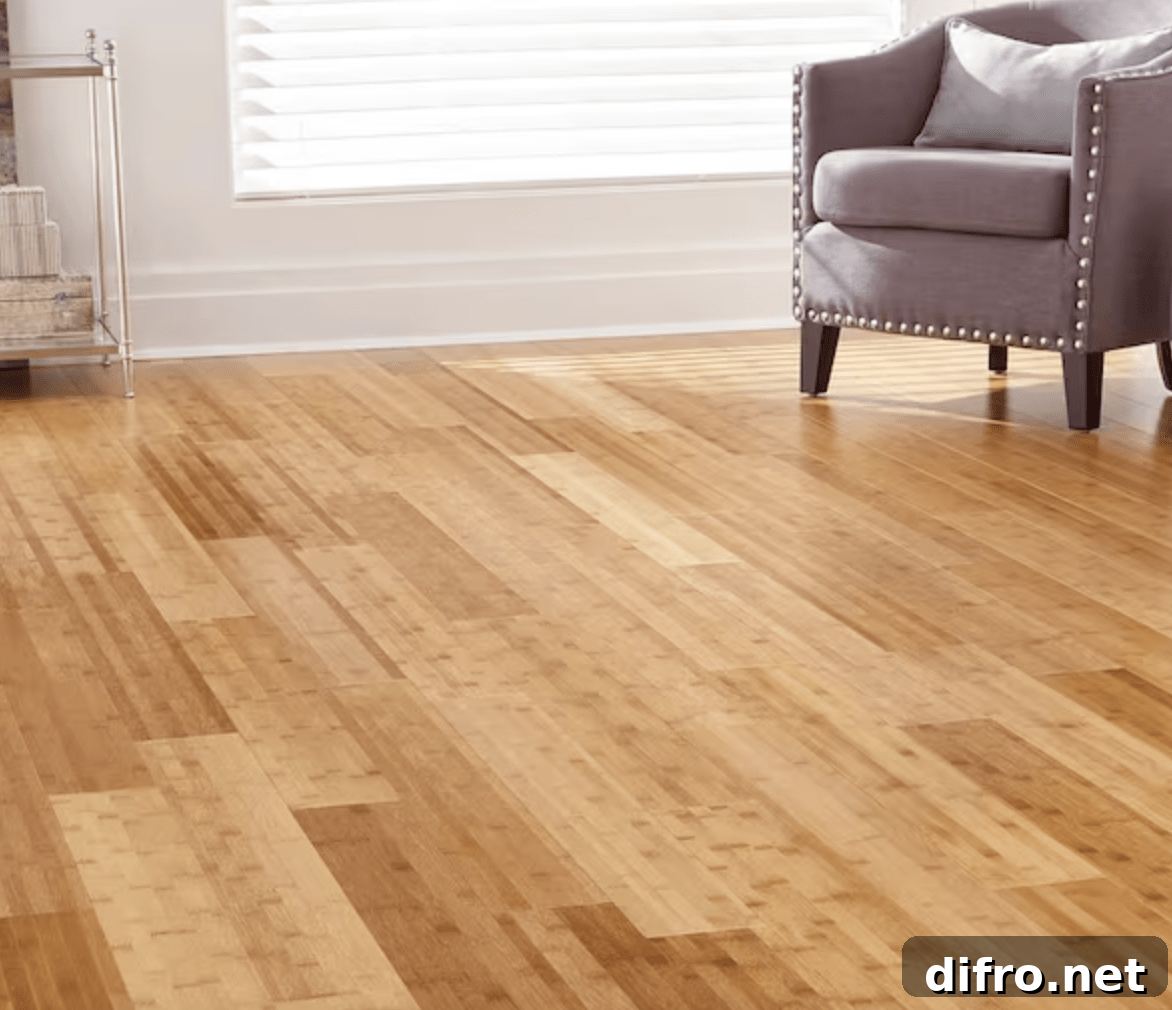
Strand-woven bamboo, in particular, ranks among the harder flooring options and resists dents and wear better than many conventional hardwoods. With proper care and a suitable finish, bamboo floors can last for decades in moderate-traffic spaces.
Low Maintenance
Routine care is straightforward: sweep or vacuum regularly and use a damp mop with a mild, pH-neutral cleaner for deeper cleaning. Bamboo resists stains and surface spills when sealed properly, making it practical for family homes.
Cons of Bamboo Flooring
Susceptibility to Moisture
Bamboo can react to prolonged moisture or high humidity by warping, swelling, or developing mold. This sensitivity makes it a less suitable choice for bathrooms, laundry rooms, and some basements unless you choose a specifically engineered product and control indoor moisture carefully.
Limited Natural Color Range
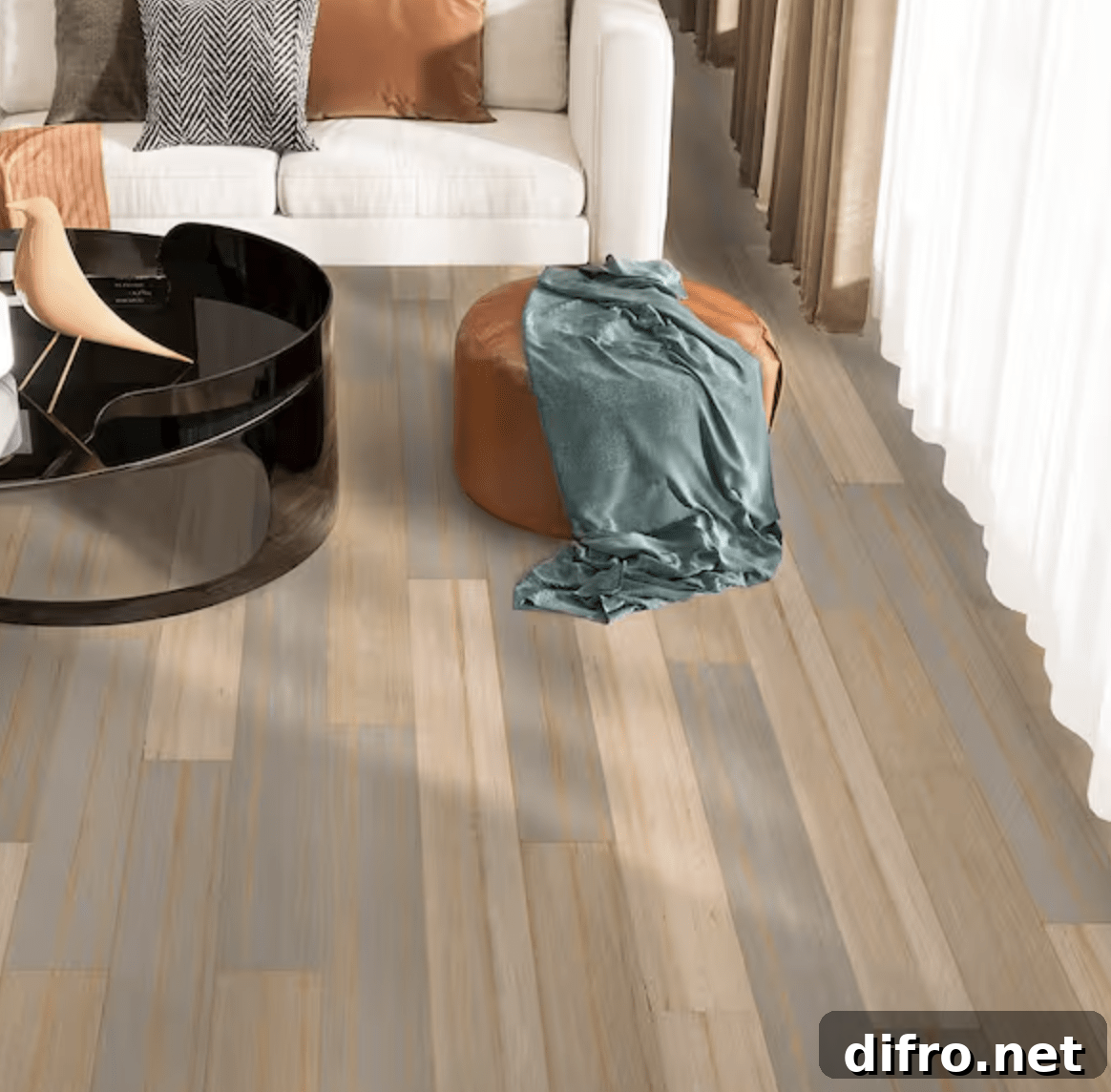
Natural bamboo shades generally range from pale yellow to medium or dark brown. While staining is possible, the color palette is narrower than some hardwood species, which may limit homeowners seeking a specific tone.
Potential for Scratches
Bamboo is durable but not immune to scratches. Pet claws, moving furniture, or sharp debris can mar the surface. Use area rugs, furniture pads, and routine upkeep to minimize surface damage.
Adhesives and VOCs
Some lower-quality bamboo flooring uses adhesives or finishes that off-gas volatile organic compounds (VOCs). To protect indoor air quality, select products with low-emission certifications and verify the type of adhesives and finishes used.
Location Suggestions
Bamboo performs well in living rooms, bedrooms, hallways, dining rooms, and home offices—areas that benefit from its appearance and durability without constant exposure to moisture. Avoid installing bamboo in bathrooms, laundry rooms, or other spaces with persistent humidity unless you choose specially engineered planks designed for those conditions.
Related Articles
- Exploring the Aesthetics of Wood Floor Colors
- Linoleum Flooring – The Classic Kitchen Choice Making a Trendy Comeback
- Seamless Kitchen Tile to Wood Floor Transition Ideas
Bamboo flooring is an attractive, eco-conscious option for many homeowners. When chosen carefully—considering type, finish, certification, and installation method—it combines lasting beauty and durability. Balance its advantages against moisture sensitivity, limited color variety, and the potential for surface scratches to determine whether it suits your home.
Ready to refresh your home with bamboo flooring? Subscribe to a trusted interior design newsletter for tips on layout, color coordination, and care to get the most from your new floors.
Frequently Asked Questions (FAQs)
Is bamboo flooring suitable for kitchens?
Yes—bamboo can work well in kitchens if you control moisture and clean spills promptly. Place mats near sinks and appliances to protect vulnerable areas.
How does bamboo flooring compare to hardwood in cost?
Bamboo is often more affordable than many hardwoods, but prices vary by product type and quality. Strand-woven bamboo is typically pricier than basic horizontal or vertical bamboo planks.
Can bamboo flooring be refinished?
Many bamboo floors can be refinished. The number of times depends on plank thickness; thicker solid or engineered planks can be sanded and refinished multiple times.
Is bamboo flooring pet-friendly?
Bamboo is relatively pet-friendly due to its hardness, but claws can still cause scratches. Keep pet nails trimmed and use protective rugs in busy areas.
How do I maintain bamboo flooring?
Maintain bamboo with regular sweeping or vacuuming and occasional damp mopping using a mild, pH-neutral cleaner. Avoid excessive water and harsh chemicals that can damage the finish.