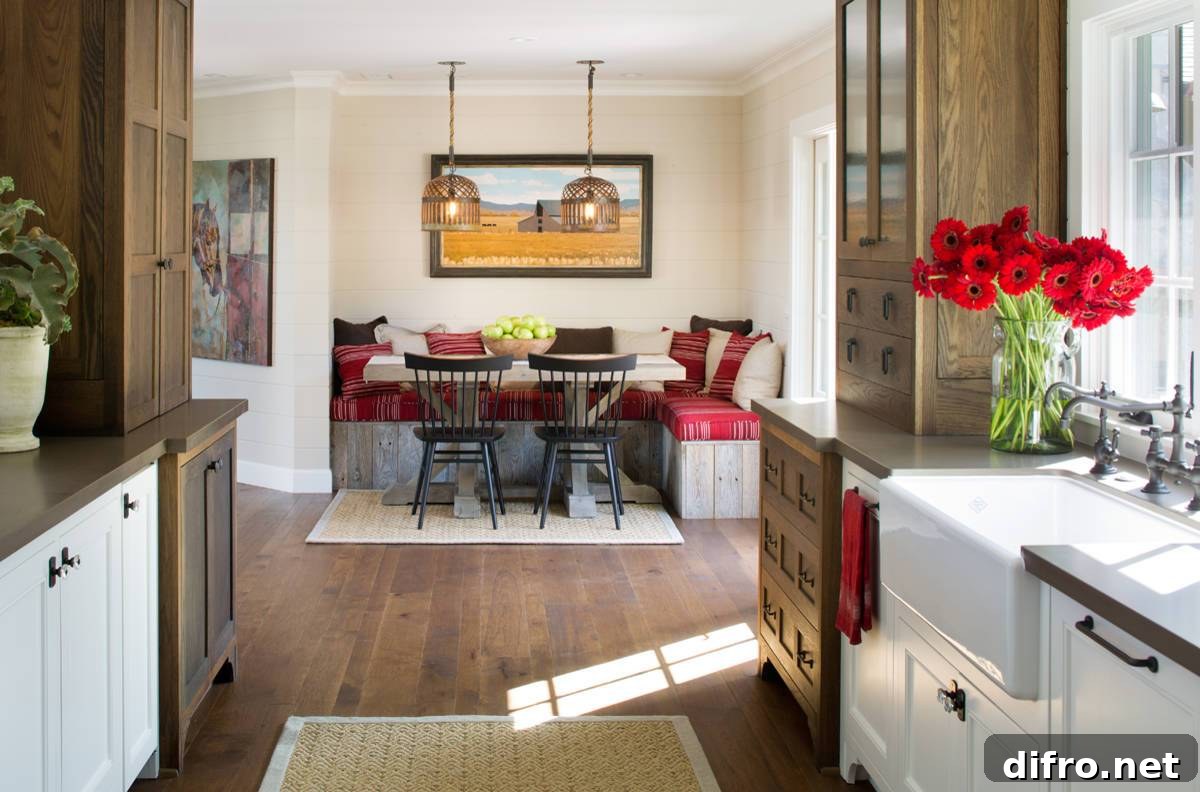
A cozy breakfast nook is an inviting spot to gather with family and friends in the heart of the home. Whether you fondly remember one from your childhood or are creating your first, a well-designed nook makes mornings feel more relaxed and encourages lingering conversations over coffee and breakfast. Below are practical, stylish ideas to help you design a breakfast nook that fits your space, budget, and aesthetic.
1. Preloved Bench and Table
If you want to refresh your kitchen without overspending, consider buying preloved (thrifted) furniture. High-quality benches and tables often end up in secondhand markets because owners upgraded, not because the pieces are worn out. Mixing and matching different preowned pieces can create a curated, high-end look at a fraction of the price. Choose a bench that fits your comfort needs—cushioned for softness or a flat-top for a more streamlined look—and pair it with a table at a comfortable height for dining.
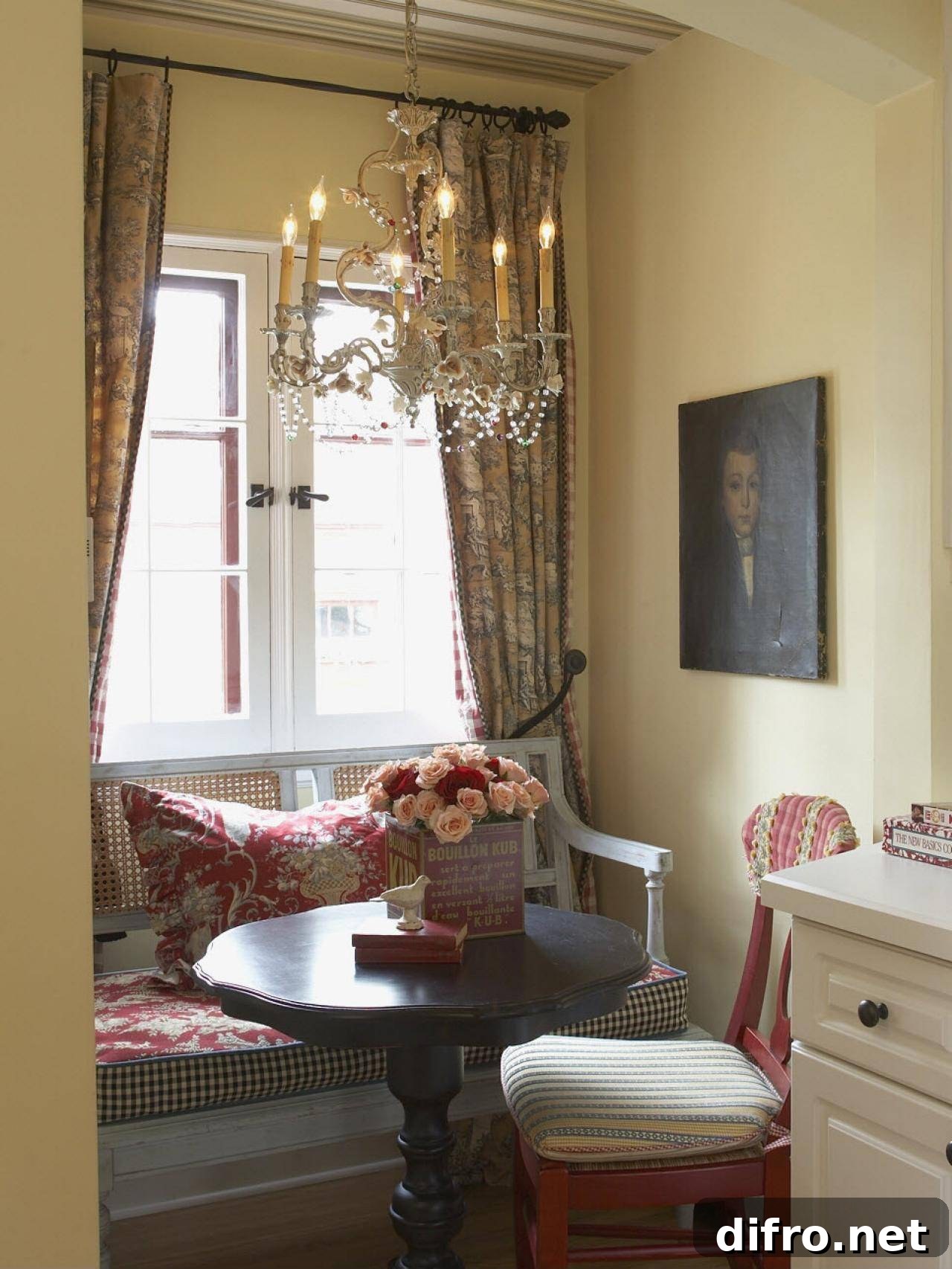
2. Use an Empty Corner or Open Space
Not every kitchen has a built-in alcove for a nook, and that’s okay. A breakfast nook can be created in virtually any available space—corner or open wall—so long as it’s comfortably away from direct stove heat and has good ventilation. Measure the area before shopping so you pick a table and seating that scale properly. Even a compact table can feel generous with the right bench and layout.
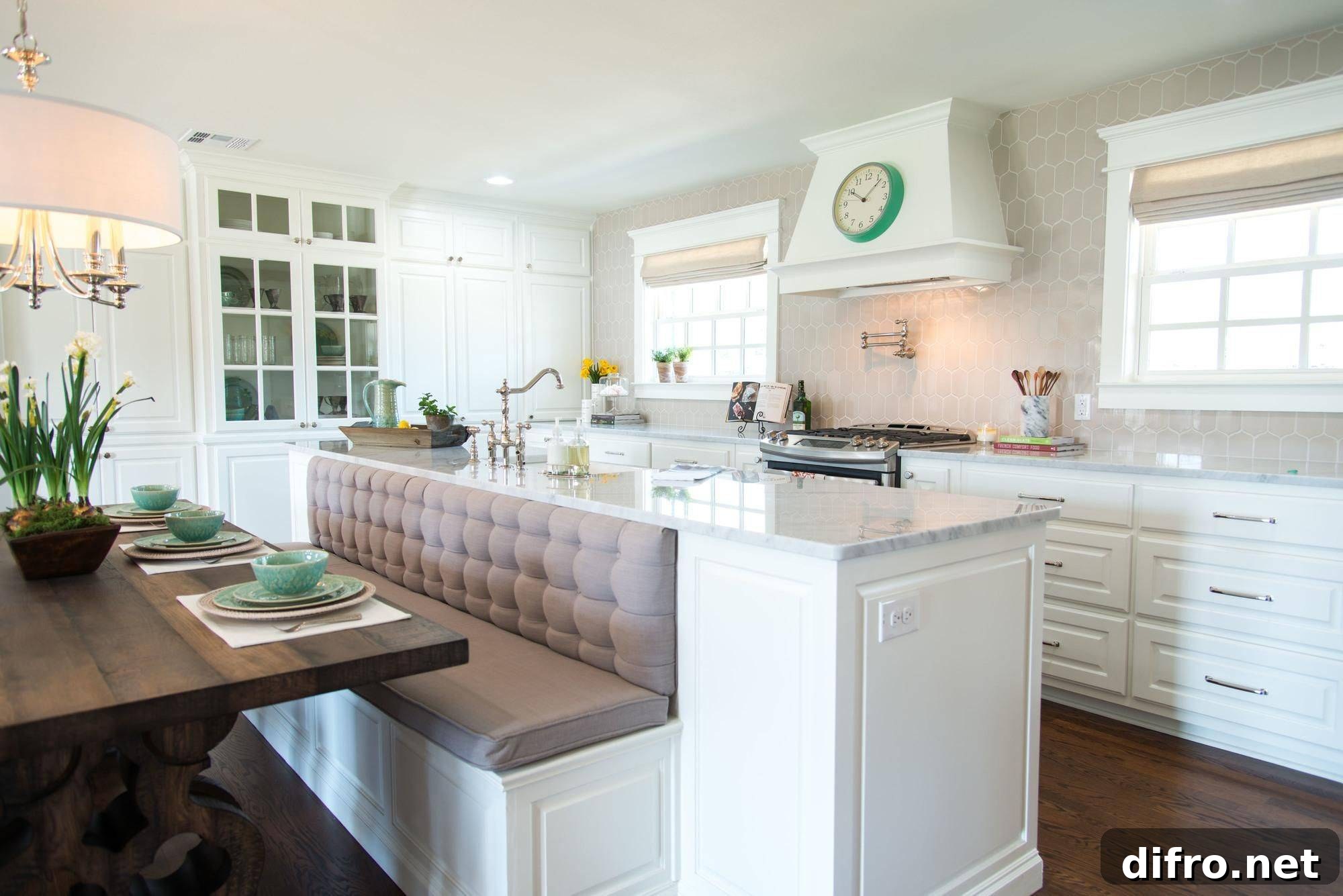
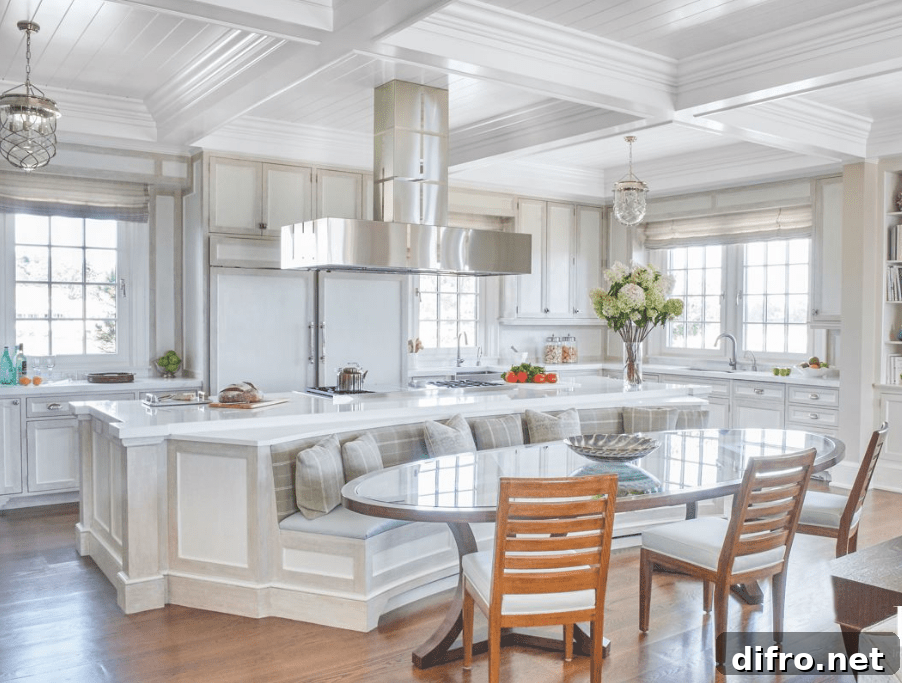
3. Breakfast Nook Near a Window Seat
Installing a window seat transforms natural light and views into a major design asset. Window seats can be custom-built or tackled as a DIY project to save money. For comfort, aim for a seat height between 16 and 21 inches. Pair the seat with either a matching table or a contrasting accent table to create visual interest. If your view isn’t ideal, a few well-placed plants or a styled outdoor area can make the window scene more appealing.
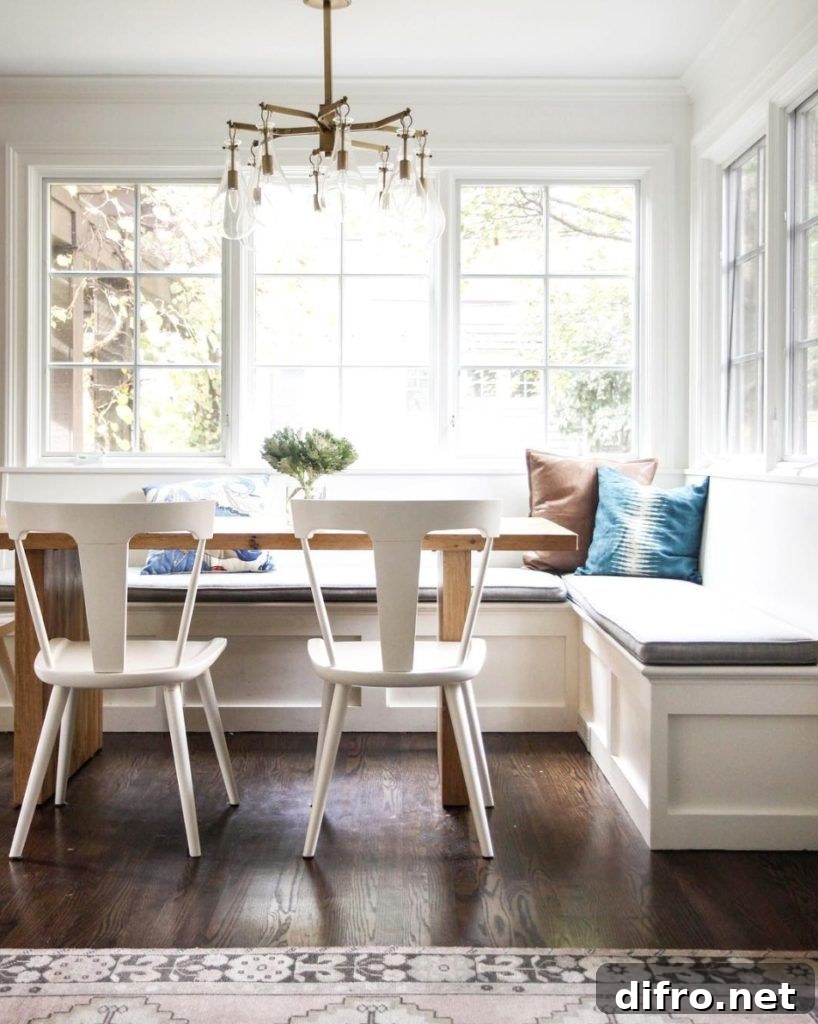
4. 2-in-1 Low Cabinets for Seating and Storage
Low cabinets can double as bench seating when topped with a cushion, offering both storage and seating without sacrificing square footage. This is an excellent option for small kitchens where every inch counts. Choose cabinet heights that align with standard table heights and consider durable, easy-to-clean cushion fabrics for everyday use.
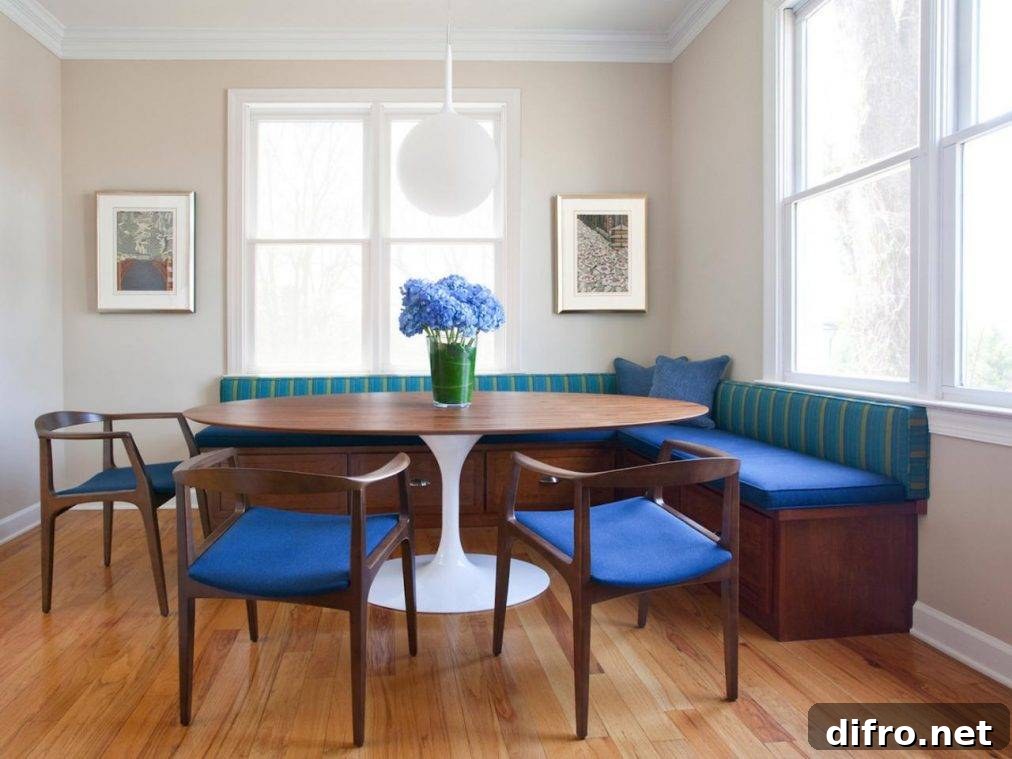
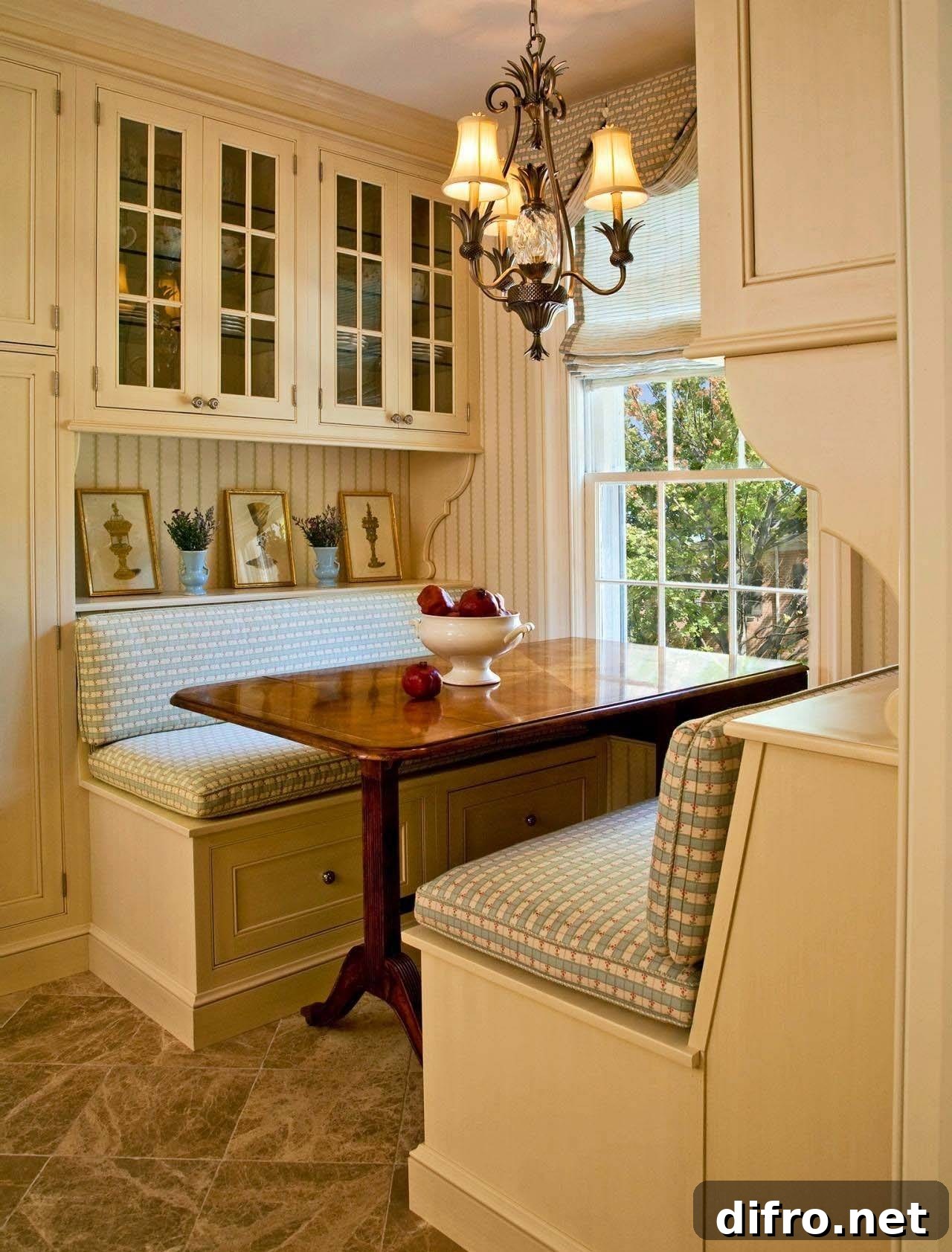
5. Breakfast Nook with Shiplap Walls
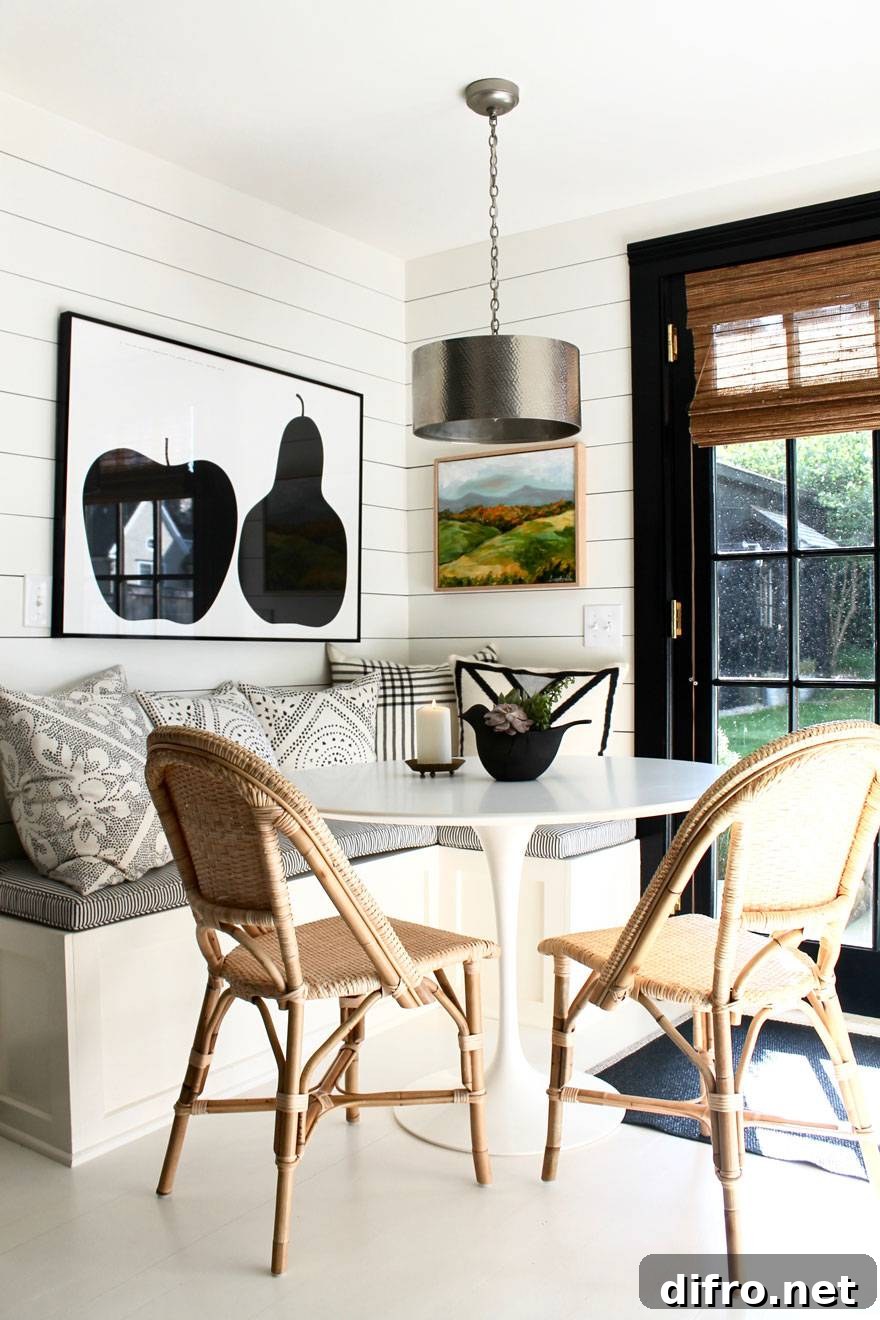
Shiplap walls instantly bring a farmhouse or cottage feel to a breakfast nook. If your kitchen leans farmhouse, adding a shiplap accent wall unifies the space and creates a charming backdrop for seating. Shiplap is relatively affordable compared to many finishes and is straightforward to install as a DIY project, which helps keep renovation costs down.
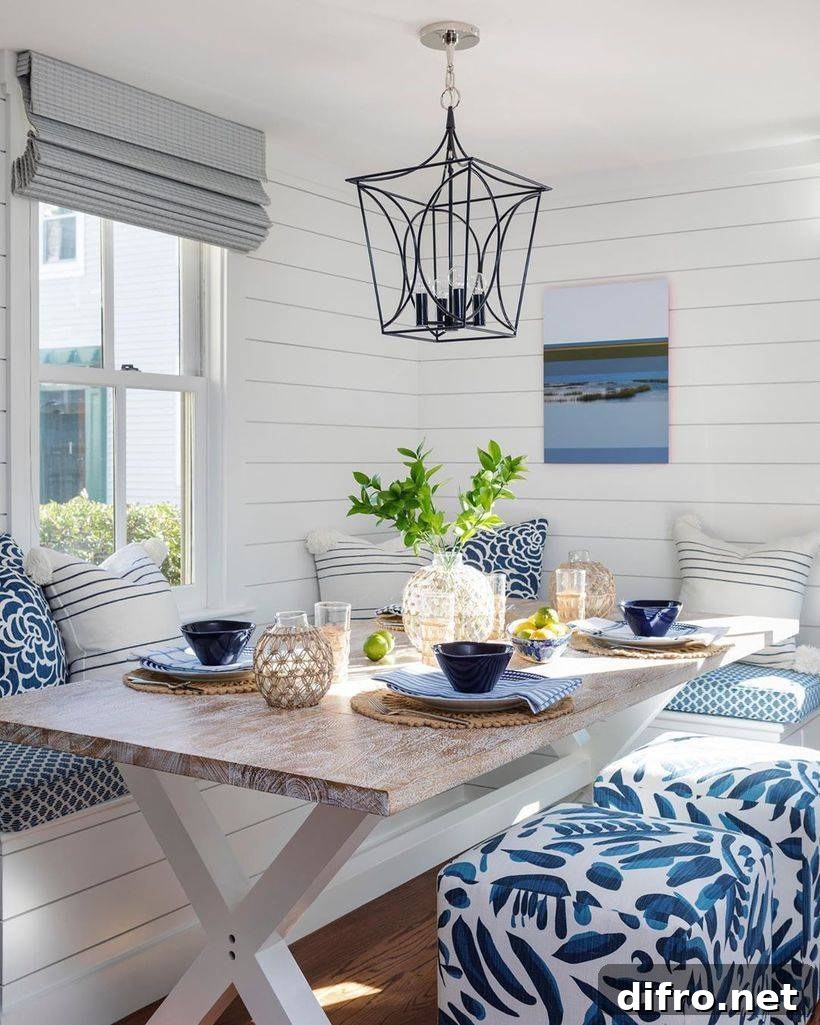
6. Restaurant Booth–Inspired Nook
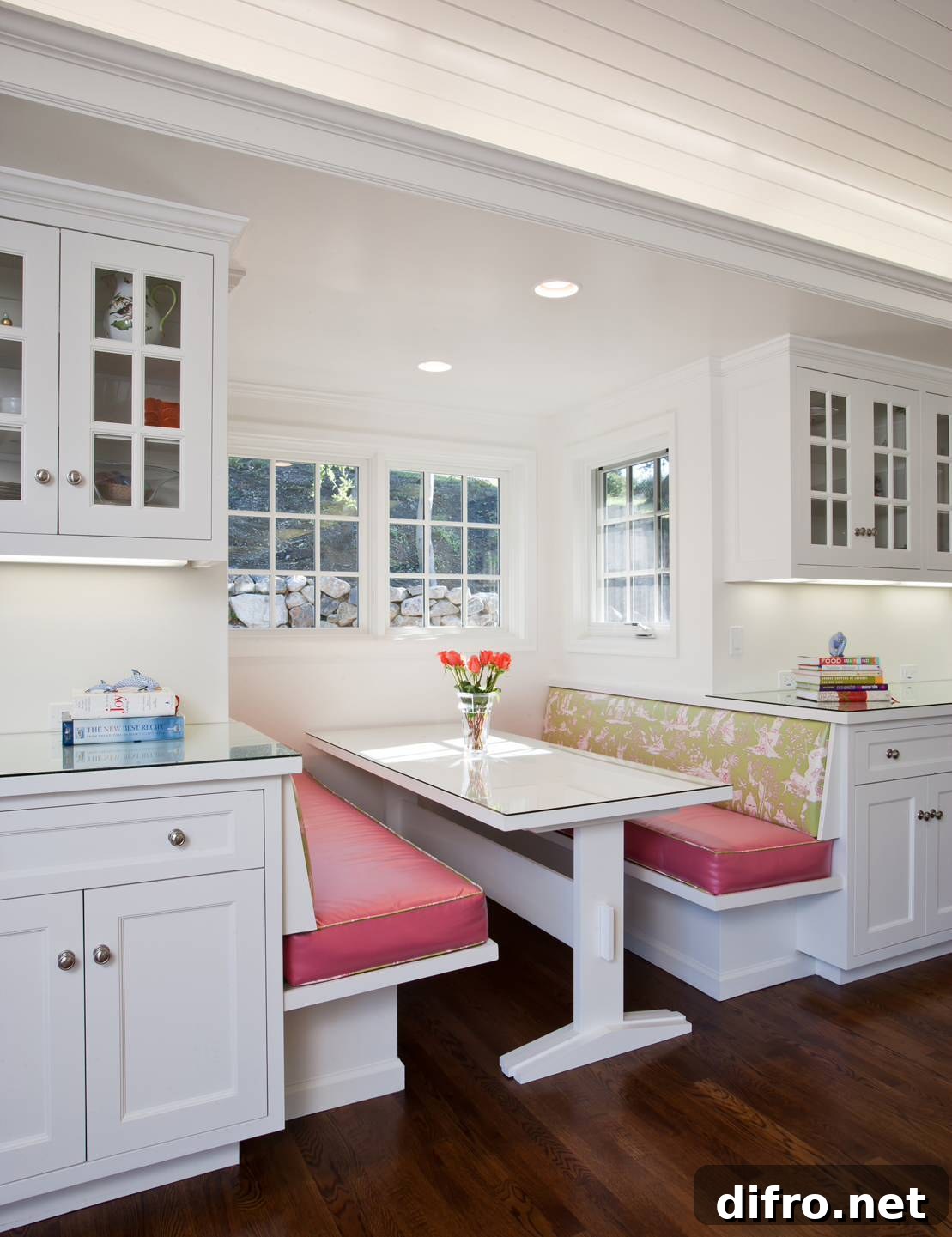
A booth-style nook mimics the intimacy of restaurant seating, creating a private, cozy spot for two to four people. This layout works especially well in narrow spaces or as an alcove. Add layered lighting and a small centerpiece to enhance mood and comfort.
7. Large Family Breakfast Nook
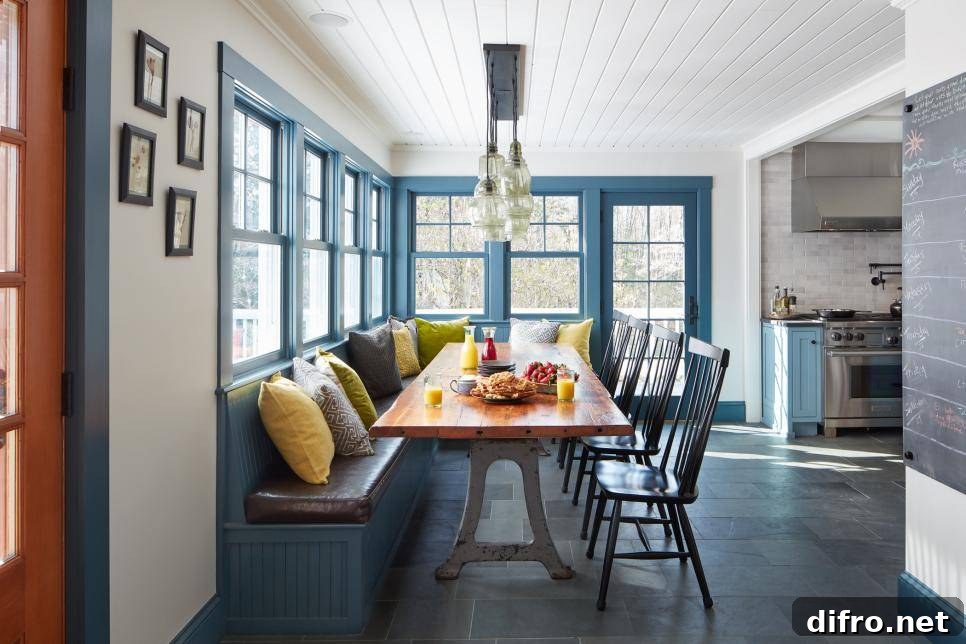
Breakfast nooks aren’t limited to small households. To accommodate a larger family, choose a long table and extend seating along a wall bench, then add individual chairs on the opposite side. This layout keeps everyone close together for family meals while maximizing seating without requiring a full dining room.
8. Rustic-Styled Breakfast Nook
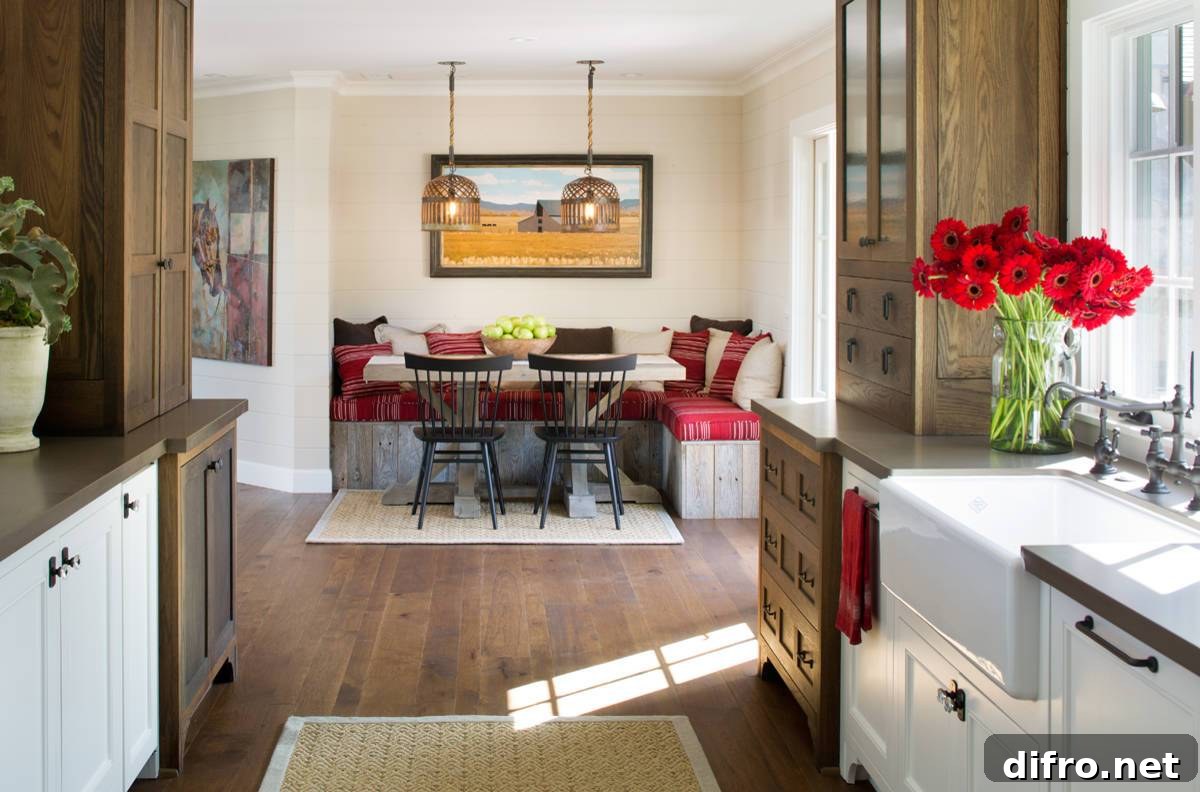
Rustic nooks use aged or barn wood for benches and tables and often feature natural, earthy textiles such as burlap or canvas for cushions. Warm lighting and a palette of browns, creams, and muted greens create a welcoming atmosphere ideal for relaxed mornings and family gatherings.
There are many ways to customize a breakfast nook: decide how much space you can dedicate, choose durable fabrics for seating, and pick the layout that best suits your lifestyle. Whether you prefer a simple, functional corner or a full-featured family nook, thoughtful design and a few DIY touches can turn an ordinary kitchen into a warm, inviting hub. Start small if you need to—your mornings will feel that much better for it.