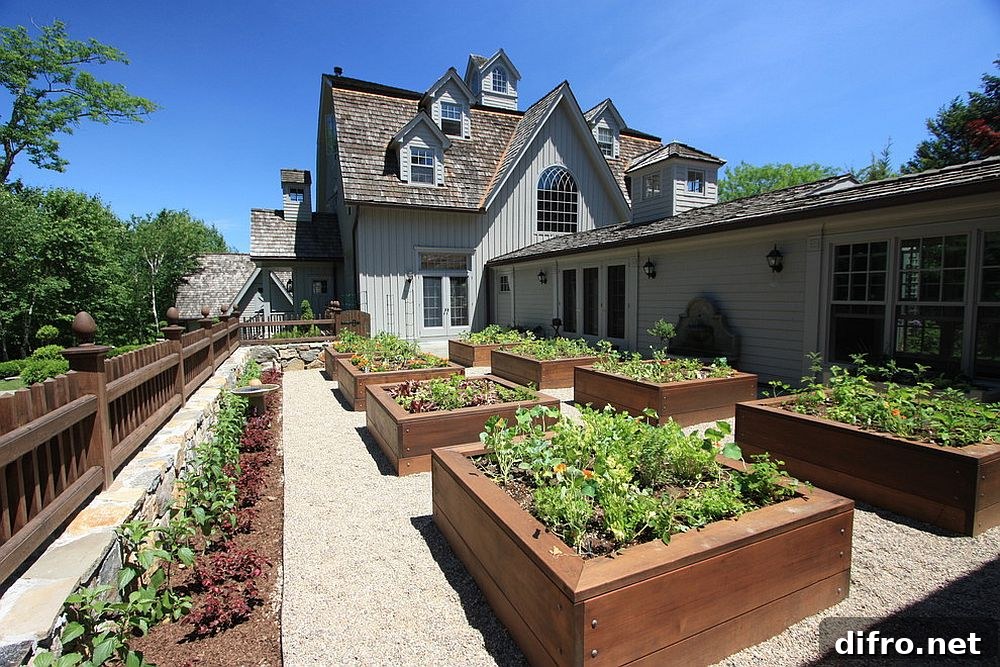
The worldwide shift toward healthier, greener living is unmistakable. People take different paths—some adopt a vegan diet, others prioritize organic produce—but trusting labels can still be difficult. That’s why creating an edible garden at home is such an appealing solution. Edible gardens are simple to maintain, can become a calming daily ritual, and don’t require a large area to begin. Growing your own fruits, vegetables and herbs gives real satisfaction, and stepping into your garden to gather ingredients for a meal is a small everyday joy.
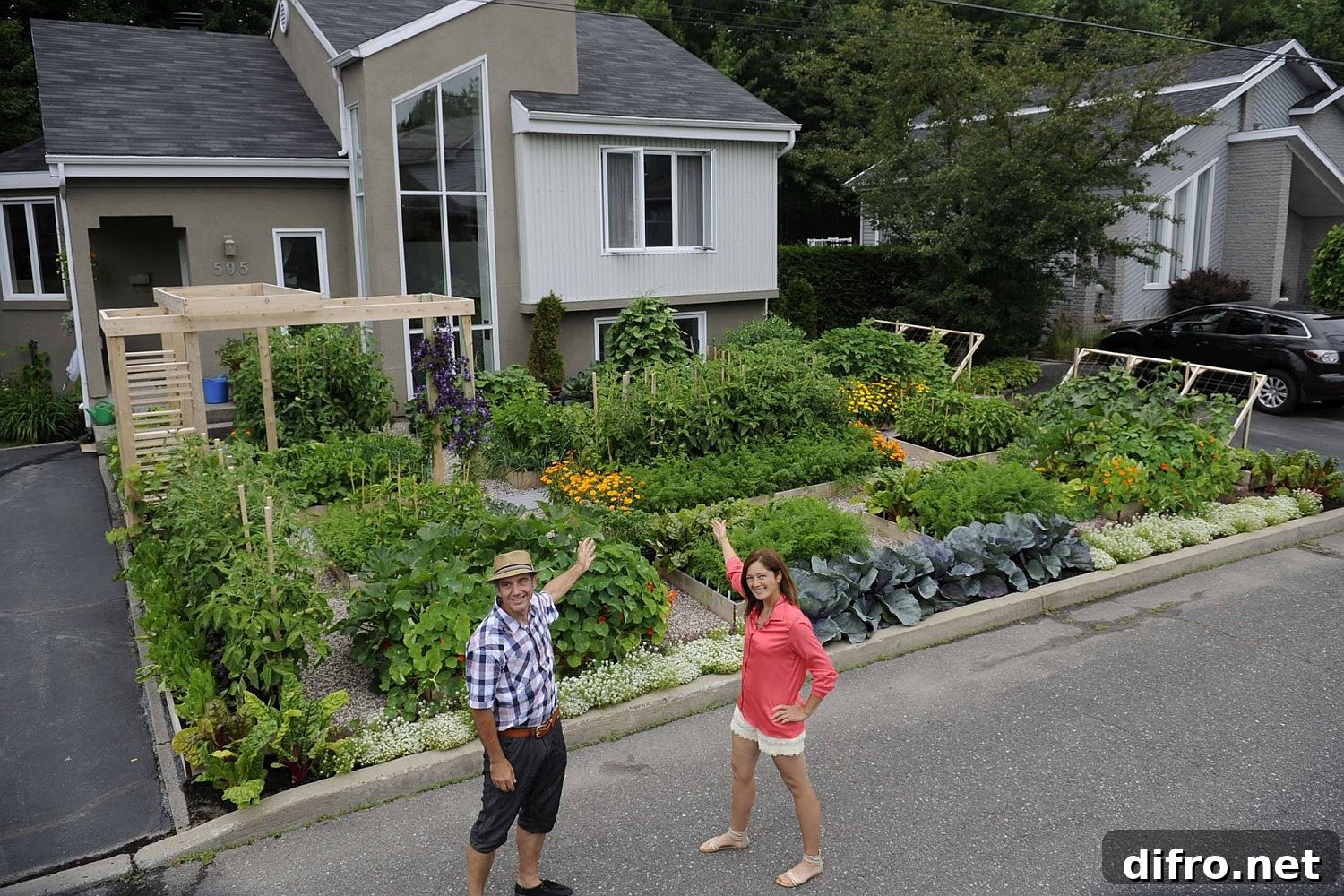
Below are practical, attractive edible garden ideas you can adapt to your home. From compact urban solutions to full backyard landscapes and creative container options, these concepts will inspire you to start planting. Whether you want a modest patch or a productive backyard, edible landscaping can enhance your home, your meals and your wellbeing.
For the Small Urban Garden
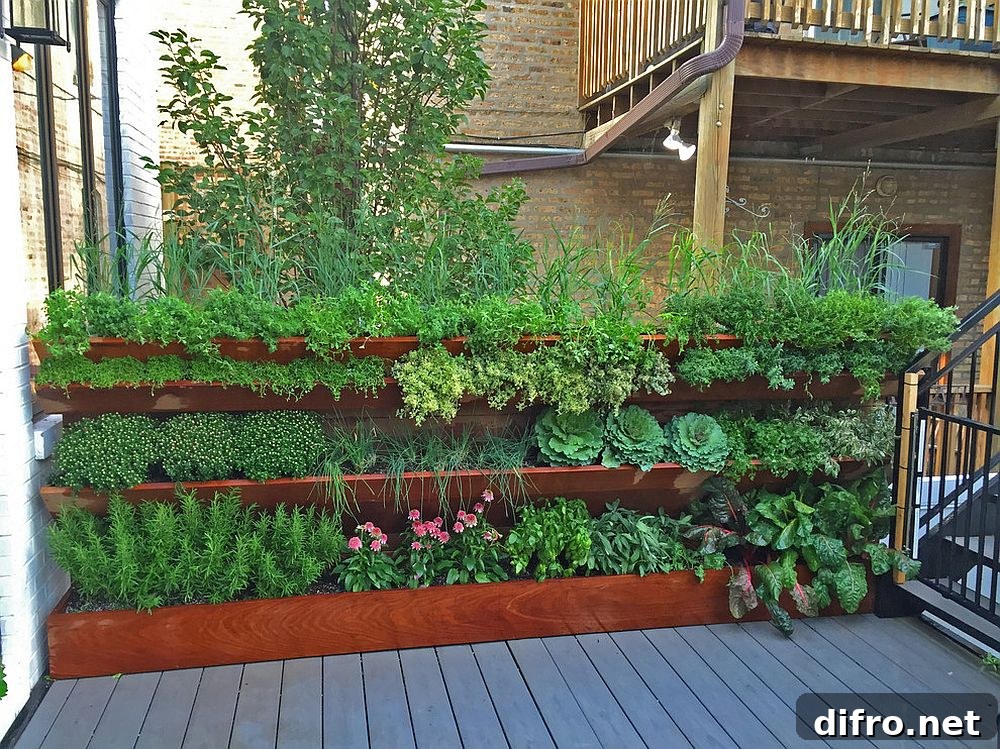
Limited space in urban settings doesn’t have to stop you from growing food. With smart planning, even a balcony, rooftop or small courtyard can become a productive edible garden. Vertical gardening systems, hanging planters and compact containers let you grow herbs, salad greens, cherry tomatoes and peppers without a large footprint. A vertical herb wall or tiered planter maximizes sunlight and can turn an otherwise unused wall into a lush, edible feature. While a tiny garden may not supply every ingredient for every meal, it provides fresh, flavorful produce that elevates your cooking and reduces trips to the store.
Completing a Lovely Landscape
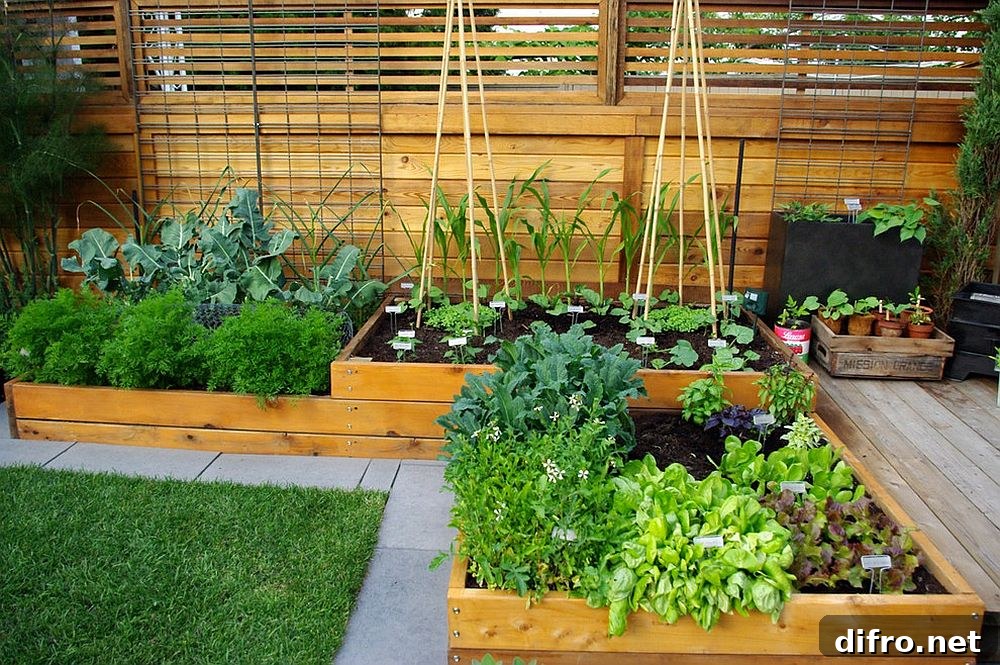
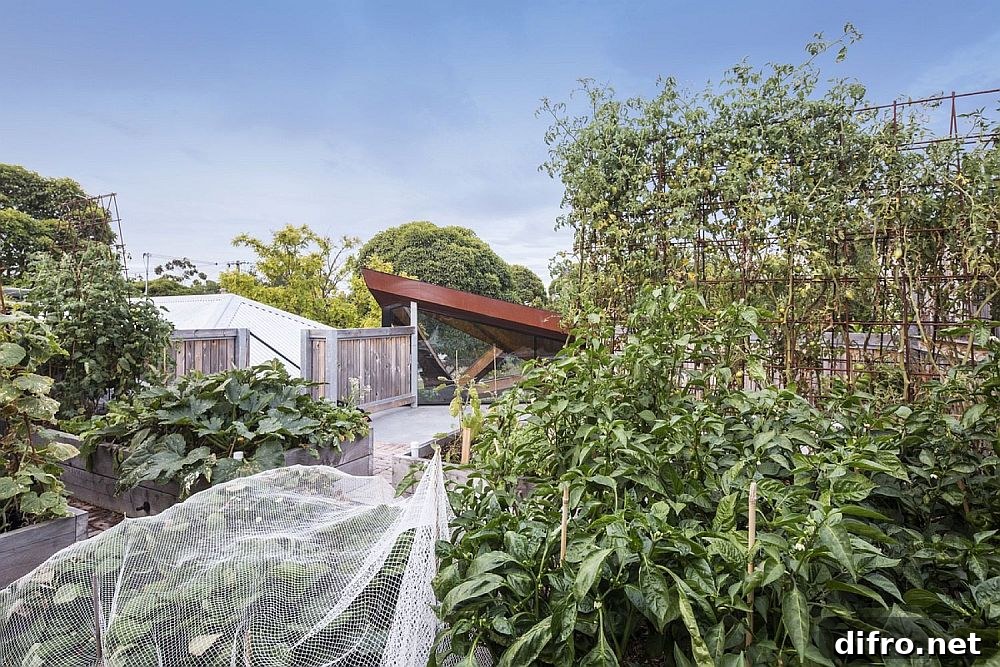
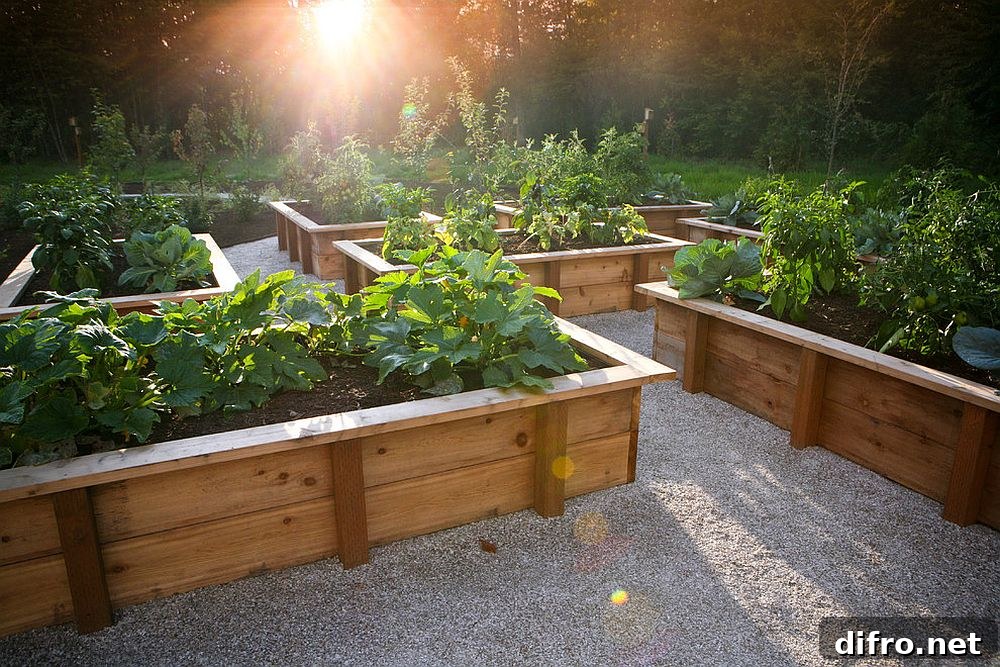
An edible garden can be an integral, beautiful part of your outdoor living space. Whether it’s a small front-yard bed, a raised plot by the back deck, or a row of containers along a patio, edible landscaping blends utility with design. Adjust plant selections with the seasons and choose varieties that thrive in your climate to minimize maintenance. Start with easy-to-grow vegetables and herbs—like lettuce, basil, radishes and chard—that offer quick rewards and build your confidence. Over time you can expand to fruiting plants or perennials. Thoughtful placement and layering of edible plants can enhance the overall landscape and create a pleasing, functional garden that feeds both body and spirit.
Innovative Containers and Ideas
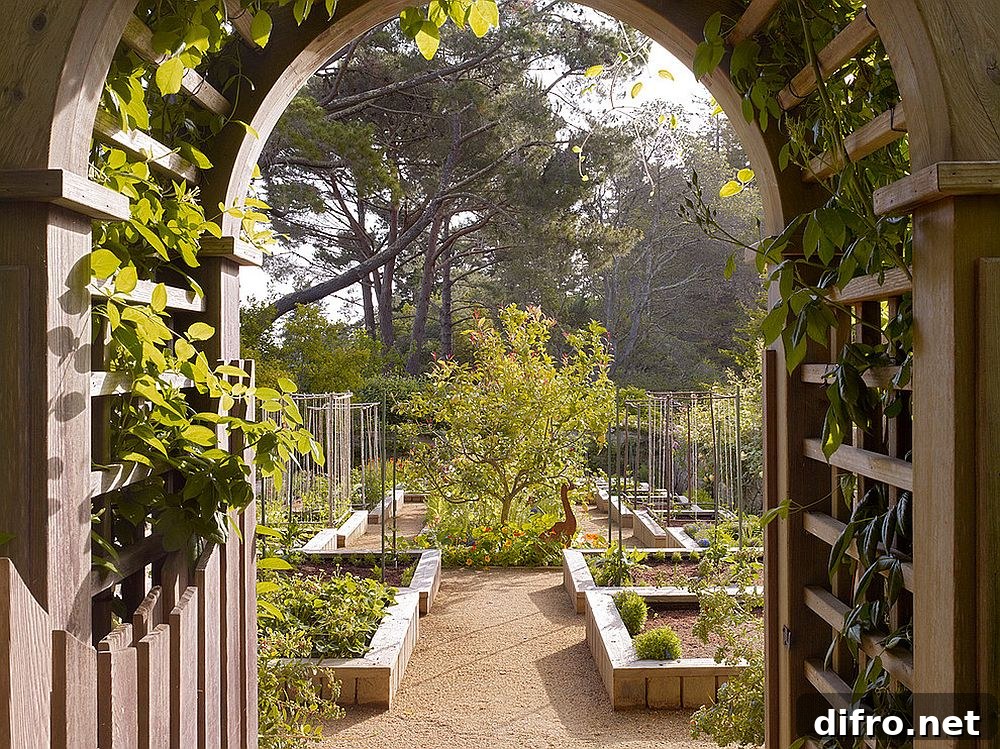
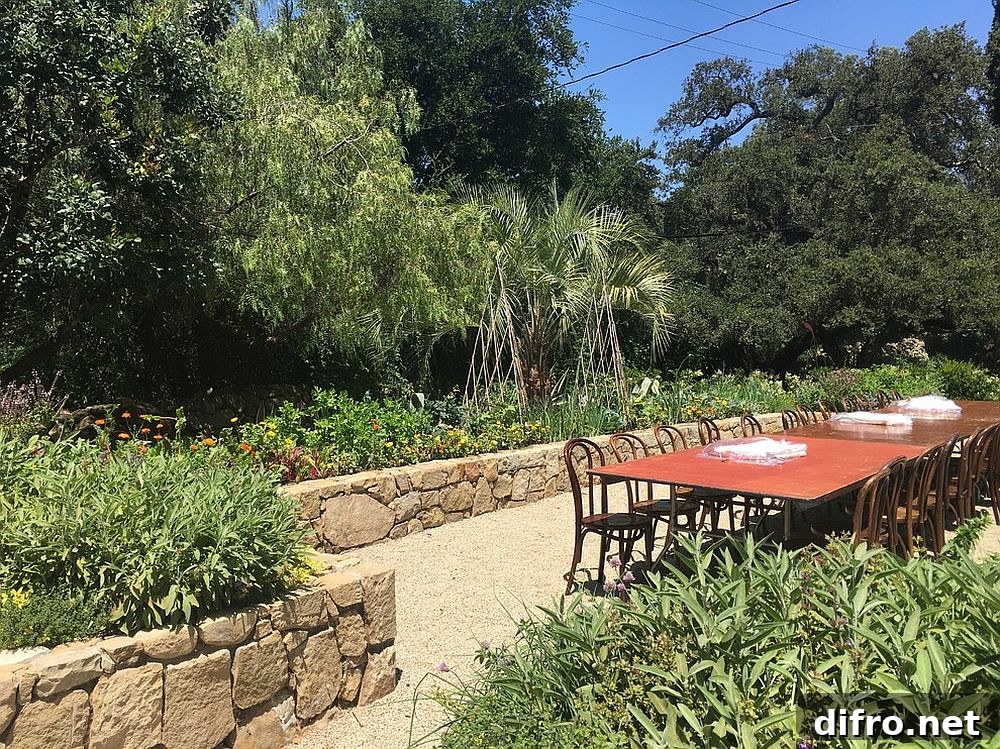
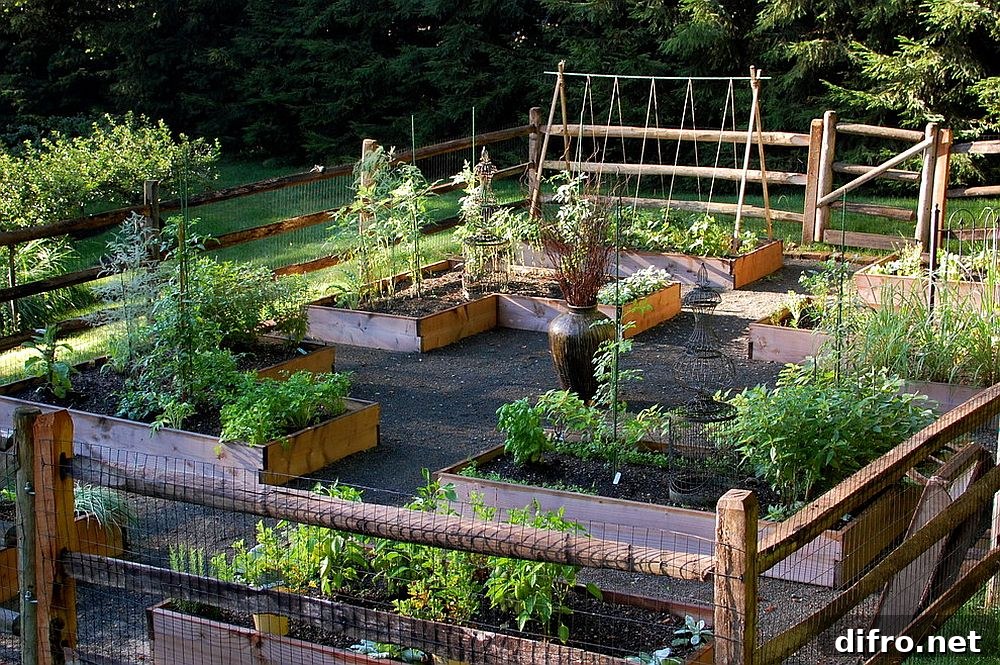
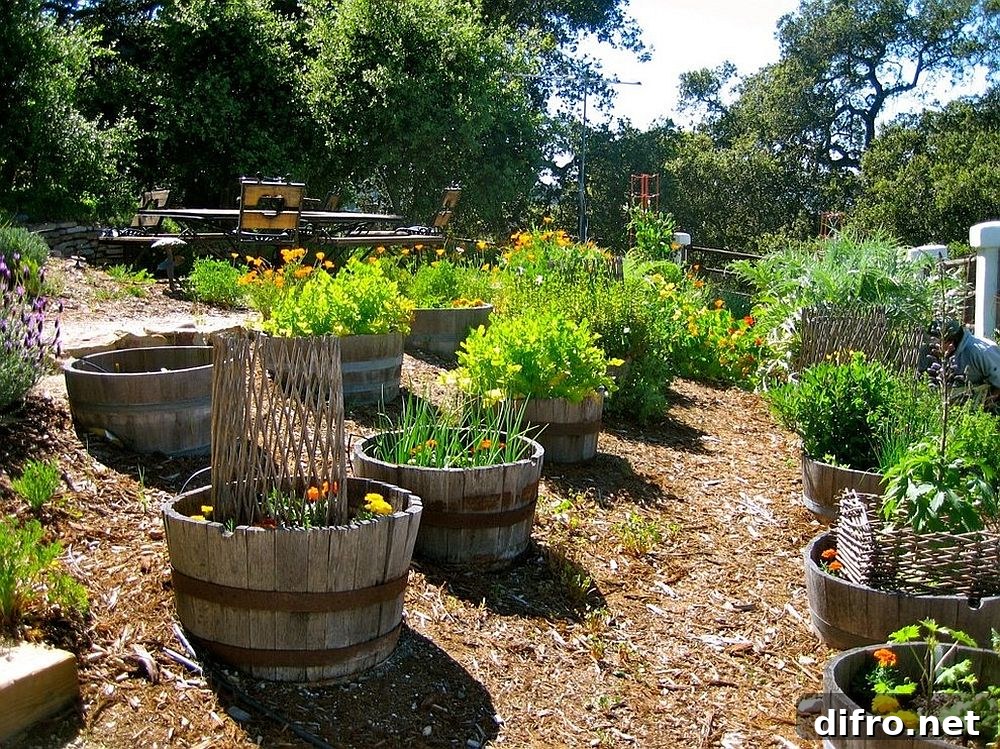
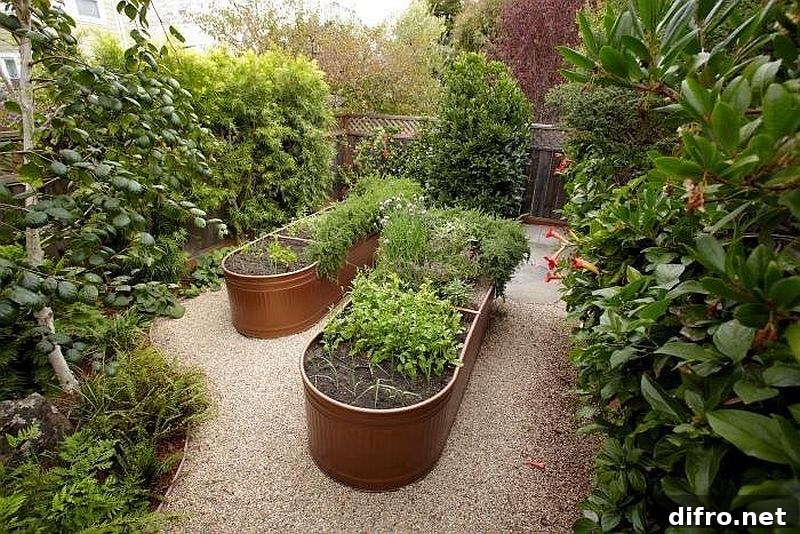
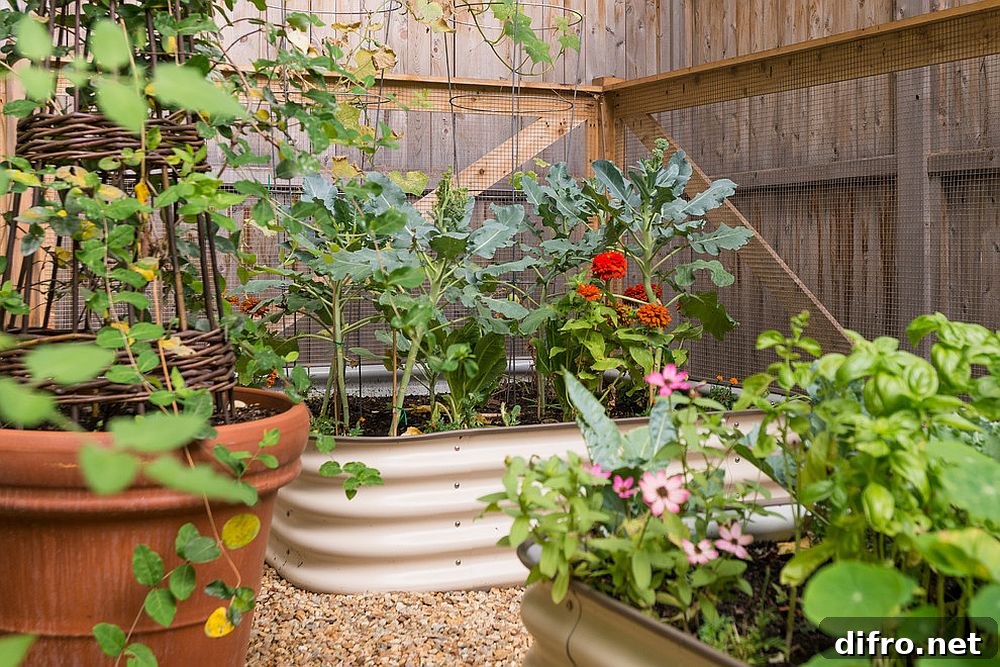
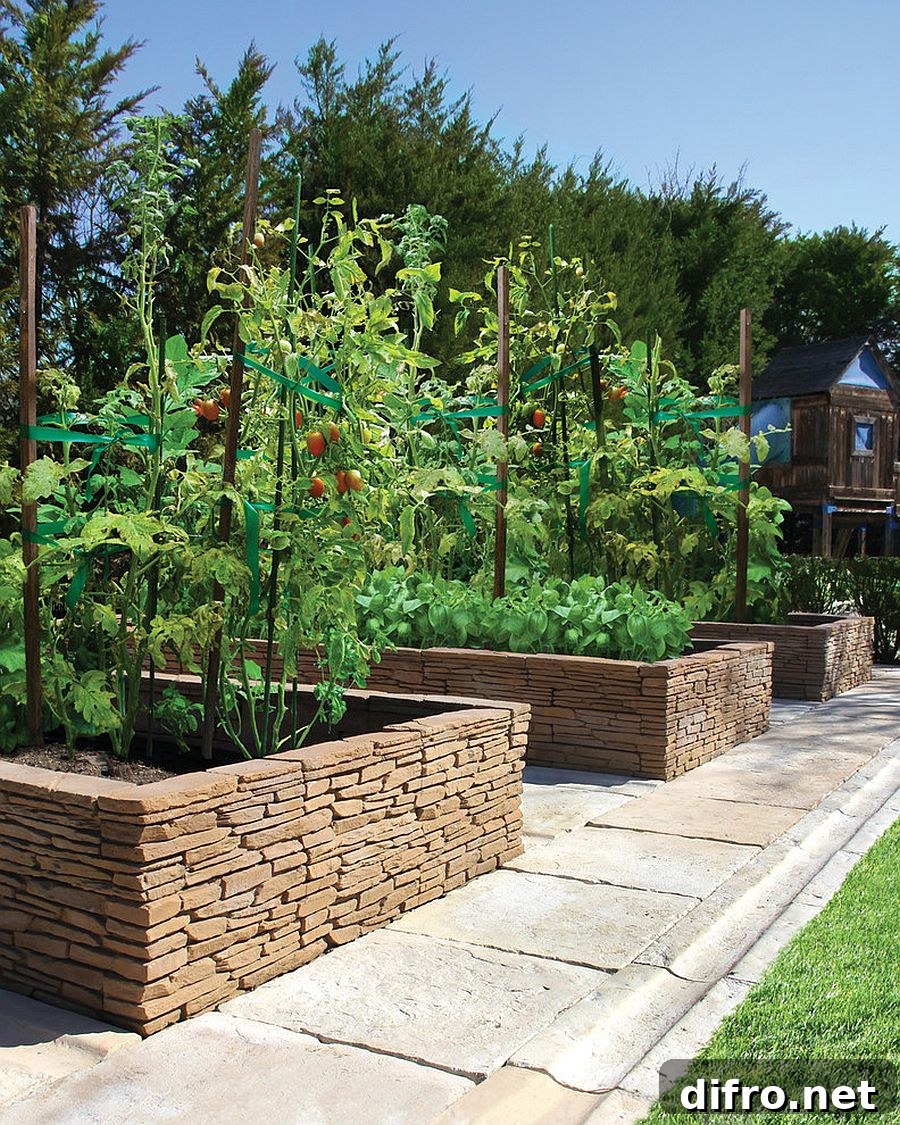
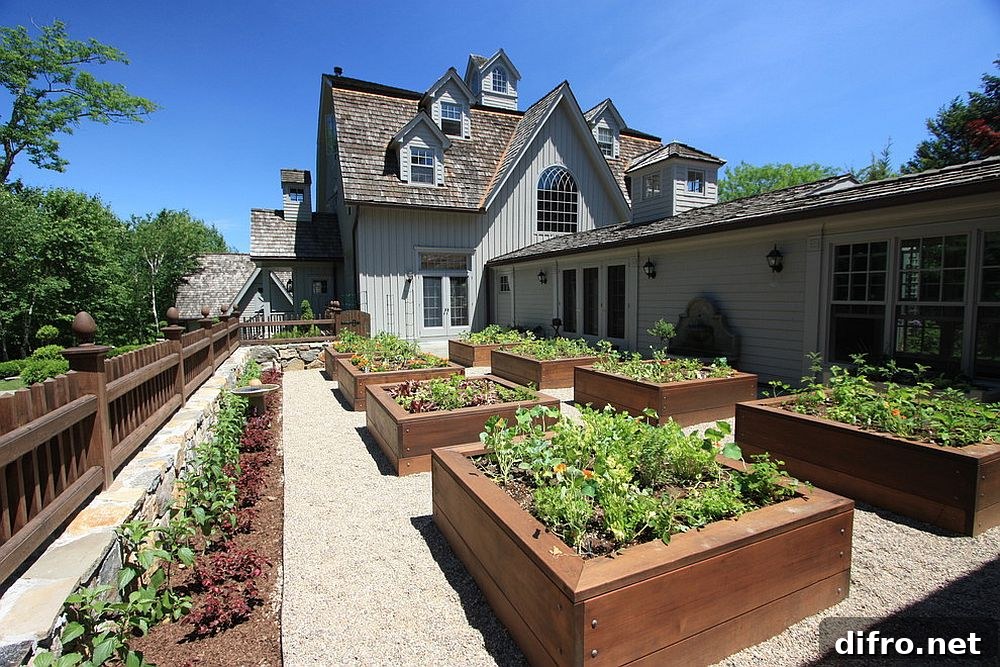
Containers and raised beds are versatile tools for edible gardening. Reclaimed materials—such as old wine barrels, metal troughs, wooden planters or stacked stone beds—offer character and practicality. Use containers to control soil quality, improve drainage and position plants for optimum sun exposure. For a polished look, combine wood or stone raised beds with rich, organic soil and composted fertilizers. For a more eclectic garden, mix vintage tubs and metal containers with flowering plants to support pollinators and create visual interest.
Consider grouping plants by water and light needs to simplify care. Incorporate companion planting—such as basil with tomatoes—to naturally deter pests and improve flavor. Install trellises or vertical supports for vining crops like beans and cucumbers to save space. Even modest edible gardens provide fresh, nutrient-rich produce and contribute to better air quality and a more natural, sustainable lifestyle.
Whether you’re planting your first container herbs or building a full-scale edible landscape, the important steps are to start small, choose plants suited to your climate, and use good soil and compost. Edible gardens are rewarding, sustainable, and flexible—transforming outdoor spaces into beautiful, productive places that nourish your table and enhance your home.