Houseplants bring color, texture and cleaner air into any room. They can transform a space with living beauty, and many common house plants are especially well suited to indoor life because they tolerate lower light and fluctuating indoor conditions. If you’re new to indoor gardening, start with hardy, low-maintenance varieties that adapt well to apartments and busy schedules. Below are popular selections, practical care tips, and a few no-fuss faux alternatives for looks without the upkeep.
Succulents
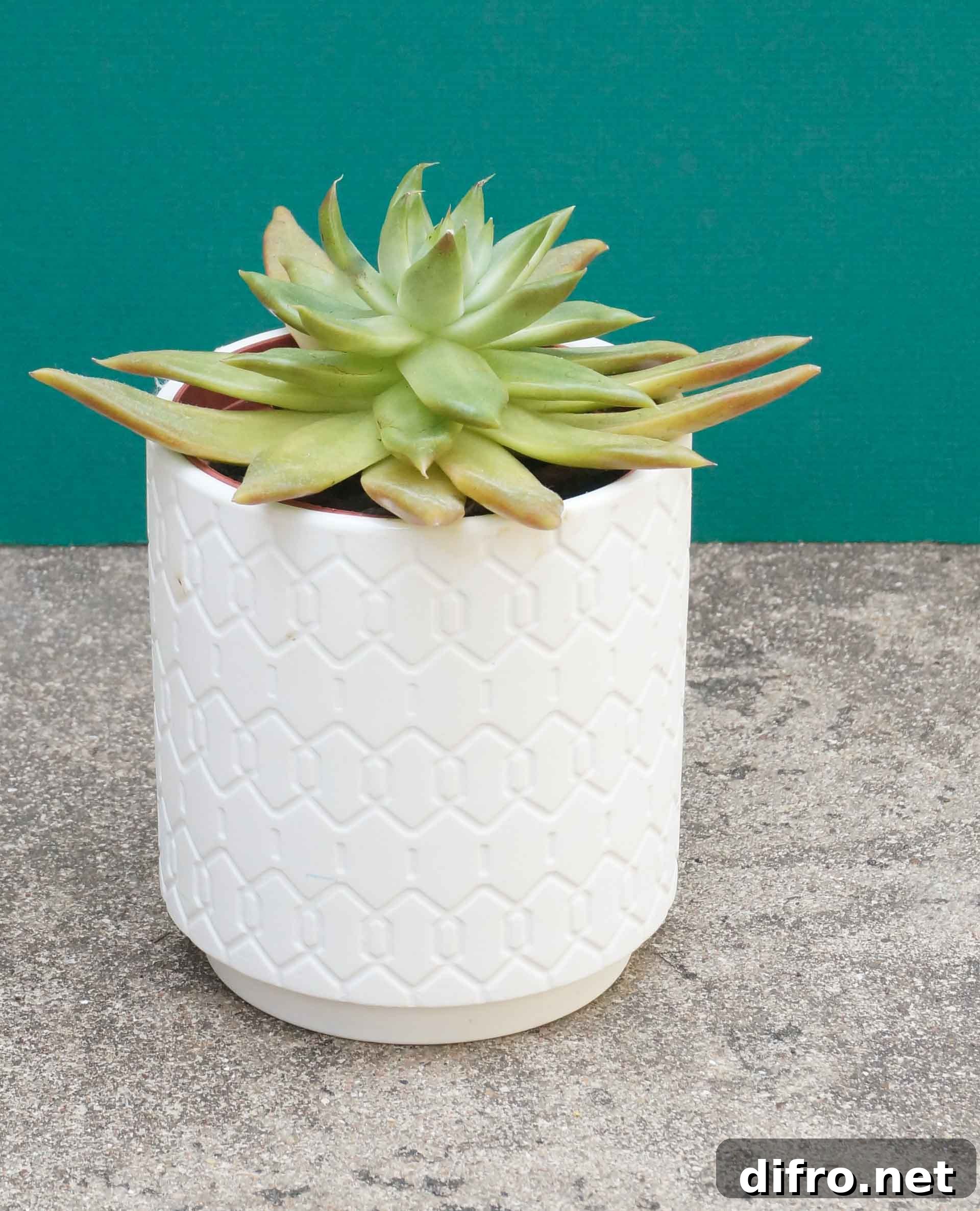
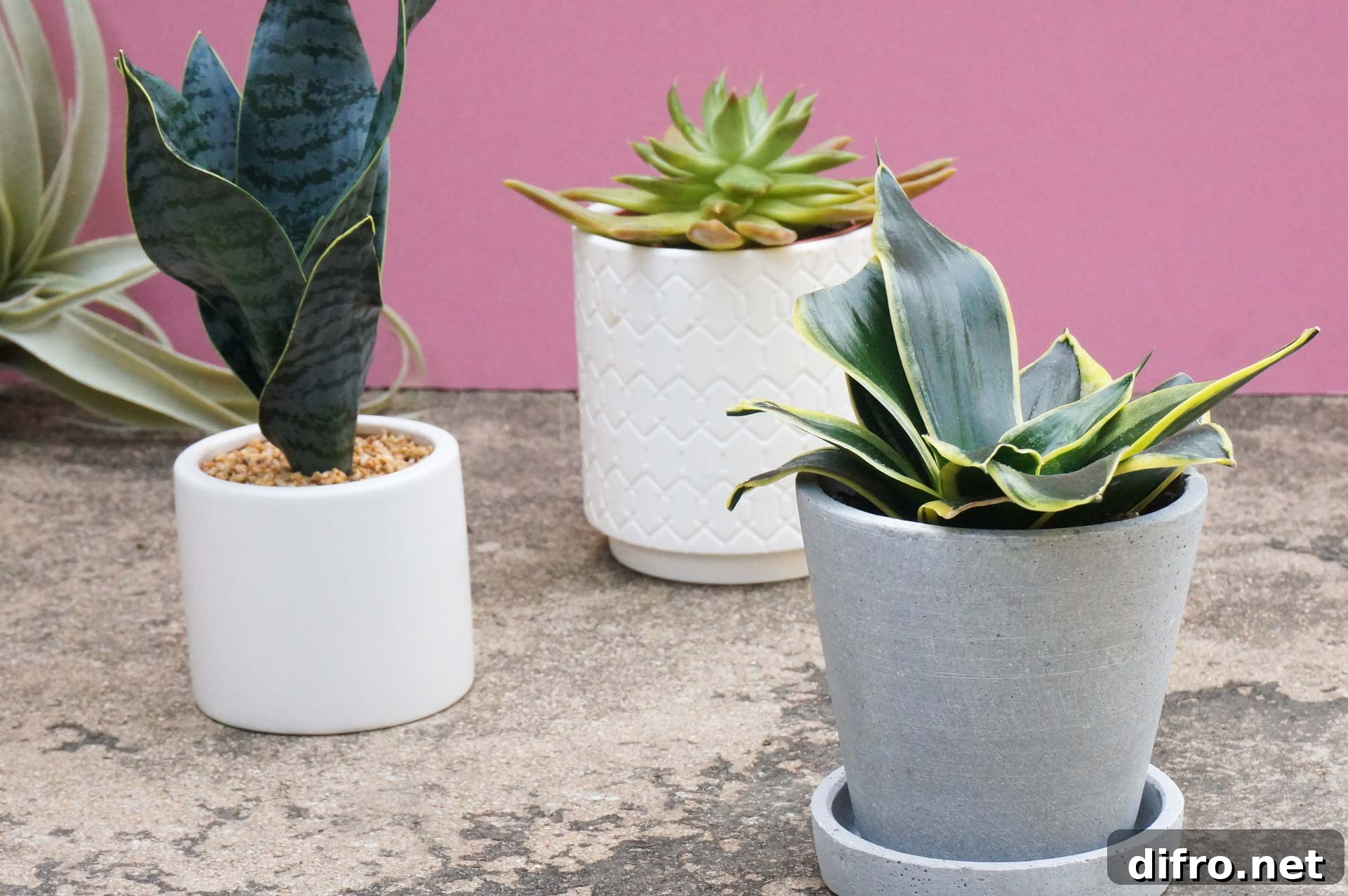
Succulents are a top pick for design-minded growers because they combine striking shapes and colors with simple care. These plants prefer bright, indirect light and well-draining soil; avoid overwatering by letting the top inch of soil dry out before watering again. Succulents range from tiny rosettes to taller columnar types, making them ideal for windowsills, grouped centerpieces, or mixed planter arrangements. Their sculptural forms also lend themselves well to convincing artificial versions if you want the aesthetic without the maintenance.
ZZ Plant
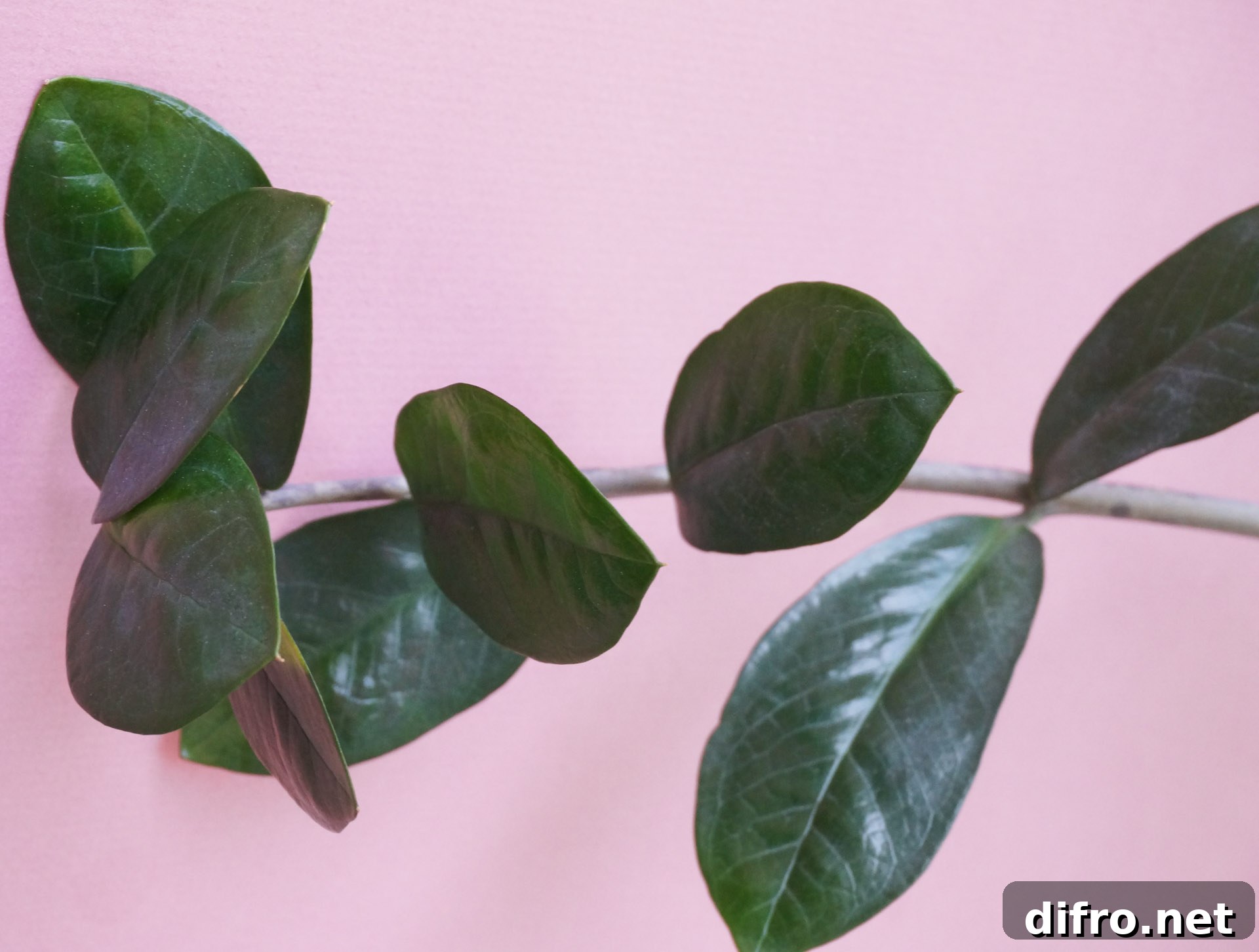
The ZZ plant (Zamioculcas zamifolia) is prized for its glossy, sculptural foliage and its tolerance of a range of light conditions. It prefers bright, indirect light but will tolerate lower-light spots; avoid prolonged direct sun, which can scorch the leaves. Water sparingly and allow the topsoil to dry out between waterings. The ZZ plant is a forgiving option for beginners or for rooms that receive irregular care.
Ferns
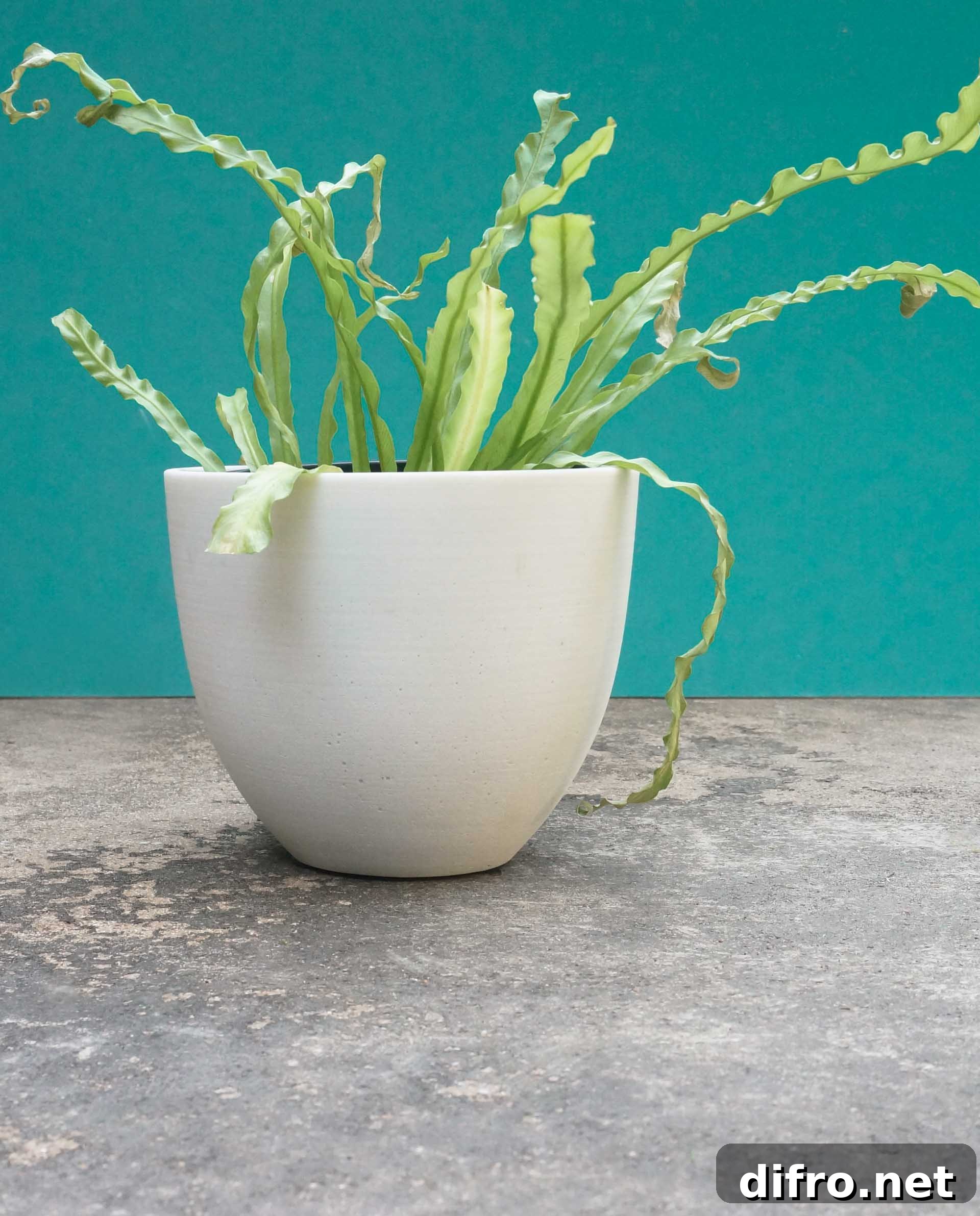
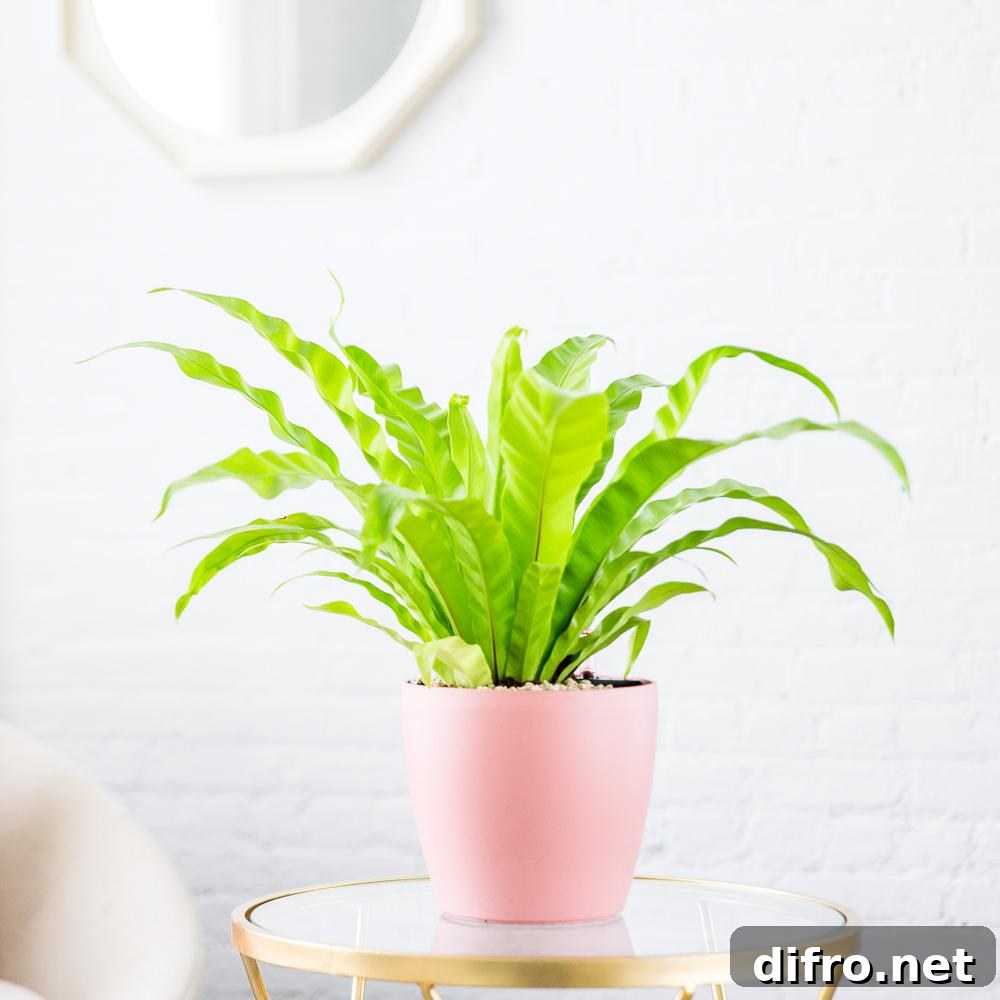
Ferns are classic, moisture-loving houseplants with textured foliage that adds softness to interiors. They thrive in humid rooms—bathrooms and kitchens are often ideal—and do best with consistently moist (but not waterlogged) soil. Varieties such as Bird’s Nest Fern, Button Fern, Maidenhair Fern and Boston Fern each have unique frond shapes and display possibilities, including hanging baskets or pedestal planters. If you spot drying fronds, increase humidity and check watering frequency.
Pothos
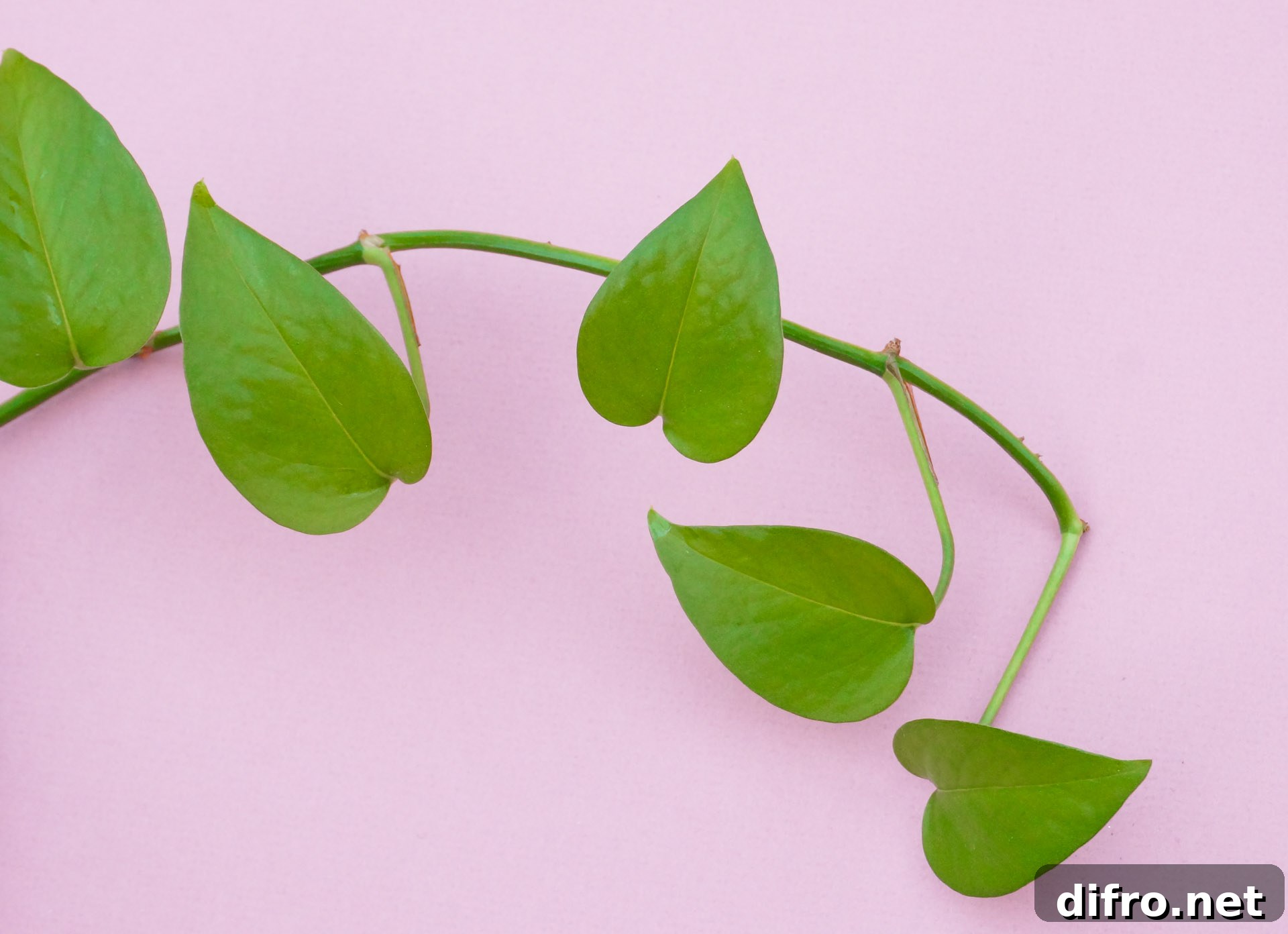
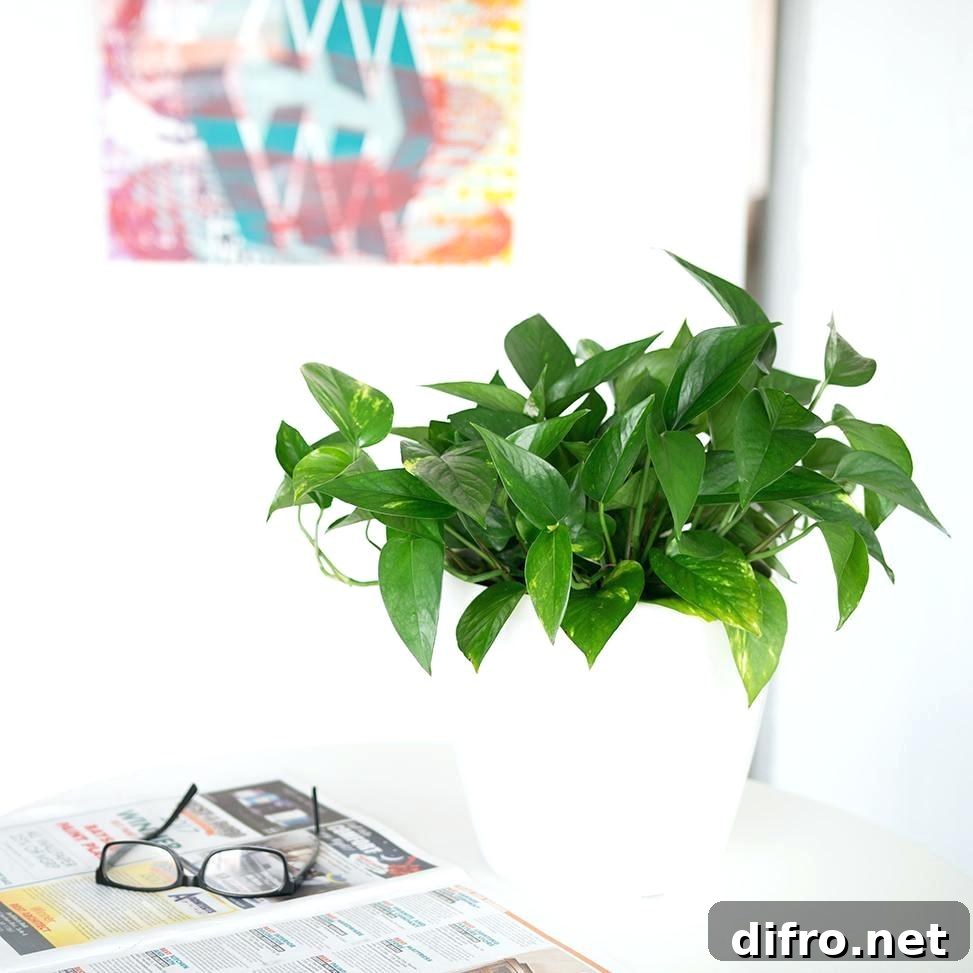
Pothos is one of the most resilient and versatile houseplants. Known for its trailing vines and glossy leaves, it tolerates a range of light conditions (avoid strong direct sun) and occasional missed waterings. Allow the soil to dry between thorough waterings. Pothos looks great in hanging baskets or on high shelves where vines can cascade, and its rapid growth makes it ideal for adding greenery quickly.
Snake Plant
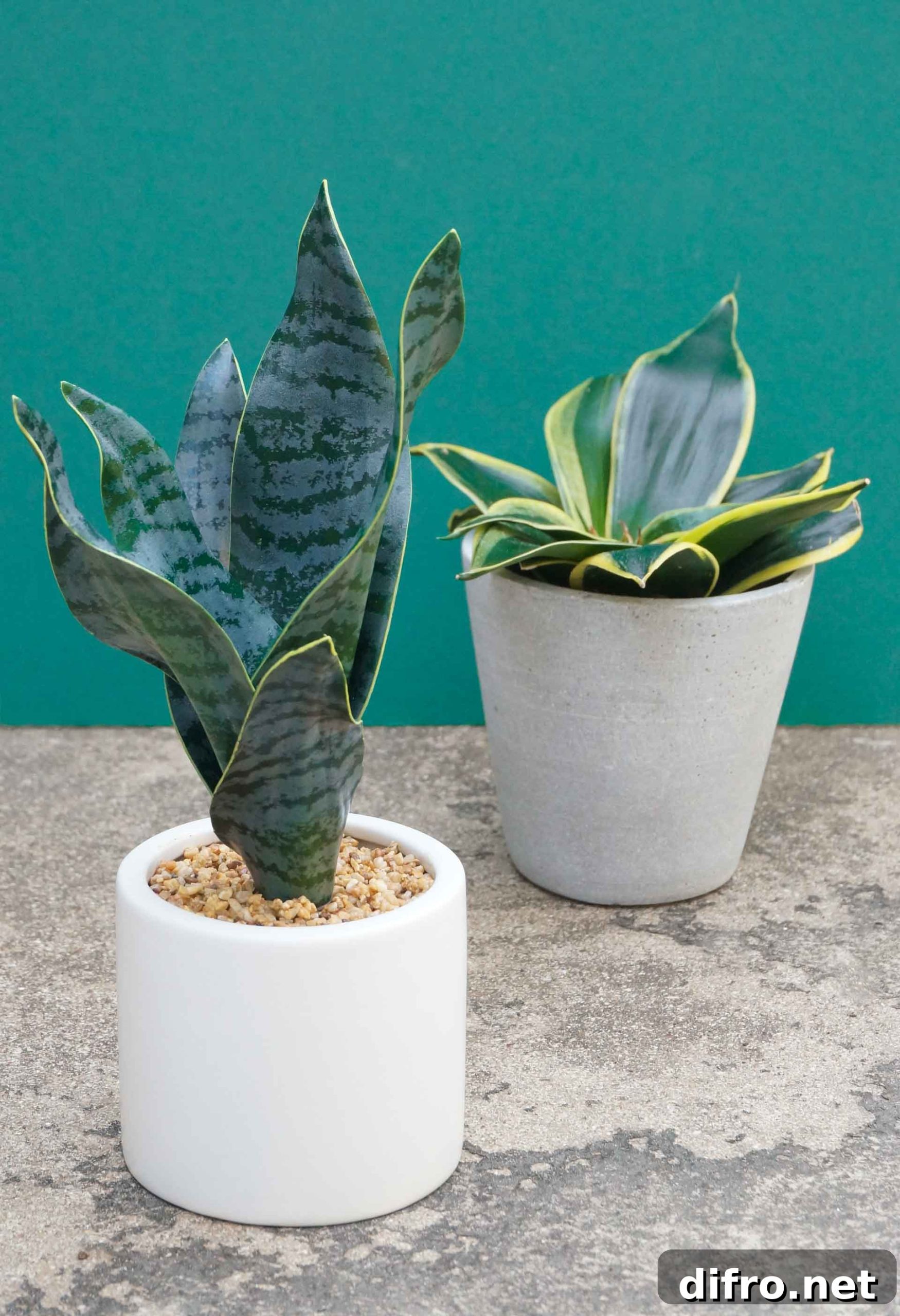
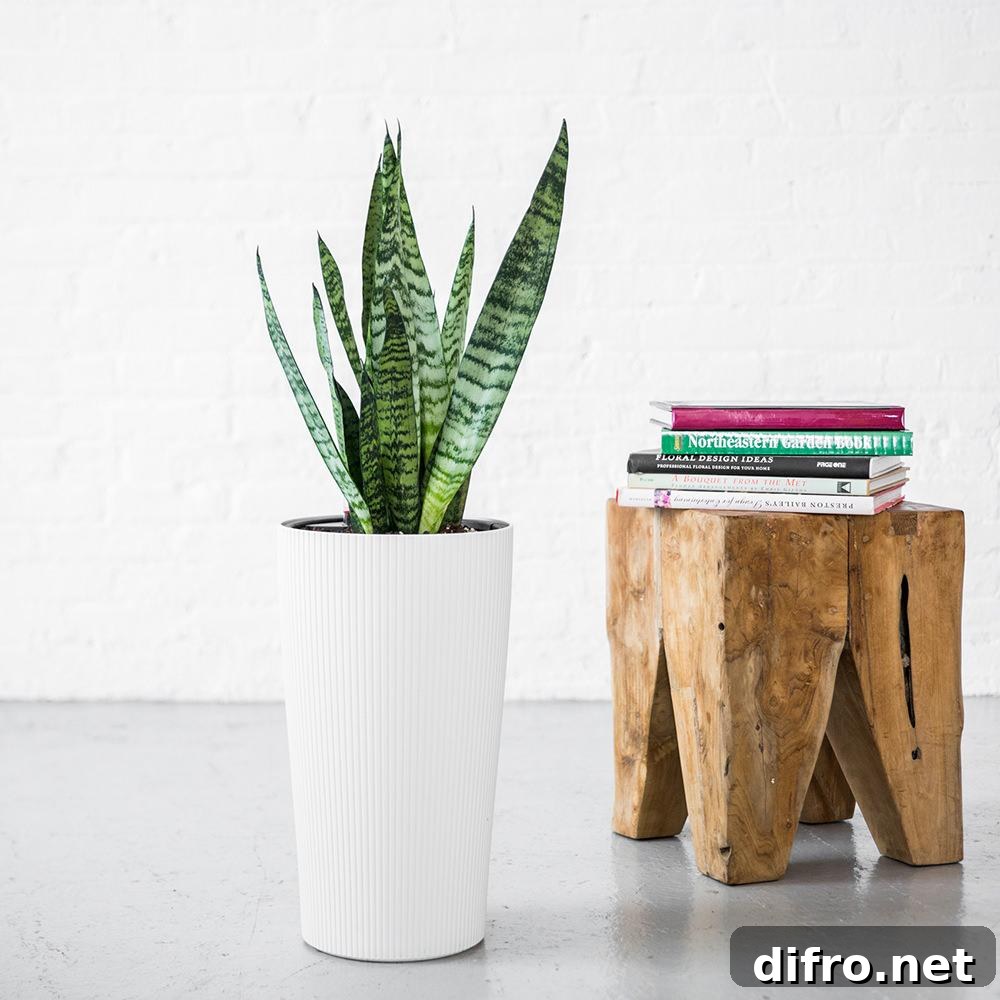
Snake plants (Sansevieria and related genera) are architectural and extremely low-maintenance. They handle a wide range of light levels and prefer to dry out between waterings, making them ideal for offices, entryways, and commercial planters. Their upright leaves create strong vertical accents and can be planted in groups to form informal room dividers. Many varieties feature variegated or banded foliage, and lifelike artificial versions are a practical option where care is difficult.
Air Plants
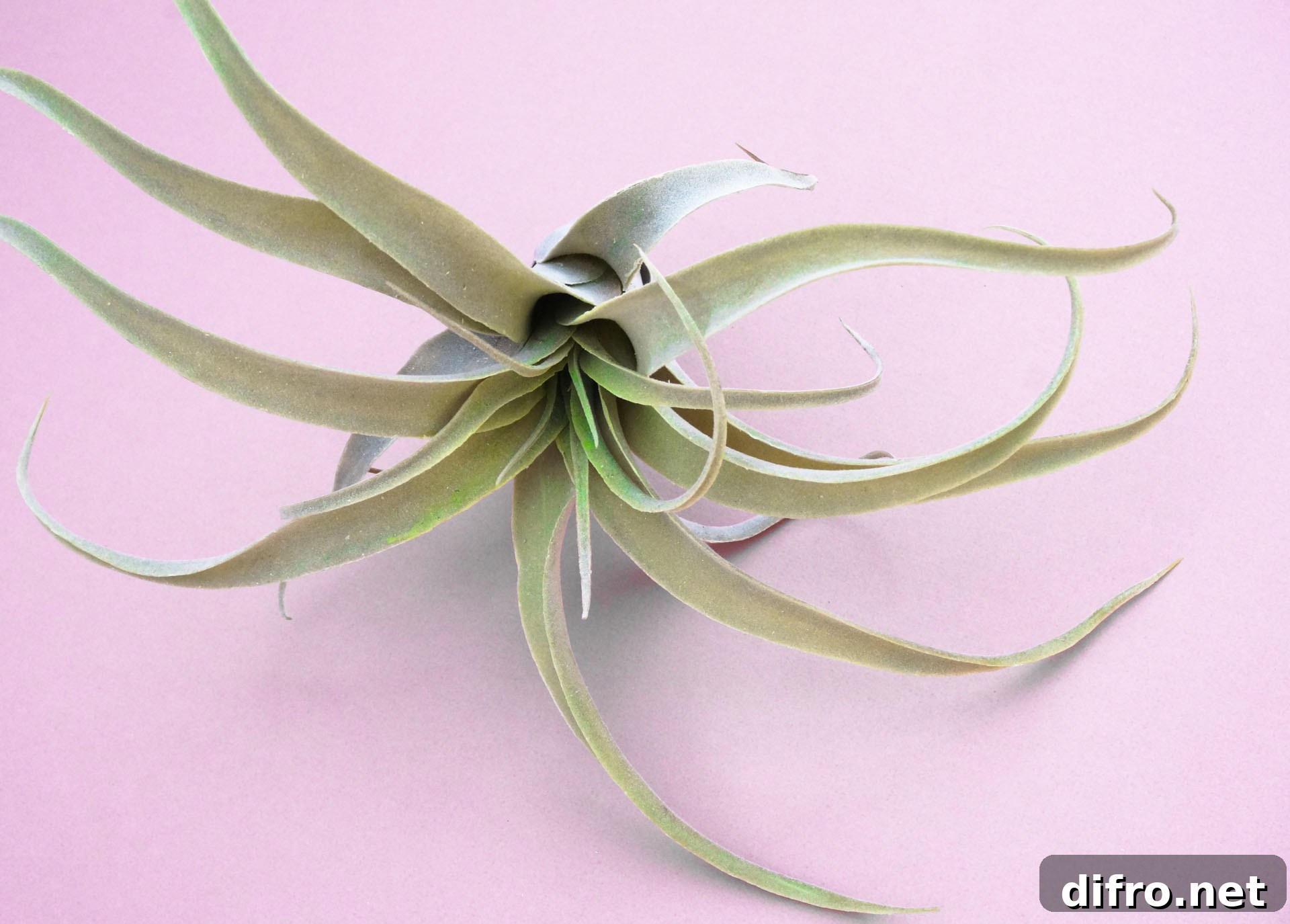
Air plants (Tillandsia species) don’t require soil, which opens up creative display possibilities: glass terrariums, mounted arrangements, bowls and hanging globes all work beautifully. They prefer bright, indirect light and regular moisture—typically a thorough soak once or twice a week, with light misting in between. Because they’re small and versatile, air plants are a favorite for modern, minimal and sculptural plant displays.
Whether you choose succulents, ferns, ZZ plants, pothos, snake plants or air plants, the key to success is matching each species to appropriate light, water and humidity conditions. Start with one or two easy-care varieties and expand as you learn what your space supports. With a little attention to placement and watering habits, you can enjoy a thriving indoor garden that enhances air quality and brings natural beauty into your home.