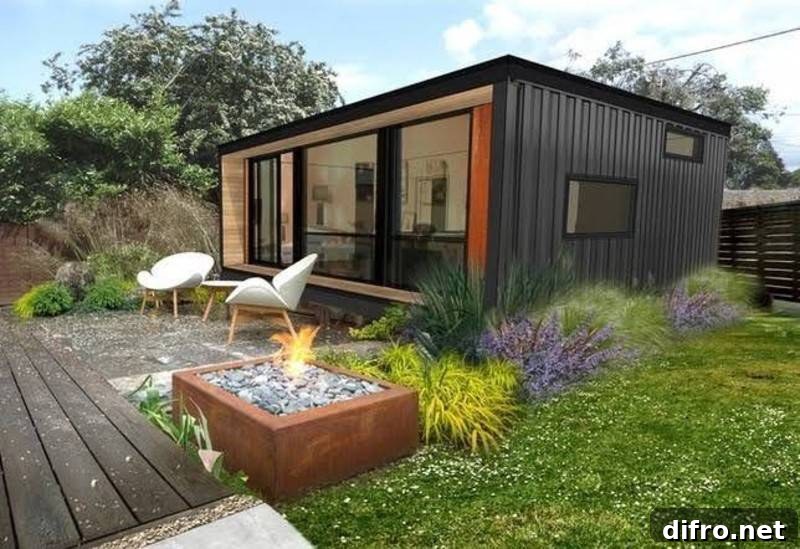
Container homes are gaining momentum as an accessible, modern alternative to conventional brick-and-mortar houses. From Spain to many other parts of the world, people are choosing shipping container homes, tiny houses, converted silos, and mobile units over traditional construction for flexibility, sustainability, and style.
Below is a clear introduction to what container homes are, why they appeal to so many homeowners, and what to consider before building one.
What is a container home?
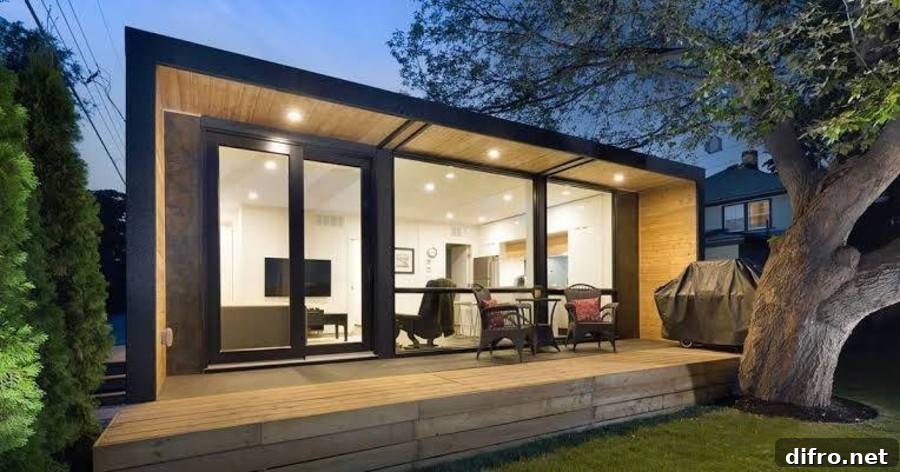
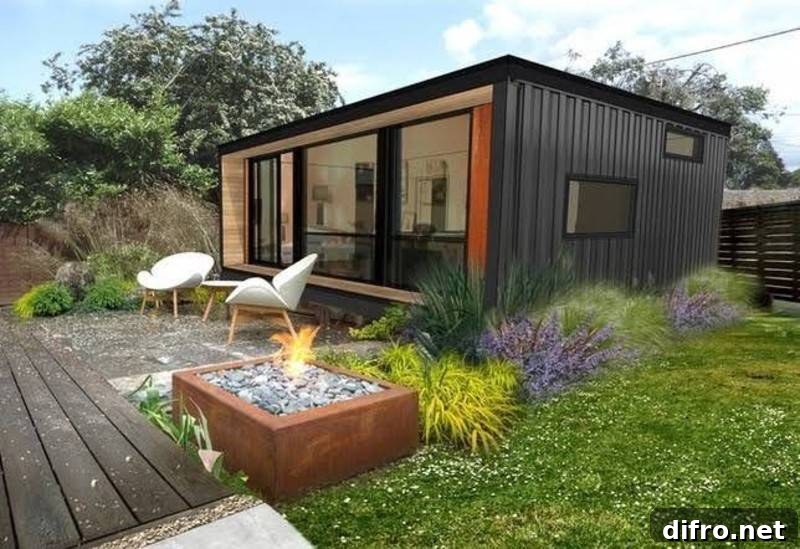
A container home is a residence built from steel shipping containers—the same rugged boxes used to transport goods around the world by sea, rail, and truck. These containers are typically available in two common lengths: 20 feet by 8 feet and 40 feet by 8 feet. A standard 20-foot container offers roughly 160 square feet of interior space, while a 40-foot container provides about 320 square feet.
These modular units can be used on their own as a compact dwelling, combined to create multi-room or multi-level homes, or converted into offices, studios, guesthouses, and more. Creative designers and homeowners frequently stack, rotate, and cut openings in containers to form spacious, modern living environments that make efficient use of materials and space.
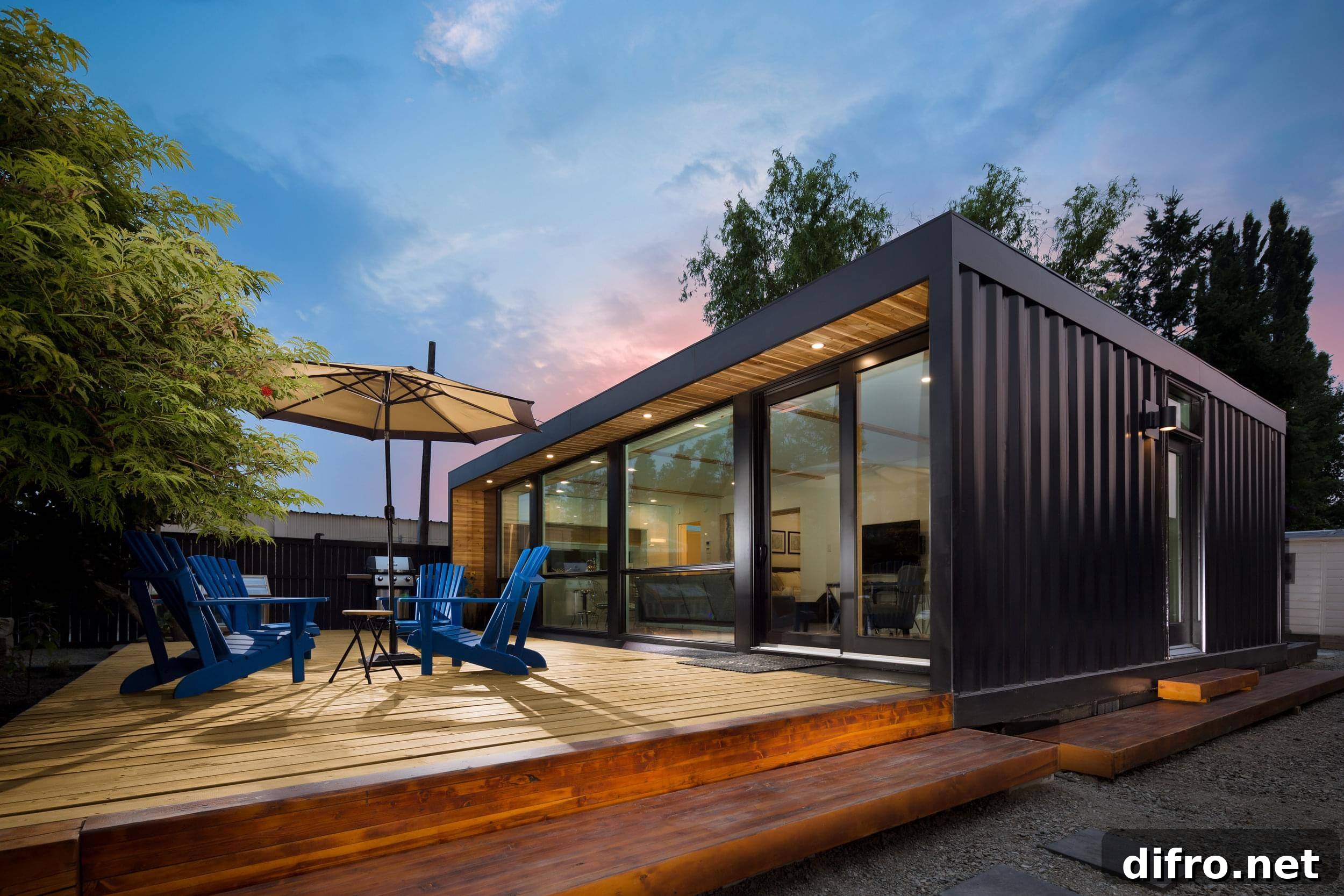
Benefits of a container home
Lower material and construction costs. In many cases, building with shipping containers can be less expensive than traditional construction because the basic structure already exists. Fewer raw materials and reduced framing work can lead to cost savings, although total project costs depend on design complexity and finishes.
High customization and modular flexibility. Container homes are highly adaptable. You can combine multiple containers, cut and reinforce openings for windows and doors, add balconies or decks, and finish interiors to suit your lifestyle. This modular approach makes it easier to scale or reconfigure the home later, compared with a conventional structure.
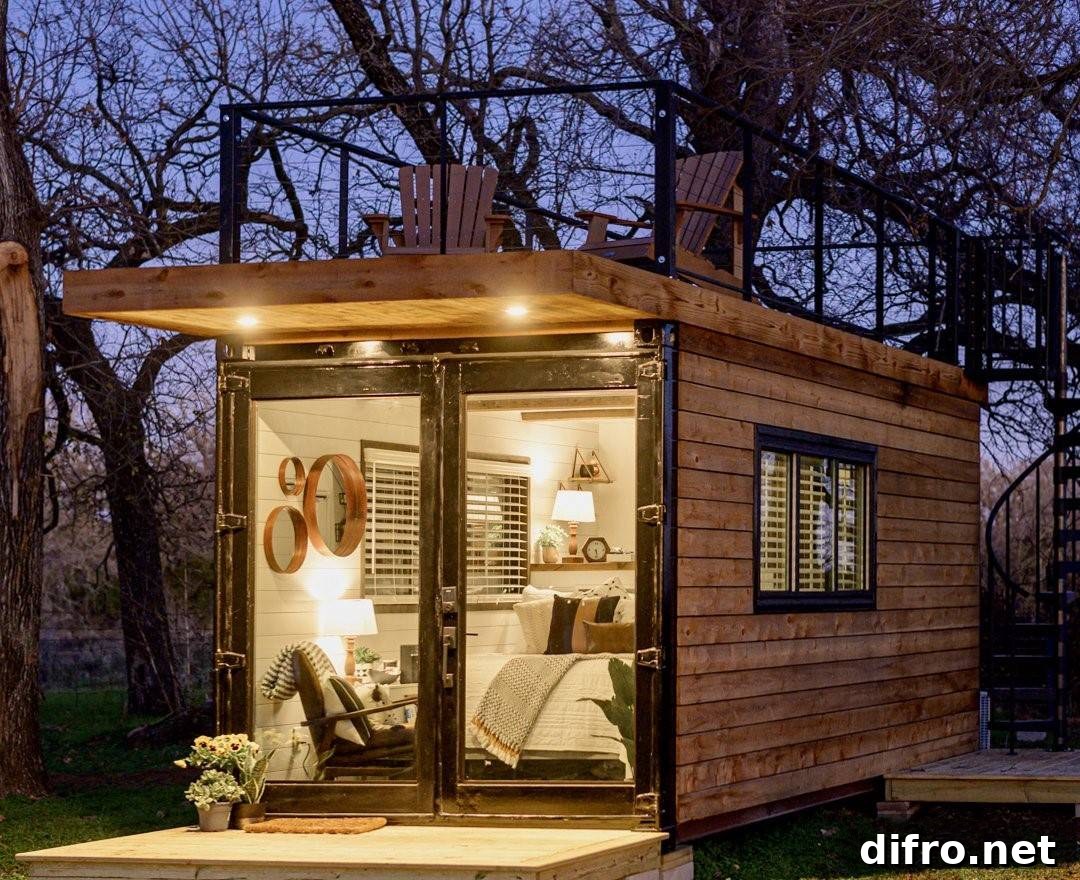
Durability and low exterior maintenance. Shipping containers are typically made from corten steel, a weathering steel that resists corrosion and was designed to withstand harsh maritime conditions. When properly refurbished and coated, a container shell can remain structurally sound for many years with minimal exterior upkeep.
Mobility and site flexibility. Container homes can be easier to relocate than a traditional house. They can be transported on flatbed trucks or trailers, making them an appealing option for people who want to change locations without abandoning their home. Some owners convert containers into mobile dwellings that resemble RVs or tiny mobile houses.
Faster build time. Because the basic structure exists, many container builds can be completed faster than conventional construction. Depending on the design and contractor, it’s possible to finish a well-executed container home in weeks to a few months, particularly for simpler layouts and prefab solutions.
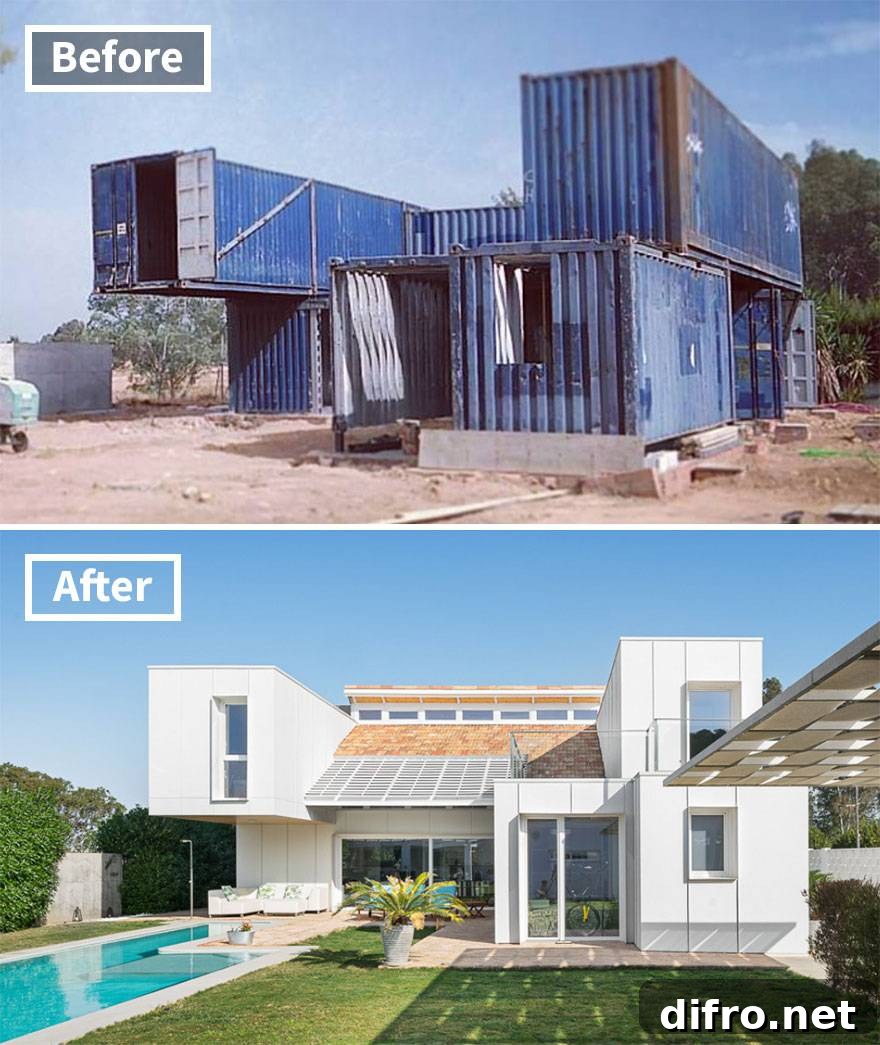
What to know before you build
Check local regulations and zoning. Not every jurisdiction treats container homes the same. Local building codes, zoning rules, and homeowners’ associations may restrict or regulate container houses, accessory dwellings, or structures without traditional foundations, so verify rules with planning authorities before you buy containers or start construction.
Plan your budget realistically. While container shells can reduce some costs, the final price depends on many factors: the number of containers, site preparation, insulation, windows and doors, plumbing and electrical systems, interior finishes, and transportation. Used containers in good condition can still cost thousands of dollars each, and extensive modifications or high-end finishes will increase the budget.
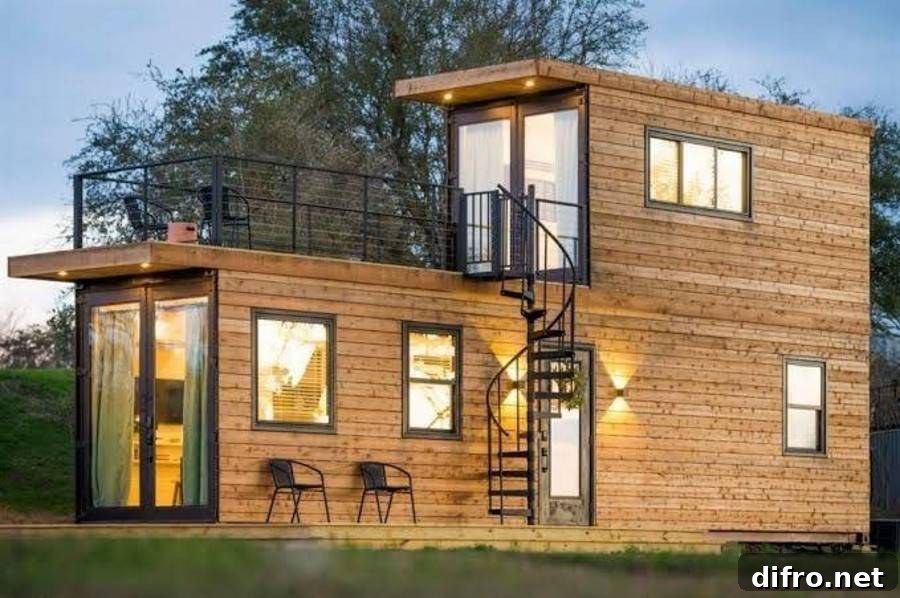
Prioritize natural light and ventilation. Steel boxes are not designed for living, so plan openings, skylights, and window layouts that bring daylight and airflow into the interior. Thoughtful placement of glass doors, large windows, and light wells can make a container home feel much more spacious and comfortable.
Inspect containers carefully before purchase. Choose containers with solid structural integrity. Avoid crates with significant rust, holes, large dents, or water damage, as repairs can become costly and compromise the finished result. Ideally, use a qualified inspector or a reputable supplier when selecting units.
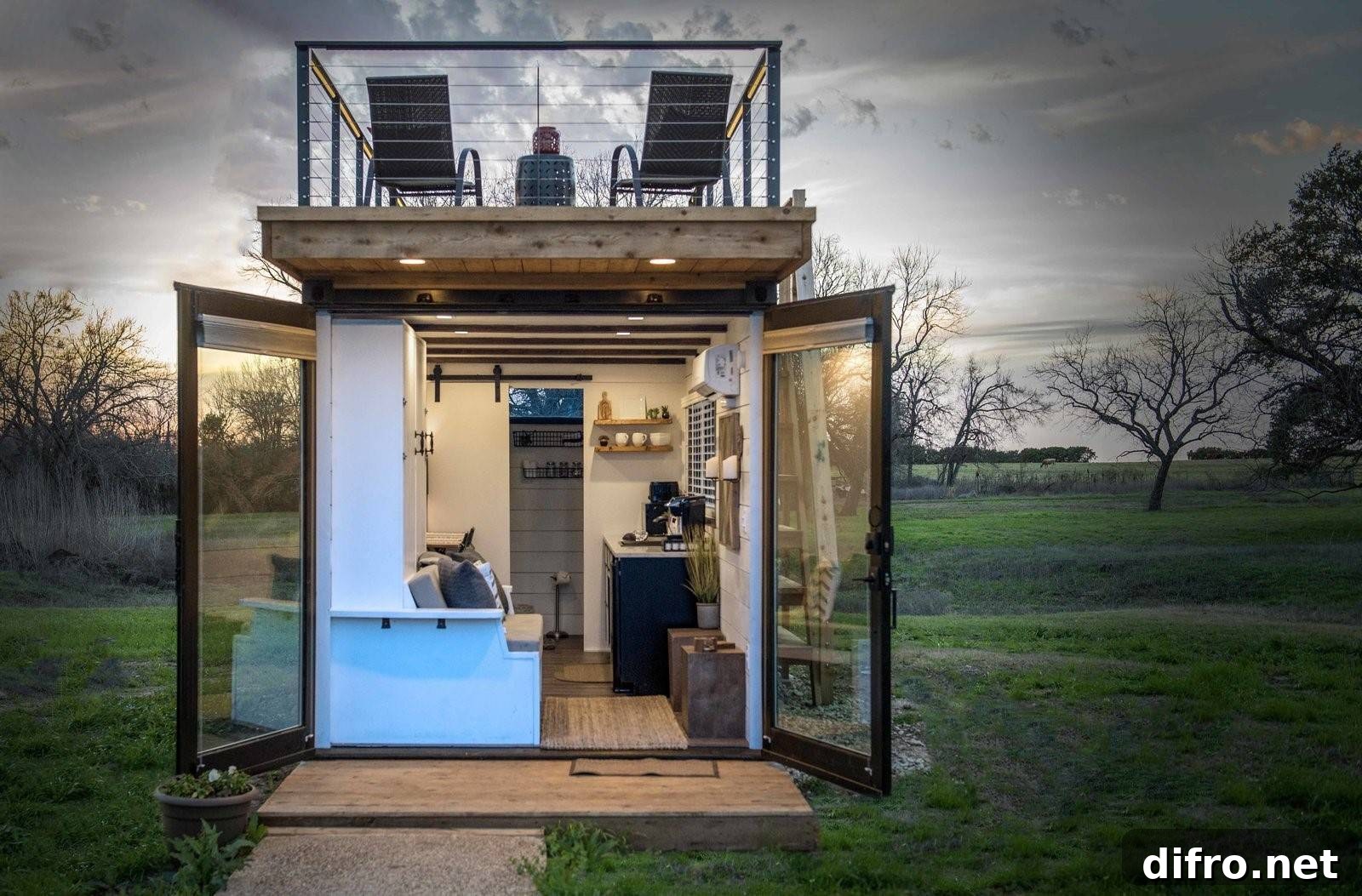
Container homes combine durability, adaptability, and contemporary design potential. With proper planning, sensible budgeting, and attention to local rules and structural condition, a shipping container home can become an efficient, stylish, and genuinely livable residence.
Would you consider living in a shipping container home?