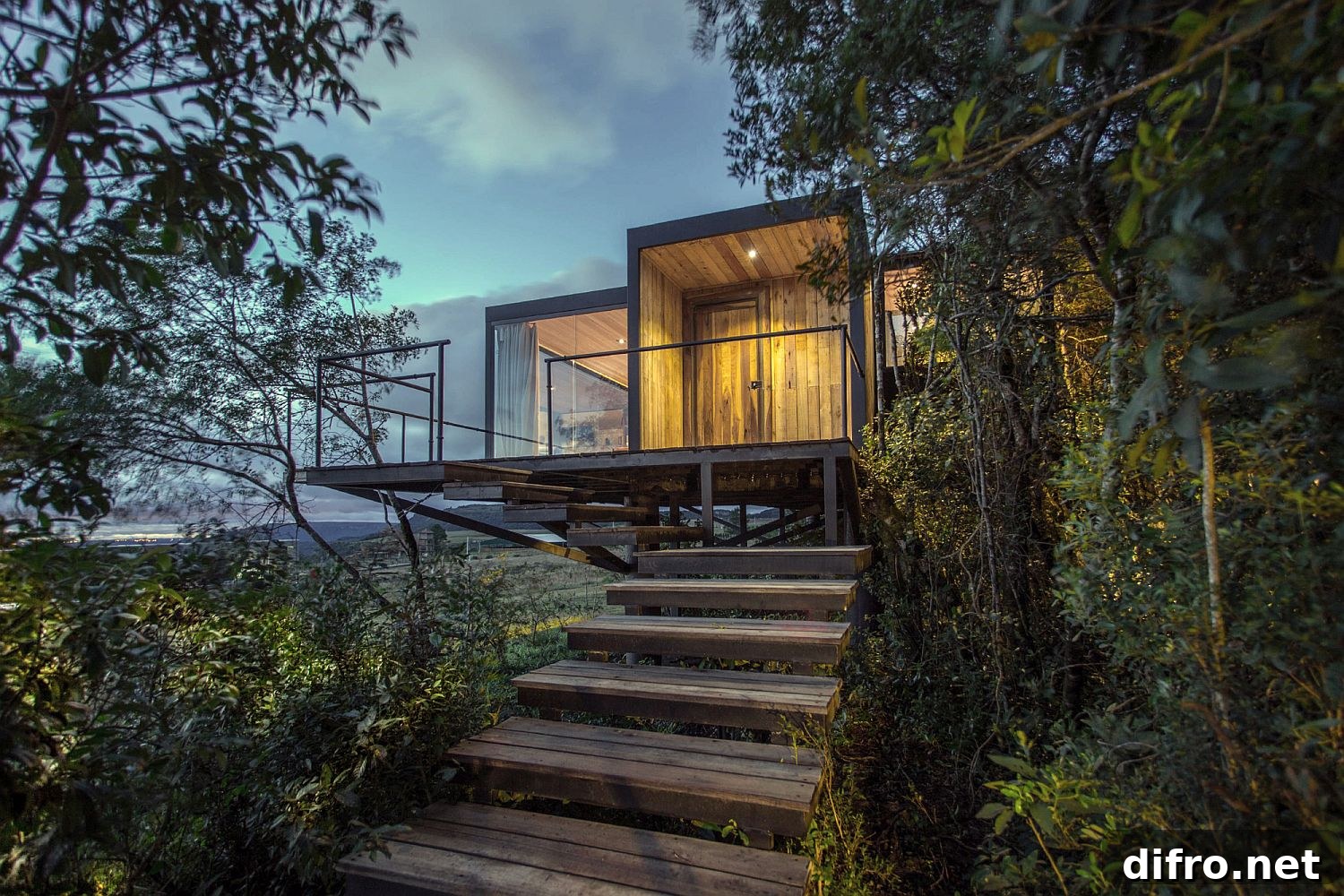
Purunã Cabin by Bruno Zaitter arquiteto — A Private Elevated Retreat in Brazil
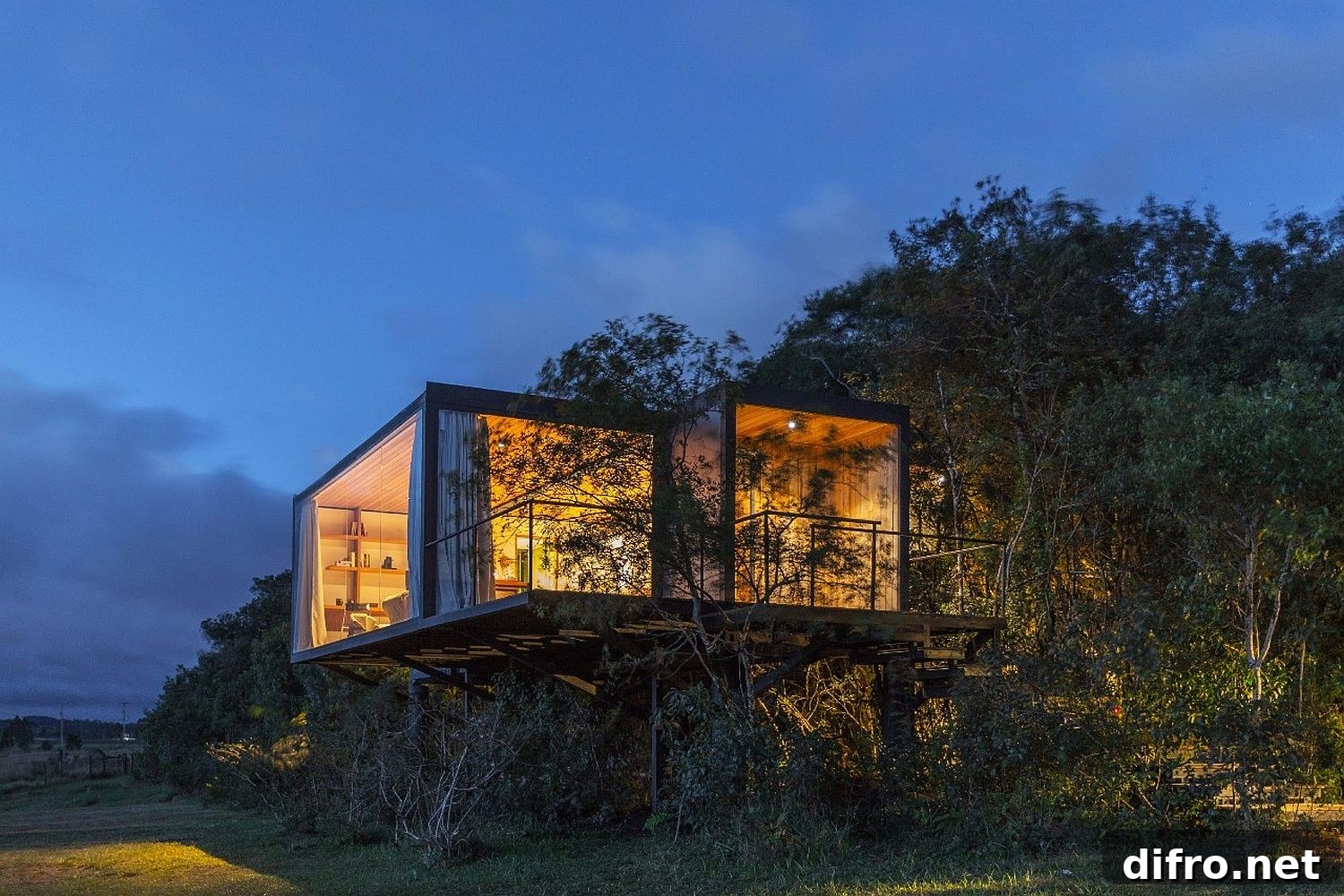
Purunã Cabin, designed by Bruno Zaitter arquiteto in Brazil, is a compact, elegant retreat that blends comfort with verdant surroundings and expansive views. Elevated on stilts to minimize its impact on the site, the cabin preserves the existing terrain while offering elevated vantage points over the surrounding landscape. From the cabin you can look out toward Campo Largo and Curitiba on one side and the native Atlantic Forest on the other, creating a calm connection between the built environment and nature.
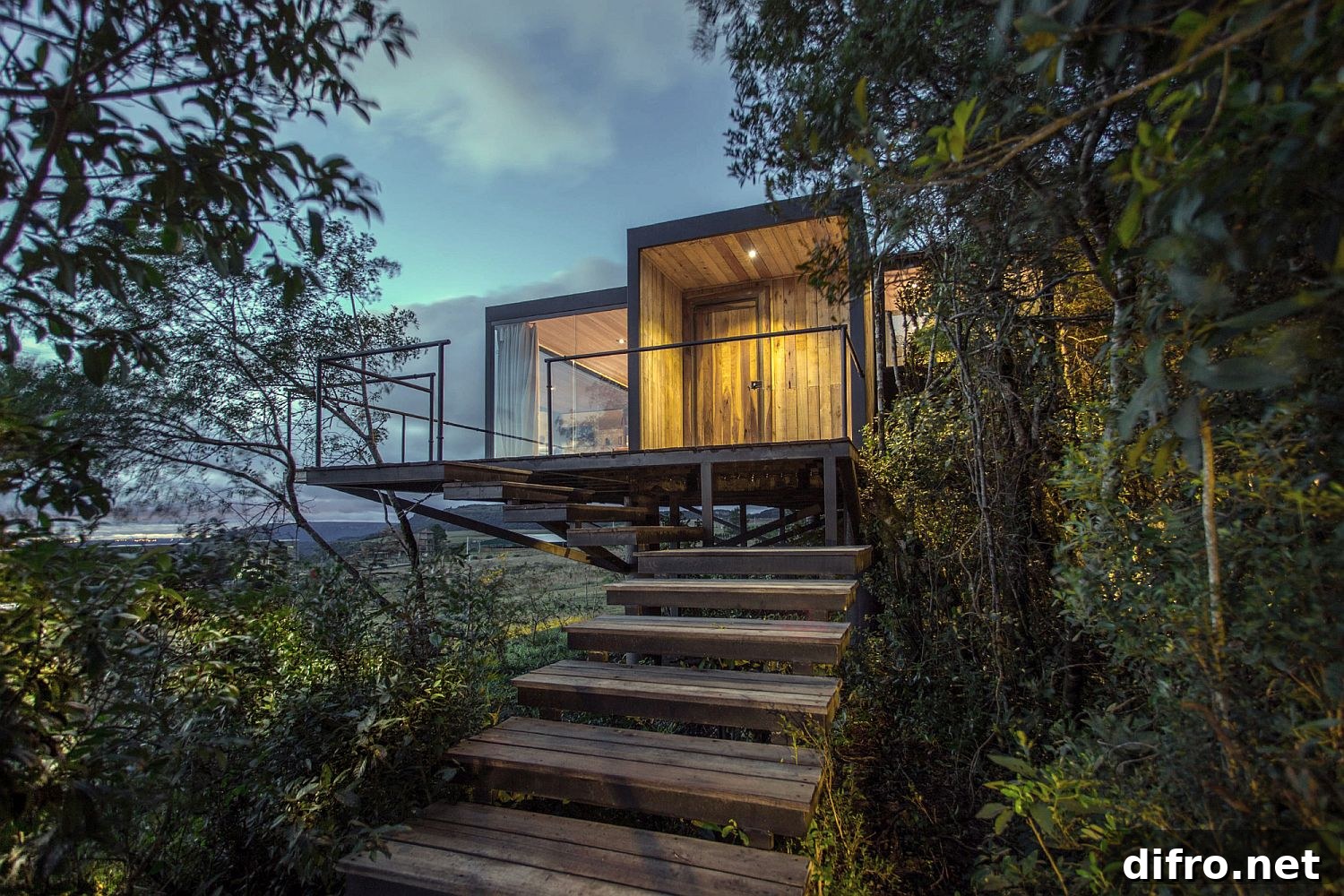
The architectural intent is clear: create a low-demand refuge that keeps residents closely connected to nature. The cabin’s form is deliberately compact so that living, dining and sleeping areas flow together on a single level, while the kitchen occupies a slightly lower floor. This split-level approach not only differentiates functional zones but also enhances the feeling that interior spaces extend into the outdoors.
Large glass walls, sliding doors and intelligently placed windows promote visual continuity with the landscape. The main glass volume contains the social and workspace areas, allowing light to penetrate deep into the interior while framing panoramic views. A secondary, smaller glass volume houses the kitchen, where the interior virtually touches the foliage of the surrounding native forest. By situating these transparent volumes strategically, the design maximizes exposure to daylight and offers seamless indoor-outdoor living.
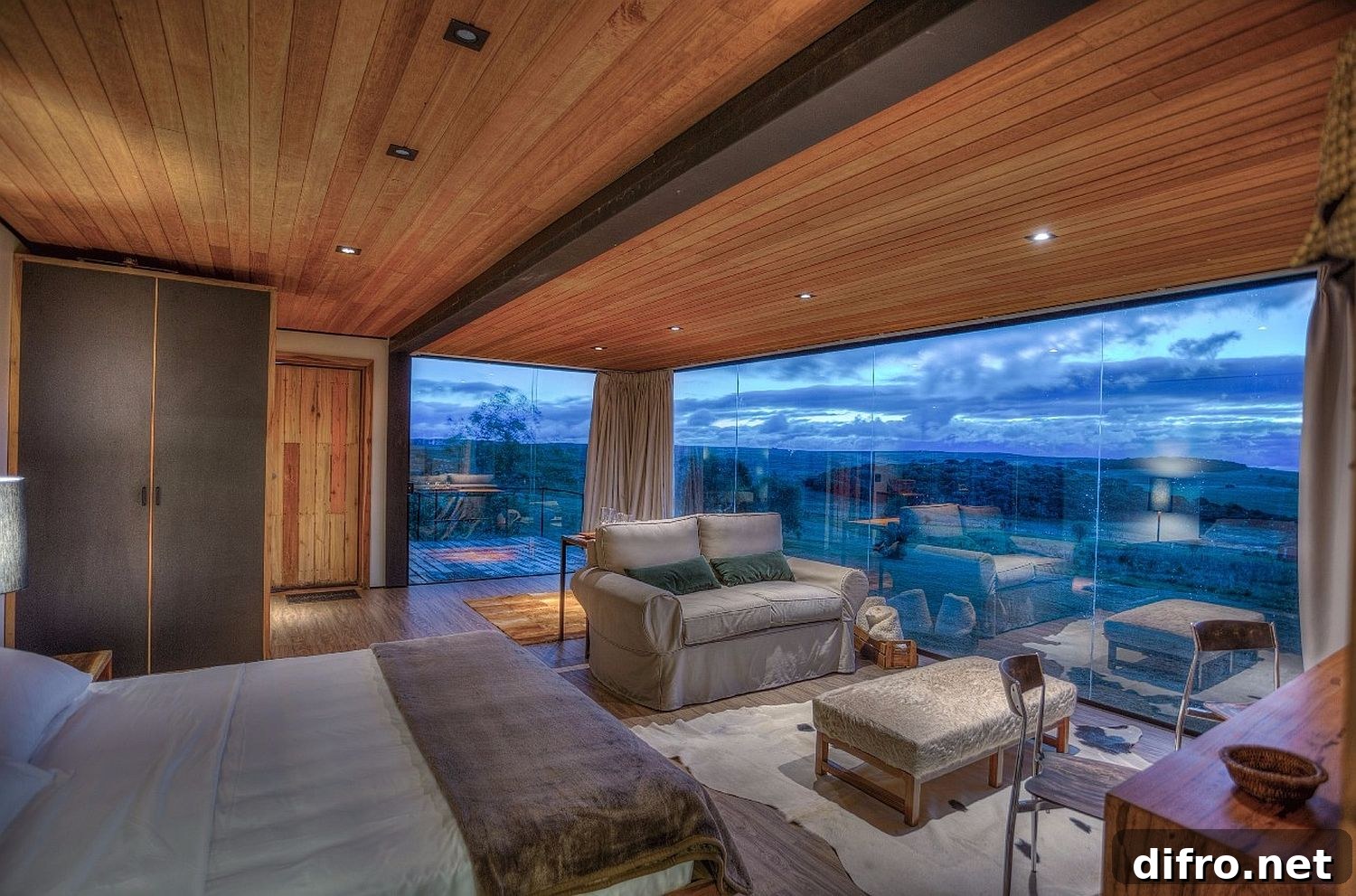
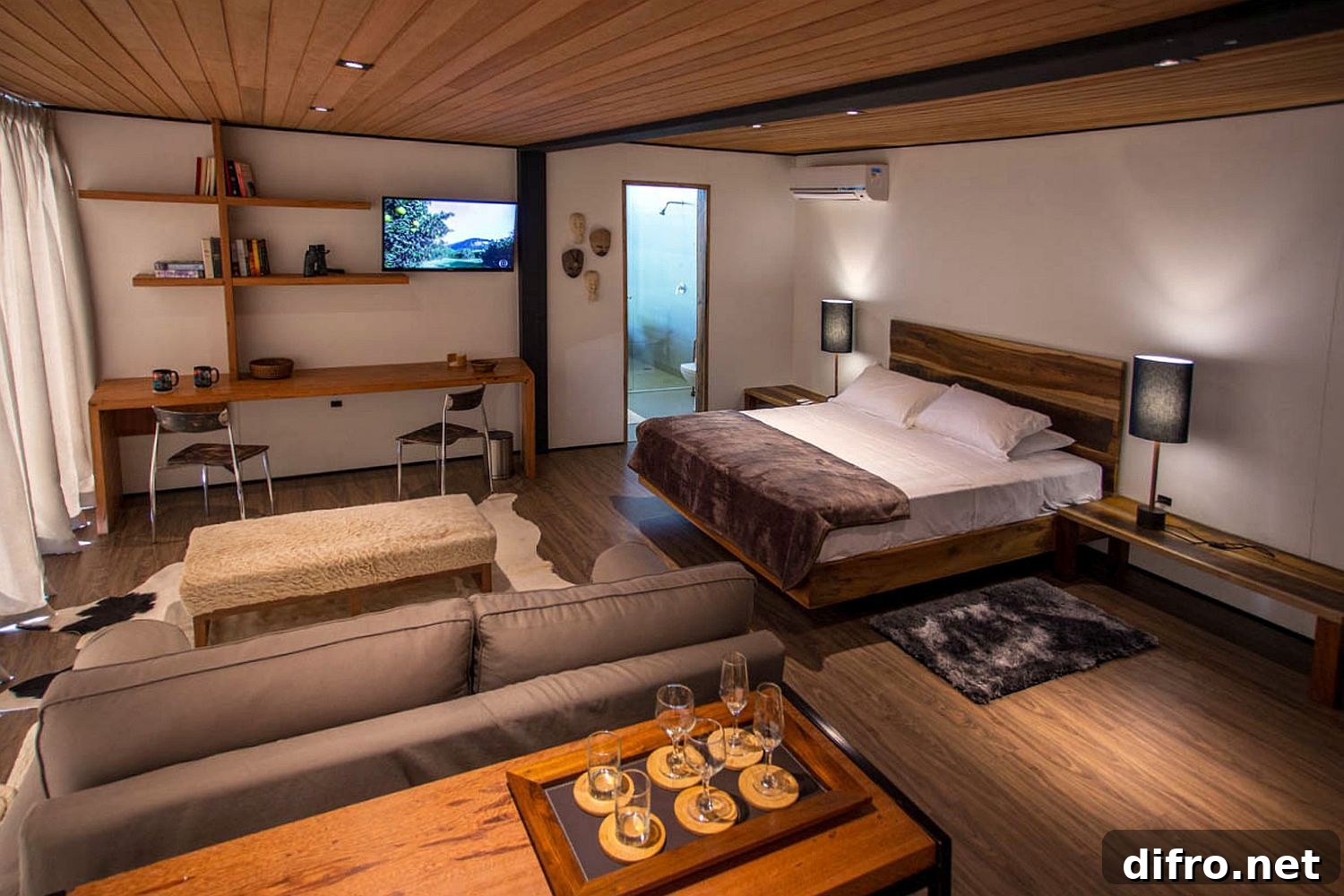
Internally, the arrangement is straightforward and functional. The larger glass box is dedicated to social living and work areas, while the smaller glass box contains the kitchen. The kitchen’s lowered floor level creates a more intimate space and enhances the sense of immersion in the surrounding vegetation. This spatial decision reinforces the cabin’s role as a nature-oriented refuge: everyday activities feel connected to the landscape rather than isolated from it.
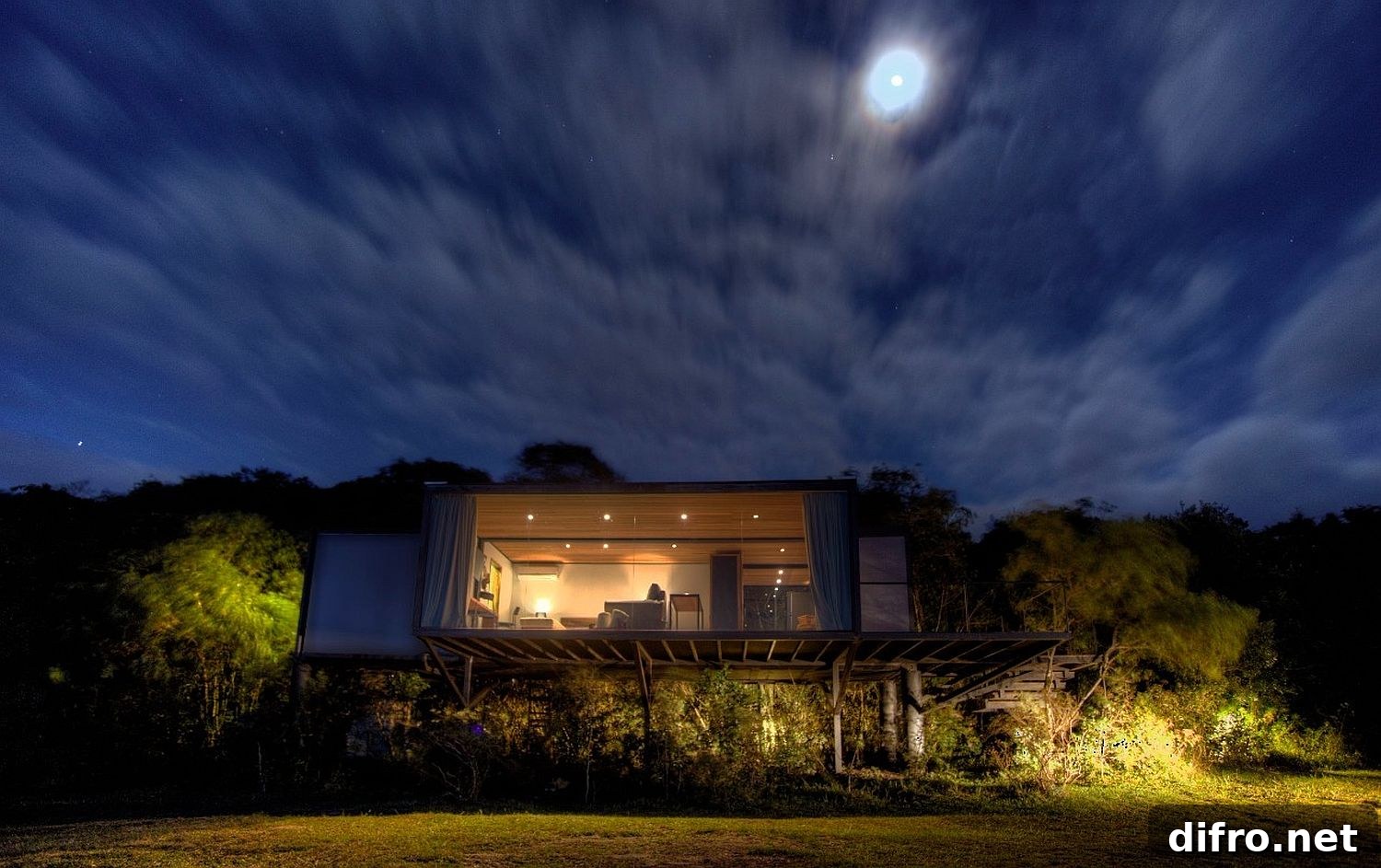
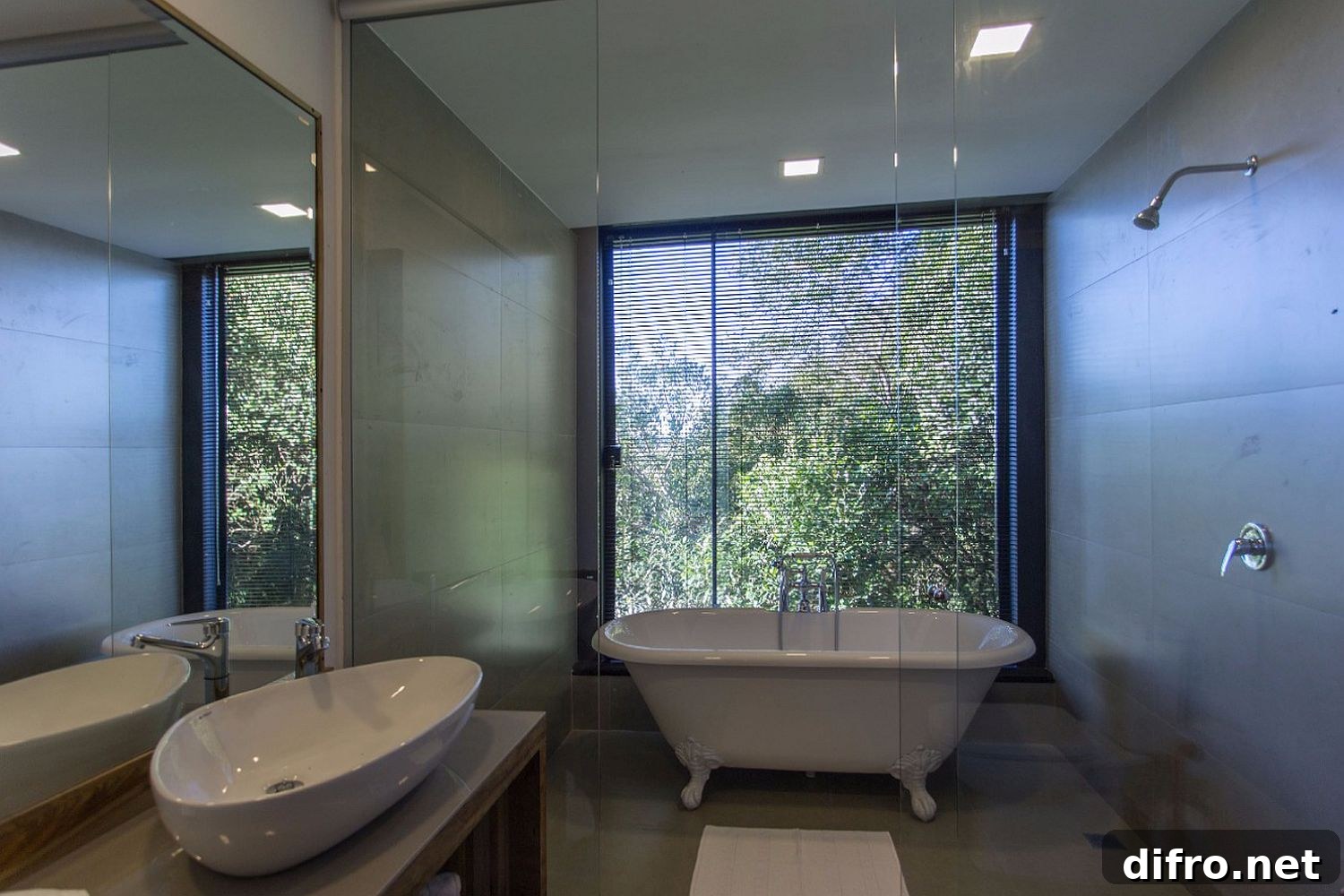
The sleeping module contains the bedroom, a small lobby and a well-appointed bathroom. The bathroom includes a soaking bathtub, creating a private, restorative enclave within the cabin. Large operable windows here allow ventilation and views, making the bathing experience intimate and connected to the forest beyond.
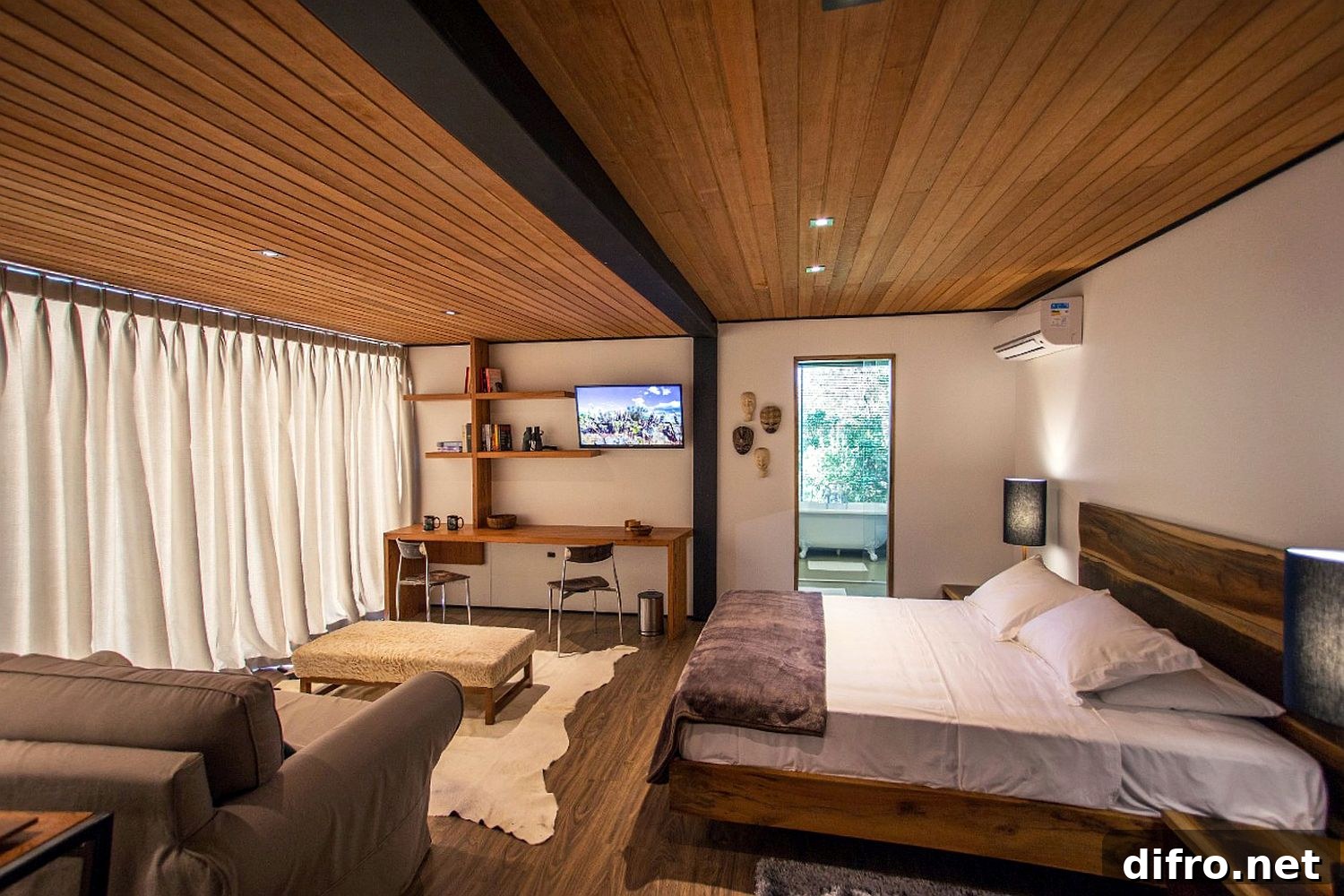
One of Purunã Cabin’s strongest attributes is its minimal ecological footprint. The elevated form reduces site disturbance, preserving the underlying ground cover and tree roots. The compact plan and use of glass to visually expand interior space enable a comfortable living experience without excess square footage. These strategies respond to contemporary concerns about sustainability and sensitive site intervention while delivering a refined, peaceful retreat.
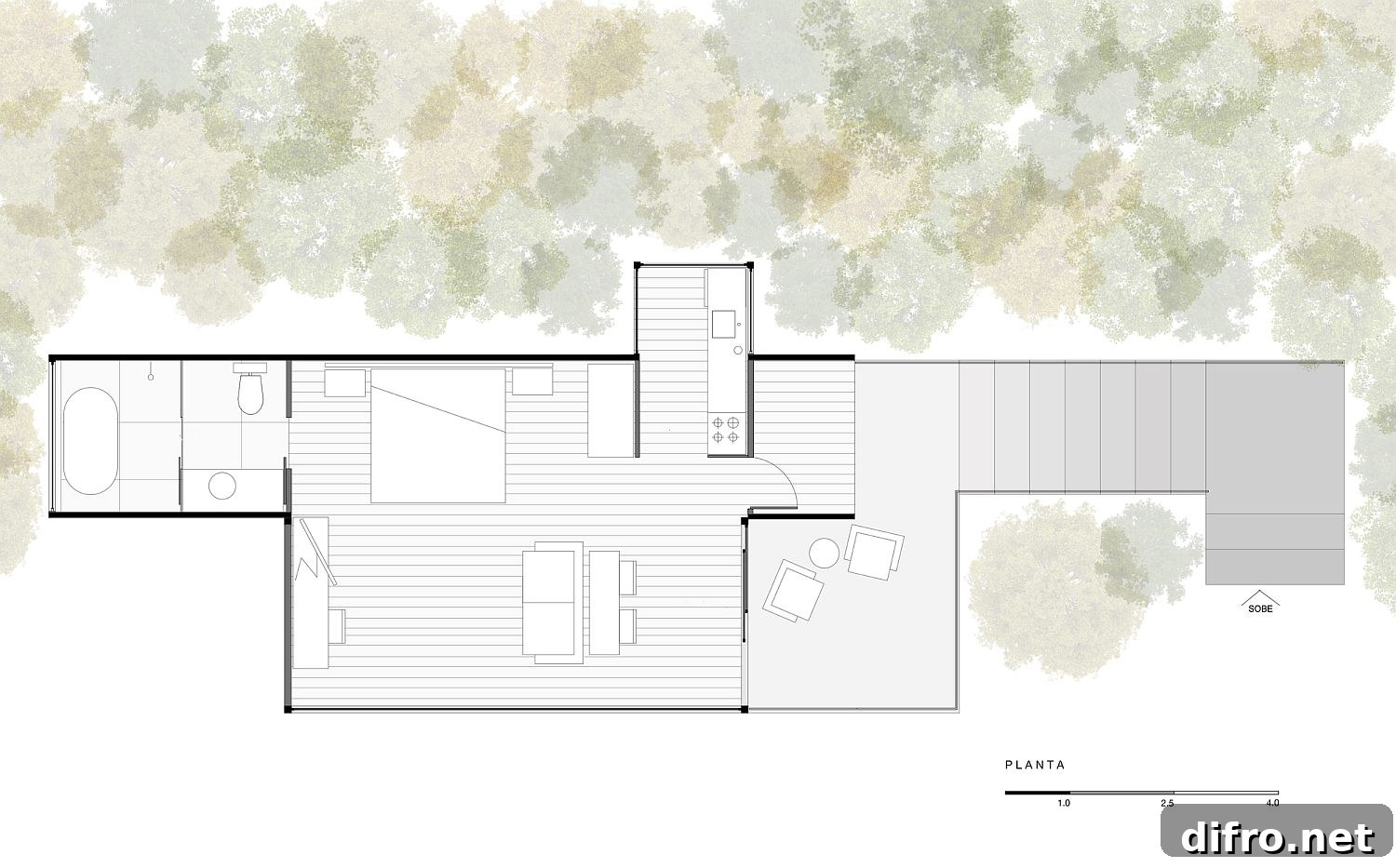
Plans show a clear division of functions while keeping circulation compact and efficient. The floor plan supports a calm daily routine: a single level for living and sleeping, a slightly sunken kitchen that engages directly with the forest, and a private bathing area that enhances relaxation. The overall composition favors quiet materials, generous glazing and a simple palette that complements, rather than competes with, the surrounding greenery.
Photography: Sergio Mendonça Jr. captures the calm and careful integration of the cabin within its setting, highlighting both the architectural clarity and the surrounding natural beauty. Purunã Cabin stands as an example of how modest-sized architecture can provide a generous experience when designed thoughtfully—prioritizing views, daylight, privacy and a light touch on the landscape.