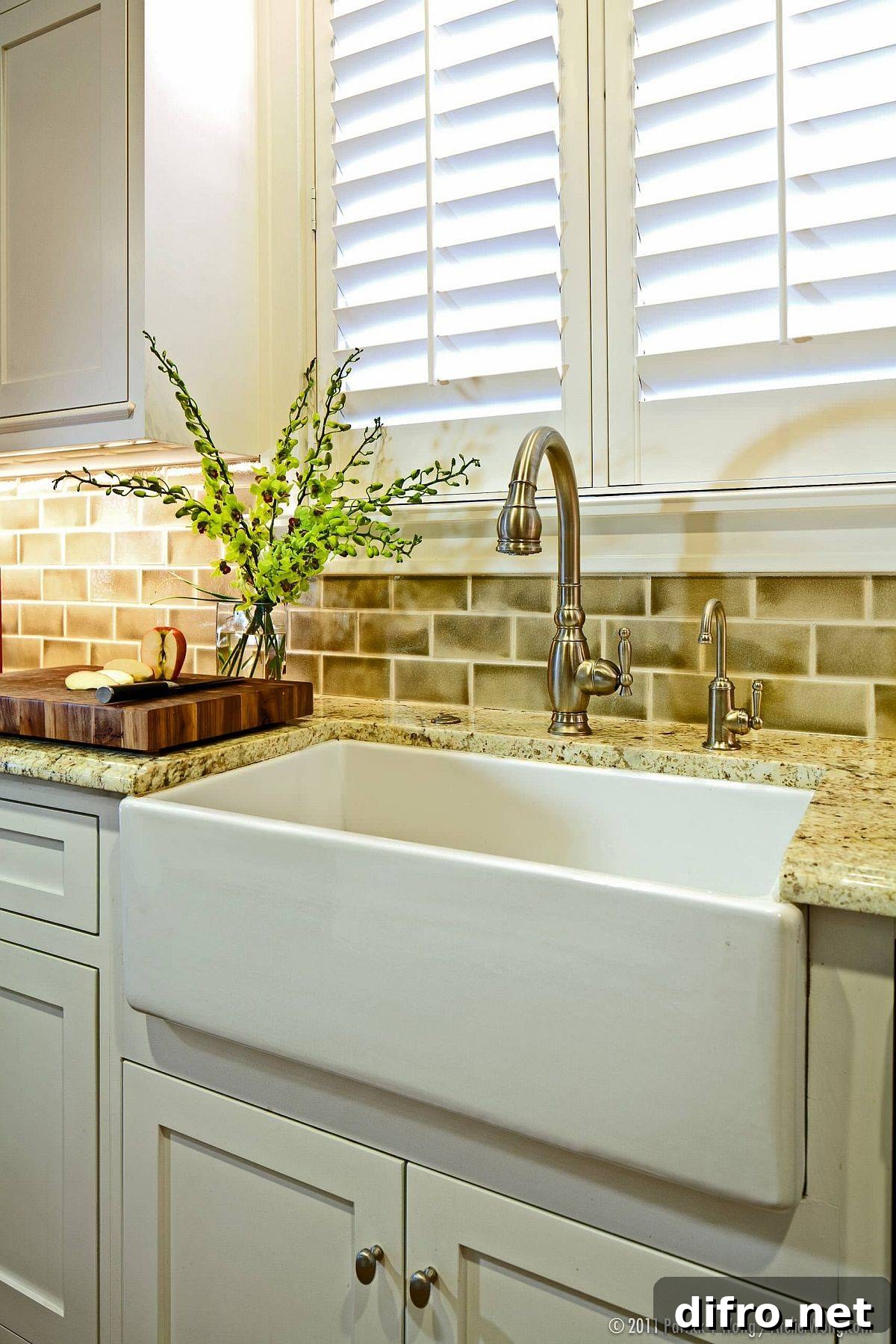
Every detail of a kitchen design contributes to the room’s overall look and functionality. Choosing the right sink is one of the decisions that can affect both how your kitchen feels and how well it functions. With so many options available, it helps to break the decision down into clear factors: location, size and style of the kitchen, sink material, installation type, and bowl depth. This simple, practical kitchen sink guide will help you weigh the options and choose a sink that suits your daily needs and the design of your space.
Picking the right kitchen sink is as much about understanding how you use the space as it is about knowing what types of sinks are available. Consider how you cook, how many people use the kitchen at once, and what tasks the sink must support—food prep, washing large pots, or hand-washing delicate items. With a clear sense of use cases, you can narrow your choices and select a sink that balances aesthetics, durability, and convenience.
All About Location
Sink placement affects workflow, plumbing requirements, and the overall layout of the kitchen. If your kitchen is large enough, installing two sinks—one on an island and one at the main counter—creates flexible work zones and speeds up busy meal prep. Keep in mind this choice increases plumbing and installation costs but can be invaluable in homes where the kitchen is used heavily.
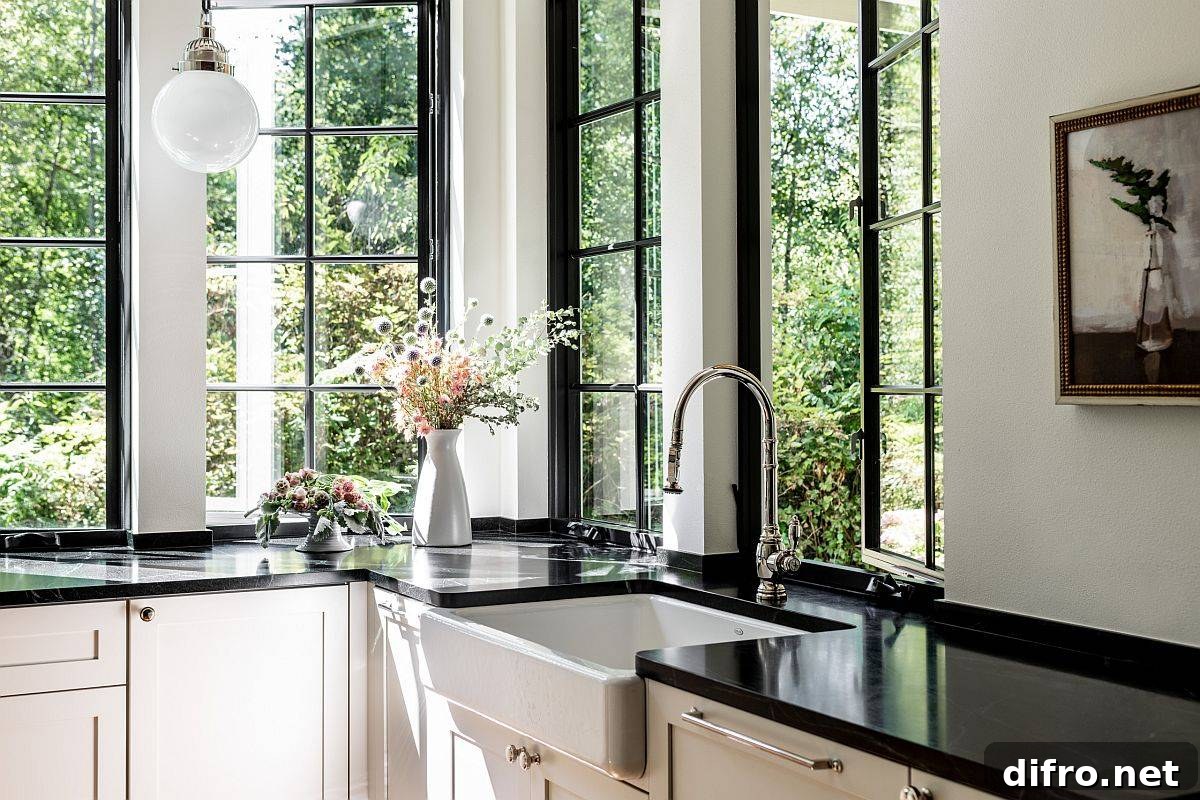
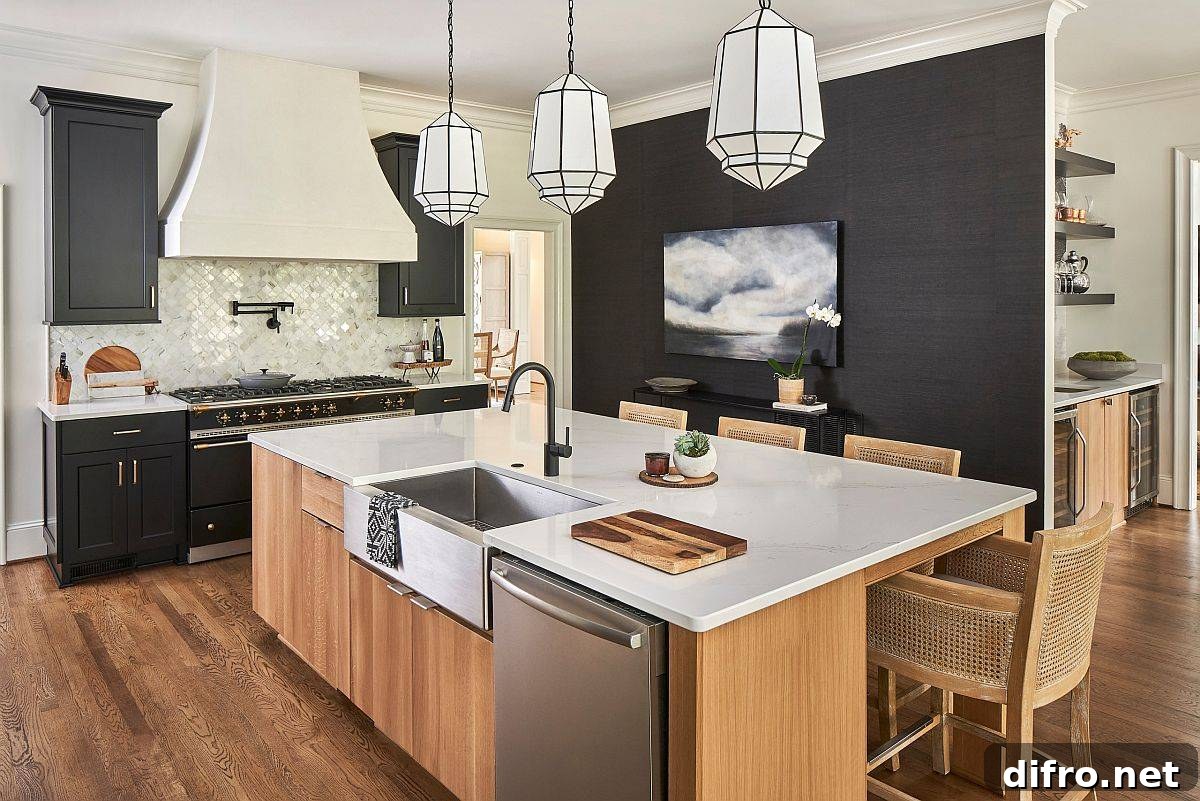
For most kitchens, a practical must is a sink located next to the dishwasher. That proximity simplifies rinsing, loading, and cleanup. Placing the sink on an island is a popular option that makes the cook part of the social area and offers an open sightline to living spaces. Corner sinks save counter space in small kitchens, but they can limit functionality and cabinet access, so choose them only when other placements aren’t feasible.
Size and Style of the Kitchen
The size and style of your kitchen influence the sink size and configuration you should choose. In open-plan or large kitchens, a deep, wide sink on an island enhances social cooking and can handle oversized cookware. Smaller kitchens often benefit from a single, well-sized sink that optimizes counter space and cabinet storage. Think about the visual impact, too: an apron-front farmhouse sink reads differently in a rustic or cottage-style room than a minimalist stainless steel undermount in a modern kitchen.
When deciding on layout, consider counter space around the sink for drying, chopping, and staging dishes. Make sure the sink placement supports a clear work triangle between sink, refrigerator, and stove to improve efficiency.
Choosing the Right Material
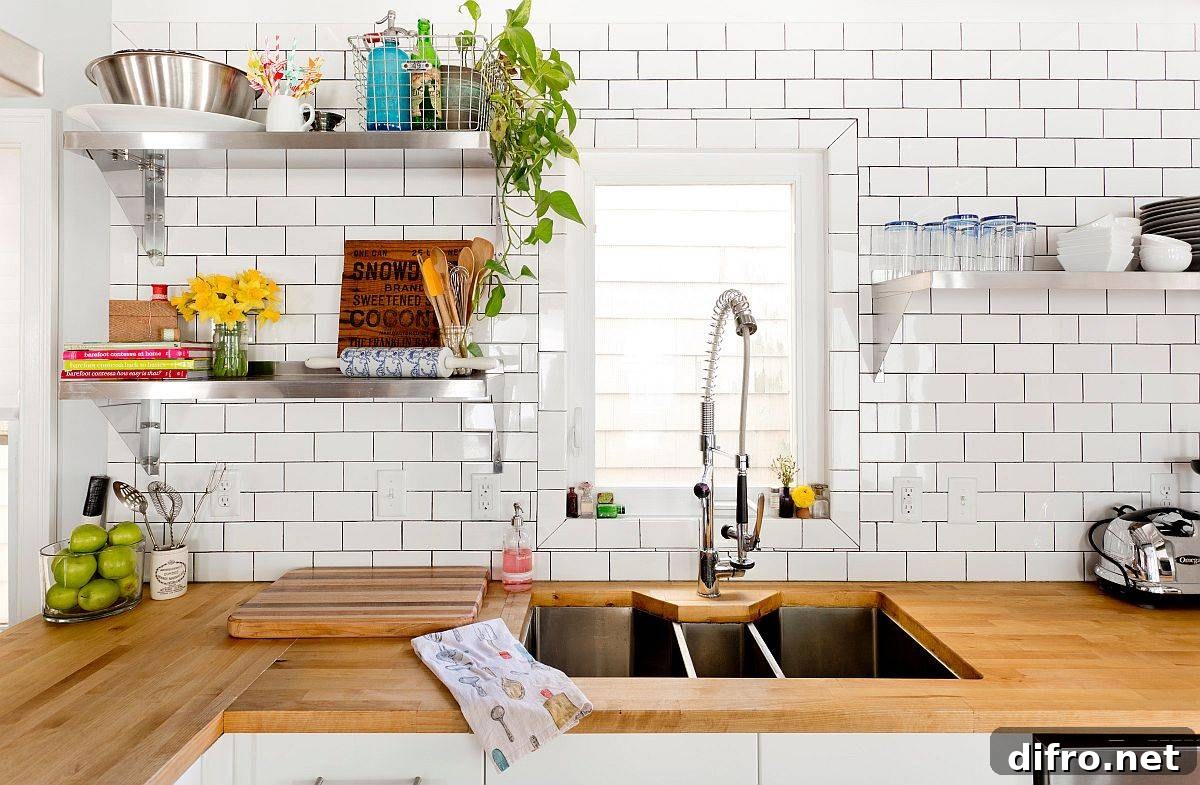
Material choice affects durability, maintenance, and appearance. Popular options include stainless steel and composite granite. Stainless steel is durable, affordable, and pairs well with most appliances. Composite granite resists stains and scratches, offers a quieter wash, and comes in many colors to match countertops. Fireclay and natural stone are classic and beautiful but typically cost more and require more careful maintenance to avoid staining or chipping.
Copper and other metal finishes have become trendy for homeowners seeking a distinctive look; copper patinas over time and adds a warm, artisanal feel, but it requires specific care to maintain its appearance. When choosing a material, balance your desired aesthetic with lifestyle needs—hardworking kitchens often benefit from low-maintenance, durable materials.
Sink Installation Types
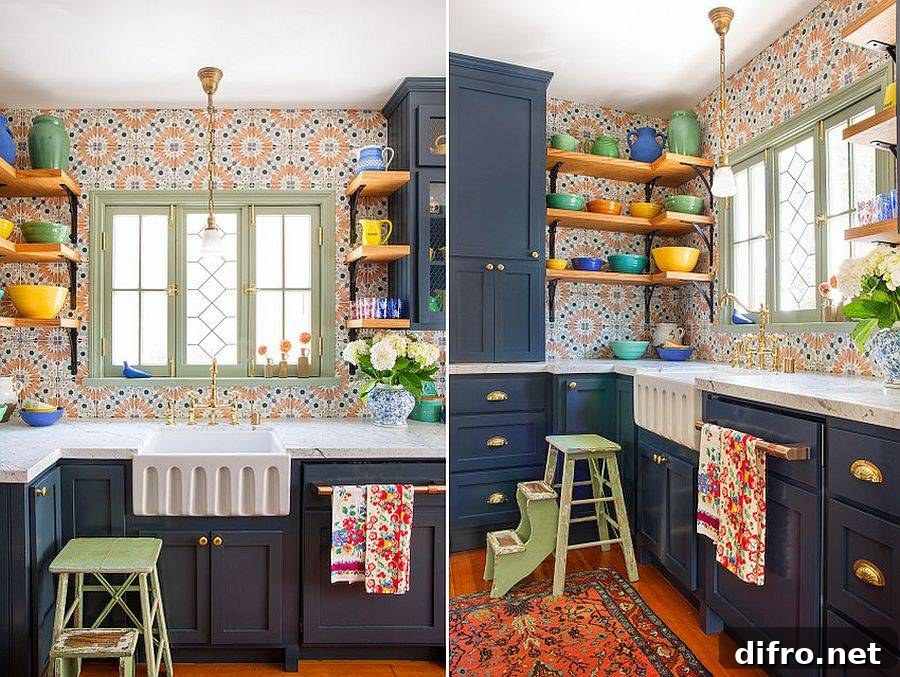
Installation style determines how the sink meets the countertop and affects cleaning and design continuity. The two most common types are drop-in (top-mount) and undermount. Drop-in sinks install easily and are budget-friendly; their rim rests on the counter and they work with a wide range of countertop materials. Undermount sinks create a seamless look with no rim on the counter, making it easier to wipe crumbs into the sink and enhancing a cleaner profile with stone or solid-surface countertops.
Custom integral sinks—built from the same material as the countertop—offer a fully seamless appearance but tend to be expensive and usually require professional fabrication. Choose an installation type that suits your countertop material and your priorities for maintenance and style.
Bowl Depth and Practical Considerations
Depth affects how easily you can clean large pots, hide dirty dishes, and reduce splashing. Deeper sinks are favored in many kitchens because they provide more working space and contain splatter better than shallow bowls. They also allow for accessories—like cutting boards and drying racks—to sit comfortably above the basin. If your household includes people who spend long periods at the sink, consider ergonomic height and counter design to reduce back strain.
Before deciding on depth, check cabinet clearance for garbage disposals and plumbing and ensure the sink size fits your cabinet footprint. Balance functionality with comfort: a deep sink is often more practical, but proper installation height and accessory compatibility will determine how well it performs in daily use.
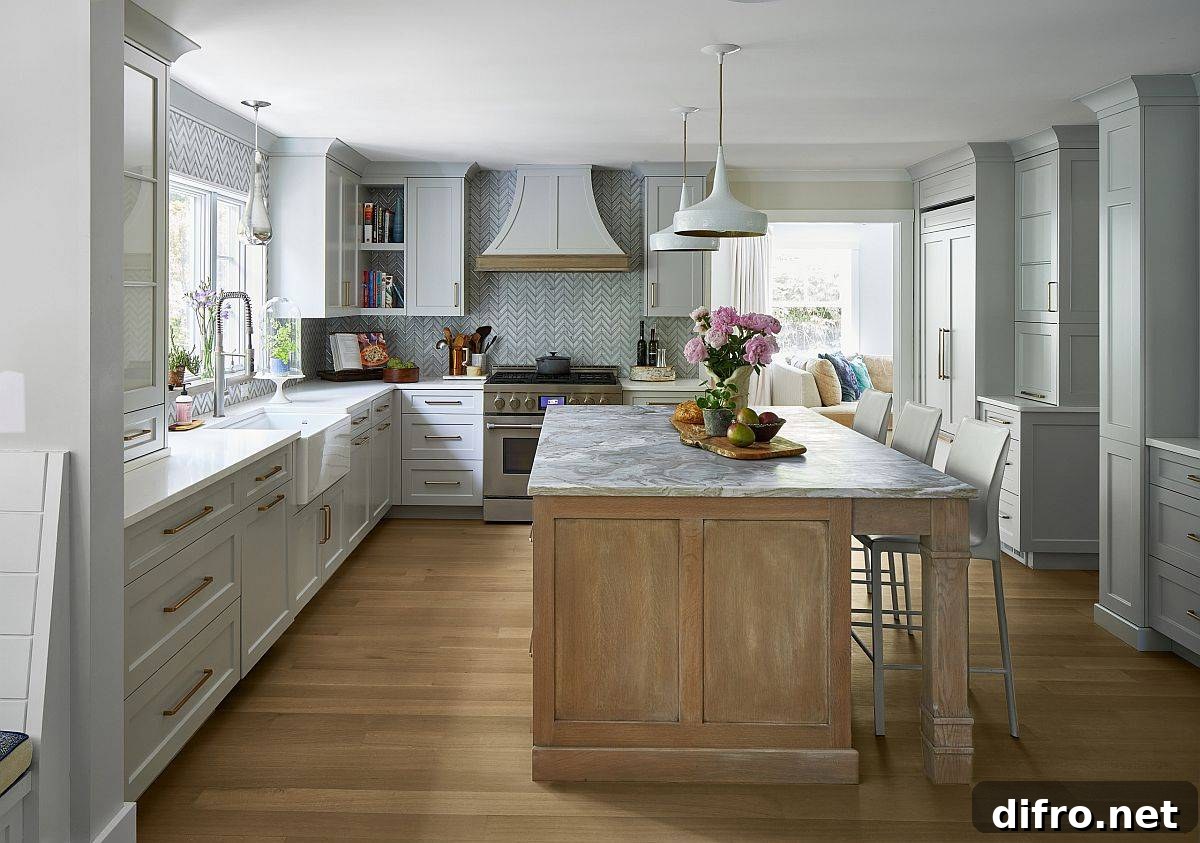
Choosing a kitchen sink should combine practical needs with design intent. Start by mapping how the sink will be used, then match placement, material, installation, and depth to that routine. With thoughtful choices, the sink becomes a functional centerpiece that supports daily life and complements the kitchen’s overall style.