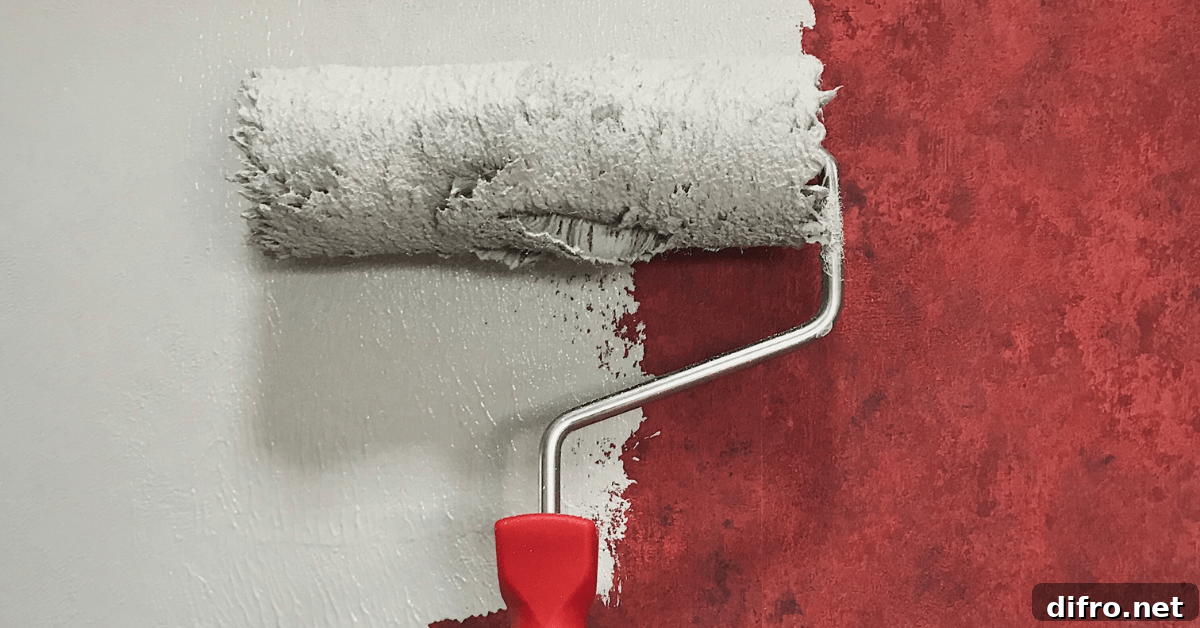
The age-old question remains: can you paint over wallpaper? Homeowners facing dated, damaged, or simply outdated wallpaper often weigh whether painting over it is a practical alternative to the time-consuming task of removal. This guide explains when painting over wallpaper works, what challenges to expect, and how to achieve a durable, attractive finish.
Understanding Wallpaper and Its Challenges
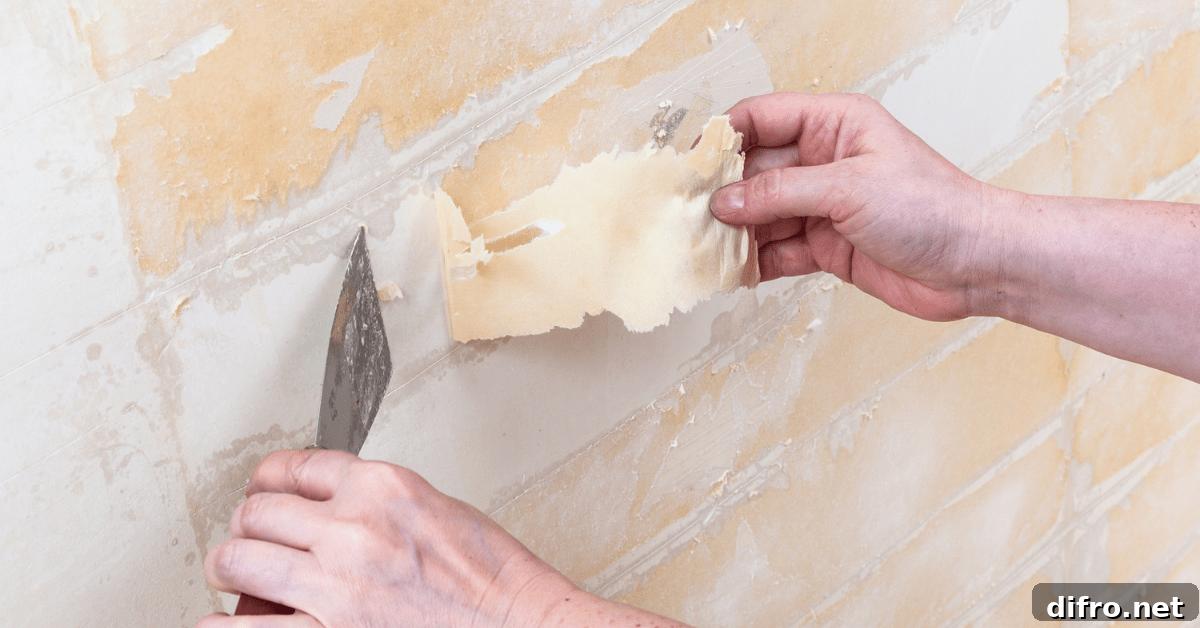
Wallpaper is more than decoration: it has texture, material differences, adhesives, and seams that affect whether paint will adhere and how the finished surface will look. Before you start, identify the wallpaper type: vinyl-coated paper, fabric-backed, paper-backed, or heavily textured varieties will each respond differently to paint. Smooth, stable paper tends to accept paint more predictably, while deeply textured or non-porous vinyl surfaces can present adhesion problems.
Potential Challenges
- Adhesion Issues: Non-porous or vinyl wallpapers can prevent paint from bonding properly, causing peeling or flaking if not prepared correctly.
- Seams and Edges: Painting can make loose seams, gaps, or lifted edges more noticeable if they aren’t secured and smoothed beforehand.
- Moisture Sensitivity: Areas with humidity such as bathrooms and kitchens may cause wallpaper to detach or the paint to blister over time.
- Texture Retention: Textured wallpapers will often show through paint, changing the look but not hiding the pattern completely unless properly primed or skim-coated.
Assessing Your Wallpaper
- Inspect for Damage: Look for peeling, bubbling, tears, or water damage. Damaged areas should be repaired or removed before painting.
- Decide on Removal vs. Painting: If the paper is loose, deeply textured, or heavily patterned and you want a perfectly smooth finish, removal is usually the better option. If it’s secure, clean, and only mildly textured, painting can be a reliable shortcut.
Preparing the Wallpaper for Painting
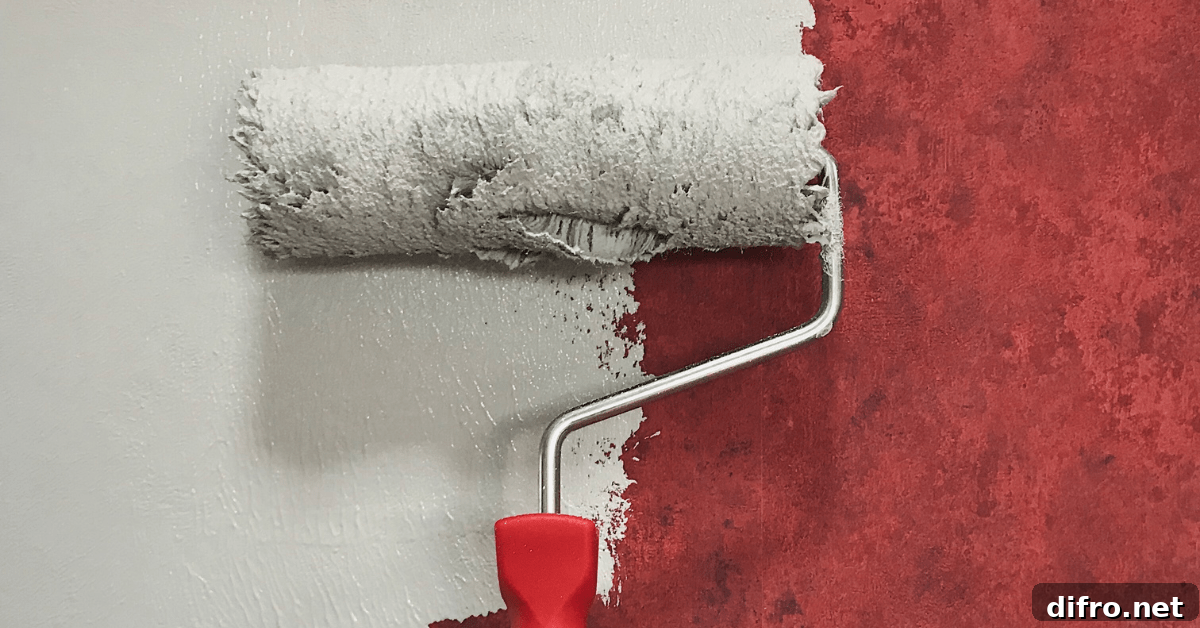
Preparation determines the success of painting over wallpaper. Take time to clean, repair, and secure the surface so paint adheres evenly and the finish lasts.
- Clean thoroughly: Remove dust, grease, and residues using a mild detergent or a water-and-vinegar solution. Rinse and allow the wall to dry completely.
- Repair damage: Patch tears and holes with a suitable wallpaper repair compound or joint compound. Press loose edges back and use wallpaper adhesive where needed.
- Smooth seams and texture: Roll seams flat with a seam roller and, for textured wallpaper you want less visible, gently sand high points with a sanding sponge. Wipe away dust before priming.
- Let everything dry: Moisture trapped under paint leads to adhesion failure. Ensure repairs and cleaning are fully dry before moving on.
Primer: The Key to Successful Wallpaper Painting
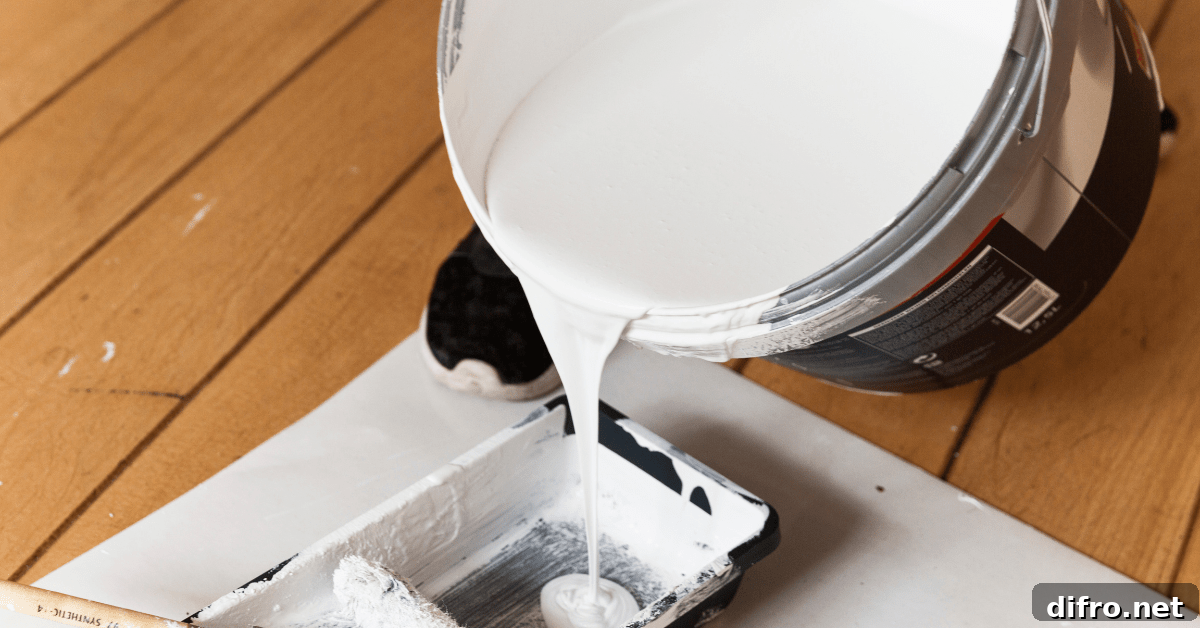
Primer is essential when painting over wallpaper. It acts as a bonding layer that helps paint adhere, blocks patterns or bold colors from showing through, and evens out surface absorbency.
- Choose the right primer: Use a high-quality primer suitable for wallcoverings. For smooth vinyl, an adhesion-promoting primer is recommended; for more porous surfaces, a standard acrylic primer may suffice.
- Apply evenly: Use a good brush or roller and cover the entire surface. Allow the primer to dry fully according to the manufacturer’s instructions before painting.
Tools and Materials Needed
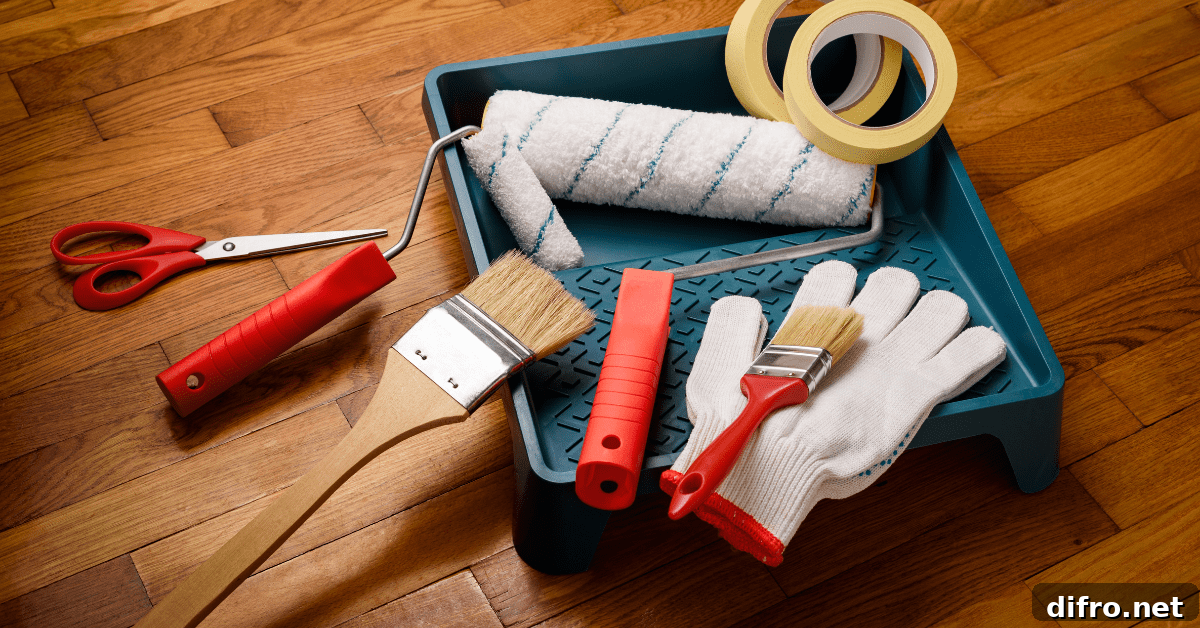
- Quality paint suitable for interior walls (consider paint-and-primer for convenience)
- Primer designed for wallcoverings or adhesion-promoting primer for vinyl
- Good brushes and rollers for even coverage
- Painter’s tape, drop cloths, and protective coverings for furniture and floors
- Fine-grit sandpaper or sanding sponge for smoothing
- Wallpaper seam roller and wallpaper adhesive for repairs
- Cleaning supplies: bucket, mild detergent, sponges, and clean rags
- Basic safety gear: gloves and eye protection
Step-by-Step Guide to Painting Over Wallpaper
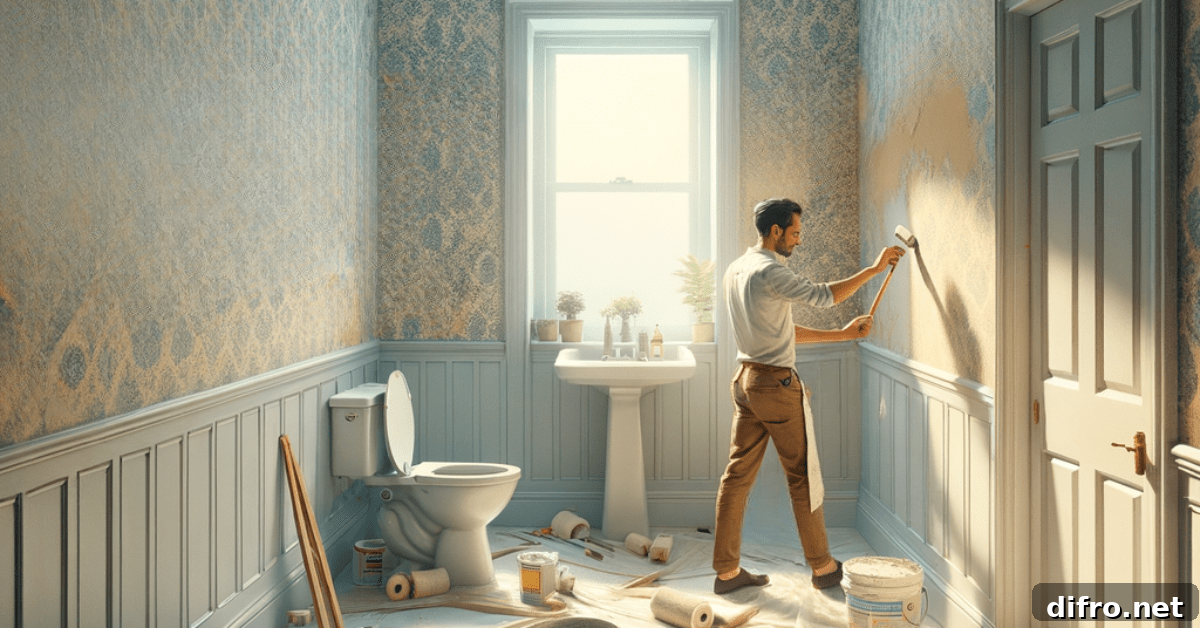
- Prepare the room: Remove or cover furniture, protect trim with painter’s tape, and lay drop cloths.
- Clean the wallpaper: Remove dust, grease, and residues. Let the walls dry completely.
- Repair and secure: Patch holes, glue down loose seams, and sand any high texture if a smoother finish is desired.
- Prime the surface: Apply a suitable primer evenly and allow it to dry fully.
- Choose your paint: Select a paint formulated for interior walls; stir well before use.
- Paint: Start at the top and work down. Use a brush for edges and a roller for large areas, applying thin, even coats to avoid drips.
- Dry and assess: Let coats dry as recommended, then evaluate coverage. Apply additional coats until the finish is uniform.
- Touch up and clean up: Make any necessary touch-ups with a small brush. Remove tape once paint is fully dry and clean tools per the paint manufacturer’s guidelines.
When done carefully, painting over wallpaper can save time and refresh a room without full removal. However, if the wallpaper is loose, damaged, or you need a perfectly smooth surface, removal and re-drywalling or skim coating may be the better route. Evaluate the condition of the wallcovering, prepare the surface thoroughly, use the right primer, and follow the steps above to achieve a long-lasting, attractive result.