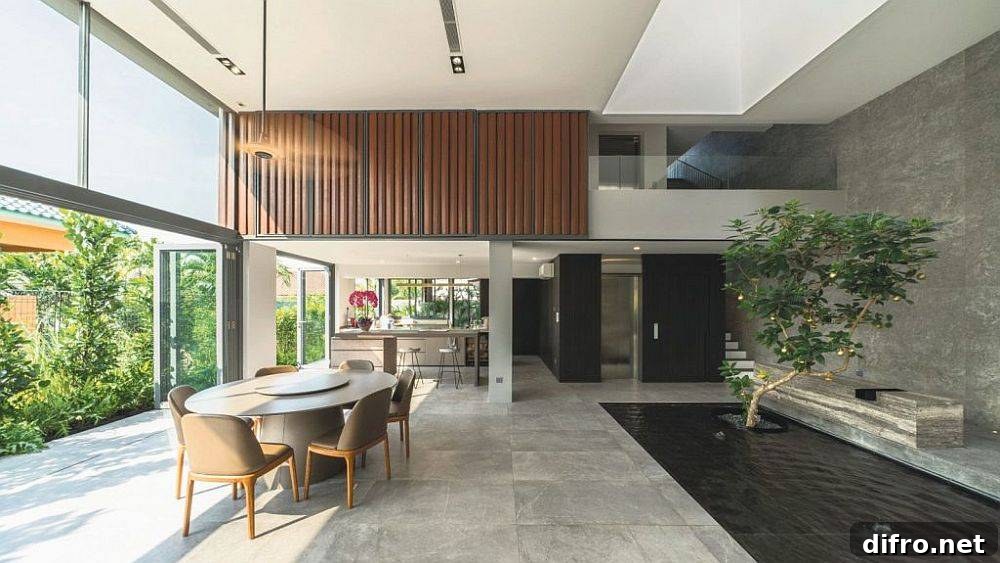
Many people in parts of Canada and the United States are enduring an intense heat wave right now, and residents of tropical and subtropical regions routinely face summers that leave interiors hot and uncomfortable by midday. Relying solely on air conditioners and sealed environments can increase energy use and reduce indoor air quality. Instead, designing homes with passive cooling strategies offers a practical, energy-efficient way to keep interiors comfortable. Below are effective passive cooling approaches you can plan for now or incorporate when renovating or building a new home.
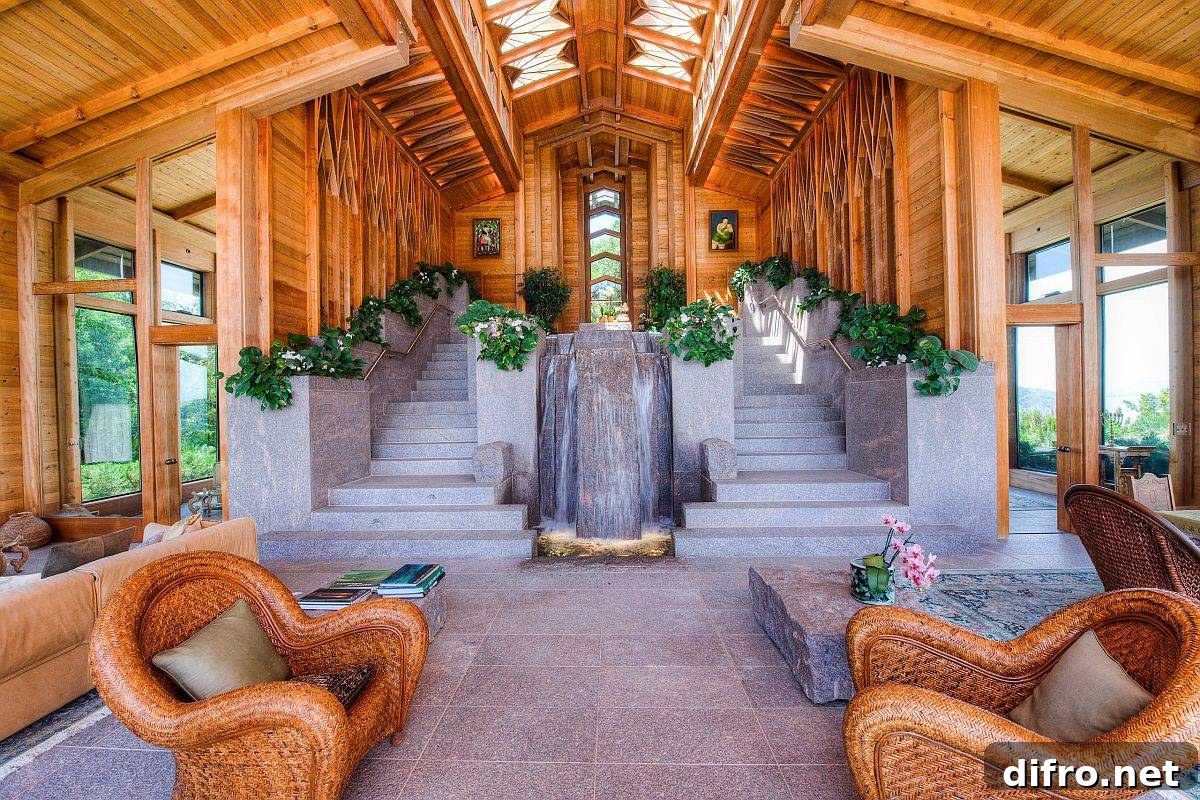
Passive solar design covers both heating and cooling approaches, and passive cooling focuses on minimizing heat gain and maximizing natural ventilation. Implementing these methods reduces dependence on mechanical cooling, lowers energy bills and creates healthier, more comfortable living spaces. Below are practical techniques to cool your home naturally.
Creating a Smart Sun-Shade
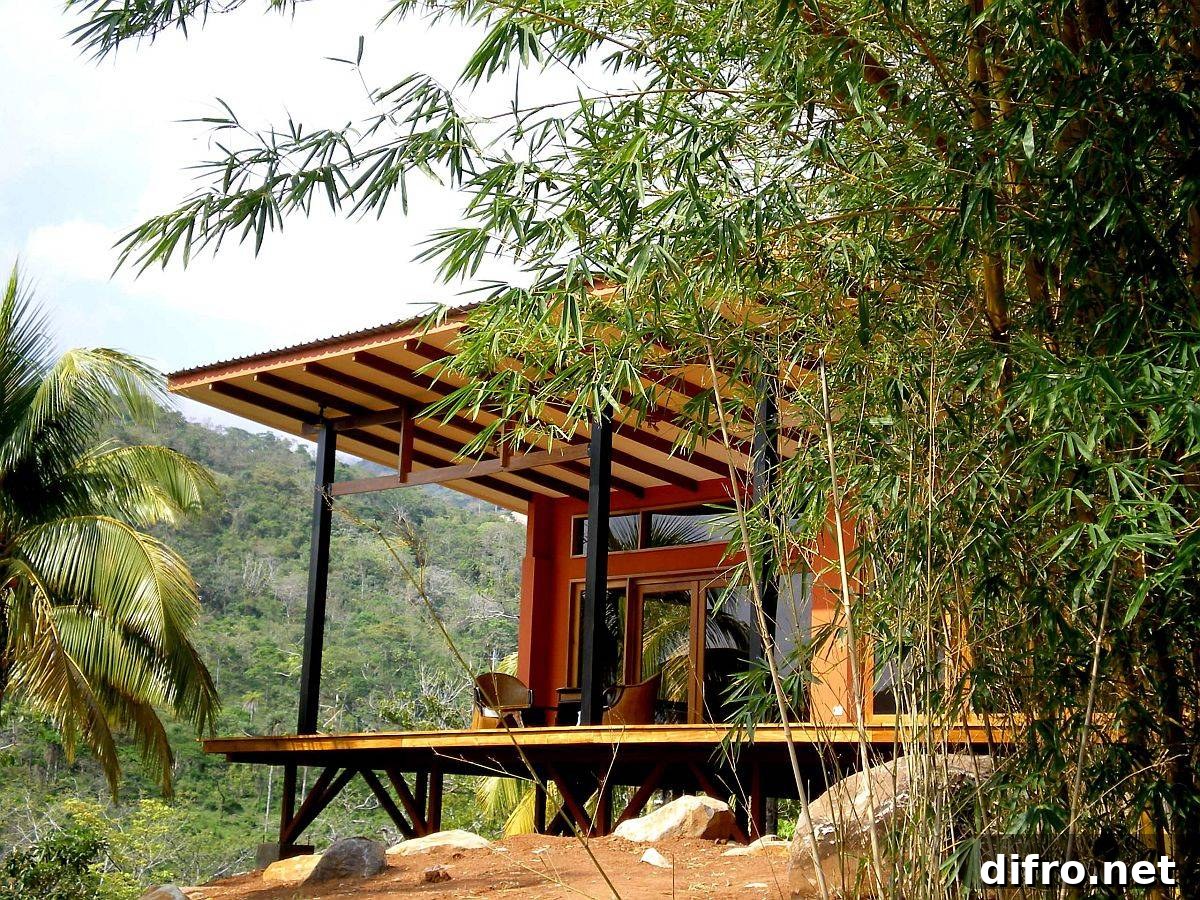
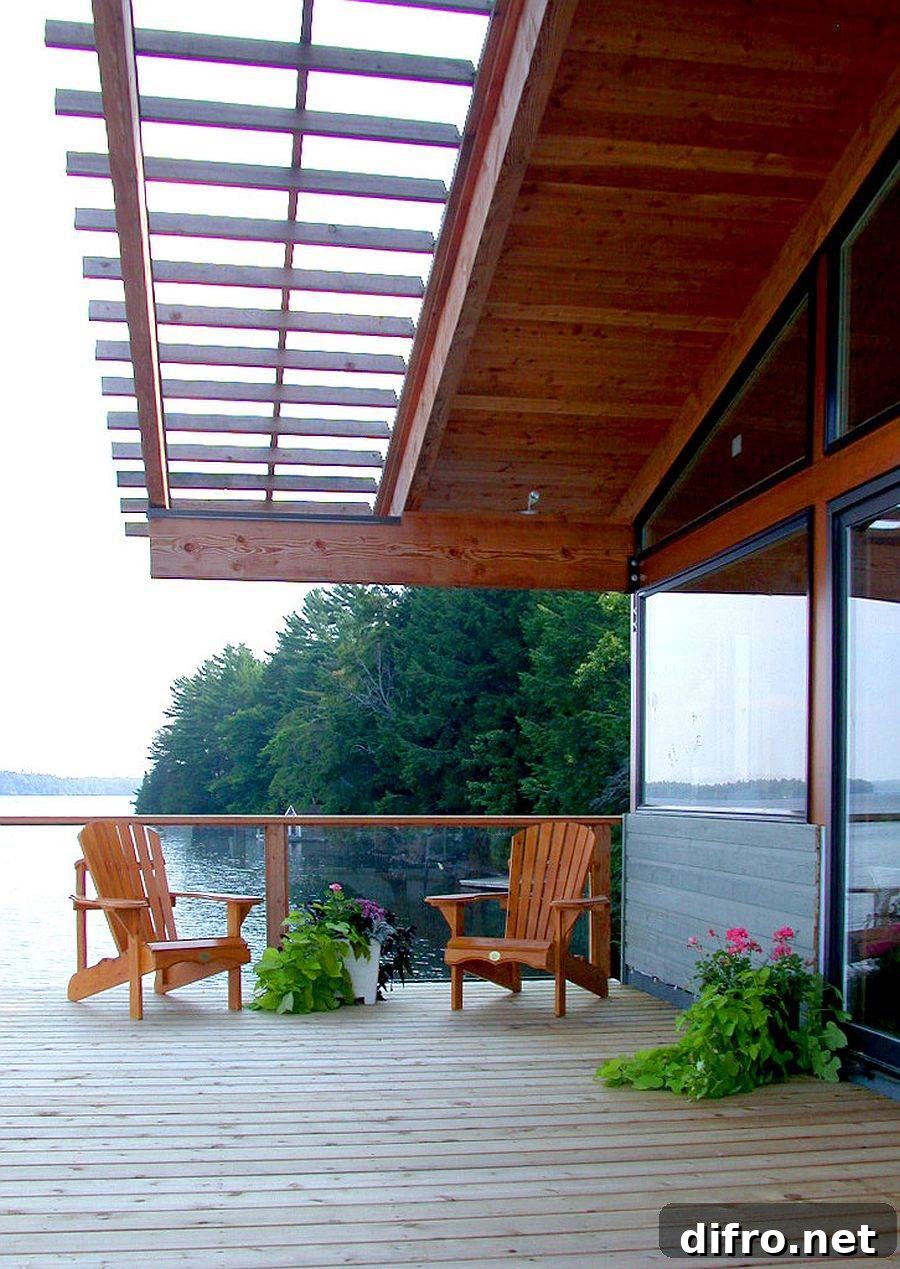
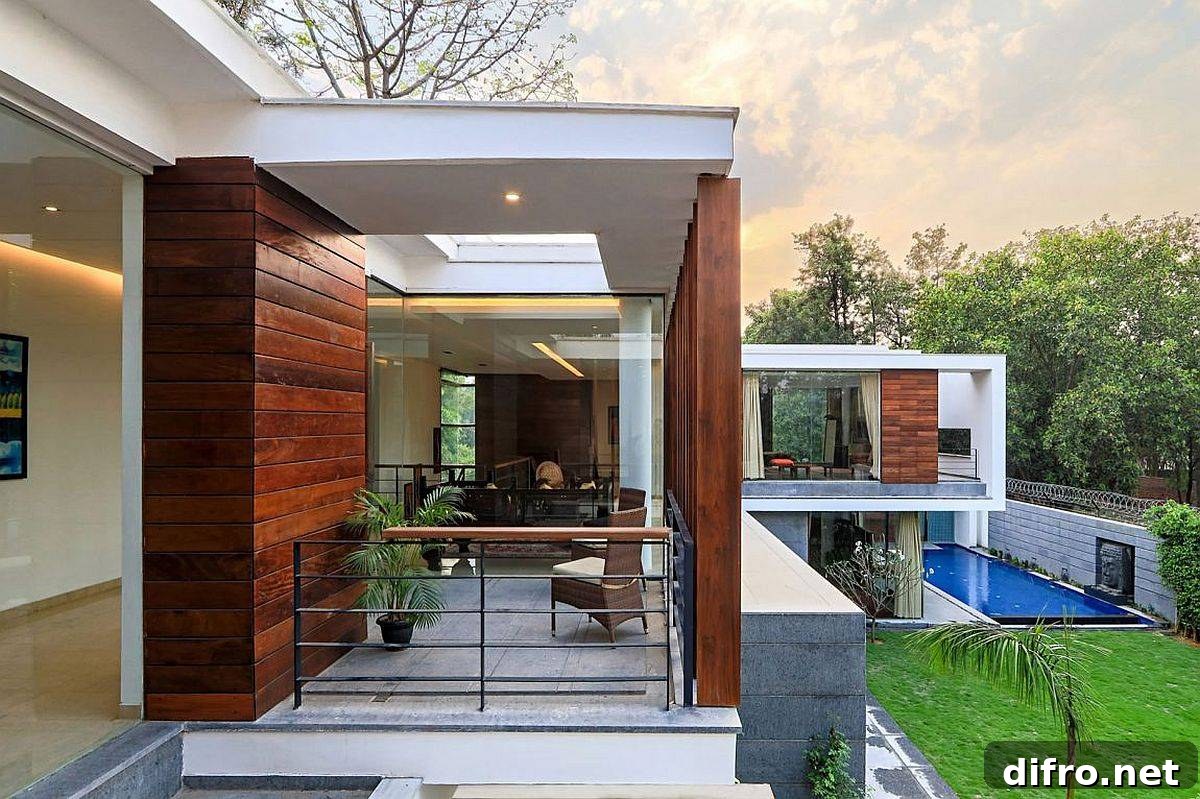
Keeping direct sun off the building envelope is one of the simplest and most effective ways to reduce indoor temperatures. Exterior shading devices—such as fixed overhangs, pergolas, louvres, and balconies—prevent high-angle summer sun from hitting windows and walls while still allowing daylight and breeze. Adjustable shading elements let you adapt to seasonal changes: retract or lift shades during cooler months to capture passive solar warmth, and lower them in summer to block heat.
Insulation for Walls and Windows
Good insulation is essential in hot climates. Exterior walls built with hollow or cavity bricks reduce heat transfer, while reflective roof coatings and a well-insulated ceiling limit heat gain from above. For glazing, low-emissivity (low-E) coatings and double glazing reduce solar heat entry while still admitting natural light. Consider reducing unnecessary or oversized windows on sun-facing walls to lower internal heat buildup and improve overall energy efficiency.
Smart Cross-Ventilation
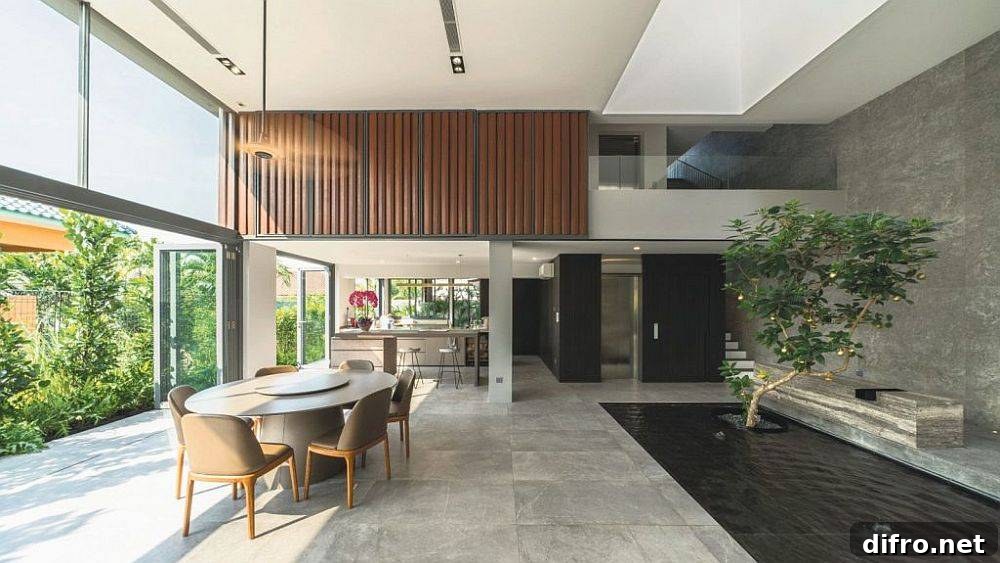
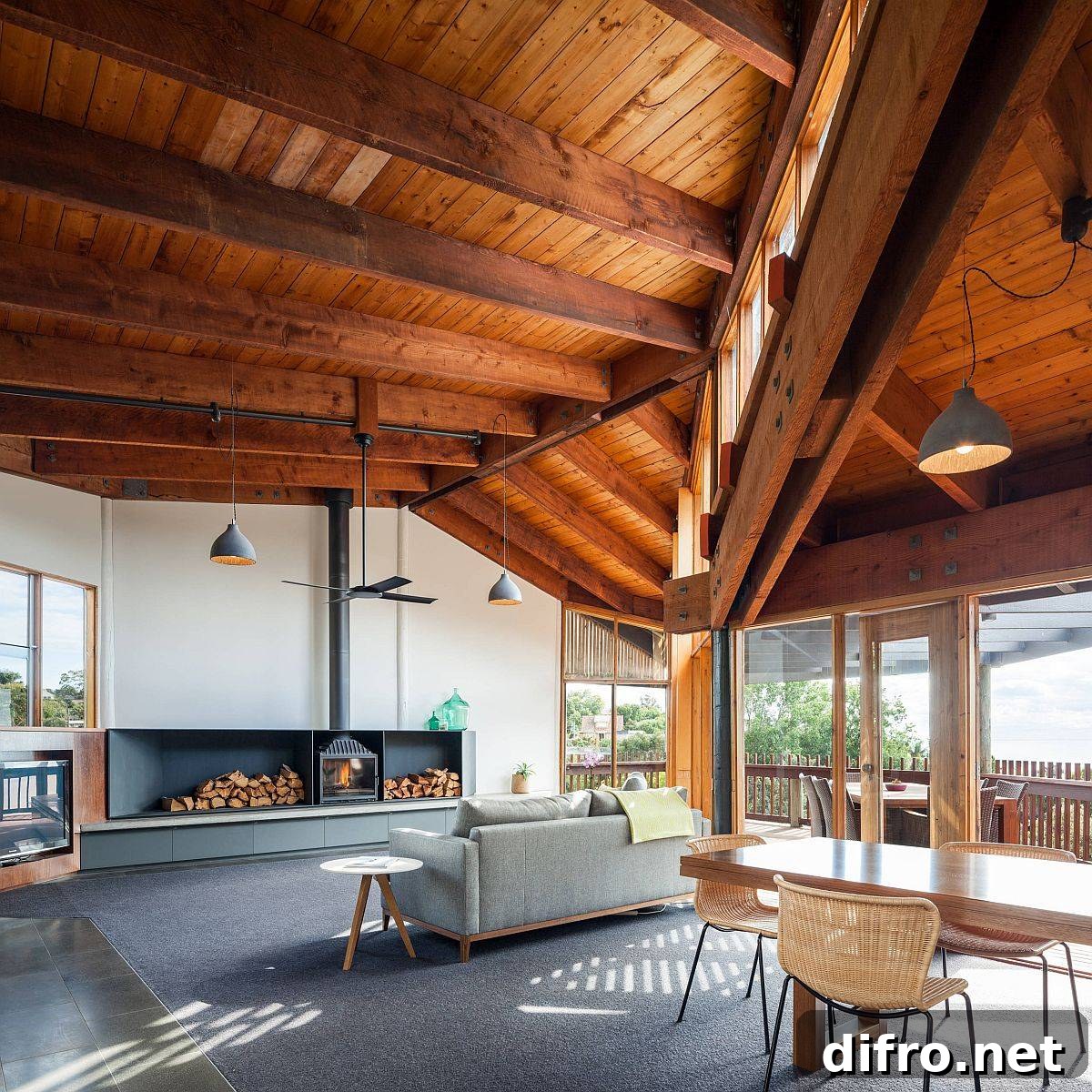
Cross-ventilation uses prevailing winds and well-placed openings to draw cool air in and push warm air out. Achieving effective cross-ventilation depends on building orientation, window placement, and interior layout. Align openings on opposite or adjacent walls, incorporate high and low vents, and keep internal paths clear so breezes can flow through living spaces. High ceilings and internal atria also support stack ventilation, where warm air rises and escapes through upper vents.
Shades and Timber Screens
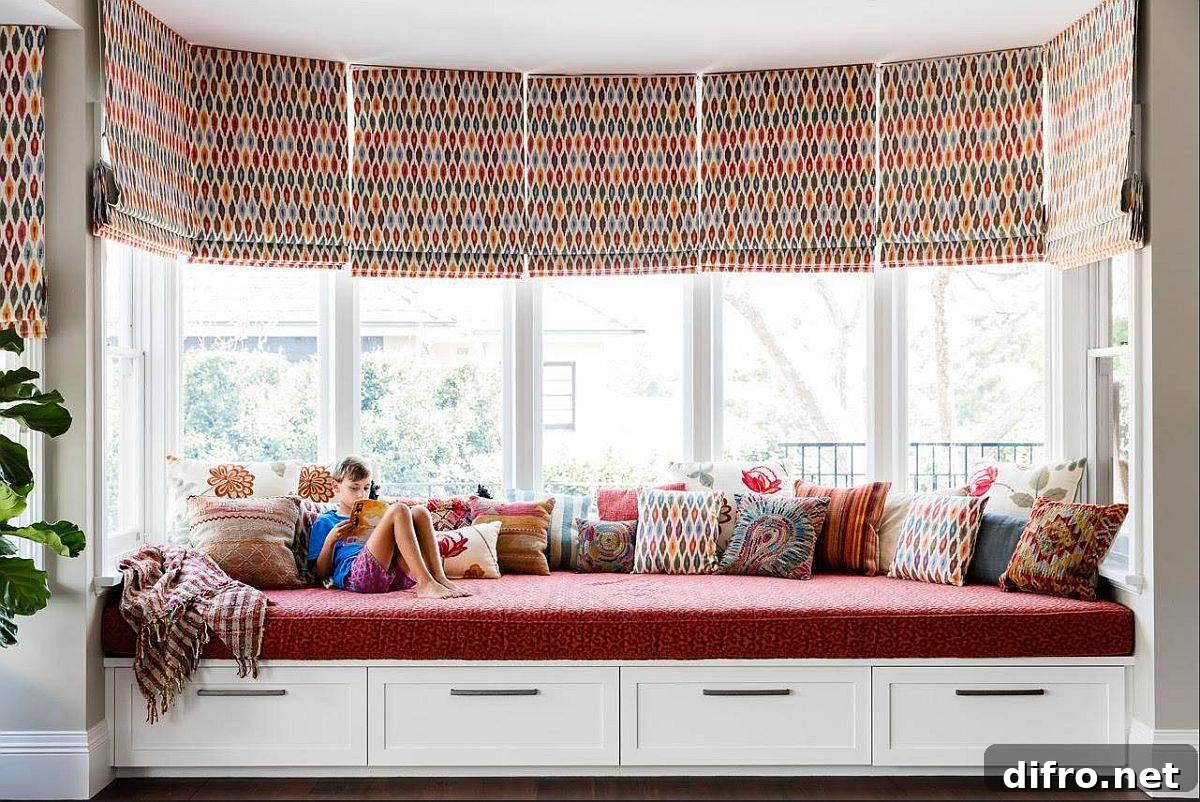
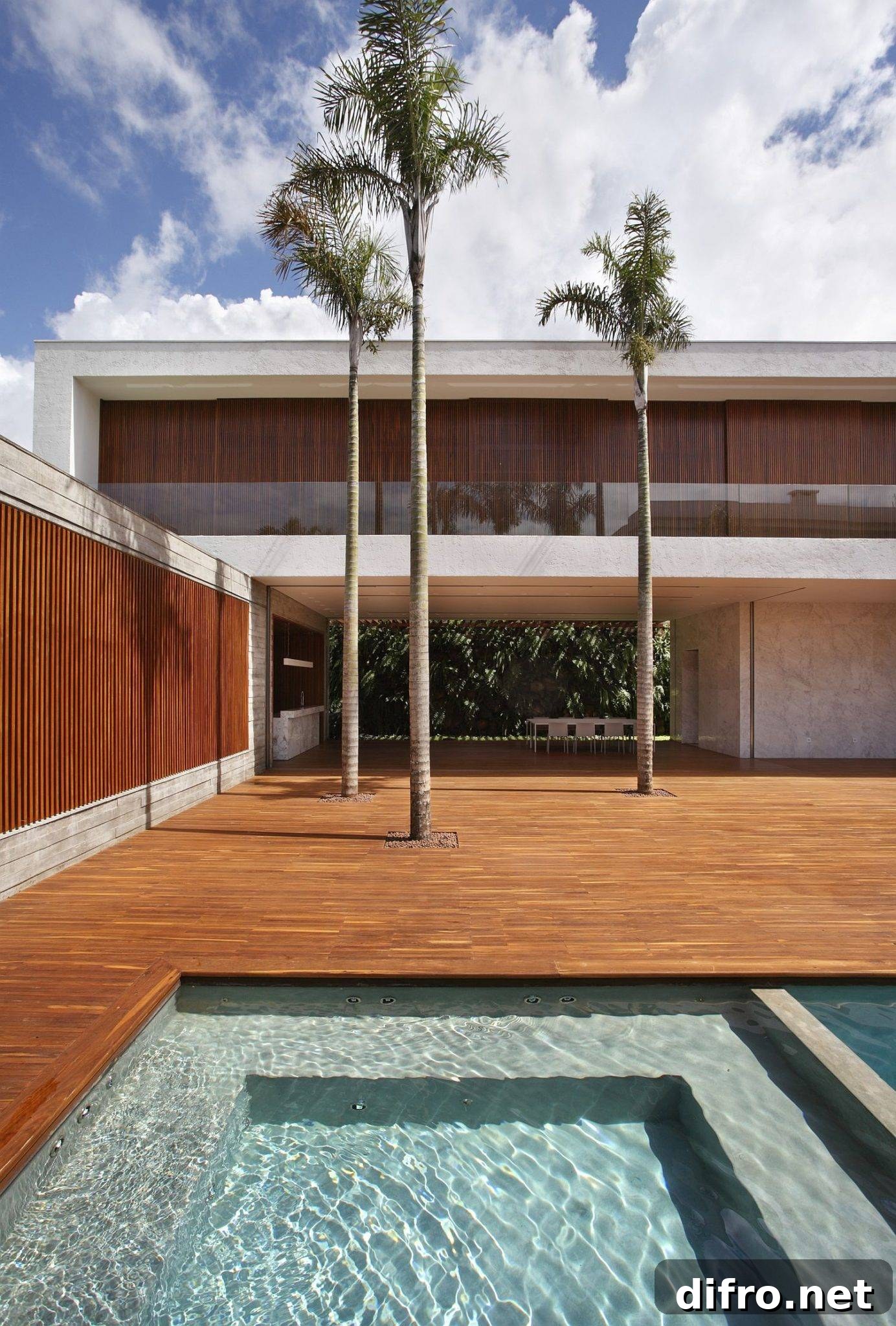
Large glass facades and floor-to-ceiling windows look great but can generate significant heat gain. Use blinds, shades, timber screens or woven natural mats to filter sunlight and reduce direct solar load while preserving daylight and view. Adjustable timber slats offer both solar protection and visual privacy; natural materials such as aromatic grass mats (khus) are cost-effective, breathable and add a pleasant scent to outdoor shading elements.
Clerestory Windows: Forgotten but Powerful
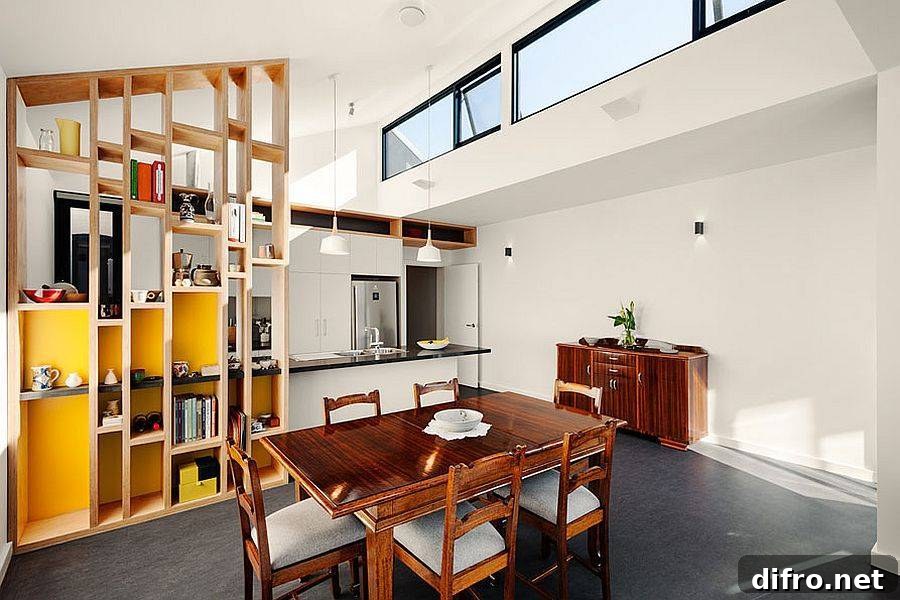
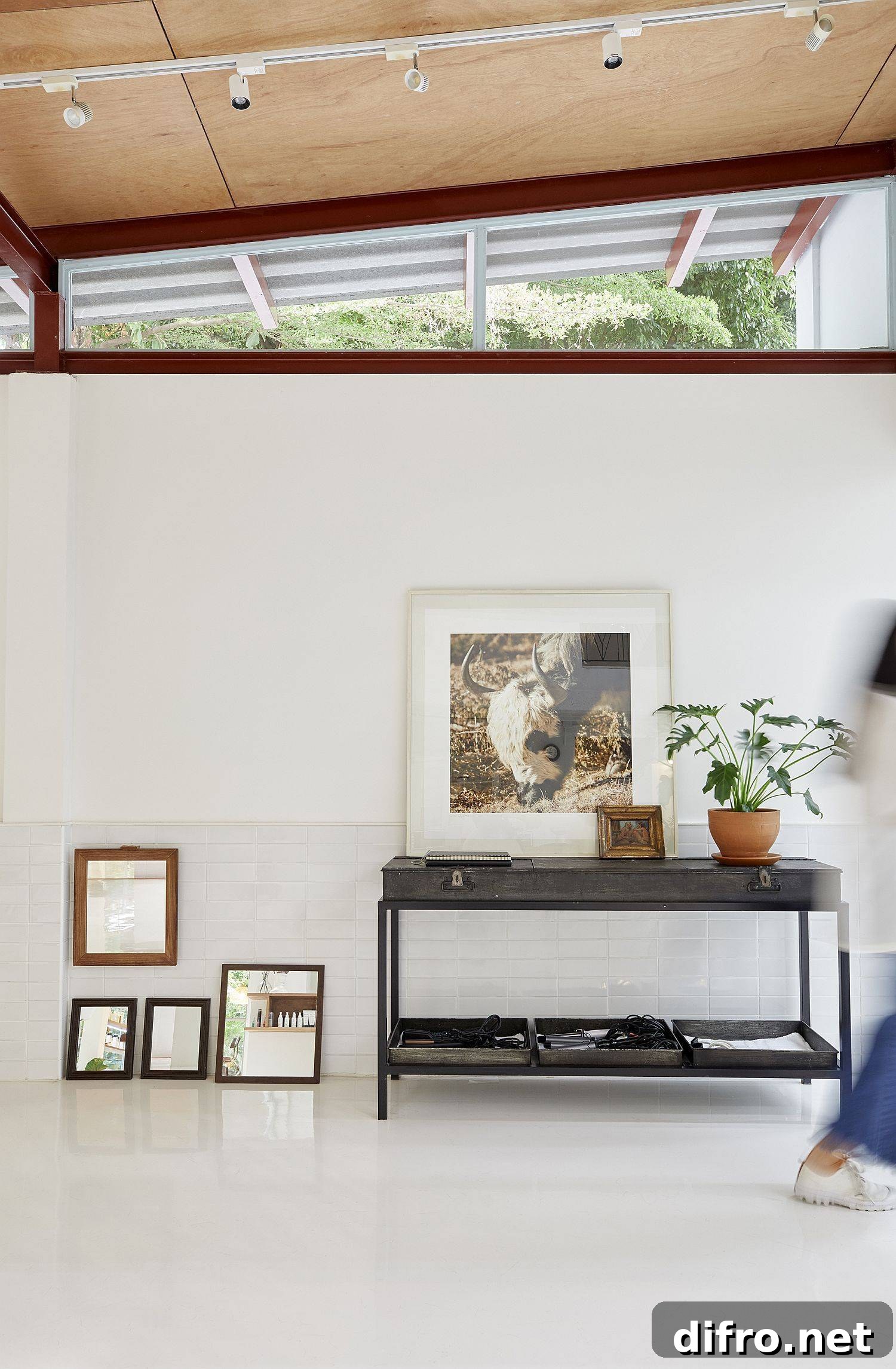
Clerestory windows—high, narrow openings placed near the top of walls—bring in daylight while minimizing direct solar gain. North-facing clerestories are especially useful in many climates because they admit diffuse daylight without intense heat. Where clerestories face warmer sun exposures, pair them with low-E glass or shading to reduce heat transfer. They also facilitate stack ventilation by allowing warm air to escape at high level.
Courtyards, Greenery and Green Roofs
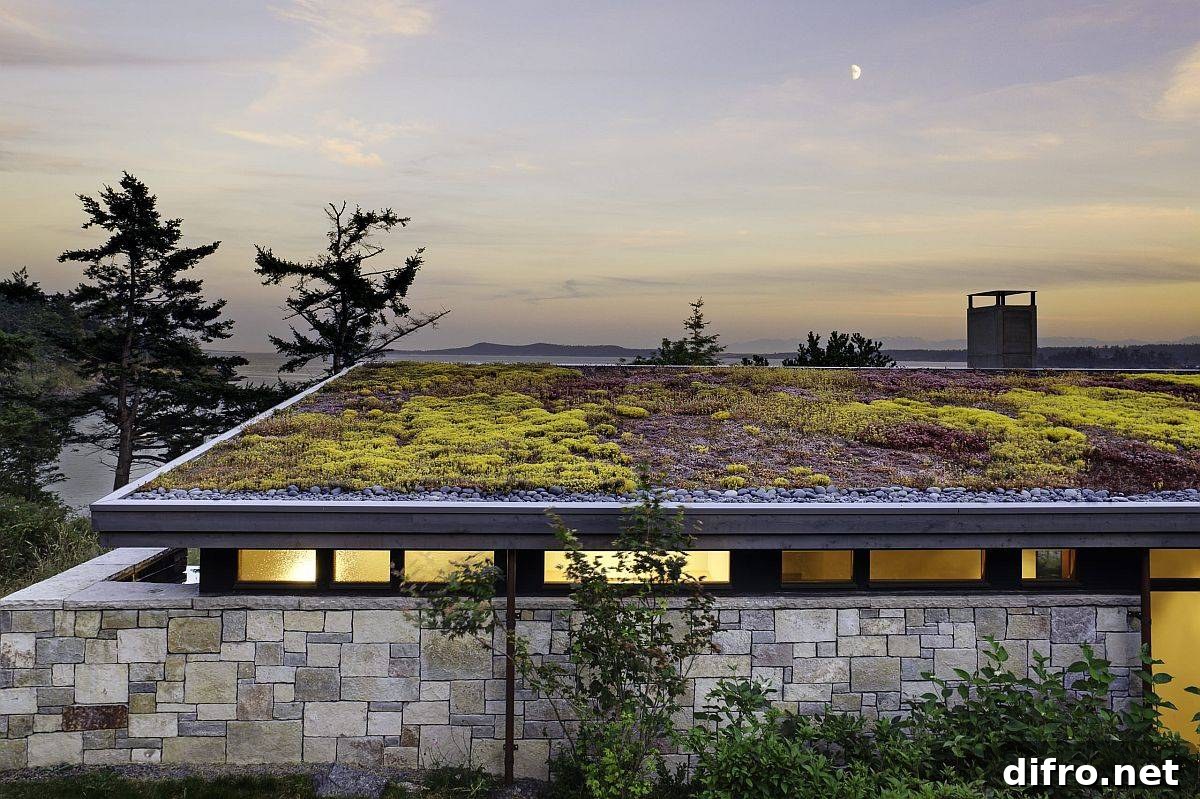
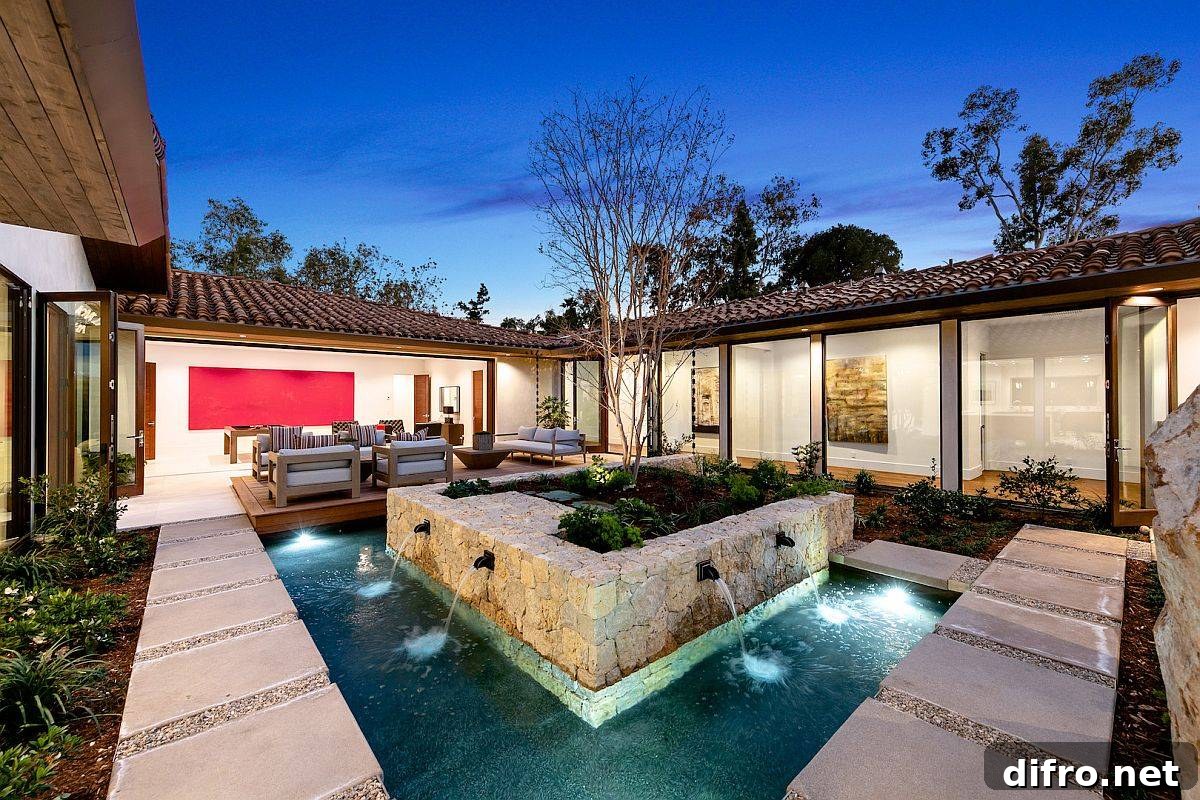
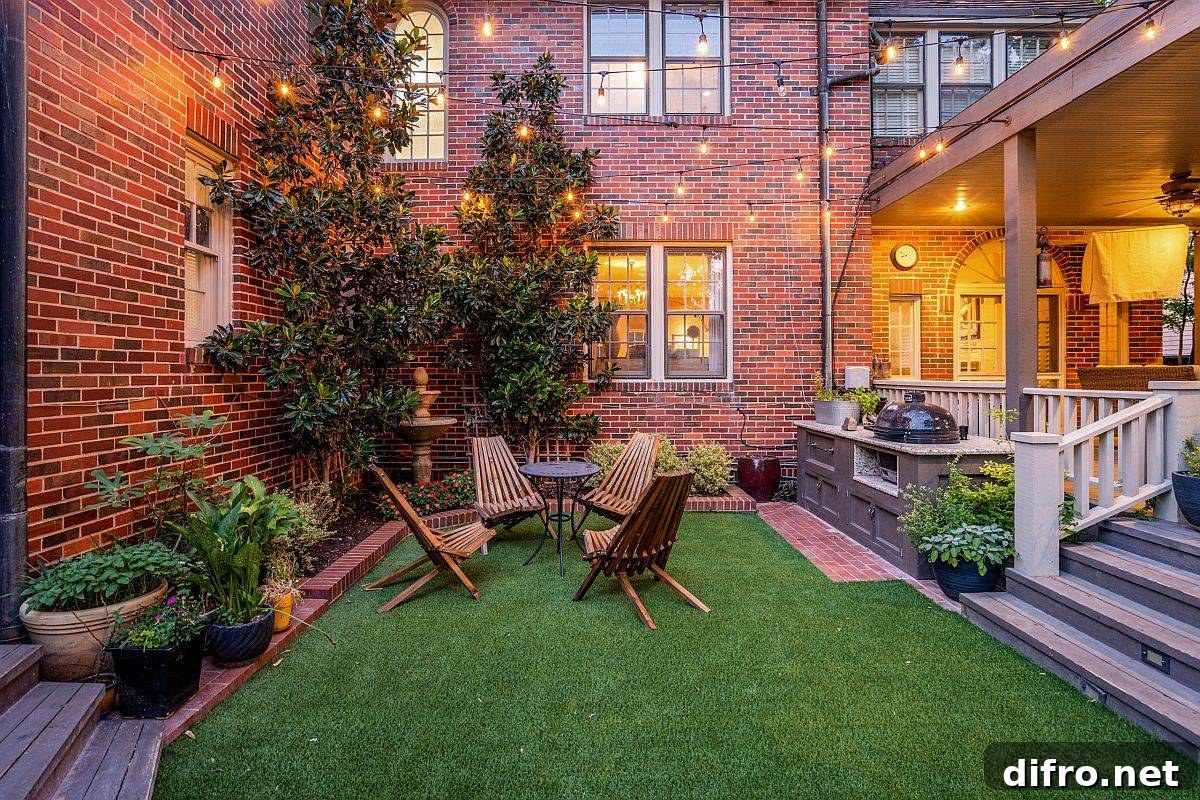
Landscaping plays a key role in passive cooling. Trees, vines, green roofs and planted courtyards shade building surfaces, cool surrounding air through evapotranspiration, and reduce reflected heat. A courtyard or pergola covered with vines creates a shaded microclimate that lowers temperatures near openings and encourages natural ventilation. Green roofs add insulation and slow heat ingress through the roof while providing habitat and stormwater benefits.
Use Water Features for Evaporative Cooling
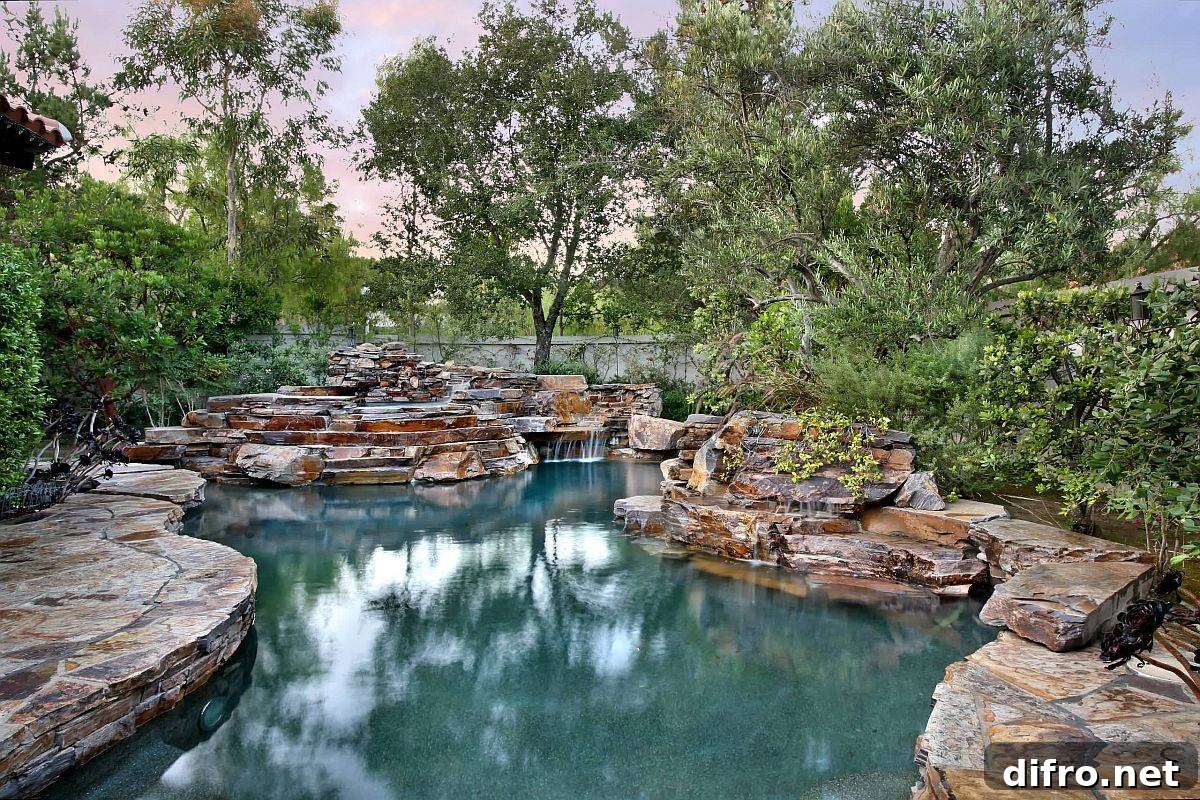
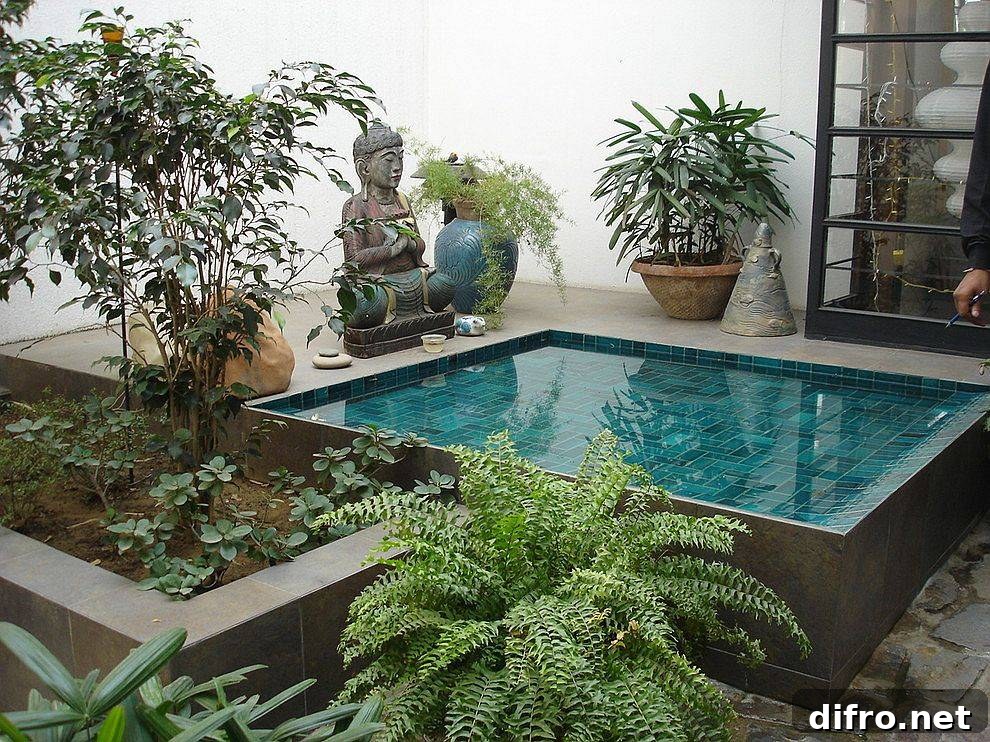
Water features—reflective pools, shallow ponds, fountains, or natural swimming pools—provide localized evaporative cooling that makes outdoor and adjacent indoor spaces feel noticeably cooler. Placing a water feature near openable windows or courtyard areas enhances natural cooling during warm evenings and creates a calm, restorative environment. Combining water, plantings and shade creates an effective passive cooling strategy that benefits both home and landscape.
Combining these strategies—shading, insulation, cross-ventilation, clerestory windows, natural screens, landscaping and water features—creates resilient, comfortable homes that stay cool without heavy reliance on mechanical air conditioning. Start with a few interventions that suit your site and budget, then expand your passive cooling approach over time for lasting comfort and lower energy use.