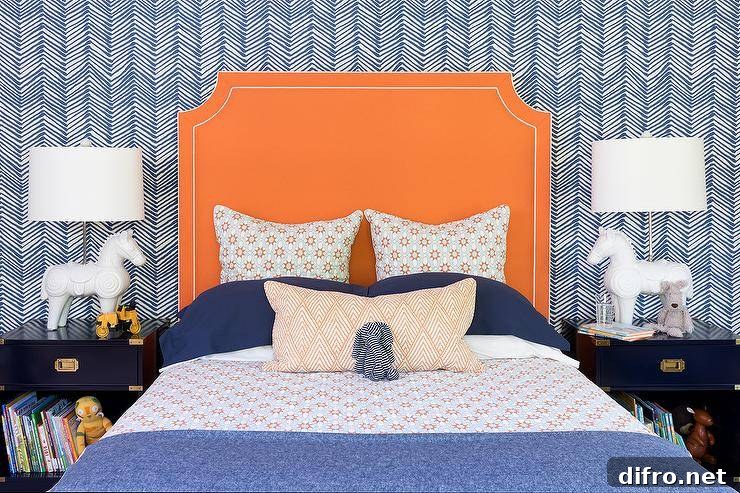
Choosing the right colors to pair with blue is essential in creating interiors that feel balanced, inviting, and visually appealing. Blue is one of the most versatile colors in design—calming and cool by nature, it can also take on dramatic or lively personalities depending on the hues and accents you choose. This guide explores the best colors that go with blue, explains how to combine shades effectively, and offers practical tips for applying these pairings in your home.
Understanding Color Theory and Blue
Blue is a cool color that naturally pairs with other cool tones like green, purple, and gray for a harmonious, soothing palette. Its complementary color is orange, which creates a high-contrast, energetic pairing. When planning a room, consider saturation and value: vibrant, saturated blues work well with softer pastels for contrast, while muted or gray-blues benefit from deeper, richer accompanying colors.
For balanced interiors, use the 60-30-10 rule: 60% of the room should be the dominant color (often a blue), 30% a secondary color, and 10% as an accent. This distribution helps create a cohesive, visually comfortable space.
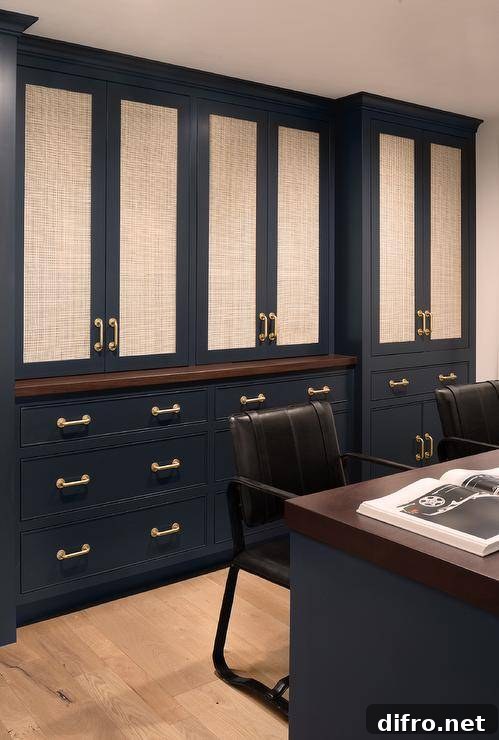
Black
Black and blue create a sleek, modern look. Use black sparsely—through lighting fixtures, frames, furniture legs, or small accents—to add depth and sophisticated contrast without overwhelming the calming quality of blue.
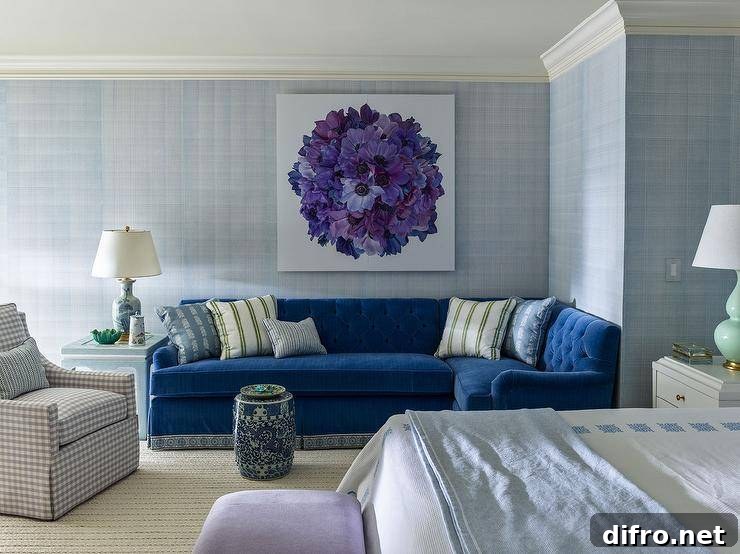
Purple
Blue and purple are neighboring colors on the wheel and pair naturally for a cohesive, layered look. Soft blues with lavenders create tranquil bedrooms, while deep blues with plum or eggplant make bold, dramatic living spaces. Varying finish and texture—velvets, silks, or matte paints—can further define the mood.
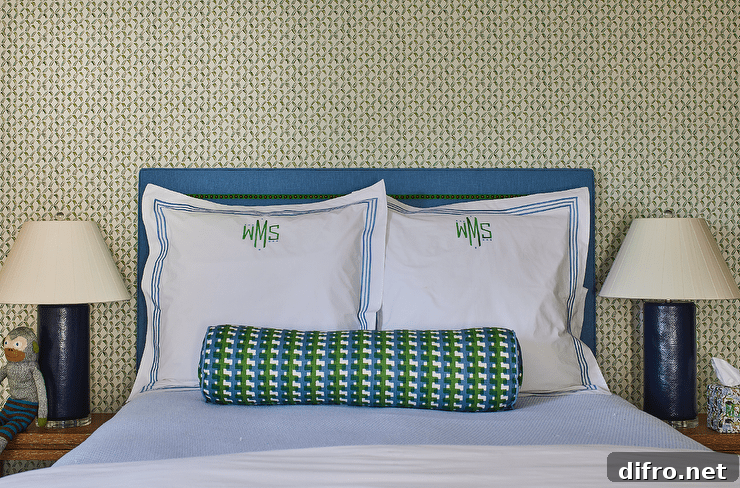
Green
Green and blue are analogous colors that create serene, nature-inspired interiors. Pair a soft blue with a muted sage for a tranquil bedroom, or mix deeper teals and forest greens with navy for a refined, cozy atmosphere. Natural materials—wood, rattan, and plants—enhance this pairing.
Beige
Beige is a warm neutral that pairs beautifully with blue for classic, coastal, or transitional interiors. A warm beige with light blue feels inviting and soft, while a cool beige with a bolder blue yields a modern, sophisticated look. Use beige on floors, larger furniture, or walls to ground a blue palette.
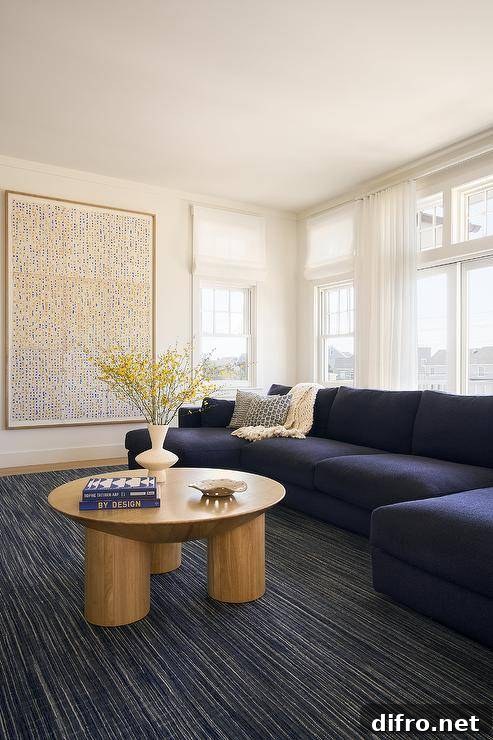
Gray
Gray is a versatile neutral that complements blue perfectly for elegant, contemporary interiors. Light gray softens navy for an airy feel, while charcoal paired with a bright blue brings contrast and a polished aesthetic. Layer textures—wool rugs, linen curtains, matte paint—to keep gray/blue schemes from feeling flat.
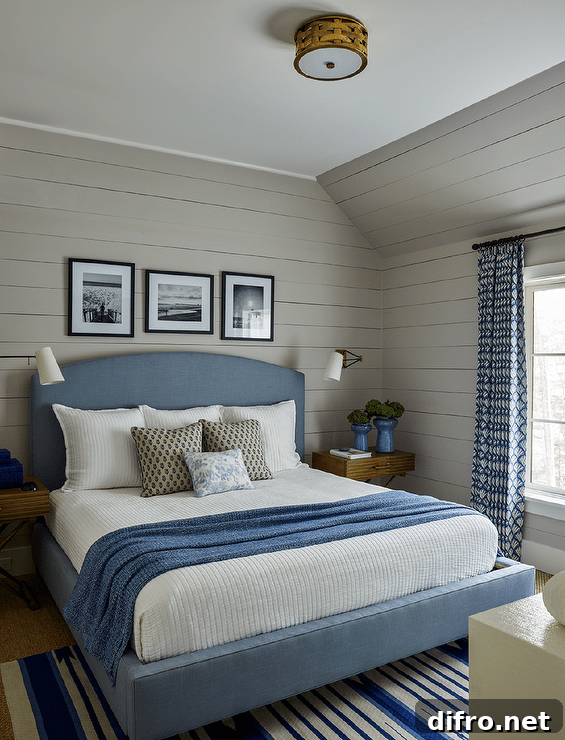
Pink
Pink makes an unexpectedly delightful companion to blue. Soft blush tones lend a whimsical, feminine touch when paired with baby blue, while hot pink can create a lively, modern contrast with deeper blues. Keep pink as an accent if you want pops of personality without dominating the palette.
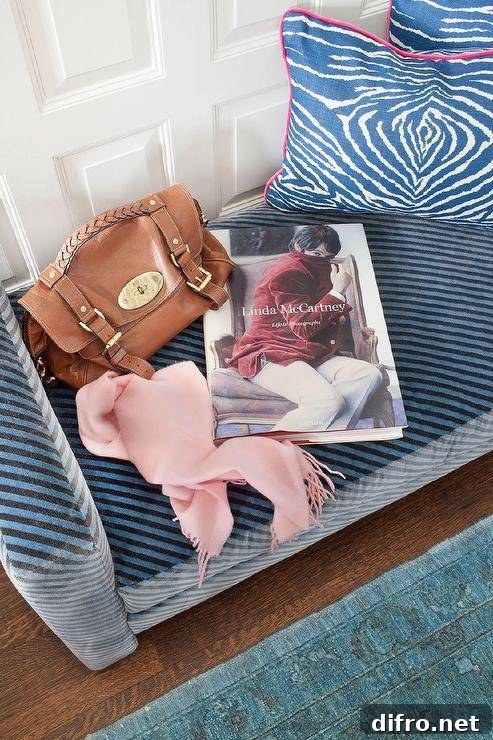
Teal
Teal sits between blue and green and works beautifully with many blue tones. Combining a light blue with deep teal adds depth, while pairing bold blues with softer teals creates a layered, calming palette. Balance is key: let one shade dominate and use the other as an accent to avoid visual overload.
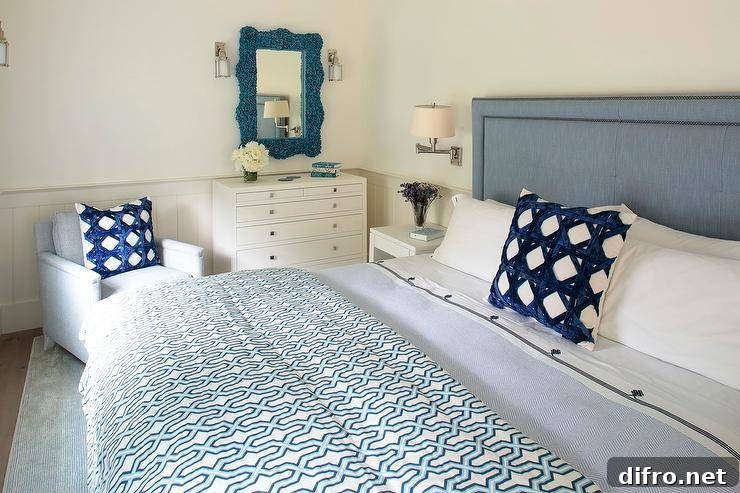
Orange
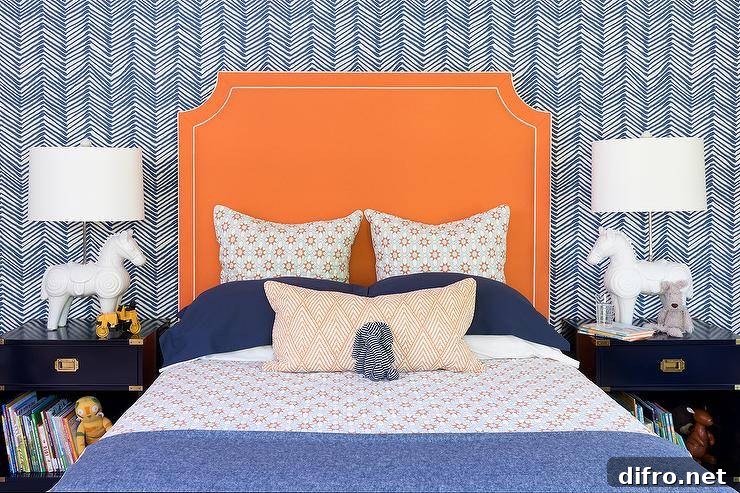
Orange is blue’s complementary color and creates energetic contrast. Use burnt oranges with navy for a cozy, sophisticated look, or pair coral with lighter blues for playful, vibrant interiors. Because orange is attention-grabbing, it’s often most effective as an accent—pillows, an ottoman, or an accent wall.
Red
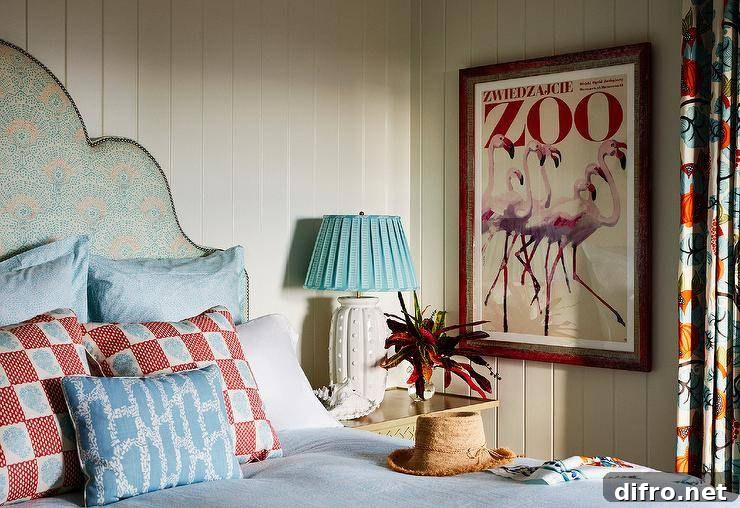
Red and blue can be bold and dramatic when balanced correctly. A deep red paired with light blue creates contrast and warmth; bright red with vivid blue produces a playful, energetic space. Use red accents—textiles, art, or small furniture pieces—to add vibrancy without overpowering the room.
Yellow
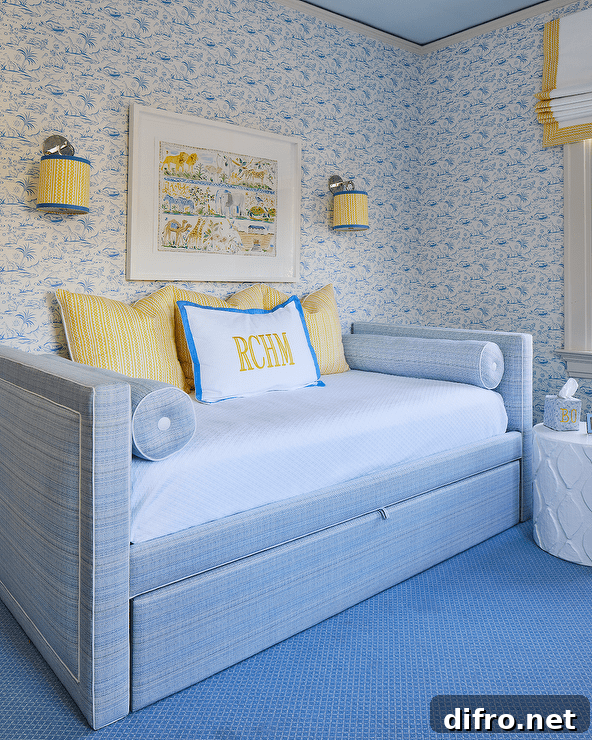
Yellow brings sunny warmth to blue palettes. Pale buttery yellows soften light blues for a cheerful, welcoming space, while deep gold pairs luxuriously with royal blue. Use yellow strategically as an accent or through lighting and textiles to uplift a blue-dominant room.
White
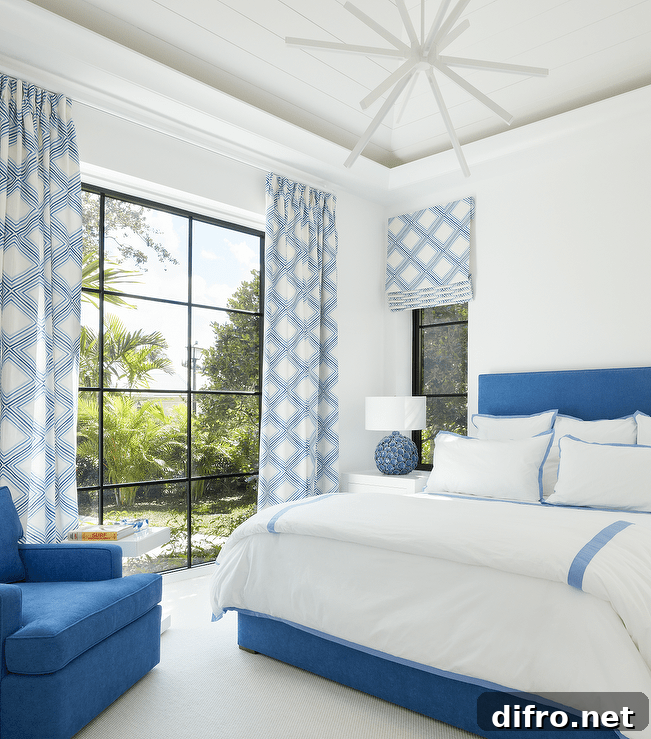
White and blue is a timeless combination that reads crisp and clean, ideal for coastal and contemporary interiors. Use white as a backdrop—trim, ceilings, or larger furnishings—and layer blue accents to avoid a sterile feel. The balance between white and blue will determine whether the room feels bright and airy or cozy and intimate.
Practical Tips for Mixing Colors with Blue
- Decide on a dominant blue tone first (navy, sky, teal) and plan secondary and accent colors around it.
- Use the 60-30-10 rule to balance color distribution and avoid visual clutter.
- Vary textures and finishes—matte paint, gloss, textiles, and natural fibers—to add depth without adding more colors.
- Test colors in the room’s lighting before committing to paint or large furniture purchases.
Frequently Asked Questions (FAQs)
What are popular shades of blue for decorating?
Common choices include navy, baby blue, sky blue, turquoise, and royal blue. Choose a shade based on lighting, desired mood, and the room’s purpose.
Is blue good for creating a calming room?
Yes—lighter blues like sky or baby blue promote calm and relaxation, making them great for bedrooms and serene living spaces.
How can I introduce blue into a neutral scheme?
Add blue through textiles, artwork, throw pillows, or an accent wall. Consider introducing small furniture pieces or accessories in varying blue tones for cohesion.
Can I mix different blue shades in one room?
Absolutely. Mixing blues adds dimension—just anchor the scheme with neutrals like white, gray, or beige and vary textures to keep the space cohesive.
How do I create a coastal-themed room with blue?
Use ocean-inspired blues, natural materials like wood and woven fibers, and accents such as shells or driftwood. Keep the palette light and airy for an authentic coastal feel.
With thoughtful pairing and attention to value, saturation, and balance, blue can work with virtually any color to create moods ranging from serene and sophisticated to bold and energetic. Experiment with samples, follow the 60-30-10 rule, and prioritize texture to achieve a polished, inviting space.