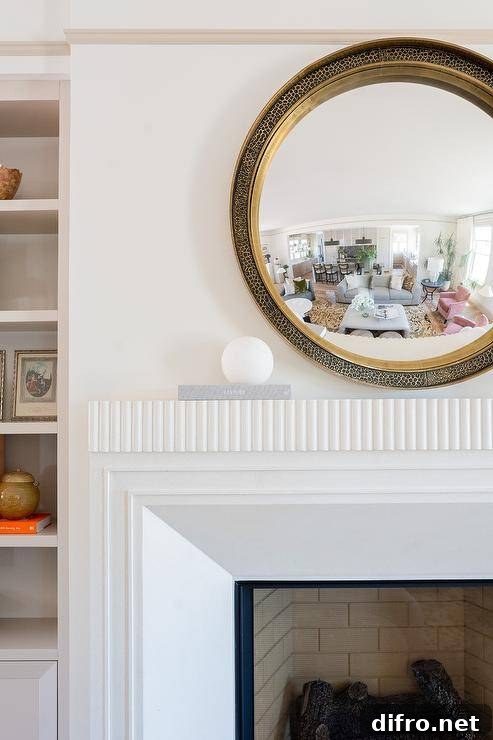
Not everyone can afford a larger home, but smart interior design can make a small space feel significantly bigger. Designers rely on a set of proven techniques—careful placement of mirrors, strategic furniture choices, and thoughtful color palettes—to create the impression of roominess without major renovations. These practical strategies help you maximize usable space, improve flow, and create a brighter, more comfortable home.
Whether you live in a compact apartment or a modest house, applying the following seven design approaches will help you create a sense of openness and air. Read on to learn practical, decorator-tested ways to make your rooms feel larger and more inviting.
1. Use Mirrors to Reflect Light and Expand Perception
Mirrors are one of the easiest and most effective tools for visually enlarging a room. By reflecting natural and artificial light, mirrors brighten a space and create the impression of added depth. Position a large mirror opposite or adjacent to a window to amplify daylight and make a room feel as if it has another window.
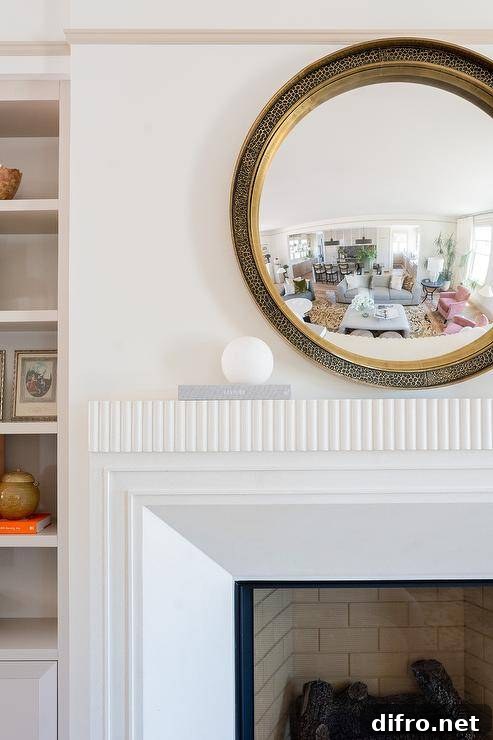
Large framed mirrors can act as decorative focal points while serving a functional purpose. Use mirrors in narrow hallways, compact living rooms, or small bathrooms to visually stretch the walls and trick the eye into seeing a larger area.
2. Opt for Multi-Functional Furniture
Furniture that serves more than one purpose is essential in smaller homes. Sofa beds, expandable tables, storage ottomans, and bench seats with hidden compartments help you get more use from each item. For example, a sofa bed functions as seating during the day and a guest bed at night, while an ottoman provides seating and concealed storage.
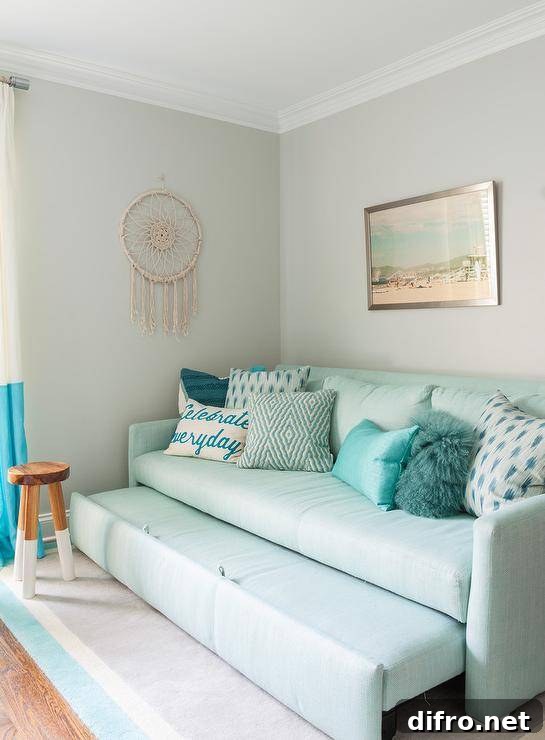
Choose pieces that collapse, tuck away, or expand when needed. This approach reduces clutter, increases flexibility, and frees floor area so the room feels lighter and more open.
3. Embrace Vertical Space
When floor area is limited, vertical space becomes invaluable. Install tall bookshelves, floating shelves, and wall-mounted hooks to move storage upward and keep surfaces clear. Tall storage units draw the eye up and make ceilings feel higher, delivering an immediate sense of increased volume.
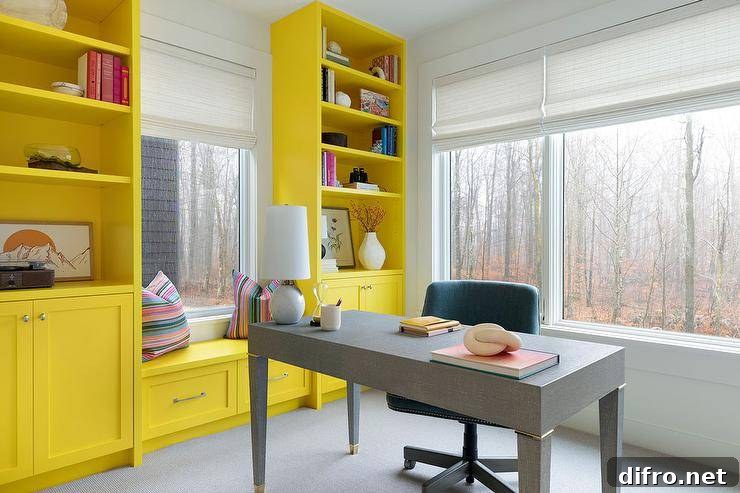
Use floating shelves for decor and everyday items, pegboards for kitchen tools or craft supplies, and vertical cabinets to keep floors clear. These choices increase storage capacity while preserving open floor plans and tidy sightlines.
4. Choose Light and Neutral Colors
Color has a powerful effect on the perceived size of a room. Light, neutral tones—whites, soft beiges, warm grays, and pale pastels—reflect more light and make spaces feel brighter and airier. Using a consistent light color on walls throughout connected rooms creates a seamless flow that visually enlarges the overall area.
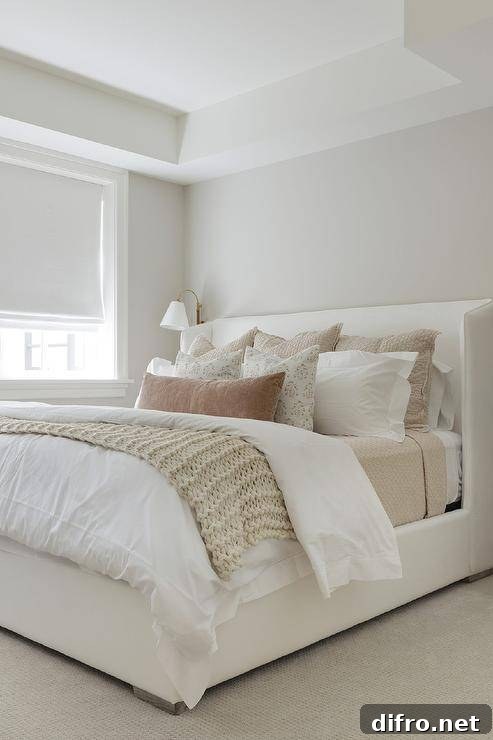
Combine light walls with similarly toned furniture and textiles to reinforce the sense of openness. Small pops of color can add personality without breaking the visual continuity that expands a room.
5. Keep It Minimal and Clutter-Free
Clutter shrinks any space. A minimalist approach—keeping only what you need and storing the rest out of sight—instantly makes rooms feel larger and calmer. Regularly edit belongings, use discreet storage solutions like baskets and boxes, and choose furniture with clean lines to avoid visual chaos.
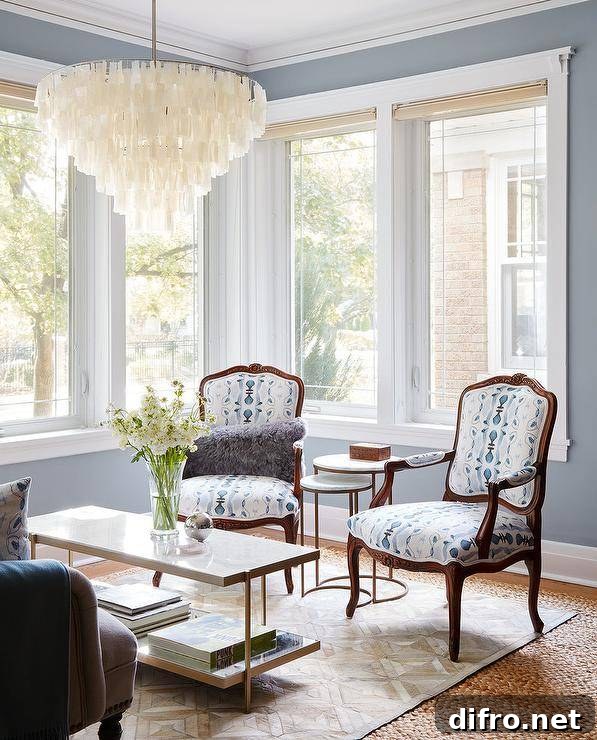
Opt for furniture and decor that support an uncluttered look: narrow console tables, wall-mounted lighting, and selective accessories that add interest without overwhelming the space.
6. Use Large-Scale Art and Rugs to Define Space
Large artwork and oversized rugs can create a sense of scale that makes a room feel bigger. A single statement piece draws attention and sets a visual anchor, while an appropriately sized rug defines seating zones and adds depth. These elements create focal points that enhance the perception of volume rather than emphasizing tight quarters.
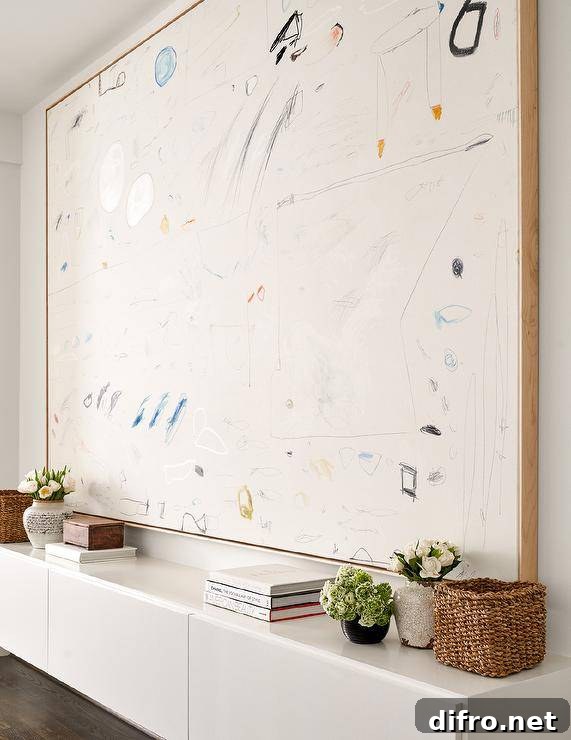
Balance large pieces with uncluttered surroundings so the room feels curated and spacious instead of crowded.
7. Incorporate Open and Transparent Furniture
Furniture with open frames, exposed legs, or transparent materials helps maintain visual flow. Glass or acrylic tables, slim-legged chairs, and open shelving let light pass through and reduce visual boundaries, making areas feel less dense and more expansive.
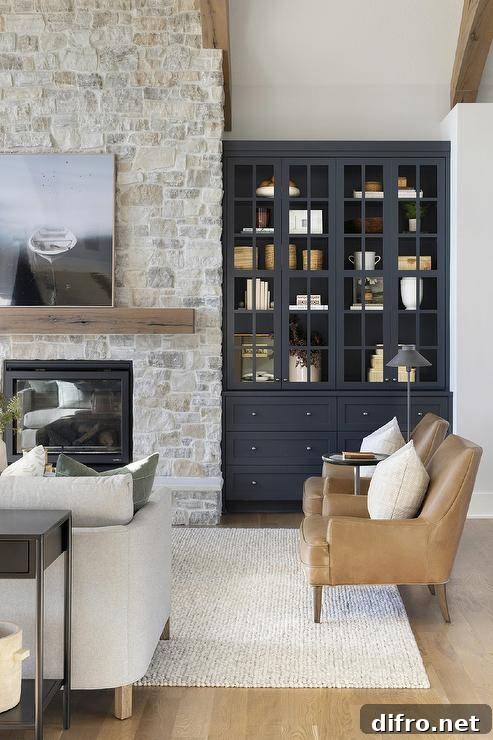
Select furniture that preserves sightlines and keeps the room feeling open. These choices enhance modern styling while improving the sense of air and continuity.
Related Articles
- Transform Your Space with a Rustic Small Farmhouse Kitchen
- Tips for How to Make a Small Room Look Bigger
- Small Walk-In Pantry Ideas to Maximize Your Space and Style
Applying these seven designer strategies—mirrors, multifunctional furniture, vertical storage, light colors, minimalism, large-scale accents, and transparent pieces—will help any small home feel brighter, more open, and more functional. Thoughtful choices and smart organization let you enjoy a comfortable, stylish space that looks and lives larger than its square footage.
Want regular design inspiration? Subscribe to a newsletter for decor ideas, room solutions, and trend updates to help you turn your house into the home you love.