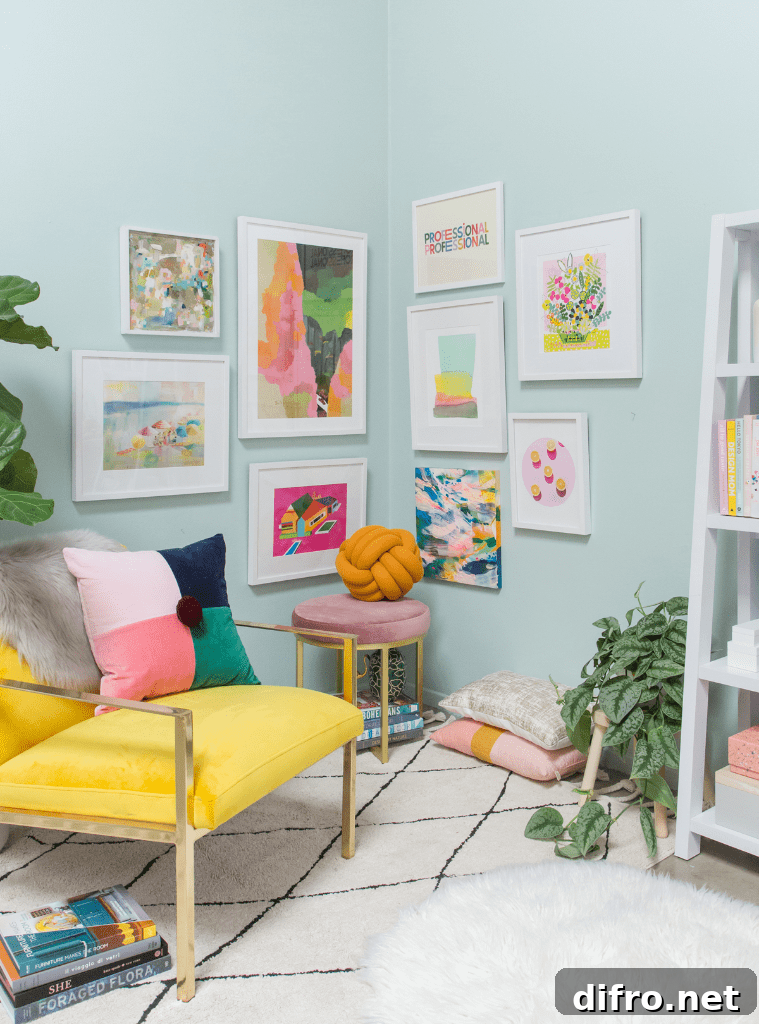
A well-composed gallery wall can transform any room, adding personality, color and visual interest. Yet building a gallery that feels intentional — not cluttered or mismatched — takes a little planning. There are no one-size-fits-all rules for frame selection or layout, but avoiding common mistakes will help you create a cohesive display that complements your interior. Below are practical tips to help you curate gallery walls that look polished, balanced and true to your home’s style.
Not matching your style
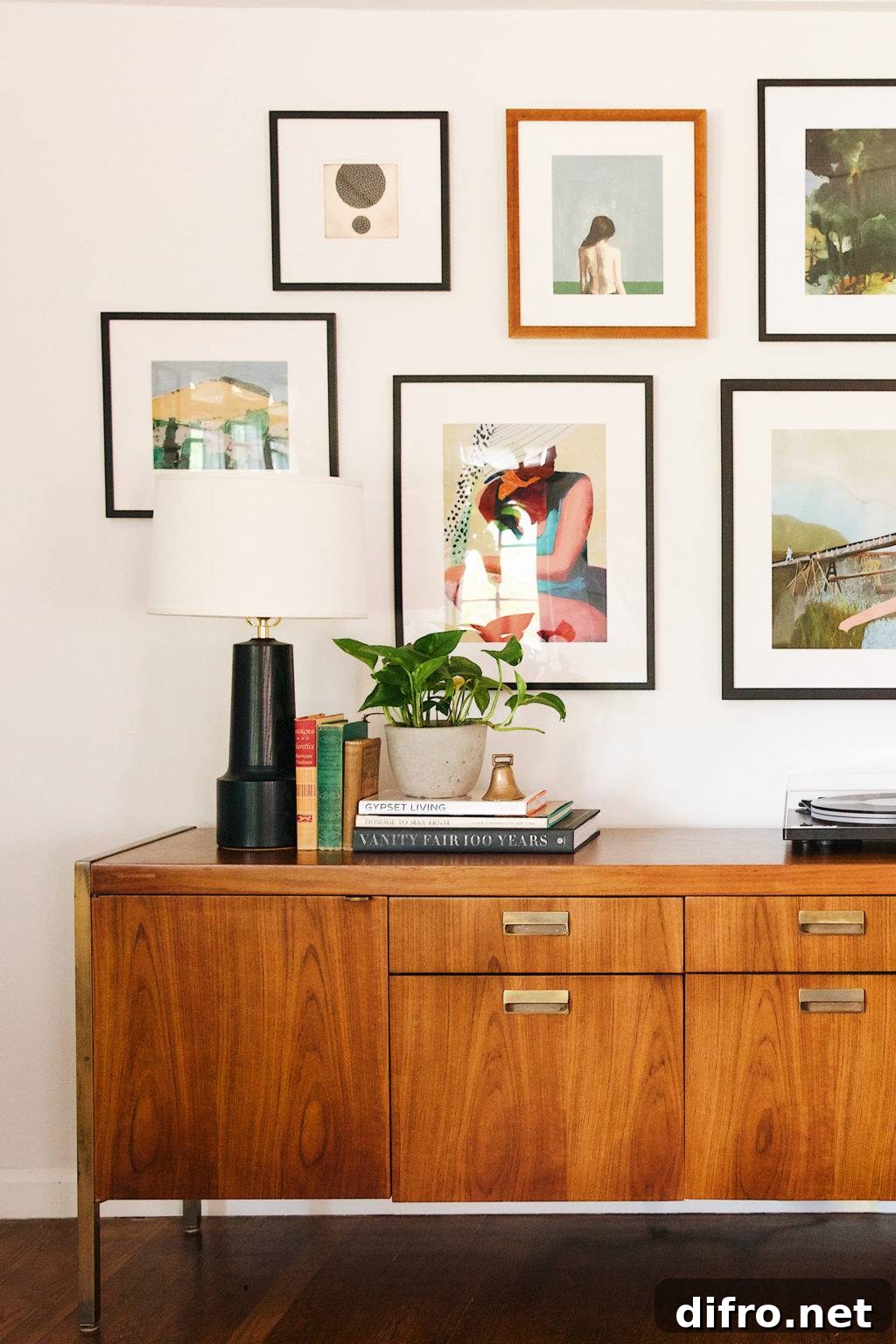
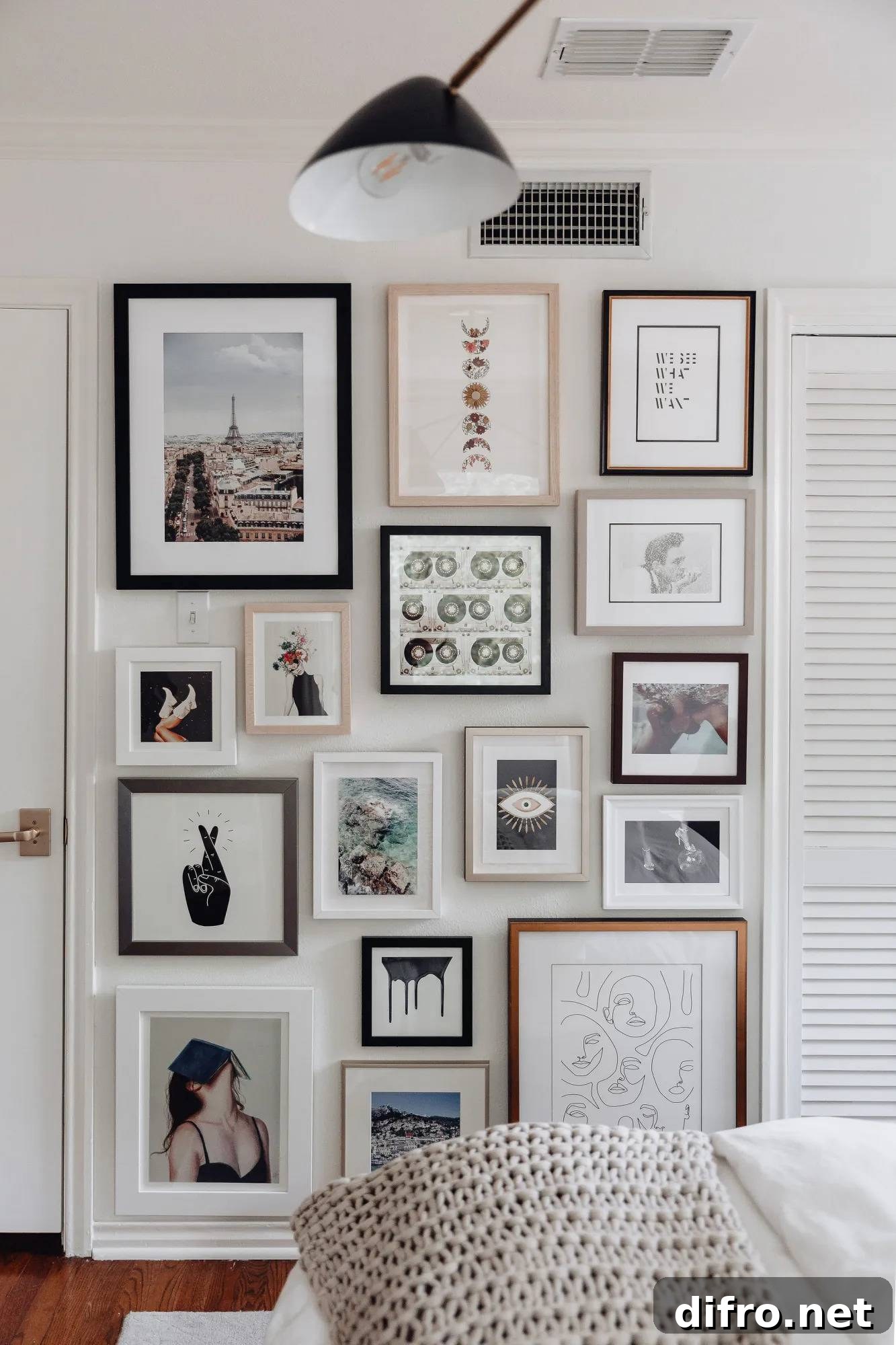
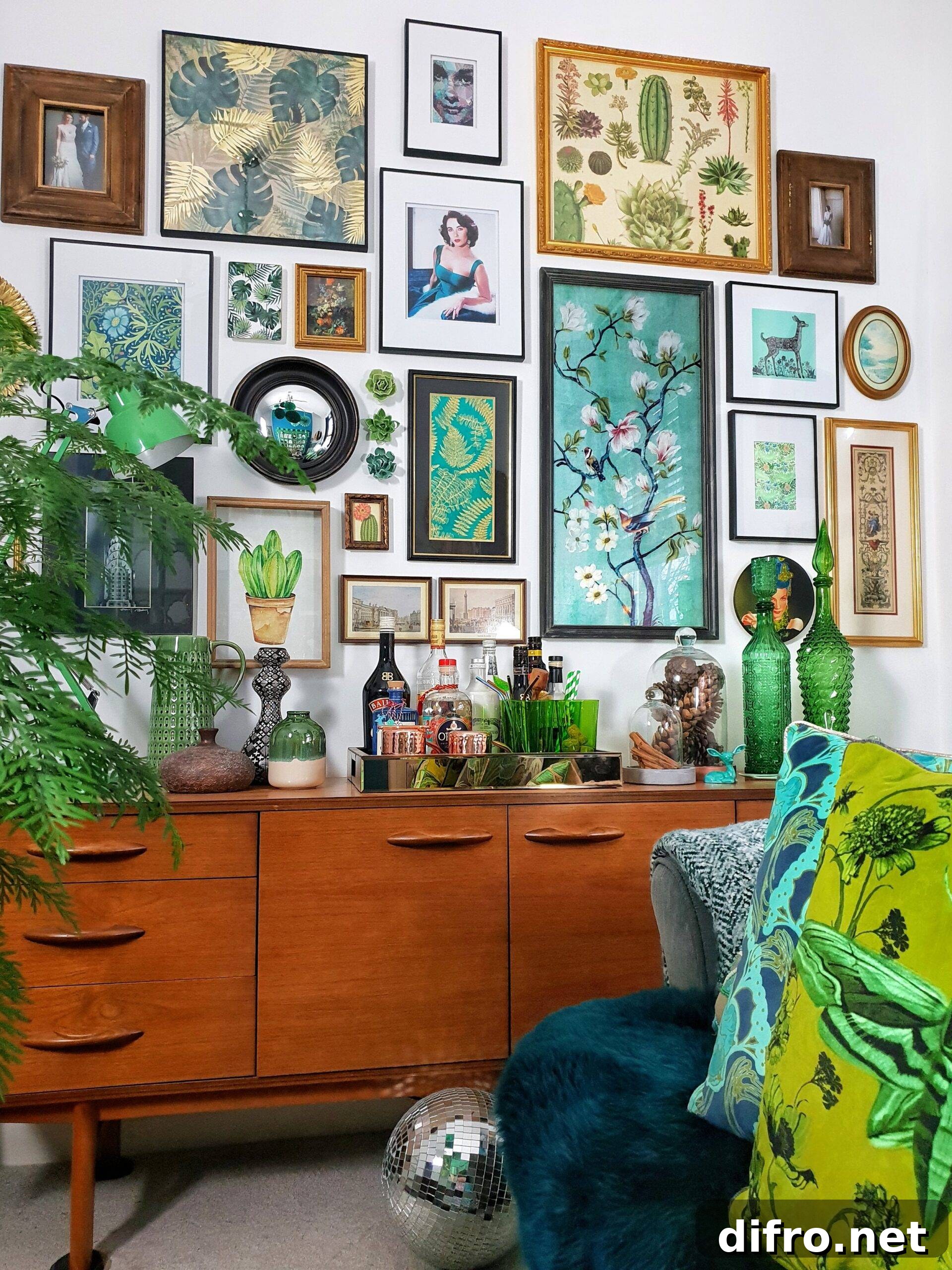
The most important consideration when planning a gallery wall is consistency with your overall interior style. Ornate, gilded frames can look out of place in a stripped-back, minimalist living room, while ultra-simple frames may feel underwhelming in a richly textured, vintage-inspired space. If you love contrast, a carefully chosen mix of frame styles can work—but keep an underlying element consistent, such as color, material or frame thickness, to maintain visual harmony. Choose frames that support the room’s mood rather than competing with it.
Not planning the layout
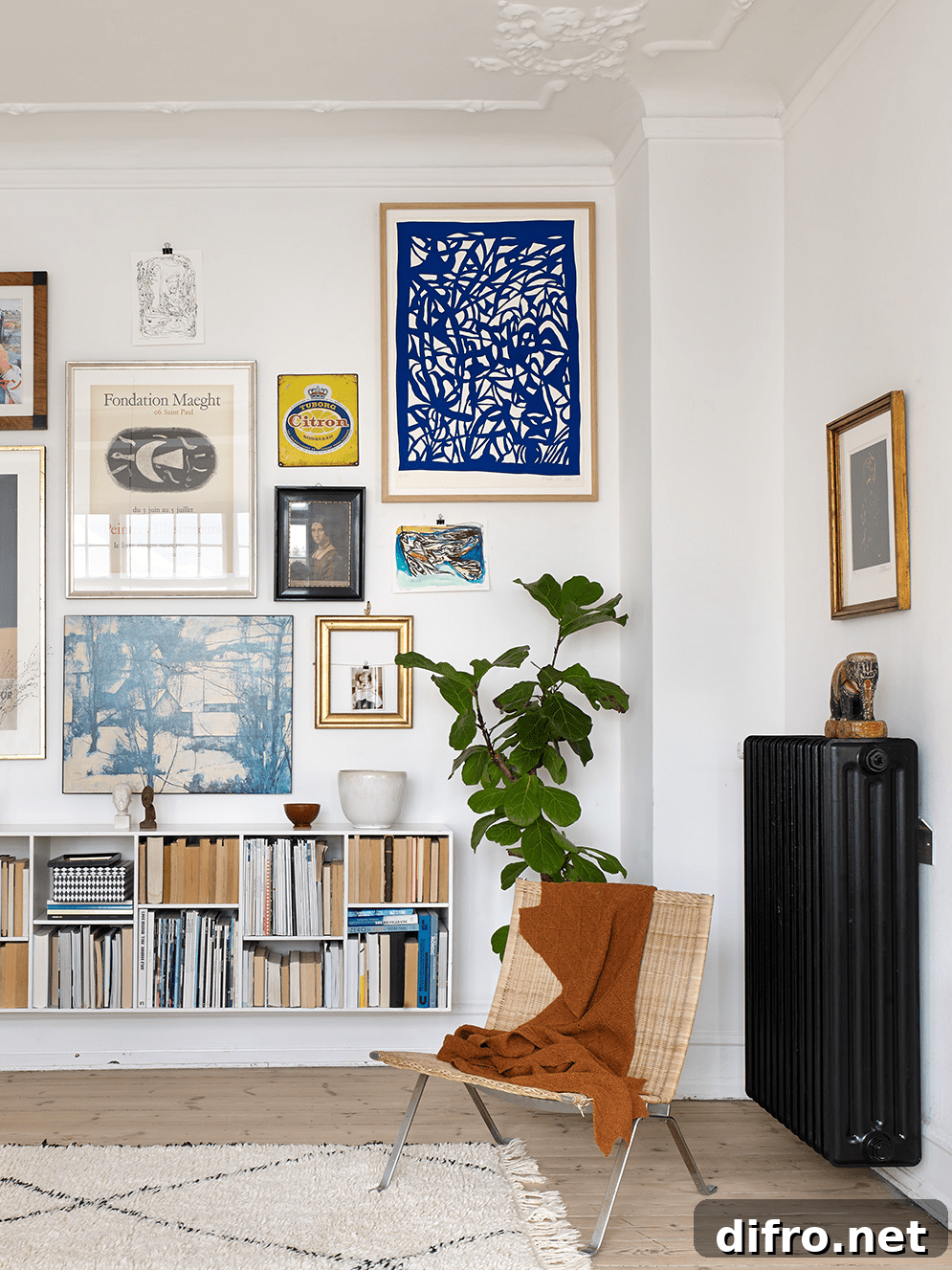
Choosing frames and artwork is just the start; the arrangement defines the final look. Before hammering nails into the wall, measure your wall space to determine the ideal size of the gallery and experiment with layouts on the floor. Lay frames out together, step back and tweak spacing, alignment and scale until the composition feels balanced. Another effective approach is to trace frames on kraft paper and tape the cutouts to the wall to preview the arrangement. Proper planning reduces mistakes and saves time when you start hanging.
Not adding meaningful pieces
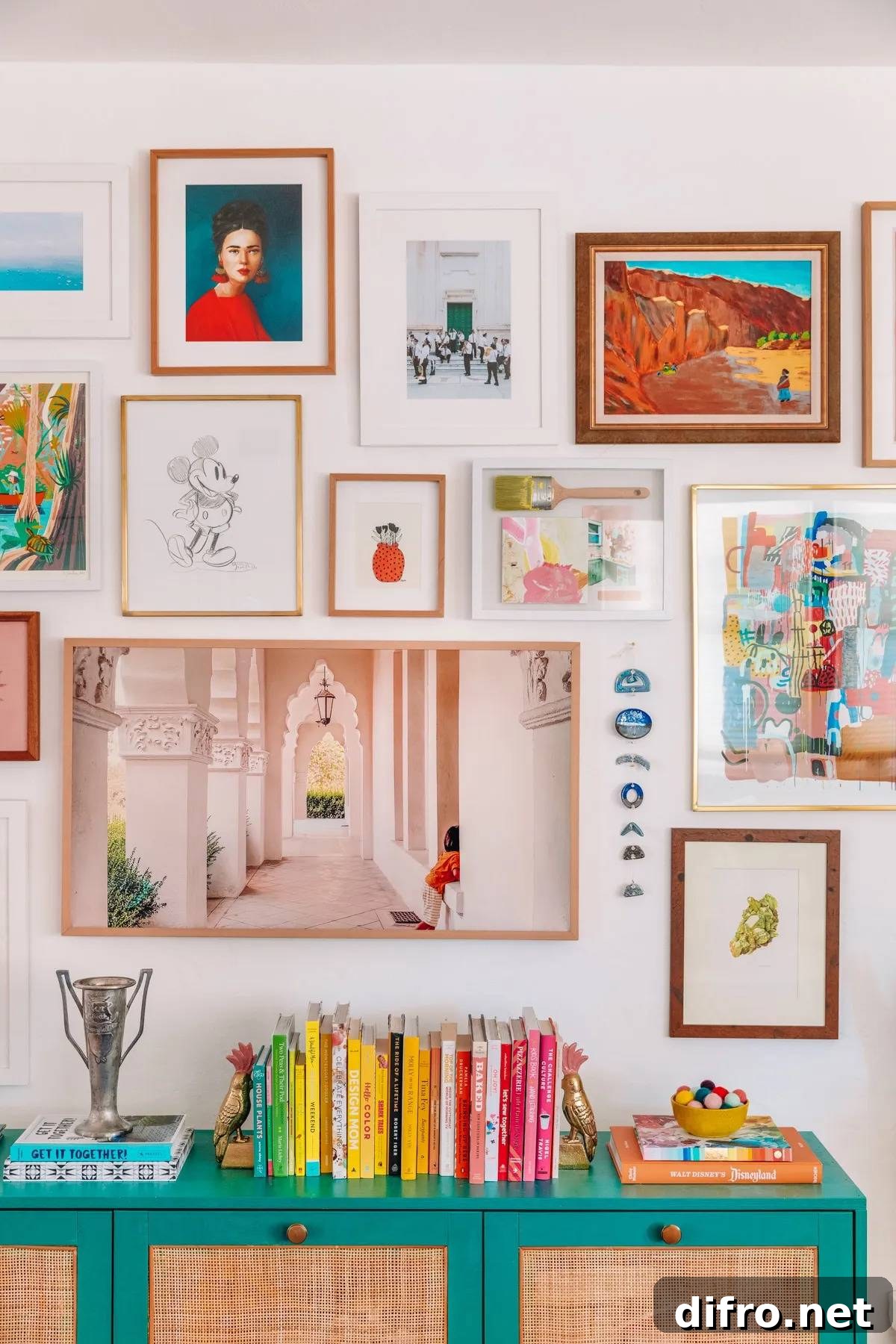
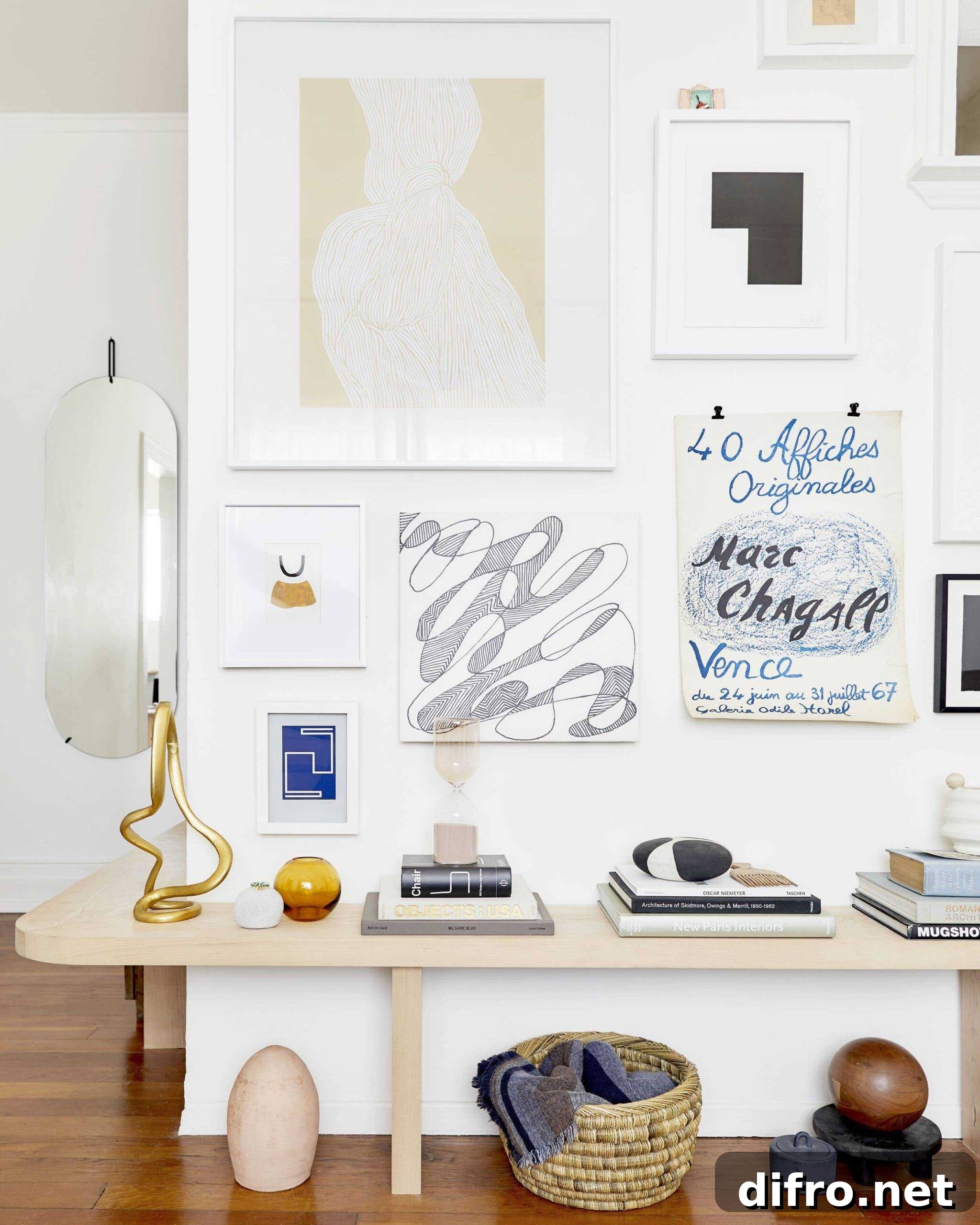
Gallery walls are most memorable when they include artwork and objects with personal or emotional value. Instead of filling the wall with generic prints, mix in photographs, travel mementos, original drawings or DIY pieces. Shadow boxes with small souvenirs, framed postcards, or a hand-painted print add narrative and personality. Curating items that tell a story will make the gallery feel lived-in and uniquely yours, while still allowing room for carefully chosen neutral or professional pieces for balance.
Too much blank space
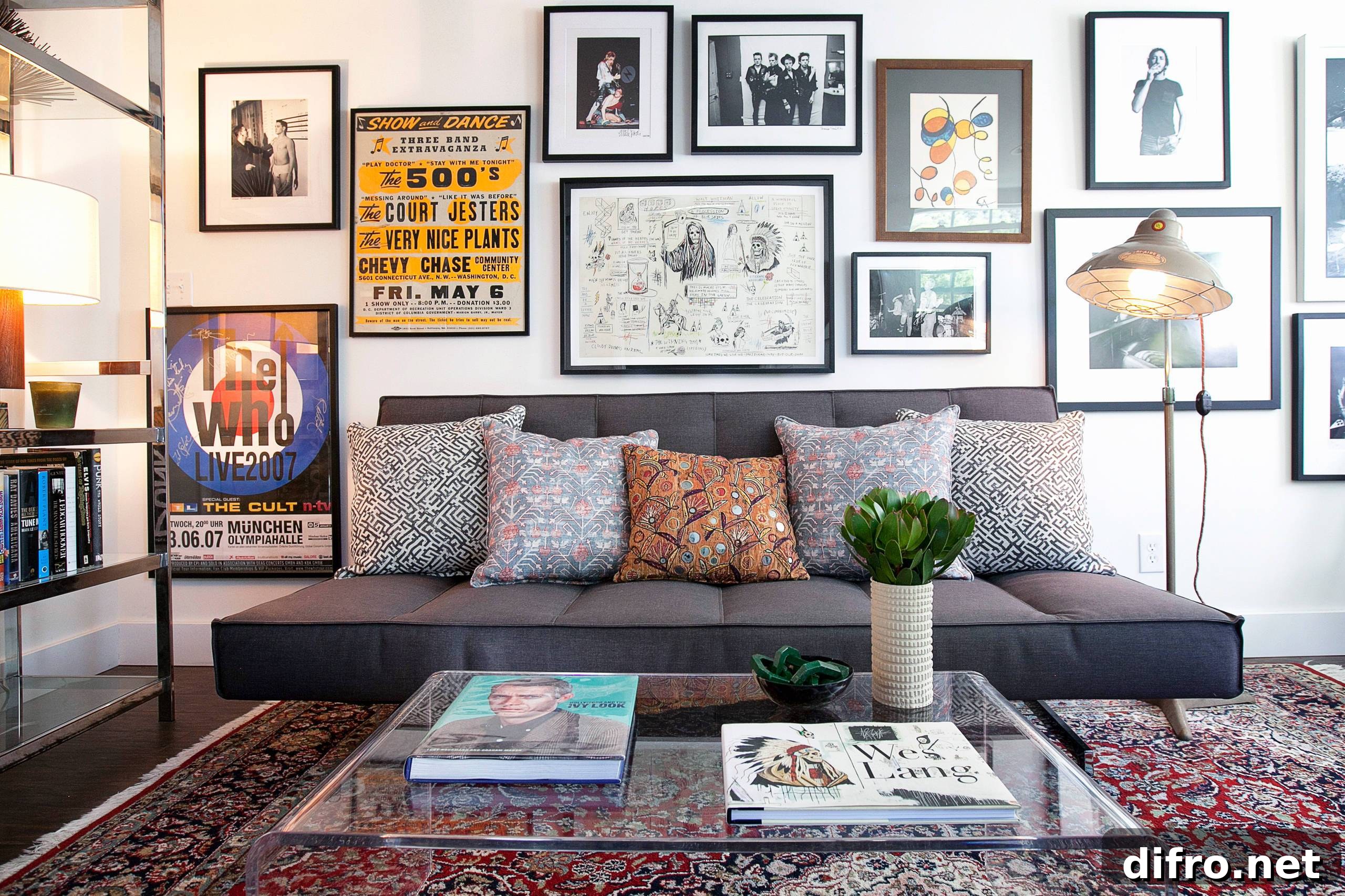
Negative space around artwork helps each piece breathe, but too much separation can make a gallery look disjointed. A consistent gap between frames—commonly around three inches—is a good starting point for most rooms and helps unify the overall composition. For tighter, more intimate installations, reduce spacing slightly; for very large pieces, allow a bit more room so each work can command attention. Whatever gap you choose, keep it consistent across the layout to preserve cohesion.
Not minding the design rules
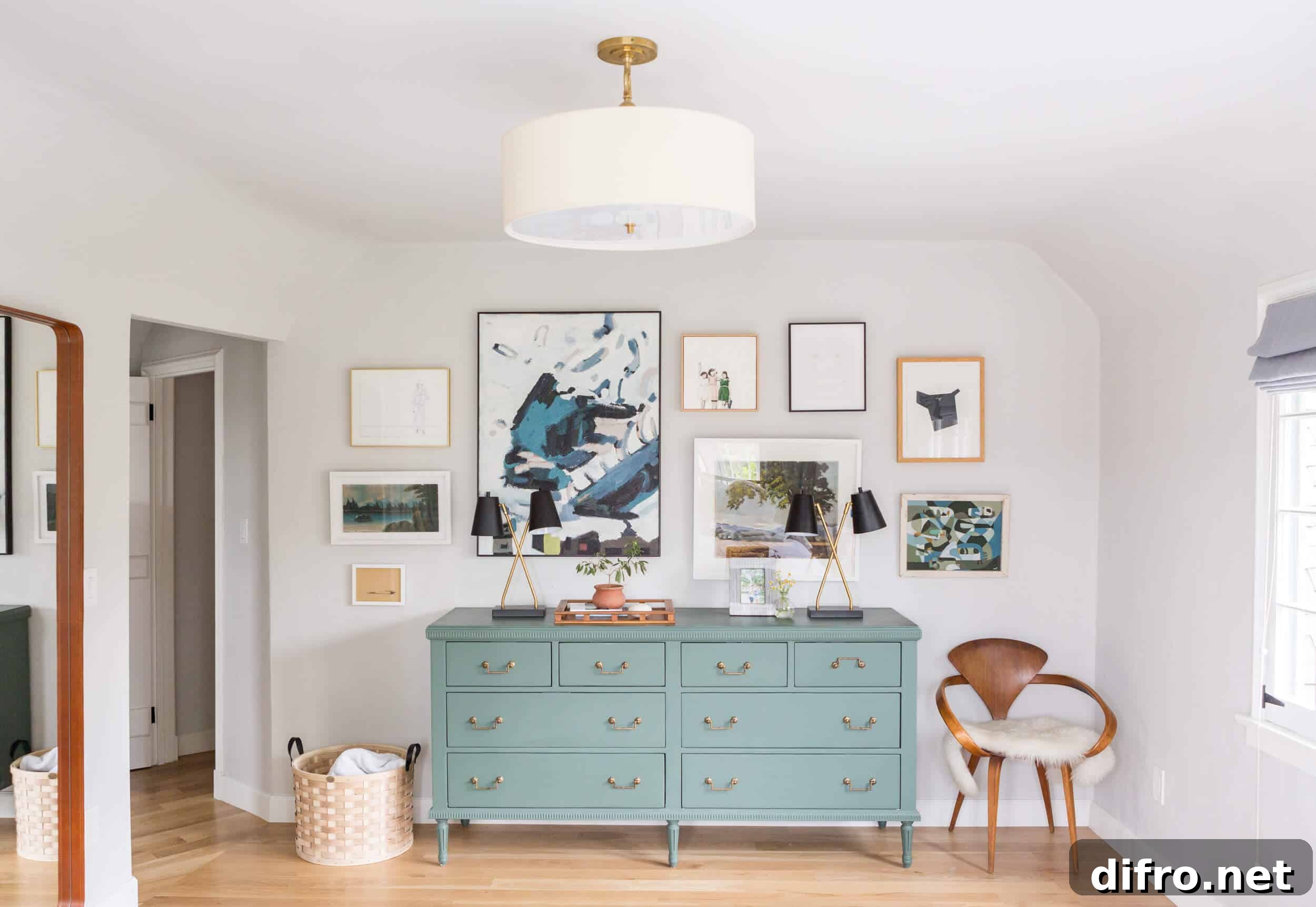
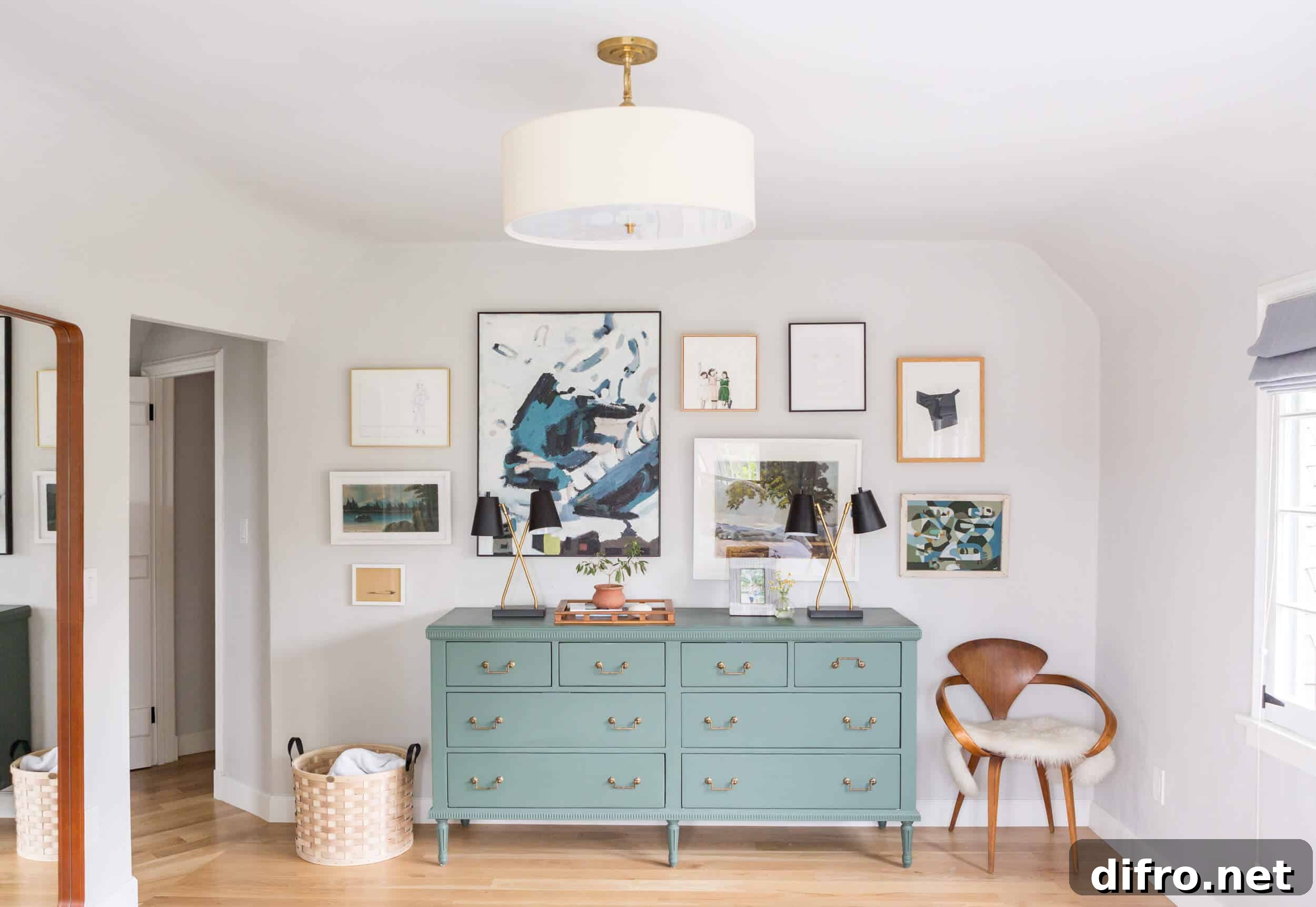
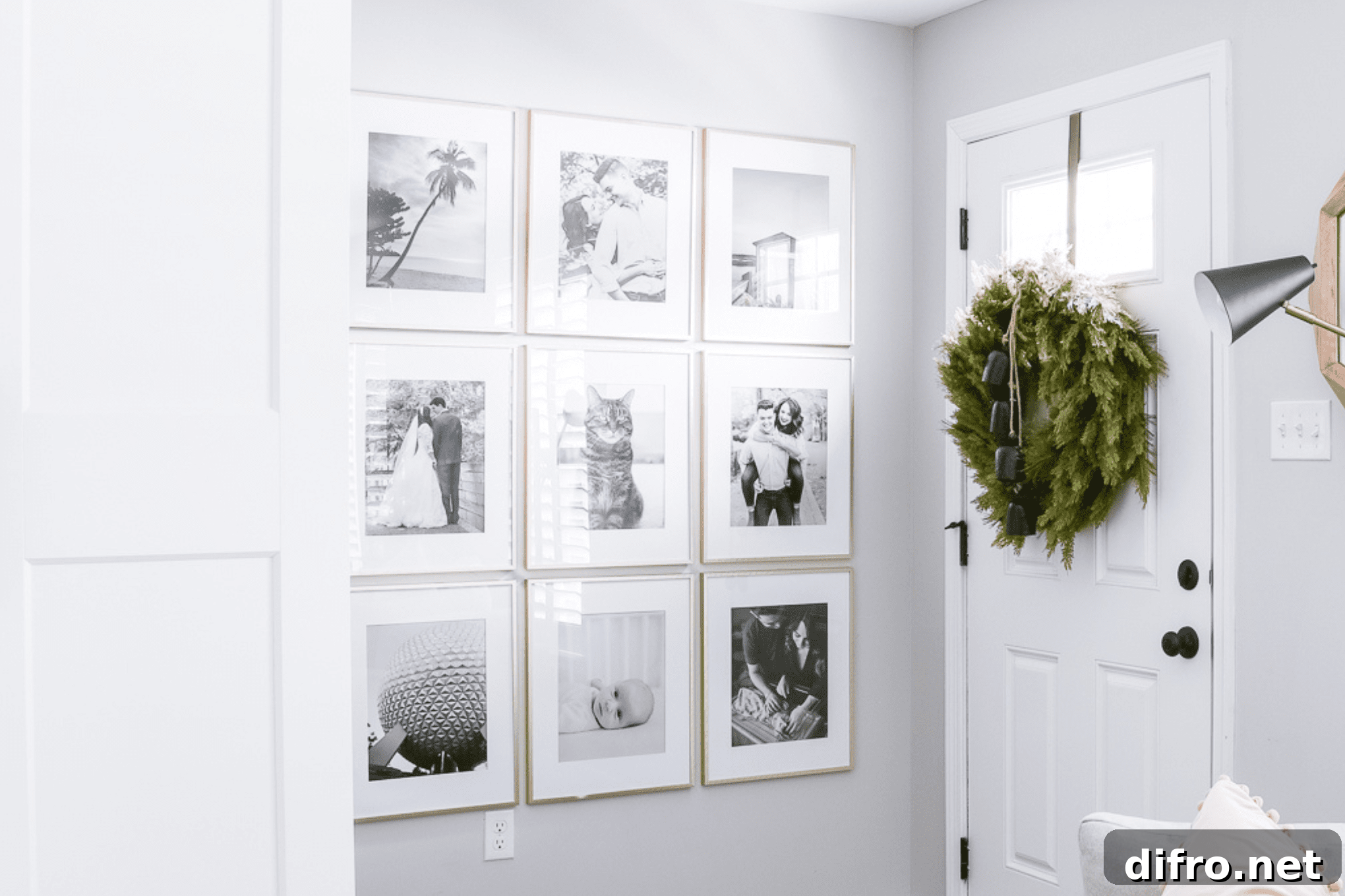
While creativity is encouraged, a few design fundamentals will keep your gallery wall looking intentional. Aim to position the center of the arrangement at roughly eye level—usually around 57 to 60 inches from the floor—so the display reads naturally. When placing a gallery above furniture, maintain a gap of about 10 to 12 inches between the top of the furniture and the bottom of the frames, and center the gallery horizontally over the piece to achieve balance. Consider scale, proportion and color rhythm across the grouping to maintain a pleasing flow.