Adamant Hospital on the River in Paris: A Calm, Human-Centered Psychiatric Facility
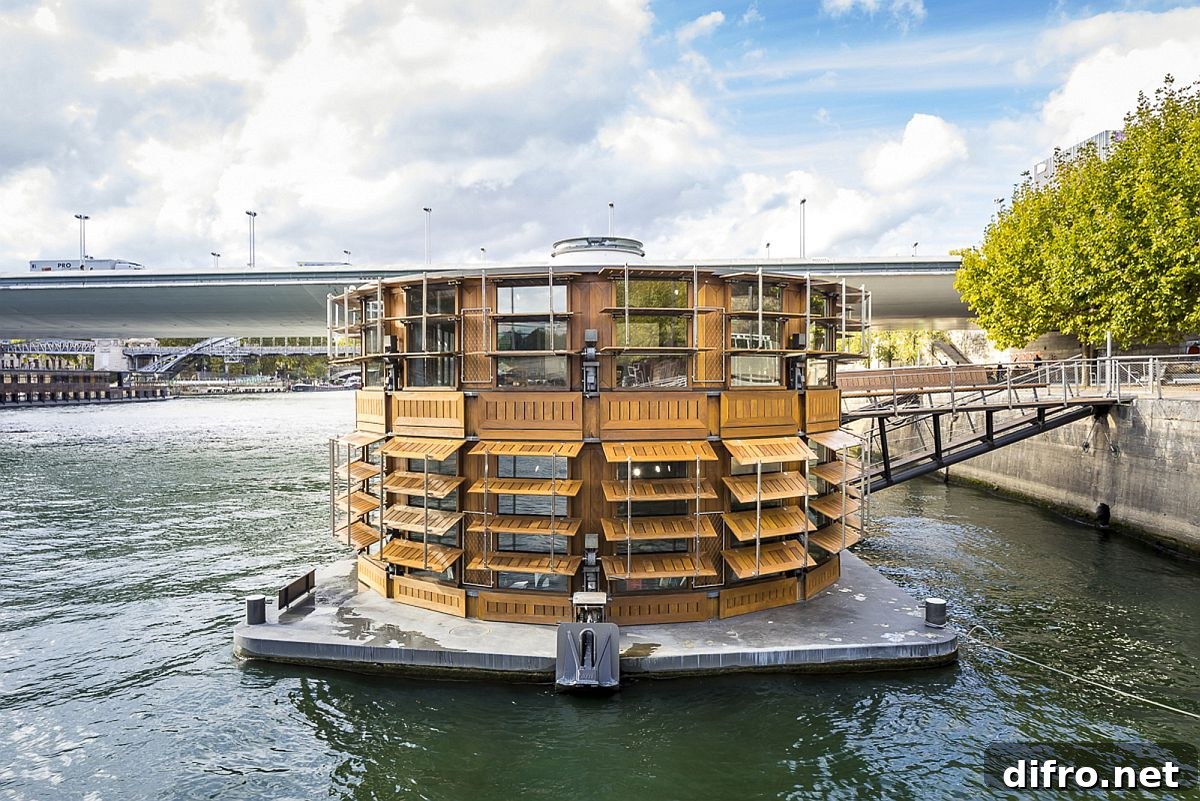
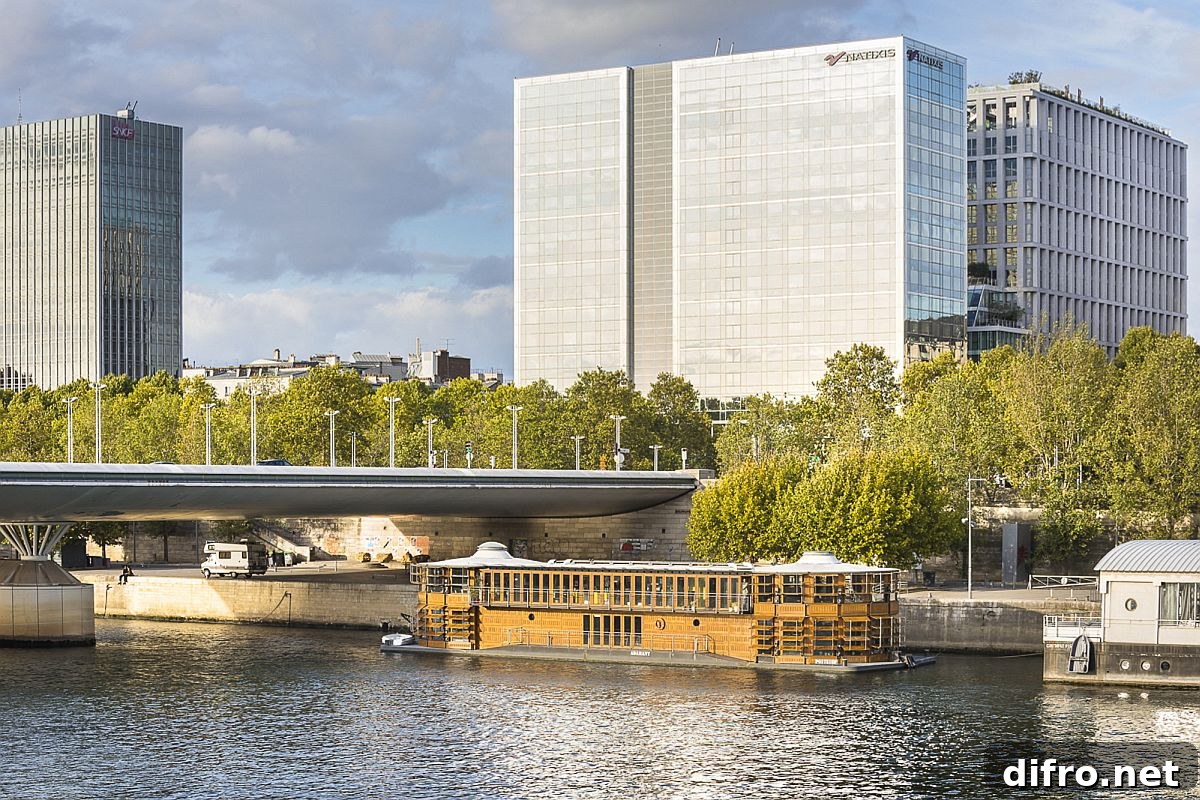
At first glance the Adamant Hospital in Paris hardly looks like a conventional hospital. Its round form, warm timber exterior and riverside location give it the relaxed presence of a small hotel or retreat, offering expansive views across the water and toward the city. That welcoming, non-institutional appearance is deliberate: the design team at Seine Design envisioned a therapeutic environment that feels safe, calming and humane while remaining firmly anchored to the riverbed.
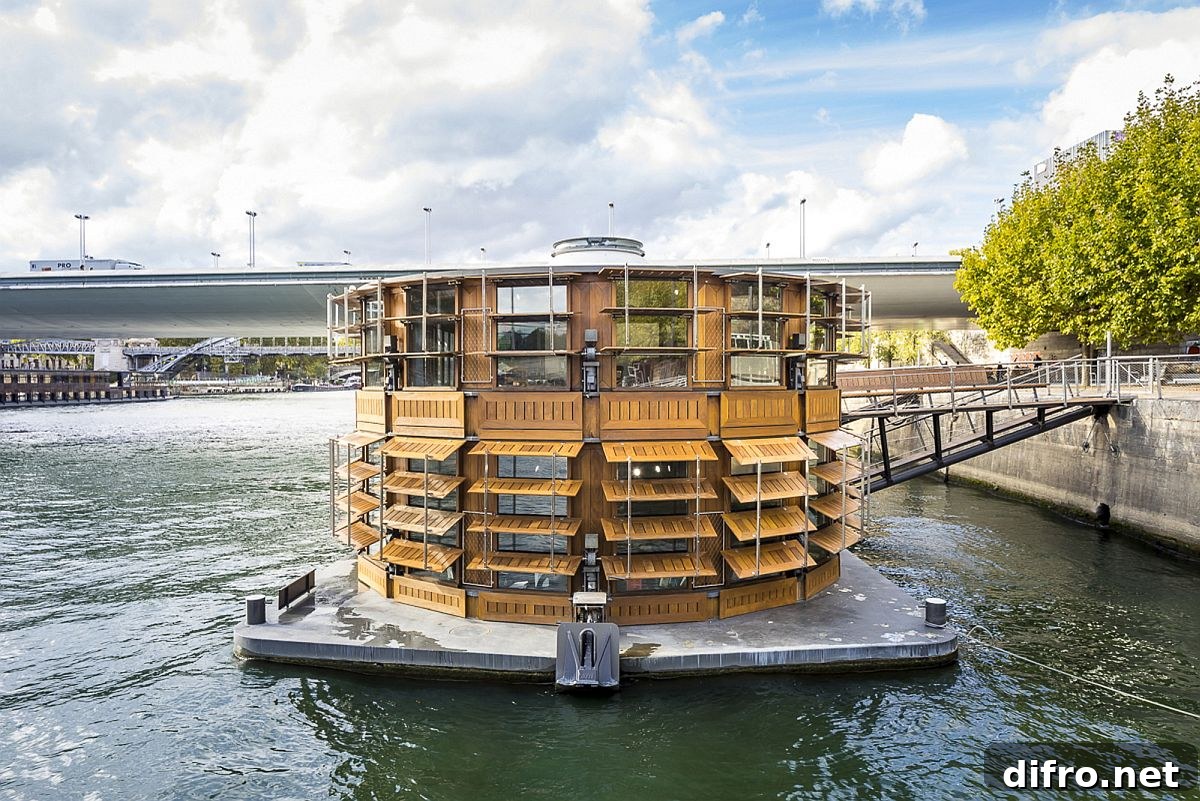
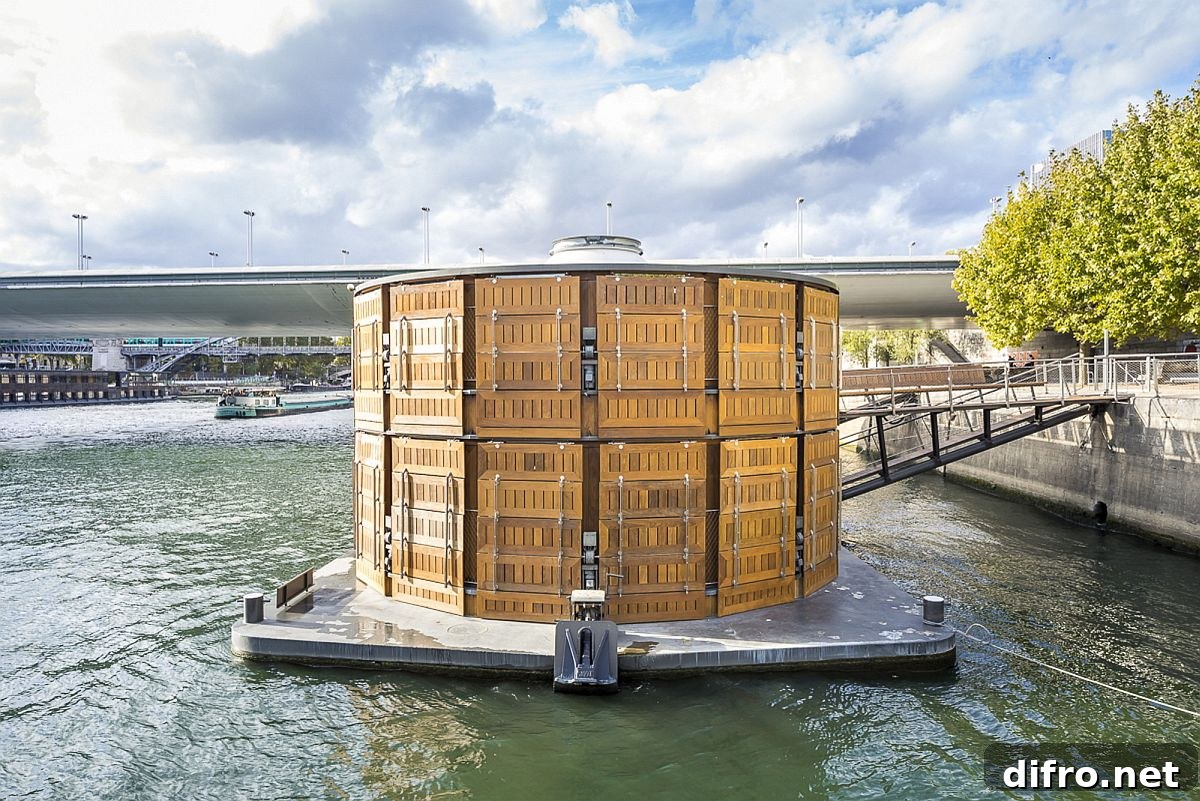
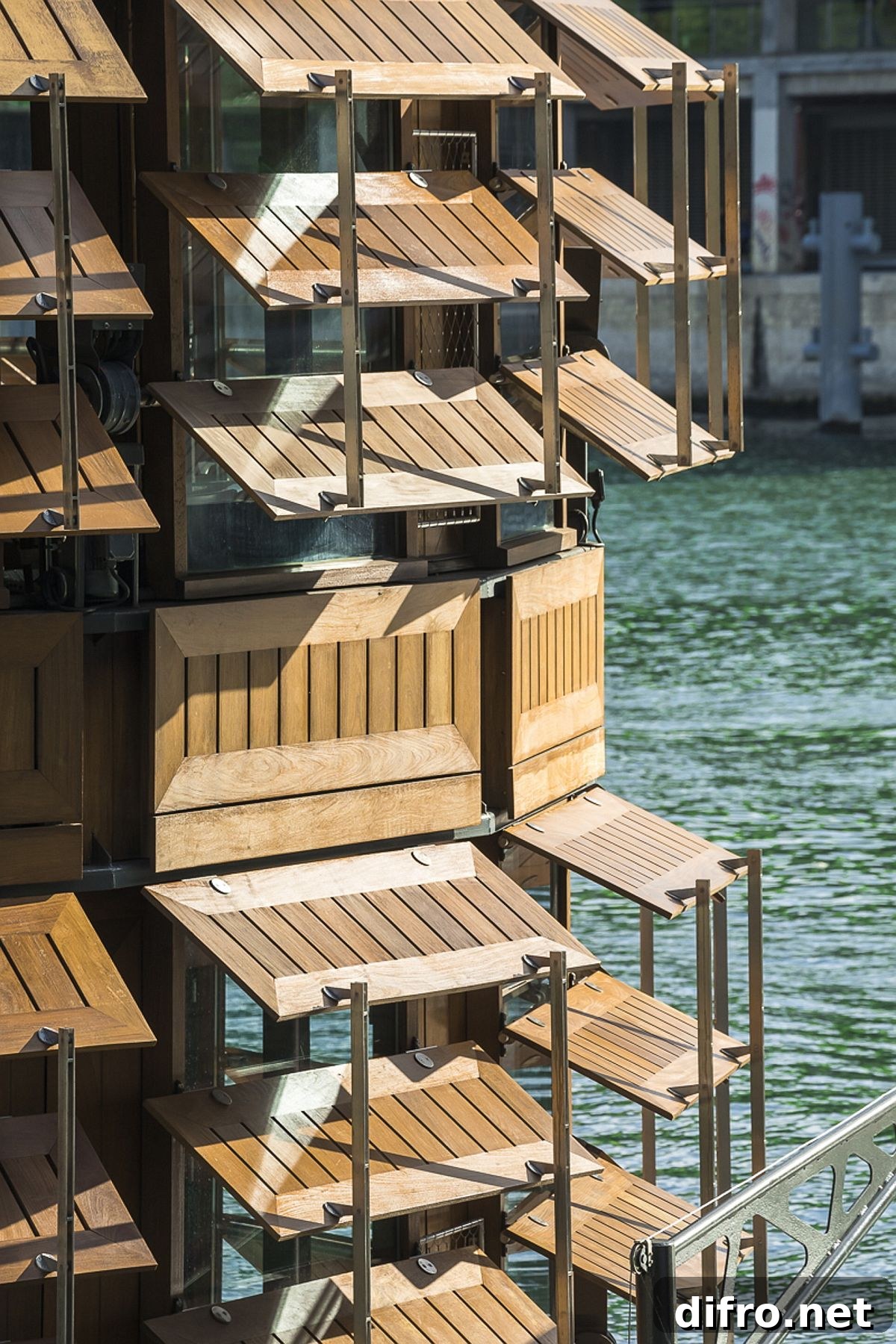
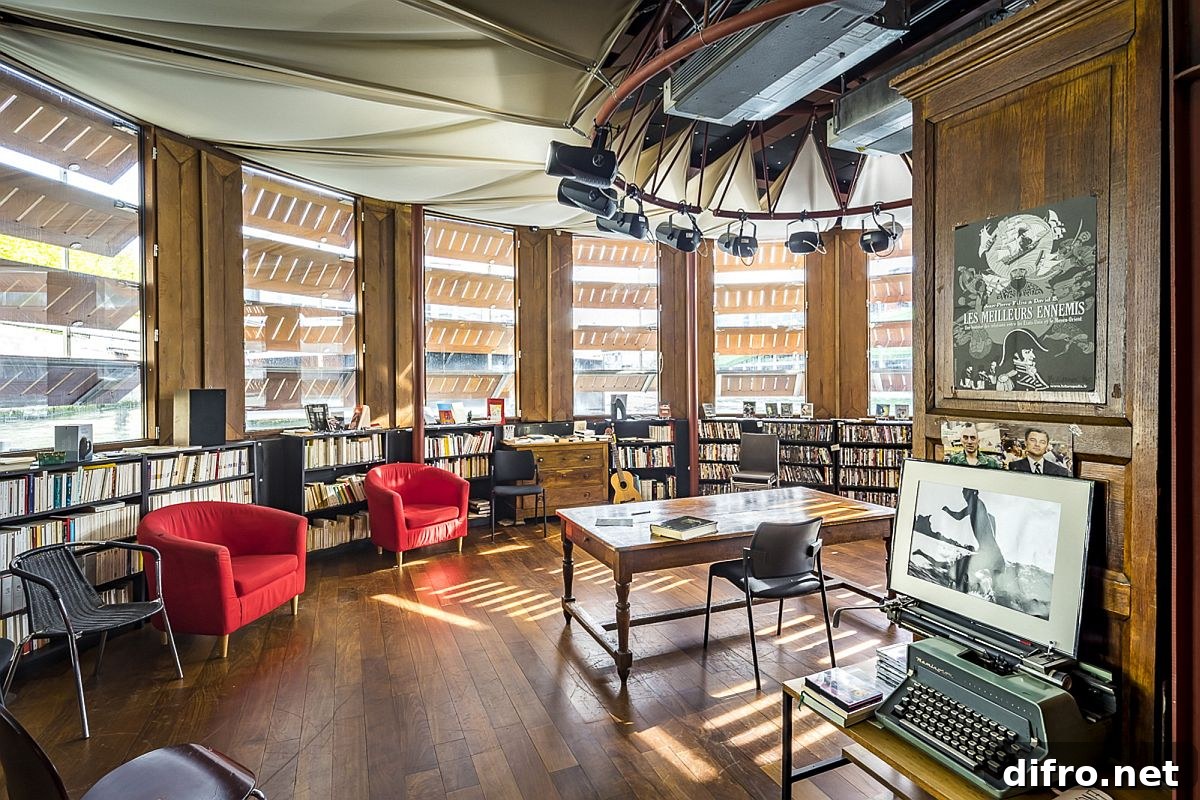
Despite its proximity to the water, the hospital feels secure and grounded. A steel structural frame works in concert with natural materials—predominantly wood—to create a resilient yet inviting shell. Wooden shutters and screens are key to the building’s character: they can be opened or closed to control daylight, views and privacy, producing a gentle interplay of light and shadow across warm wooden floors. This flexible envelope helps tailor each space to different needs, supporting rest, activity and social interaction as required.
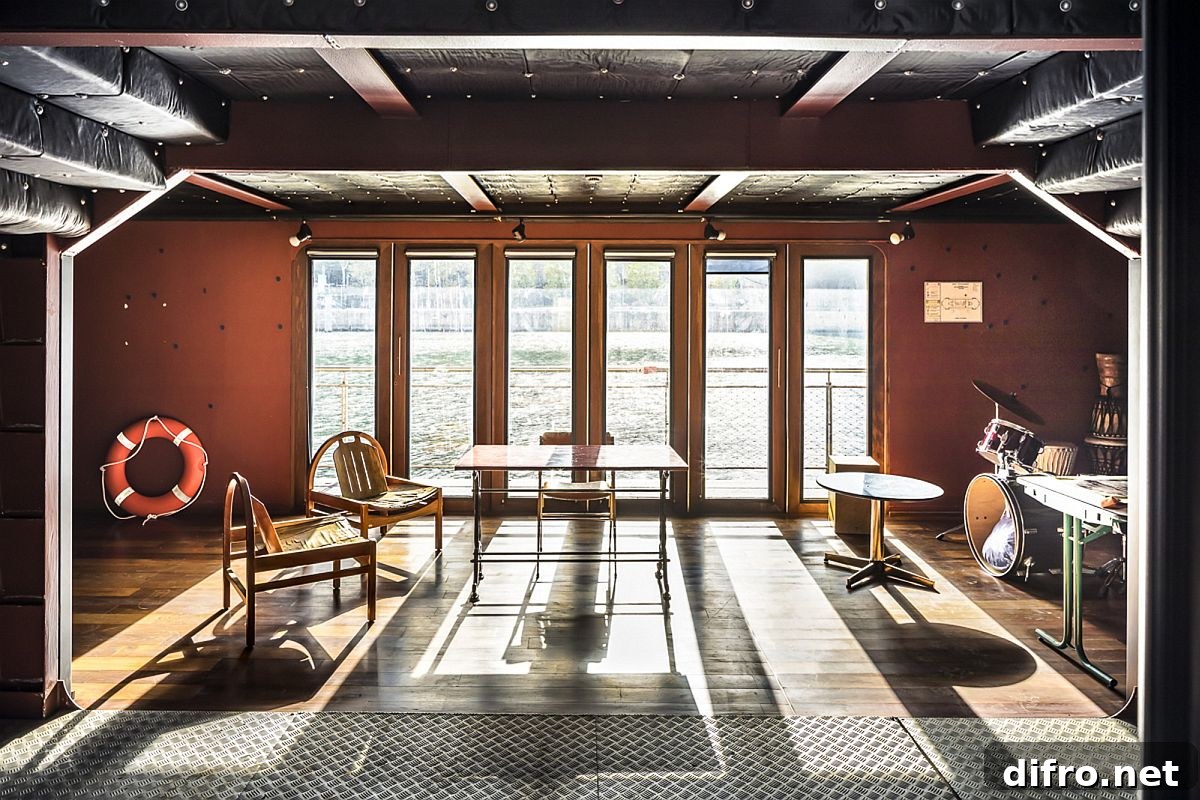
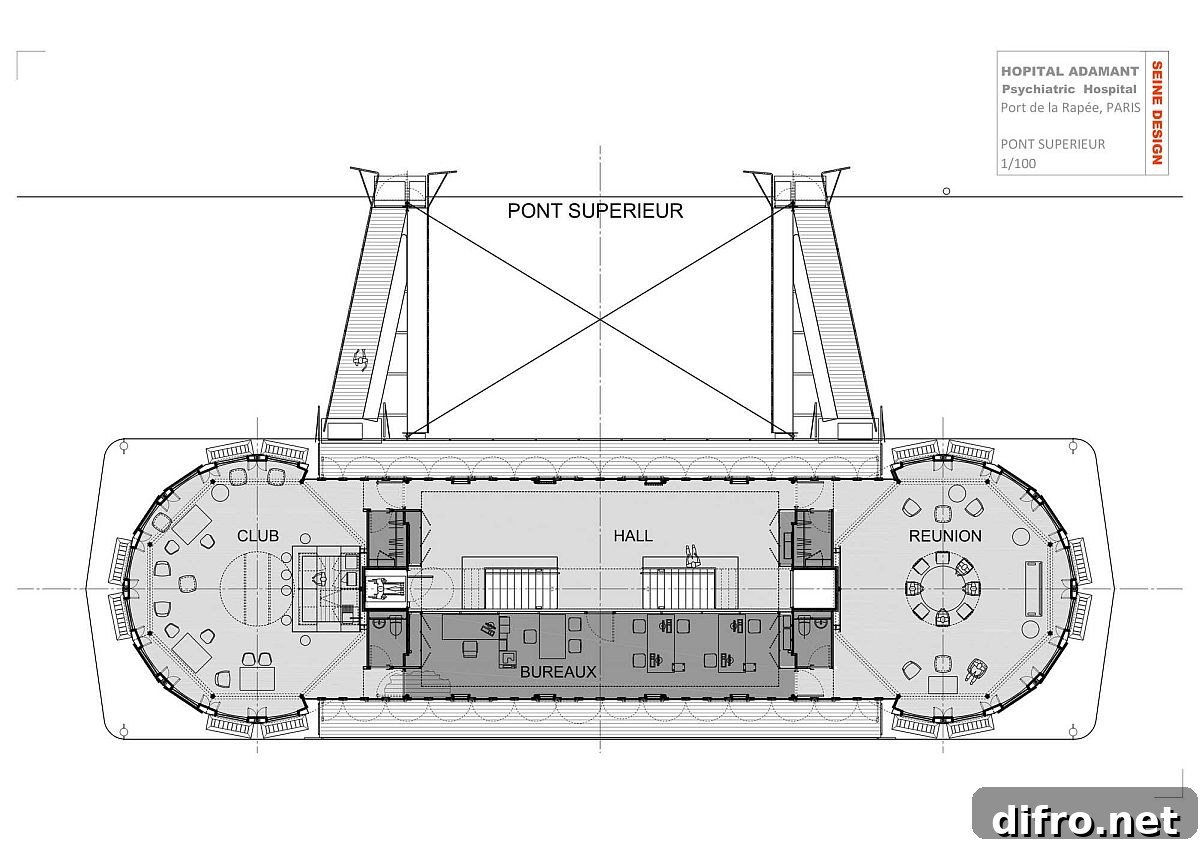
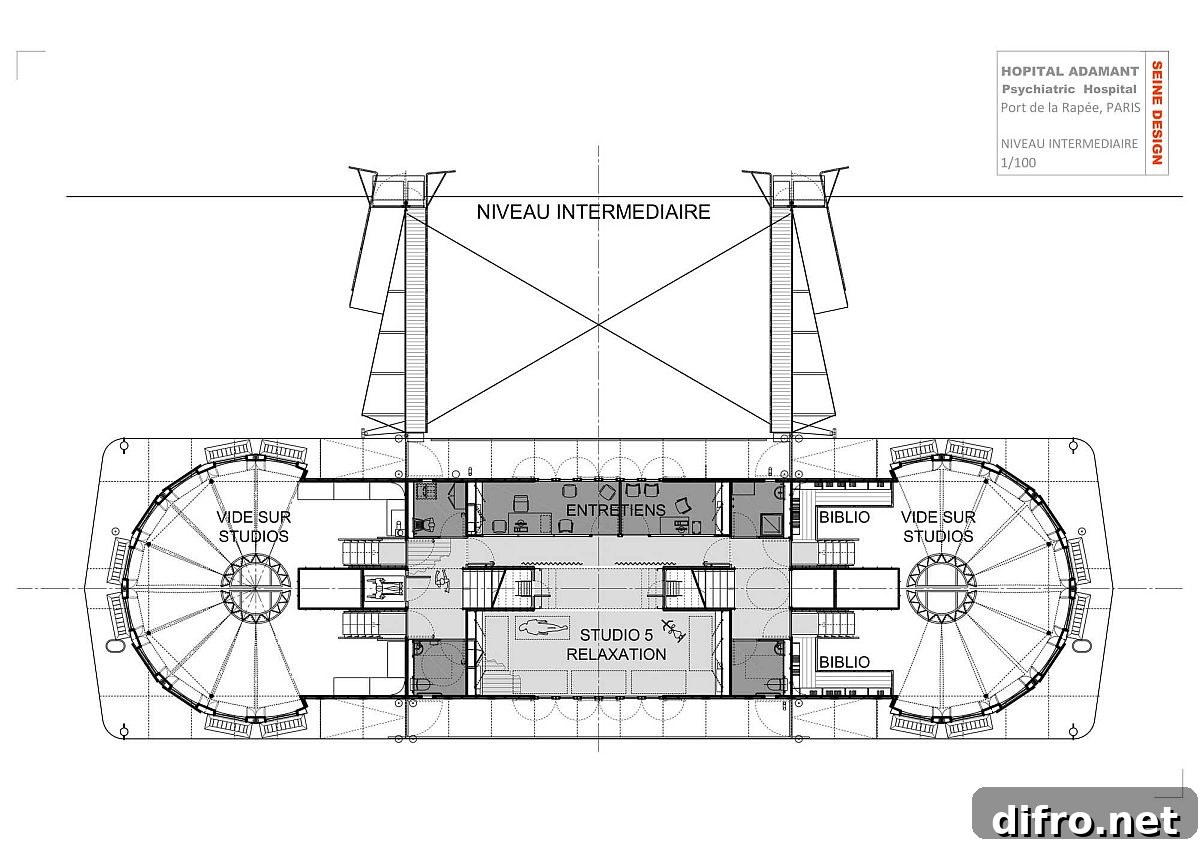
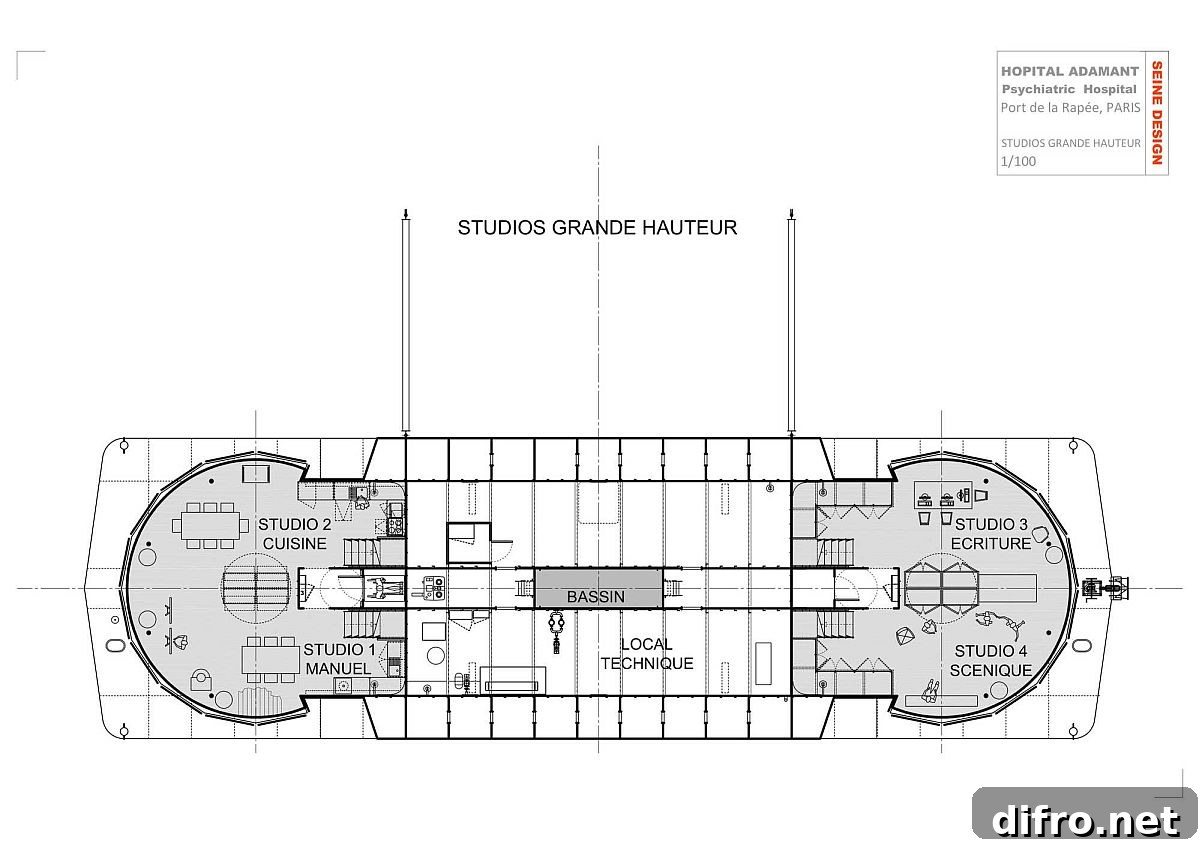
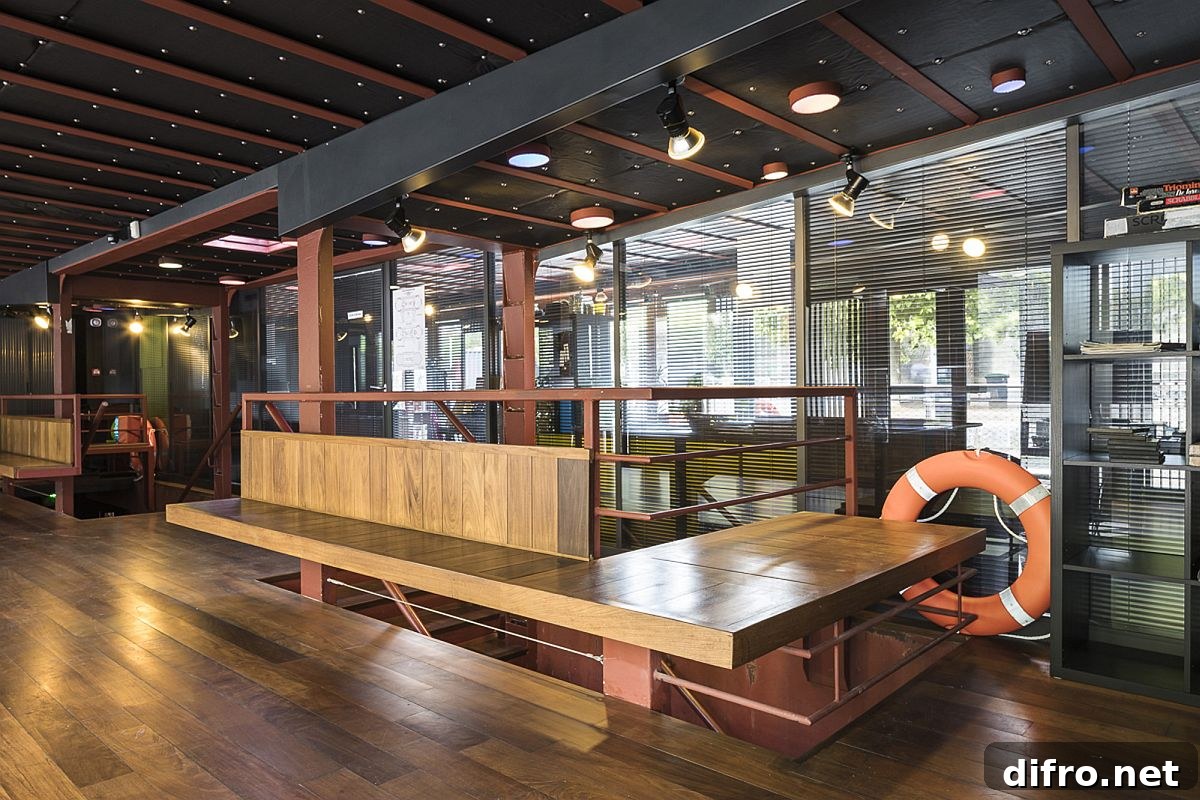
Inside, materials are chosen and composed to create a calm, functional atmosphere. Metal, wood and glass are combined in simple, elegant compositions that feel both contemporary and human in scale. Large, flexible rooms and broad circulation areas accommodate therapy workshops, group sessions and creative activities; the design emphasizes daylight, clear sightlines and adaptable layouts to support a variety of programs.
Crucially, the building’s layout responds to clinical and therapeutic needs. Designers consulted with medical staff and patients during development to refine circulation, privacy and program adjacencies. That collaborative approach helped shape spaces that feel approachable and comfortable, where therapeutic activities can take place in settings that reduce stress and encourage engagement. Custom lighting, careful acoustics and human-scale finishes further support a reassuring environment for patients and staff alike.
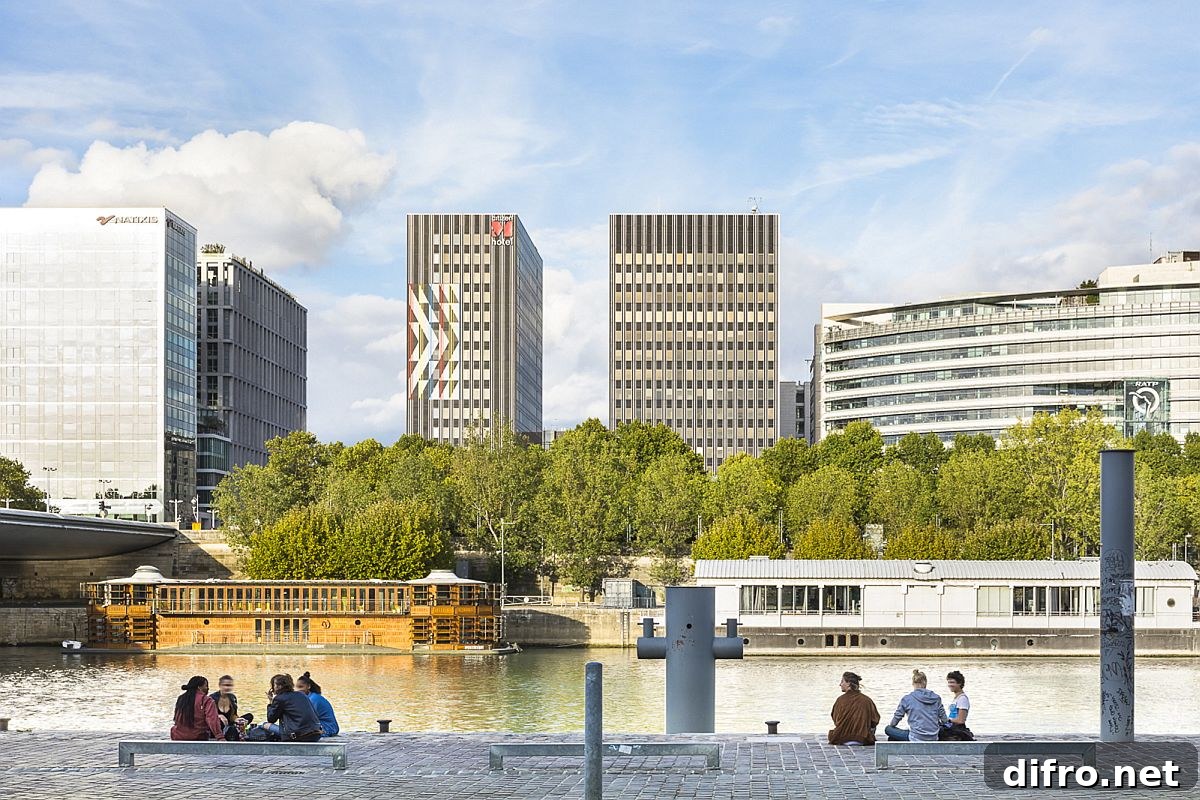
The project’s location on the river offers restorative views and a distinctive connection to the city, while the building’s form and materiality reduce the institutional feel that can deter patients from seeking help. Open communal spaces are balanced with quieter studios and private rooms, so users can choose settings that suit their comfort level. The result is a psychiatric facility that prioritizes dignity, accessibility and therapeutic potential.
From a technical perspective, the combination of a robust steel frame with timber cladding and natural finishes provides structural stability while maintaining a warm, human scale. Interiors are fitted with adaptable furnishings and lighting strategies that suit therapy, workshops and daily routines. Views, daylighting and direct access to calming outdoor vistas all contribute to the facility’s mission: to give patients the best possible environment in which to recover, engage in care and rediscover a sense of well-being.
Photography: Sergio Grazia