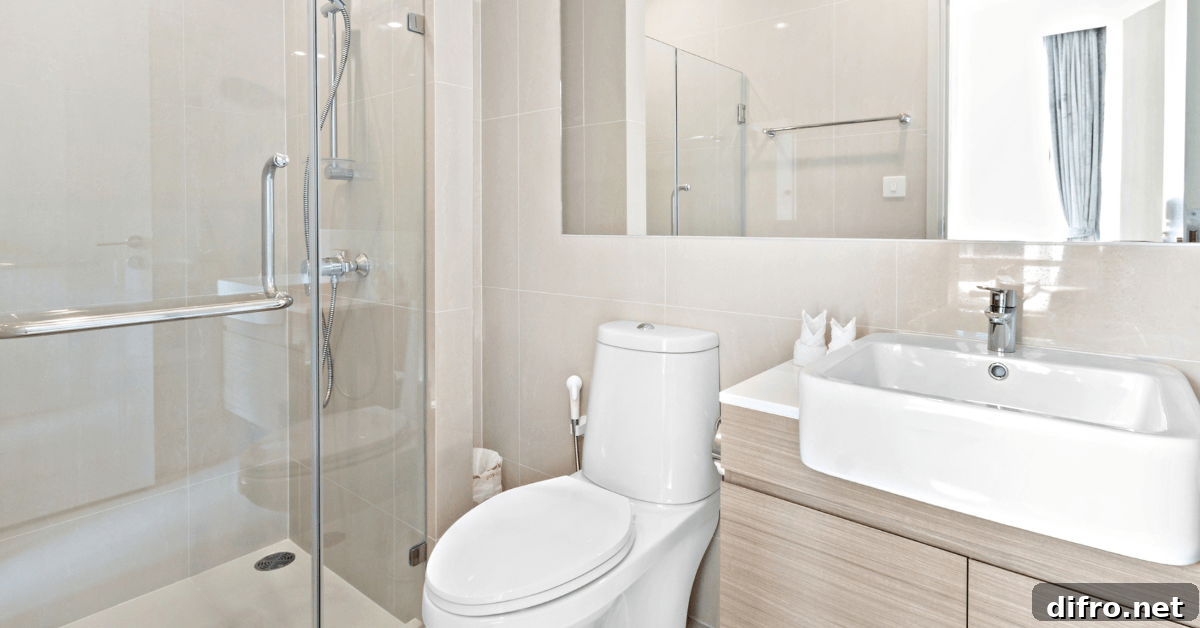
Embarking on a small bathroom remodel is an exciting opportunity to refresh a compact space and improve daily comfort. Success starts with a clear financial plan: assess what you can afford, prioritize needs, research realistic costs, and build a detailed budget that includes a contingency reserve. This guide walks through practical steps to manage a small bathroom renovation without overspending, while keeping long-term value in mind.
Assess Your Budget
Before you start tearing out tiles, establish a realistic budget. Review your savings and monthly cash flow to determine the total you can comfortably spend. Set aside a contingency fund—typically 10–15% of the project total—to cover unexpected issues like hidden water damage, additional labor, or slightly higher material costs. Knowing your financial limits up front will guide every decision, from fixtures to finishes.
1. Evaluate Your Finances

Begin with a thorough look at your financial picture. Add up available cash, any dedicated renovation savings, and how much of your monthly income you can allocate to payments if you plan to finance the work. Be honest about what you can afford without stretching your budget. A clear number makes it easier to prioritize and prevents emotion-driven overspending during the remodel.
2. Prioritize Needs vs. Wants
Differentiate essentials from upgrades. Essential repairs—like fixing leaks, replacing damaged plumbing, or addressing mold—should take precedence. Cosmetic improvements such as decorative tile, premium lighting, or high-end fixtures are desirable but optional. Create a simple list: must-haves, should-haves, and nice-to-haves. That hierarchy helps you allocate funds where they matter most and gives flexibility if you need to scale back.
3. Research Project Costs

Gather cost estimates for materials, labor, and any specialized services. Visit local suppliers, browse manufacturer pricing, and request at least two or three quotes from contractors. For DIY portions, list precise material quantities and prices to avoid last-minute purchases. Keep in mind that regional labor rates and product availability will affect final costs. Accurate research prevents surprises and makes your budget realistic.
4. Create a Detailed Budget
Break your budget into clear line items: demolition, plumbing, electrical, flooring, shower or tub, vanity, fixtures, paint, and labor. Assign a specific dollar amount to each category and include your contingency fund as a separate line. Track receipts and invoices as the project progresses so you can compare actual spending to the plan. A detailed budget keeps choices grounded and shows where savings are possible if needed.
5. Be Realistic About Quality and Scope
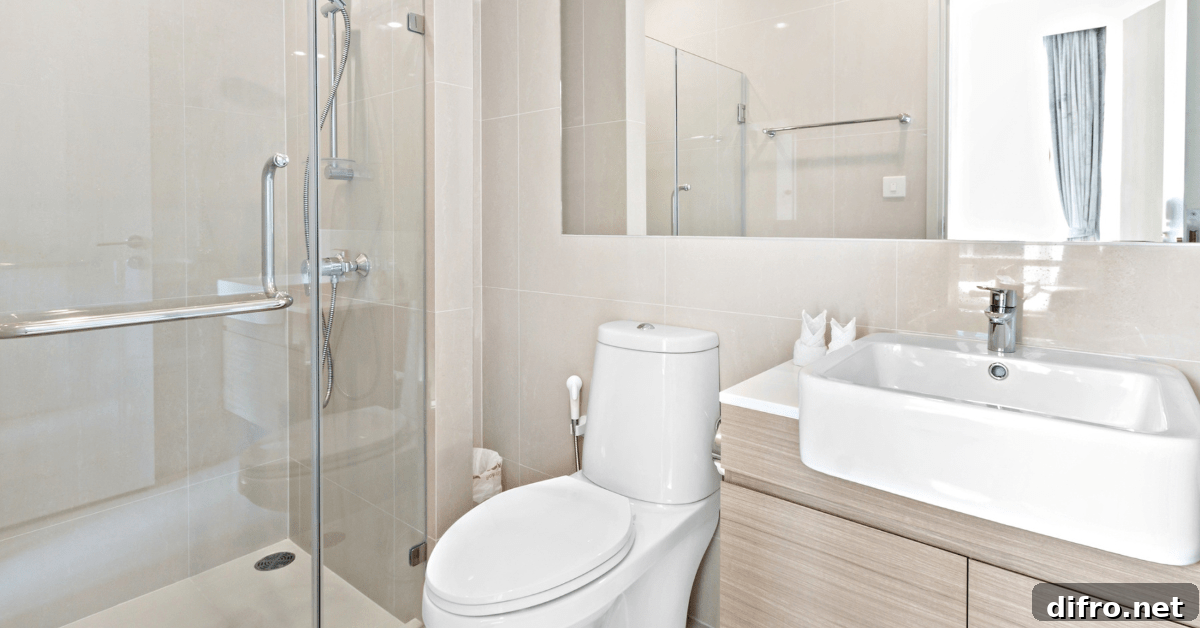
If your budget is limited, accept that you may need to compromise on certain finishes or delay nonessential upgrades. Choose high-impact, lower-cost changes—like new hardware, paint, or lighting—if full-scale replacements aren’t feasible. Conversely, invest more in long-lasting elements that are costly to replace later, such as quality plumbing fixtures and durable flooring. Thoughtful trade-offs deliver a polished result without breaking the bank.
6. Consider Future Value
Think about how the remodel fits into your long-term plans. A smart renovation can increase resale value, but not every luxury upgrade yields a strong return. Neutral colors, durable materials, and functional layouts often appeal to buyers and provide the best balance between cost and ROI. If you plan to sell in the near term, prioritize updates that enhance curb appeal and functionality without excessive personalization.
7. Track Expenses Closely

Monitor spending from day one. Keep a running spreadsheet or use a budgeting app to log each expense and compare it to your planned allocation. Regular reviews let you spot overruns early and adjust priorities before costs escalate. Communicate changes promptly with contractors so everyone understands scope and cost implications.
Careful financial planning is the foundation of a successful small bathroom remodel. By evaluating finances, prioritizing needs, researching realistic costs, creating a detailed budget, and tracking expenses, you can transform a compact bathroom into a stylish, functional space without unnecessary overspending. Plan conservatively, allocate a contingency, and make choices that balance immediate enjoyment with long-term value. With the right approach, your remodel will enhance daily life and contribute to your home’s overall appeal.