Many people use the terms sofa, couch, futon, and davenport interchangeably, but each word refers to a distinct type of furniture. This article clarifies the differences in design, typical use, and history so you can choose the right piece for your home. Understanding these distinctions helps when shopping, decorating, or describing a space.
What is a couch?
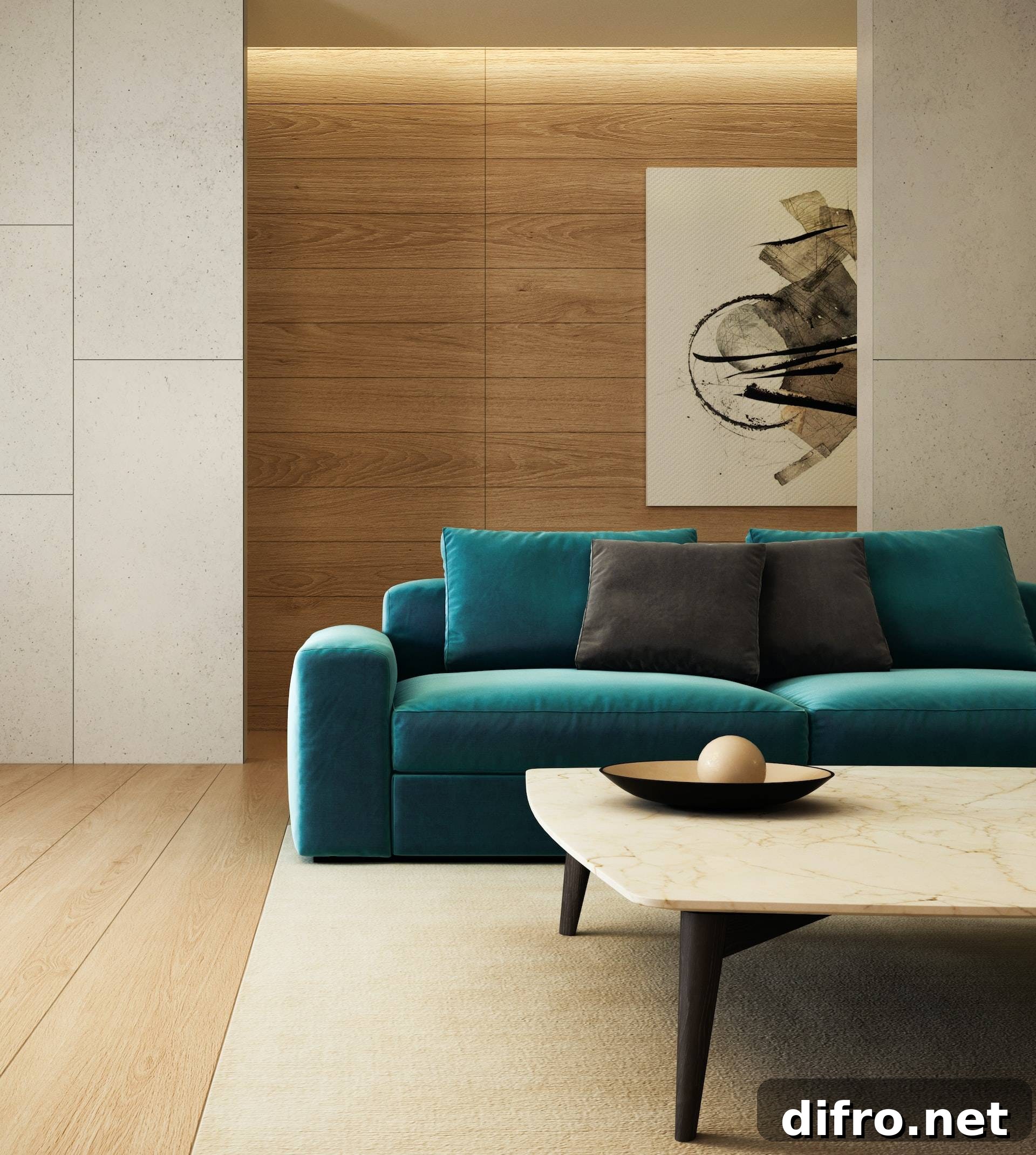
A couch is a comfortable, typically informal seating piece originally popularized in the Victorian era. Traditionally, the couch emphasizes comfort and relaxation; many couches lack prominent armrests and can be used for sitting, reclining, or even napping. Couches are a practical choice for family rooms, informal living areas, media rooms, and bedrooms where comfort takes priority over formality.



What is a sofa?
The word “sofa” comes from the Arabic “suffah,” meaning a long bench or seat. In contemporary usage, a sofa denotes a more formal upholstered seating piece, usually with arms and cushions, designed primarily for sitting. Sofas are common in formal living rooms and reception areas where appearance and structure are important. Interior designers and retailers often prefer the term “sofa” because it conveys a more refined and tailored look.

What is a davenport?
A davenport originally referred to a particular sofa model produced by the A. H. Davenport & Company in Massachusetts. Over time, the term came to describe a sofa that converts into a bed—essentially a type of sleeper sofa. Classic davenports often include built-in storage or a pull-out mechanism and are valued for combining seating and sleeping functions in one piece. Today, many people use “davenport” to mean any sofa that transforms into a bed, though “sleeper sofa” is the more common modern term.

What is a futon?
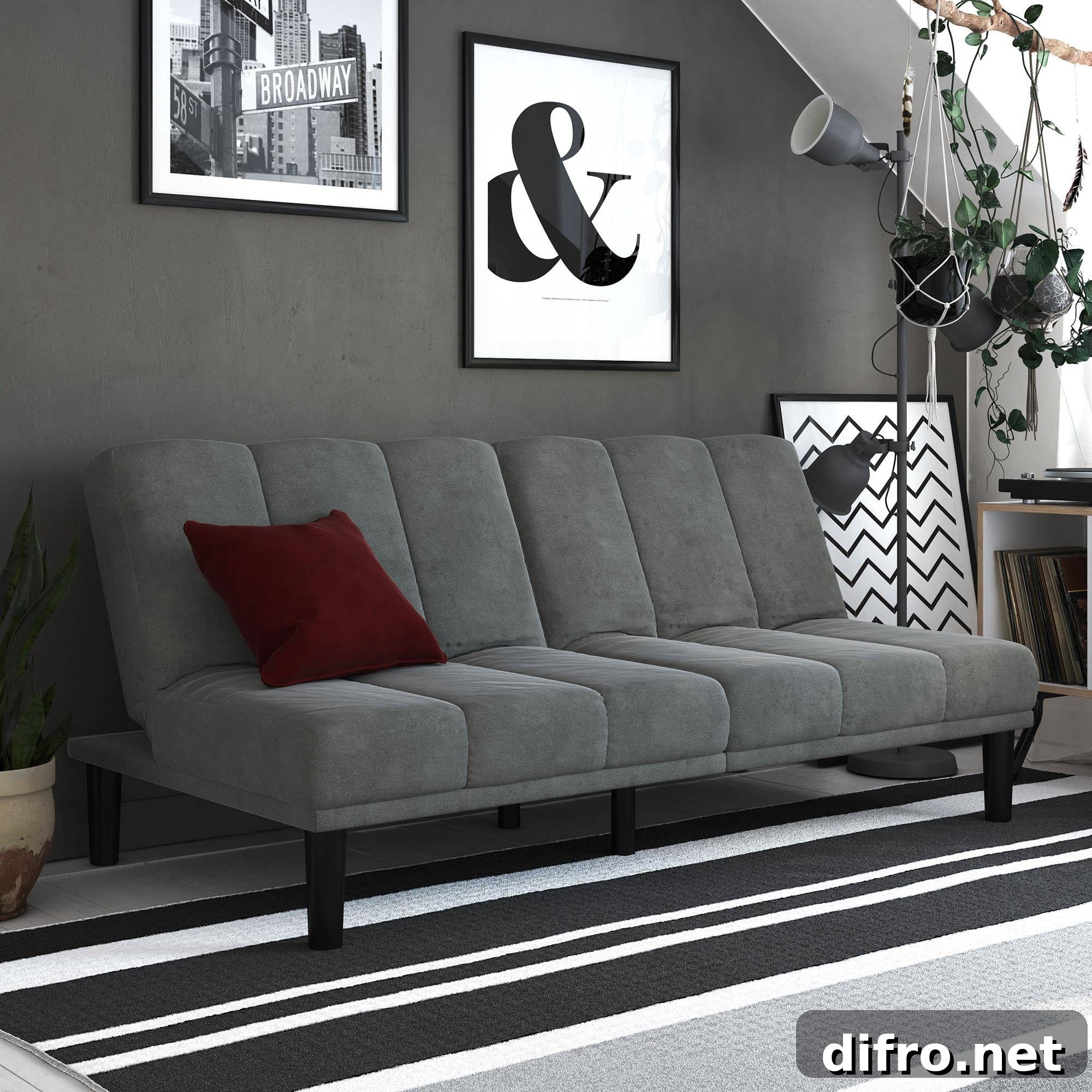
A futon traces back to traditional Japanese bedding: a mattress that can be folded or rolled for storage. In Western interiors, the futon typically refers to a mattress mounted on a frame that folds so the piece functions both as a couch and as a bed. Futons are lightweight, versatile, and popular in small spaces such as dorm rooms, studios, and guest rooms. They come in a variety of frames—metal frames suit industrial or modern looks, while wooden frames work well in cozy, rustic, or minimalist settings. Futons are especially useful when space is limited and a multifunctional piece is needed.



The differences and how to choose
Although “sofa” and “couch” are frequently used interchangeably, they carry subtle differences in connotation and typical use. A sofa usually implies a slightly more formal, structured piece intended primarily for sitting and entertaining guests. A couch suggests a more relaxed, casual piece designed for lounging, movies, and everyday family use.
Davenports and futons both offer convertible sleeping options, but they differ in design and origin. A davenport (or sleeper sofa) often uses a mattress concealed within the sofa frame or a pull-out mechanism and may include storage features. Futons typically have a folding mattress on a simple frame that converts between bed and seat with minimal mechanics. Futons tend to be lighter and more compact, while davenports and sleeper sofas often provide a mattress closer to a standard bed in comfort.
When choosing among these options, consider the following:
- Function: Do you need a dedicated seating piece, a multi-use sleeper, or a compact option for occasional guests?
- Formality and style: Sofas suit formal living rooms; couches fit casual family spaces; futons and davenports are practical for multipurpose rooms.
- Comfort and mattress quality: Try the mattress or cushions if the piece converts to a bed—some sleeper sofas offer better sleep quality than others.
- Frame and materials: Metal frames support modern and industrial aesthetics; wooden frames deliver warmth and traditional appeal. Upholstery choices impact durability and maintenance.
- Space: Measure the room and consider how often you’ll convert the piece to a bed. Futons are space-efficient, while sleeper sofas may require more clearance for the mechanism.
Understanding these terms—sofa, couch, futon, and davenport—helps you describe your furniture correctly and choose the right piece for your needs. Whether you prioritize comfort, style, or multifunctional use, there’s a seating option designed to fit your space and lifestyle.