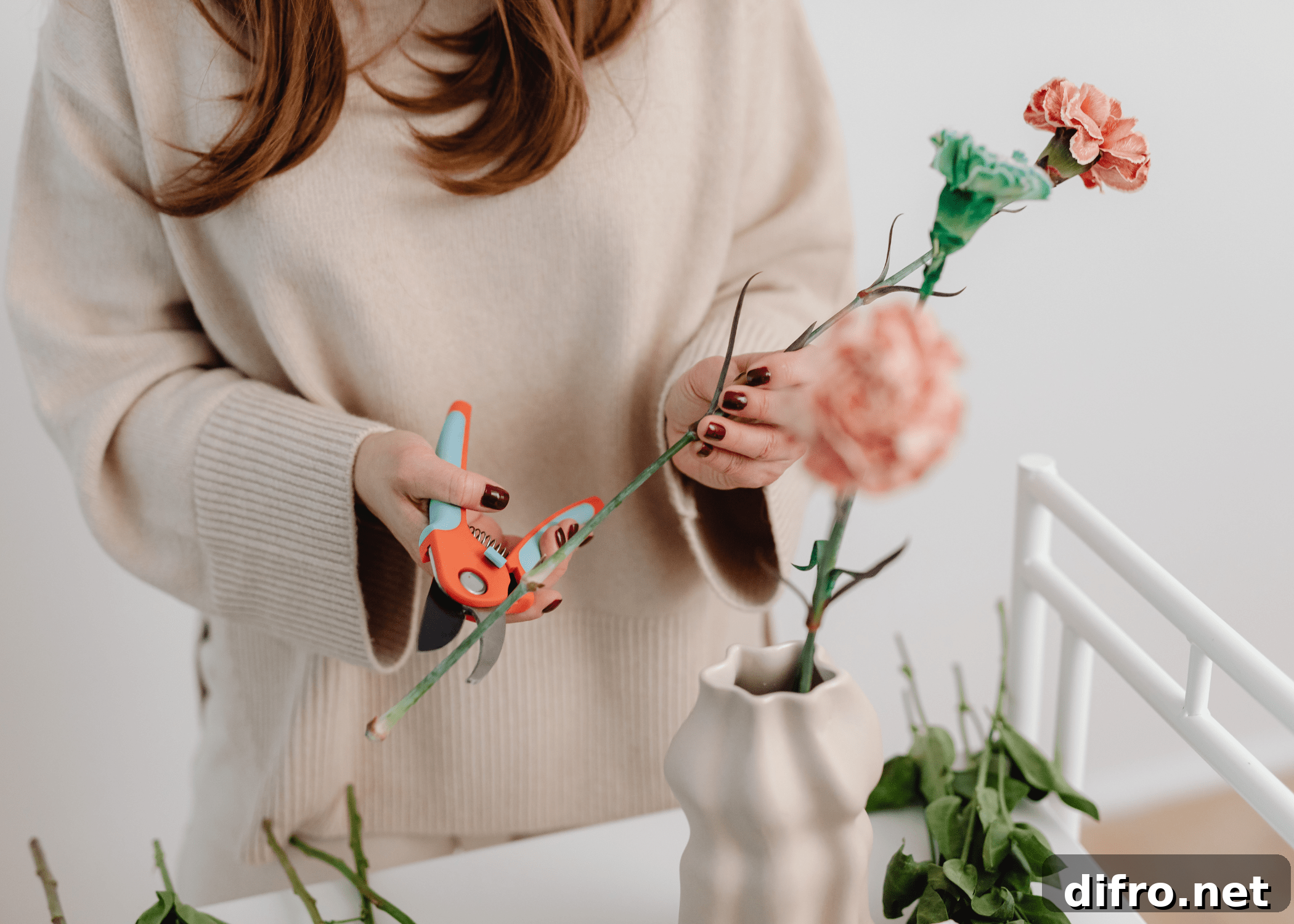
Welcome to the charming world of flowers, where each petal reveals nature’s quiet artistry and every bloom brings color and calm. Whether you’re an experienced florist, a passionate gardener, or someone who delights in fresh bouquets, this guide will walk you through practical, effective steps for flower preservation and care so your arrangements stay vibrant and long-lasting.
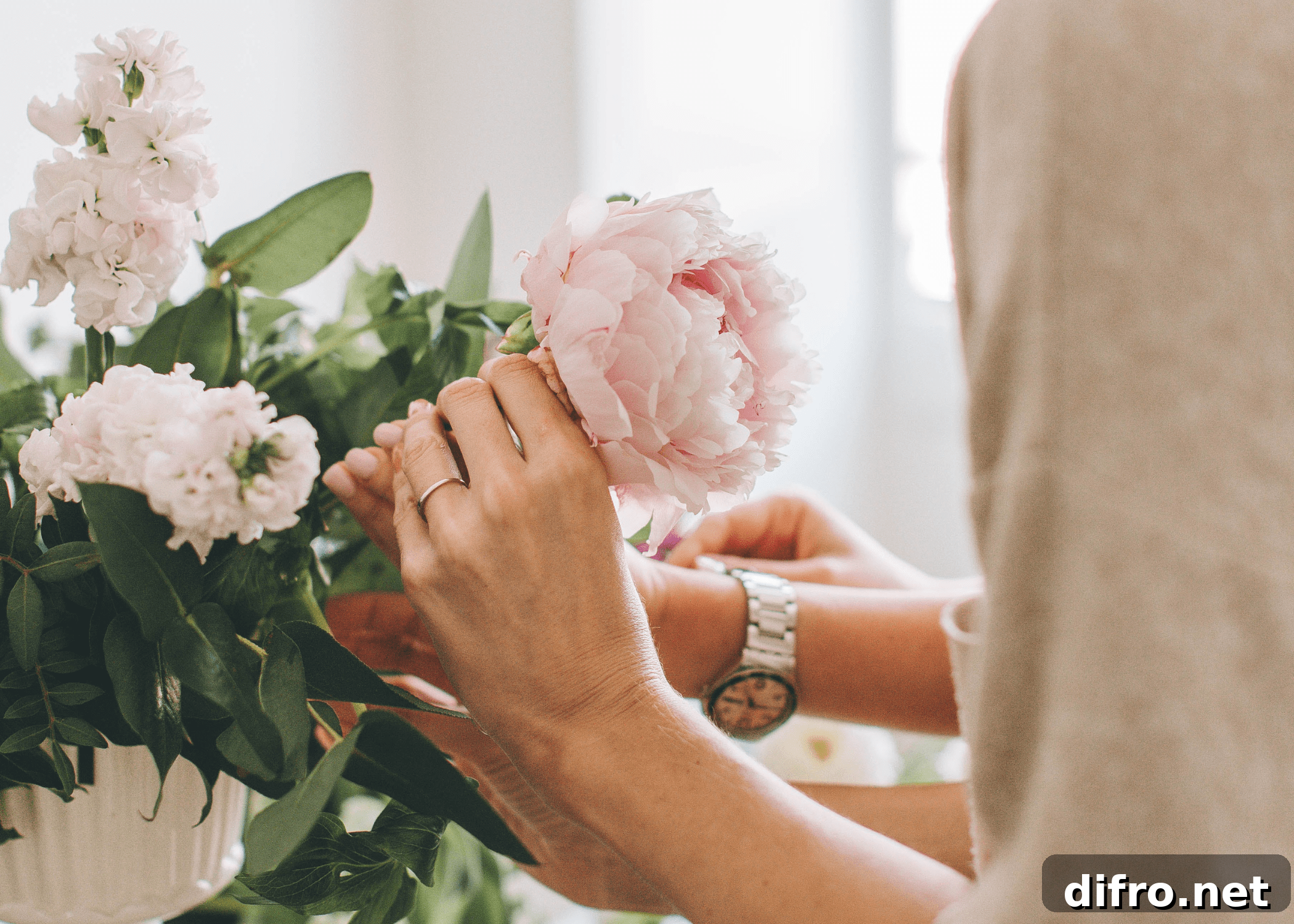
In the sections that follow, we cover how to choose long-lasting blooms, prepare flowers after purchase, natural nourishment options, bacterial prevention, and creative display ideas that both showcase and extend the life of your flowers. With a few simple routines and mindful choices, your floral displays will remain fresh and beautiful for longer.
Selecting the Right Flowers for Longevity
Choosing the right flowers is the first and most important step in preserving freshness. Some species naturally last longer than others; orchids, chrysanthemums, and many varieties of roses are known for their durability. If longevity is a priority, favor varieties with a reputation for staying fresh.
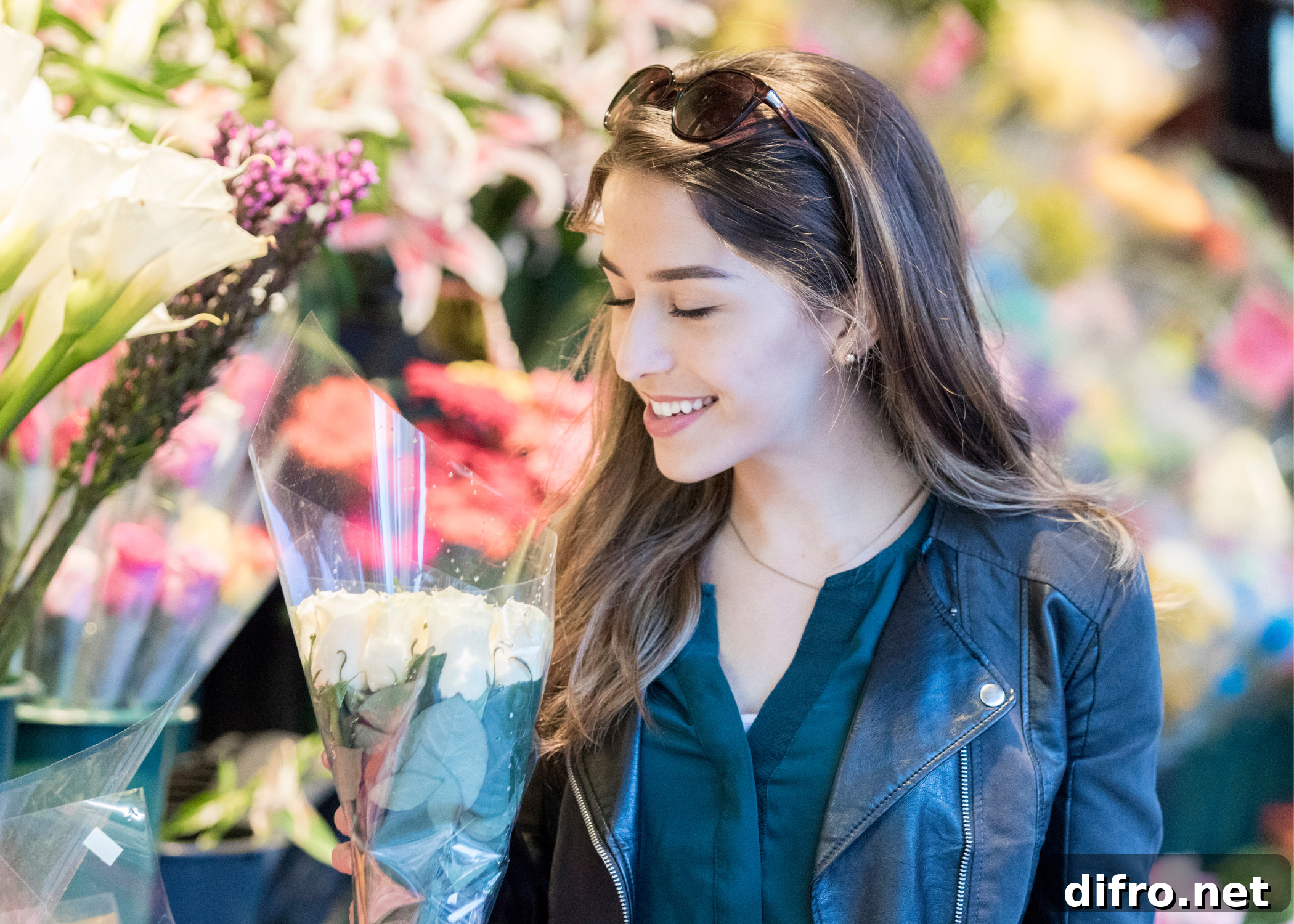
Look for buds that are slightly closed rather than fully open; these will continue to develop at home, extending the life of the arrangement. Inspect stems for firmness, petals for vibrant color and even texture, and leaves for signs of damage or wilting. Purchasing from a reputable florist who sources fresh, high-quality blooms can make a significant difference in how long your flowers last.
The condition of flowers at purchase affects longevity. Fresh, healthy stems with intact petals and minimal bruising give you the best start. A florist can advise on varieties and care tips tailored to your needs, helping you get the most life and enjoyment from each bouquet.
Essential Steps for Preparing Flowers Post-Purchase
Proper preparation after bringing flowers home is essential to maximize their lifespan. Begin with a clean vase: wash it in hot, soapy water to remove bacteria and residues that accelerate decay. Prepare fresh, lukewarm water—this temperature encourages quickest water uptake through the stems.
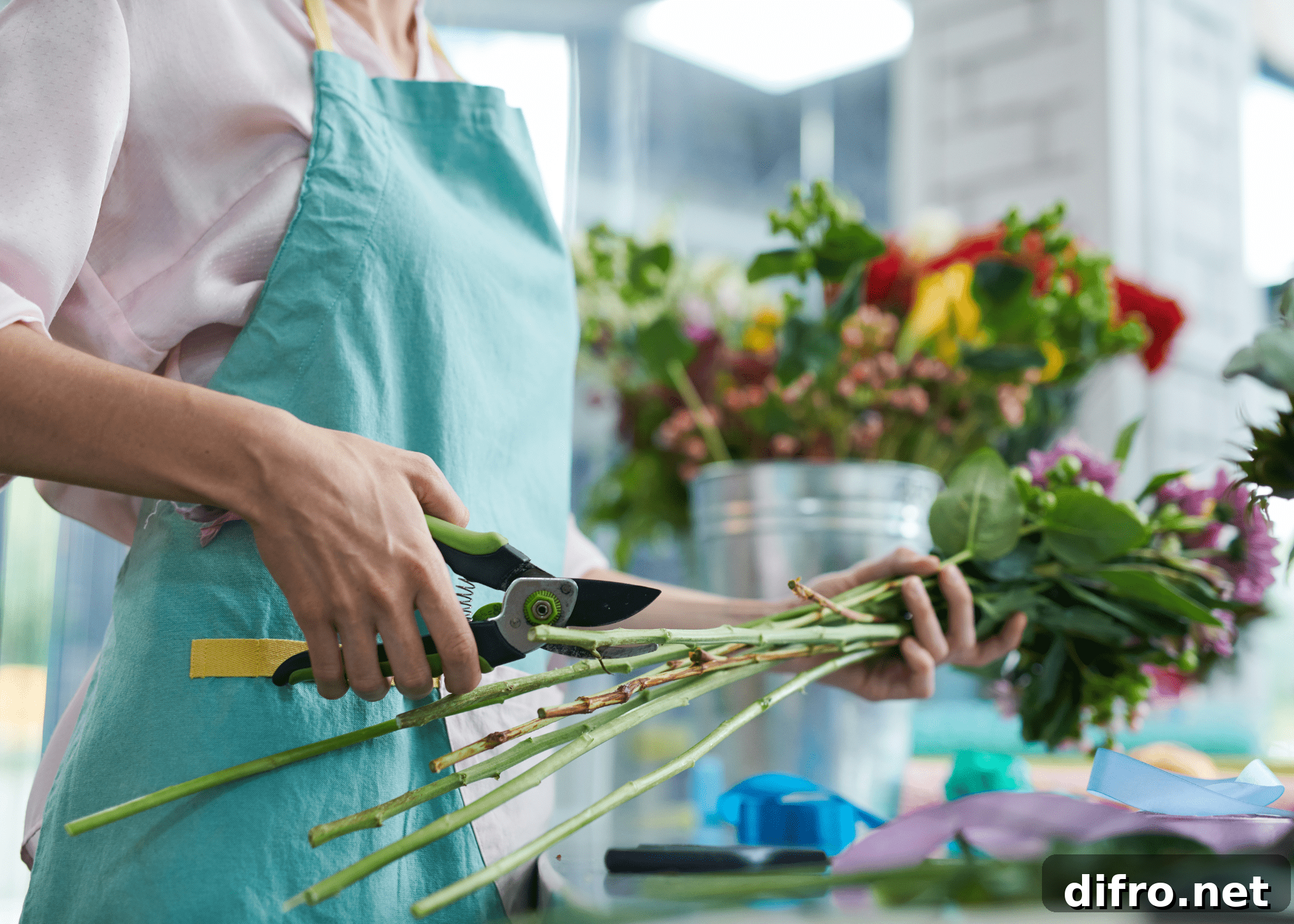
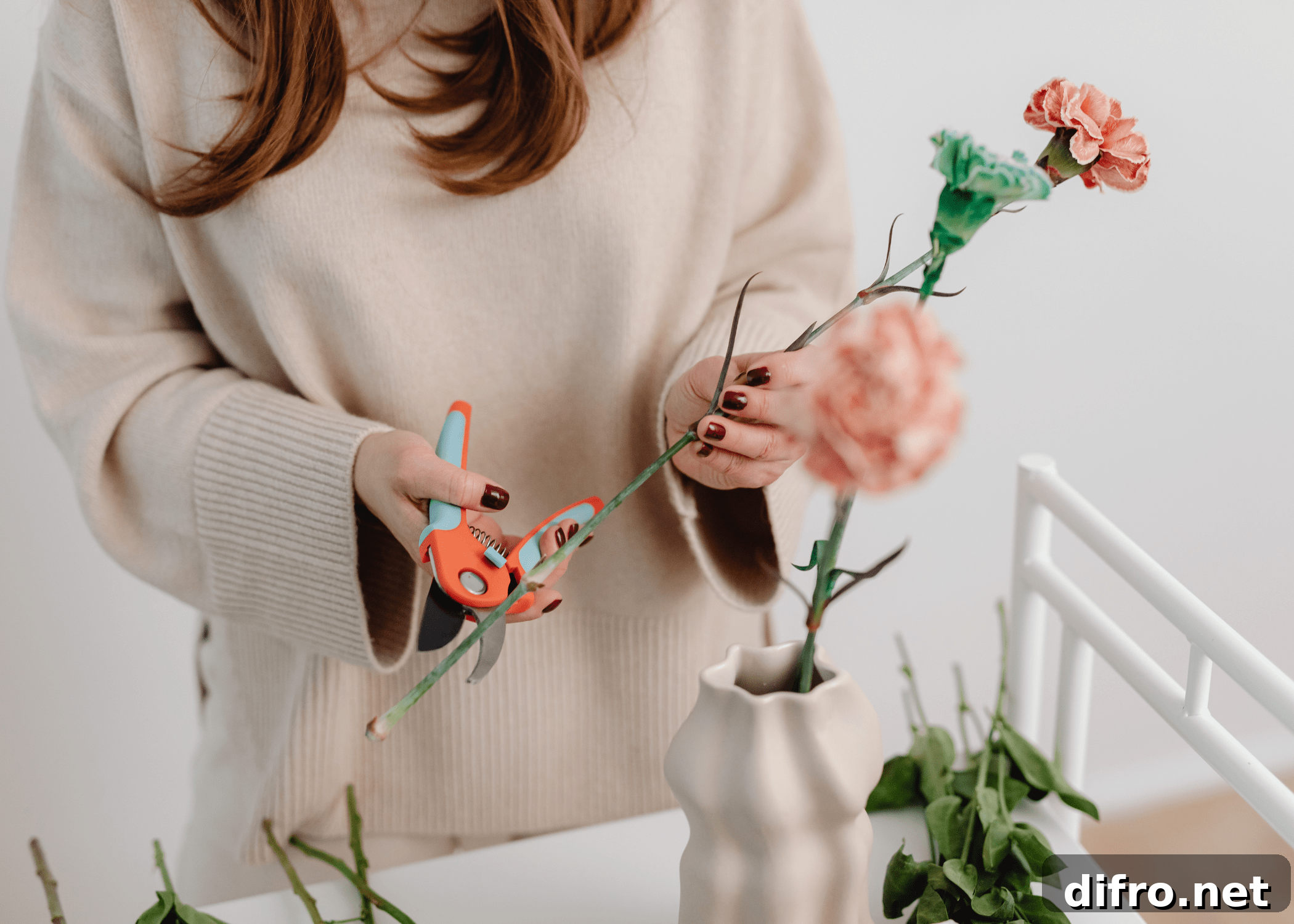
Trim stems at a 45-degree angle with sharp scissors or a knife. This increases the surface area for water intake and prevents stem ends from sitting flat on the vase bottom, improving hydration. Remove any leaves that would sit below the waterline—decaying foliage fuels bacterial growth and shortens vase life.
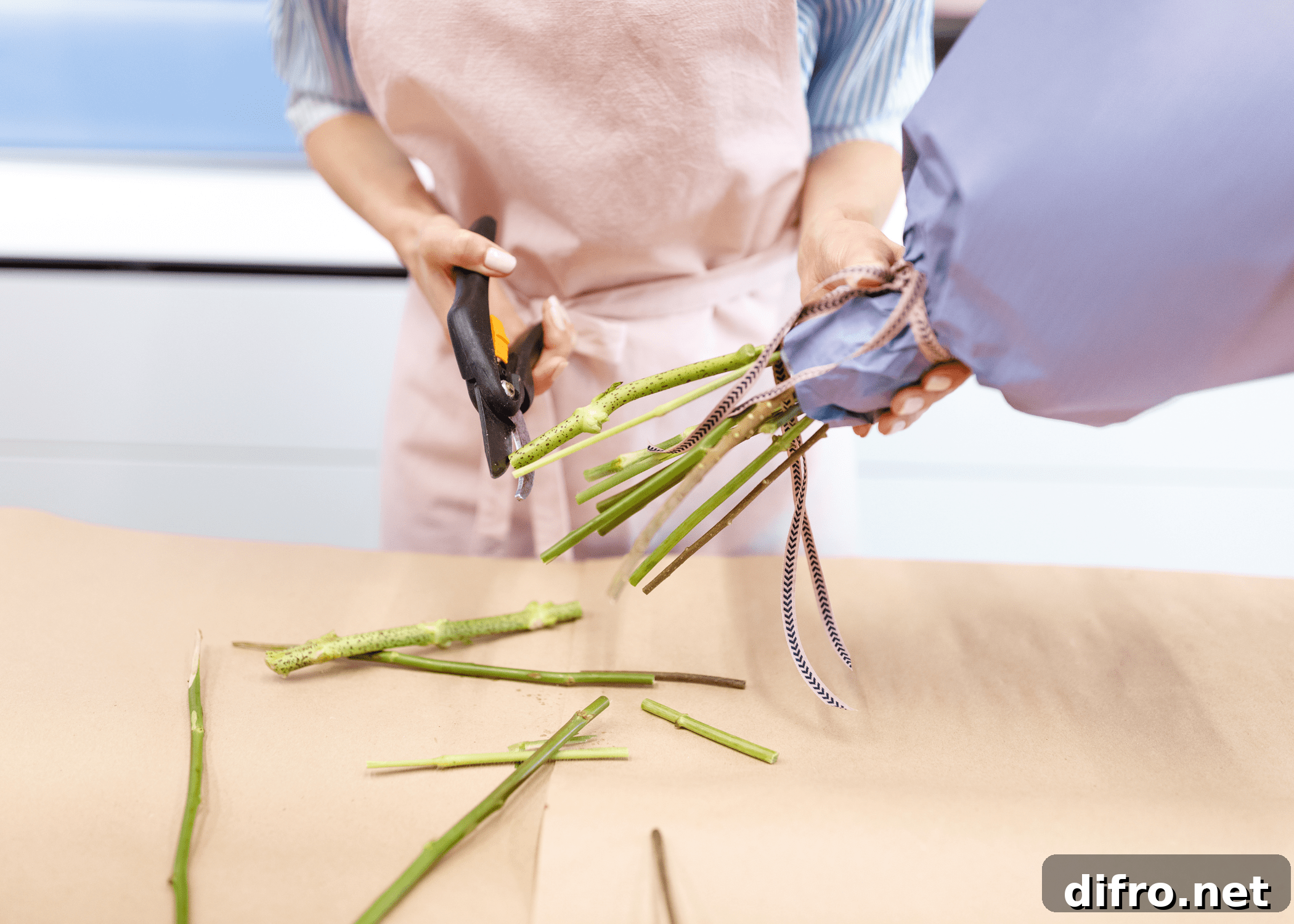
Place flowers in the prepared vase with fresh water and, when available, a commercial flower food packet. Change the water every two days, re-cut stems, and keep arrangements away from direct heat and sunlight to further conserve freshness.
Natural Solutions for Nourishing and Hydrating Flowers
There are simple, effective homemade solutions to support flower health using common household items. One proven option is a DIY flower food made from sugar and a mild antibacterial agent: dissolve a teaspoon of sugar in the vase water to provide a quick energy source, and add a few drops of bleach or a splash of vinegar to deter bacteria. Use these sparingly—too much can harm delicate blooms.
In addition to sugar, household remedies like a teaspoon of apple cider vinegar mixed with a teaspoon of sugar can work similarly as a natural food and mild preservative. Always keep water fresh and lukewarm and re-cut stems before arranging to ensure maximum absorption.
Effective Techniques for Preventing Bacterial Growth
Bacterial growth in vase water is the most common cause of early flower decline. Clean water and routine maintenance prevent stem blockages and slow decay. Replace vase water every two days, clean the vase thoroughly between refills, and re-trim stems to expose fresh tissue for water uptake.
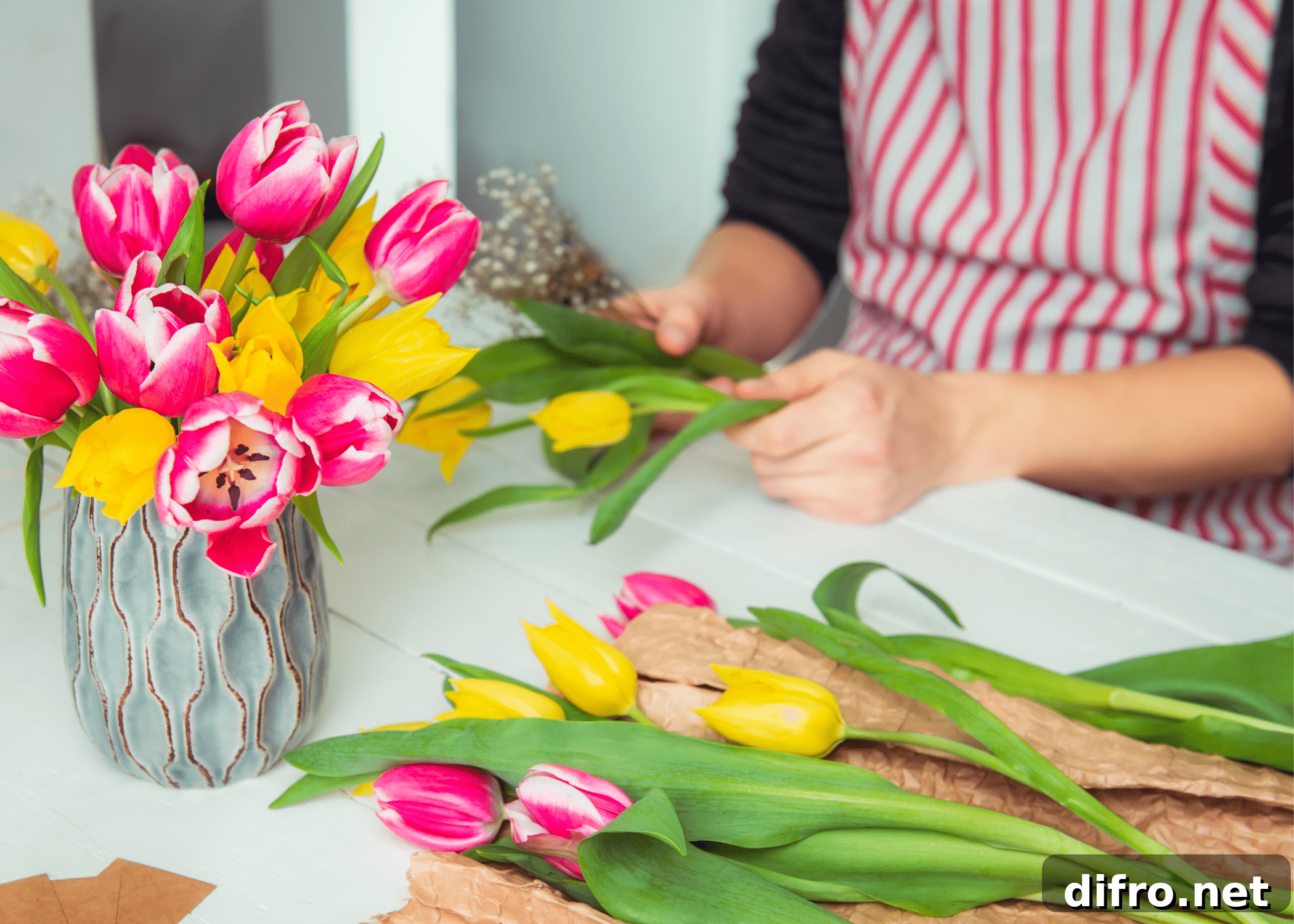
Adding a few drops of household bleach or a small amount of apple cider vinegar helps control bacterial growth. Use measured amounts—just enough to discourage microbes without damaging the flowers. Removing leaves below the waterline and discarding spent blooms promptly will also reduce bacterial buildup and keep the arrangement healthier longer.
Innovative Ideas for Displaying Flowers to Enhance Longevity
Where you place your flowers affects how long they last. Keep arrangements in cooler, shaded areas away from direct sunlight, vents, and appliances that produce heat. Indirect light and stable, moderate temperature help slow wilting and extend vase life.
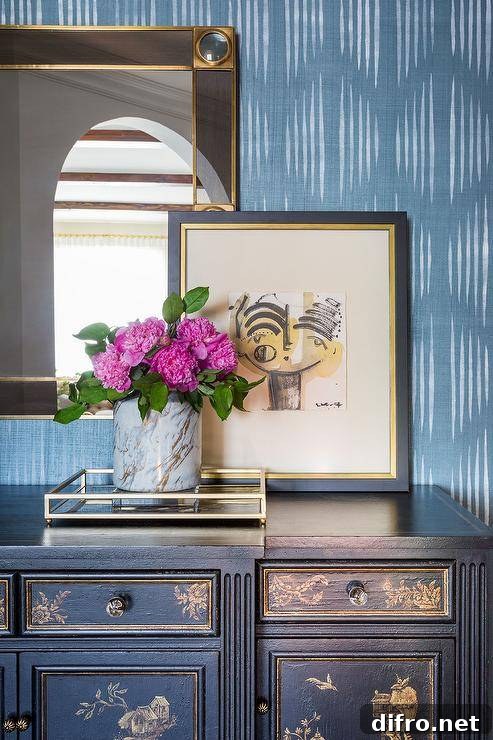
Think creatively about containers: vintage teapots, colored bottles, or simple mason jars can add personality while supporting the flowers. Match the container size to the space and the arrangement’s scale—large centerpieces for dining tables and smaller vases for bedside or bathroom counters work well.
Display Throughout the Home
Use florals beyond vases—wreaths, garlands, and framed pressed flowers bring continuity across your décor. Consider mixing fresh arrangements with botanical prints or preserved blooms to maintain a lasting connection to nature in different rooms. Keep proportions and placement in mind to create balance and visual interest while maintaining conditions that support flower longevity.
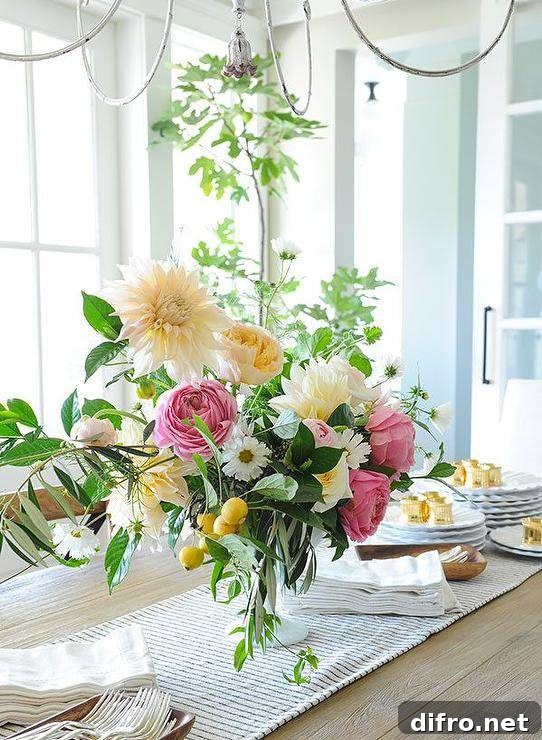
Flower care is a thoughtful blend of technique and creativity. By selecting hardy varieties, preparing stems properly, using gentle nourishment, preventing bacterial growth, and choosing smart display locations, you can enjoy fresh blooms for longer and make flower preservation a rewarding part of your home routine.
Ready to bring new life to your space? Subscribe to our newsletter for exclusive interior design tips, trends, and ideas that will help you style and care for your home florals. — Subscribe for updates and inspiration.