
Driven in part by a growing preference for eco-friendly living, natural wood accents have returned to the forefront of home décor. Many homeowners are moving away from mass-produced, chemically treated materials and choosing wood elements that emphasize authenticity, warmth, and sustainability. Whether you prefer a modern minimalist look, a rustic farmhouse vibe, or an eclectic mix, well-chosen wood accents bring organic texture and a grounded feel to any space.
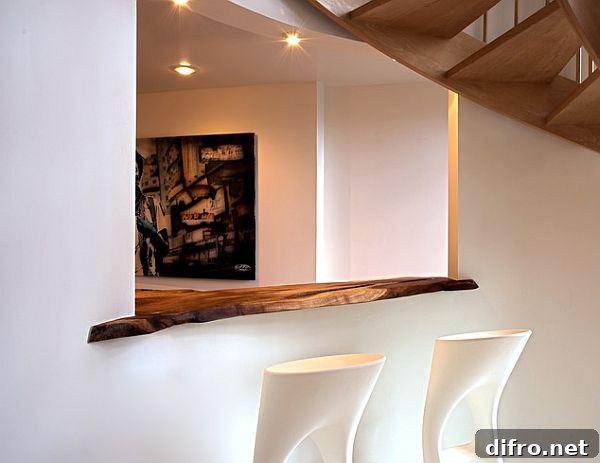
One easy way to bring wood into your home is to reuse materials that would otherwise be discarded. The popular pallet trend is a great example: reclaimed pallets are widely available from construction sites and retailers and can be transformed into coffee tables, low seating, bed frames, or wall panels. Refinishing, sanding, or staining pallets lets you tailor the final look so it fits cleanly with your décor—be it industrial, coastal, or cozy cottage.



For smaller touches that make a big impact, try bamboo shades, rattan chairs, or woven storage baskets. These pieces are lightweight, visually warm, and pair well with a wide range of palettes and furnishings. Natural materials like bamboo and rattan work particularly well in sunlit rooms, patios, and casual dining areas, offering a relaxed, textural contrast to glass and metal surfaces.
Think beyond standard furniture: driftwood, branches, and raw wood slabs can become striking focal points when used as centerpieces, mantels, or sculptural accents. Placing aged wood in a simple vase or using a single reclaimed plank as a shelf draws attention to the material’s character—knots, grain, and weathered marks tell a story and add visual interest. Combining different wood tones and finishes—light maple with darker walnut, for example—creates depth and a layered, intentional look.
To reinforce an organic atmosphere, anchor wood accents with an earth-toned color scheme. Soft greens, muted ochres, warm greys, and sandy neutrals complement wood naturally and enhance a sense of calm. Choose textiles made from natural fibers—linen, cotton, jute, or wool—and avoid synthetic dyes and heavy chemical finishes when possible. This approach not only feels more authentic but also helps you maintain a healthier indoor environment.

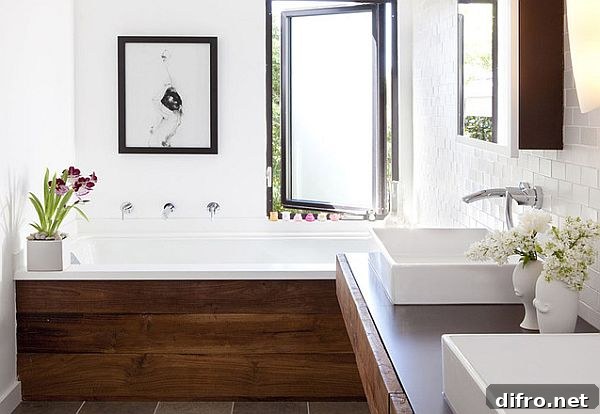
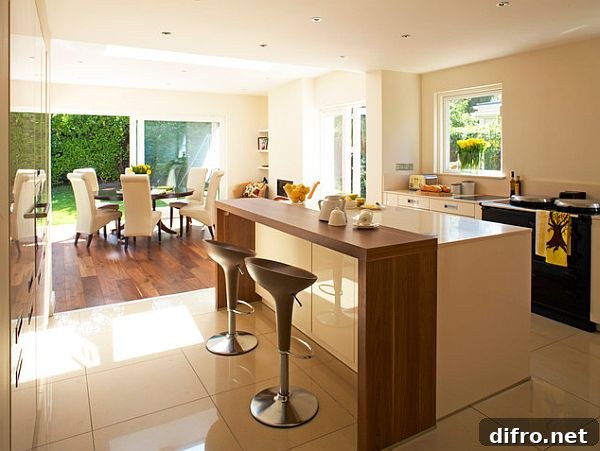
When selecting wood for kitchens and bathrooms, prioritize finishes that handle moisture and wear without relying on harsh chemicals. Natural oil finishes or low-VOC sealants protect surfaces while preserving the wood’s look. For floors and countertops, choose sustainably sourced or reclaimed wood where possible, and consider engineered options for areas with higher humidity.
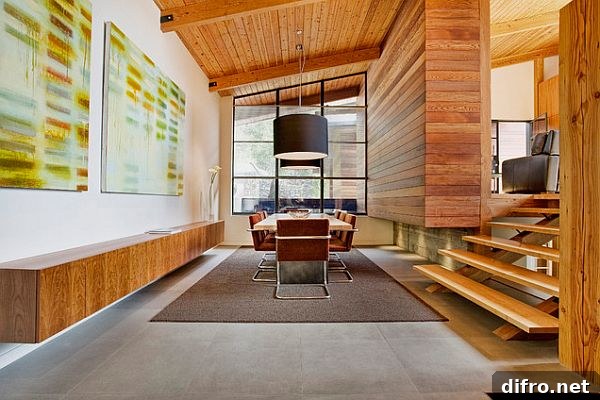
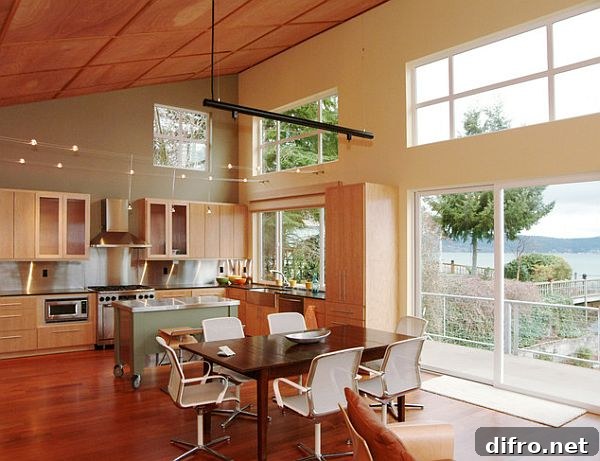
Finally, caring for wood accents is straightforward: dust regularly, use gentle cleaners designed for wood, and refresh finishes when surfaces begin to show wear. By choosing reclaimed or sustainably harvested wood, pairing pieces with natural textiles and earth tones, and avoiding unnecessary chemicals, you can create an inviting, eco-conscious home that highlights the timeless beauty of natural wood.