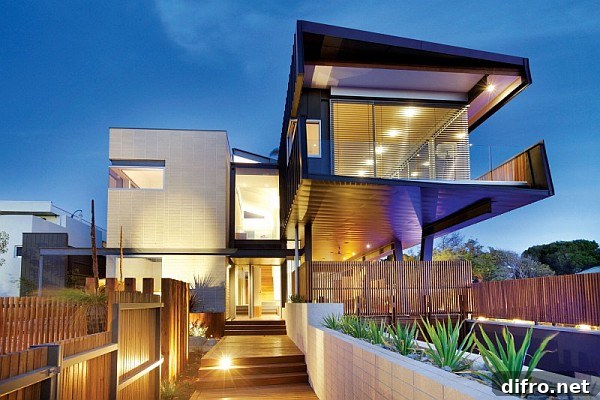
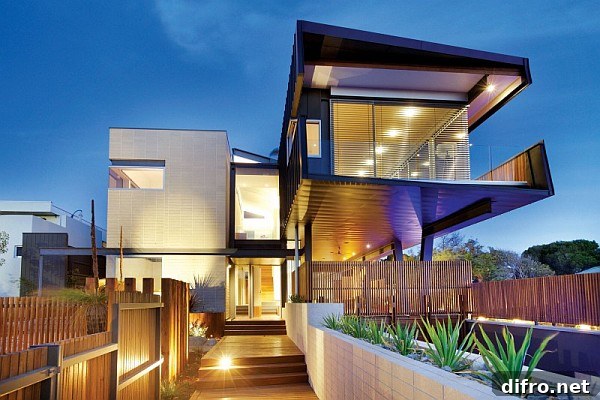
Today is sustainable house design day for us at Decoist 🙂 Nestled in Beaumaris, a Melbourne suburb long associated with experimental residential architecture, the Coronet Grove Residence is a striking example of contemporary design married to sensible sustainability. This dwelling demonstrates how careful planning, material choice and passive strategies can produce an elegant family home that is both visually compelling and environmentally responsible.
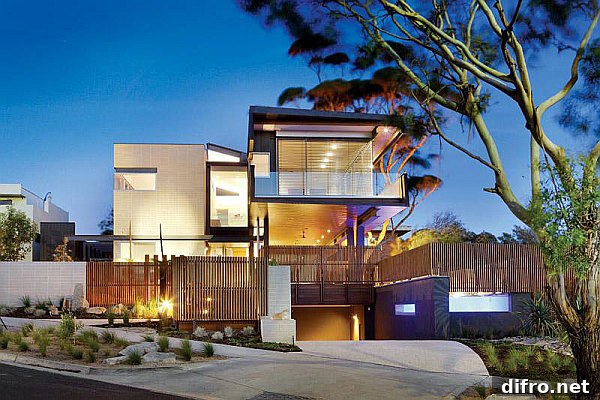
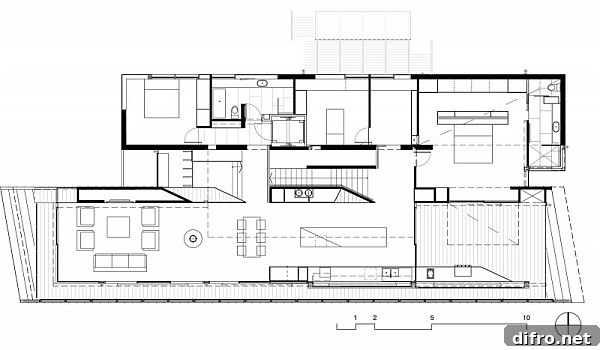
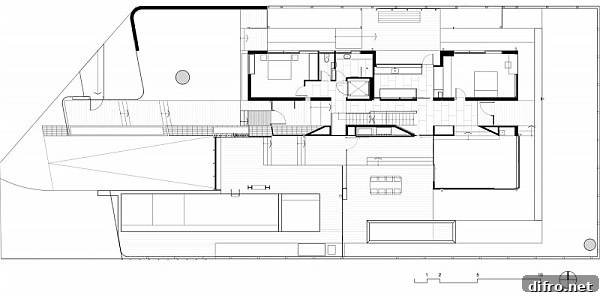
The Coronet Grove Residence, designed by Maddison Architects, combines two distinct volumes into a cohesive composition that responds to its coastal setting and the local climate. By pairing a south-facing and a north-facing facade, the scheme balances solar access and shade, improving passive performance while creating a bold, modern silhouette. The top floor appears to float: a cantilevered volume clad in dark zinc that provides depth and contrast against the lighter materials below.
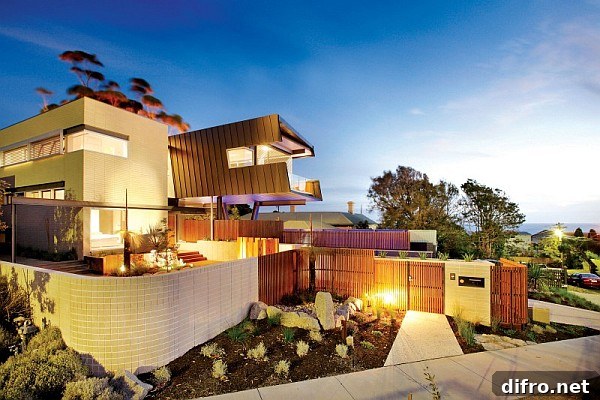
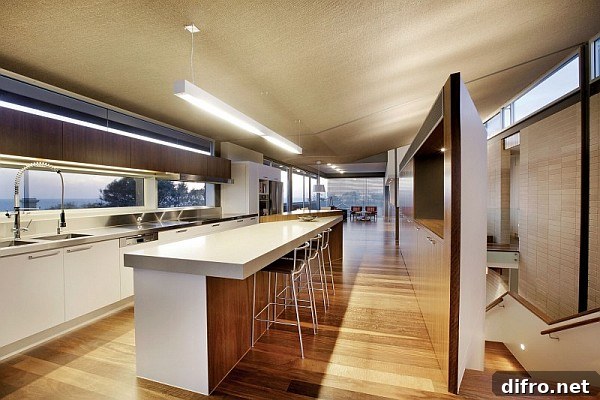
Expansive floor-to-ceiling glazing across the upper level opens up panoramic views of Port Phillip Bay, offering roughly a 270-degree outlook. These generous windows bring natural light deep into the interior, improving occupant comfort and reducing the need for artificial lighting during the day. The glazing is integrated thoughtfully with shading and orientation to manage heat gain, while the solid, insulated elements of the façade help regulate thermal performance for year-round comfort.
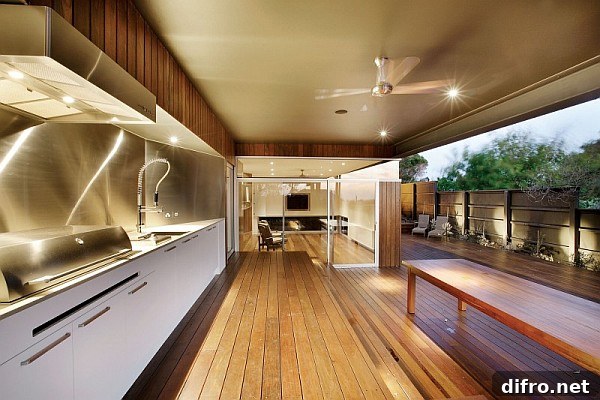
Inside, the residence favors a calm, uncluttered aesthetic. Spaces flow into each other with an emphasis on openness and connection, yet material choices—warm timber tones, textured finishes and carefully placed ambient lighting—create intimate, welcoming zones. Furnishings are contemporary and restrained, reinforcing the architecture without overwhelming it. A private pool provides a cool retreat and contributes to the home’s relaxed coastal lifestyle.
From a sustainability perspective, the project meets a minimal maintenance standard while integrating several practical green strategies. A 20,000-litre underground water tank captures roof runoff for reuse, reducing potable water demand for landscape irrigation and non-potable household uses. Natural ventilation and considered passive design reduce reliance on mechanical heating and cooling, and the material palette and detailing aim to minimize lifecycle maintenance without compromising aesthetic quality.
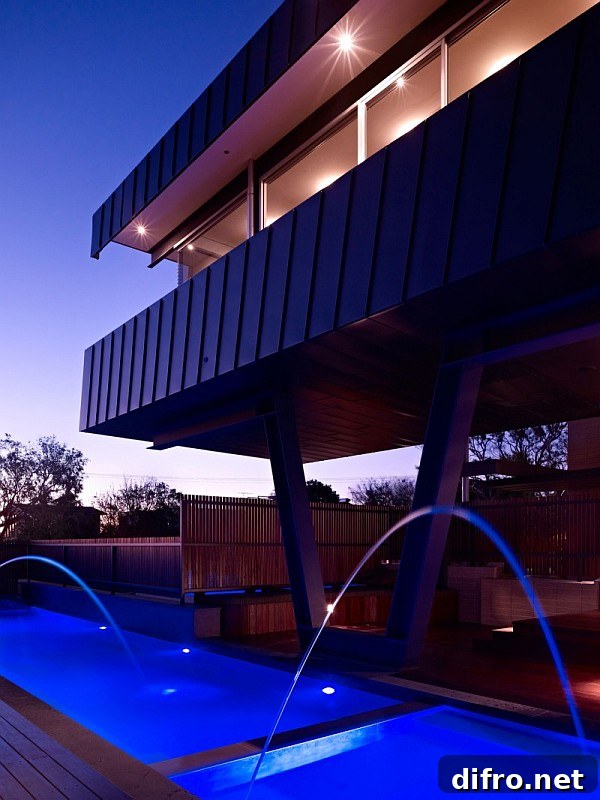
Architecturally, the house is a clear demonstration of how modern forms can be used to enhance environmental performance while responding sensitively to place. The juxtaposition of a dark, sculptural upper volume with lighter, more grounded lower forms creates visual interest and a strong street presence, while the internal layout prioritizes daylight, cross-ventilation and views toward the bay.
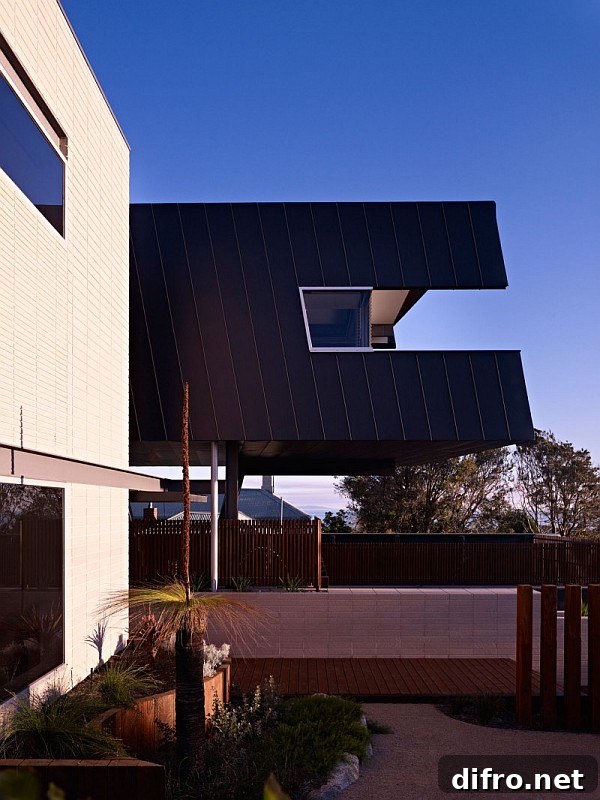
This Coronet Grove project reflects a thoughtful approach to sustainable residential design in Melbourne: it balances aesthetics, livability and environmental responsibility without resorting to gimmicks. The result is a refined, modern home that makes smart use of passive strategies, durable materials and water-sensitive design—qualities that contribute to lower operational costs and a reduced environmental footprint over time.
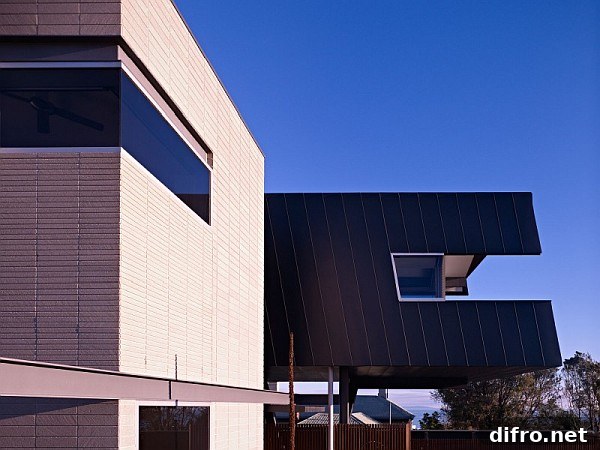
Photos by: Gerrard Warrener, Rhiannon Slatter