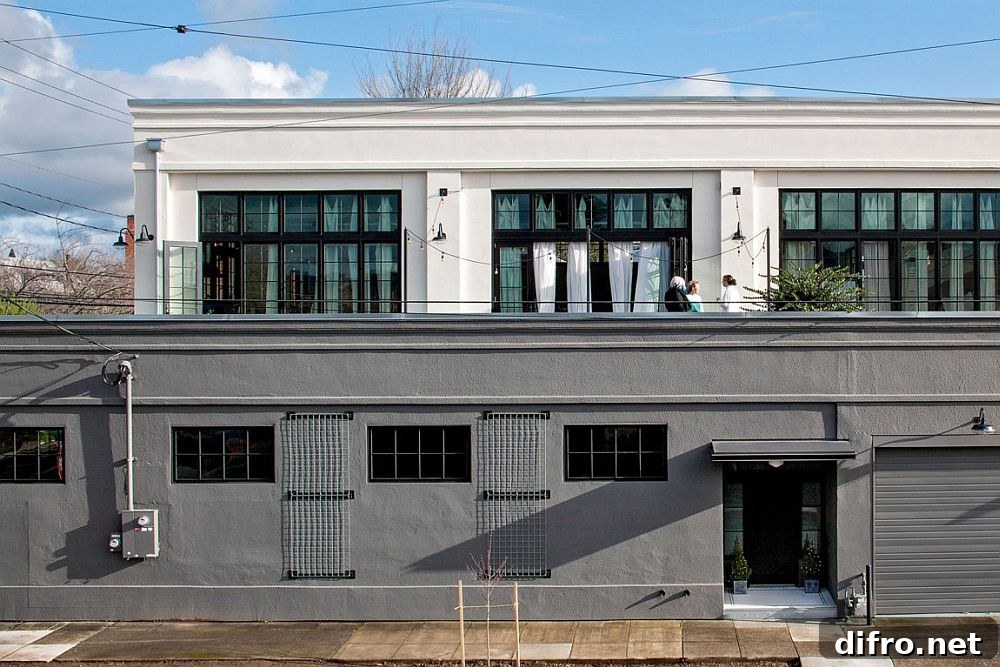
Our approach to home design is often guided by memory, the character of the neighborhood we love, and the architects and artists who shape our tastes. A retired couple who spent most of their lives in New York—when loft renovations and industrial-inspired interiors were at their peak—wanted to recreate that same spirit in Portland, Oregon. They found an ideal candidate: a building with a layered past as a grocery, a printing press and a mechanic’s shop. Working with Emerick Architects, the homeowners transformed the upper level into a striking, sustainable loft that balances industrial aesthetics with everyday functionality.
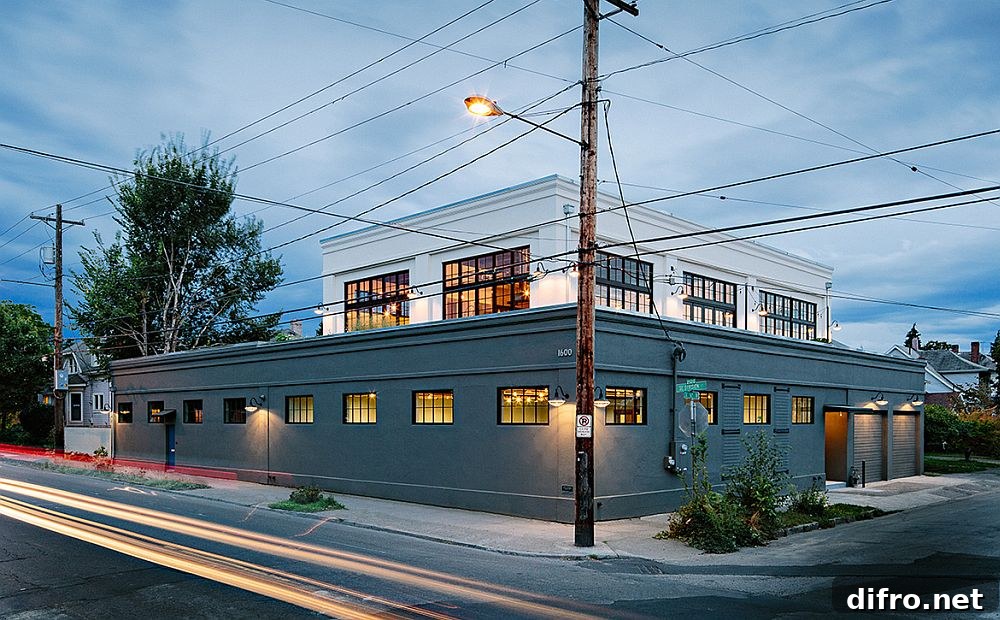
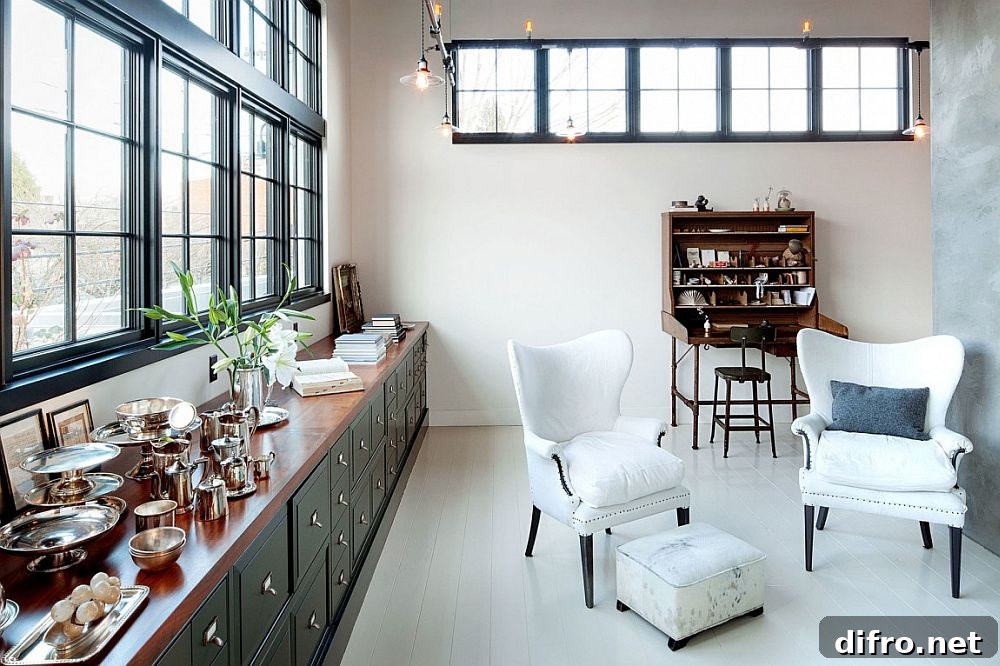
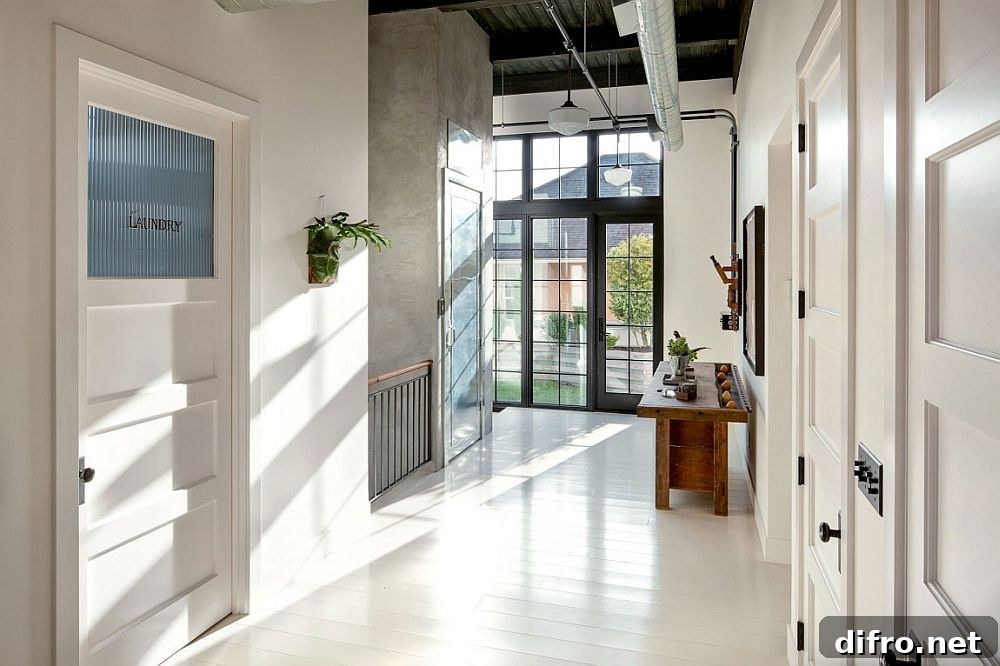
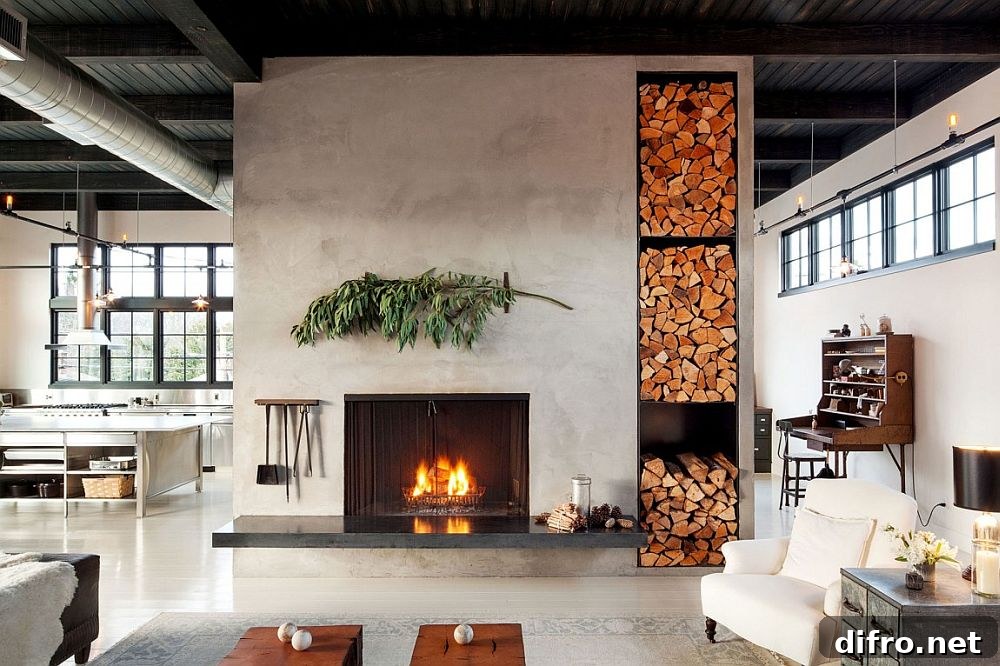
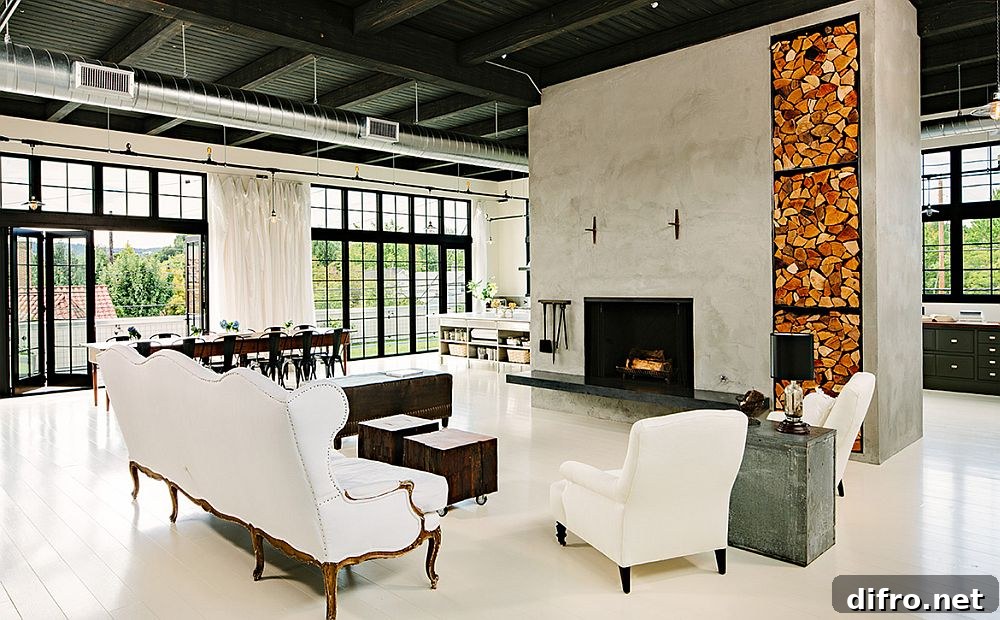
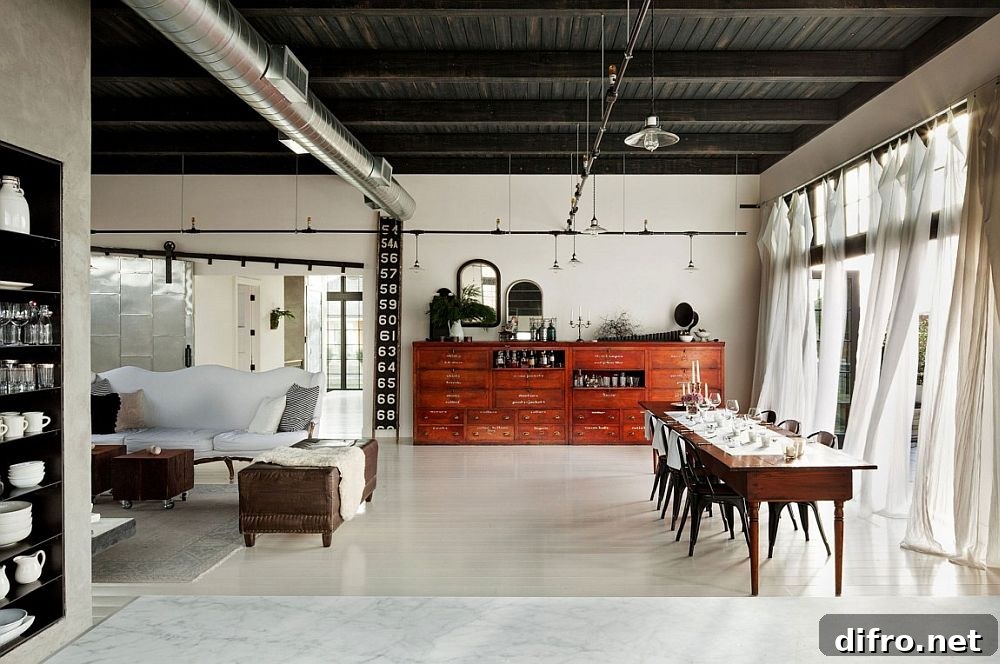
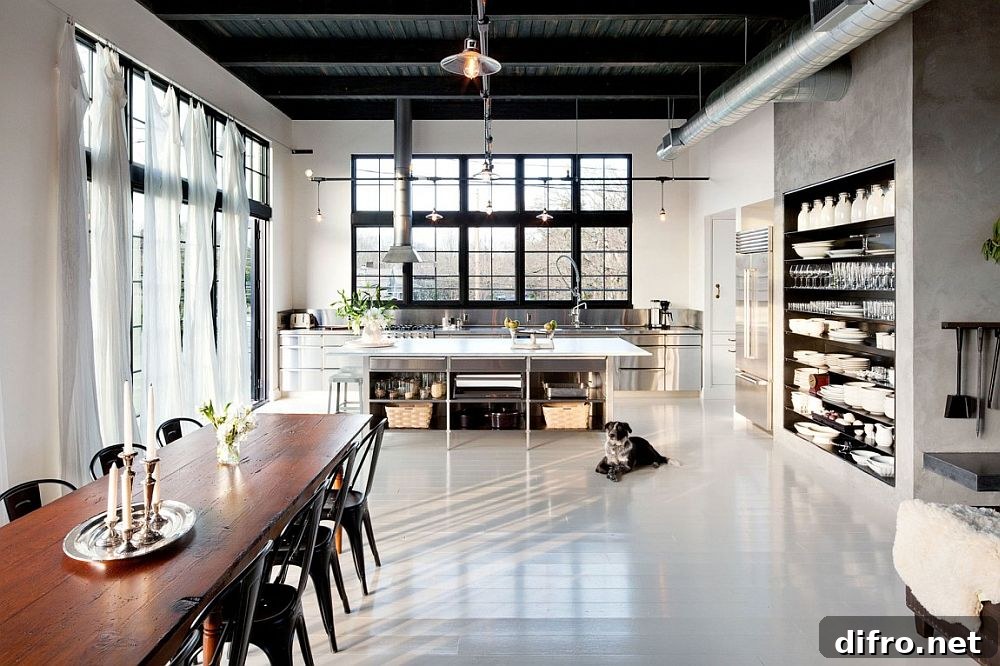
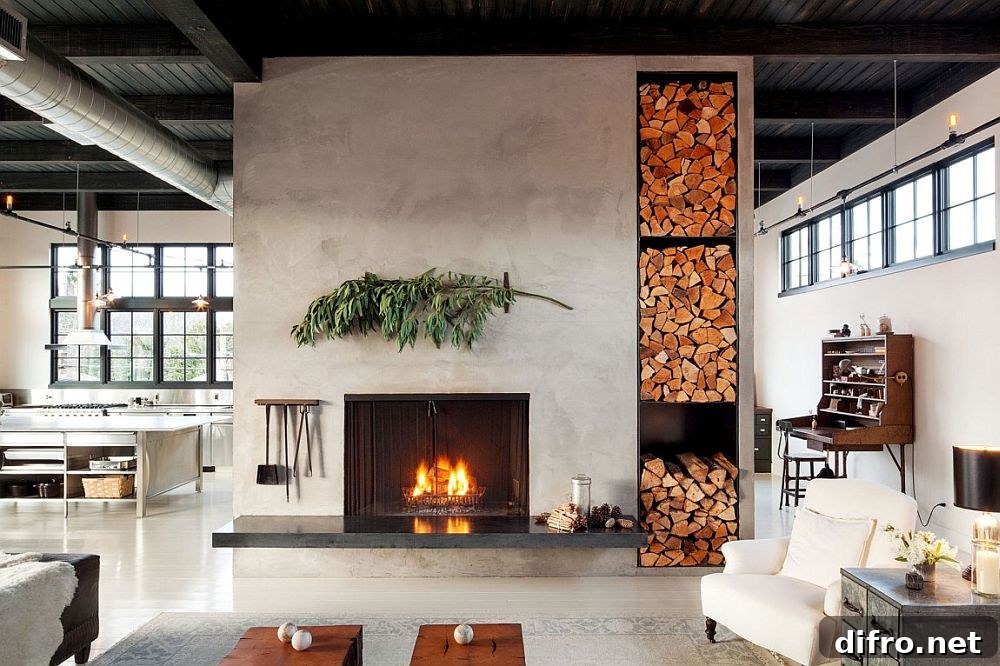
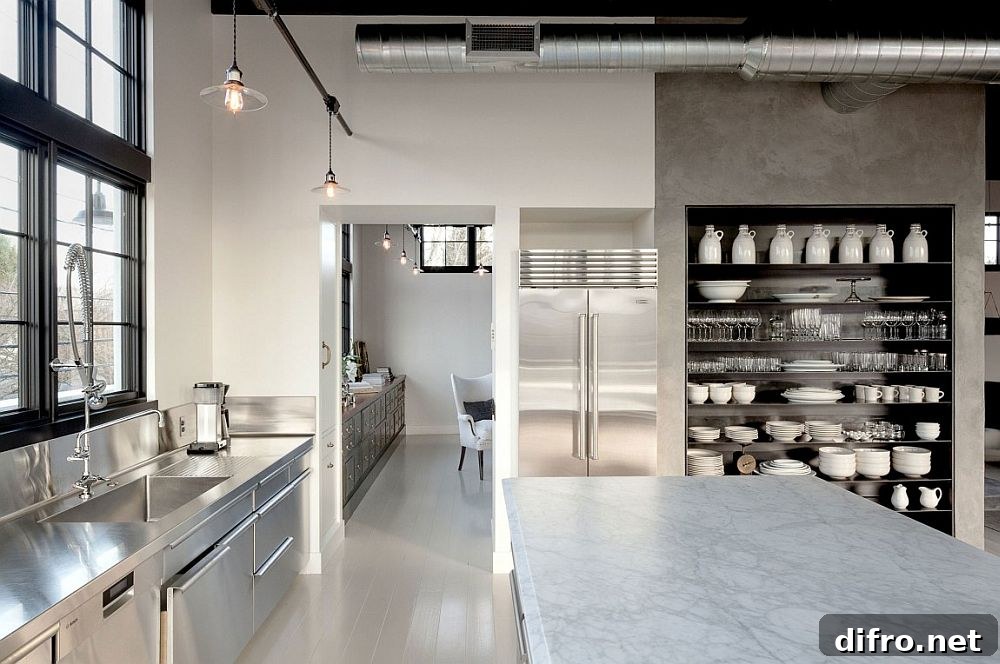
Spread across 8000 square feet, the main residence occupies the second-story loft and channels the charm of a bygone industrial era. Design choices emphasize authenticity: oversized windows modeled on 1930s steel-framed factory glazing, exposed steel beams, and concrete finishes create a visually striking backdrop. The open-plan living area unites the dining space, a bold concrete fireplace, and a kitchen with open shelving that encourages display and accessibility. Large framed windows and glazed doors flood the loft with daylight and allow natural ventilation to circulate through the living zones, supporting a healthy indoor environment and reducing reliance on mechanical systems.
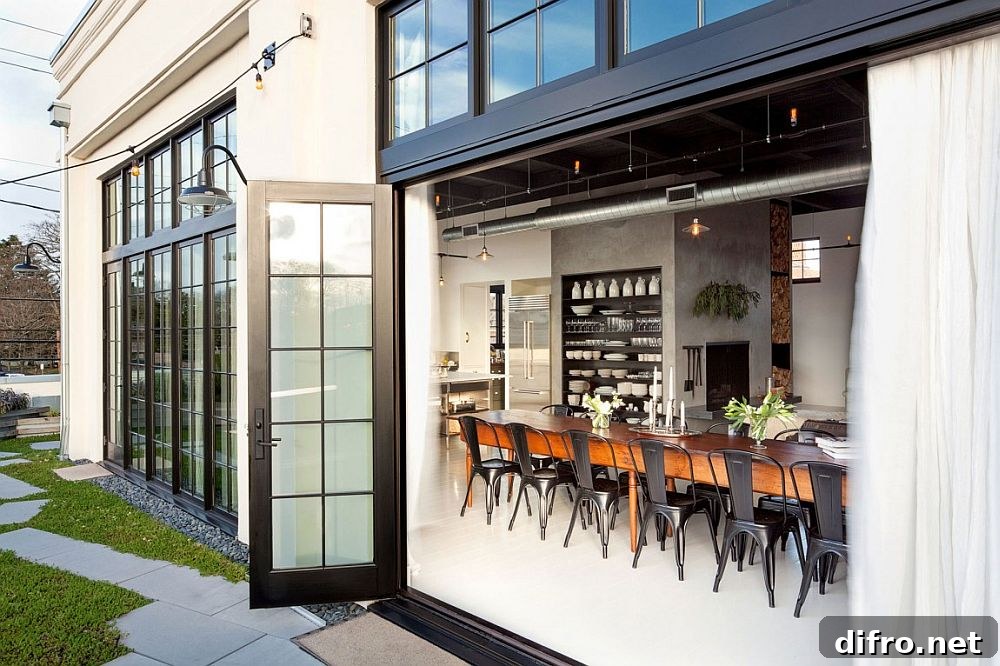
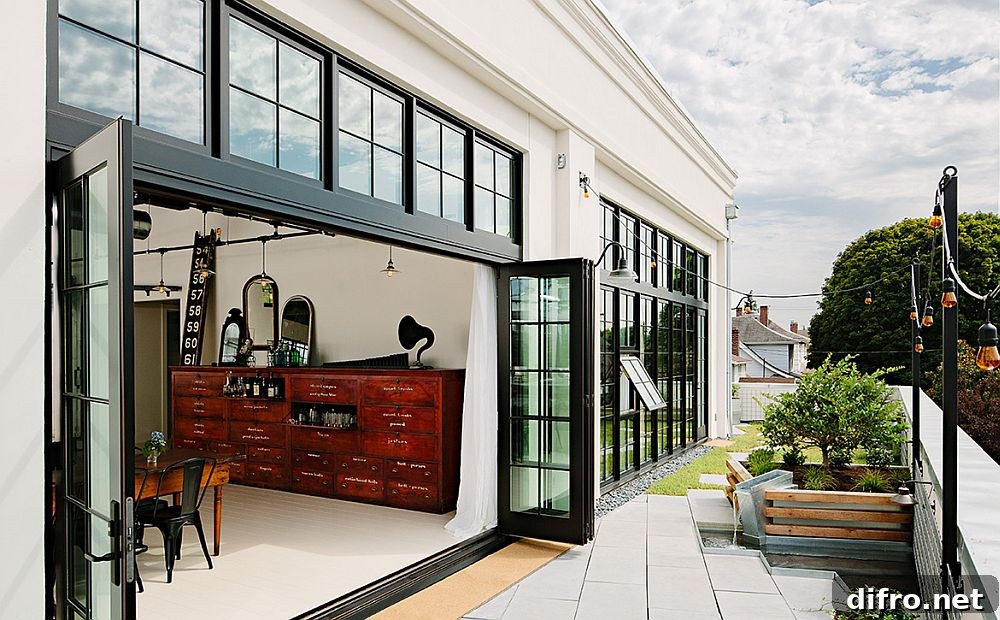
Adaptive reuse is a guiding principle throughout the renovation. Instead of clearing away the building’s history, the design preserves and repurposes existing materials and details wherever possible. Reclaimed wood and vintage furnishings bring warmth and texture, while locally crafted elements—built by skilled artisans in the Portland area—ensure each detail feels intentional and rooted in place. Track lighting, inspired by an old sprinkler layout, becomes a subtle industrial statement that also provides versatile illumination for living and dining areas.
Sustainability and energy efficiency were integrated into the renovation without compromising the loft’s character. A roof garden provides insulation, stormwater benefits and an outdoor retreat, while an extensive solar array—approximately 2000 square feet—helps offset the home’s energy use. These features combine with natural ventilation and reclaimed materials to significantly reduce the environmental footprint of this converted warehouse-style residence.
The project also takes advantage of the building’s multiple levels. Below the loft, the lower level accommodates utilities and additional living spaces: a separate guest apartment, a model-train room and storage areas. These complementary areas make the property both practical and flexible, expanding the home’s usability while keeping the main loft open and uncluttered.
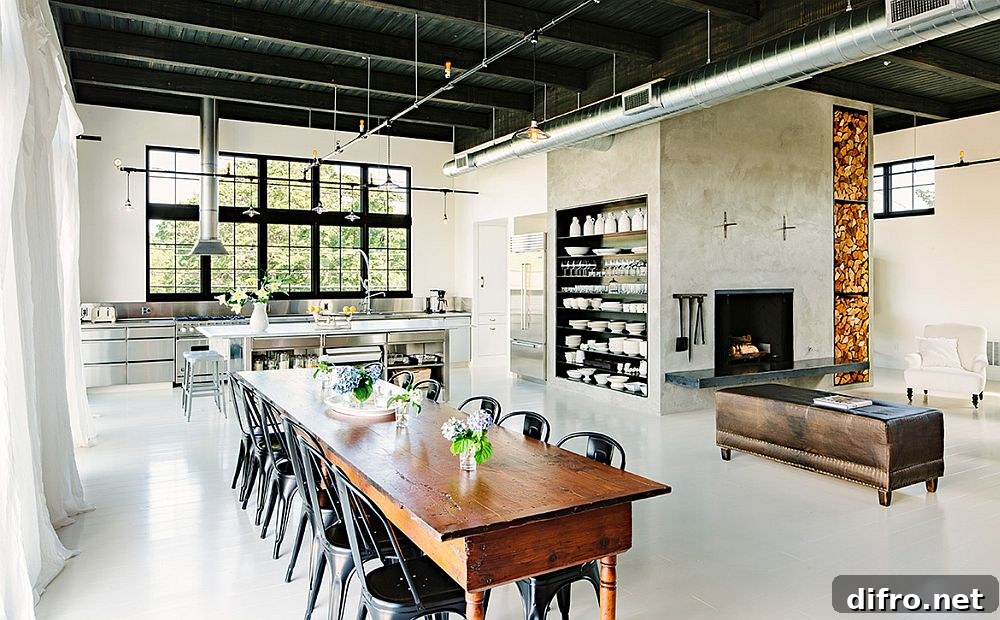
Throughout the renovation, the design team stayed true to the building’s industrial roots while incorporating modern comforts and sustainable strategies. The result is an authentic, character-rich home that celebrates adaptive reuse, craftsmanship and energy-conscious living—an inspiring example of how an old commercial building can be reimagined as a beautiful, efficient urban residence.