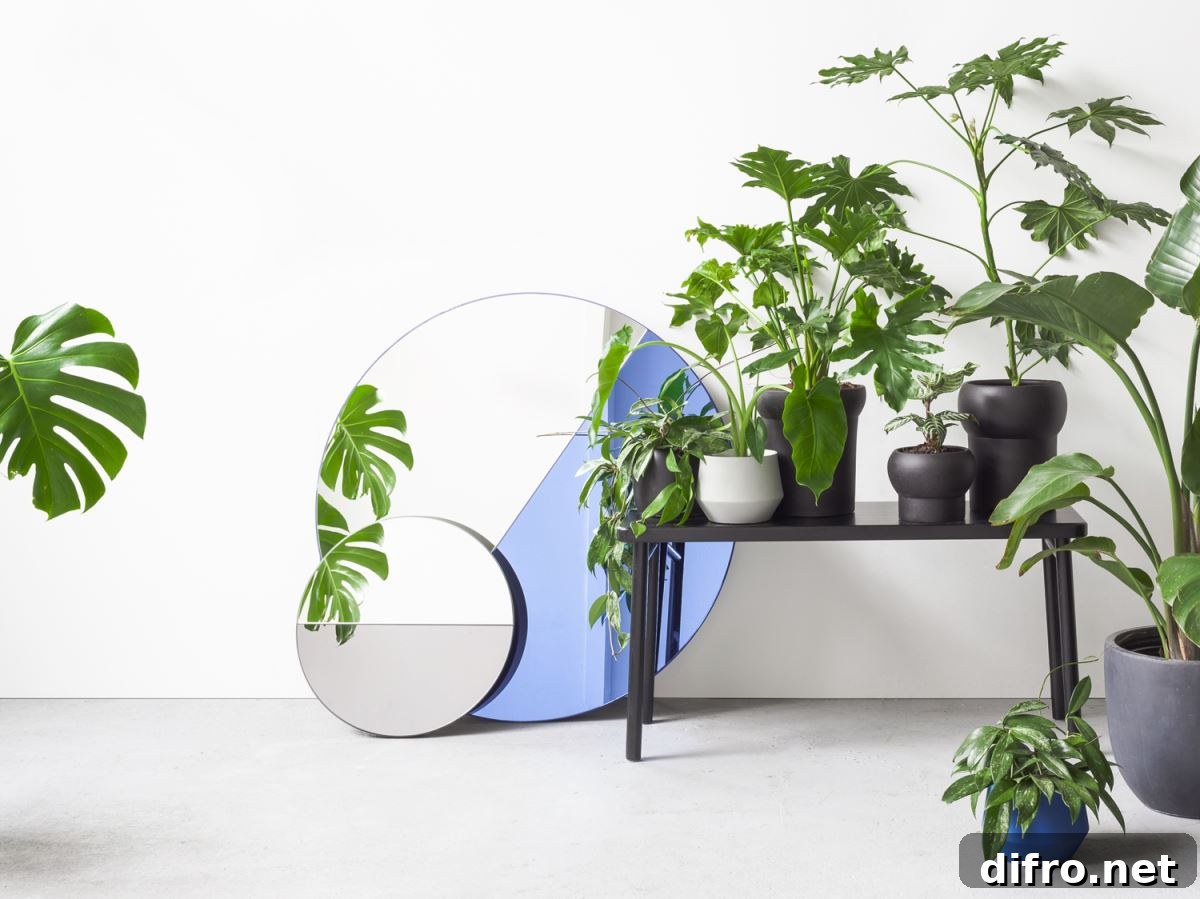
See the world through a softer hue: tinted mirrors have moved from high-end design showcases into mainstream interiors and retail collections. Unusual, geometric and distinctly modern, these mirrors combine artistry with function. They add color, depth and personality while still reflecting light and space. Below is a practical guide to the styles, makers and ways to use tinted mirrors in your home.
Types of Tinted Mirrors
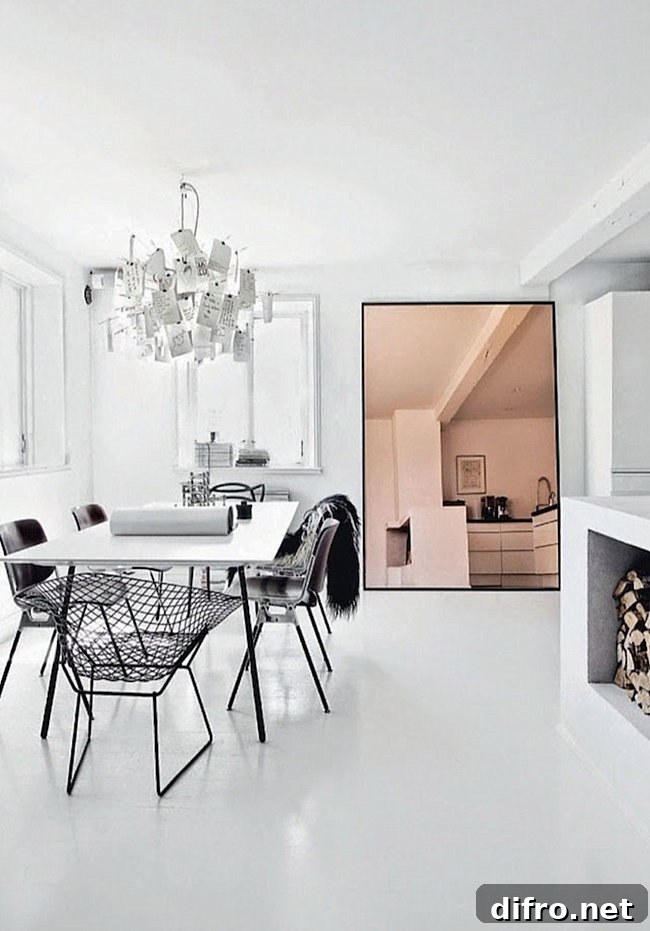
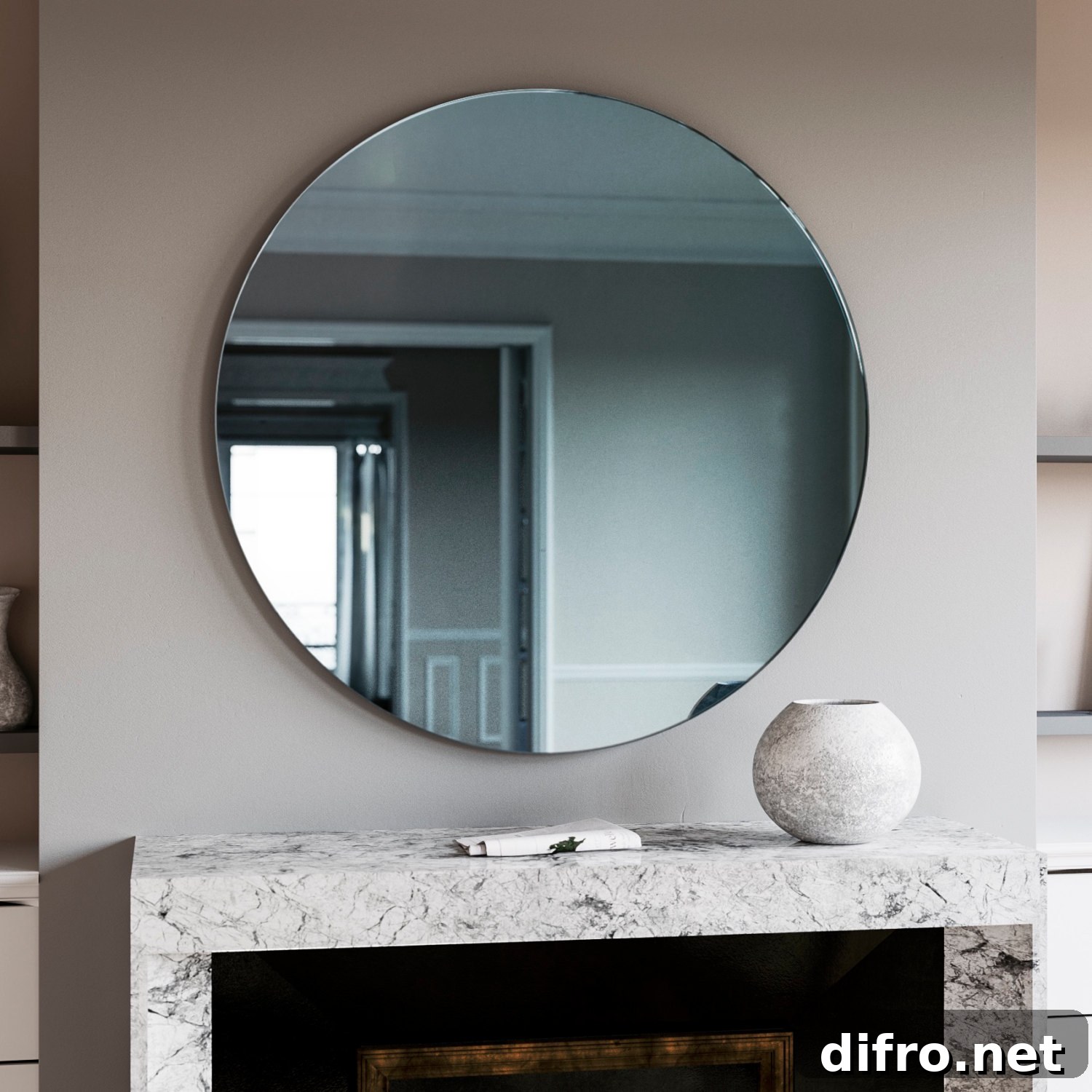
Tinted mirrors come in many shapes and sizes, from expansive statement pieces to compact, decorative forms. In a largely monochrome room, a warm-toned large mirror can read like a saturated accent, bringing richness and visual warmth to the space.
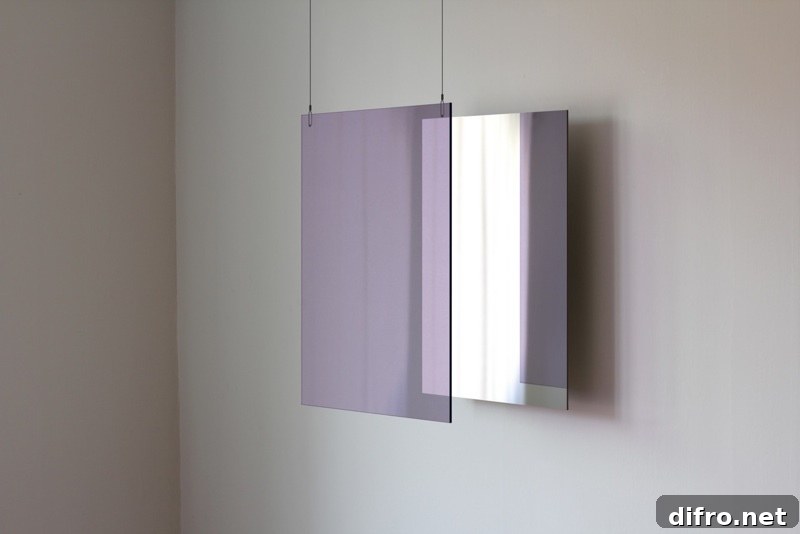
Some designs treat mirrored glass as an art medium. For example, a piece that combines a mirror with a suspended panel of colored glass can create a layered, three-dimensional effect—one element reflecting while the other filters color into the room.
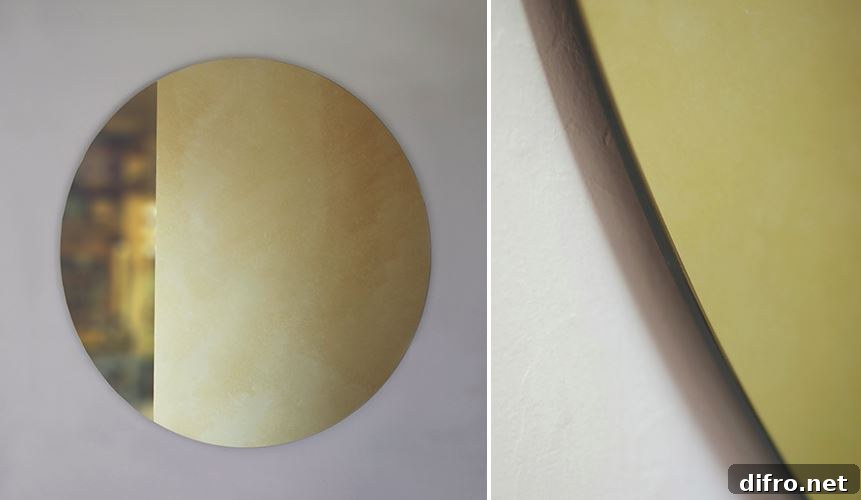
Independent studios increasingly explore two-tone or colorblocked mirror solutions. Customizable designs allow you to choose shape, size and the precise blend of tinting—ideal when you want a tailored focal piece rather than a mass-produced option.
Artisan marketplaces and small makers offer bold shapes and vintage-inspired forms—rounds, hexagons, and art-deco styles glazed in blue, rose or smoke tints. Affordable, mass-market options have also appeared in recent years, making this trend accessible for budget-conscious interiors.
Mirrored Decor from AYTM
Several contemporary brands have expanded beyond flat mirrors into mirrored decor: ornament-sized mirrors, jewelry boxes with mirrored lids, tables with reflective tops, and mirrored candle holders. These smaller mirrored objects introduce tinted glass subtly—perfect for shelving, consoles and small vignettes.
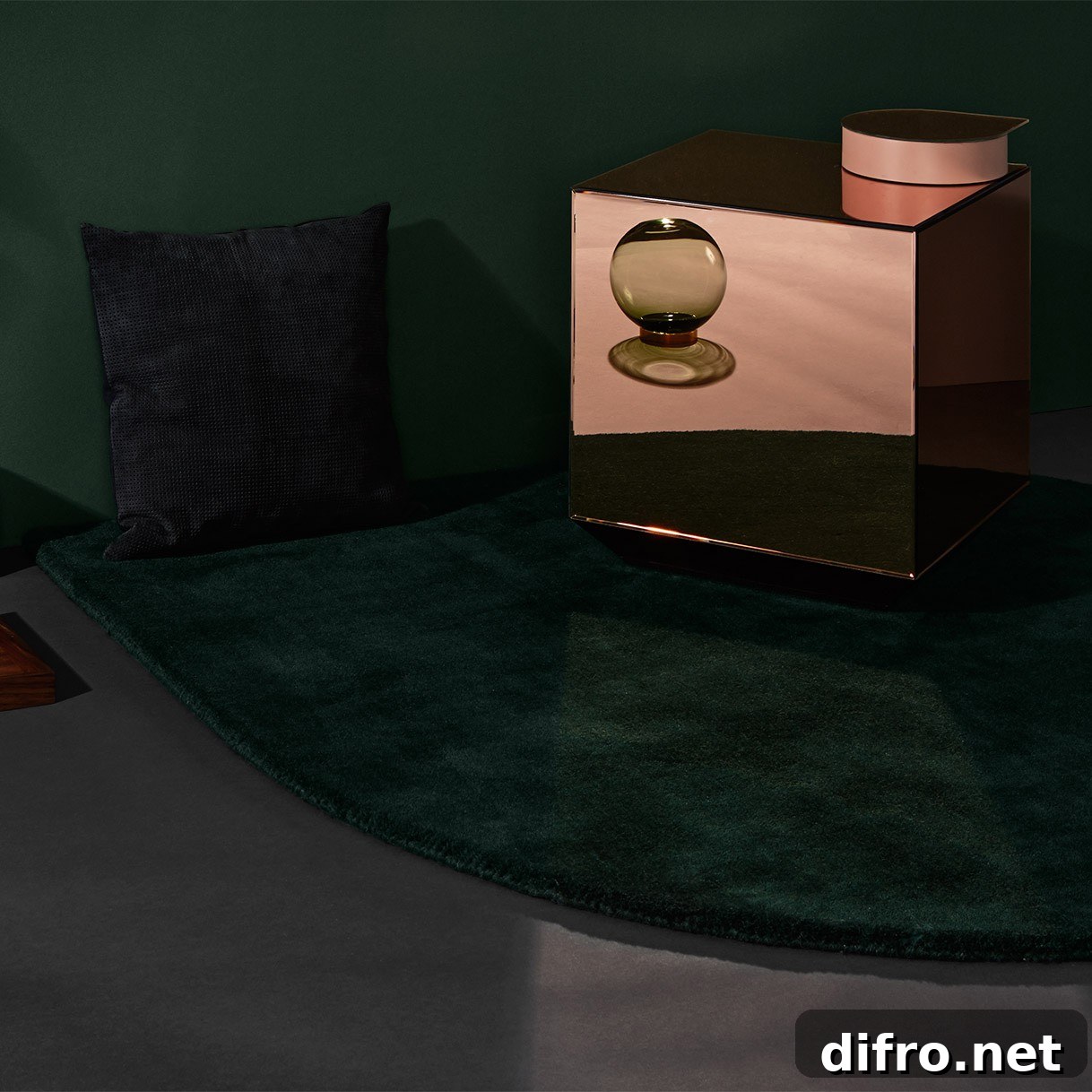
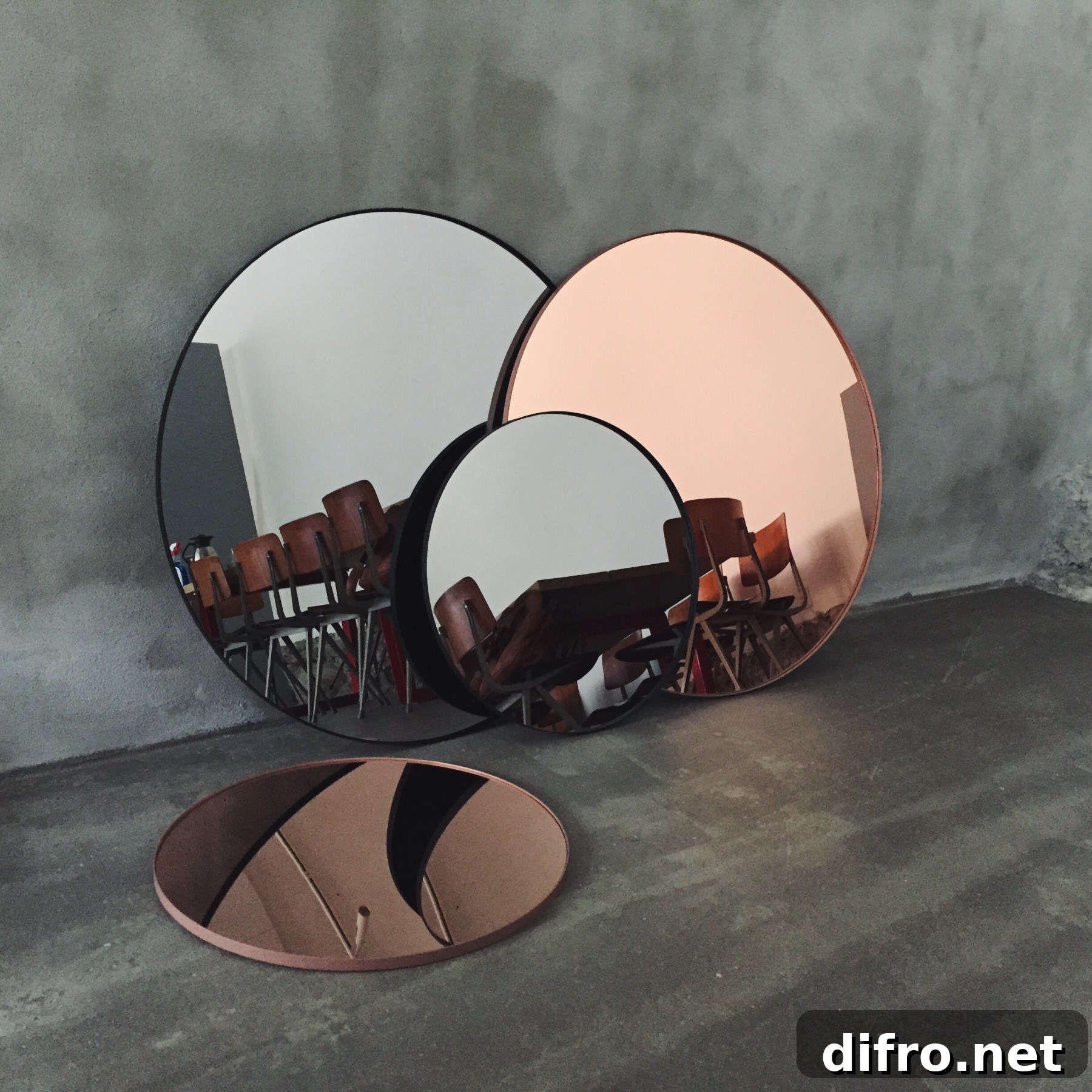
Round clusters, square formats and small reflective ornaments come in rose, black, dark grey and gold tints. Grouped together, these pieces create subtle layers of color and shine without overwhelming a room.
Mira Duo Mirrors from Middle of Nowhere
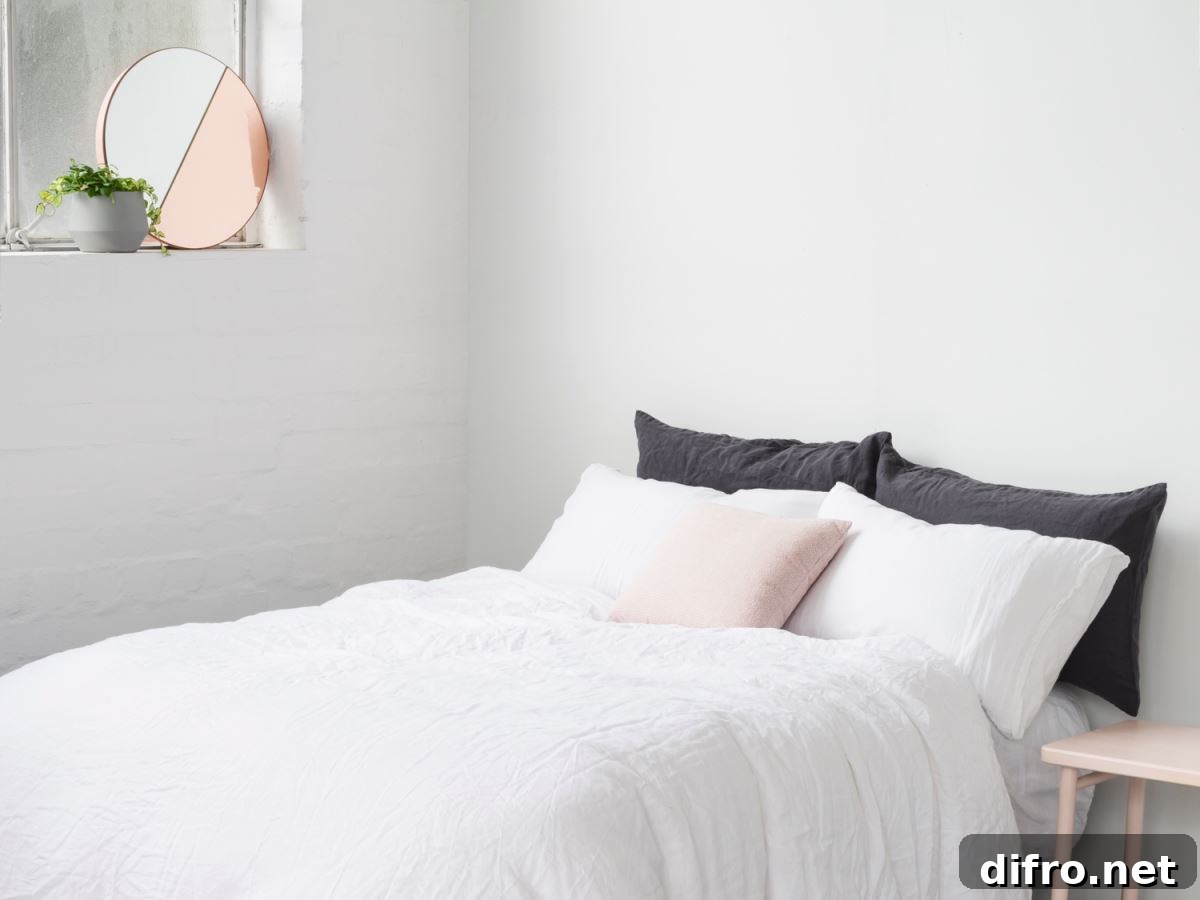
Design studios are experimenting with dual-tone and geometric mirrors that combine painted frames with tinted mirror panels. One notable design pairs a regular mirrored panel with a peach-tinted section, creating contrast and a contemporary geo silhouette that functions as both art and utility.
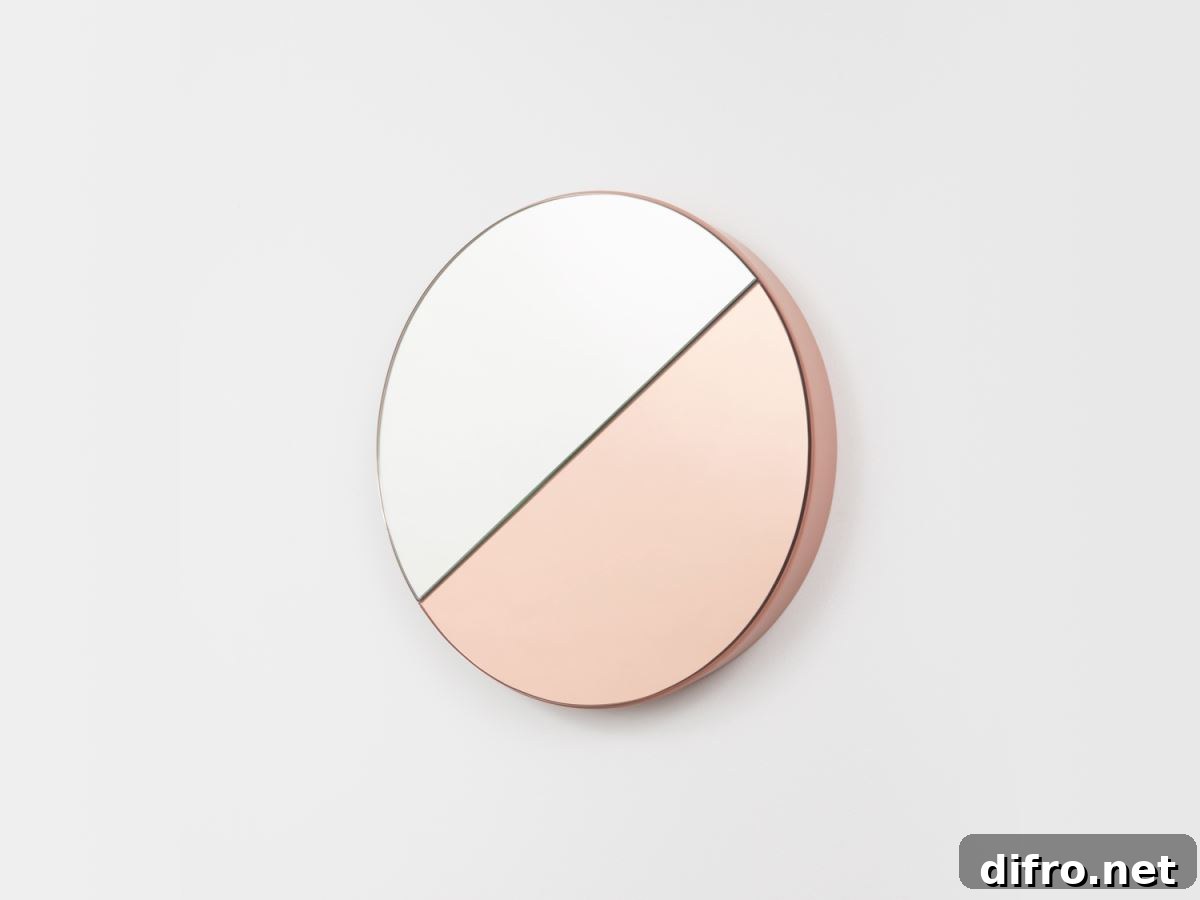
These geometric mirrors work best as focal points in softly toned rooms. Pair them with greenery and minimal artwork to form a modern vignette that balances shine, color and texture.
Colorblocked Mirrors from West Elm
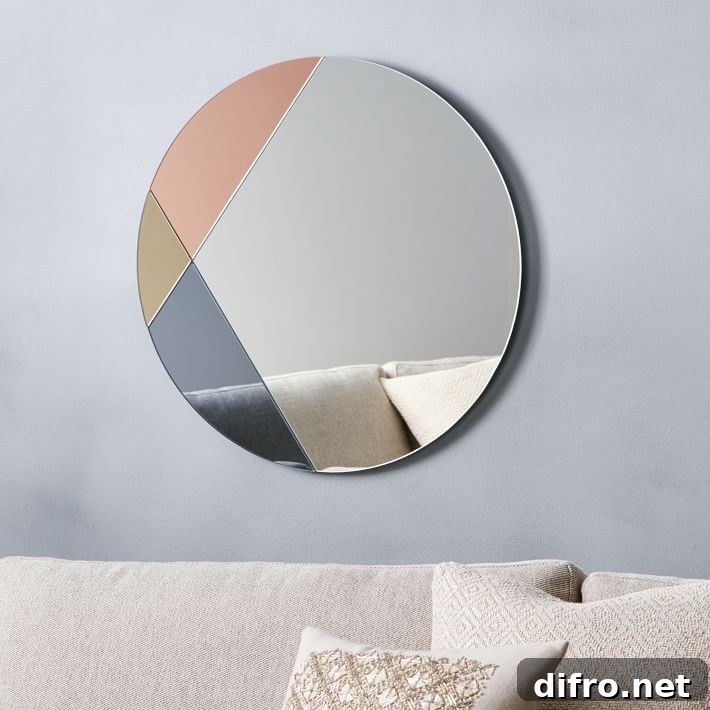
Major retailers now offer colorblocked mirrors that use intersecting tinted panels to add visual interest. Circular, square and diamond compositions layer subtle metallic tones—silver, gold and rose gold—across the mirrored surface. These pieces bring mixed-metal sophistication to living rooms, entryways and bedrooms without overwhelming the space.
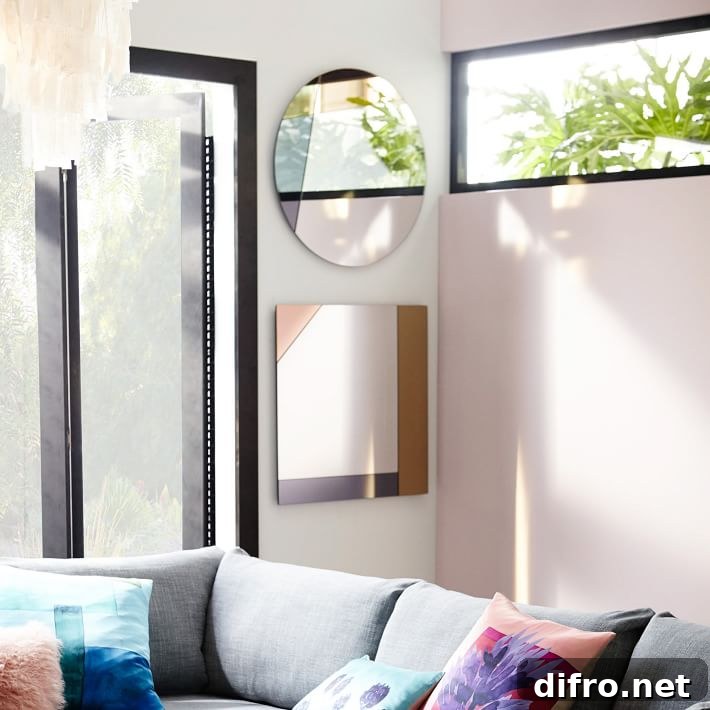
Round designs often blend semicircles and arcs to produce a layered three-tone effect, while square and diamond versions divide the surface into rectangular and triangular tinted segments. These geometric approaches translate well to both contemporary and mid-century-inspired interiors.
Tinted Mirrors by Federico Floriani
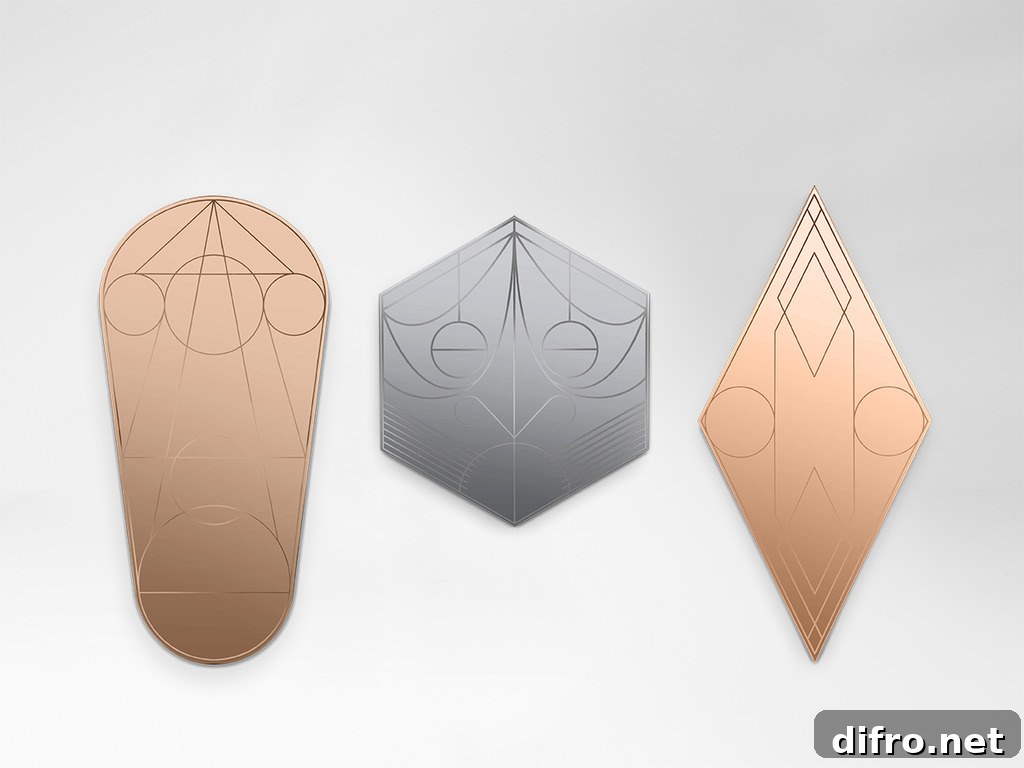
Designer Federico Floriani has produced a collection of decorative mirrors in hexagon, lozenge and oval shapes that combine tinted mirrored glass with printed linework. These pieces read as standalone art and are especially striking when grouped to form a coordinated display. The serigraphed lines on tinted surfaces create subtle graphic effects that change with viewing angle and light.
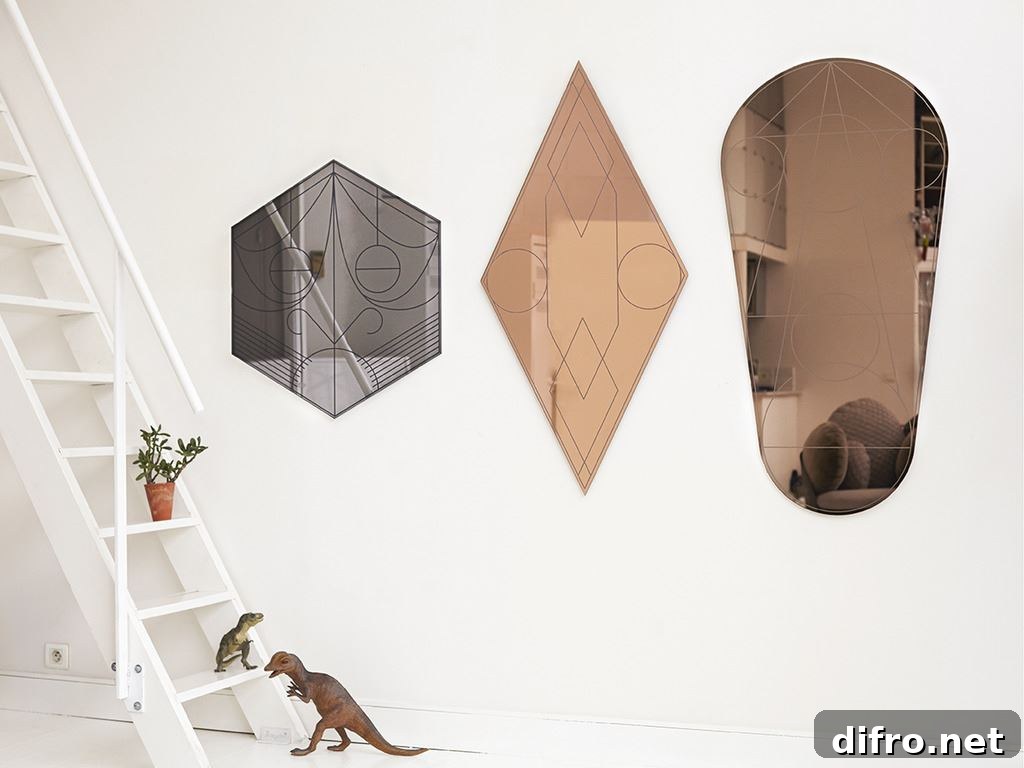
Displayed together, these mirrors form a compelling focal wall that blends pattern, shape and reflective color. Whether used singly or in clusters, tinted mirrors are an effective way to introduce color, warmth and visual complexity into modern interiors.
Are you considering adding a tinted mirror to your home? Share which styles appeal to you most and how you might place them in your space.