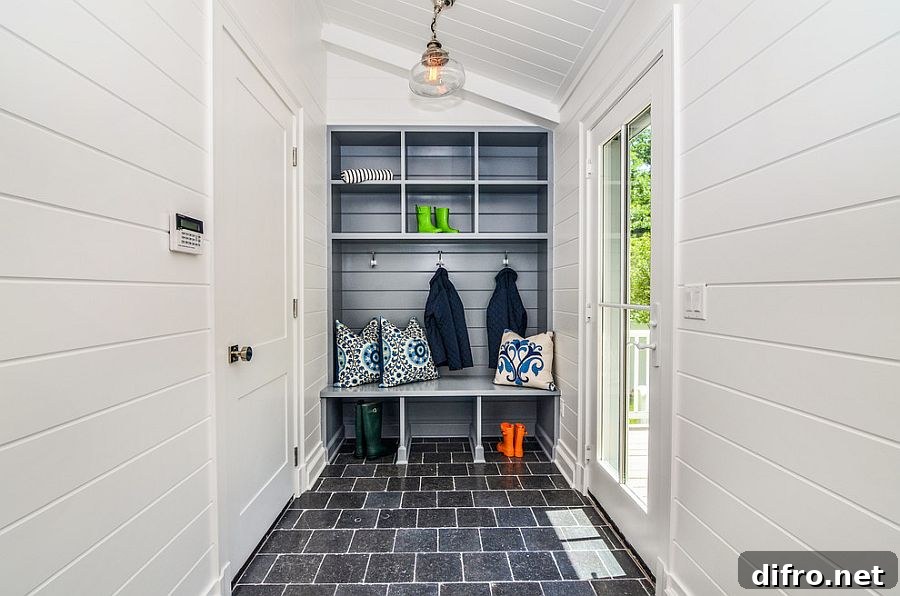
The mudroom is a hardworking space in the home — a practical transitional zone between the outdoors and the living areas. It often goes unnoticed until the weather turns wet or snowy, when muddy boots, wet coats and dripping umbrellas make its purpose impossible to ignore. For families with children or pets, a well-designed mudroom helps keep dirt and clutter out of the kitchen and living room while offering a dedicated place to organize everyday outdoor gear.
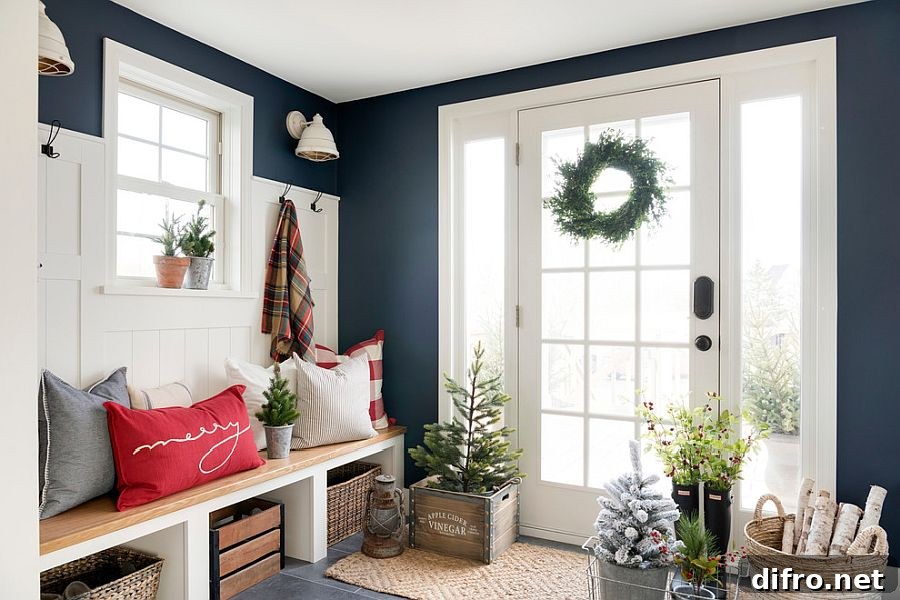
There is no single “best” mudroom—its design should match your lifestyle. Some homeowners prefer a clean, minimal space with hidden storage and closed cabinets. Others need open cubbies, plentiful hooks and visible shelving so everyone in the family can quickly grab what they need. A mudroom can also double as a compact home office, a kids’ homework corner, or a pet-friendly entry with an easy-to-clean mat. Below are practical ideas and design tips to make even the smallest mudroom functional, durable and stylish.
Keeping it Easy to Clean
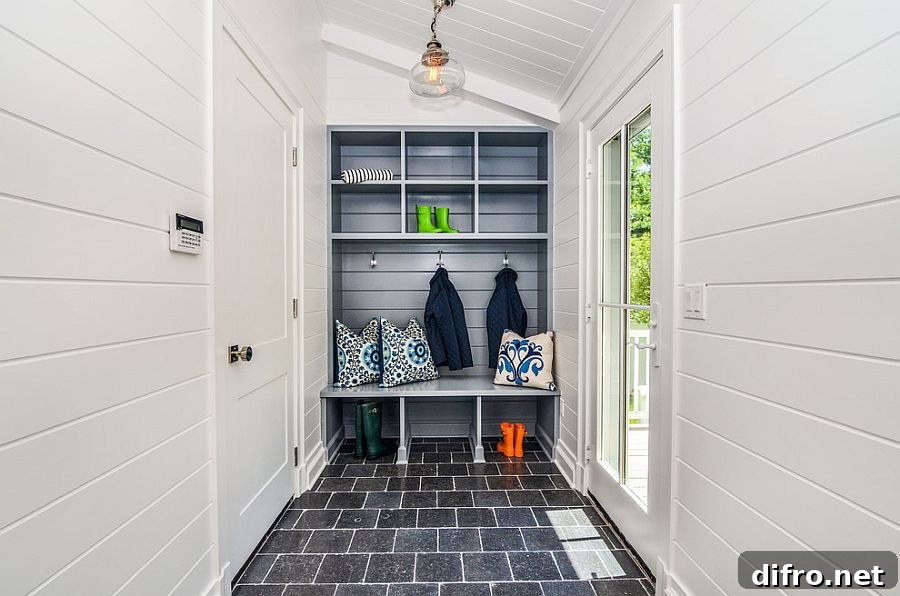
Durable, low-maintenance surfaces are essential in a mudroom. High foot traffic, mud, snow and wet shoes demand a floor material that resists slipping and stands up to wear. Natural stone, porcelain tile and sealed concrete are popular choices because they are hard-wearing and simple to clean. If you want a rug for warmth and comfort, choose a washable, non-slip option and place it over a resilient floor. Wall finishes that wipe clean — such as tile, beadboard or moisture-resistant paint — also make maintenance much easier.
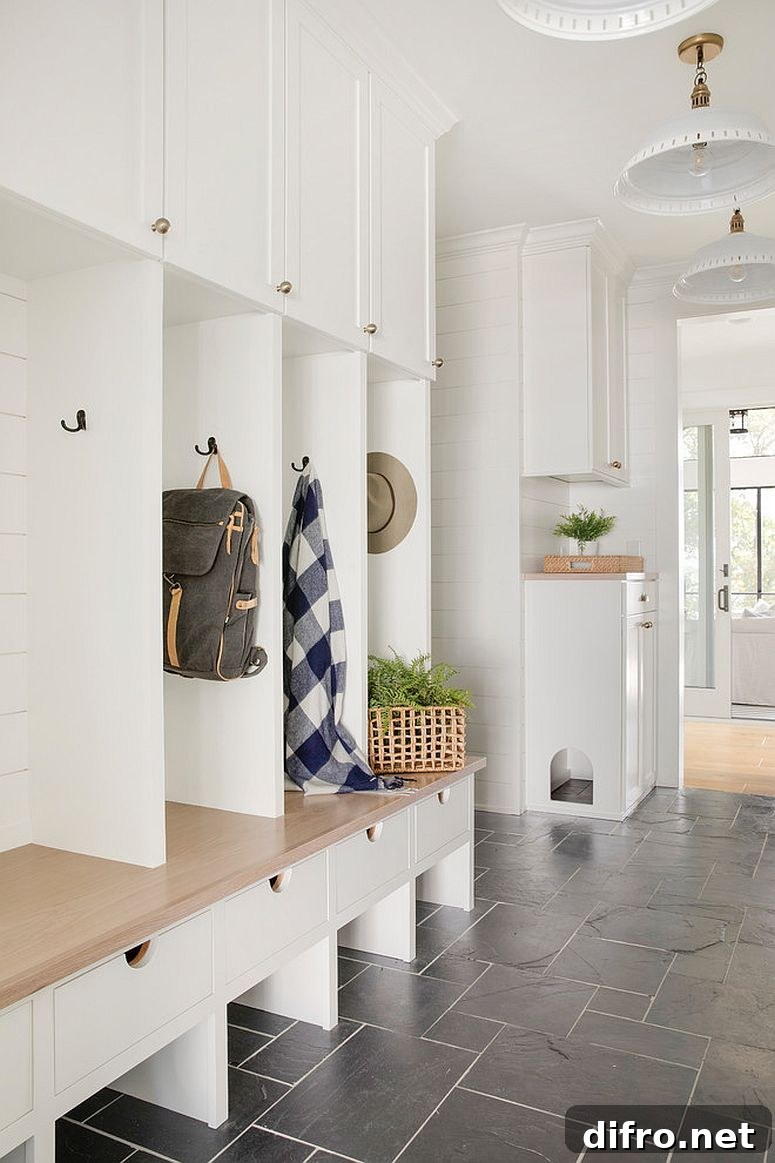
Surfaces that Last
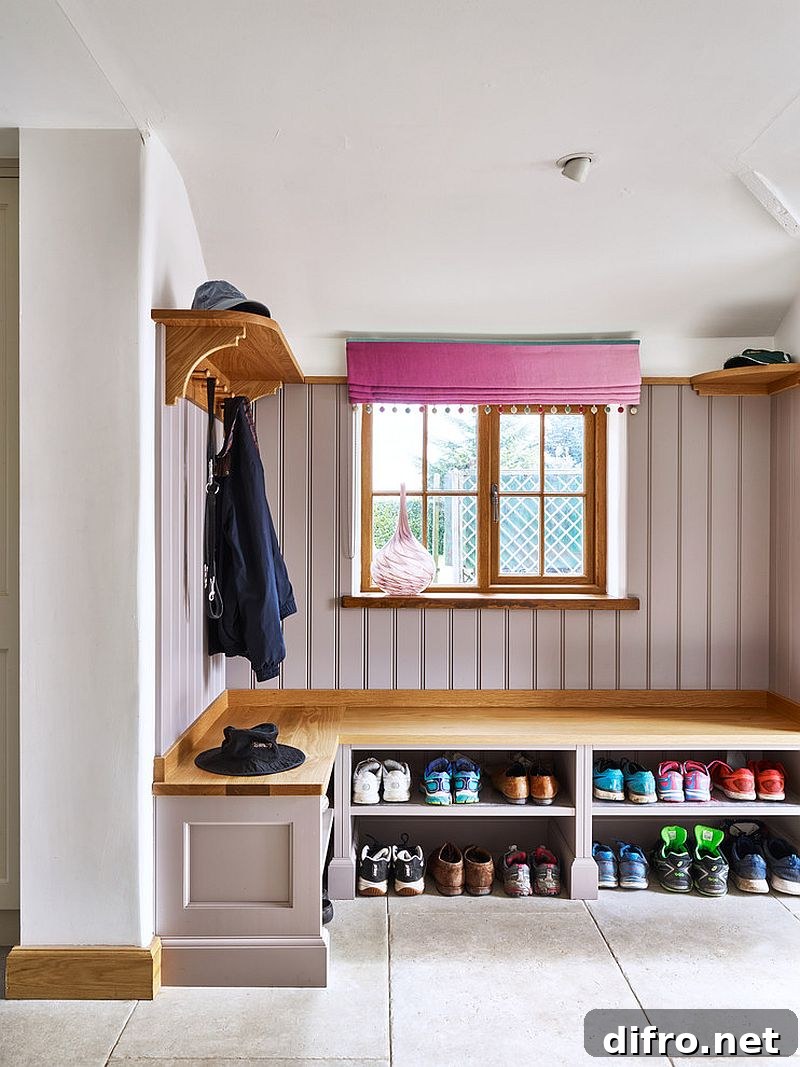
Beyond cleanability, choose materials that endure constant use. In climates with heavy rain or snow, prioritize stone, porcelain tile or stained concrete for floors and durable wall panels or tile up to chair-rail height to resist splashes and scuffs. Minimize the use of carpet and untreated wood in areas most exposed to moisture. For added warmth and texture, consider grasscloth wallpaper or washable wall coverings on upper walls where they are less likely to be soiled.
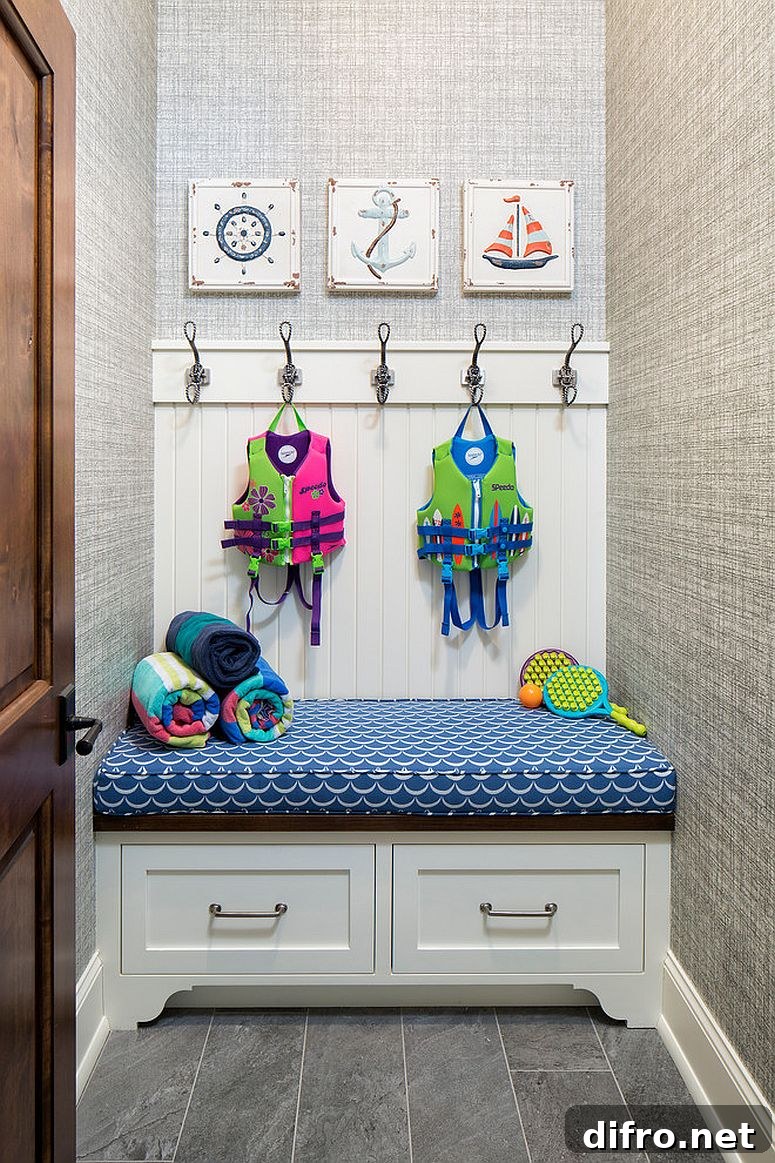
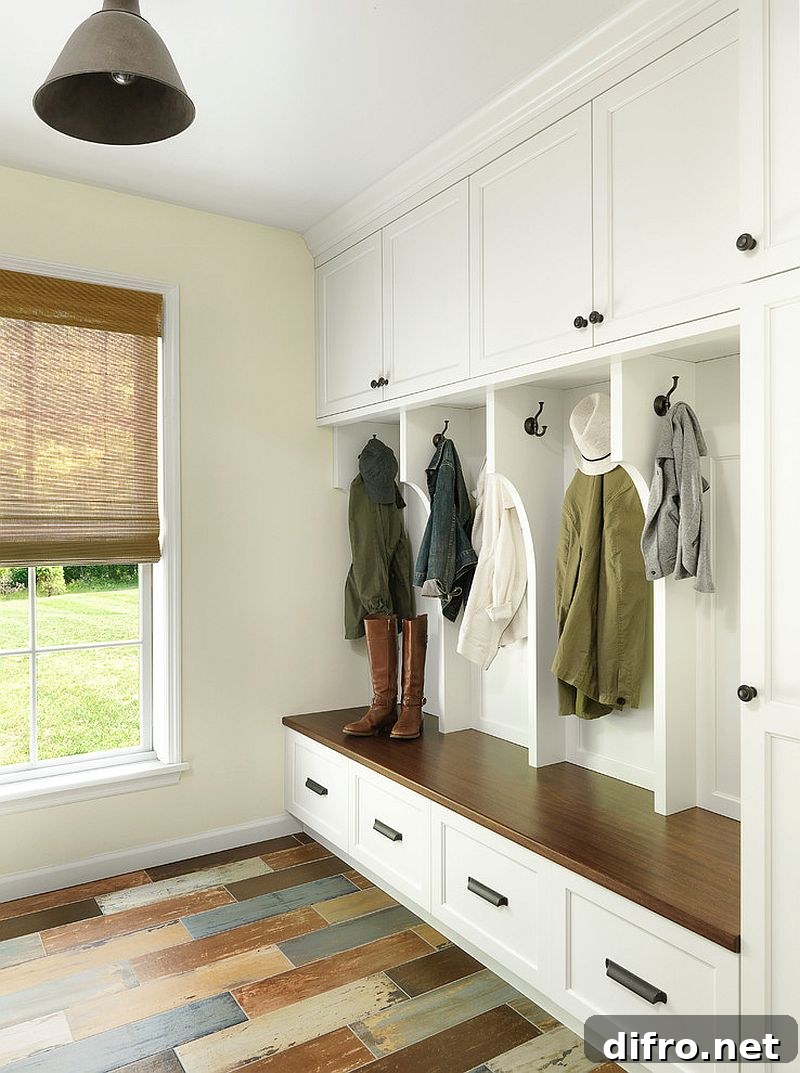
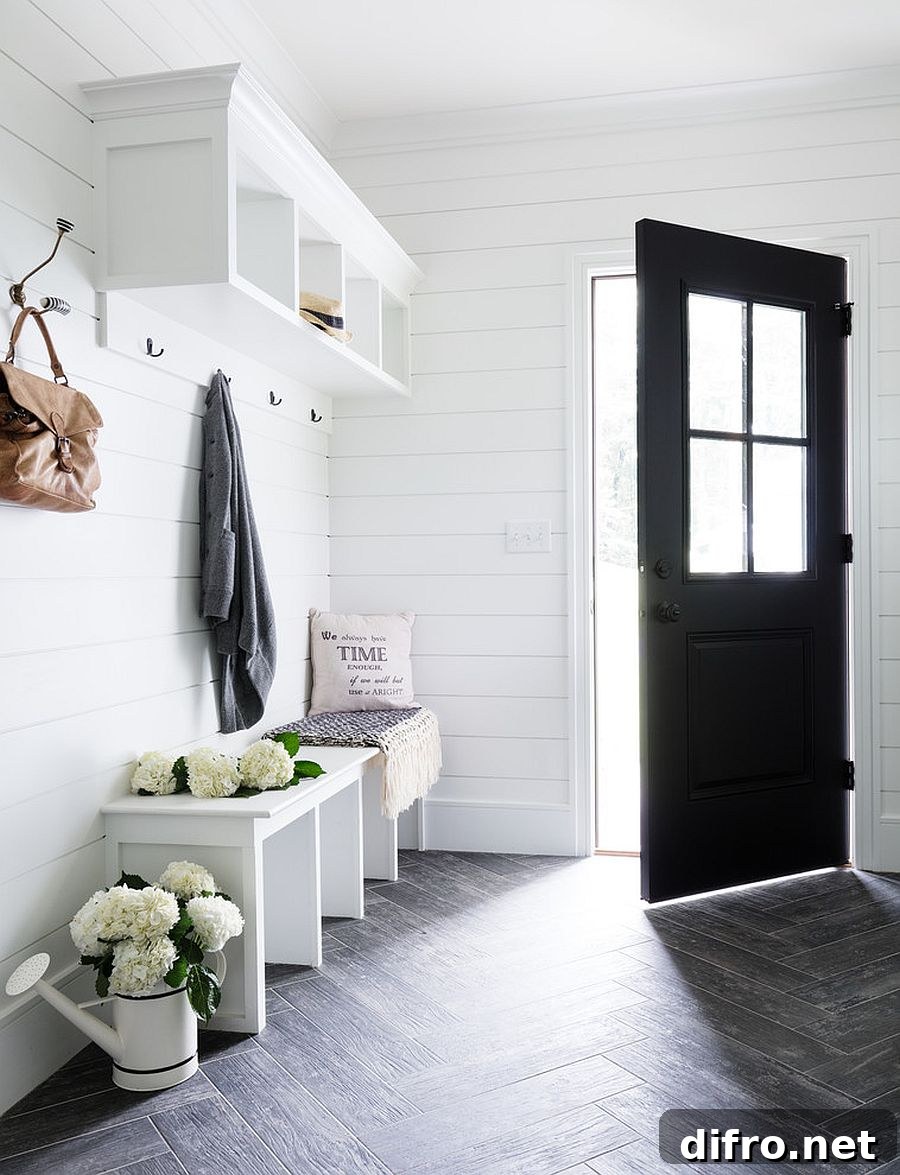
Finding Space for More
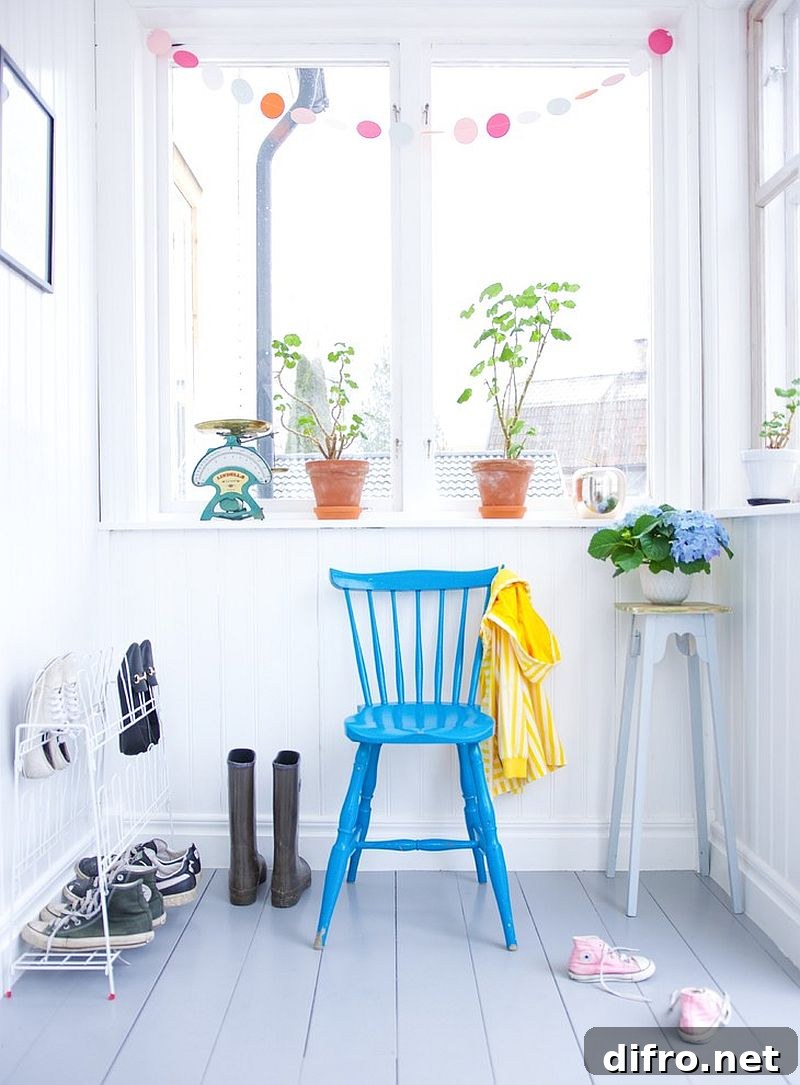
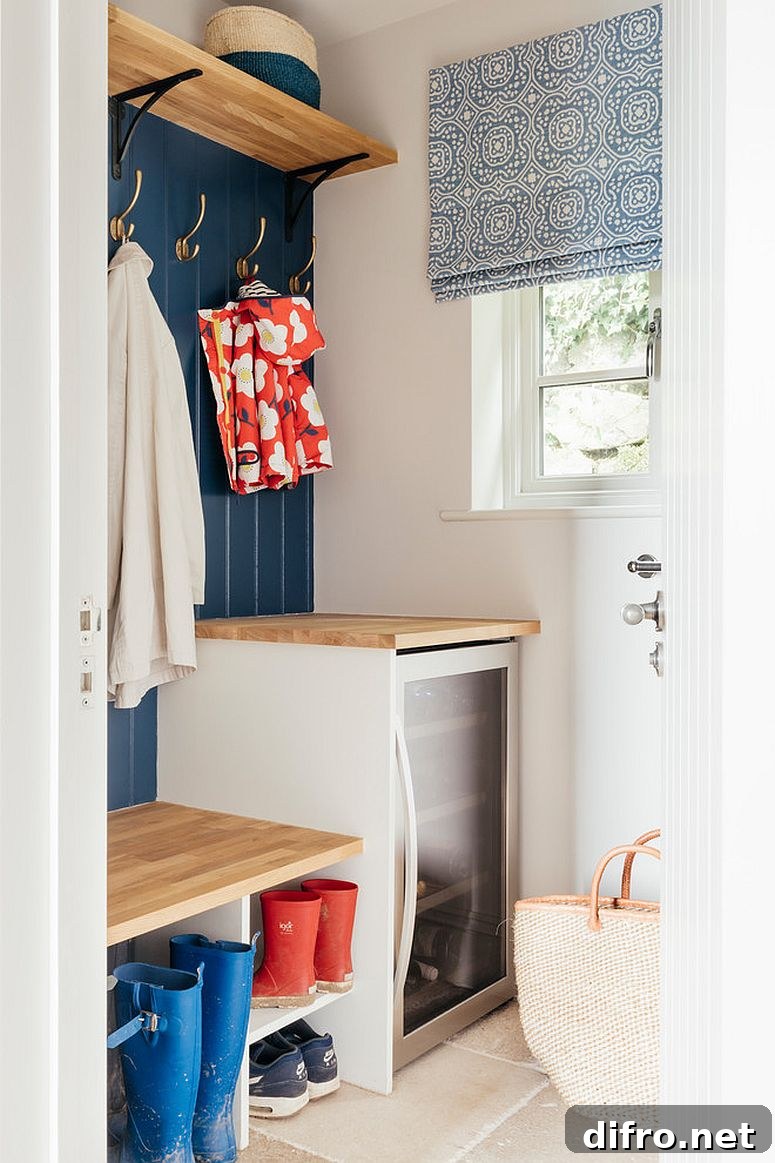
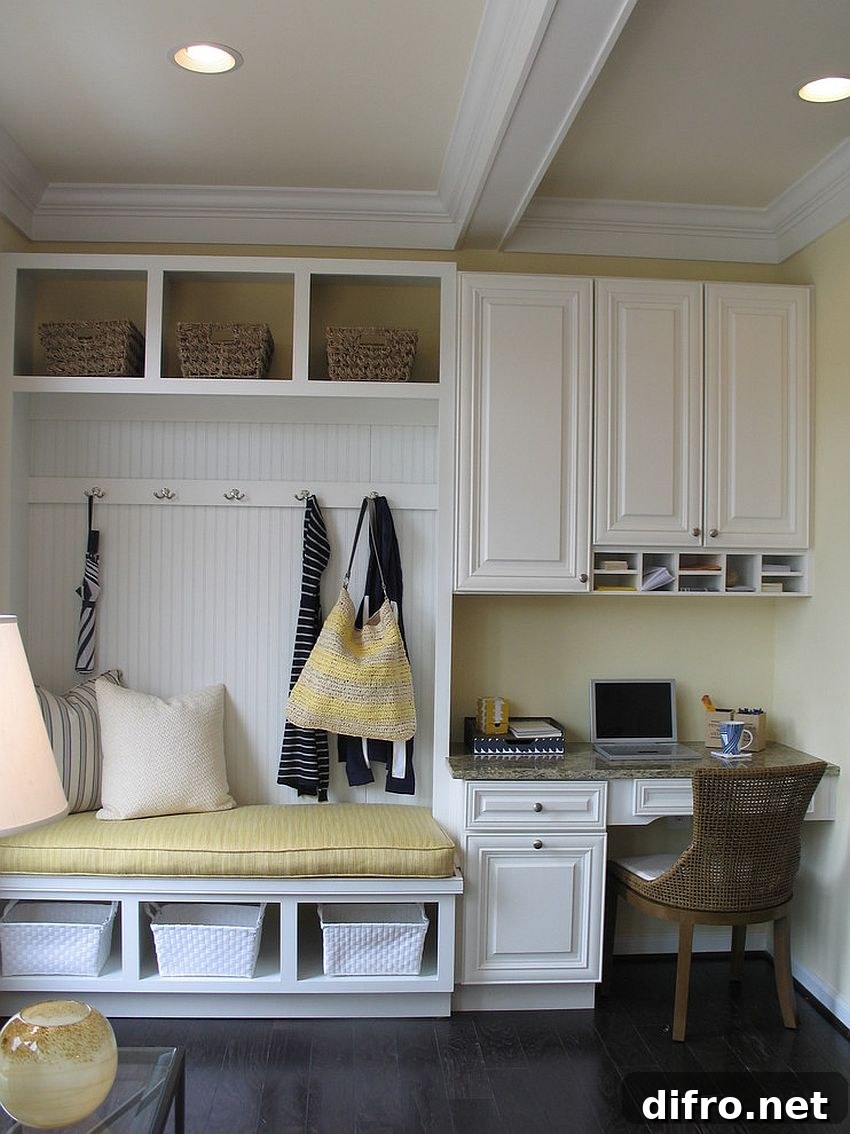
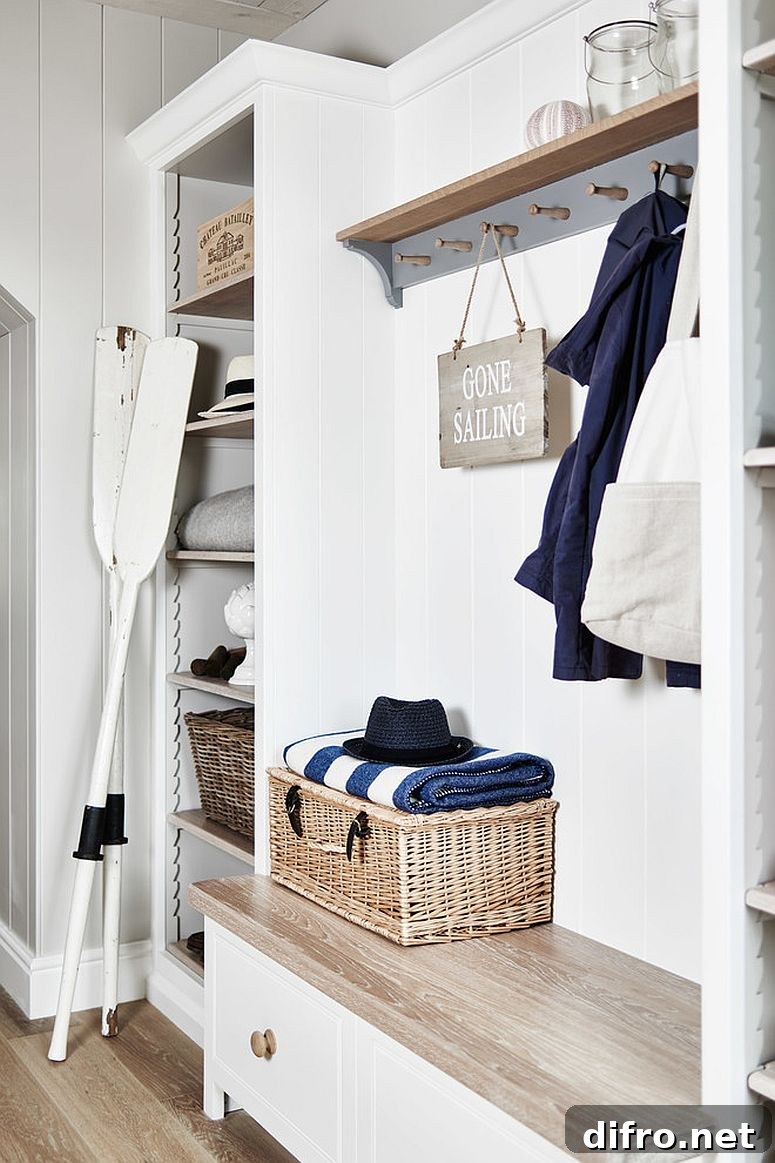
Many homes only have a small niche for a mudroom: a hallway off the garage, the area beside a stairway, or a narrow entry. Treat the mudroom as an extension of adjacent rooms and select colors and finishes that harmonize with the rest of the house. In tight footprints, be ruthless about what you include: a bench, a few hooks, a shoe shelf and a slim cabinet can often satisfy daily needs without overwhelming the space. Multi-functional furniture — such as a bench with built-in storage — helps maximize utility.
Utilizing Wall Space
Walls in a mudroom offer valuable storage, but more is not always better. A balanced approach works best: combine a few open hooks and cubbies for daily items with closed cabinets for seasonal gear and bulky equipment. Vertical storage — tall cabinets and floor-to-ceiling shelving — make the most of a narrow room, while a simple row of hooks and a bench can be ideal for mild climates or minimalist lifestyles. Think about how often you actually use heavy outdoor gear and plan storage accordingly to avoid clutter.
Storage and Personalized Appeal
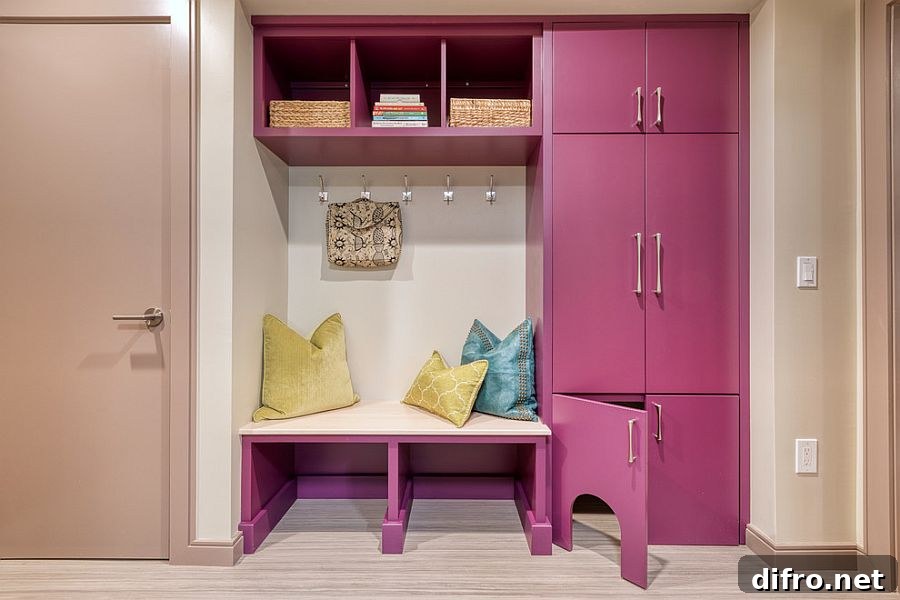
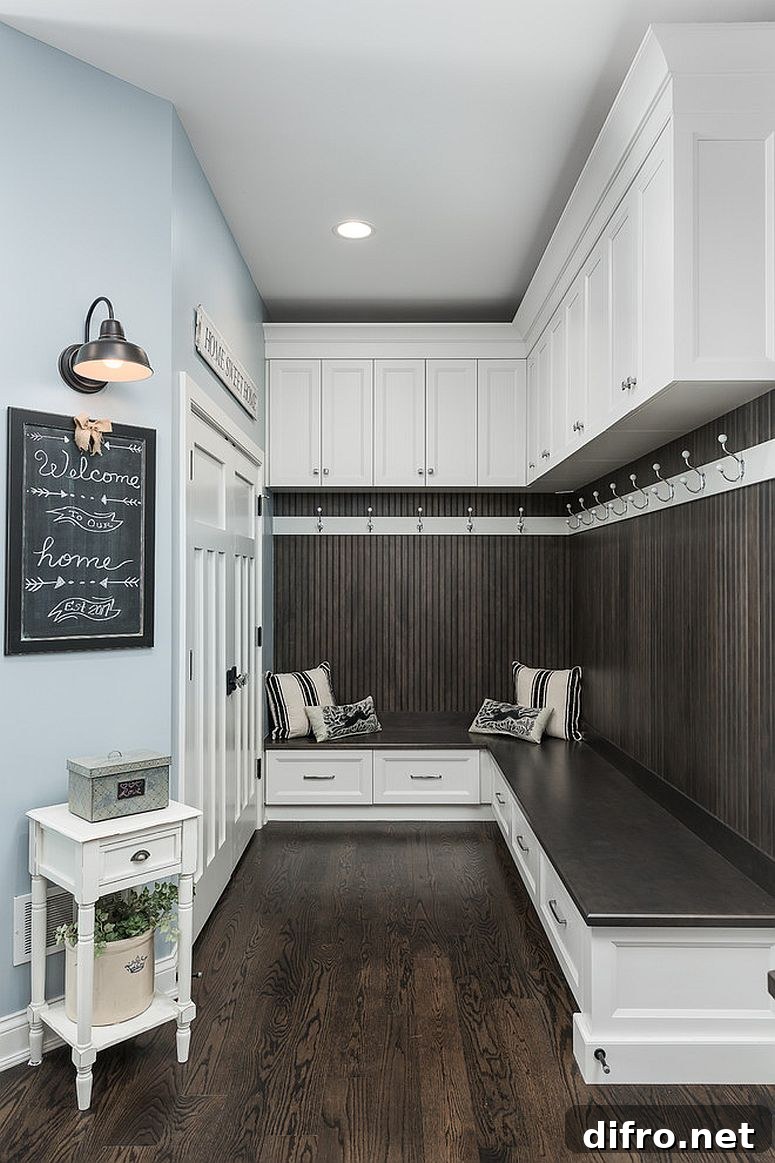
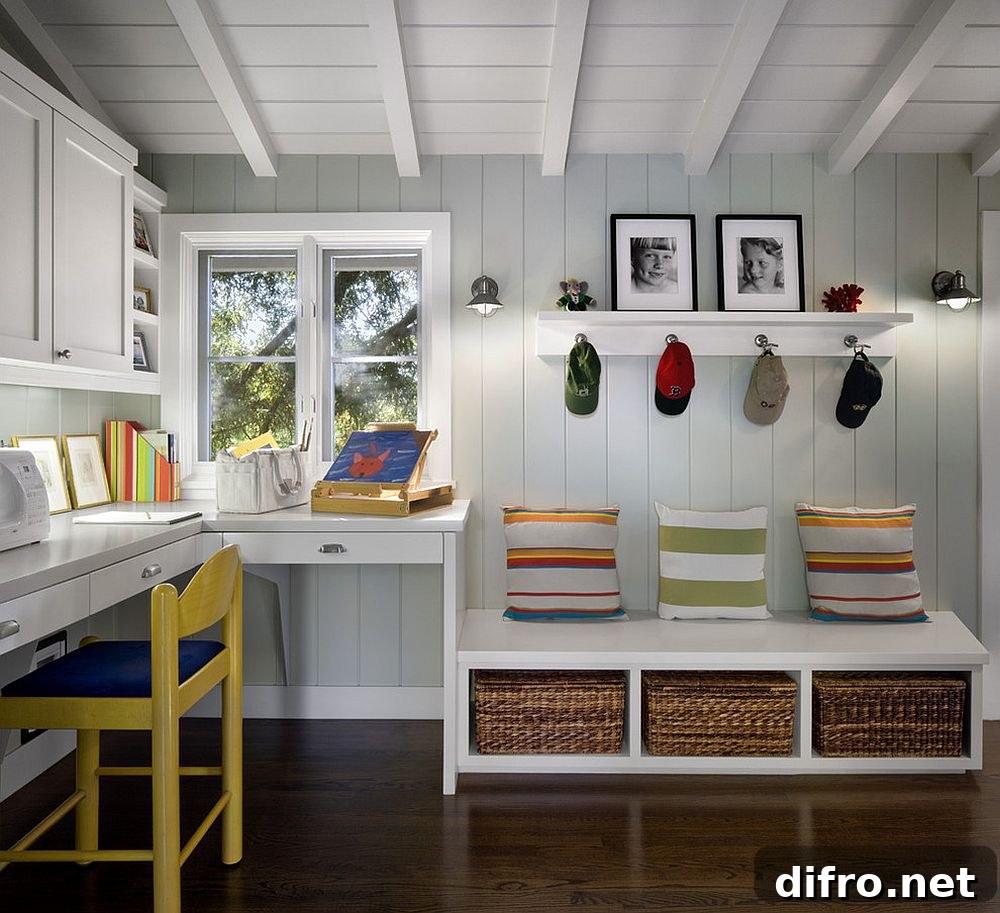
Design storage to match the household. Assigning a cubby or locker to each child simplifies mornings and reduces arguments over misplaced items. Adults who rotate between multiple jackets or use seasonal sports gear should include deeper cabinets or labeled bins for helmets, boots and accessories. In urban homes, a few hooks, a bench and a shoe rack may be enough — and that extra space can double as a compact workstation or homework area. Baskets, pull-out drawers and adjustable shelving add flexibility so the mudroom can evolve with changing needs.
Whether you have a generous entry or a compact alcove, a well-thought-out mudroom improves daily routines and protects the rest of your home from outdoor wear. Focus on durable, easy-to-clean materials, smart vertical storage and flexible solutions that reflect how your household lives. With a little planning, your mudroom can be both highly functional and welcoming.