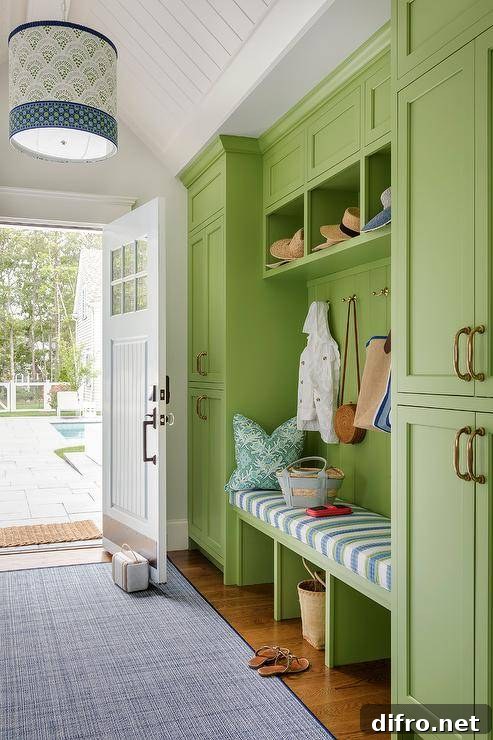
In recent years, the idea of “dopamine decor” has reshaped how people think about interior design. Based on the fact that our surroundings influence mood and mental well-being, dopamine decor focuses on designing spaces that lift the spirit and encourage positivity. By using colors, textures, lighting and sensory elements that stimulate dopamine—the brain chemical linked to pleasure and motivation—this approach aims to make homes both attractive and emotionally restorative.
Whether you want to refresh a living room, bedroom, or home office, applying dopamine decor principles can make your space feel more energizing and joyful. The following guide explains the science behind the trend and offers practical, evidence-informed tips—covering color psychology, natural materials, texture, lighting, personalization and multisensory design—to help you build a home that supports mood and well-being.
The Science Behind Dopamine Decor
Dopamine decor draws on research about how environments affect brain chemistry. Dopamine plays a central role in motivation, reward and mood: environments that feel stimulating, rewarding or comforting can contribute to higher dopamine activity and a stronger sense of well-being. Elements such as bright color, natural light, tactile materials and pleasing patterns are all associated with positive emotional responses.
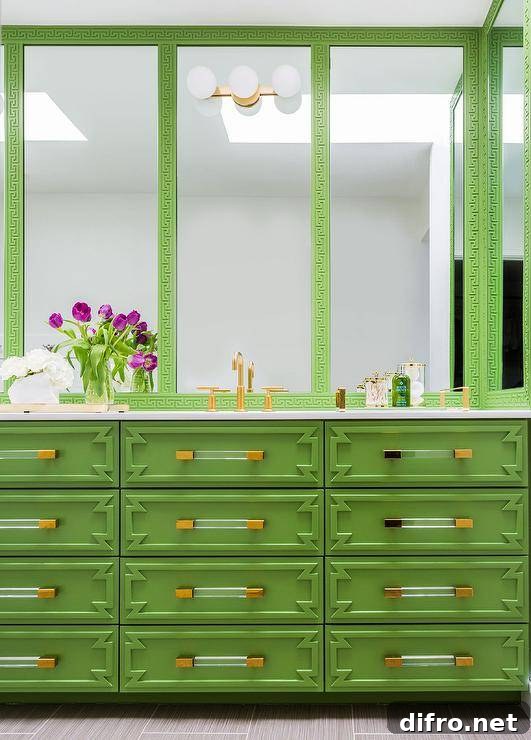
Many studies point to measurable effects of environmental features on mood. Bright, saturated colors and varied textures can increase alertness and pleasure, while natural materials and soft surfaces tend to reduce stress. Understanding these effects allows you to make intentional design choices that support emotional balance and daily motivation.
Color Psychology in Dopamine Decor
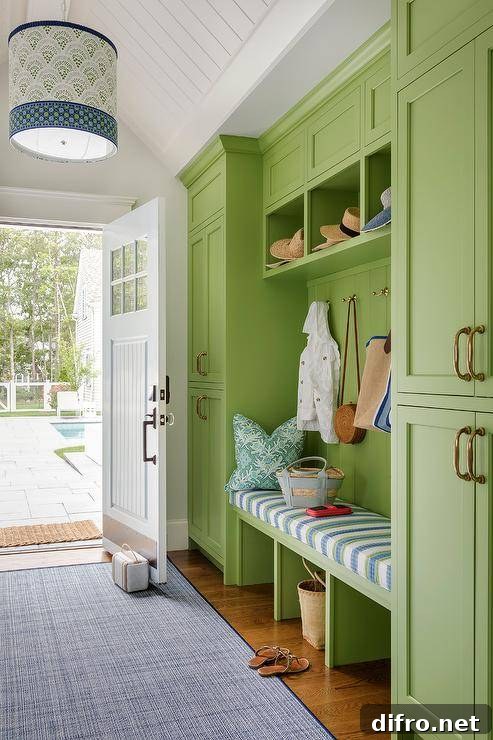
Color is one of the most powerful tools in dopamine decor. Warm, vivid hues—such as yellow, orange and certain reds—can boost energy and lift spirits, making them ideal for social areas like living rooms and kitchens. Cooler tones like blue and green promote calm and relaxation, which suits bedrooms and quiet zones.
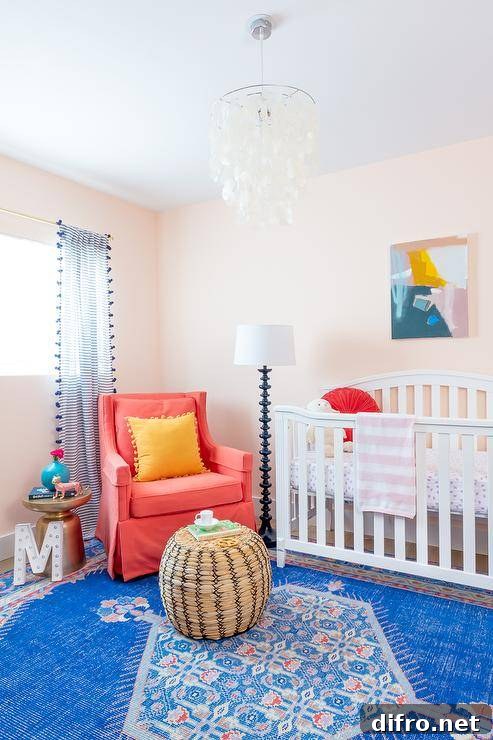
For an effective result, use bold tones as accents rather than dominating every surface. A balanced palette—mixing energetic accents with calming backgrounds—creates visual interest while maintaining comfort. Choose colors that resonate with your personal associations and the intended function of each room.
Incorporating Natural Elements
Bringing nature indoors is a key component of dopamine decor. Materials like wood, stone and abundant plant life add warmth and a grounded feel that can lower stress and increase contentment. Natural light and greenery improve air quality and deepen the connection to the outdoors, factors linked to improved mood and cognitive function.
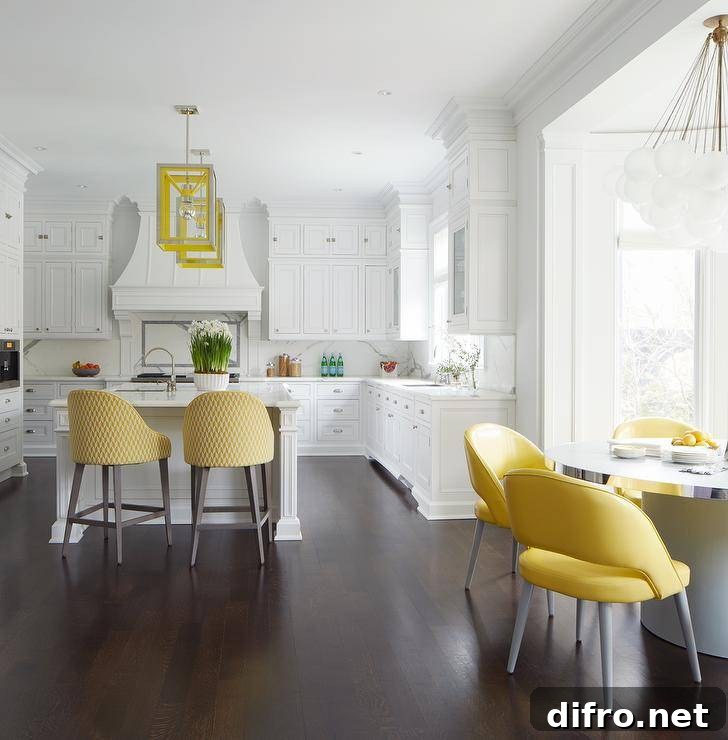
Maximize daylight where possible by using light, sheer window treatments and positioning mirrors to reflect sunlight. Add wooden furniture, stone surfaces and living plants to create a calm, balanced environment that supports mental clarity and emotional renewal.
The Role of Texture and Patterns
Texture and pattern enrich a room’s emotional impact. Soft, tactile textiles—plush rugs, velvet cushions and wool throws—convey comfort and safety, while deliberate patterns add rhythm and visual excitement. Geometric shapes, floral motifs and abstract prints can energize a room without overwhelming it.
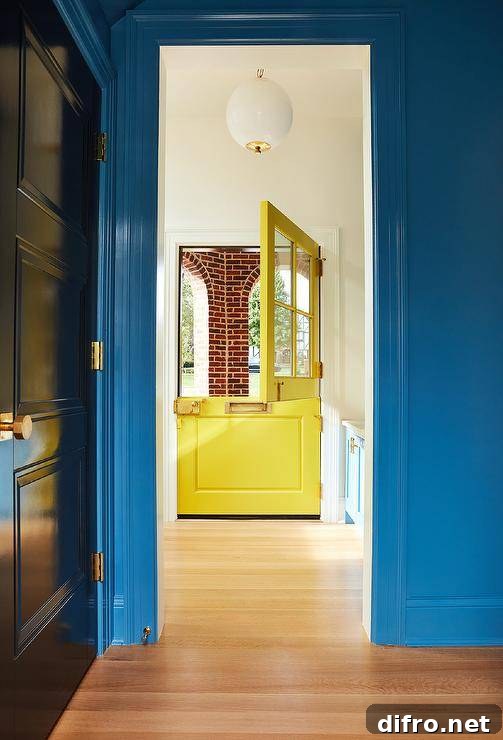
Layer textures and mix patterns thoughtfully to create depth and movement without clutter. This variety engages the senses and makes spaces feel more dynamic and emotionally satisfying.
Lighting for Mood Enhancement
Lighting strongly influences mood and energy. Natural daylight is ideal, but when it’s limited, carefully chosen artificial lighting can mimic its benefits. Warm white LEDs create a cozy ambience in living areas, while cooler, brighter light helps concentration in work areas.
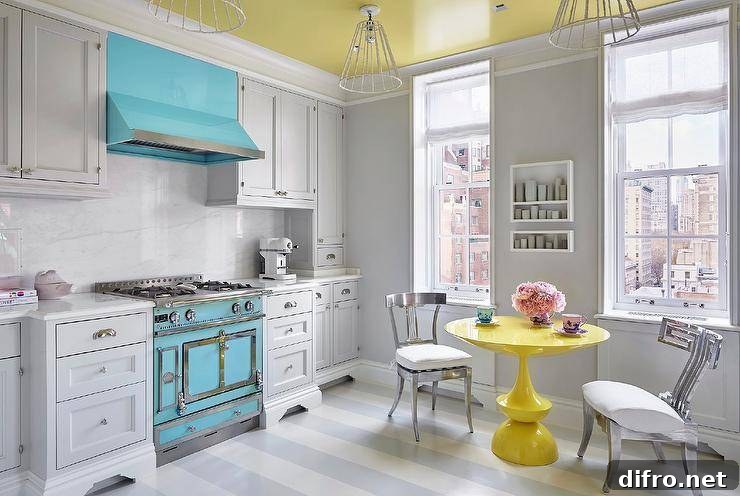
Install dimmable fixtures or smart lighting to adjust brightness and color temperature throughout the day. Use layered lighting—ambient, task and accent—to tailor each room’s atmosphere and make it feel comfortable, functional and emotionally nourishing.
Personalizing Your Space
Personalization is central to dopamine decor. Interiors that reflect personal tastes, memories and values feel more meaningful and comforting. Display family photos, treasured artwork, travel mementos or any objects that spark positive emotions. These details foster a sense of belonging and can trigger small daily boosts of pleasure.
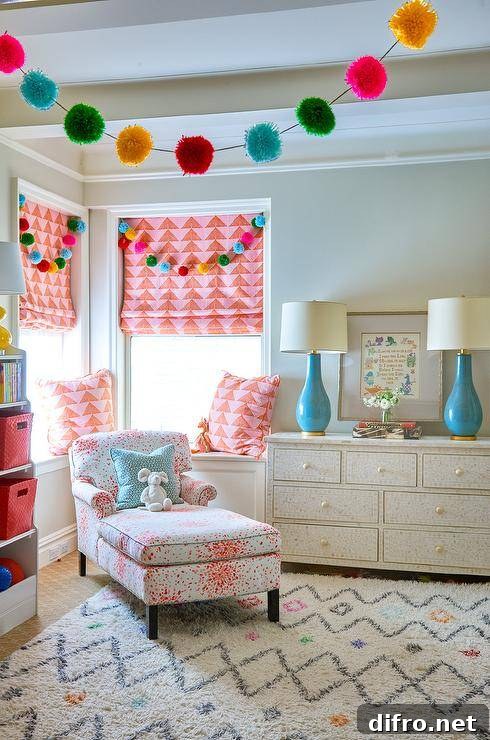
Design spaces around activities that matter to you—a reading nook, a creative corner, or a music area—and furnish them with items that invite use. Dopamine decor is less about following trends and more about creating an environment that genuinely makes you feel happier and more energized.
Sensory Experiences in Dopamine Decor
Dopamine decor goes beyond visuals to include scent, sound and touch. Aromas from essential oils such as citrus, eucalyptus or lavender can evoke calm or uplift mood. Gentle background sounds, like a small indoor fountain or a curated playlist, support relaxation and focus. Effective sensory design combines smell, sound, texture and light to craft immersive spaces that nurture emotional well-being.
Related Articles
- Introducing The Pinterest Palette 2024: Colors to Get Creative With
- Color Wheel and Opposites – Mastering the Art of Complementary Colors in Design and Decor
- 13 Living Room Color Schemes to Brighten Your Space
Engage multiple senses to create a holistic and nurturing home. Thoughtful sensory details make daily life more pleasurable and can contribute to long-term emotional resilience.
Turn your house into the home of your dreams. Subscribe to a design newsletter to receive ideas and decor trends that help you create a more beautiful, mood-enhancing home.
Frequently Asked Questions (FAQs)
What is dopamine decor?
Dopamine decor is an approach to interior design that aims to boost mood and well-being by incorporating elements—color, light, texture, natural materials and personal touches—that can stimulate the brain’s dopamine pathways and increase feelings of pleasure and motivation.
How do colors affect dopamine levels?
Certain colors can influence emotional states: bright warm hues like yellow and orange often increase energy and uplift mood, while cool, softer tones such as blue and green encourage relaxation. Using color intentionally helps shape the emotional character of a room.
Can plants really improve my mood?
Yes. Adding plants can reduce stress, improve air quality and create a calming, restorative atmosphere that supports overall happiness and mental focus.
What types of lighting are best for dopamine decor?
Natural daylight is preferable. Where daylight is limited, use warm white LEDs for comfort and cooler light for work areas. Dimmable and layered lighting systems offer flexibility to match mood and task requirements.
How can I personalize my space for dopamine decor?
Personalize by including items that reflect your personality and positive memories—art, photos, meaningful objects and functional zones that support hobbies and relaxation. These choices make your home emotionally resonant and more enjoyable to live in.