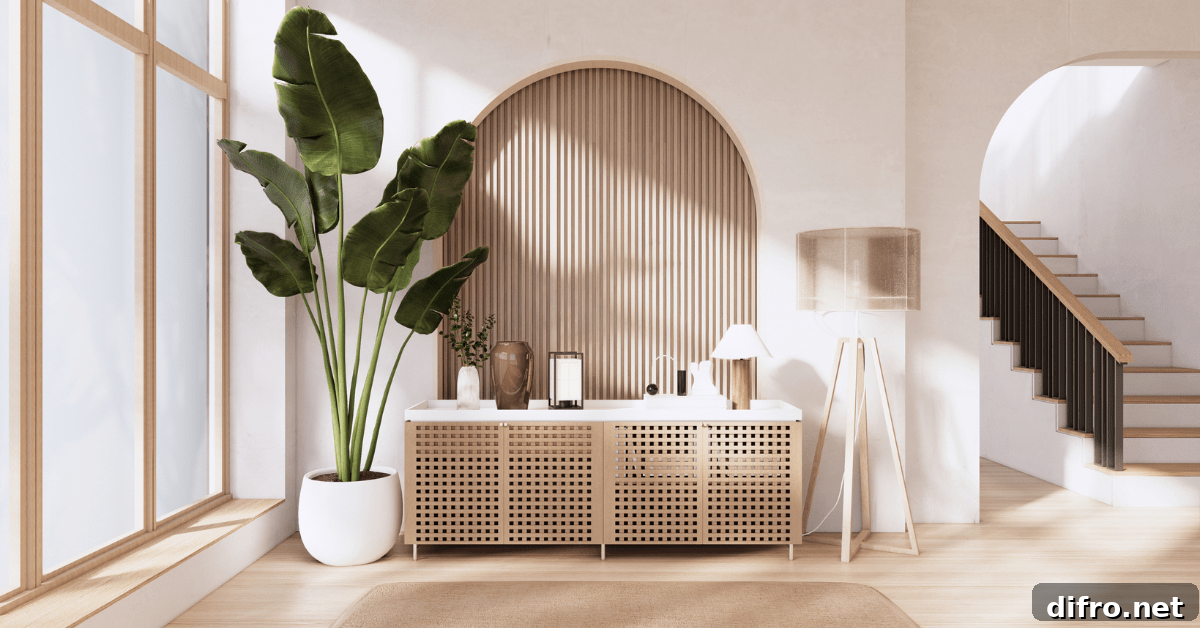
Minimalism is more than a design trend—it’s a lifestyle that values clarity, purpose, and calm. Two of the most influential minimalist approaches in contemporary interiors are Scandinavian minimalism and Japanese minimalism. Both prioritize simplicity, functionality, and beauty, yet they arrive at these goals through different philosophies and design choices. Whether you prefer the warm, cozy feel of Scandinavian spaces or the quiet, meditative quality of Japanese interiors, this guide highlights the differences and offers practical advice to help you choose or combine the two.
The Philosophy Behind Scandinavian Minimalism
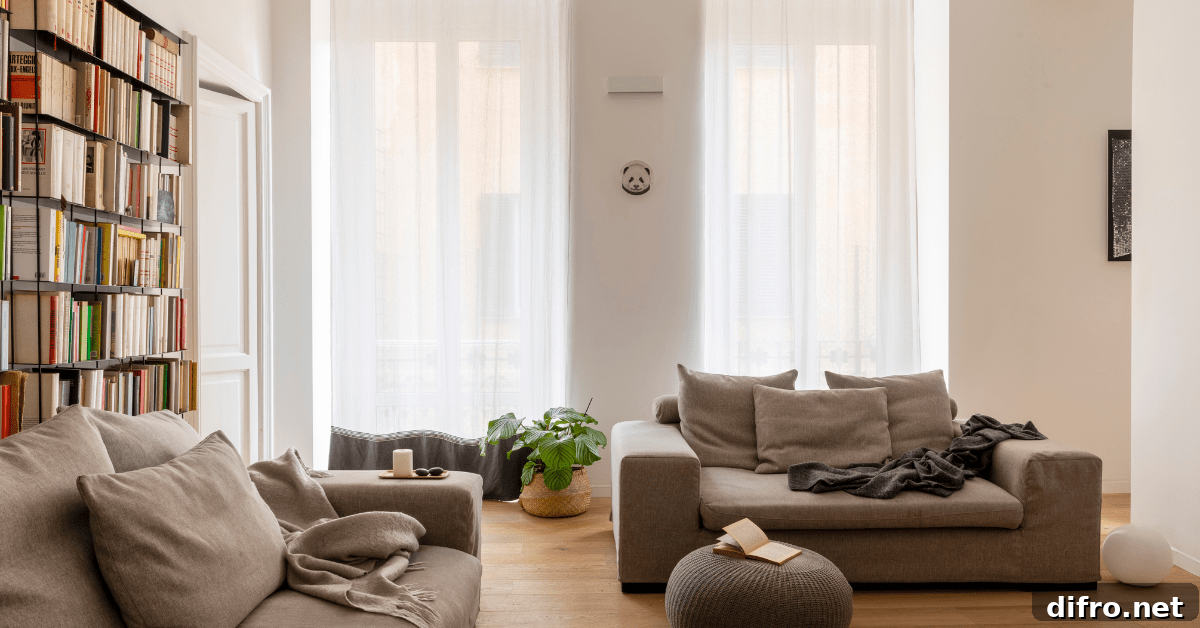
Scandinavian minimalism originates from Nordic values that emphasize comfort, practicality, and well-being—often summed up by the Danish concept of hygge. The goal is to create spaces that feel welcoming and lived-in while remaining uncluttered and efficient. Natural light, soft textiles, and organic materials are central to this approach, producing interiors that feel both functional and comforting.
Typical features include pale, neutral color palettes; abundant use of wood and wool; tactile throws and rugs; and furniture that balances form and function. Scandinavian minimalism suits anyone who wants a tidy, practical home without sacrificing warmth or the sense of coziness that makes a space feel like home.
The Essence of Japanese Minimalism
Japanese minimalism is shaped by Zen philosophy and the aesthetic principles of wabi-sabi, which value simplicity, restraint, and an appreciation for natural imperfection. Spaces are carefully composed to promote balance, clarity, and a deep connection to nature.
Design hallmarks include neutral tones, clean horizontal and vertical lines, open layouts that emphasize negative space, and traditional elements like tatami, sliding screens (shoji), and low-profile furniture. The approach favors intentionality—every object has a purpose and a place—making it ideal for people who seek a calm, contemplative environment.
Key Design Elements of Each Style
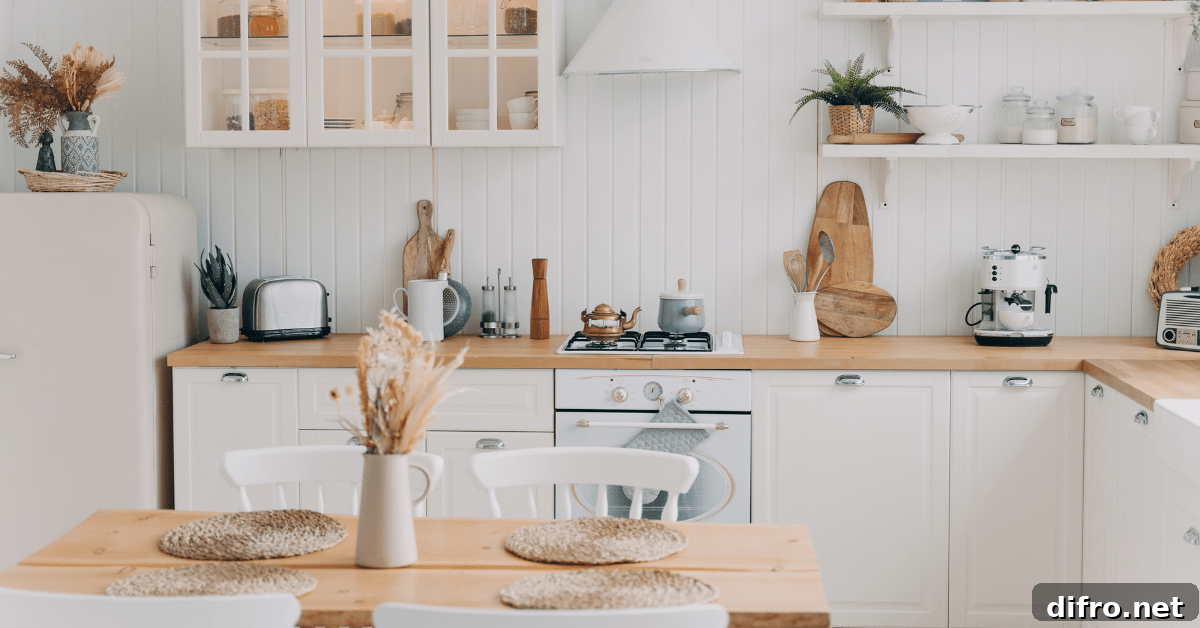
Although both styles embrace minimalism, their visual languages diverge in texture, layout, and detail. Scandinavian interiors tend to be bright and airy, using light woods, pale walls, and layered textiles to create a cozy atmosphere. Practical, multipurpose furniture and open shelving are common, designed to make daily life easier without visual clutter.
Japanese interiors emphasize restraint and the power of empty space. Materials often include darker woods, natural stone, and rice paper, while elements such as sliding doors and built-in storage preserve clean sightlines. The aesthetic is refined and intentional, favoring a sparse composition where each piece contributes to the whole.
Which Style Fits Your Lifestyle?
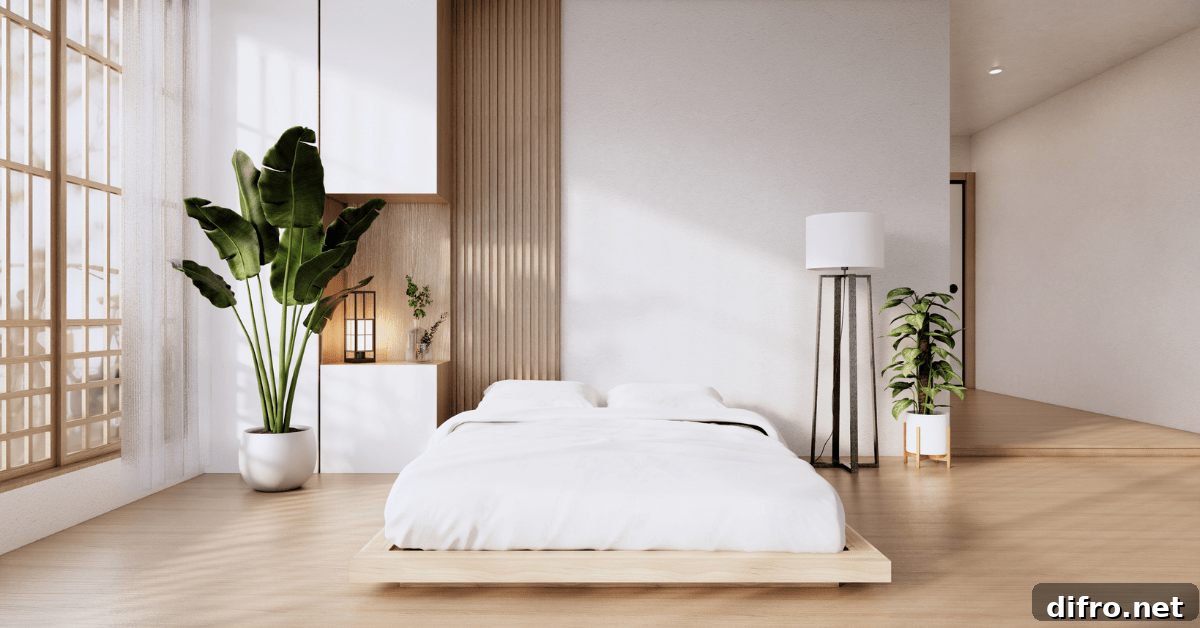
Choose Scandinavian minimalism if you love a warm home that welcomes guests, values comfort, and uses textiles and lighting to create atmosphere. It’s an excellent choice for families or anyone who spends a lot of time at home and wants spaces that feel relaxed and lived-in while staying organized.
Opt for Japanese minimalism if you prioritize quiet, contemplative spaces and strong visual order. This style supports mindful living, deliberate ownership, and interiors that foster calm and focus—well-suited to those who practice meditation, work from home, or simply prefer a serene backdrop to daily life.
Blending the Two for a Unique Space
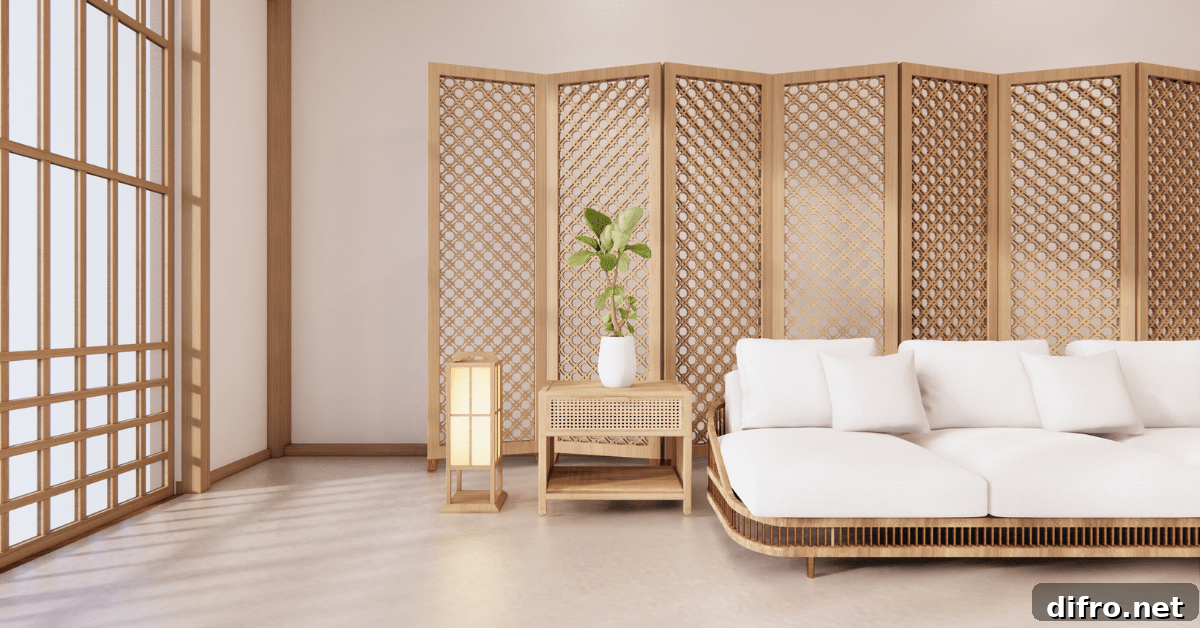
If you find both approaches appealing, consider a hybrid often called Japandi. This fusion balances Scandinavian warmth and soft textures with Japanese simplicity and compositional restraint. The result is a calm, functional home that feels both cozy and refined.
To achieve a Japandi look: choose a neutral color palette with warm undertones; mix light and medium woods; favor simple, low-profile furniture; include a few well-chosen textiles for comfort; and keep surfaces clear to honor negative space. Add plants and natural accents to connect the interior to nature without overwhelming the composition.
Further Reading
- Embrace the Tranquil Elegance of Japandi Style in Home Decor
- Scandinavian Decor Secrets to Transform Your Home into a Minimalist Haven
- What Is Scandifornian Style and How to Bring It Into Your Home
Both Scandinavian and Japanese minimalism offer clear paths to a more intentional, less cluttered way of living. Consider your daily routines, how you use each room, and whether warmth or stillness matters more to you. You can adopt one style entirely, blend elements from both, or create a personalized mix that supports comfort, clarity, and joy in your home.
If you’d like regular tips and ideas for crafting a mindful, beautiful home, consider subscribing to interior design newsletters or following trusted design outlets for inspiration and practical guidance.