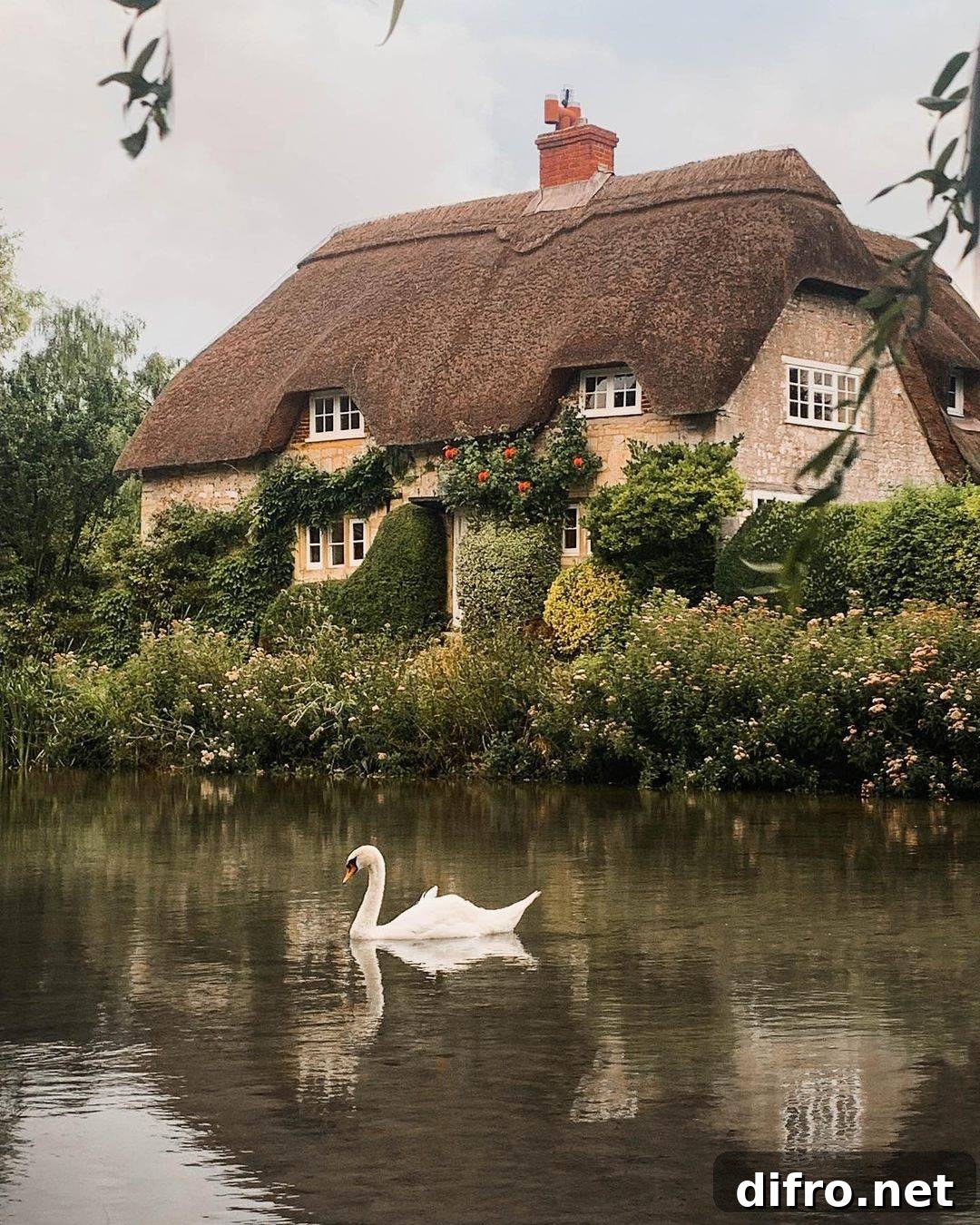
Cottagecore — also called farmcore or countrycore — emerged as a social-media movement around 2018 and has since become a beloved approach to decorating and living. Rooted in nostalgia for simple rural life, the style encourages slower rhythms, handmade things, and interiors that feel lived-in and welcoming.

If cottagecore is new to you, think of it as an aesthetic and lifestyle that celebrates countryside comforts: floral textiles, vintage china, knitted throws, and the idea of living more gently with nature. It’s less a strict set of rules and more a philosophy of slowing down and creating a warm, timeless home.
What is Cottagecore?
Cottagecore romanticizes the charm of rural life — its quiet routines, natural textures, and handmade objects. In an age of screens and speed, it offers a deliberate return to simple pleasures: baking bread, tending a window garden, sewing a quilt, or curling up with a book beside a sunlit window.
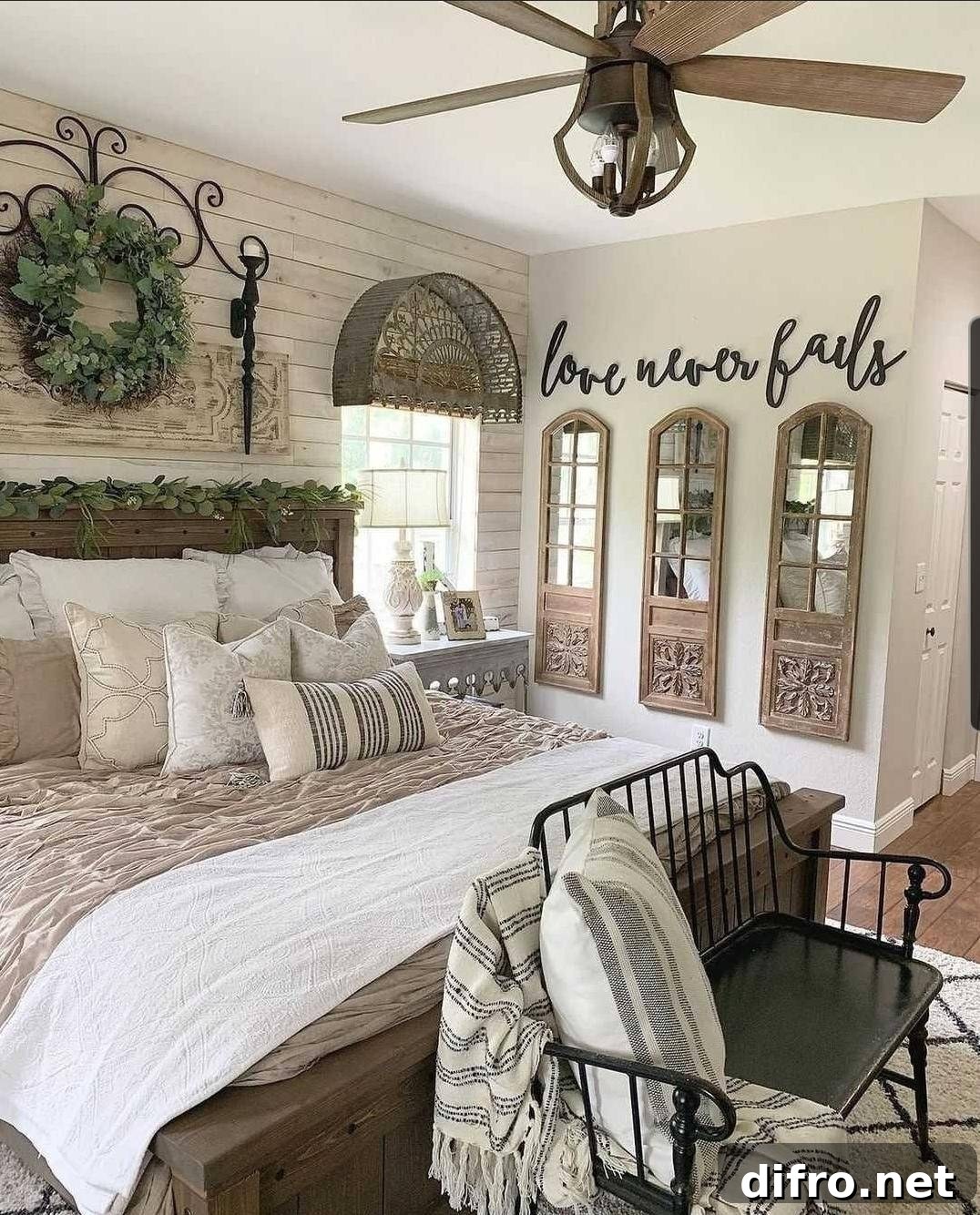
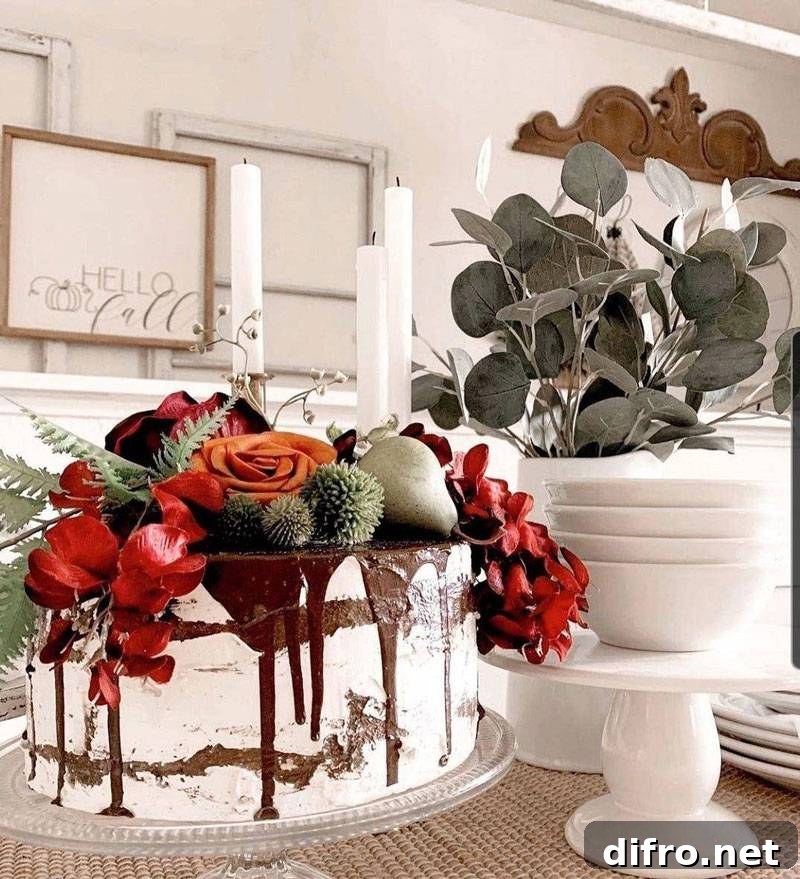
The aesthetic is intentionally ageless: it values heirloom pieces and modest comforts over fads. Think delicate teacups, freshly baked treats, hand-stitched quilts, woven baskets, and soft, floral patterns — all arranged to create a cozy, storybook atmosphere.
Key Traits of a Cottagecore Enthusiast
Handcraft
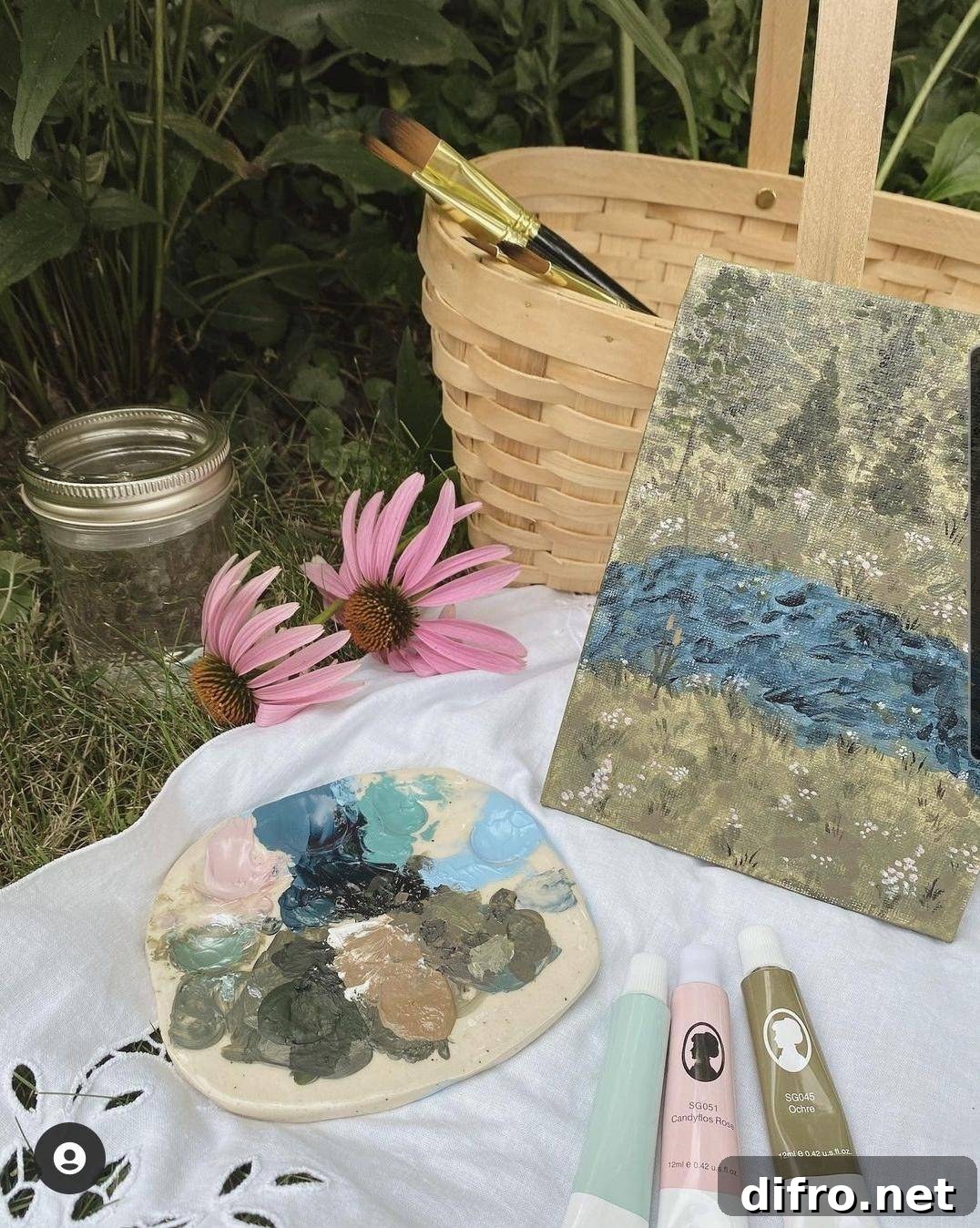
Making things by hand is central to cottagecore. Whether you try embroidery, knitting, baking, candle-making, painting, or gardening, the process of creating something tangible reinforces a slower, more deliberate life.
Self-sufficiency
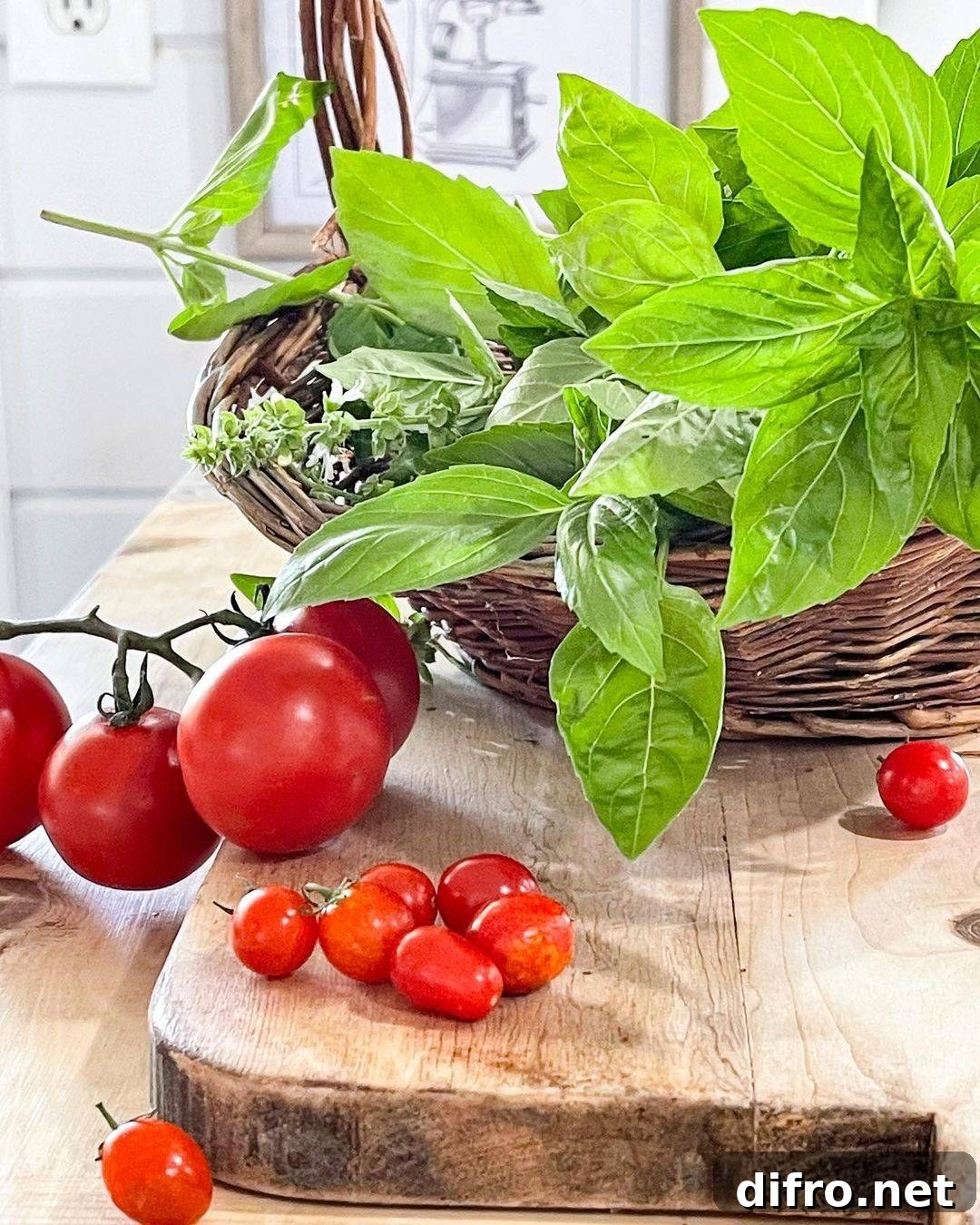
Cottagecore celebrates small-scale self-reliance. Grow herbs on a windowsill, start a container garden, or keep a few backyard hens if you can. Even modest efforts to produce food or preserve it at home add meaning and beauty to daily life.
Warm domesticity
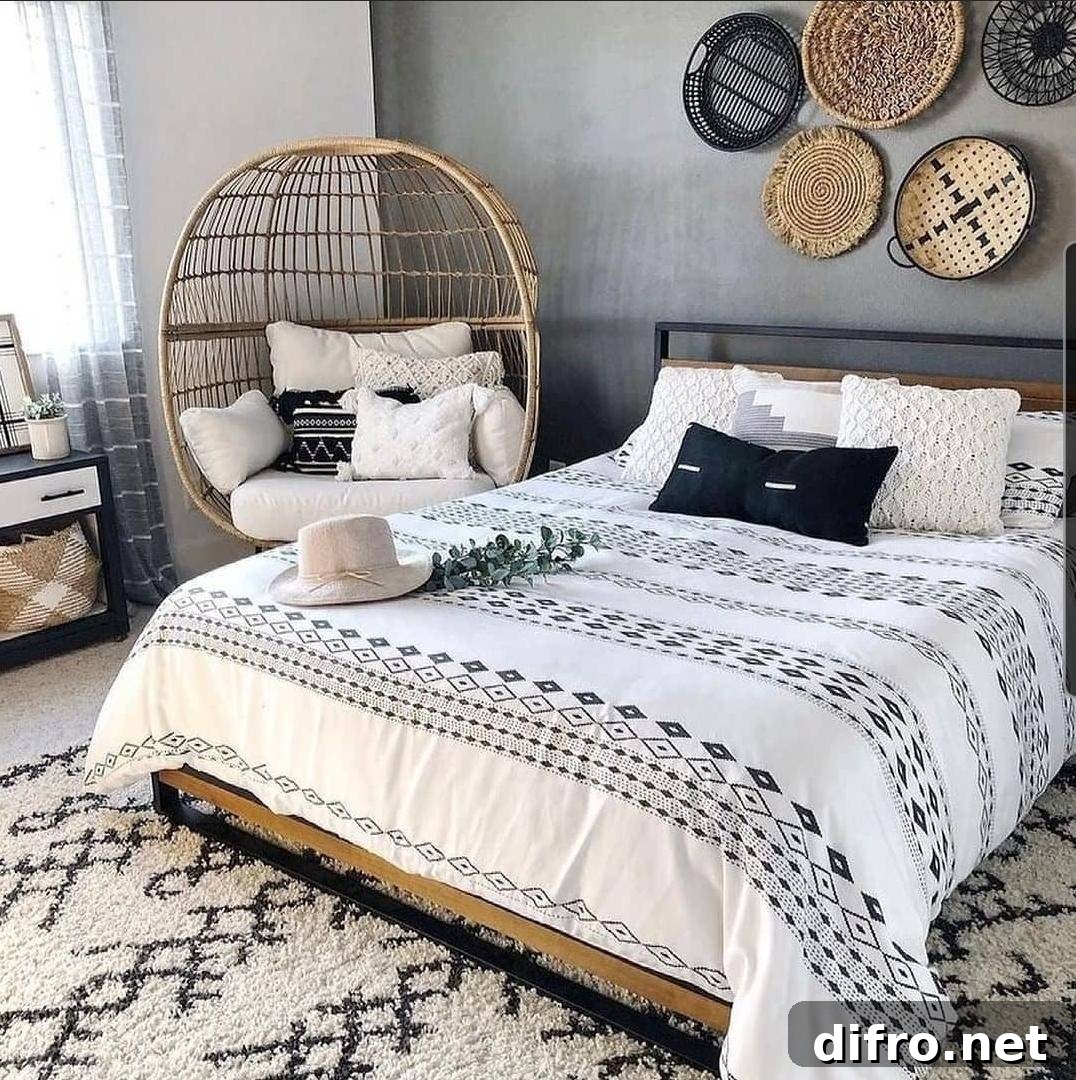
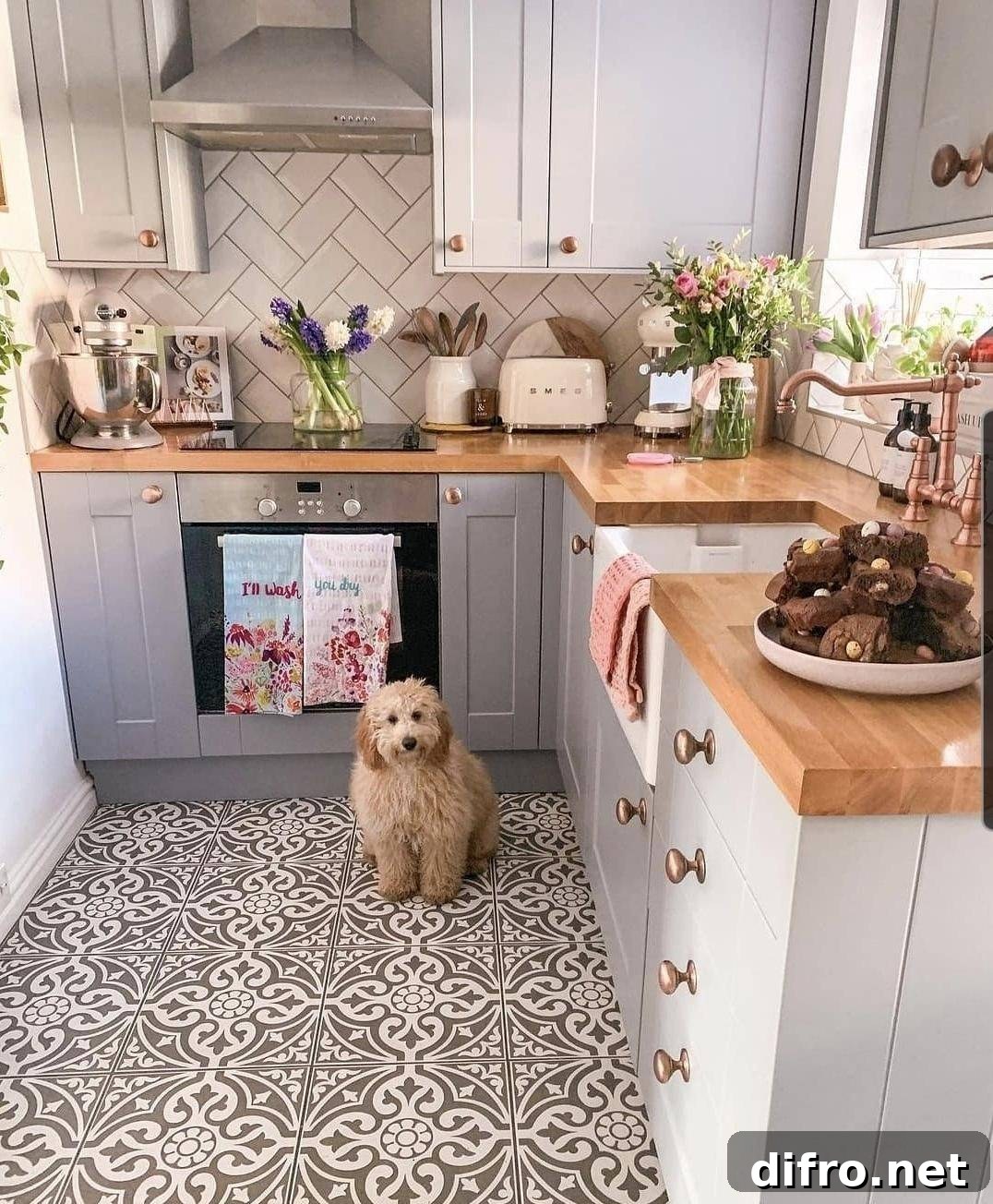
The cottagecore home feels intimate and cared for. Fill rooms with textiles, woven baskets, rattan chairs, and family-style objects that invite people to linger. Practical items double as decor — think a teapot on a shelf or a quilt folded over a chair.
Slow pace
Cottagecore is an antidote to constant busyness. It encourages quiet activities: reading, gardening, gentle walks, or simple cooking. Turning off the notifications and giving time to small daily rituals is a core part of the aesthetic.

Vintage and ageless
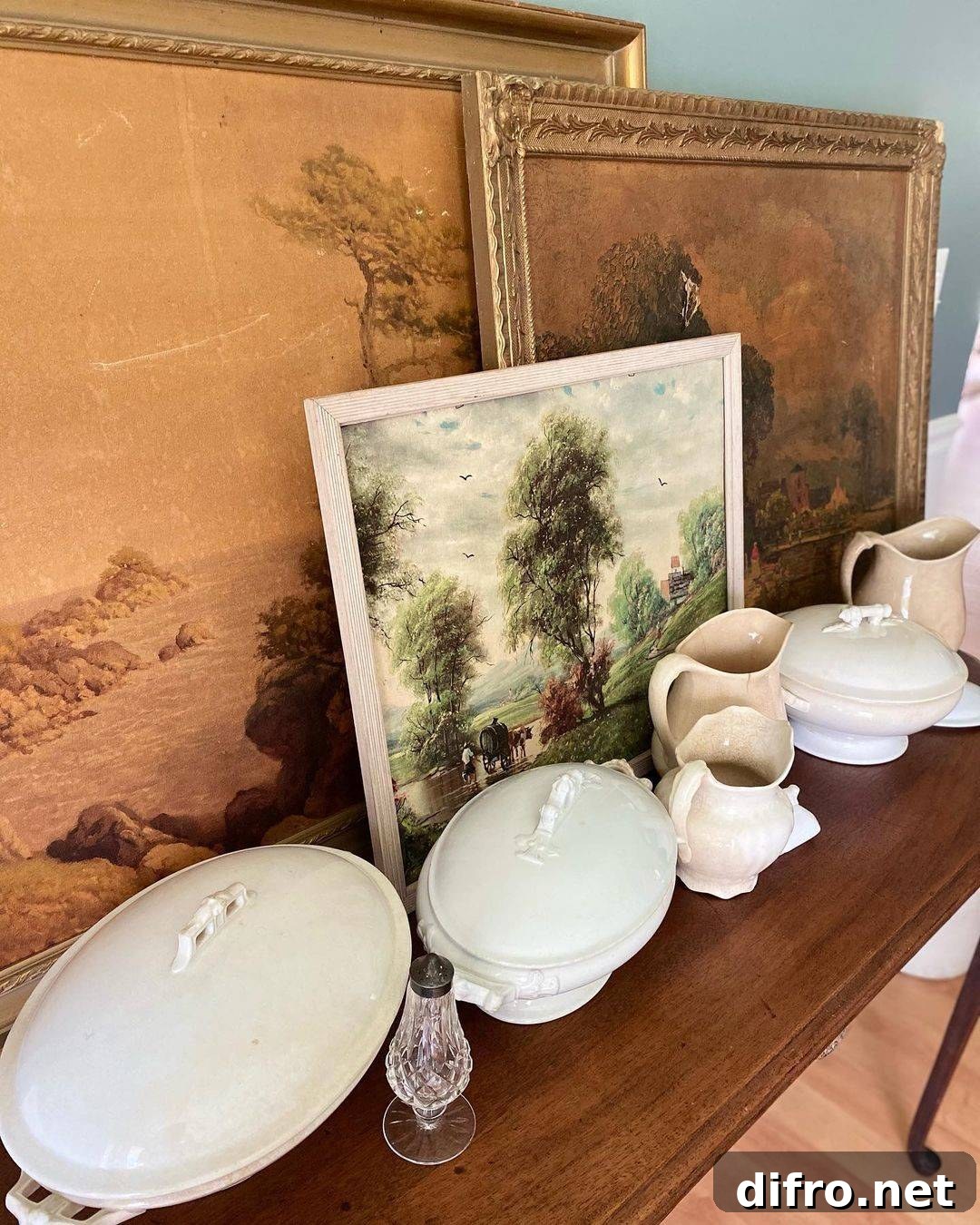
Cottagecore favors items that feel timeless. Replace single-use plastics and throwaway decor with vintage cups, reclaimed wood furniture, and keepsakes that carry a story. These pieces add character and visual depth to a room.
How to Create a Cottagecore Home Decor
Bringing cottagecore into your home doesn’t require a full renovation. Focus on texture, natural materials, and meaningful objects. The goal is to build a calm, tactile environment that reflects a slower pace of life.
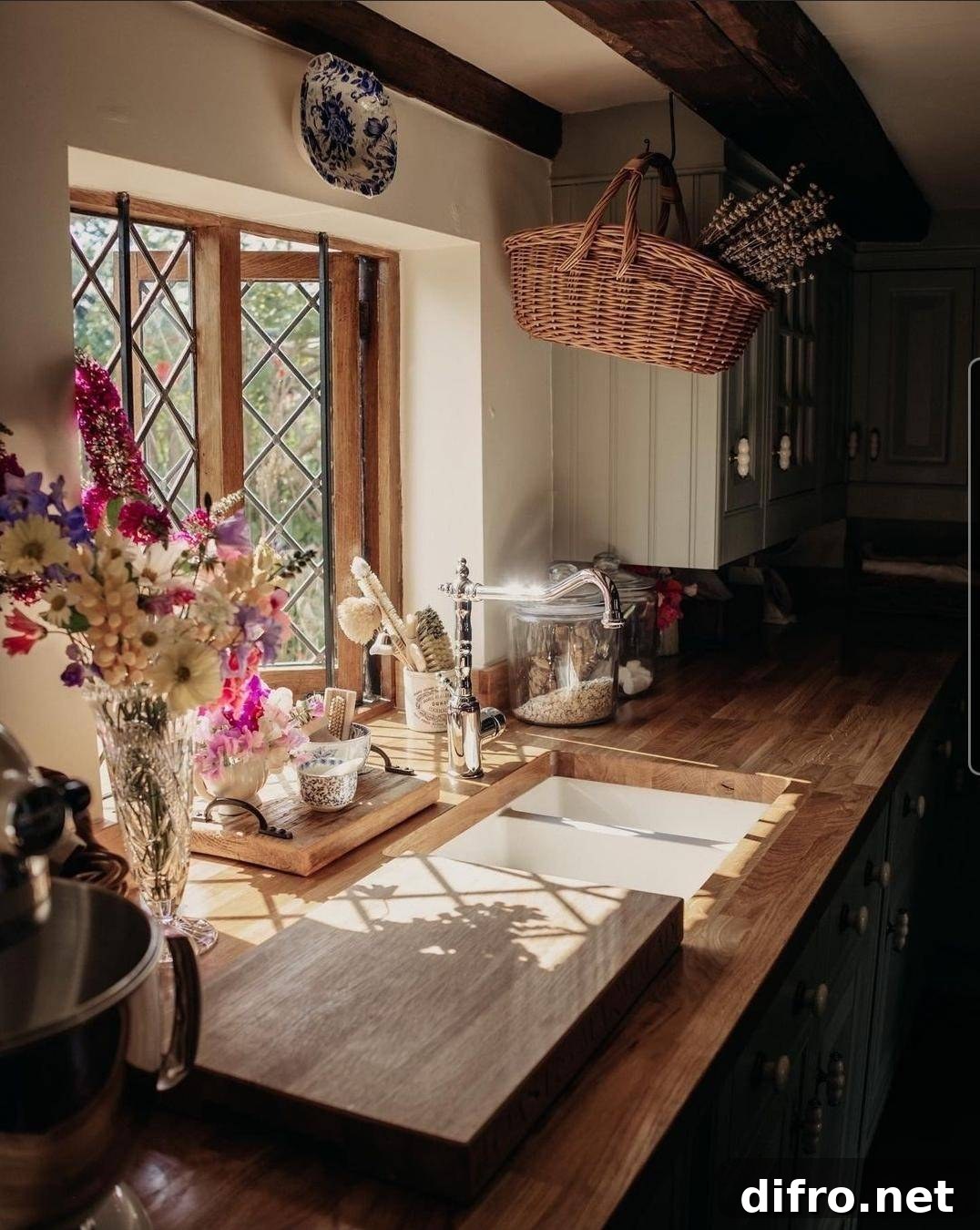
Prioritize vintage decor pieces
Seek out worn and storied items that show character. Thrift shops, flea markets, and family attics are great sources for tea sets, wooden tables, and brass candlesticks. These pieces make a room feel curated rather than mass-produced.
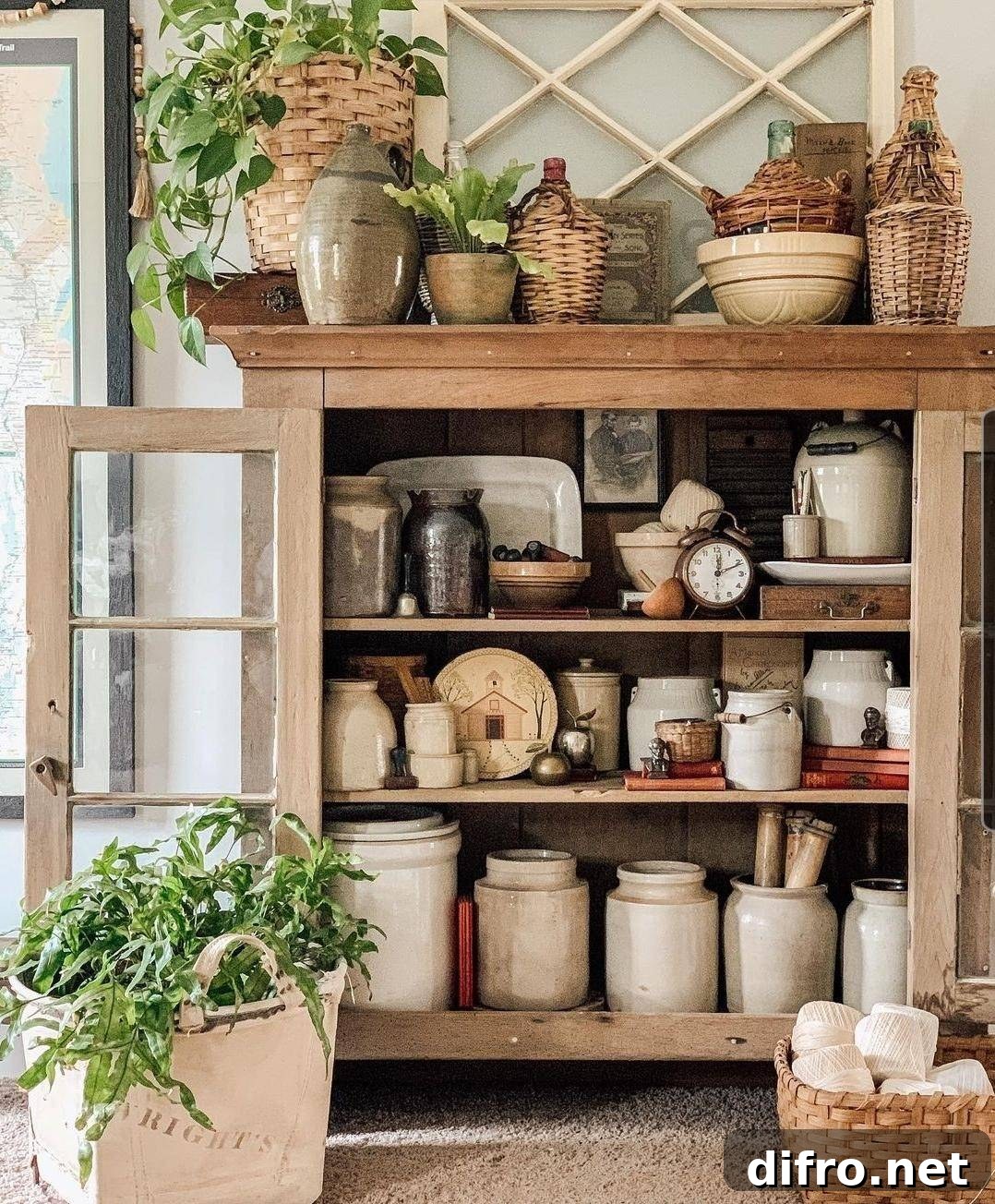
Add a touch of nature
Bring the outdoors in with potted plants, trailing vines, or simple bouquets of wildflowers. If real greenery isn’t an option, realistic faux plants can provide the same calming effect while requiring less maintenance.
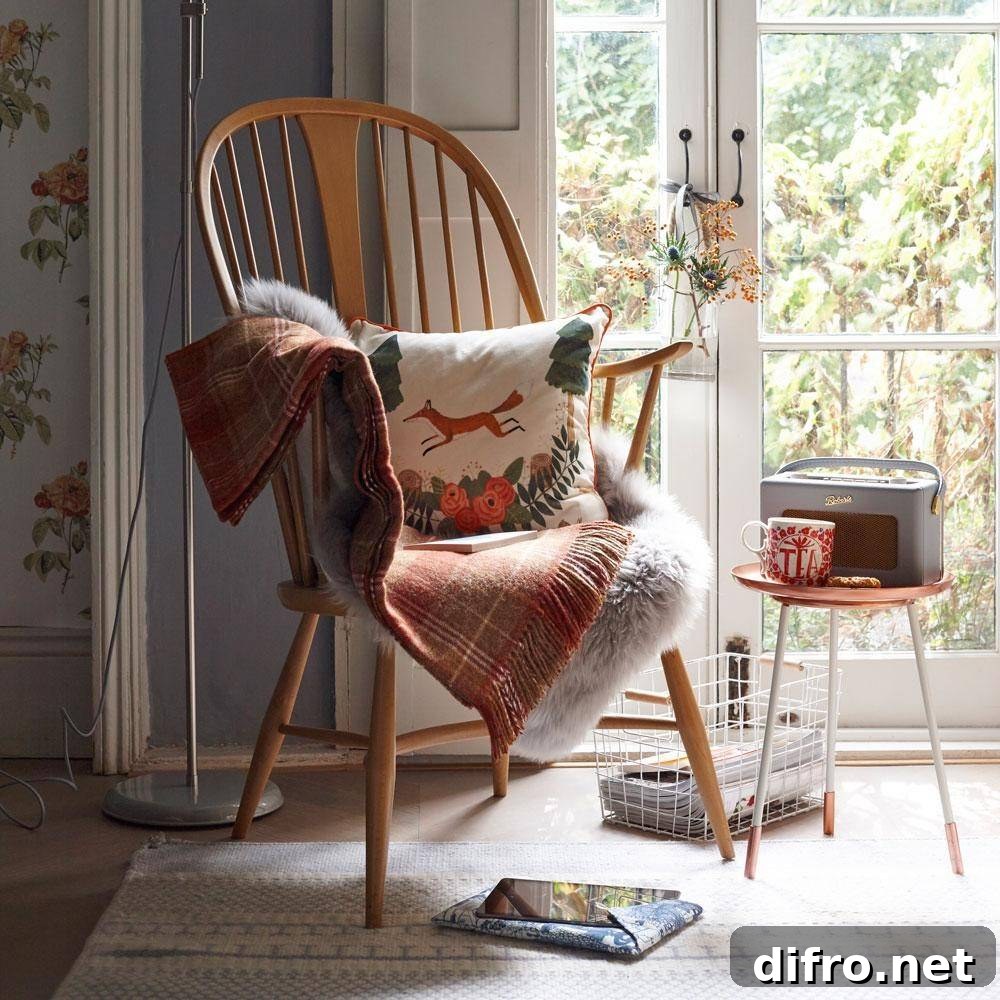
Create a cozy nook
Designate a quiet corner for reading, knitting, or daydreaming. A comfortable chair, layered throws, soft cushions, and a small side table for a teacup can transform a spare corner into a cherished retreat.
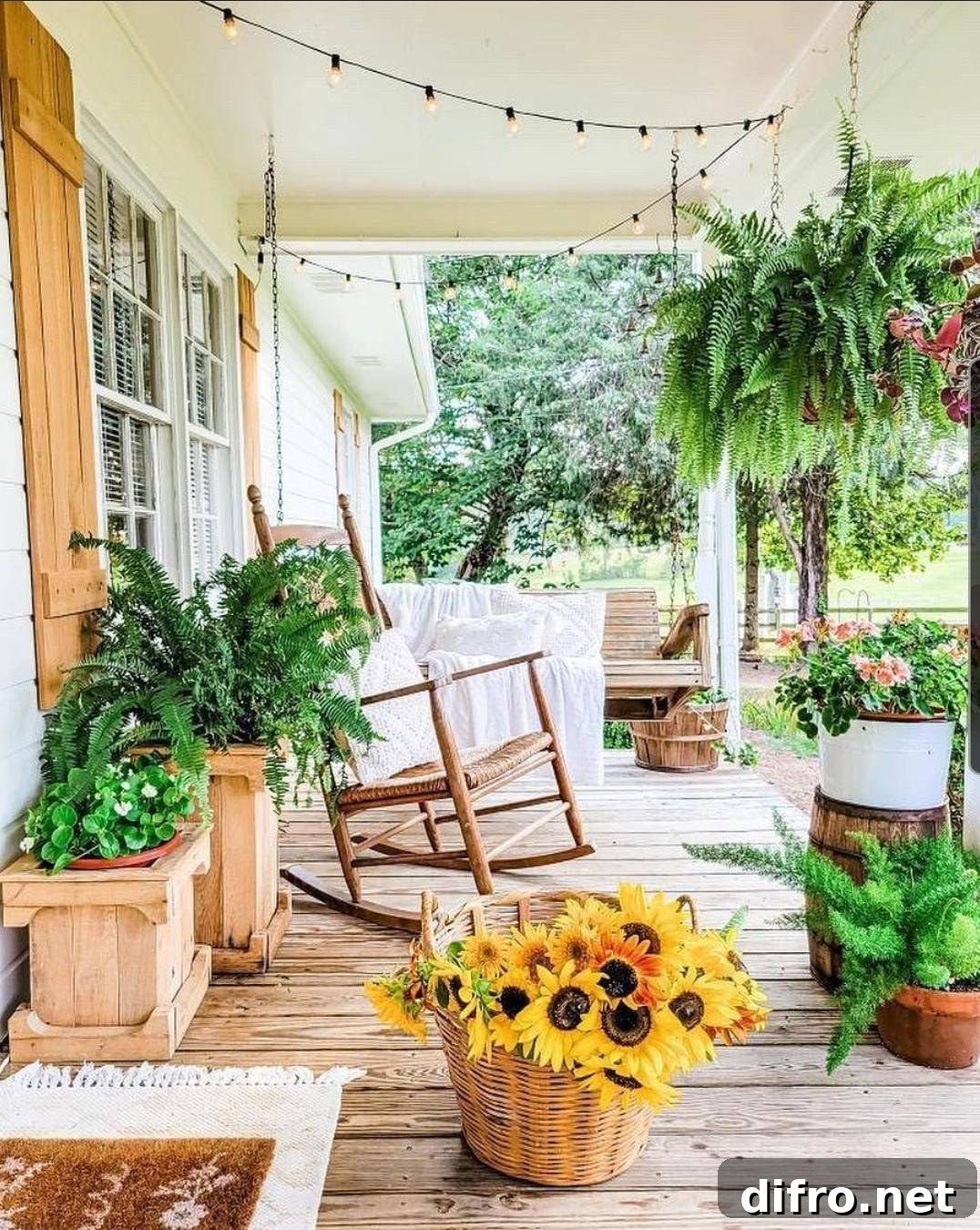
Keep it simple with natural materials
Favor wood, woven fibers, ceramic, and glass over modern synthetics. Reclaimed wood furniture, a rocking chair, or a farmhouse table enhances the tactile and visual warmth of a cottagecore interior.
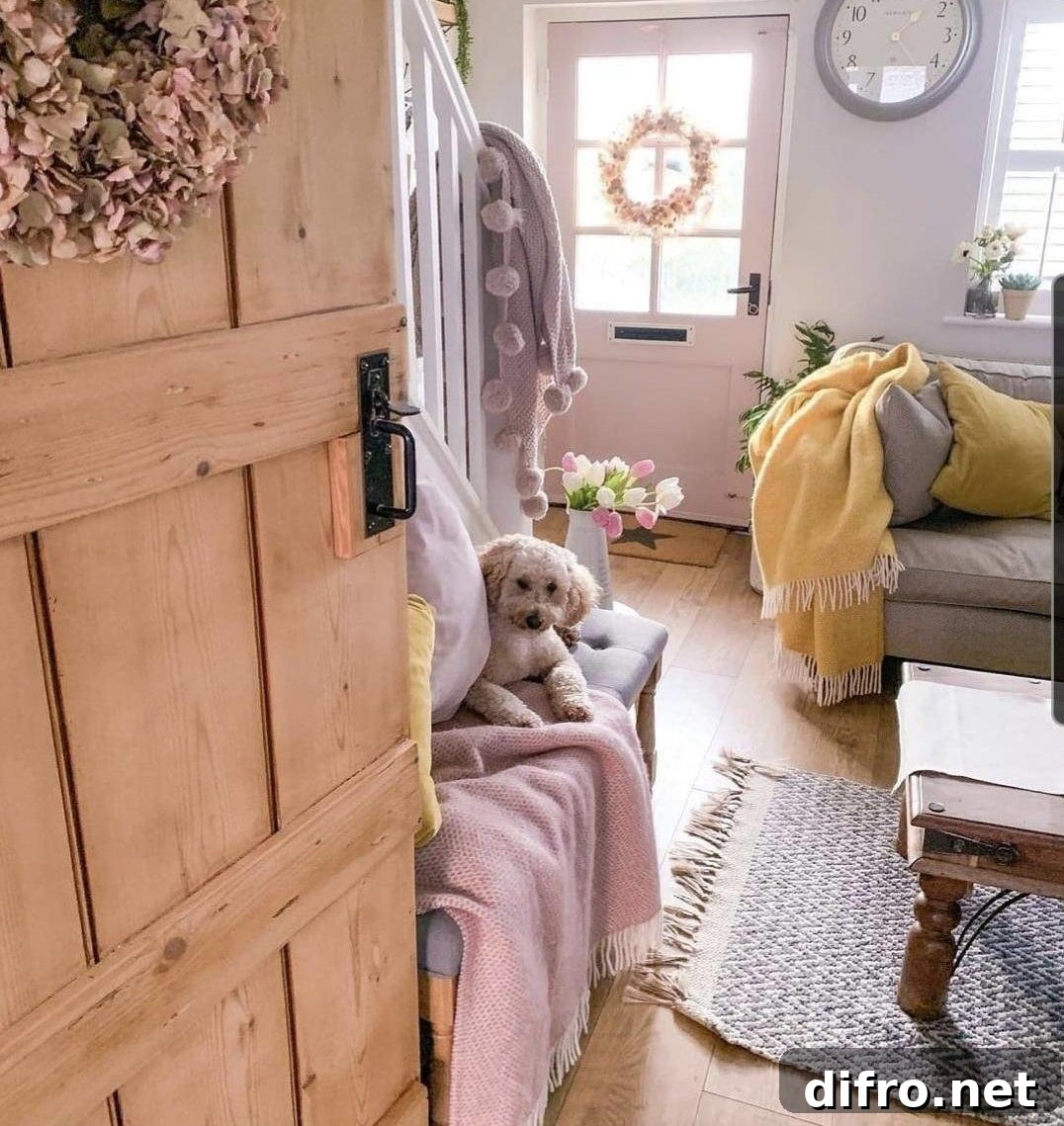
Display handmade items
Showcase quilts, sketches, pottery, and small collections to create that organized, cozy clutter cottagecore loves. Hang artwork, drape a homemade blanket over a chair, and place vintage candlesticks or a stack of old books on a side table.
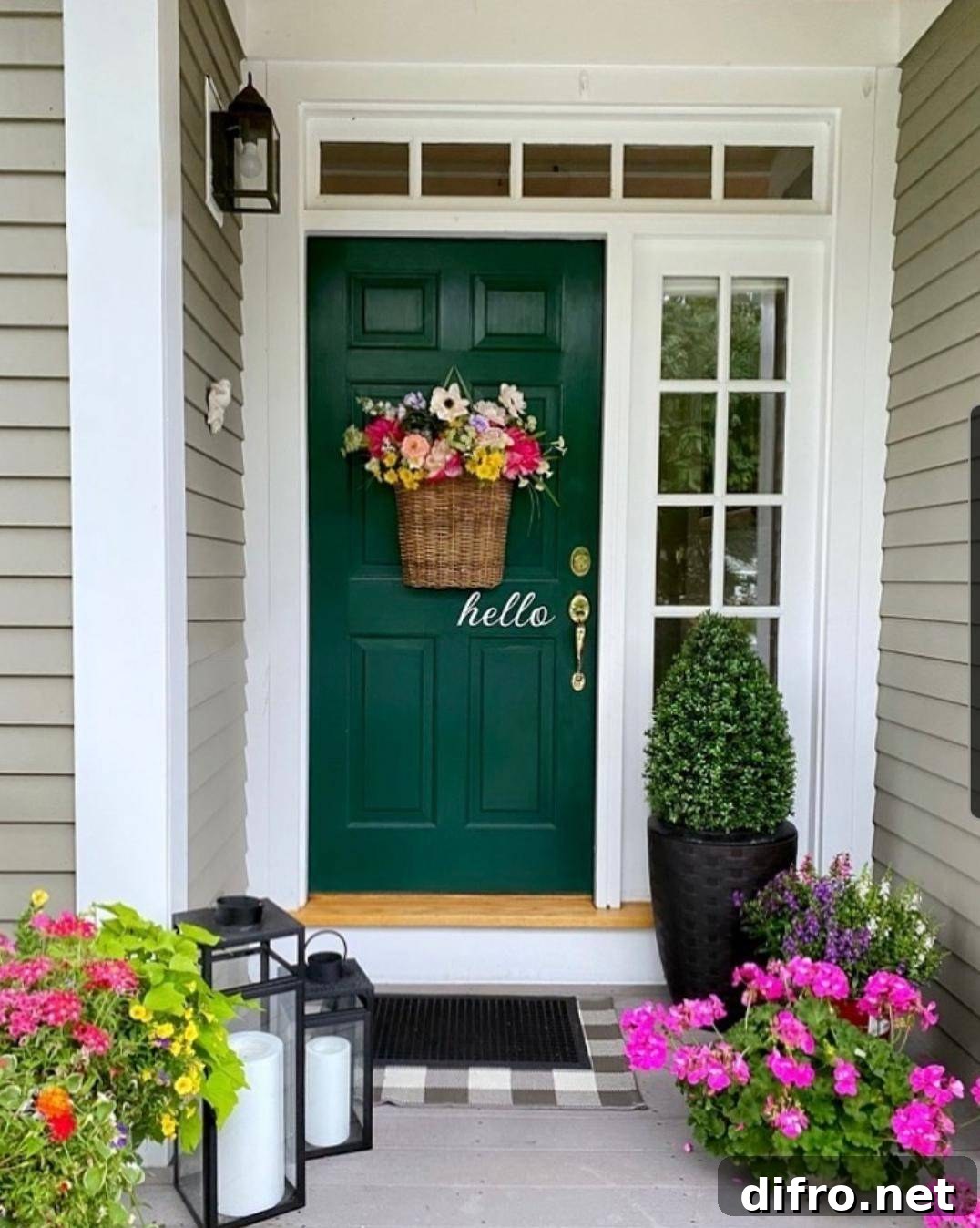
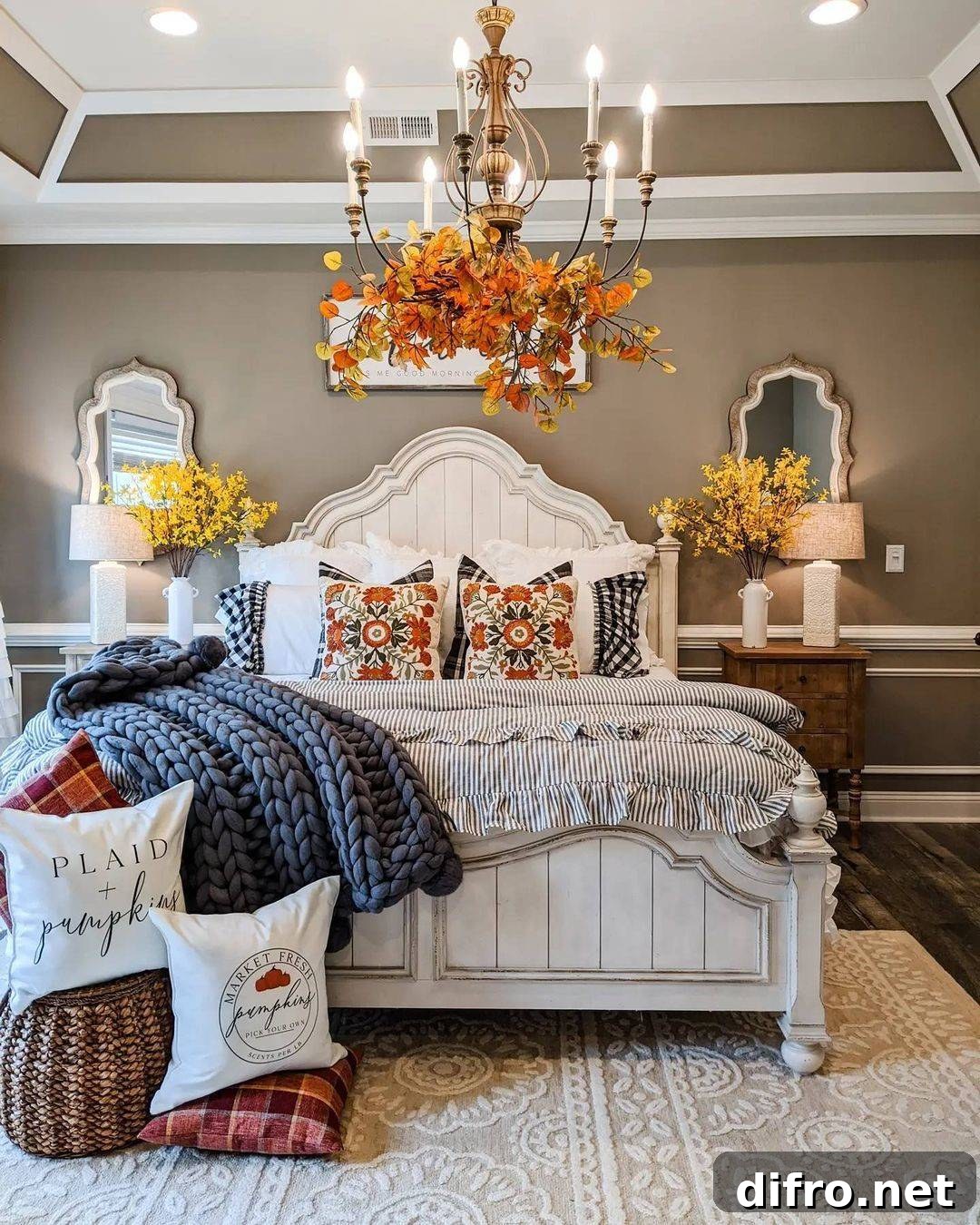
Adopting cottagecore is less about replicating a catalogue and more about choosing objects and habits that make your home feel calm, meaningful, and timeless. Start small: a vintage cup, a potted herb, or a quilt — and let your space evolve naturally over time.