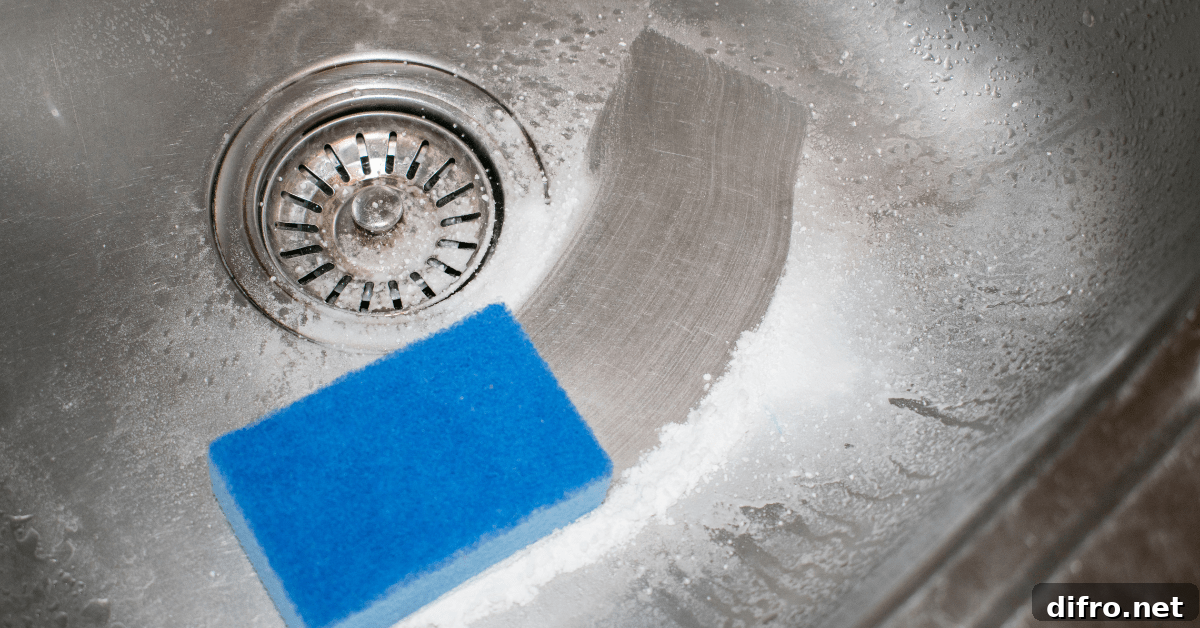
Stainless steel sinks are a top choice for many kitchens thanks to their durability, resistance to corrosion, and modern look. Over time, though, they can lose their shine from hard water, food residue, and everyday wear. This guide explains how to clean a stainless steel sink effectively, protect its finish, and keep it looking like new with simple, safe methods you can use regularly.
Understanding the Properties of Stainless Steel
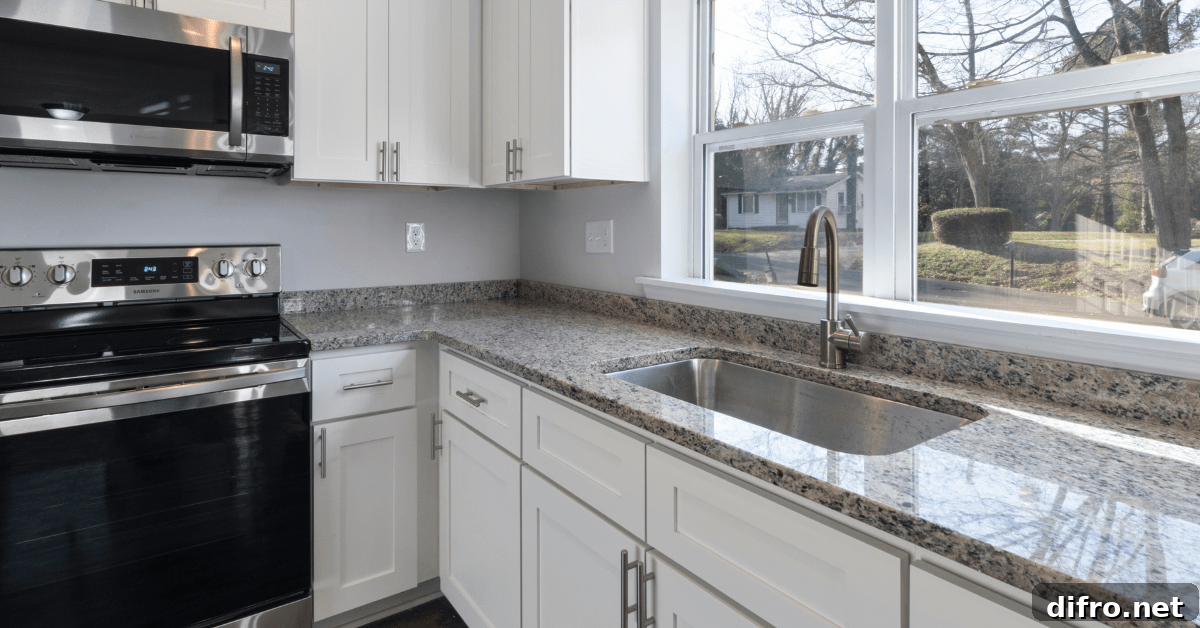
Stainless steel is an alloy primarily made of iron with chromium and other metals added to provide corrosion resistance and strength. Because of this composition, stainless steel resists rust and staining, but its finish can still show spots, scratches, and discoloration if not maintained correctly. Choosing cleaning methods that respect the grain and finish of the metal helps preserve both appearance and longevity.
Implementing a Regular Maintenance Routine
Consistent, light maintenance prevents buildup and reduces the need for heavy scrubbing. After each use, rinse your sink with warm water to remove food particles and soap residue. Wipe it dry with a microfibre cloth to avoid water spots and mineral deposits. Weekly, use a gentle dish soap and warm water to clean the surface, rinsing and drying thoroughly to restore shine.
Combatting Odors with Natural Remedies
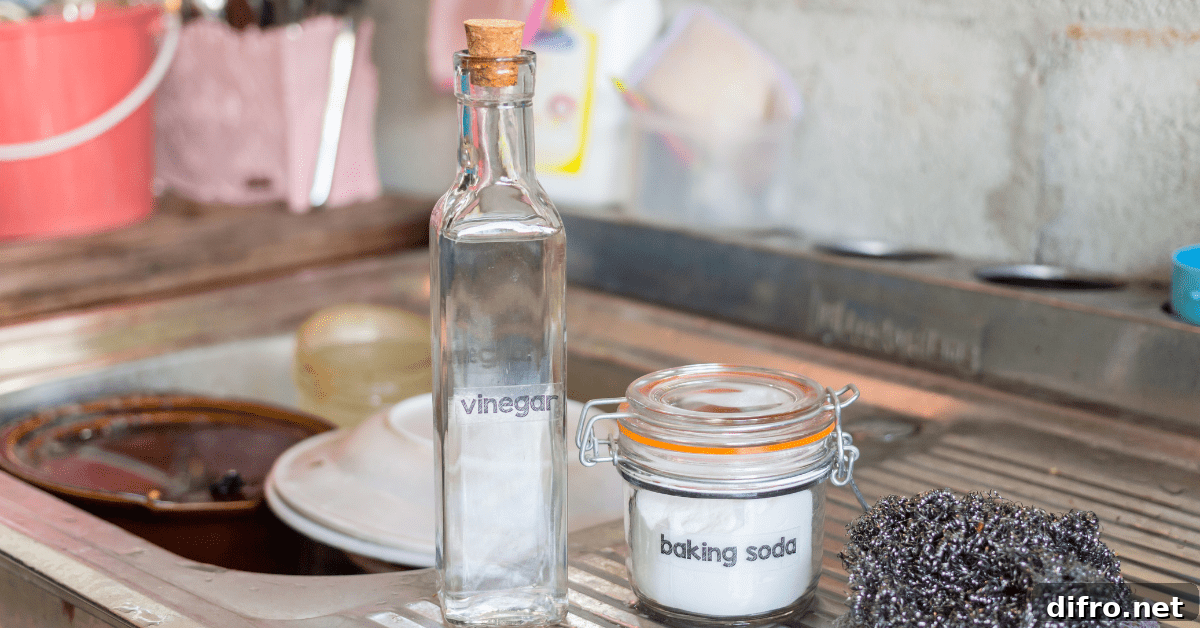
Food particles and grease in the drain can cause unpleasant smells. Pour a cup of white vinegar down the drain and let it sit for 30 minutes; follow with boiling water to flush away loosened debris. For persistent odors or minor clogs, repeat this natural treatment or use a product designed for kitchen drains. Regular cleaning of the drain stopper and trap also helps keep odors away.
Using a Paste of Baking Soda and Lemon Juice for Tough Stains
A paste of baking soda and lemon juice (or water) is an effective, non-abrasive option for removing stains and light discoloration. Apply the paste to the stained areas, let it sit for a few minutes, then scrub gently with a soft sponge or a nylon brush following the grain of the steel. Rinse thoroughly and dry. This method lifts organic stains and restores shine without harsh chemicals.
Addressing Rust Spots with a Homemade Paste
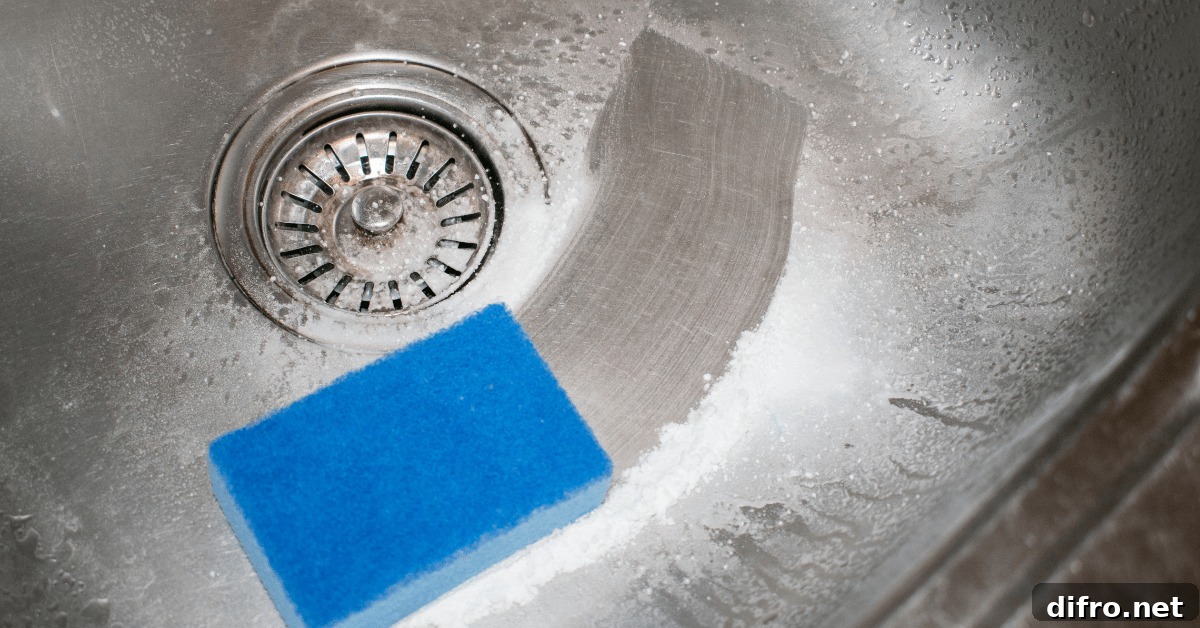
Although stainless steel is rust-resistant, rust spots can appear where iron particles from other tools or utensils have contacted the surface. Make a paste from baking soda and water and apply it to the rust spots. Let it sit for an hour or two, then scrub gently with a nylon brush. Rinse well and dry. For stubborn rust, use a product formulated for stainless steel and follow the manufacturer’s safety instructions.
Effective Methods for Removing Stains and Water Spots
For everyday stains and water spots, a solution of warm water and mild dish soap is often enough. Use a soft cloth or non-abrasive sponge to clean the sink, then rinse and dry with a microfiber towel for a streak-free finish. For tougher marks, try a 1:1 mixture of white vinegar and water applied sparingly, then rinse and dry. Always rub with the grain of the stainless steel to minimize visible scratches.
Preventing Scratches and Dents
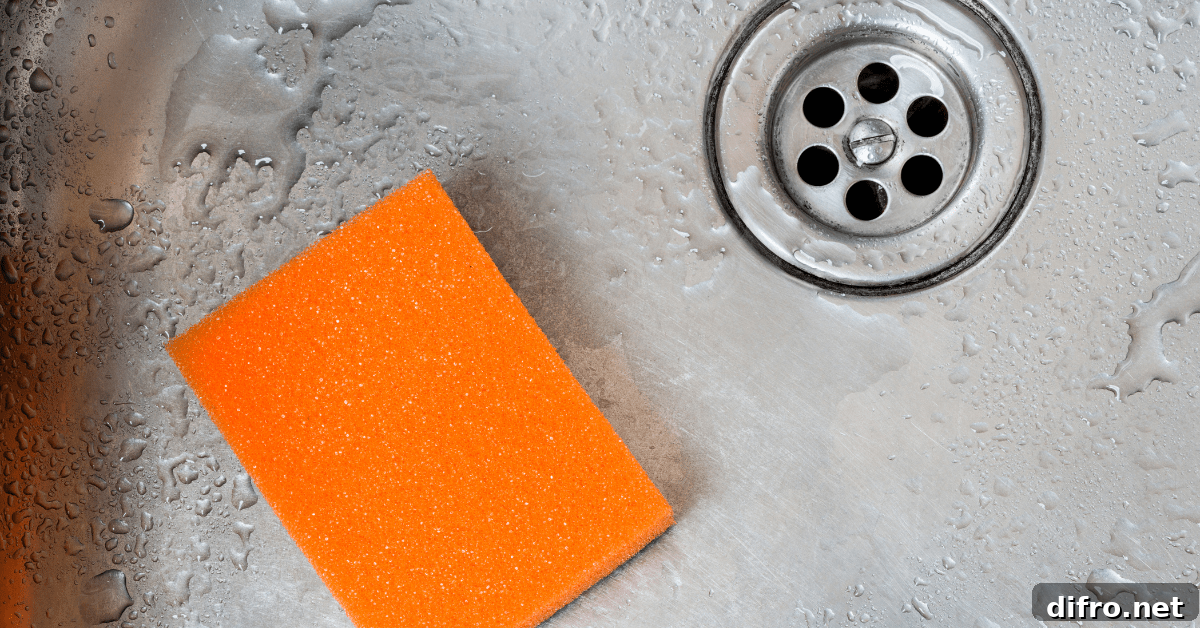
To protect the sink surface, avoid abrasive tools like steel wool or harsh scouring pads that can leave permanent scratches. Do not drop heavy pots or sharp utensils into the basin. Use sink grids, mats, or silicone protectors to shield the bottom from impacts and daily wear. When cleaning, always choose soft cloths or sponges and non-abrasive cleaners.
Achieving a Brilliant Shine with Polishing Techniques
After cleaning, buff the sink with a small amount of olive oil or mineral oil on a soft cloth to bring out a deep, even shine and add a thin protective layer. Rub in the direction of the grain until the surface looks uniform. For a longer-lasting finish, consider a commercial stainless steel polish or sealant made for kitchen sinks, applied according to product directions.
Products Available for Cleaning a Stainless Steel Sink
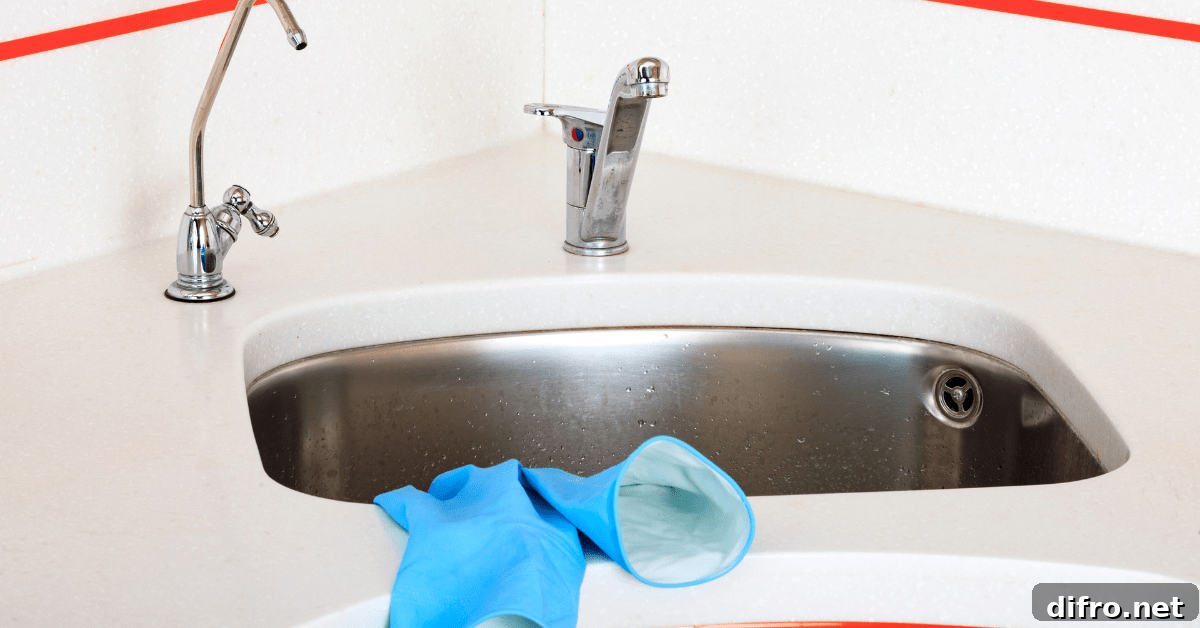
Everyday cleaning usually needs only dish soap, warm water, and a microfiber towel. For tougher jobs, popular products like Bar Keepers Friend and dedicated stainless steel cleaners can remove stains and restore a polished finish. If you use a chemical cleaner, wear gloves, follow the label instructions, and rinse the sink thoroughly to remove any residue.
FAQs About How to Clean a Stainless Steel Sink
What is the best thing to clean a stainless steel sink with?
Use a soft cloth or sponge with a mild dish soap solution for routine cleaning. For drying and polishing, a microfiber towel works best to leave a streak-free surface. Avoid abrasive pads that can scratch the finish.
How can I make my stainless steel sink look new again?
For renewed shine, use a baking soda paste on stubborn stains, clean regularly with a vinegar-and-water solution, and finish by buffing with a light oil or stainless steel polish. Maintaining a regular cleaning routine helps keep the sink looking new.
What is the best cleaner for stainless steel?
Mild dish soap and water is safest for regular use. White vinegar and water or commercial stainless steel cleaners are effective for tougher stains. Always test a new product on a small, inconspicuous area first.
How do you get brown out of a stainless steel sink?
Brown stains usually respond to a paste of baking soda and water. Apply the paste, scrub gently along the grain, rinse thoroughly, and dry. Repeat if necessary.
Related Articles:
- The Guide on How to Clean Baseboards Like a Pro
- How To Clean Throw Pillows [And How Frequently You Should!]
- How to Clean A Couch [8 Fabrics]
With straightforward care—regular rinsing, gentle cleaning, and occasional deeper treatments—you can keep a stainless steel sink attractive and hygienic for years. Use non-abrasive tools, follow the grain when scrubbing, and dry after cleaning to prevent water spots. These habits preserve the sink’s finish and make cleaning faster and easier over time.
Ready to bring new life to your home? Subscribe to our newsletter for exclusive interior design tips, trends, and ideas that will transform your space. Click here to subscribe!