Jumbo houseplants are enjoying a surge in popularity and are likely to become even more common in interior design. If you’re considering adding a large, leafy plant to your home, the right choice can become a focal point that transforms a room. Below are five standout jumbo houseplants, each described with its aesthetic appeal, basic care needs, and tips for placing it in your space. These options range from sculptural foliage to classic palms, giving you a variety of styles and maintenance levels to choose from.
1. Fiddle Leaf Fig (Ficus lyrata)
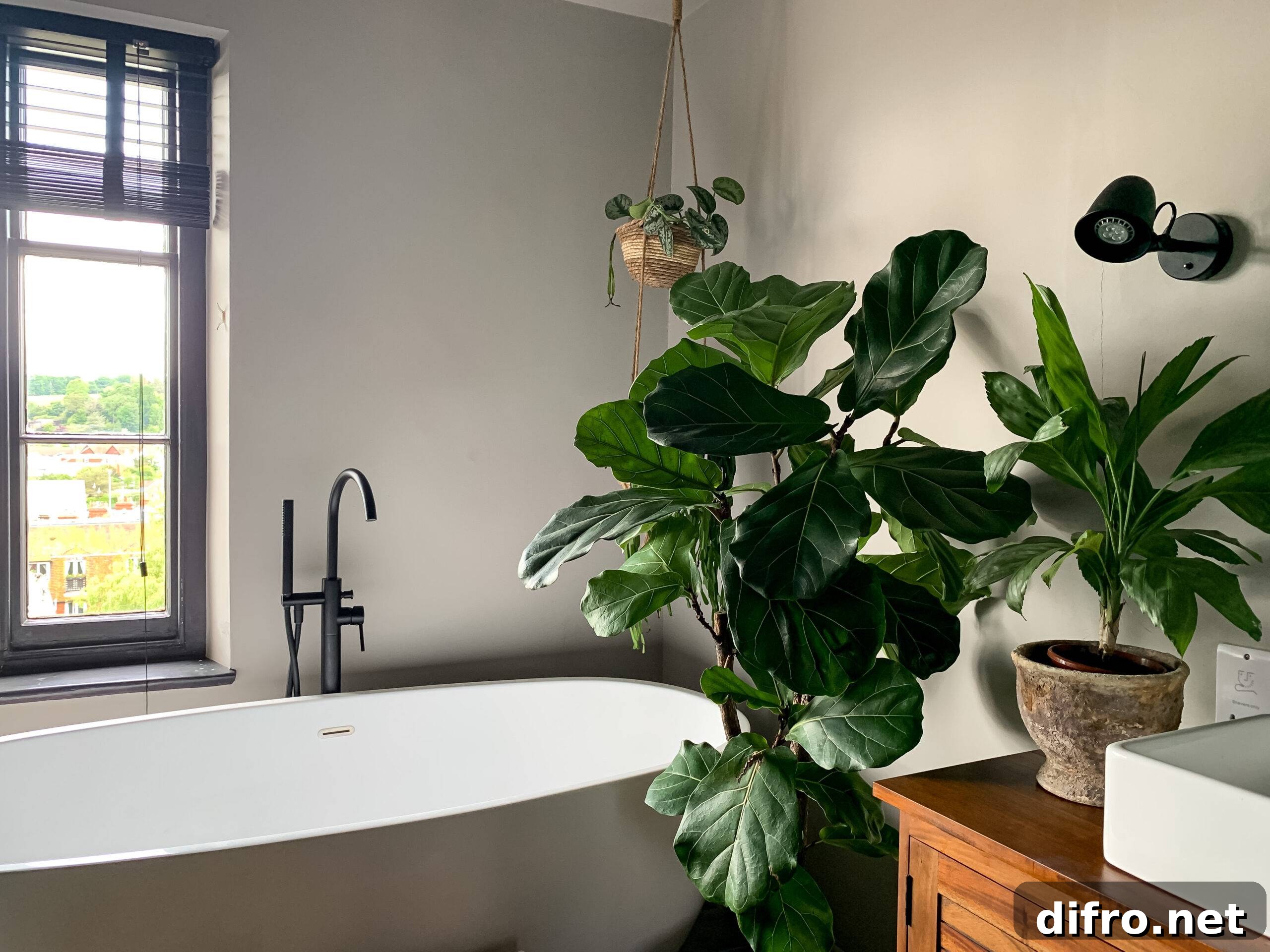
The Fiddle Leaf Fig is one of the most recognizable large indoor plants thanks to its bold, glossy leaves and upright form. It prefers bright, indirect light and does best in a steady location without frequent moves. Water when the top inch of soil feels dry, and avoid overwatering—good drainage is essential. Regularly dust or gently wipe the broad leaves to keep them clean and allow maximum light absorption. While it can be somewhat sensitive to changes in light and humidity, once established a Fiddle Leaf Fig makes a modern, tropical statement and is excellent for living rooms, entryways, or corners that need vertical drama.
2. Bird of Paradise (Strelitzia reginae)
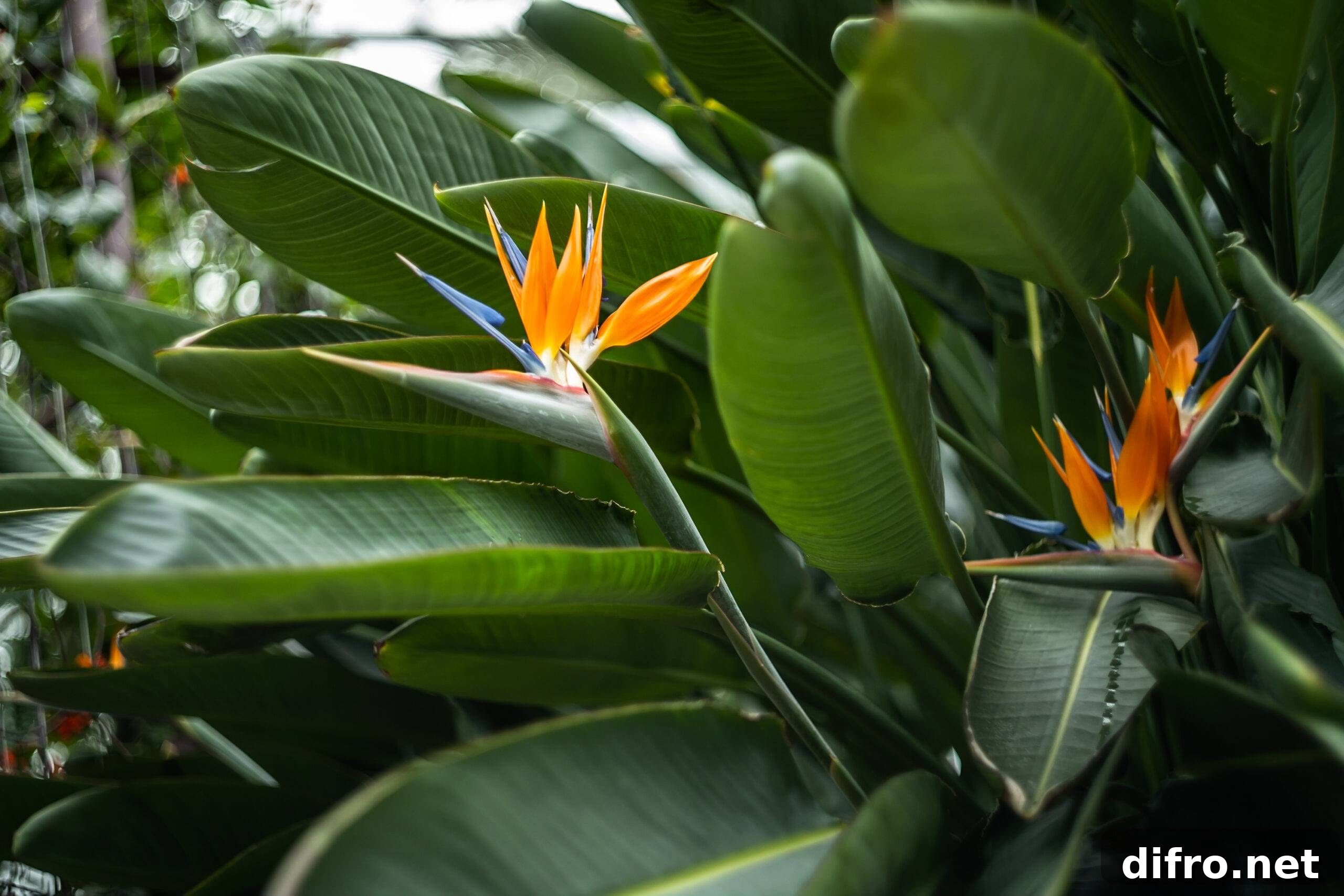
Bird of Paradise plants bring bold, architectural foliage and an exotic presence to interior spaces. They thrive in bright light—near a sunny window is ideal—and appreciate a consistent, warm environment. While they can grow quite large, they remain manageable indoors if rotated regularly for even light exposure and repotted every few years as they outgrow their container. Growth is relatively slow, but patience is rewarded with dramatic, fan-like leaves and, under optimal conditions, occasional orange-and-blue blooms. Pair a Bird of Paradise with minimalist furniture to emphasize its sculptural silhouette.
3. Monstera Deliciosa
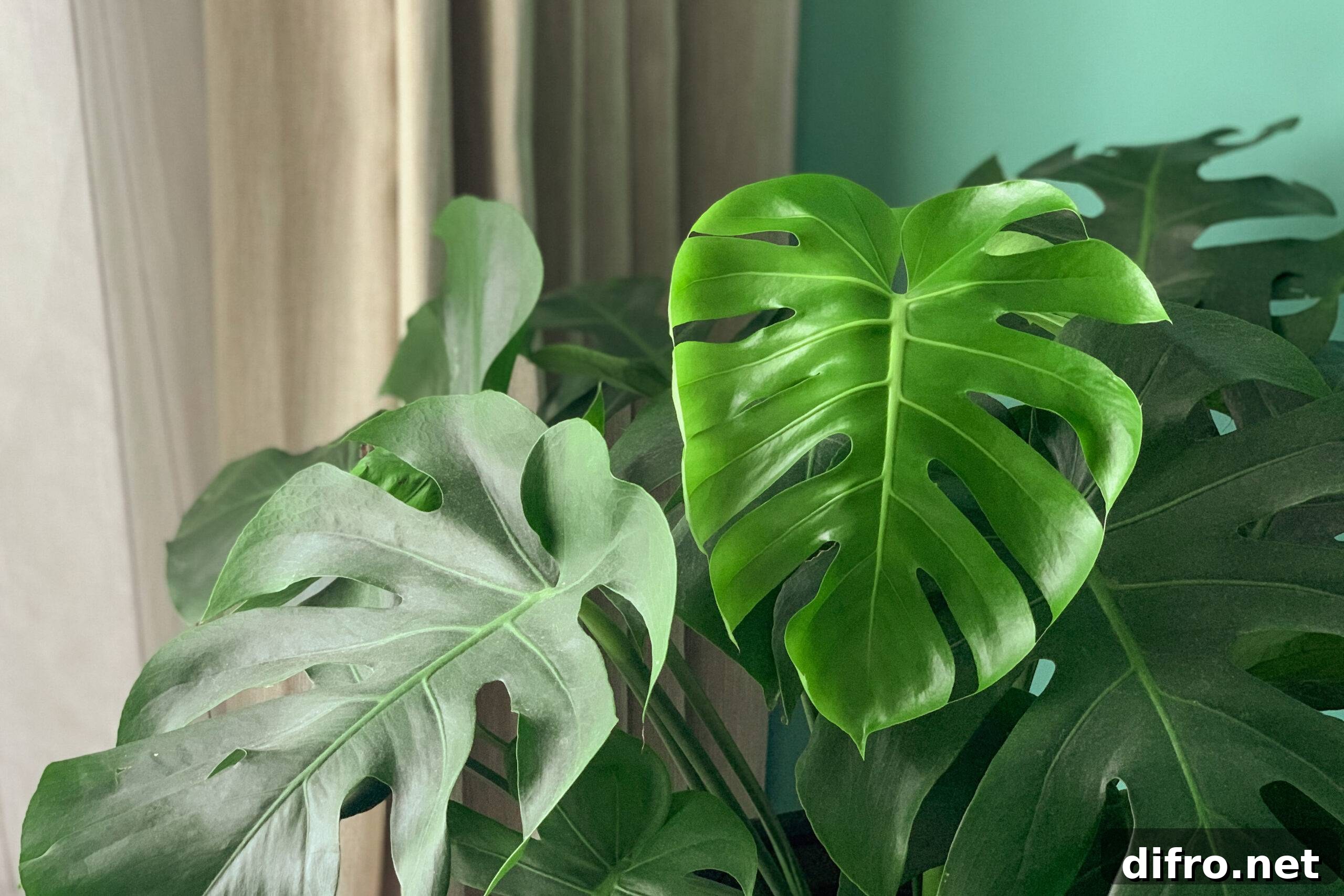
Monstera deliciosa is celebrated for its iconic, fenestrated leaves that add texture and a sculptural element to interiors. This plant is adaptable and relatively easy to care for, doing well in medium to bright indirect light. Keep soil evenly moist but not waterlogged—allow the top layer to dry slightly between waterings. Larger Monsteras benefit from a sturdy support such as a moss pole or trellis as they mature, which helps them grow upward and display their dramatic foliage. Because of its forgiving nature and bold look, Monstera is a go-to choice for turning an empty corner into a lush focal point.
4. Kentia Palm (Howea forsteriana)
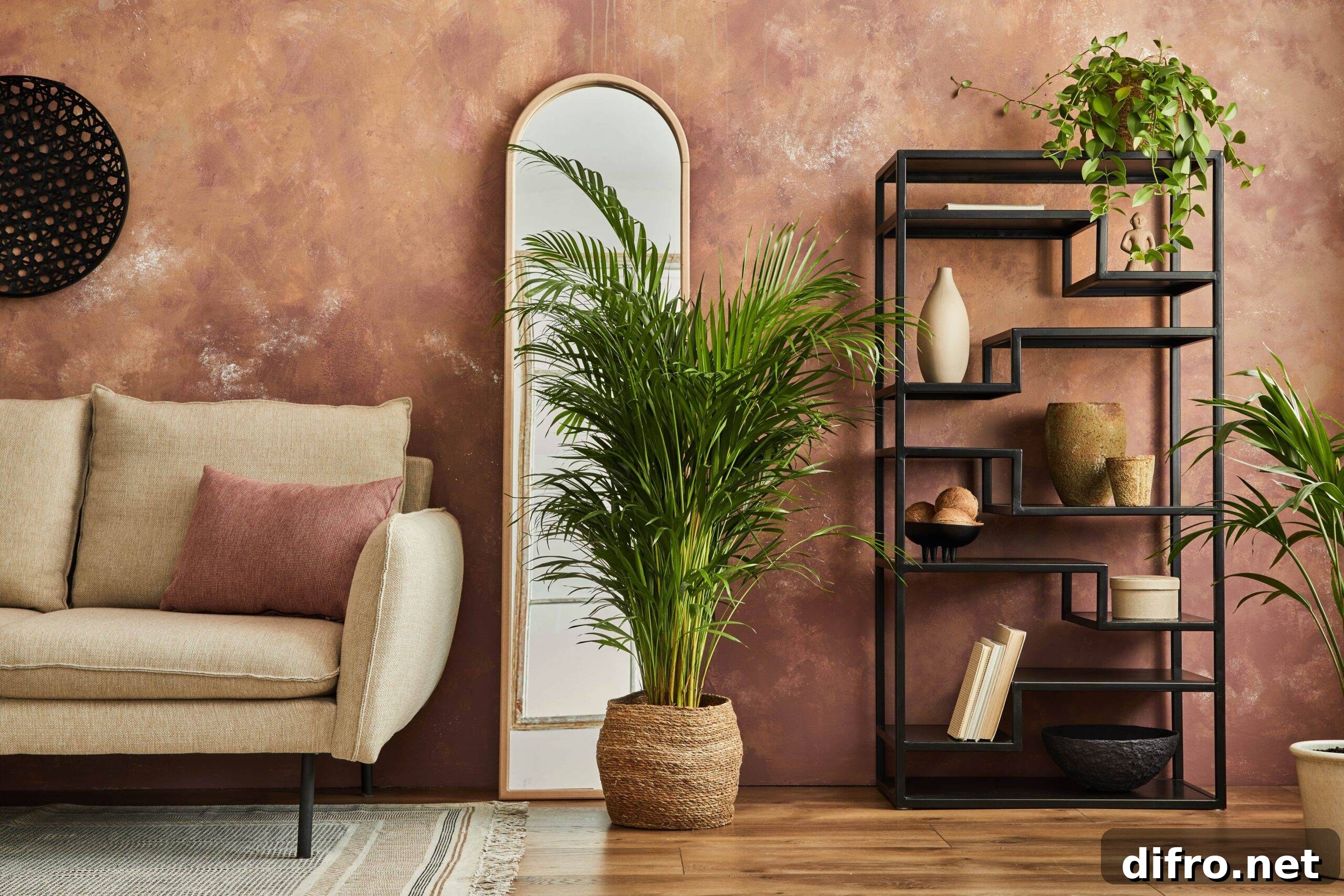
The Kentia Palm offers an elegant, refined palm silhouette that fits well in both contemporary and classic interiors. Its arching fronds create a sense of height and movement without overwhelming a space. Kentia palms are tolerant of lower light than some tropical species, though they still prefer bright, indirect light. They are forgiving when it comes to watering—allowing the topsoil to dry slightly between waterings helps prevent root issues. Because they grow more slowly, Kentia palms are a lower-maintenance option for those who want the palm look without the rapid growth and constant repotting.
5. Giant Elephant Ear (Alocasia macrorrhiza)
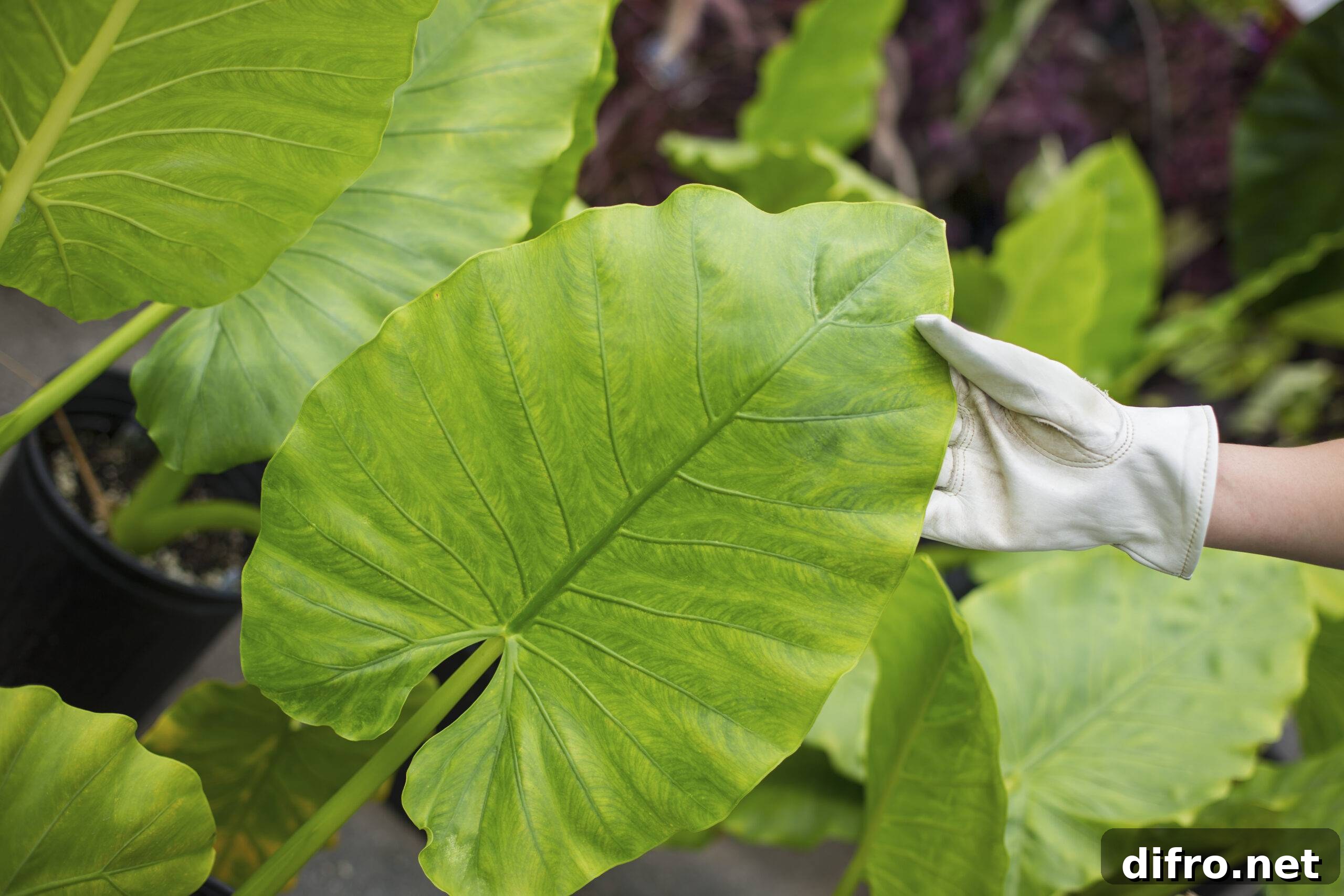
The Giant Elephant Ear is ideal for dramatic, tropical interiors thanks to its enormous, heart-shaped leaves. These plants prefer warm, humid environments and bright, indirect light. They perform particularly well in bathrooms or near humidifiers where moisture levels are higher. Water regularly to maintain consistently moist—not soggy—soil, and increase humidity with misting or a pebble tray if indoor air is dry. While their dramatic scale can be show-stopping, they do require a bit more attention than some other jumbo plants. Note that many elephant ear species contain compounds that can be irritating to pets and humans if ingested, so place them thoughtfully if you have curious pets or children.
Choosing a jumbo houseplant is as much about scale and style as it is about care needs. Consider light availability, humidity, and how much maintenance you’re willing to do before selecting a large specimen. Whether you prefer the architectural drama of a Bird of Paradise, the sculptural texture of a Monstera, the modern elegance of a Fiddle Leaf Fig, the refined silhouette of a Kentia Palm, or the tropical impact of an Elephant Ear, a well-chosen jumbo plant becomes a living artwork that enhances your home. Position these plants thoughtfully, provide appropriate light and watering, and they will reward you with presence and vitality for years to come. Happy planting!