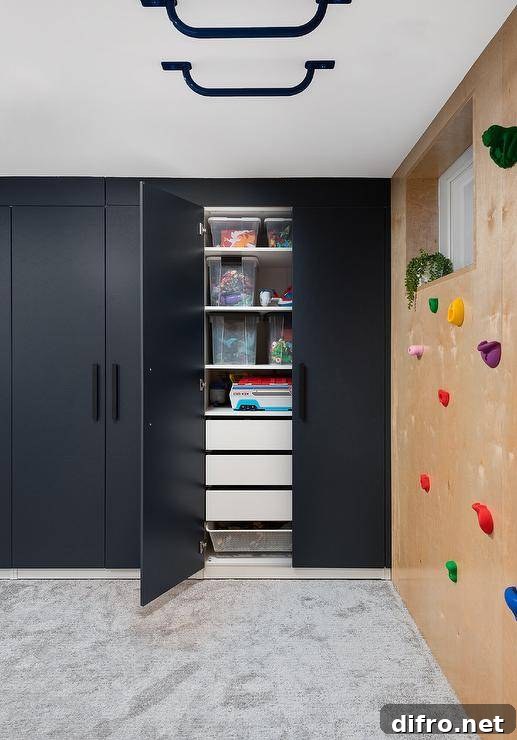
Whether your basement serves as a quiet retreat, a playroom for the kids, or simply a storage area, it’s common for it to be overlooked and become cluttered. Left unchecked, basements quickly collect boxes, seasonal items, and miscellaneous gear. Fortunately, with a few practical strategies you can turn a chaotic basement into an organized, functional, and attractive space.
Below are clear, actionable tips and design ideas gathered from real-life installations to help you declutter, plan storage, and maintain an orderly basement that still feels stylish and intentional.
How to Organize Basement Clutter
Start with a plan. Before adding shelving or bins, take stock of what you own and decide how the basement will function: storage, workshop, play area, or a combination. Use the guidance below to make decisions that fit your space and lifestyle.
Evaluate Your Belongings
Sort items into three piles: keep, donate, and discard. Be honest about what you actually use. If you struggle to let go, try thanking each item for its use before parting with it—this can make the process easier. As you sort, you may rediscover things you thought were lost.
Think About Shelving
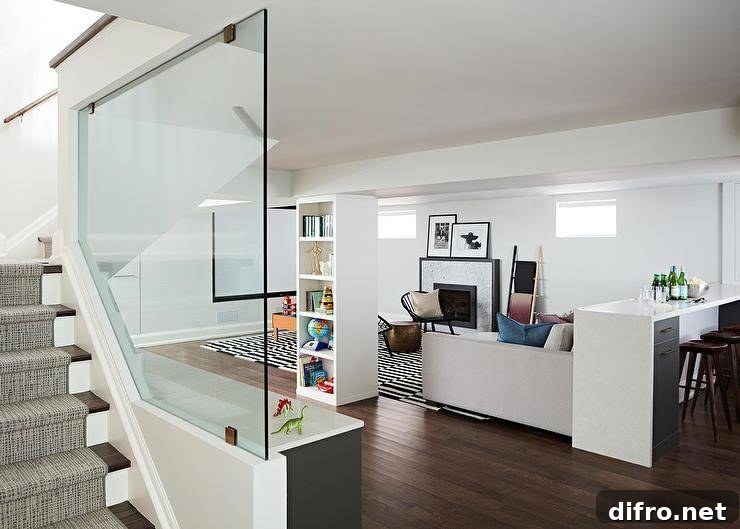
Shelving is one of the most effective ways to reclaim a basement. Use shelves to free floor space and protect stored items from damp or minor flooding. Measure your space and the items you plan to store so shelves have the right depth, height, and weight capacity. For unfinished or non-climate-controlled basements, choose metal or heavy-duty plastic shelving over wood—these materials resist humidity and water damage better.
If you need to hang seasonal clothing, install a sturdy clothing rack or hanging organizers. This keeps garments wrinkle-free and frees valuable shelf space.
Categorization
Create clear categories for all stored items—holiday decorations, tools, sports equipment, linens, craft supplies, and so on. Assign each category a designated shelf, bin, or hook. Label shelves and containers so you and your family can quickly locate items when needed. For small parts like screws, cables, or spare hardware, use large, zippered plastic bags and label them clearly.
Use Plastic Storage Containers
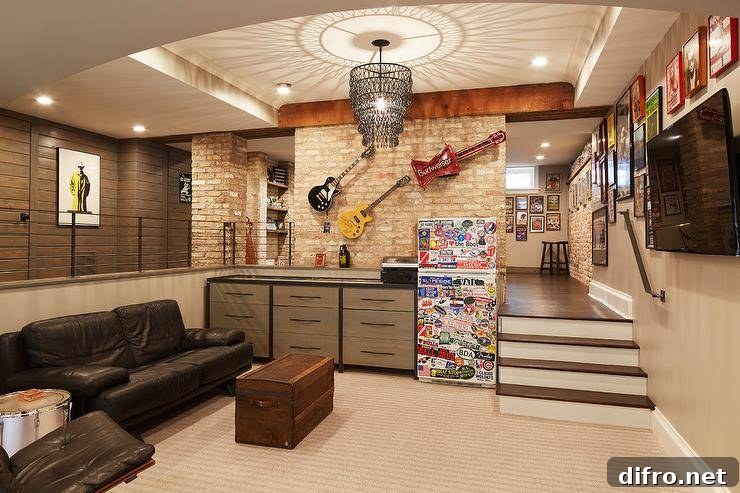
Clear plastic bins are a superior long-term storage option compared with cardboard. They protect contents from moisture, pests, and deterioration, and make it easy to see what’s inside. Label each container on the outside for fast identification. For delicate garments, use breathable, zippered garment bags to prevent dust and damage.
Designate a Pantry Space
If your kitchen pantry is full, move shelf-stable food, bulk items, and extra paper or cleaning supplies to a dedicated basement pantry area. Use airtight plastic containers for food to prevent pest issues, and label everything so you can quickly see quantities. Keep cleaning products and paper goods in clearly defined locations so they’re easy to find.
With a thoughtful plan and the right materials you can transform your basement from a disorderly storage catch-all into a structured, useful space that supports your family’s needs. Once you’ve seen the benefits, you may feel motivated to tackle other problem areas in the home.
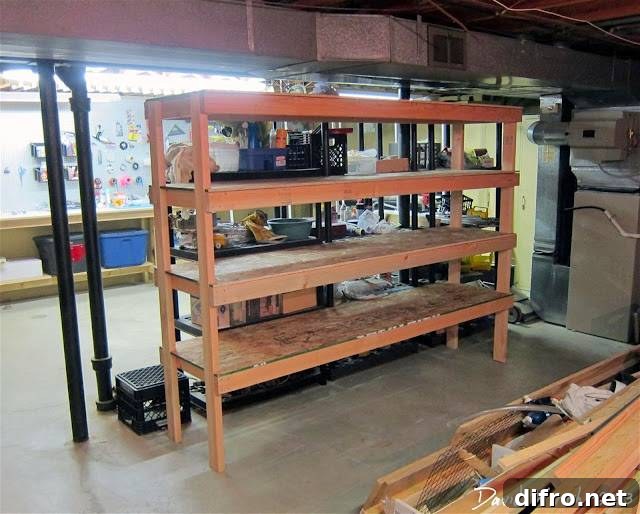
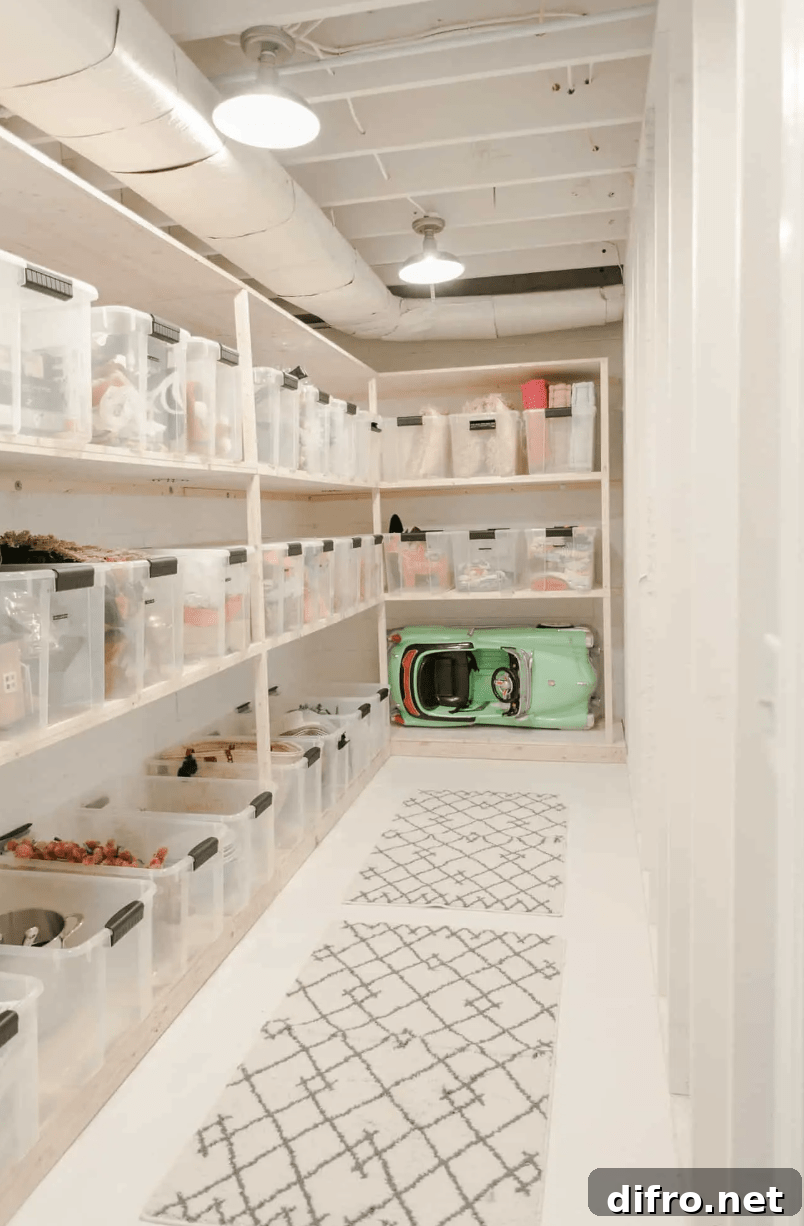
Safety tip: Build sturdy shelving for bins and boxes—use heavy-framed shelving with 2×4 studs and plywood. Measure stored items to ensure proper clearance and depth, and avoid placing large or heavy bins above five feet high to reduce injury risk when retrieving them.
Stunning Shelves
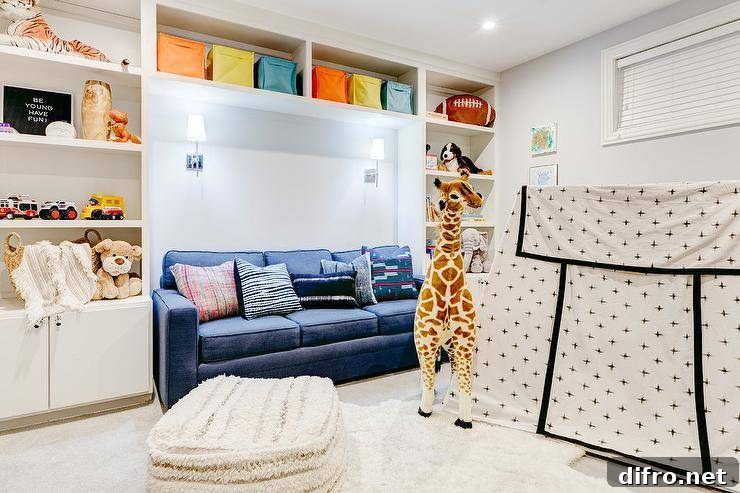
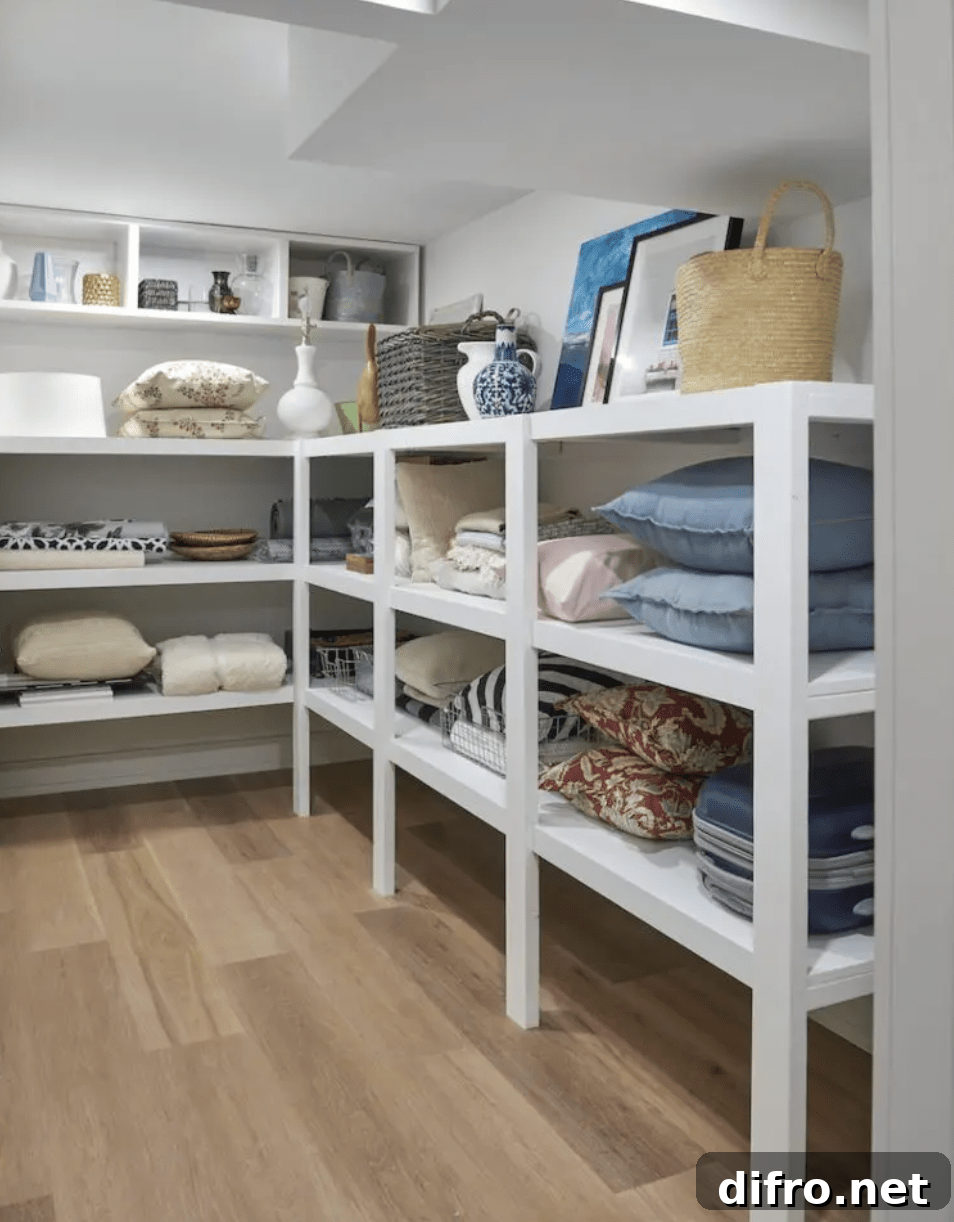
Create a display-like storage area for linens, pillows, and cushions by painting walls and shelving the same neutral color, such as bright white. This unifies the shelving with the room and makes stored textiles pop visually while keeping everything organized and accessible.
Cupboard Storage
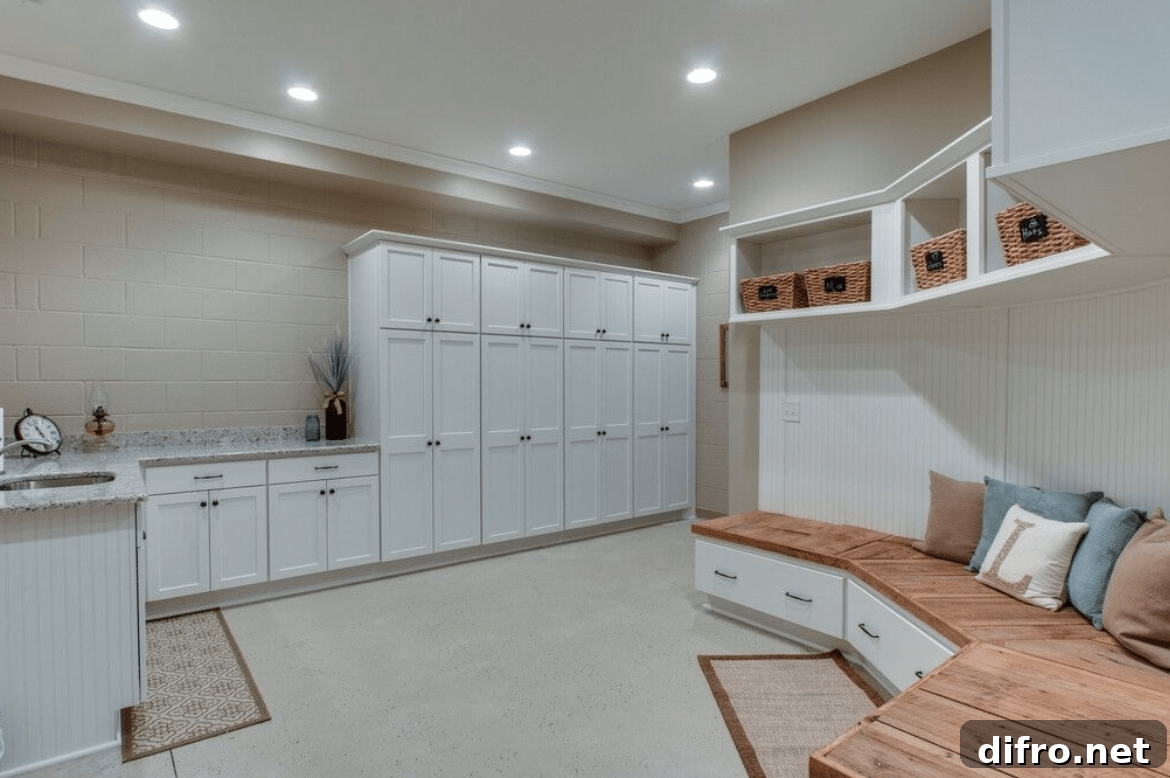
Custom cupboards and storage benches can create a tidy, focused workspace or hobby area. Built-in cabinets hide clutter, while open shelving and counters provide a functional surface for projects. You can scale this look to match your budget and needs.
Cube Storage
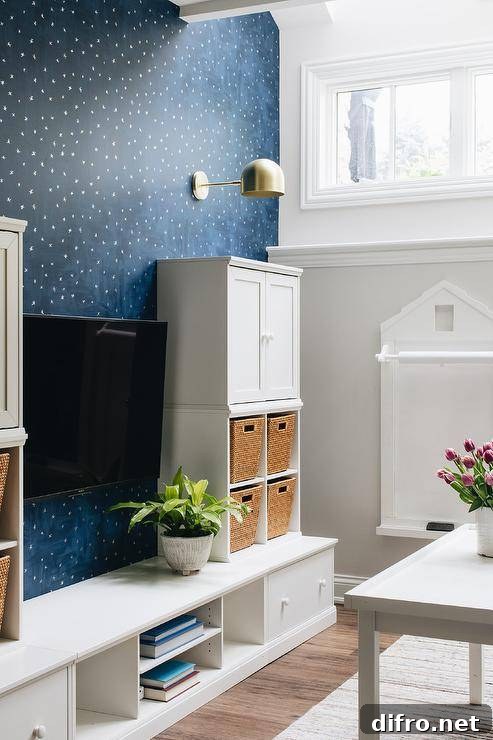
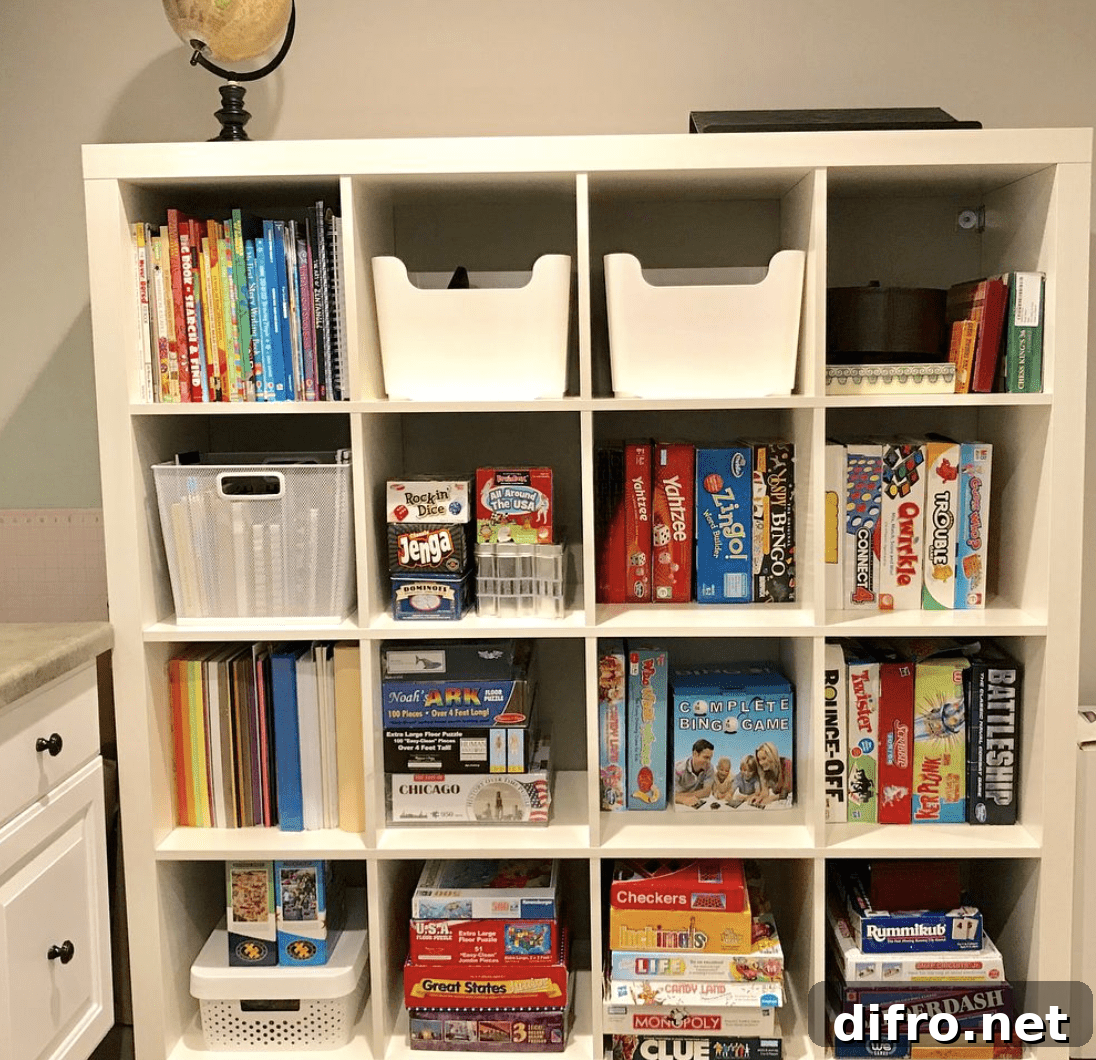
Cube shelving units are flexible and ideal for basements. Use color-coded bins, breathable storage for clothing, and customize the cubes with paint, baskets, or curtains to match the room’s style. They’re easy to rearrange as needs change.
Built-Ins and Open Pantry
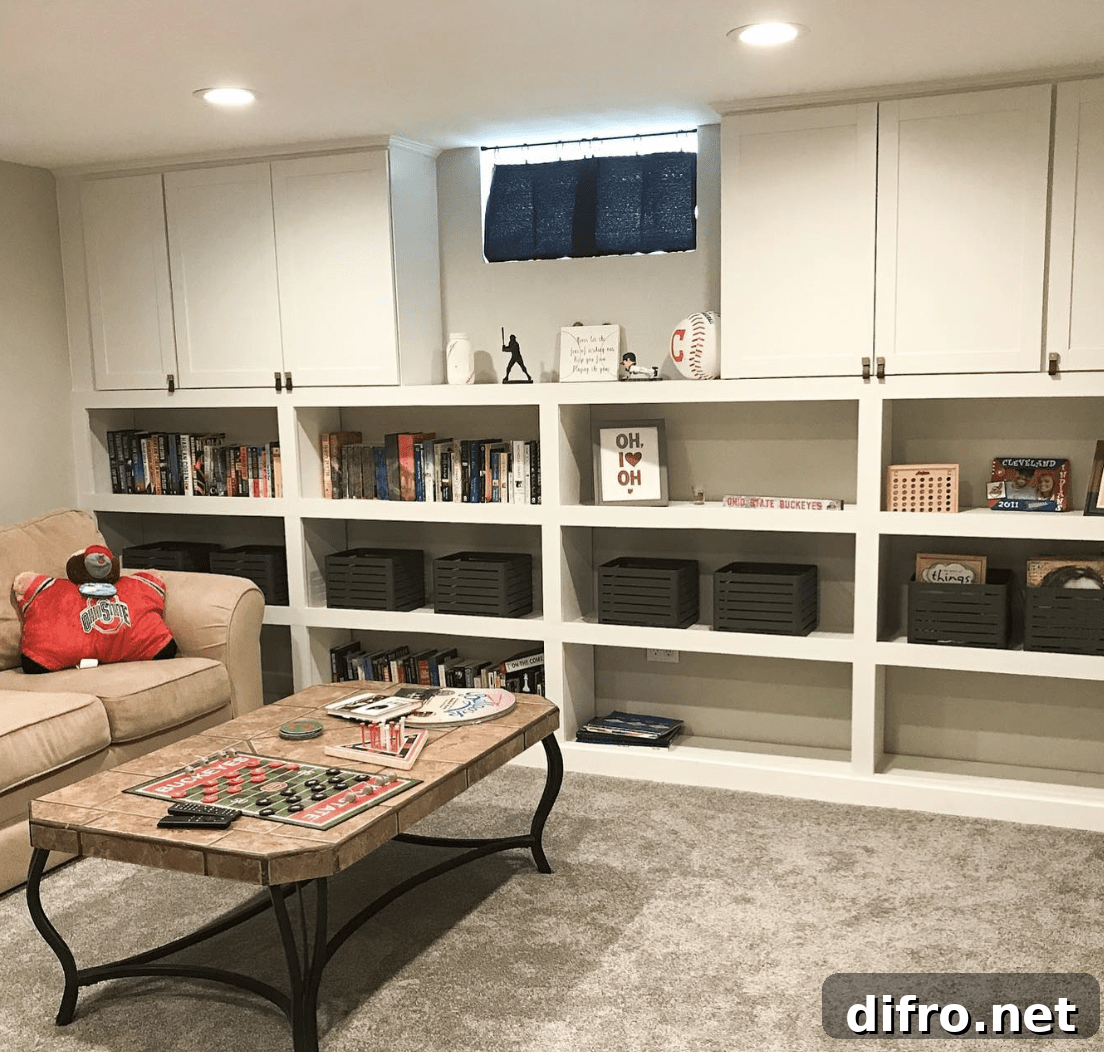
Built-in shelving quickly adds storage and lifts the look of a basement. Close doors on unsightly items and display decor on open shelves. For pantry-style storage, group jars, bins, and baskets in a coordinated color palette to make the wall both attractive and useful.
Under the Stairs
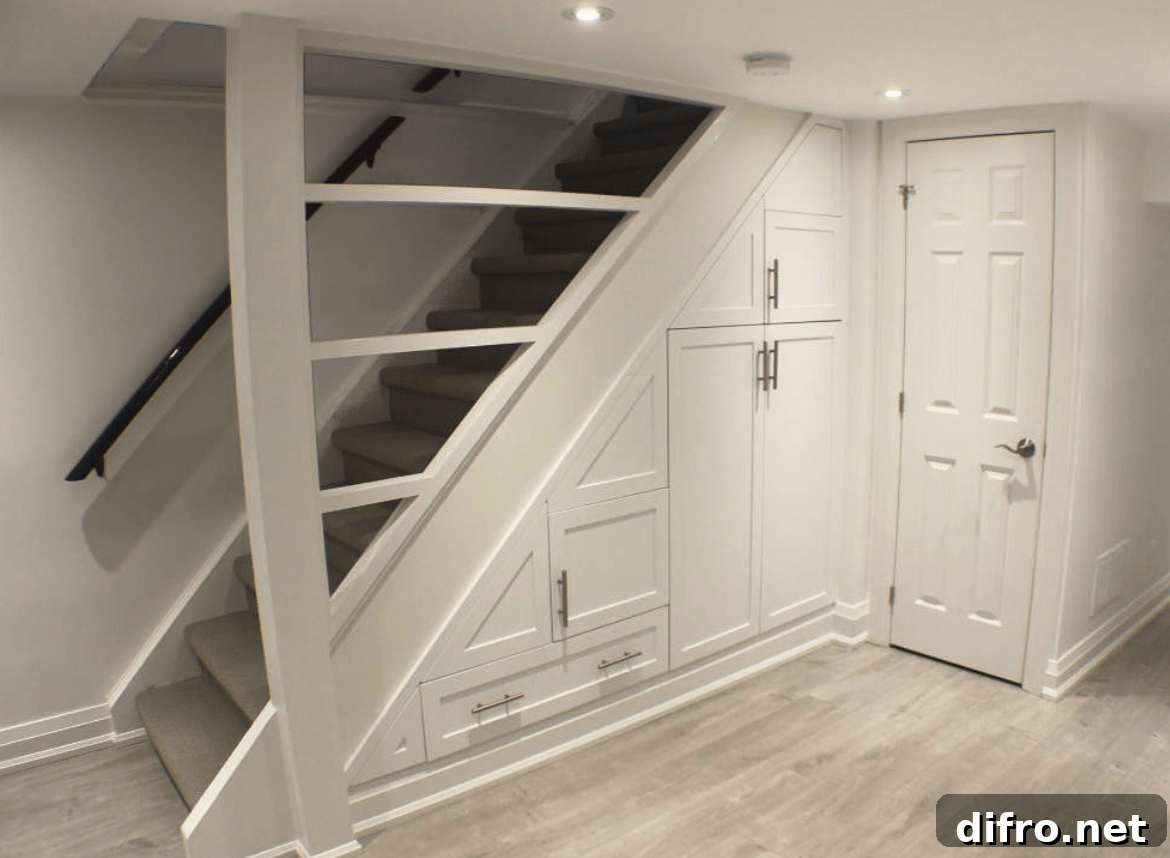
Don’t waste the space under the stairs. Permanent built-ins, drawers, or cupboards can provide long-lasting storage that looks finished and purposeful, though they require a larger investment than portable bins.
Divide Up the Basement
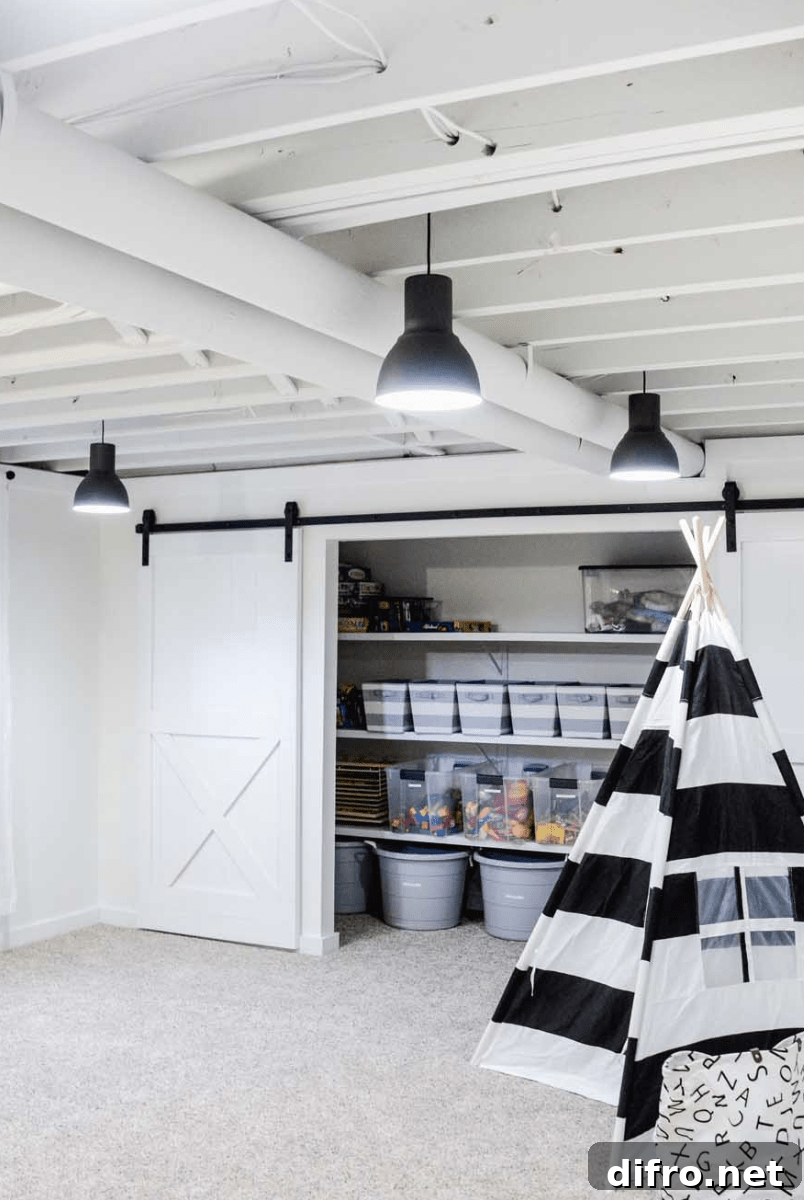
Sectioning a large basement into zones helps prevent it from becoming a single storage dump. Use screens, shelving, or temporary partitions to create separate areas for toys, storage, a workshop, or a media corner.
Lighten It Up
Bright paint and good lighting will change how you feel about your basement. Painting walls and ceilings a light color like white or cream reflects light and makes the space feel more inviting and usable—less like a storage dungeon and more like a true part of your home.
Wall Shelving and Systems
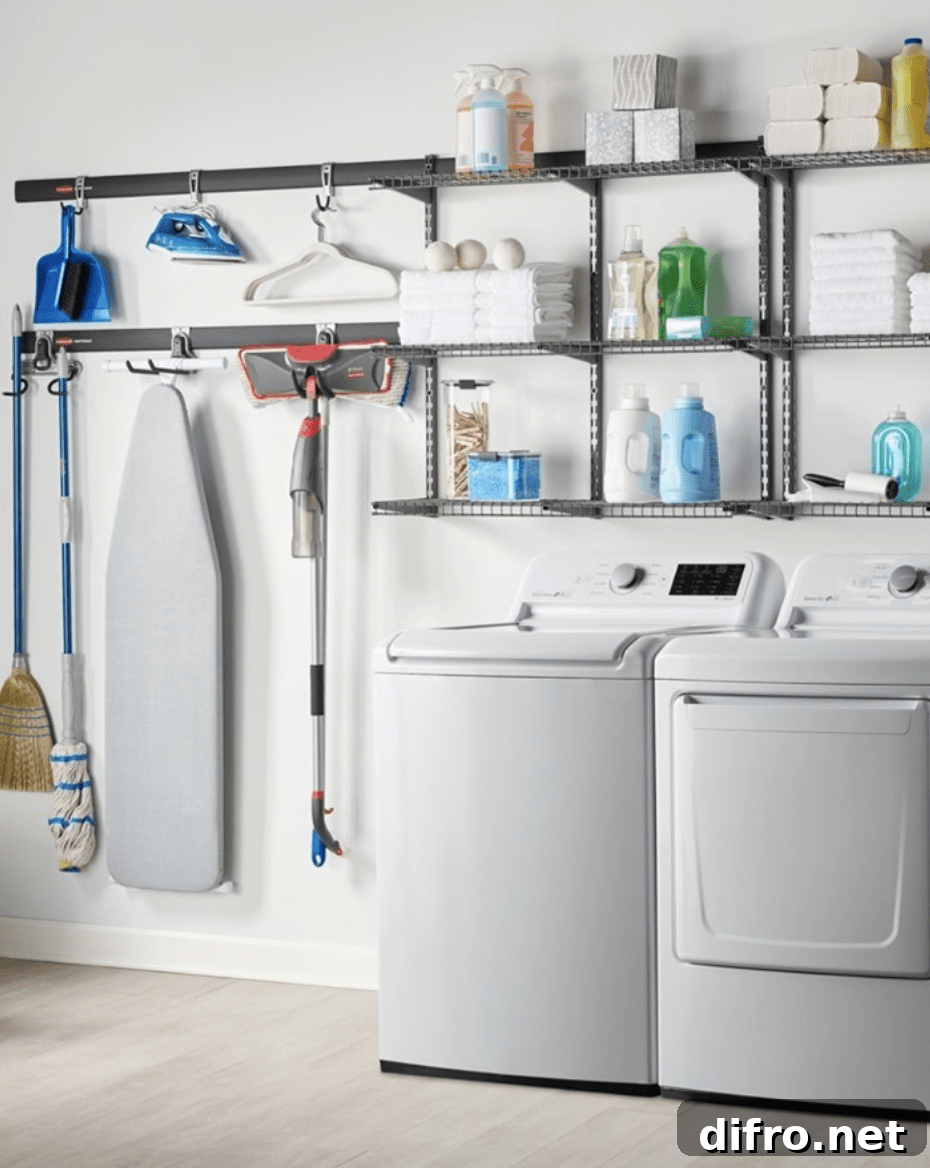
Wall-mounted rail and hook systems maximize vertical space for brooms, mops, ironing boards, and tools. Pegboards, magnetic strips, and labeled sliding baskets are all excellent options depending on whether your basement doubles as a laundry room, workshop, or play area.
Labels, Labels, and More Labels
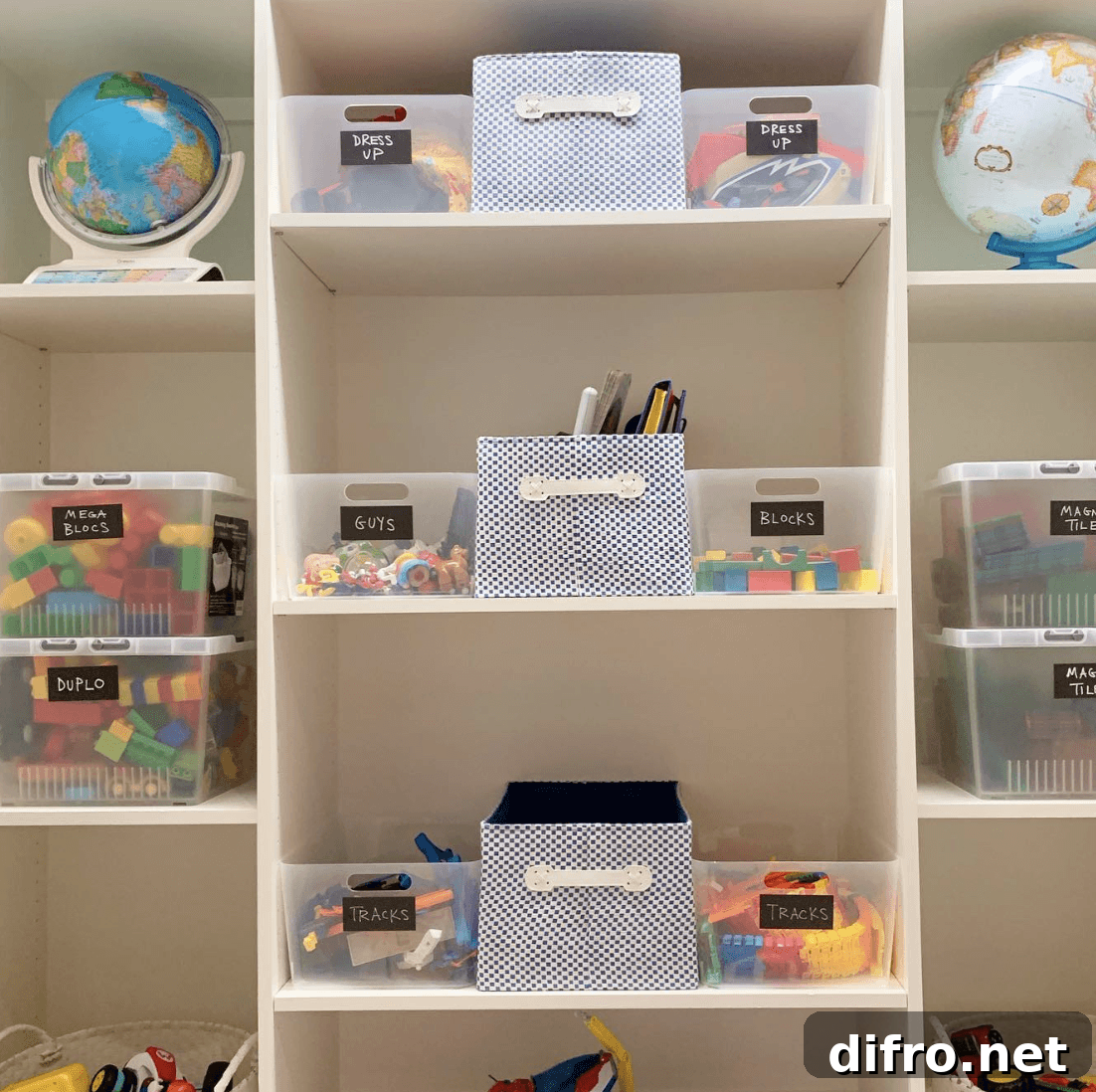
Labeling turns organized storage into a sustainable system. Use a label maker or simple tape and marker to mark bins, drawers, and shelves. Involve kids by labeling toy bins—this builds responsibility and makes clean-up faster.
Specialty Zones: Craft Rooms, Workouts, and Overflow
Create dedicated zones for specific activities. A well-lit craft area needs task lighting, counter space, and accessible supplies. A workout corner benefits from heavy-duty racks for weights, drawers for small gear, and easy-to-clean flooring. Use wall-anchored shelving for overflow items from the garage or pantry to keep them visible and separate from living spaces.
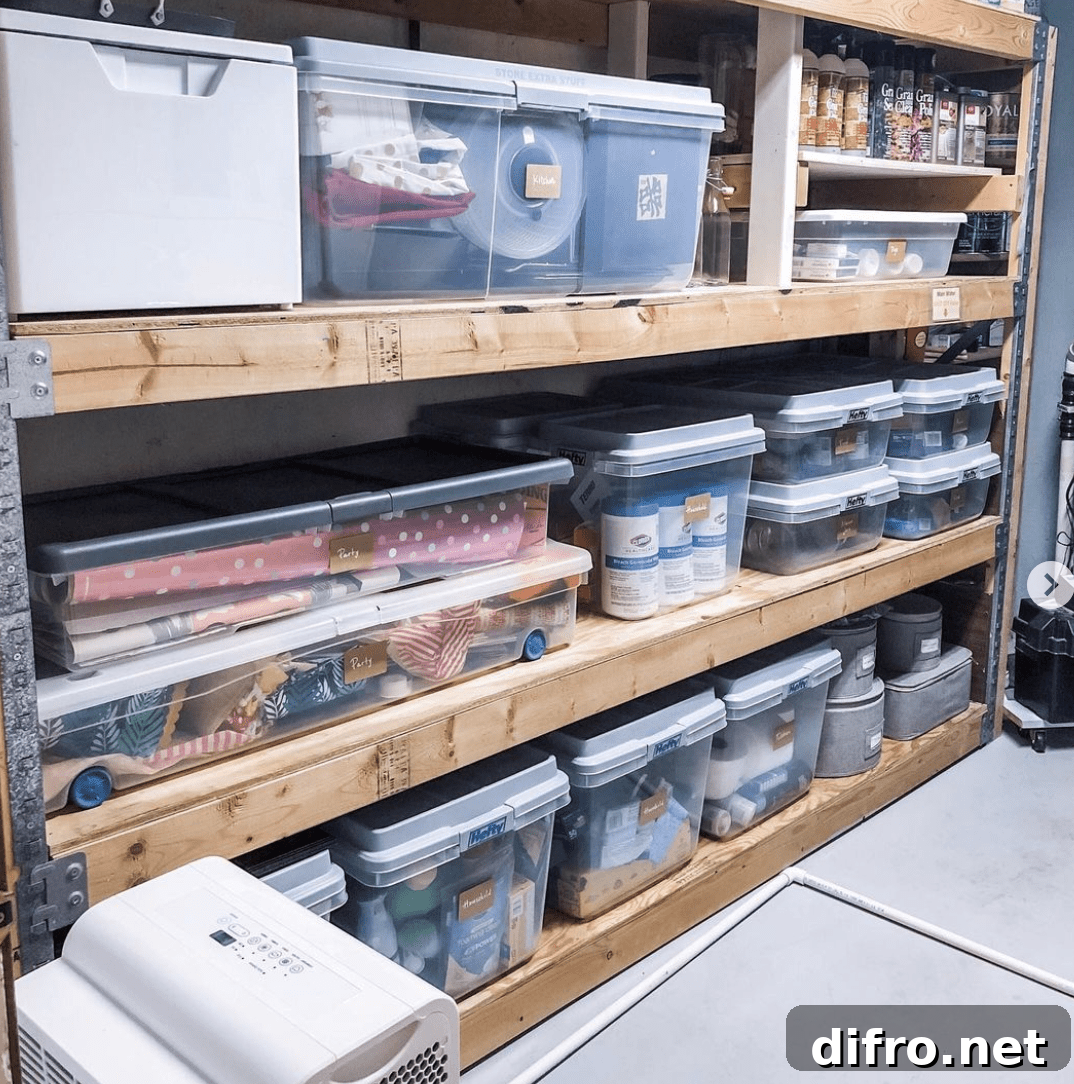
Heavy-Duty and Pallet Shelves
For bulk storage or heavy items, build or repurpose pallet-style shelving. Combine these with an assortment of plastic bins in different sizes to create a durable, adaptable system that can handle heavier loads.
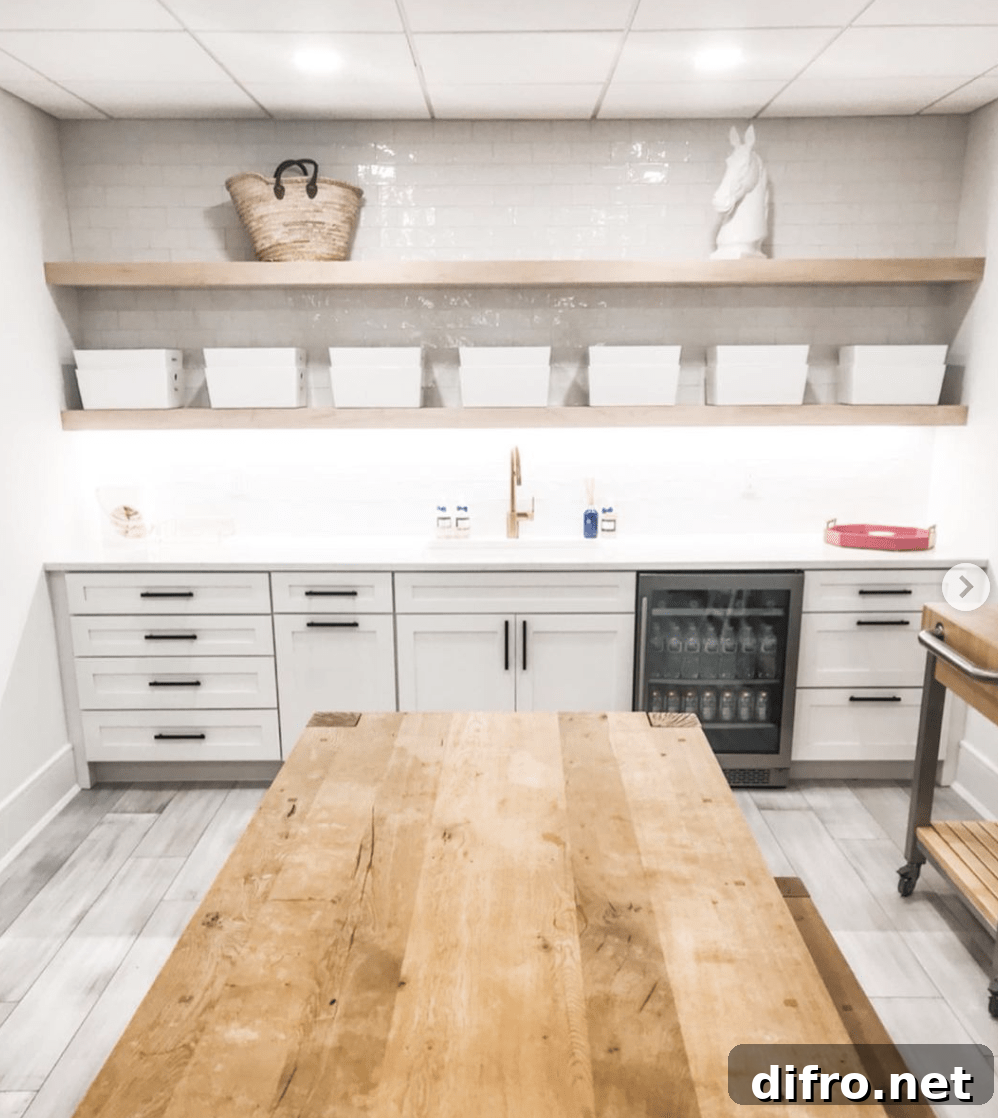
Consider Adding a Wet Bar
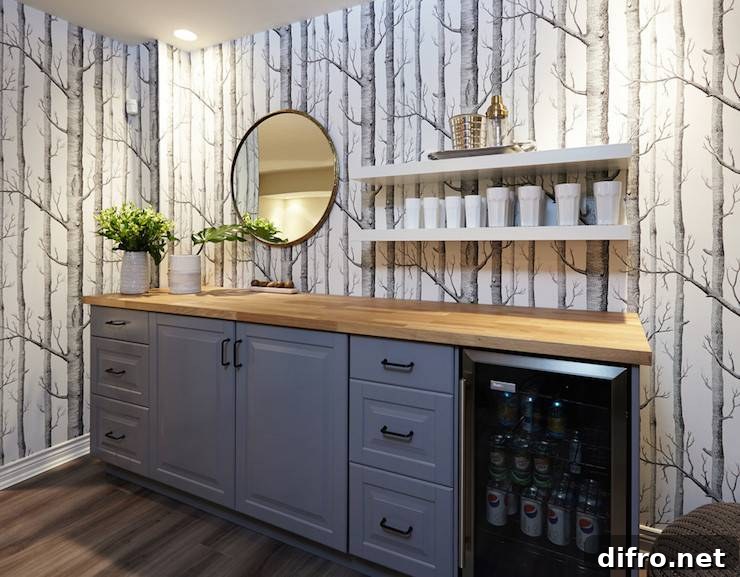
If you’re remodeling, a wet bar can enhance functionality and add storage cabinetry. A compact bar increases your social space while providing drawers and cupboards for drinkware, entertaining supplies, and small appliances.
If you want to organize other areas of the home, consider these topics:
- Top tips for organizing a garage
- Practical steps to organize a home office
- Ideas for keeping clutter under control throughout the home
- Bedroom organization strategies for a tidy space
- Kitchen counter and pantry organization ideas