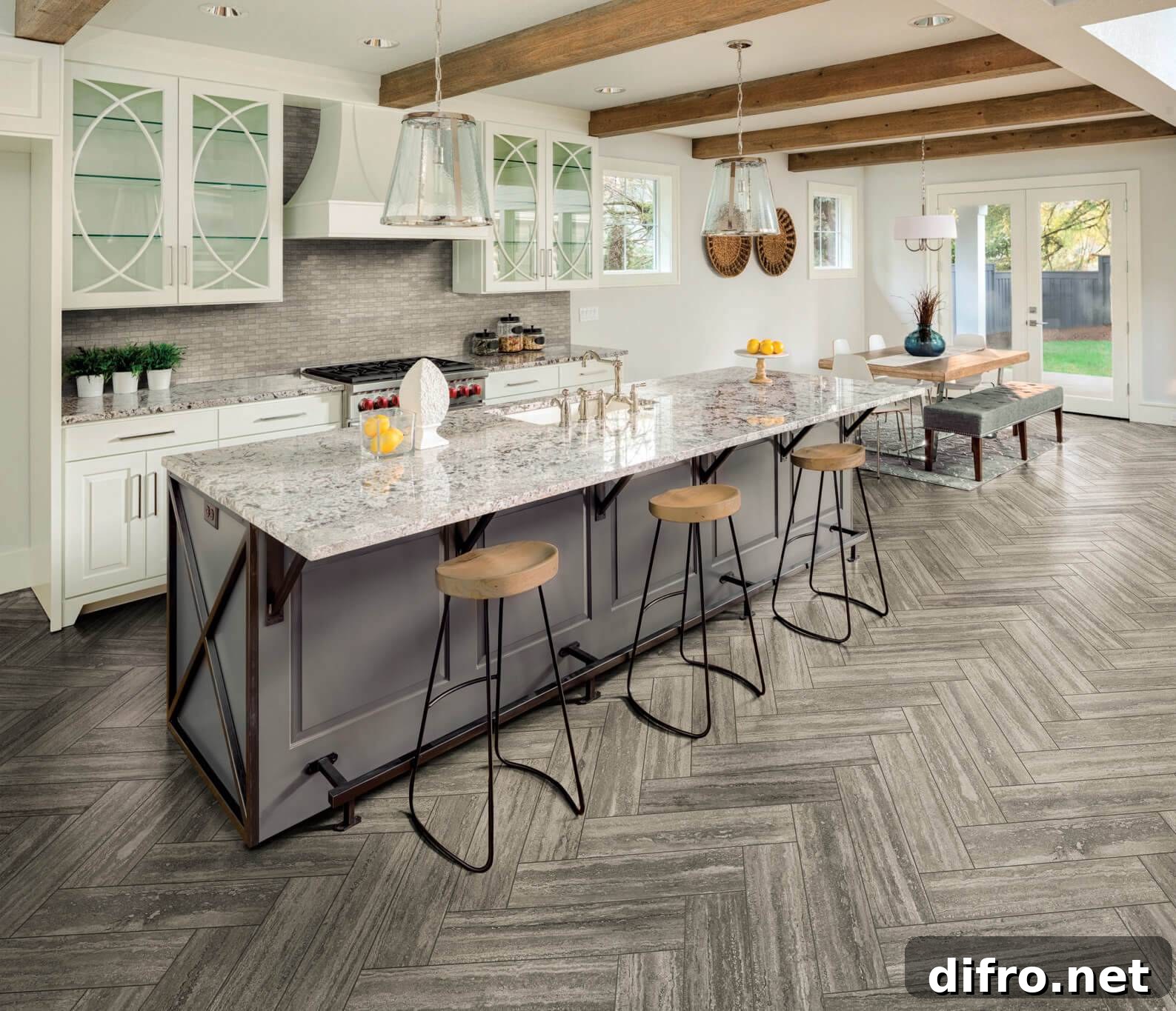
The timeless herringbone pattern brings elegance and visual interest to any interior. Whether applied in tile, wood, brick, or even on furniture, this classic V-shaped layout adds rhythm and texture without overwhelming a space. You can choose professional installation for a flawless finish, or tackle smaller projects as DIY tasks. Below are practical ideas and design tips to help you bring herringbone into your home, organized by area and material.
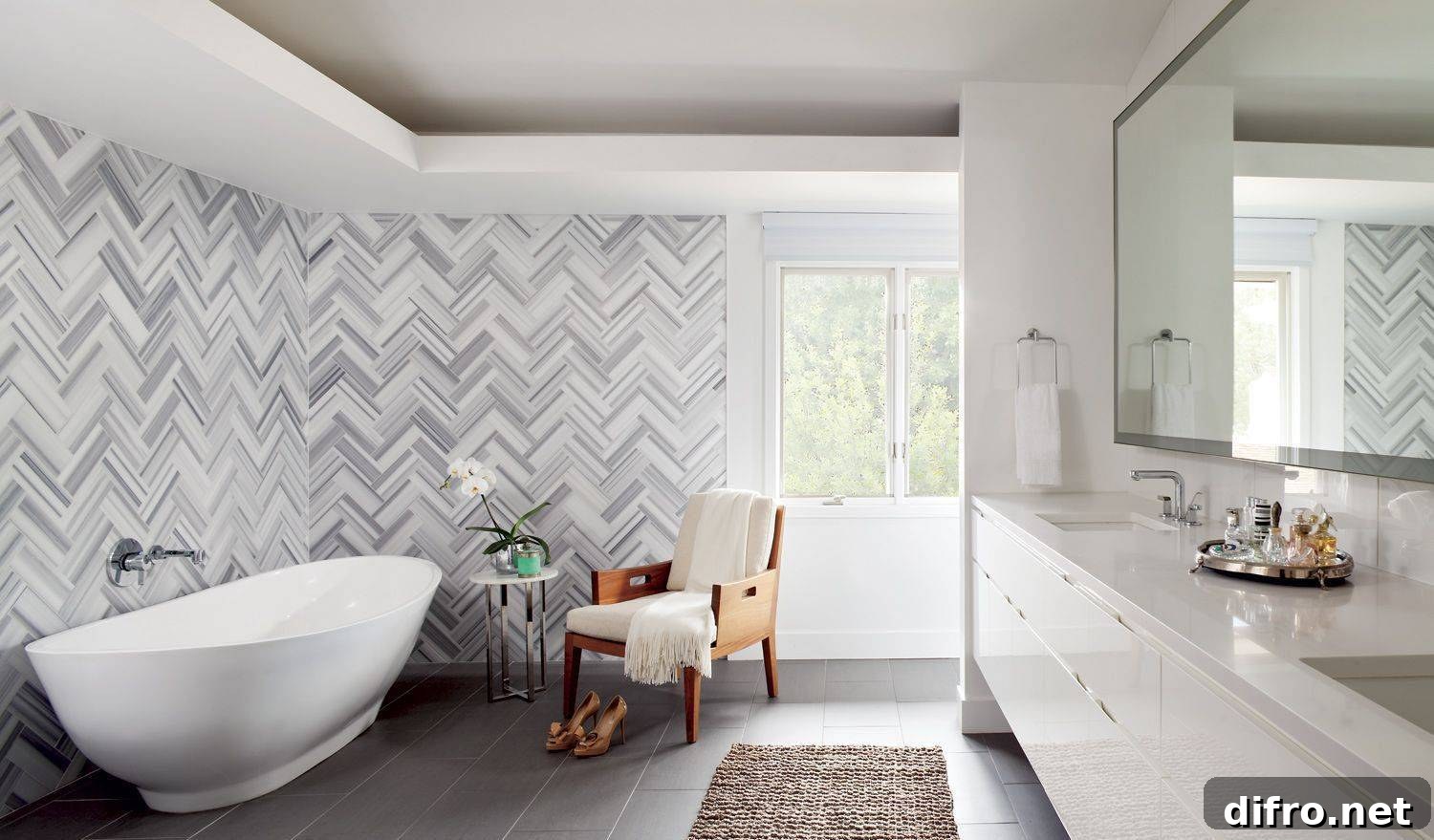
1. Herringbone Tile Bathroom Wall
A herringbone tile wall instantly elevates a bathroom with a polished, sophisticated look. Tile is usually the best choice for bathroom walls because it withstands moisture and is easier to clean than untreated wood. Porcelain and ceramic tiles offer a wide range of colors, finishes, and sizes so you can create subtle or dramatic effects. For a contemporary look choose large-format tiles laid in herringbone to reduce grout lines; for a more traditional feel, opt for smaller subway tiles. Consider grout color carefully—matching grout creates a seamless field while contrasting grout emphasizes the pattern. Proper waterproofing behind the tiles and regular grout maintenance will keep the wall looking fresh for years.
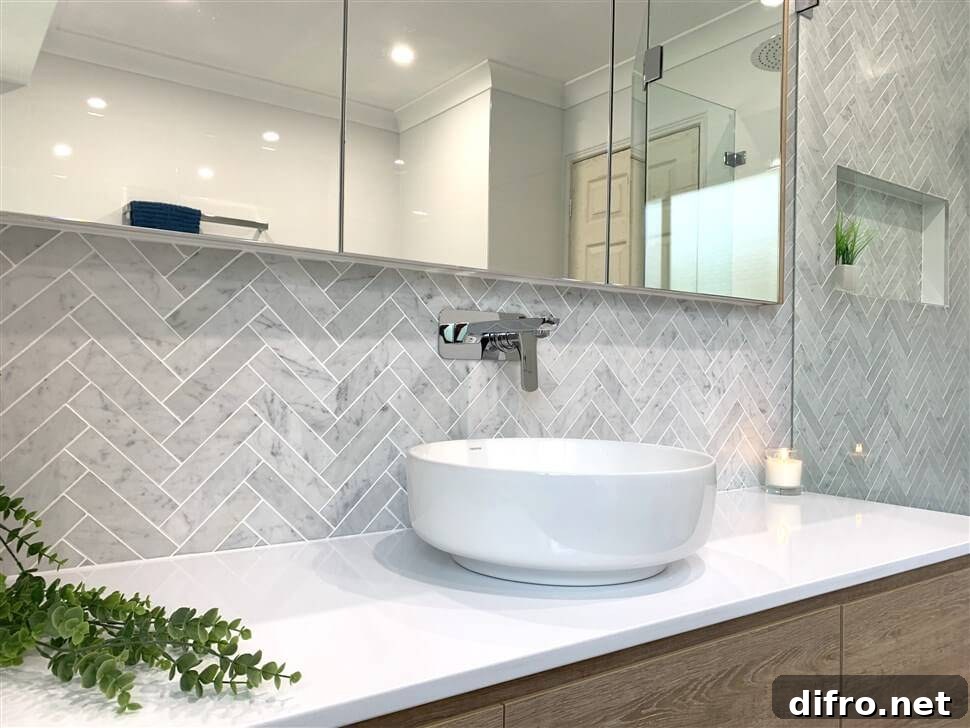
2. Herringbone Backsplash
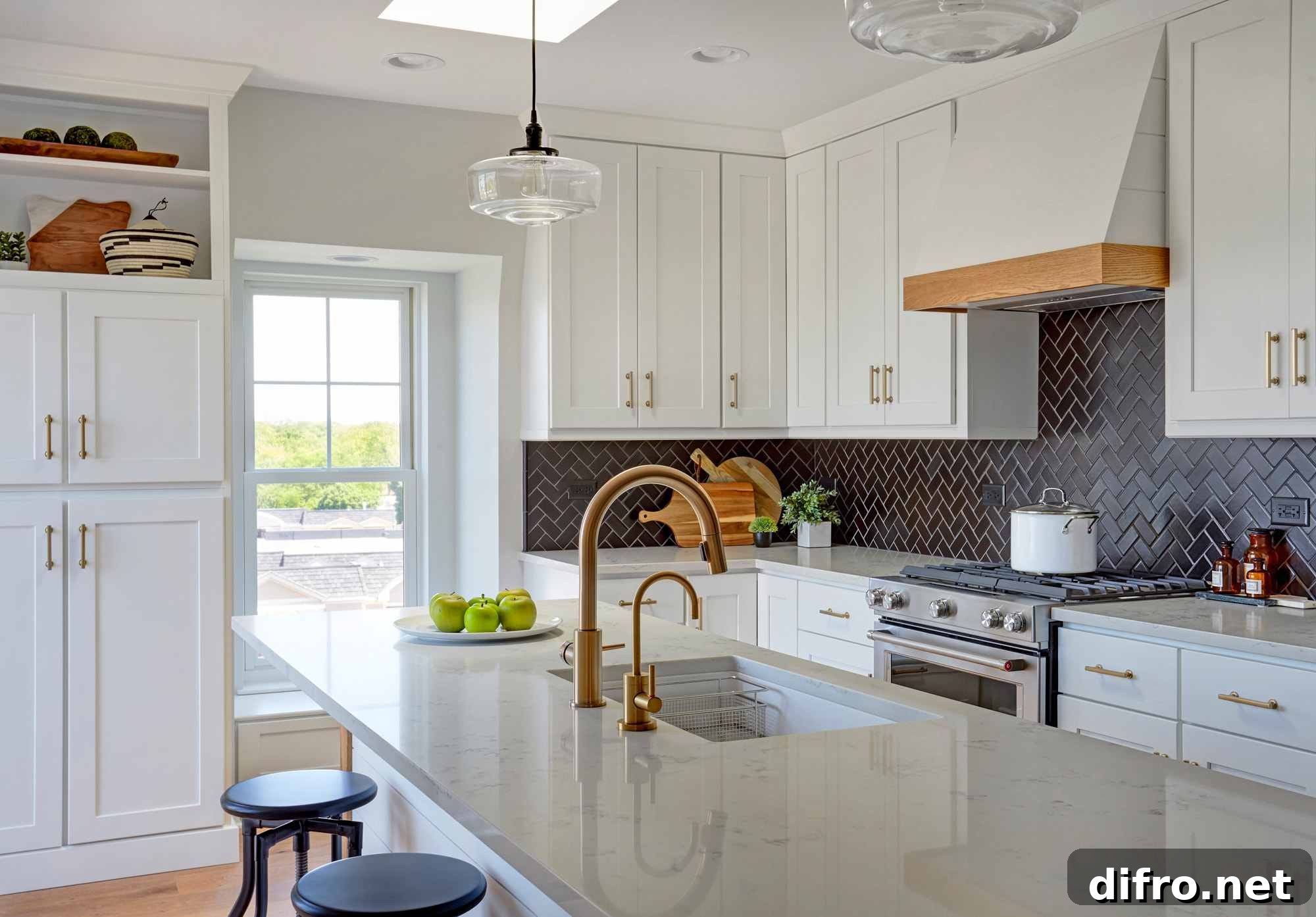
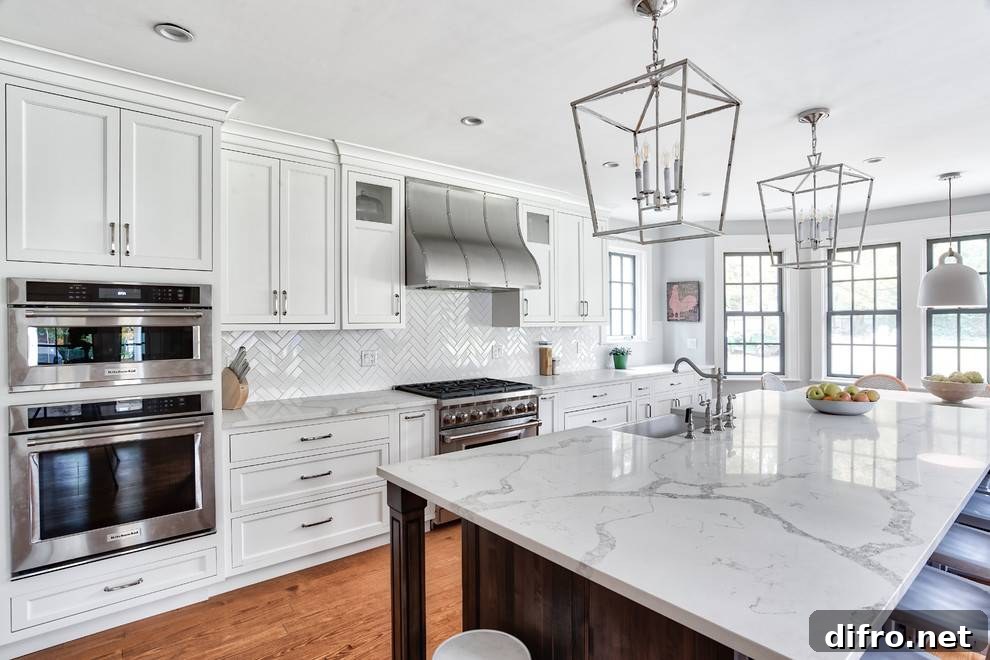
The kitchen backsplash is a natural focal point, and a herringbone layout gives it extra personality. While tile is the most common and practical option for backsplashes, engineered or sealed wood can work in low-splash areas if properly finished and maintained. Herringbone backsplashes are an excellent small-scale DIY project: the area is typically manageable, and precise cuts are easier than on a full wall or floor. Experiment with alternating light and dark tones or mix different tile finishes—matte, gloss, or textured—to add depth and character. Remember to use a heat- and moisture-appropriate adhesive and grout for long-lasting results.
3. Herringbone Wood Floor
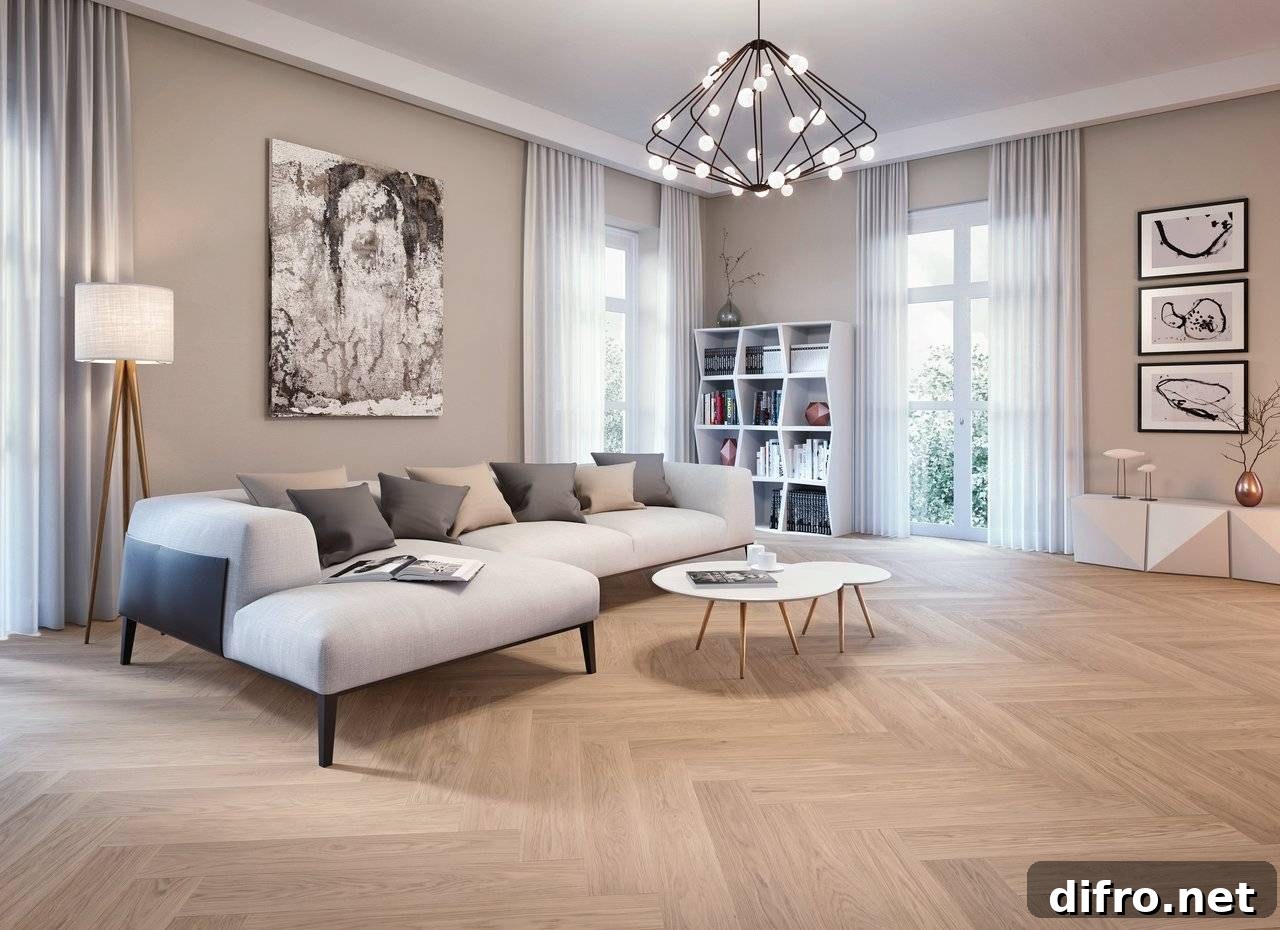
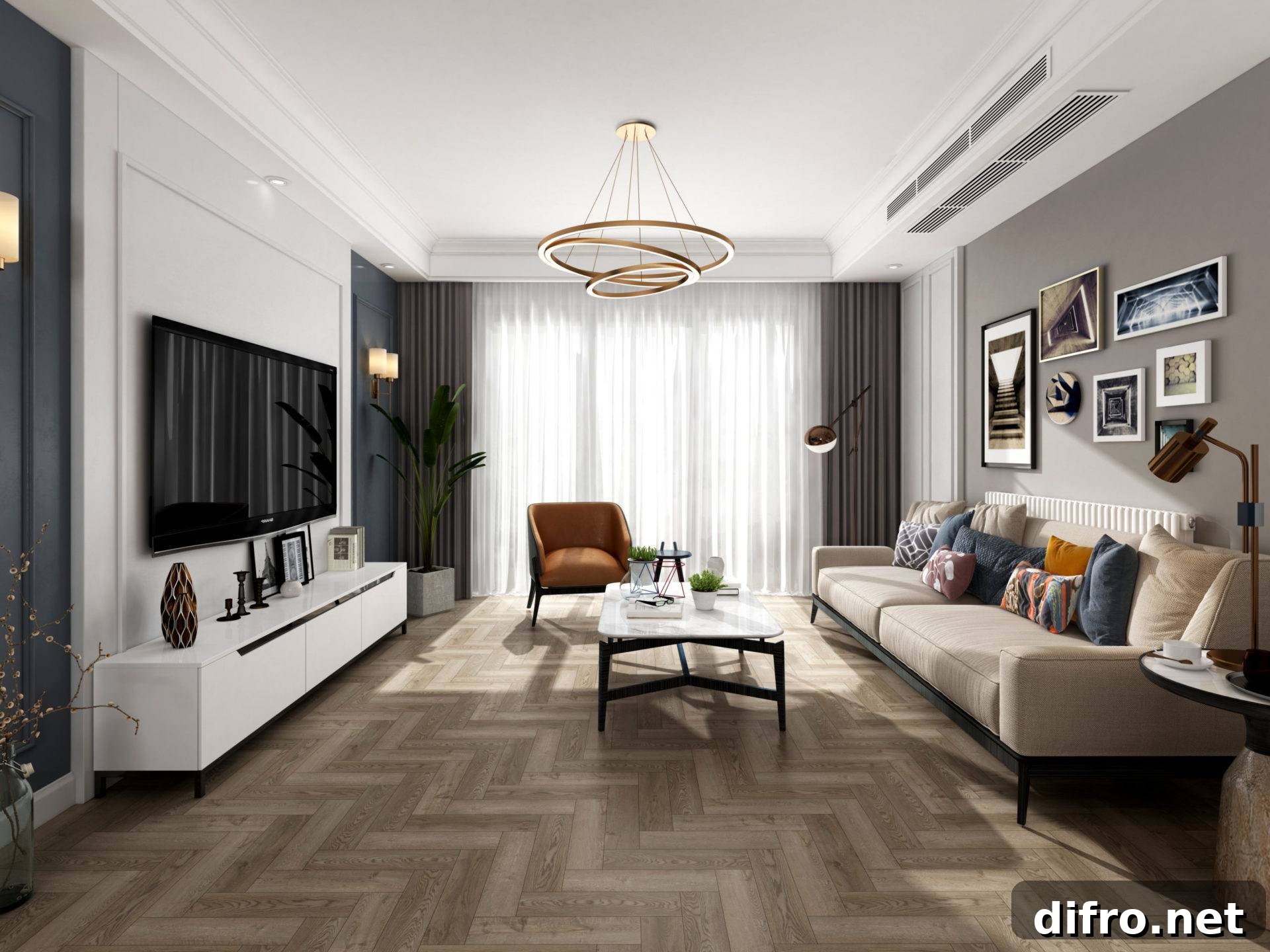
Herringbone wood flooring is synonymous with refinement. The pattern’s interlocking V shapes create movement and can visually widen a room, making it a smart choice for compact spaces. The final look depends on plank width, wood species, and finish: narrow planks feel more traditional while wider planks deliver a modern statement. Lighter tones suit Scandinavian and minimalist schemes, while richer tones complement classic and vintage interiors. To ensure longevity, use an appropriate finish for the traffic level in each space and maintain the floor with recommended cleaning products for your wood type.
4. Herringbone Brick Floor
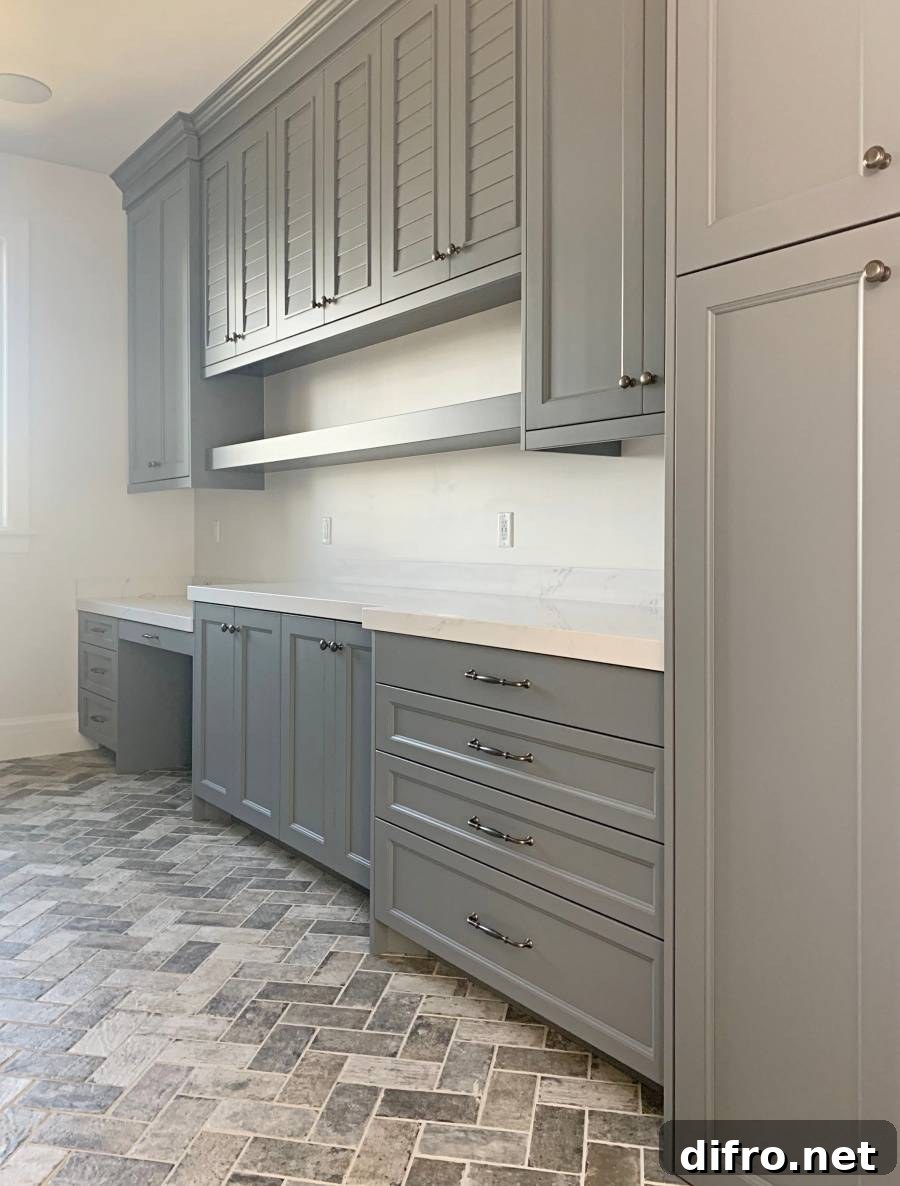
Brick laid in a herringbone pattern creates a warm, rustic surface that works beautifully for patios, pathways, and rustic interiors. Brick’s natural color variations add depth, and the layout’s tight interlock provides durability for outdoor conditions. Sealing bricks can help resist stains and prolong the surface’s appearance, especially in high-traffic or exposed exterior locations. Herringbone brick flooring blends well with garden settings or farmhouse-style architecture and can be paired with neutral landscaping for a cozy, timeless look.
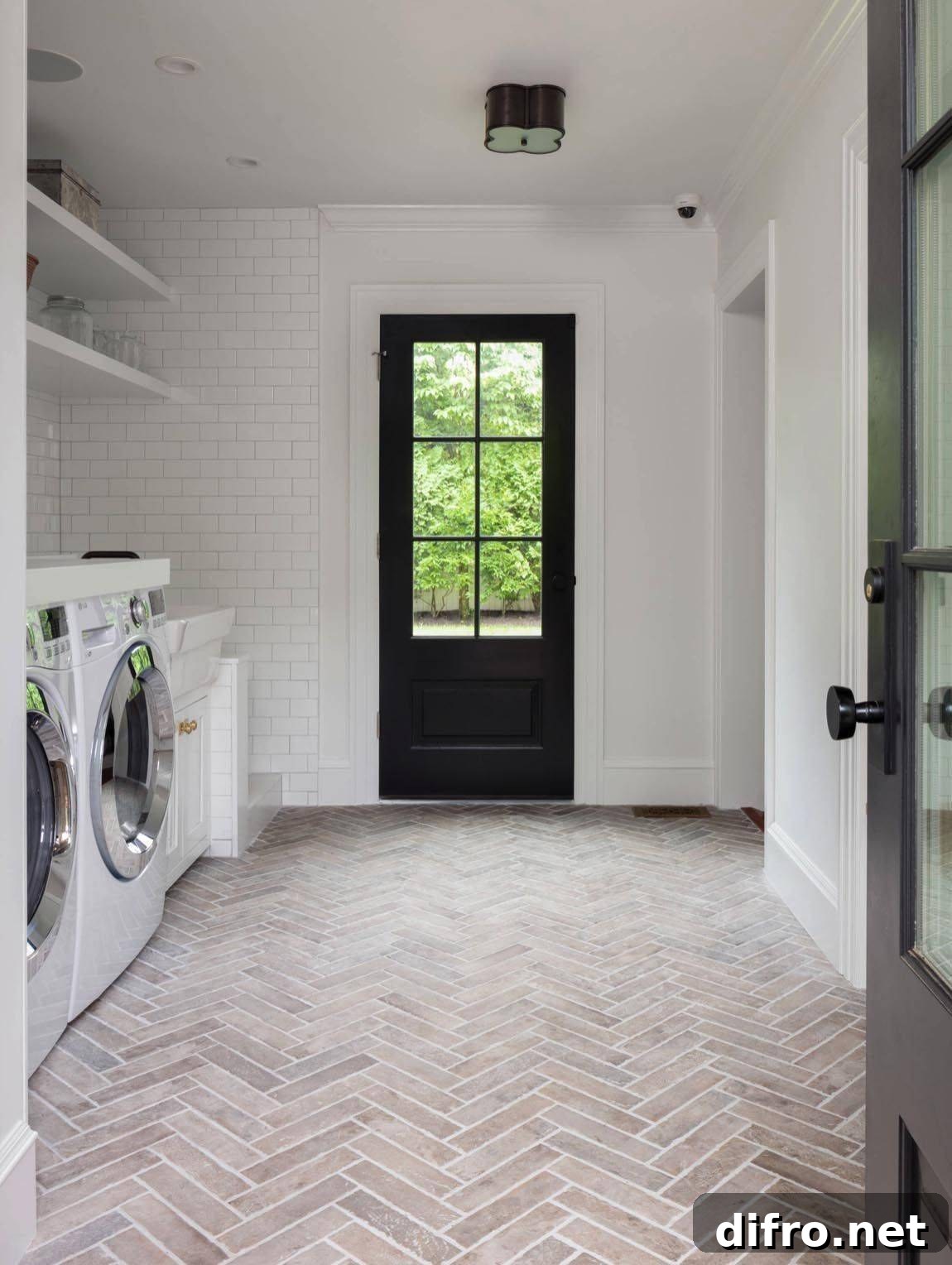
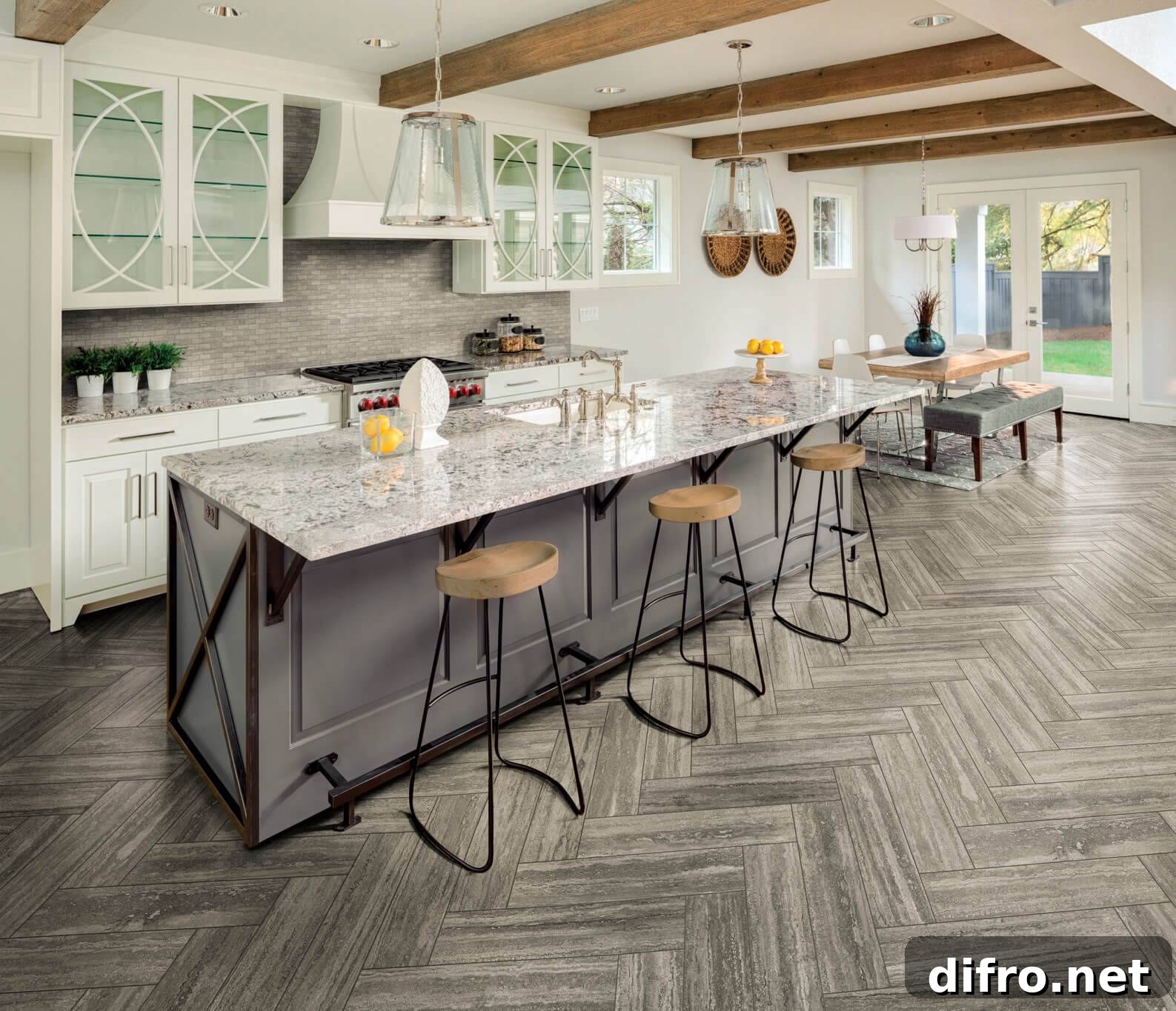
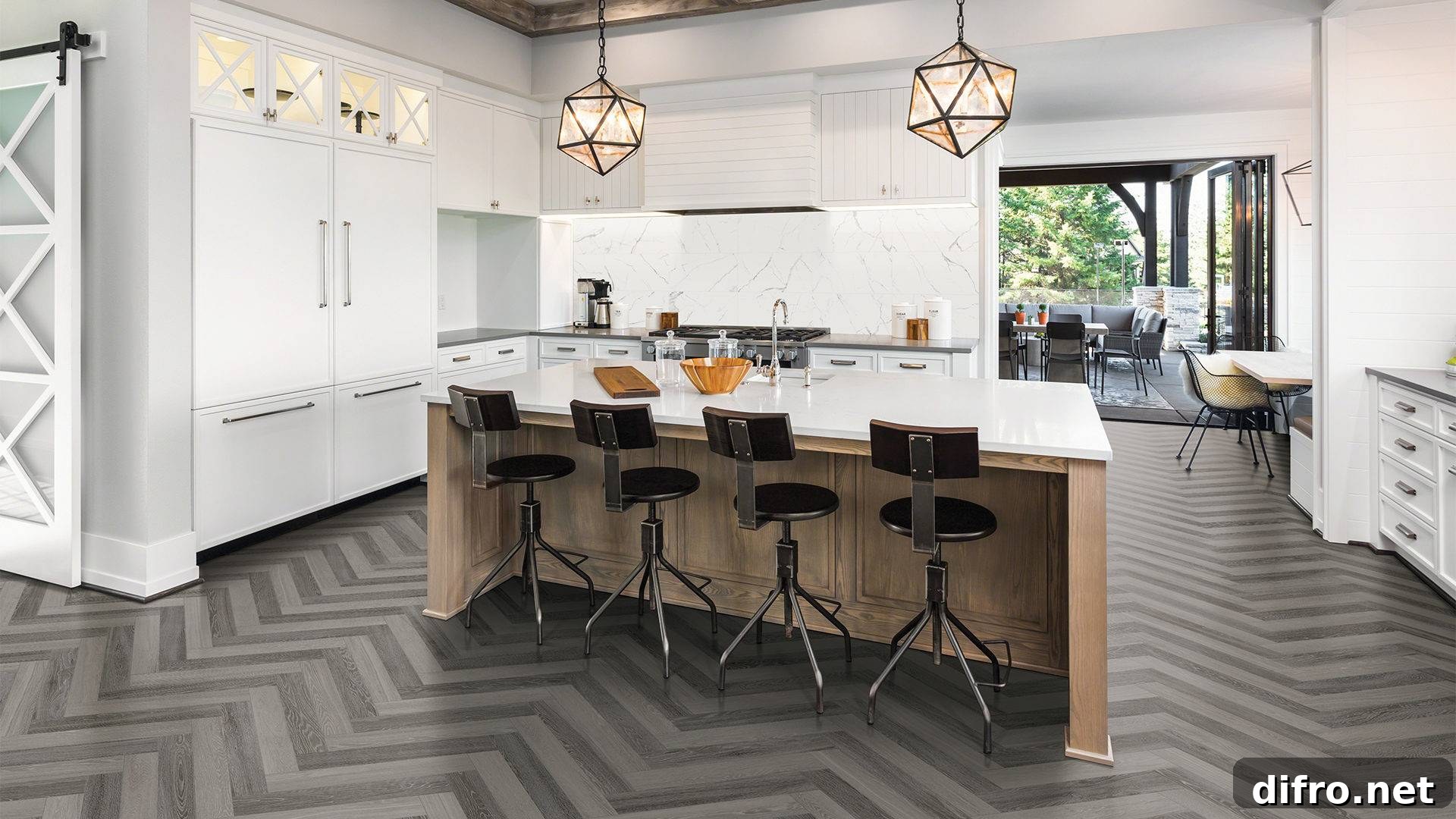
5. Herringbone Kitchen Floor
A herringbone kitchen floor adds instant character and becomes a defining element of the room. Depending on material—wood, tile, or engineered plank—you can adapt the look to modern, rustic, or transitional kitchens. Light wood in a herringbone layout supports a Nordic or airy style, while medium to dark tones read as classic and elegant. Consider underfloor heating compatibility if choosing tile or engineered floors and choose finishes that are easy to clean and resistant to kitchen spills and traffic.
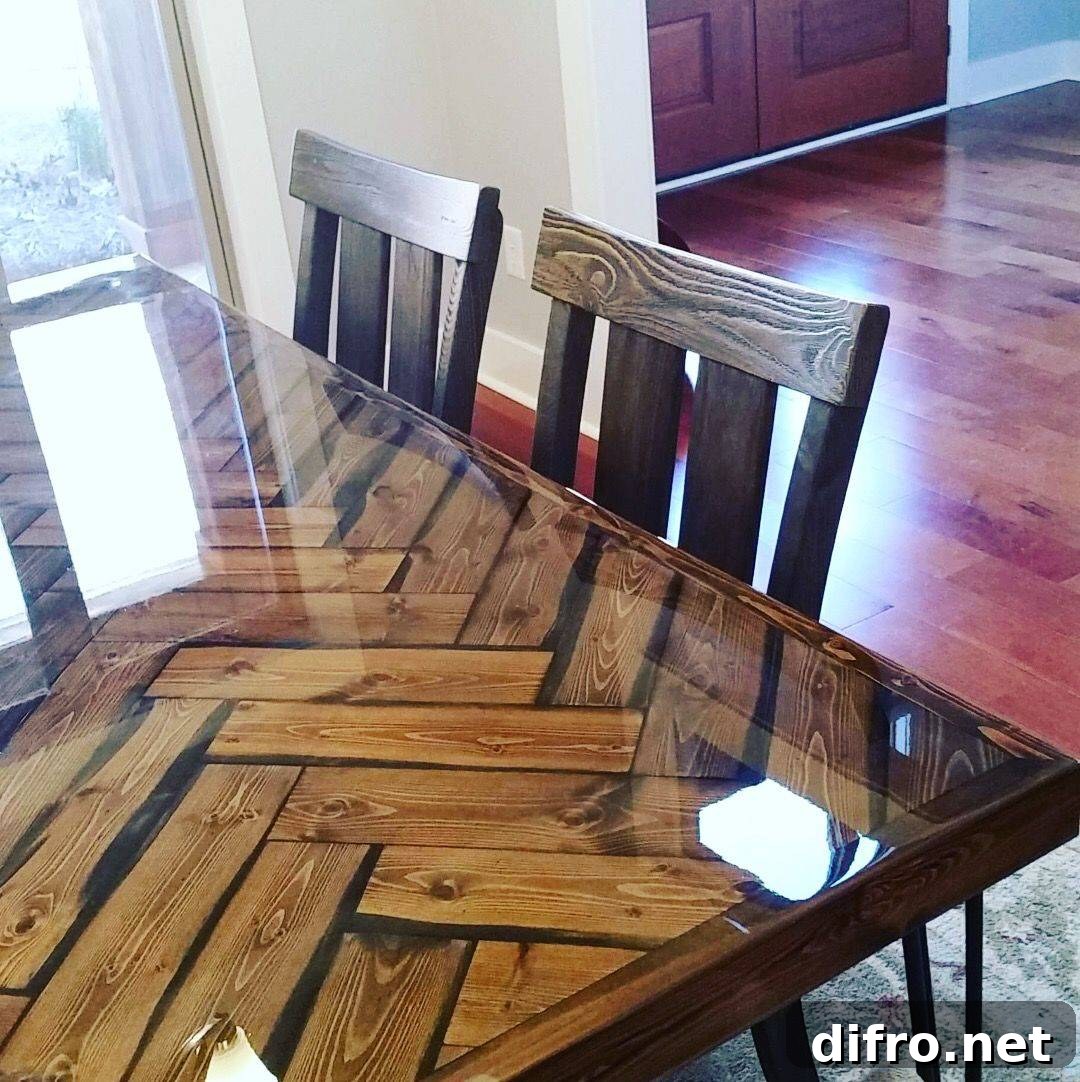
6. Herringbone Table Top
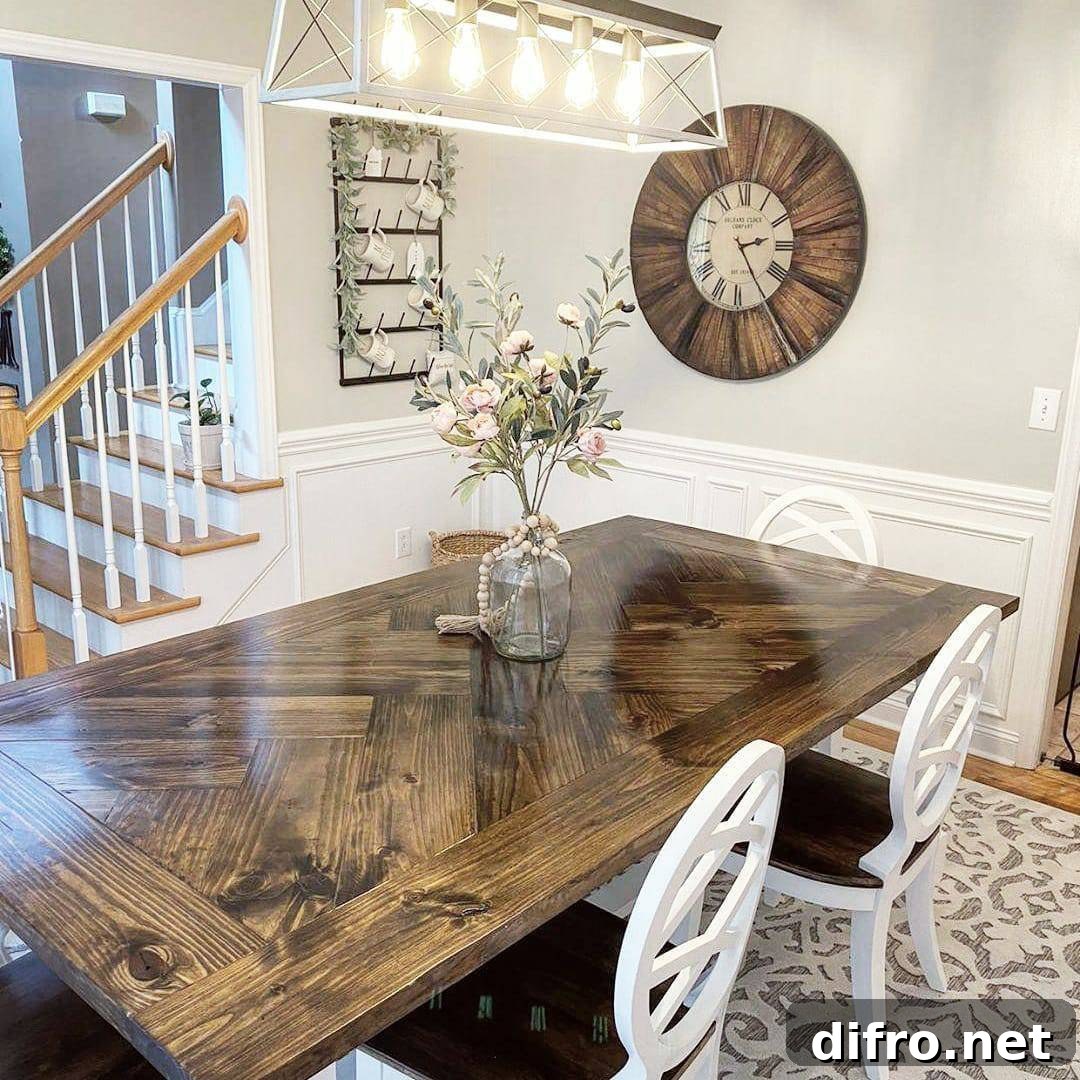
A herringbone tabletop is a striking furniture statement that works particularly well in minimalist and contemporary interiors. The pattern makes an otherwise simple table feel artisanal and sophisticated. Building a herringbone tabletop requires careful measuring, precise cutting, and accurate joining—skills beyond typical beginner projects—so many homeowners prefer to buy a finished piece from a craftsman. If commissioning a table, discuss wood selection, edge treatments, and protective finishes to ensure the piece suits your use and style.
7. Herringbone Accent Wall
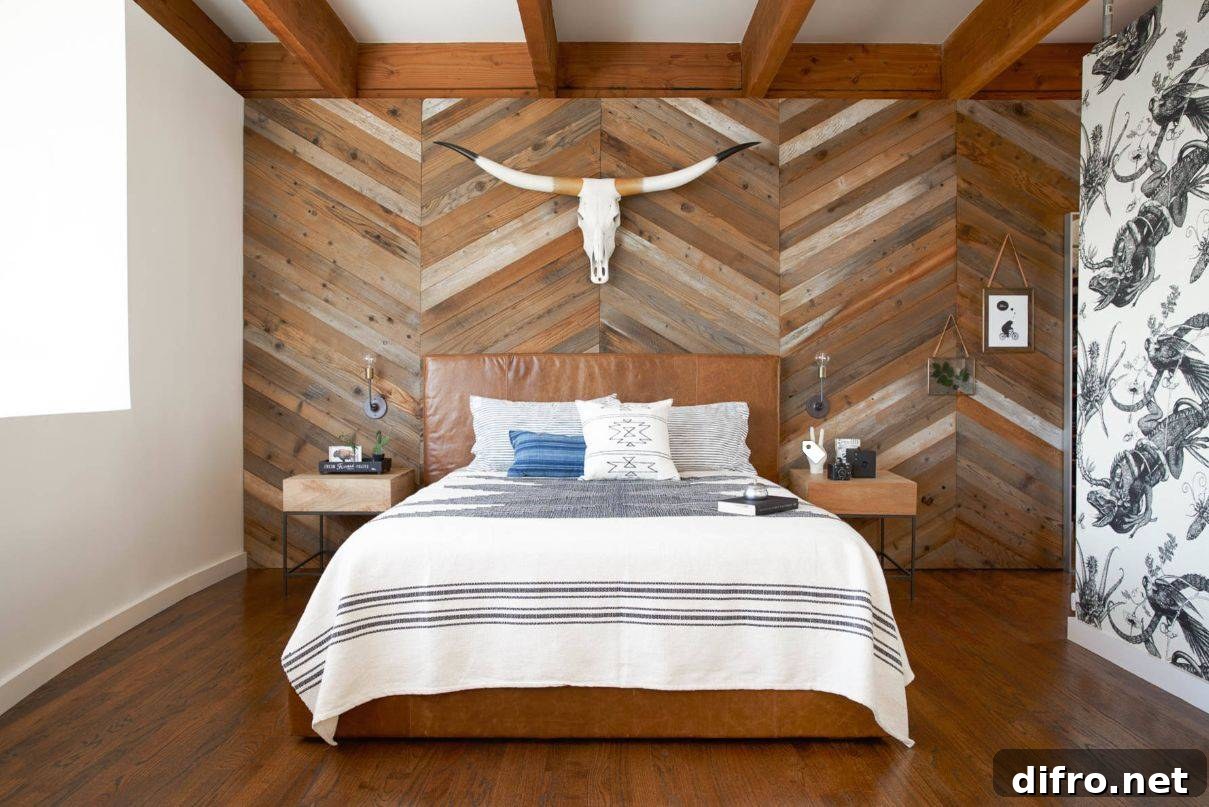
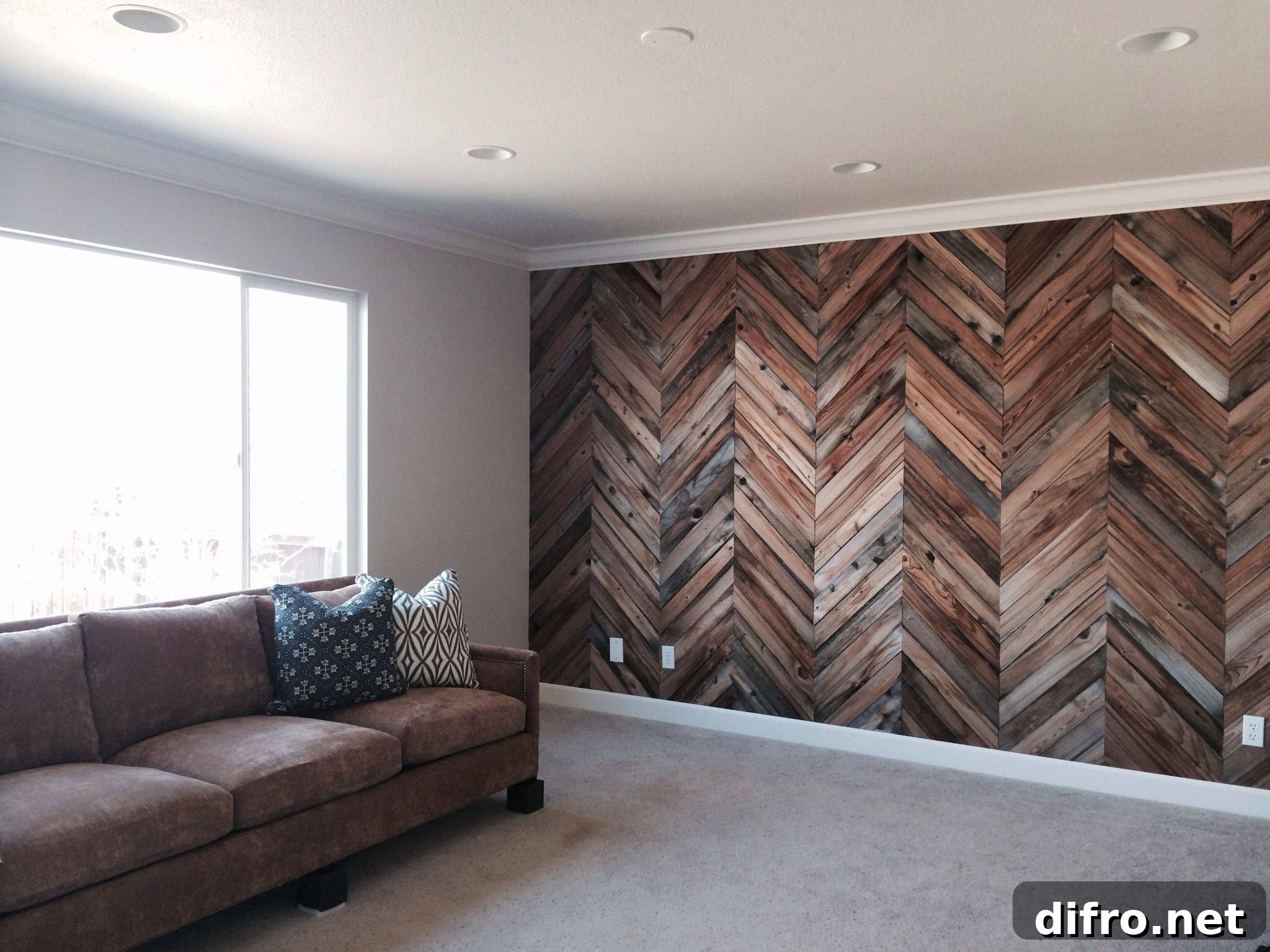
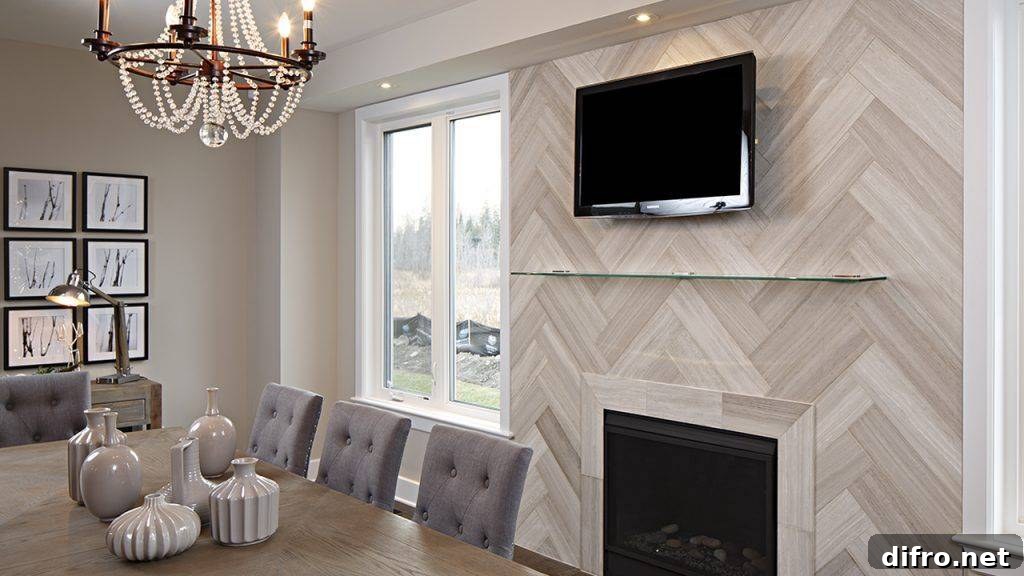
A herringbone accent wall delivers texture and focal interest without requiring a full-room renovation. Mixing plank widths, wood colors, or painted finishes can add layered depth and personality. An accent wall works well behind a headboard, behind a media console, or as a dining room feature. If you prefer a painted treatment, consider using a durable paint or stain that complements the room’s palette while allowing the herringbone geometry to remain the star.
8. Herringbone Fireplace Surround
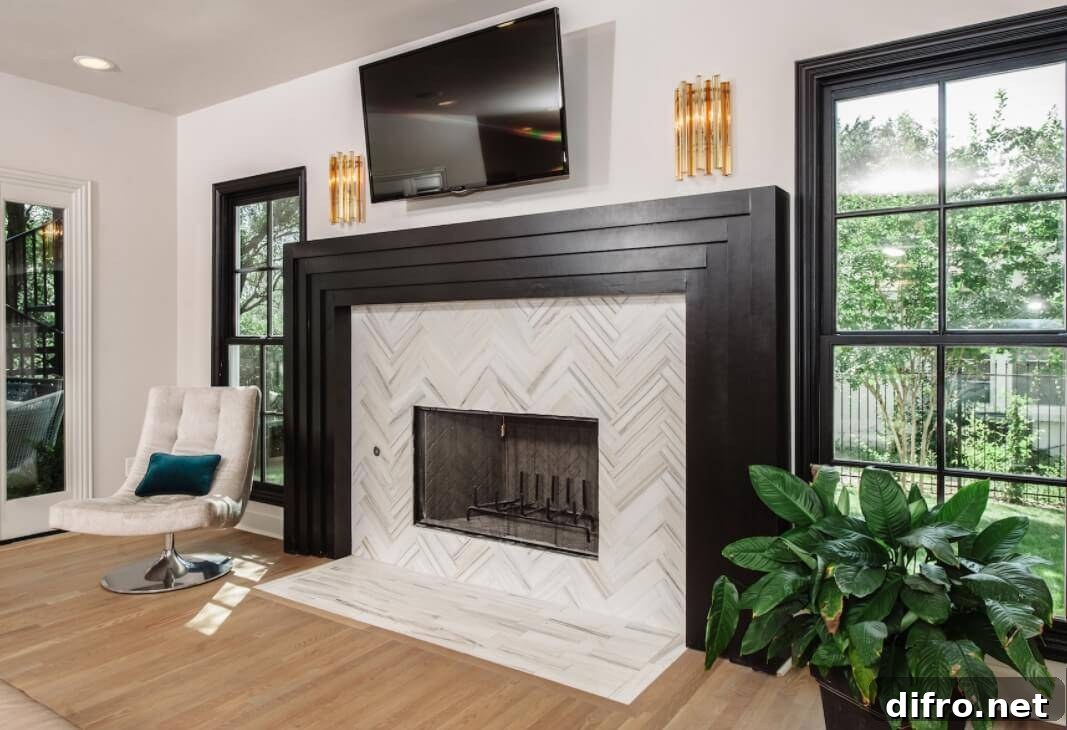
A fireplace surround in herringbone creates a warm, inviting focal point. Non-combustible materials like tile and stone in a herringbone pattern offer both the look of wood and the practical benefit of heat resistance; for wooden surrounds, ensure appropriate clearance and fire safety measures. Selecting a complementary color and finish will tie the fireplace into the room’s overall scheme while letting the pattern add a refined architectural detail.
9. Herringbone Shower Wall
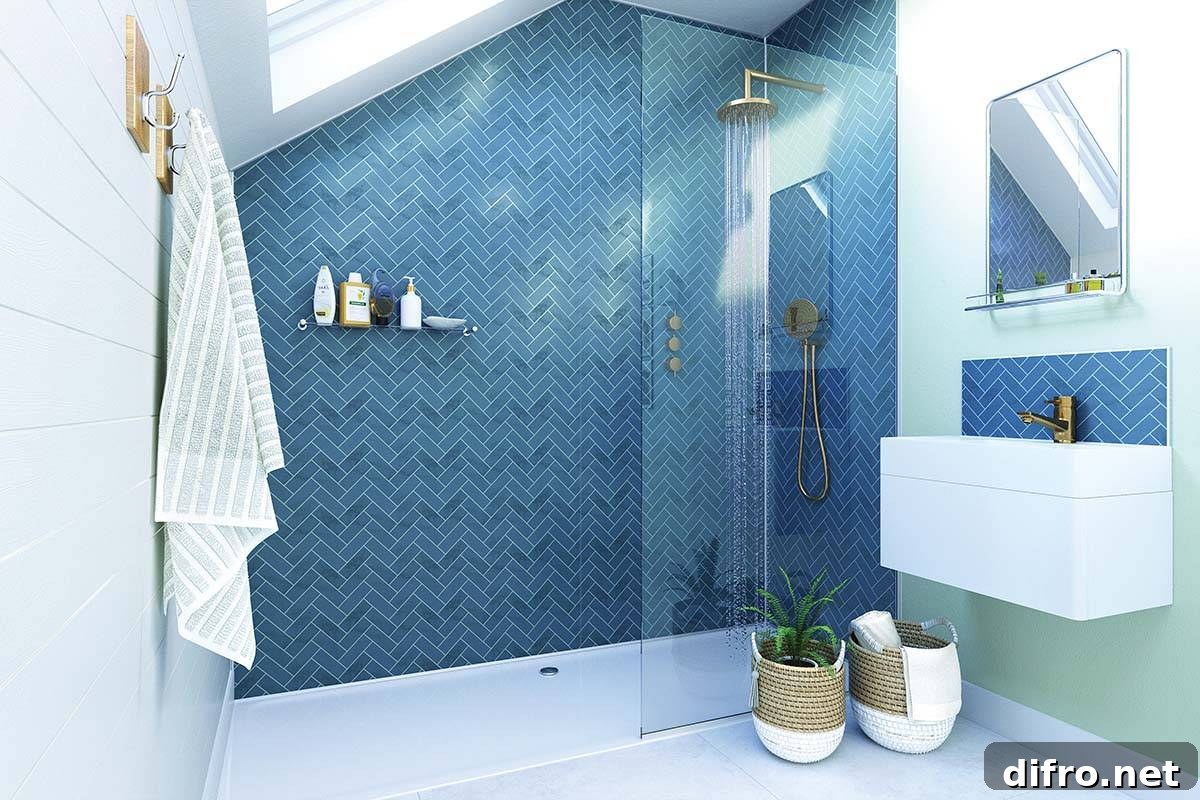
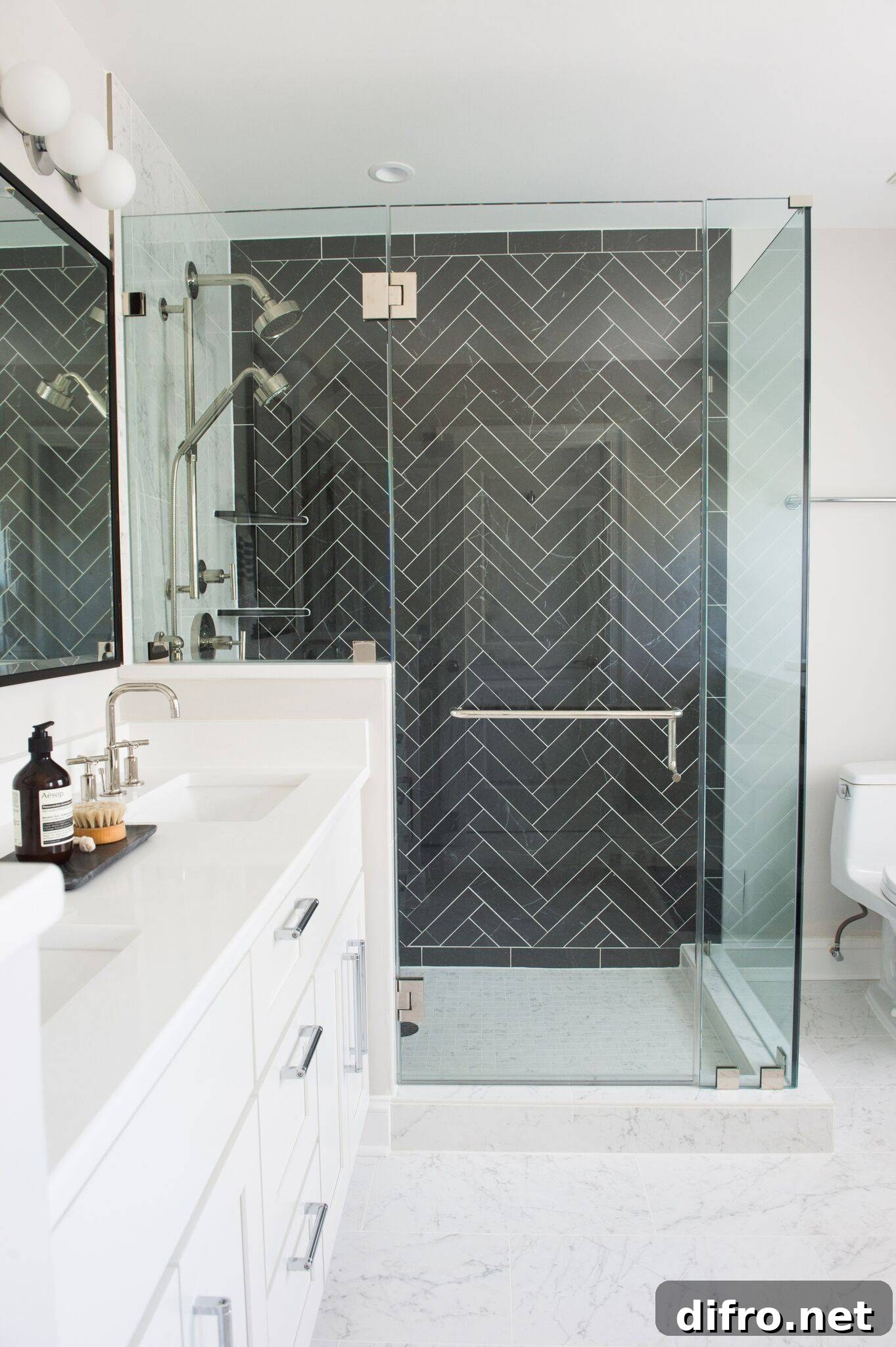
Using herringbone tile in the shower creates a striking feature and helps define the wet area visually. Tile is preferred for shower walls due to constant moisture exposure; porcelain, ceramic, and natural stone tiles each offer distinct looks and maintenance needs. Smaller tiles accentuate the pattern, while elongated tiles create a more contemporary expression. Ensure proper waterproofing, choose slip-resistant flooring, and pick grout and sealants suited to wet environments for a durable and beautiful shower installation.
The herringbone pattern is versatile, enduring, and adaptable to many materials and styles. Whether you choose tile, wood, brick, or a custom furniture piece, this pattern creates movement and sophistication. For DIY projects, start small and plan carefully—accurate measuring, suitable materials, and the right tools make all the difference. For larger or safety-critical installations, consult a professional. With thoughtful material choices and proper installation, a herringbone detail will enhance your home’s character for years to come.