The spa-style bathroom has become a favorite choice for homeowners seeking a place to relax and recharge at home. At the center of many modern spa-inspired bathrooms sits a beautiful freestanding tub, and among the most elegant options are Japanese soaking tubs. Over the past two decades bathroom design has shifted toward larger spaces, refined finishes and neutral palettes, and freestanding tubs — from contemporary silhouettes to vintage claw-foot styles — have returned to the spotlight. The Japanese soaking tub, with its compact footprint and deep basin, offers a distinctive alternative that combines tradition, comfort and a serene aesthetic.
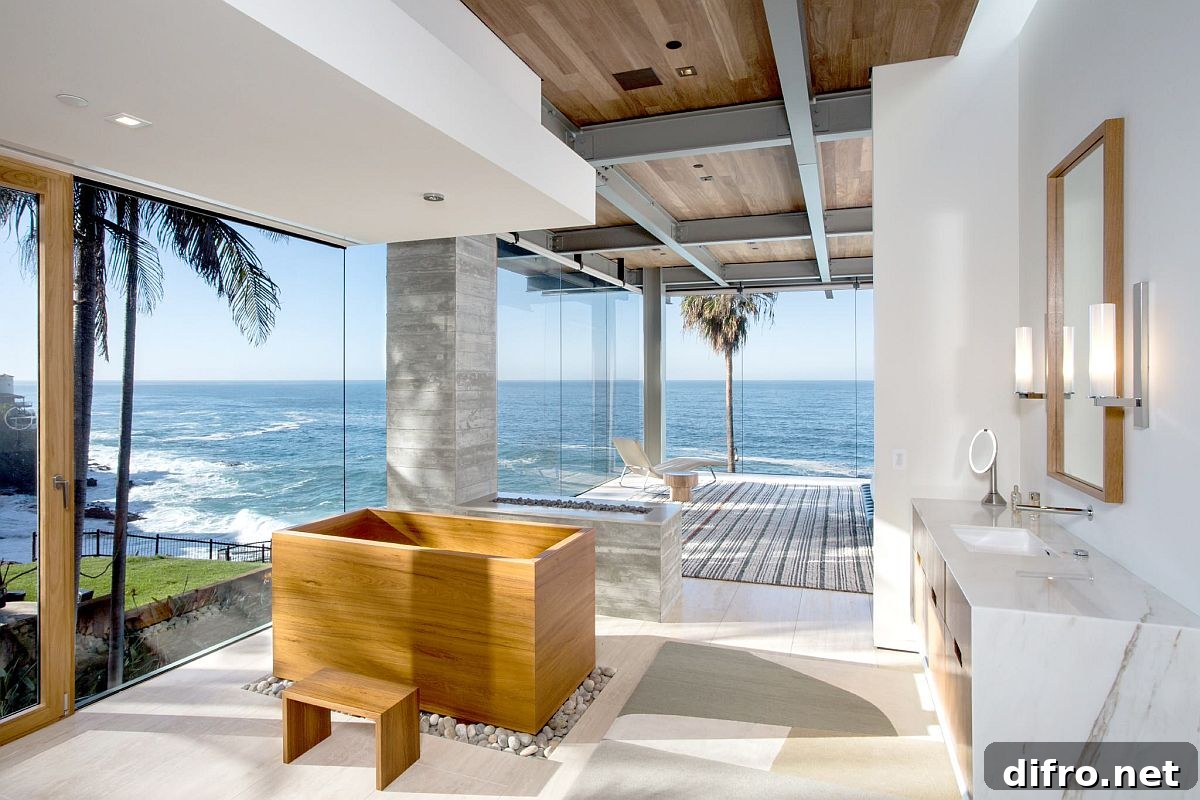
Traditionally, the Japanese soaking tub is compact in length but deep in profile, often featuring an internal seat or bench to enhance comfort while bathing. This design allows you to sit upright, fully immersed, and enjoy a restorative soak that fits even modest bathroom footprints. Available in a range of materials, finishes and sizes, these tubs can be adapted to many design schemes — from minimal, contemporary interiors to more rustic or eclectic settings. Read on to learn how a Japanese soaking tub can transform a bathroom into a tranquil spa-like retreat.
Minimalism at Its Most Indulgent
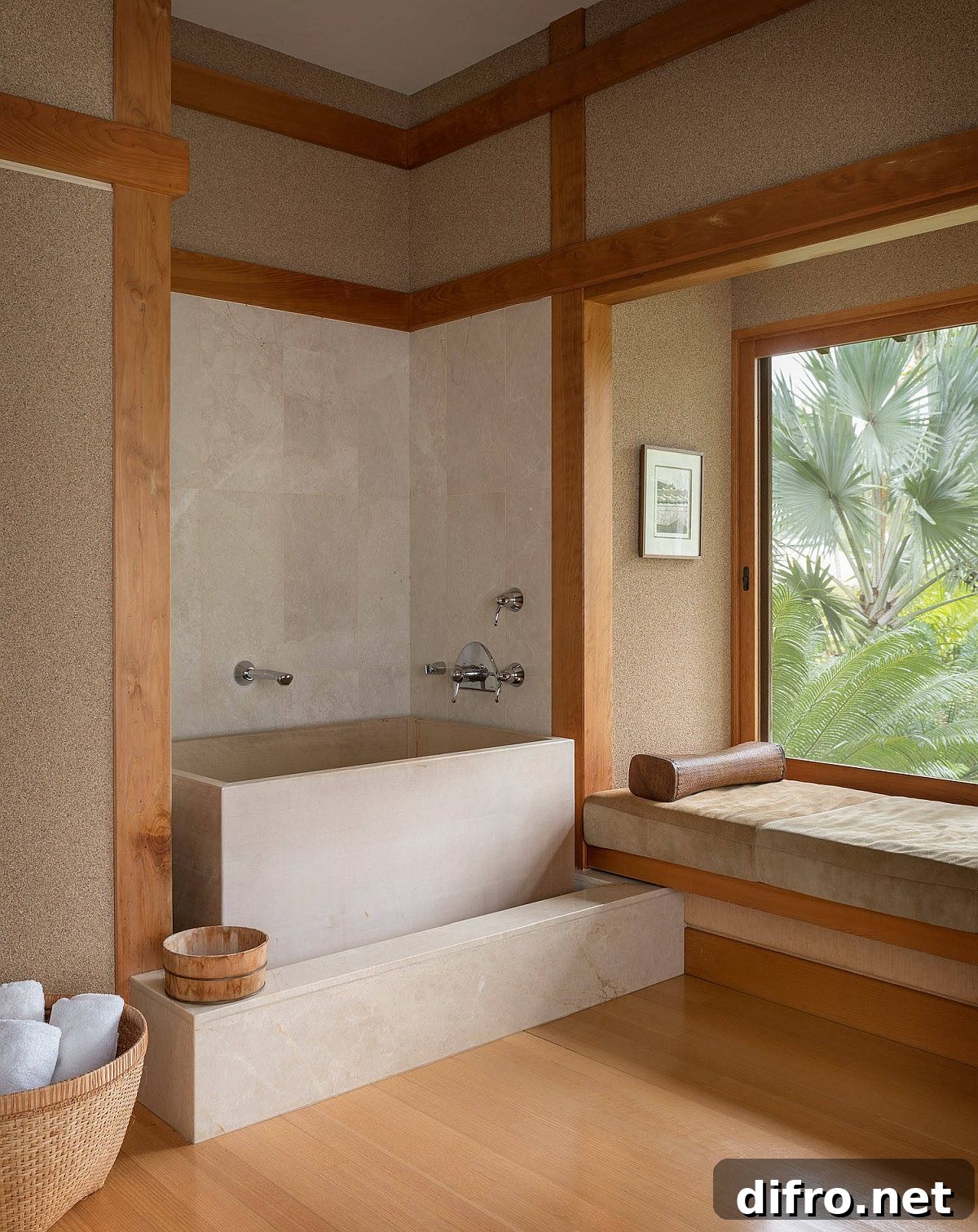
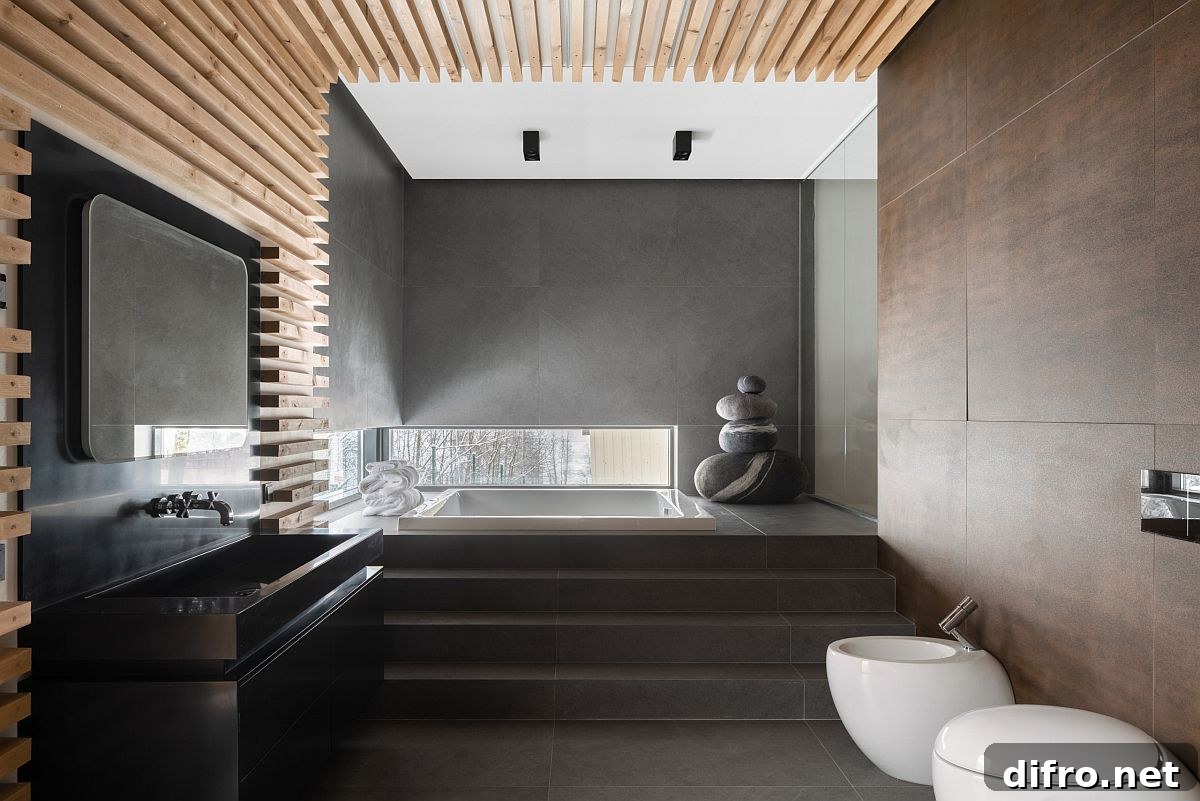
Japanese design celebrates restraint: clean lines, careful proportion and a focus on materials. That restrained approach makes the soaking tub a natural fit for contemporary bathrooms where space is limited or where simplicity is preferred. Because the tubs are deep but compact, they can be tucked into a corner, placed against a wall, or positioned as a freestanding focal point in a larger room. The result is a piece that feels both functionally efficient and visually sophisticated, contributing a calm, urban elegance that contrasts with bulkier, more traditional bathtubs.
Explore Different Materials
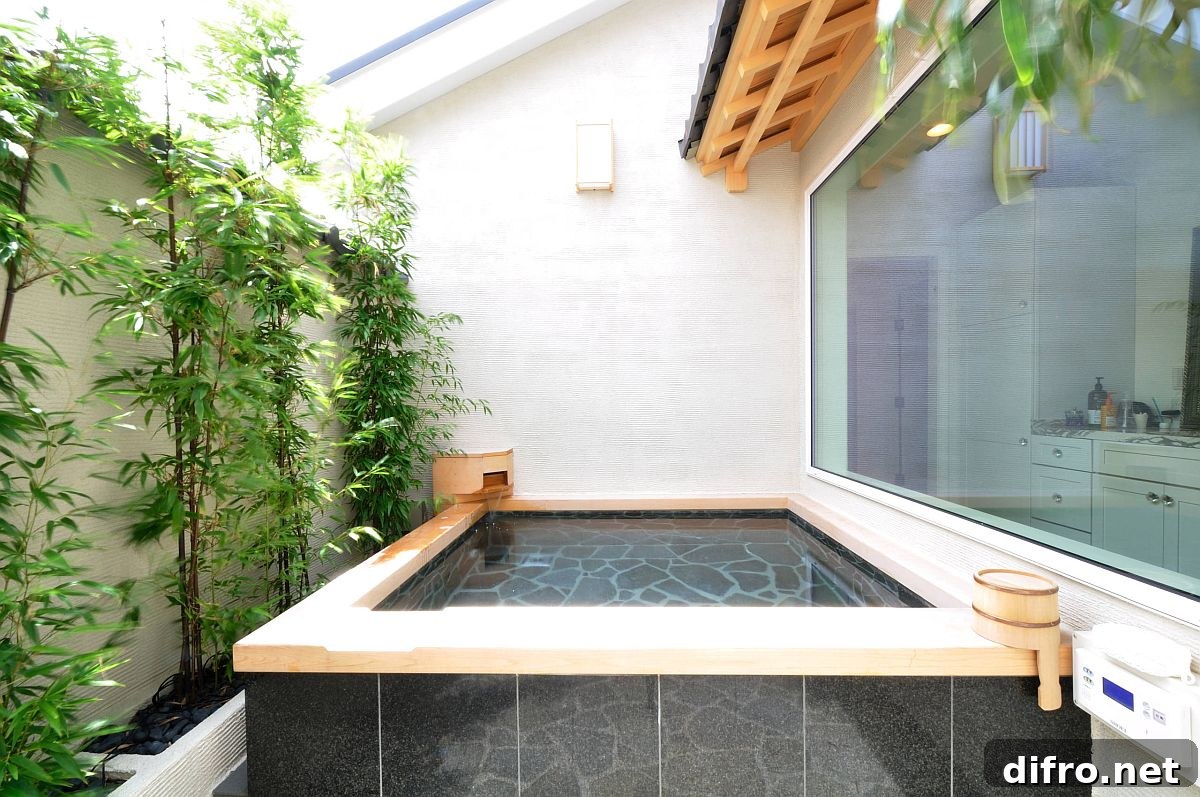
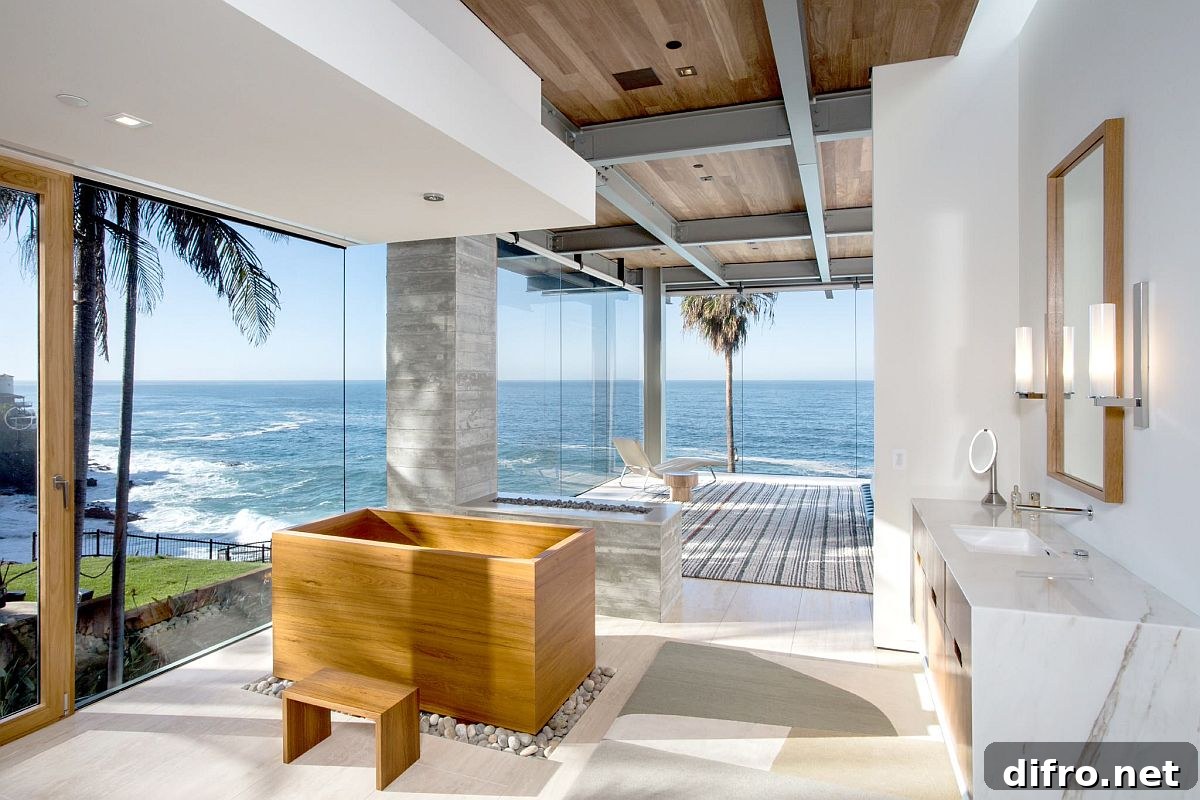
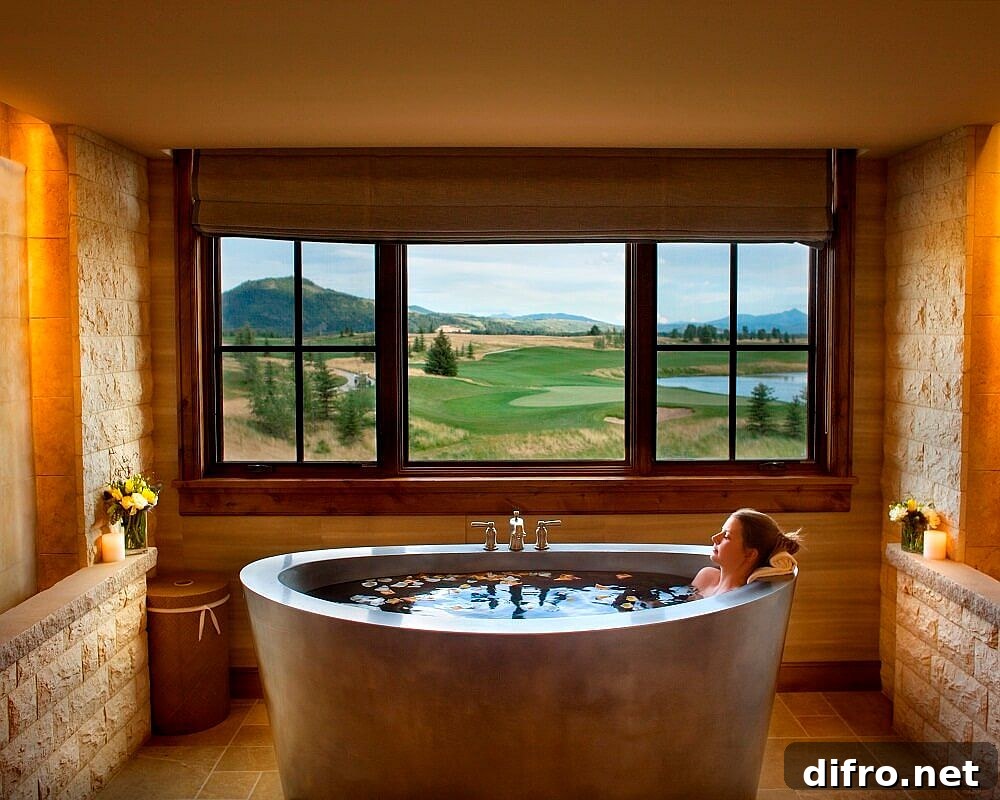
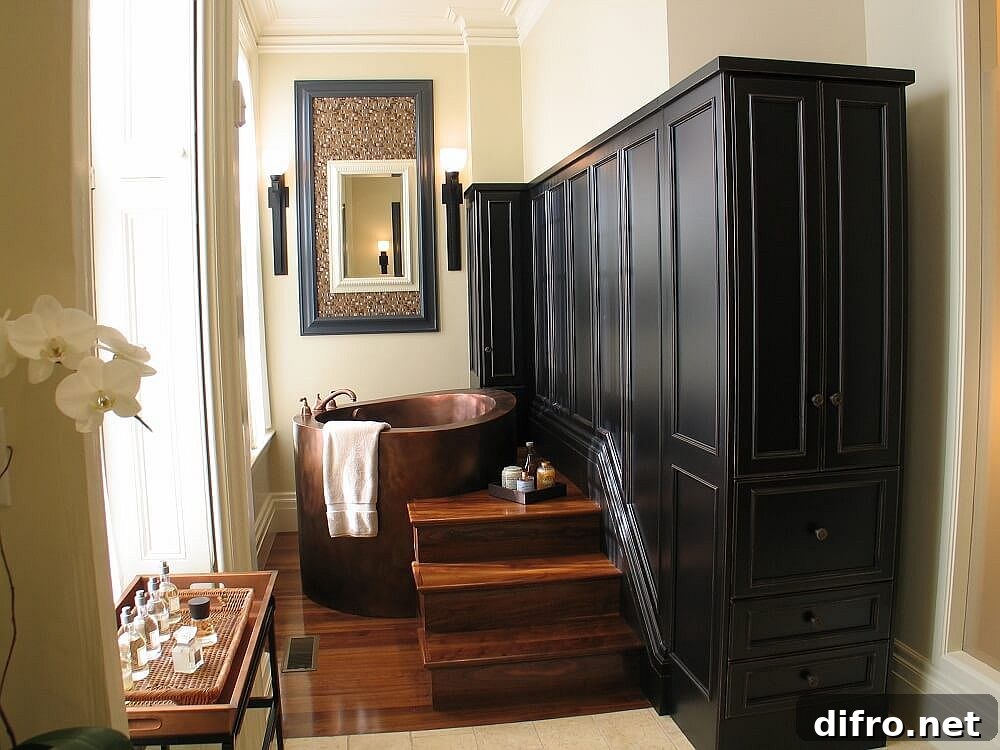
One of the most appealing aspects of Japanese soaking tubs is the variety of materials available. Wood is perhaps the most traditional and the most popular: its warm grain adds tactile contrast and a natural feeling to bathrooms dominated by stone, tile and glass. Wooden tubs create a soft, organic presence that pairs beautifully with minimalist design.
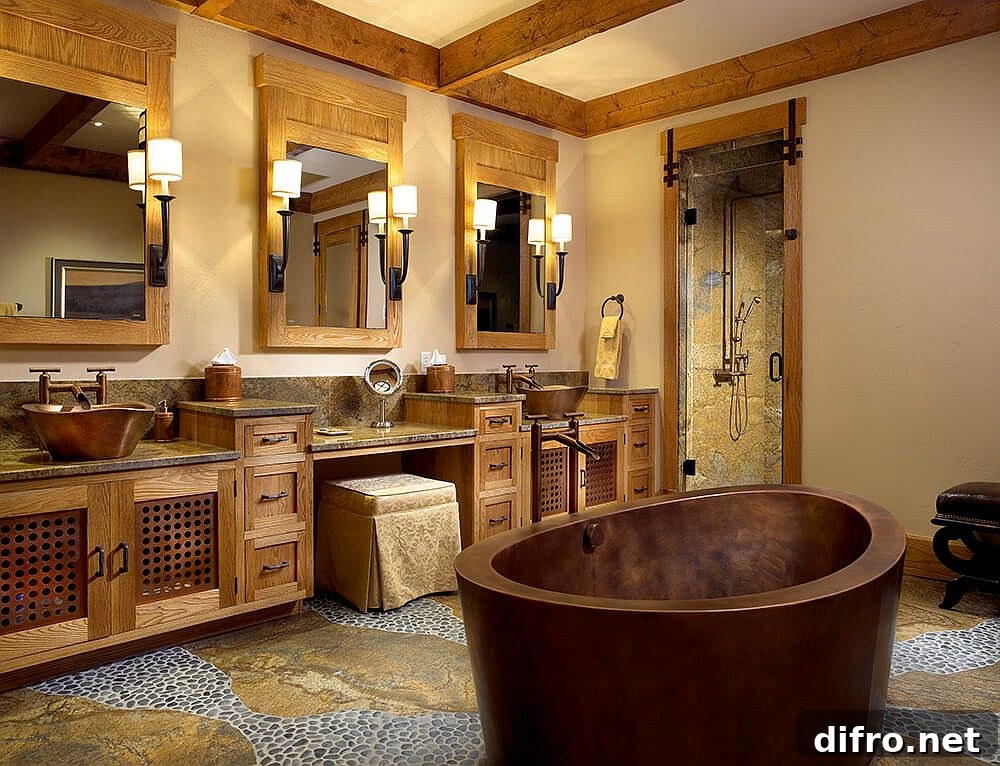
For a more contemporary look, metals such as stainless steel or copper offer striking alternatives. Copper soaking tubs provide a warm, rich patina that becomes more characterful over time, while stainless steel can read modern and refined. Ceramic, stone composite and acrylic options are also common, each bringing different benefits for maintenance, appearance and cost. When choosing a material, consider the tub’s maintenance needs, how it will pair with other finishes, and the kind of atmosphere you want to create.
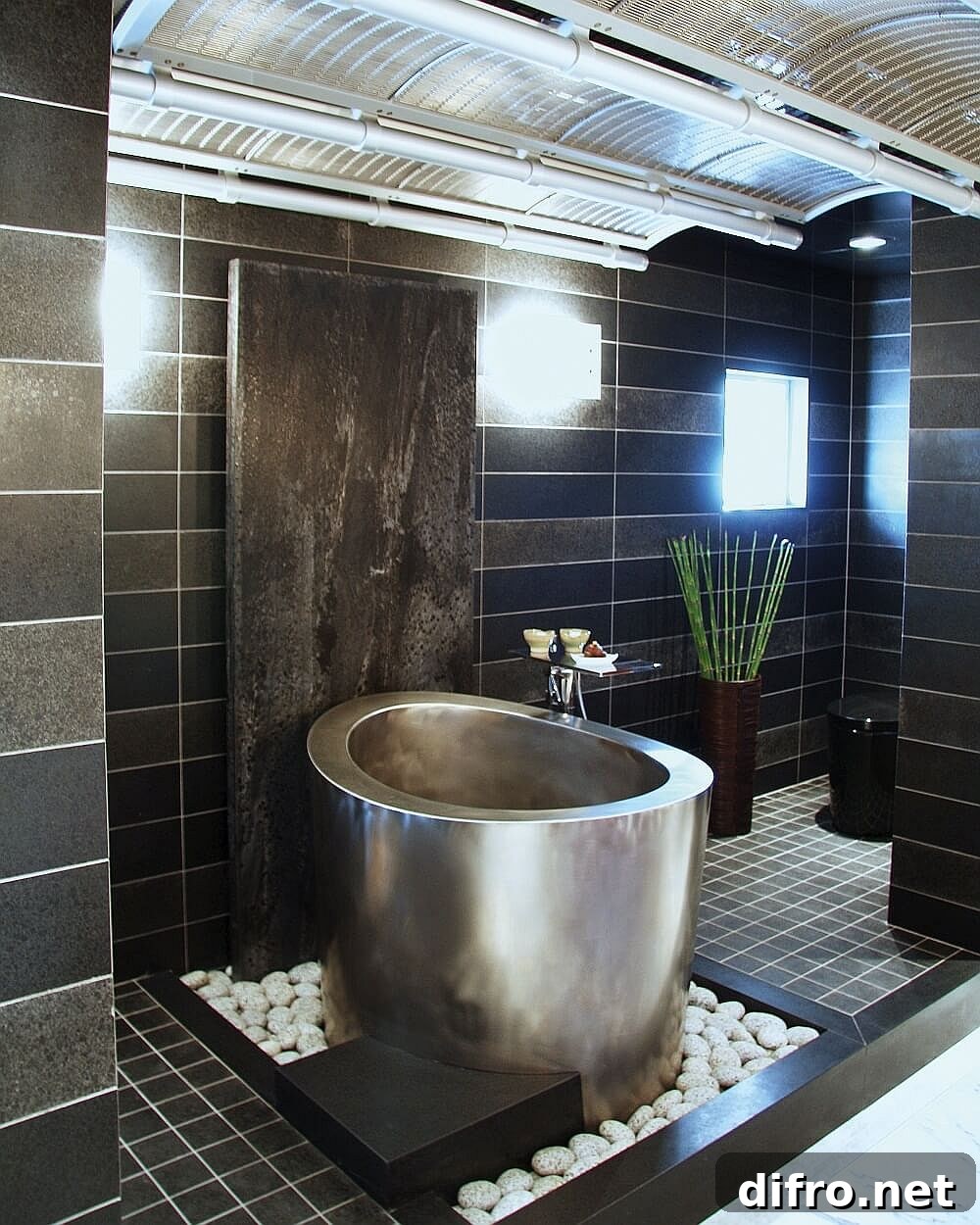
Variants and Styles
Soaking tubs are versatile in style and can be integrated into many bathroom aesthetics. They complement modern and minimal interiors, where their simple geometry enhances calm and order. They also work surprisingly well with rustic, farmhouse or Asian-inspired designs where natural materials and handcrafted details are emphasized. Because these tubs are deep, they provide a full, enveloping soak that feels like a small retreat — especially when paired with a view, soft lighting and a small side stool for a drink or a book.
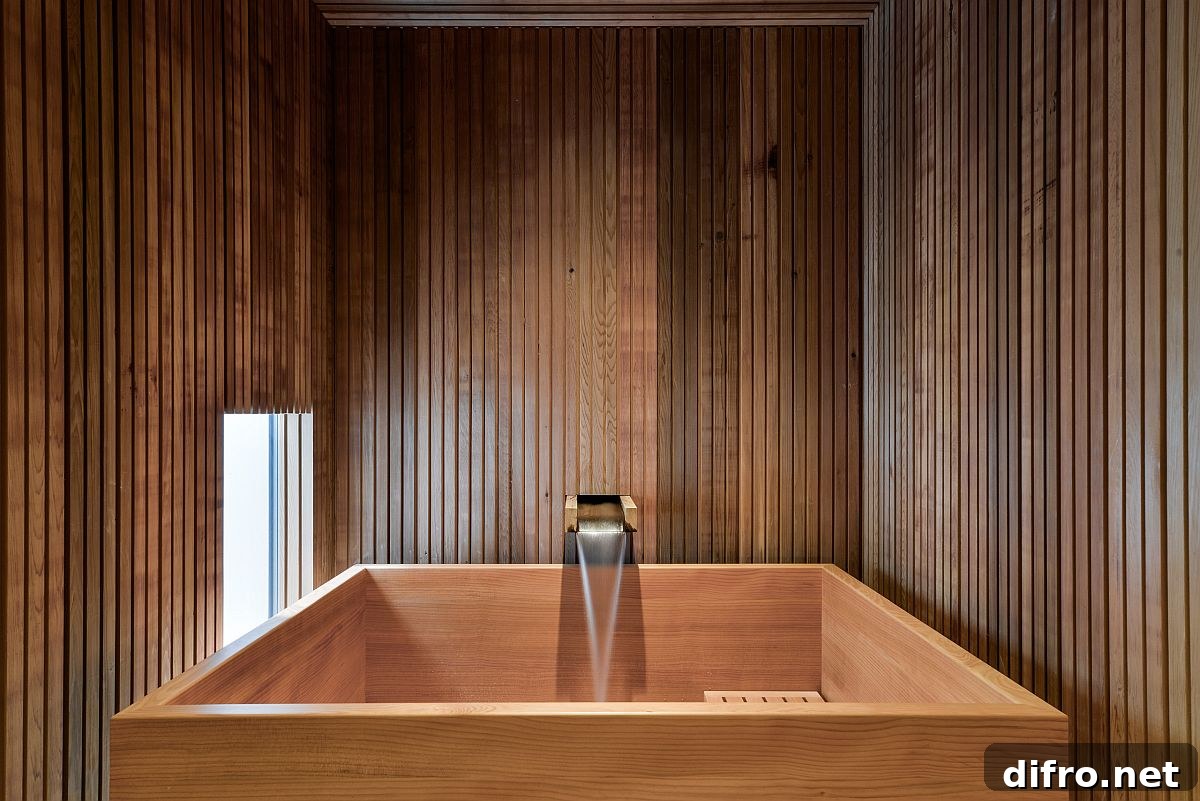
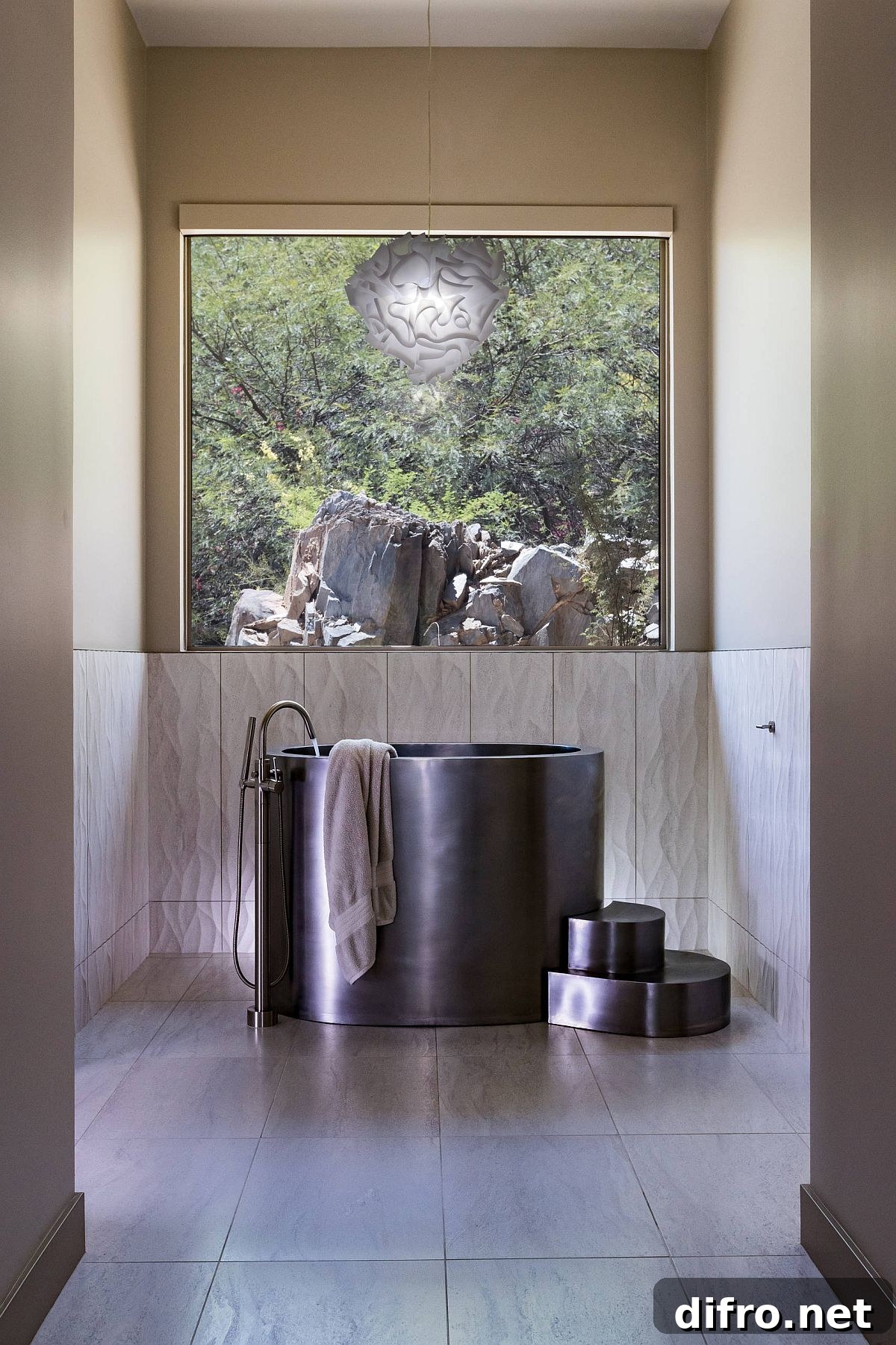
When selecting a soaking tub, measure your space carefully and consider how you want to enter and exit the tub, where plumbing will run, and the overall sightlines in the room. A well-chosen Japanese soaking tub can turn a bathroom into a daily sanctuary — a quiet, private place to restore energy and unwind.