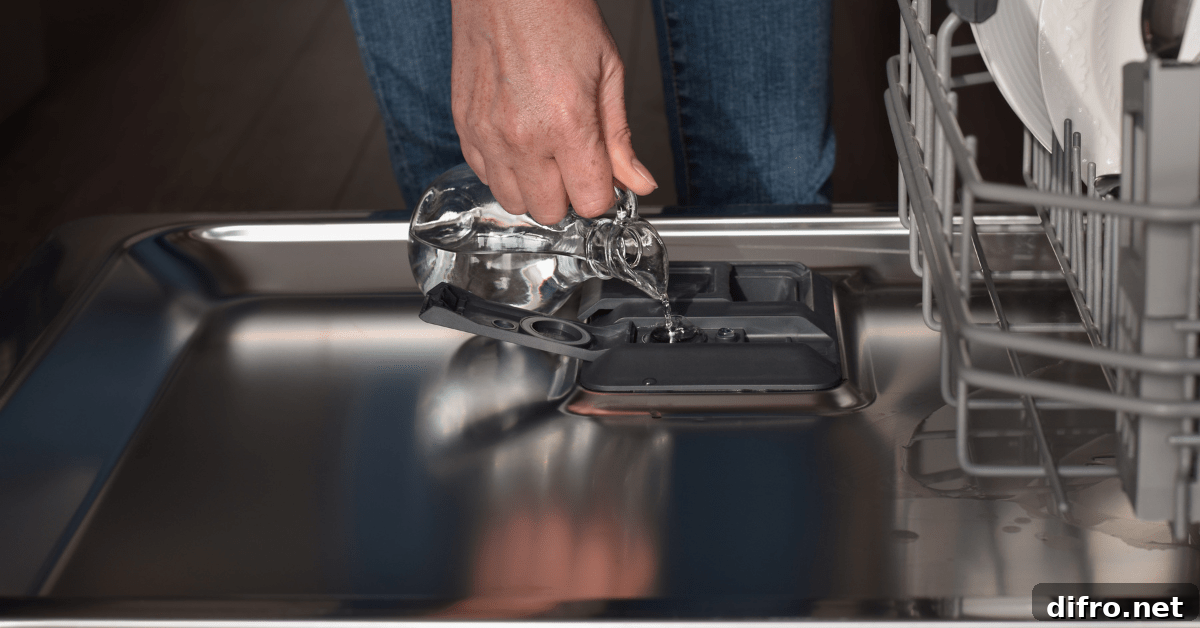
A dishwasher is a cornerstone of efficiency in the modern kitchen, tirelessly cleaning dishes day after day. But have you ever wondered how to keep this kitchen workhorse itself clean and free of unpleasant odors? The answer is simple, natural, and budget-friendly: white vinegar. Read on for a clear, step-by-step guide to using vinegar to deep-clean your dishwasher and keep it working at peak performance.
Ready to bring cutting-edge AI ideas into your home’s aesthetic? Artificial intelligence can help inspire organized, efficient, and stylish kitchen designs. Services and tools that use AI can suggest layouts, finishes, and storage solutions that complement a clean, well-maintained dishwasher and overall kitchen workflow. Consider AI as a design helper to make your kitchen both functional and beautiful.
The Magic of Vinegar: An Eco-Friendly Cleaning Marvel for Your Dishwasher
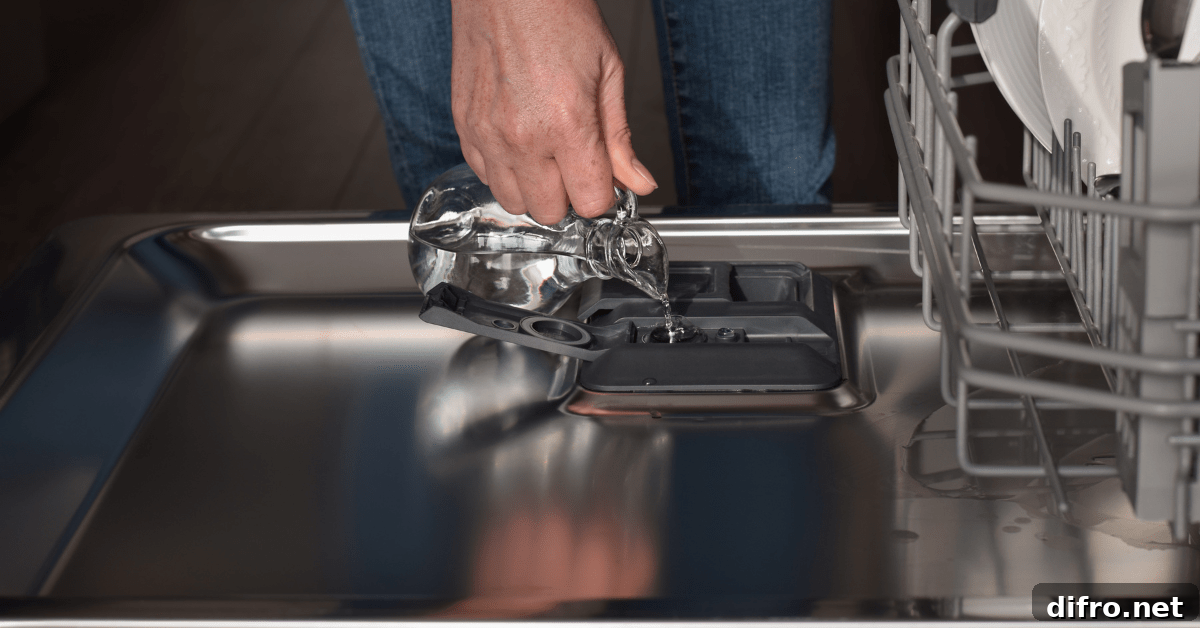
Vinegar has been a household cleaning staple for generations, and for good reason. Its acidic nature helps dissolve soap scum, break down mineral deposits from hard water, and neutralize lingering odors. Over time, food particles, detergent residue, and mineral buildup can cling to the interior surfaces and spray arms of your dishwasher, reducing efficiency and causing smells. A vinegar cleaning cycle cuts through that grime without the harsh chemicals found in many commercial cleaners.
Beyond its cleaning power, vinegar is an environmentally friendly option that is safe for most households when used correctly. Choosing vinegar helps reduce exposure to harsh chemical cleaners and limits the environmental impact of household maintenance. That said, always follow appliance manufacturer recommendations—some specialized models may have specific care instructions.
Step-by-Step Guide to Banishing Grime and Odors with Vinegar
Cleaning your dishwasher with vinegar is straightforward and effective. Follow these steps for a thorough clean:
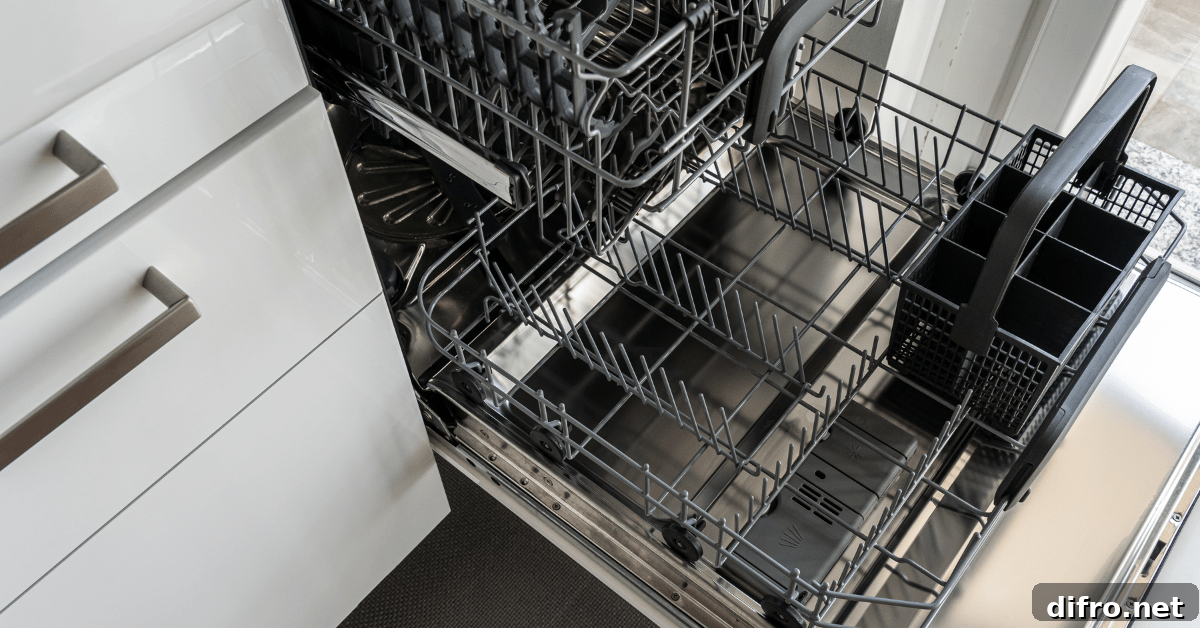
- Clear the dishwasher: Remove all dishes, utensils, and racks if your model allows for easy removal. This gives the vinegar full access to interior surfaces.
- Inspect and clear the drain: Check the bottom of the dishwasher and the drain area for food debris or buildup. Remove any particles by hand or with a soft brush to prevent clogs and ensure good drainage.
- Prepare the vinegar: Pour two cups of white distilled vinegar into a dishwasher-safe bowl or measuring cup.
- Position the bowl: Place the bowl on the top rack, ensuring it sits securely and won’t tip during the cycle. The top rack placement allows steam and vinegar vapors to circulate evenly.
- Run a hot cycle: Set the dishwasher to a normal or heavy-duty hot water cycle and start it. The hot water will activate the vinegar, helping to loosen residue, dissolve limescale, and neutralize odors.
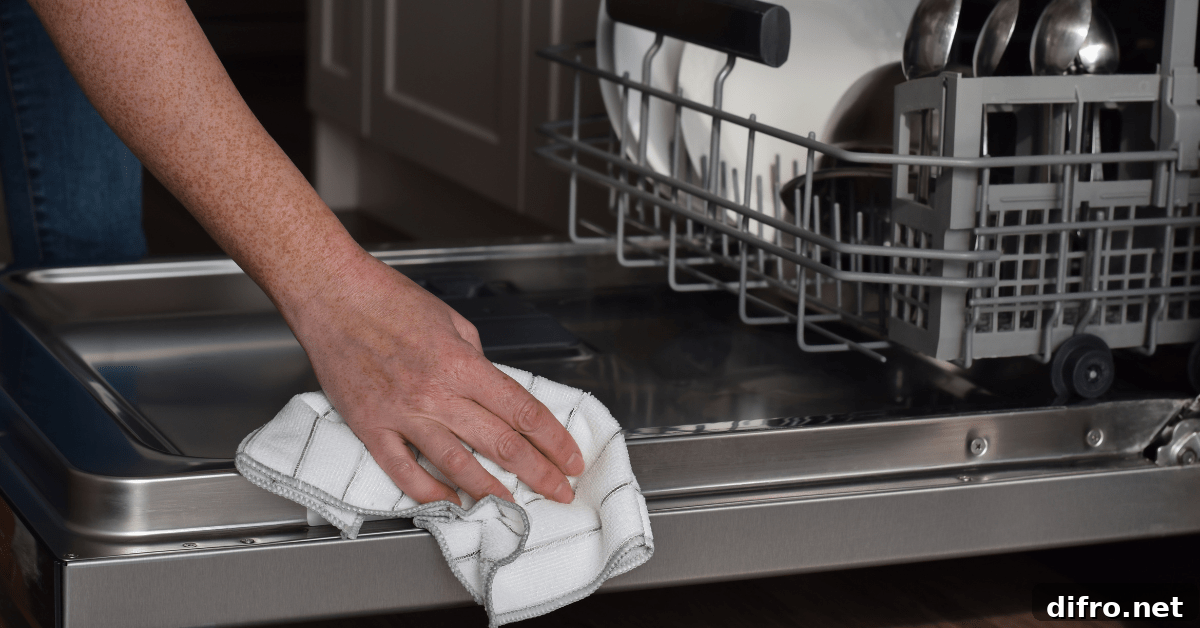
- Wipe down after the cycle: Once finished, open the dishwasher and wipe the door gasket, edges, and filter area with a soft cloth to remove any loosened residue.
These simple actions not only refresh the interior but also help maintain your dishwasher’s efficiency and extend its useful life.
Pro Tips For Enhancing the Vinegar Cleaning Process for Stellar Results
To get the most out of your vinegar cleaning routine, consider these practical enhancements:
- Baking soda boost: After the vinegar cycle, sprinkle a few tablespoons of baking soda across the bottom of the empty dishwasher and run a short hot-water cycle. Baking soda adds mild abrasive action and helps further neutralize odors, leaving a fresh scent.
- Target stubborn buildup: For persistent spots on racks or spray arms, remove parts if possible and soak them in a mix of warm water and vinegar, then scrub gently with a soft brush.
- Repeat if necessary: If odors or deposits are persistent, repeat the vinegar wash. Regular repetition can remove long-standing residue.
- Monthly maintenance: Make a vinegar cleaning cycle part of your monthly kitchen maintenance routine. Regular upkeep prevents buildup, improves cleaning performance, and reduces the likelihood of clogs or odors.
- Check manufacturer guidance: Always refer to your dishwasher’s manual for any manufacturer-specific cleaning recommendations or restrictions.
Related Articles:
- Sparkling Solutions: DIY Homemade Window Cleaner
- The Guide on How to Clean Baseboards Like a Pro
- How To Clean Throw Pillows [And How Frequently You Should!]
Using vinegar to clean your dishwasher is an easy, effective, and eco-friendly maintenance step. It removes residue, reduces odors, and supports better washing performance so your dishes come out cleaner. A regular vinegar routine is a small investment of time that pays off in hygiene, appliance longevity, and fewer harsh chemicals in your home.
Turn your house into the home of your dreams. Our newsletter shares design ideas and decor trends to help you create a beautiful, functional living space. Subscribe to receive helpful inspiration and practical tips for maintaining and styling your home.