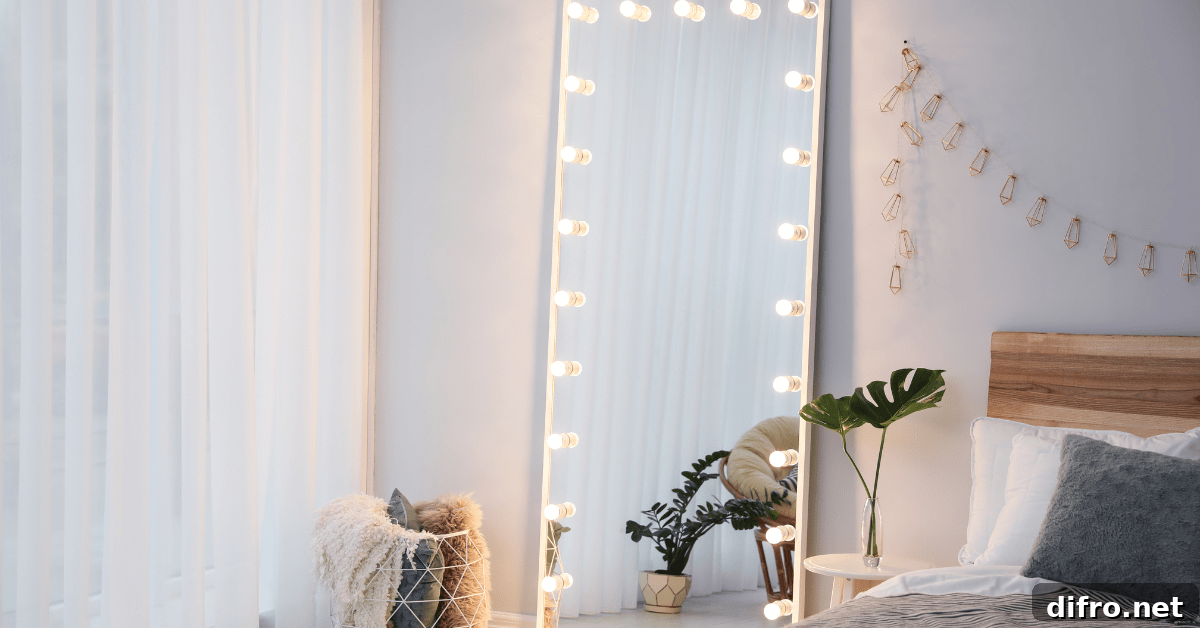
Mirrors do more than help you check your appearance; they are powerful design tools that can change the perceived size, light and energy of a room. Used thoughtfully, mirrors can make spaces feel brighter and more open. Placed without care, however, they can create glare, disrupt sleep, or produce awkward reflections. Below we outline where mirrors are best used with caution and offer practical alternatives so your home remains balanced, comfortable and stylish.
Exploring the Reasons Behind Mirror Placement
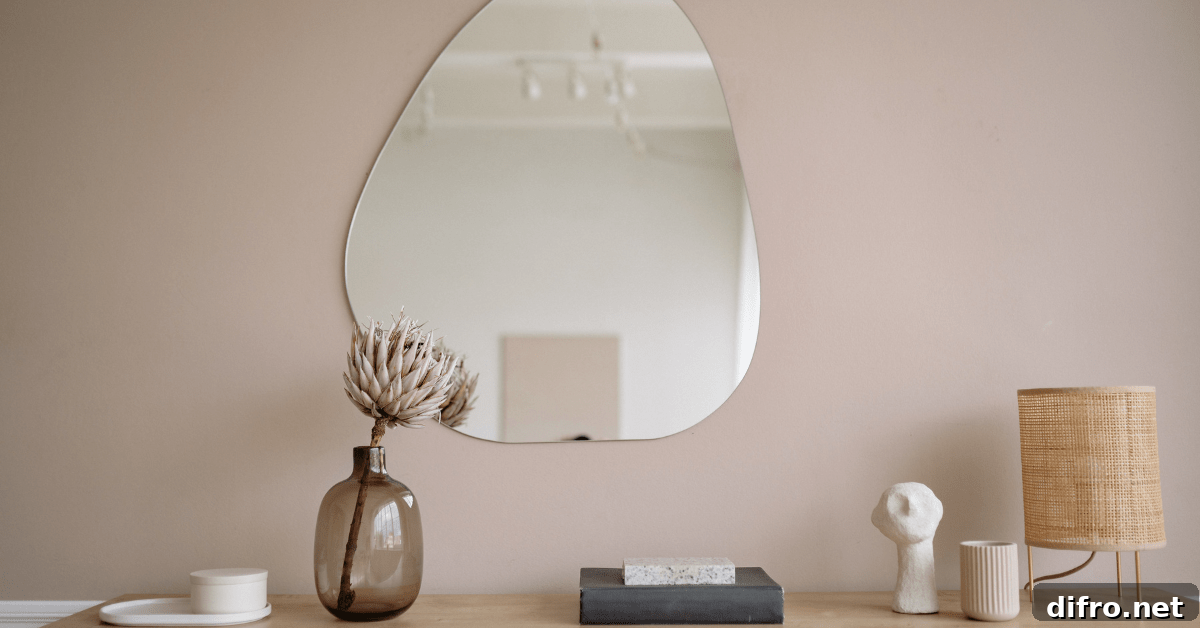
Choosing where to hang a mirror involves practical, aesthetic and cultural considerations. Mirrors reflect light and depth, which can be used to enhance a room’s appearance and make compact spaces feel larger. But they also redirect views and energy, and in some situations reflections can be distracting, harsh, or simply create an unintentionally busy visual effect. Understanding these effects makes it easier to place mirrors in ways that amplify benefits while avoiding drawbacks.
The Bedroom – Why It Might Not Be the Ideal Place for a Mirror
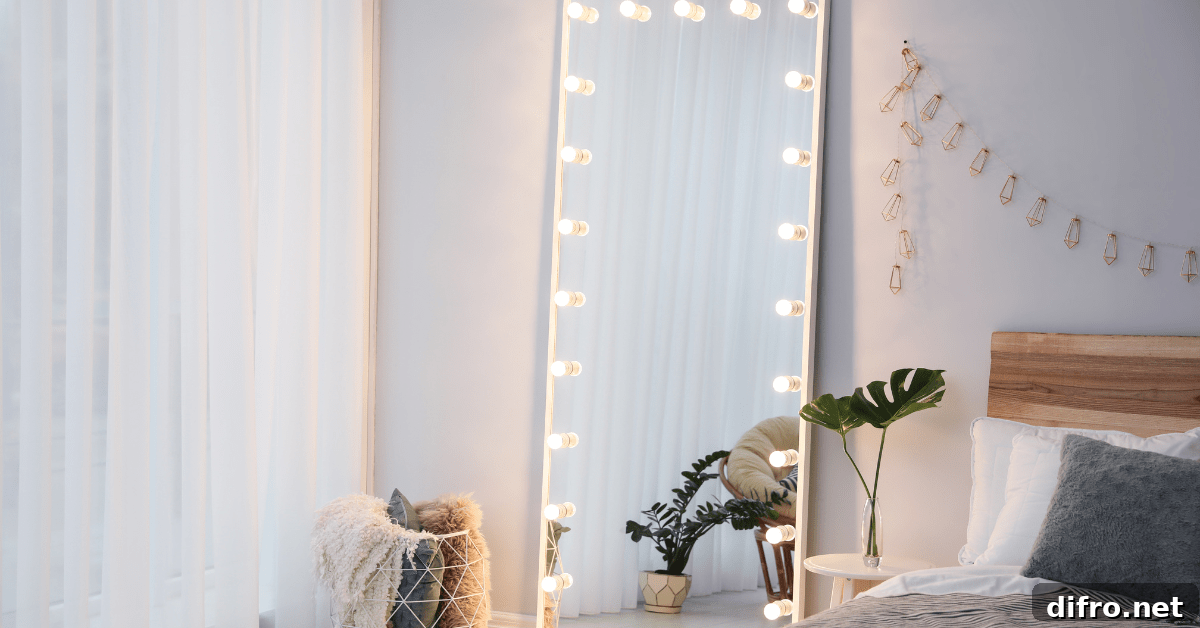
Many people place mirrors in bedrooms for convenience, but mirrors facing the bed can be problematic. Reflections of movement at night or sudden flashes of light can interrupt sleep and create a sense of unease. From a design perspective, a large mirror opposite the bed also draws visual attention away from the bed, which is usually the focal point of the room. If you want a mirror in the bedroom, consider placing it on a closet door, in a dressing nook, or on a wall that doesn’t directly face the bed. A strategically placed full-length mirror or a small vanity mirror can provide function without disturbing the room’s restful atmosphere.
Entryways and Exits – Reflecting on the Implications of Mirrors Here
Entryways are natural spots for mirrors because they offer a last-minute glance before heading out. However, a mirror directly facing the front door can create a jarring first impression and may reflect energy or activity outward. To maintain both practicality and a welcoming feel, position the mirror perpendicular to the entrance or place it where it catches light from a window without reflecting the door itself. A mirror near a console table or above a narrow bench can be both useful and inviting without overwhelming the entry space.
Above the Fireplace – A Hot Spot for Debate
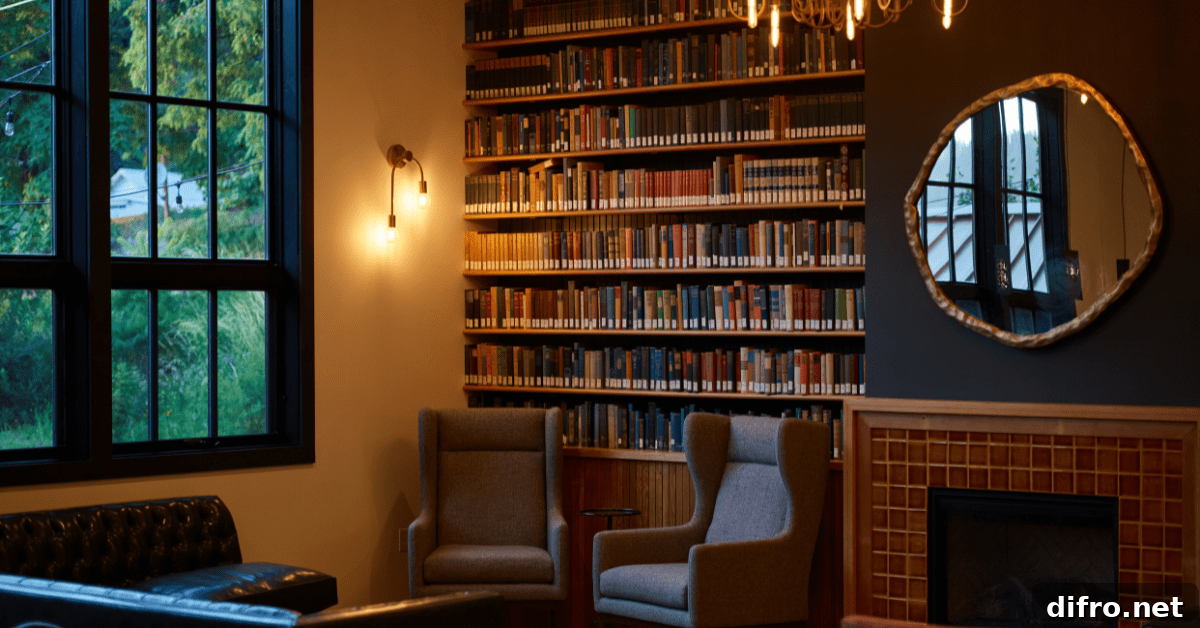
Hanging a mirror over a fireplace is a classic choice, but it has practical downsides. Heat, smoke and soot can gradually damage the mirror’s backing and silvering, reducing clarity and finish. Additionally, a mirror placed to reflect the flames may create intense glare or distracting light patterns. If you like the visual balance a mirror offers above the mantel, consider heat-resistant artwork, a decorative panel, or a framed print instead. If you still prefer a mirror, select materials and positioning that minimize exposure to direct heat and soot.
Facing Each Other – The Endless Loop of Reflection
Two mirrors positioned directly opposite each other create an infinite reflection effect. While that can be visually striking in some controlled settings, in everyday living areas it often feels disorienting and can amplify clutter or movement. To harness the benefits of increased light and perceived depth without causing visual fatigue, angle mirrors slightly or use a single larger mirror to reflect a particular scene—such as a window view or a light source—rather than creating a continual loop of reflections.
In the Kitchen – Reflecting on Practicality and Aesthetics
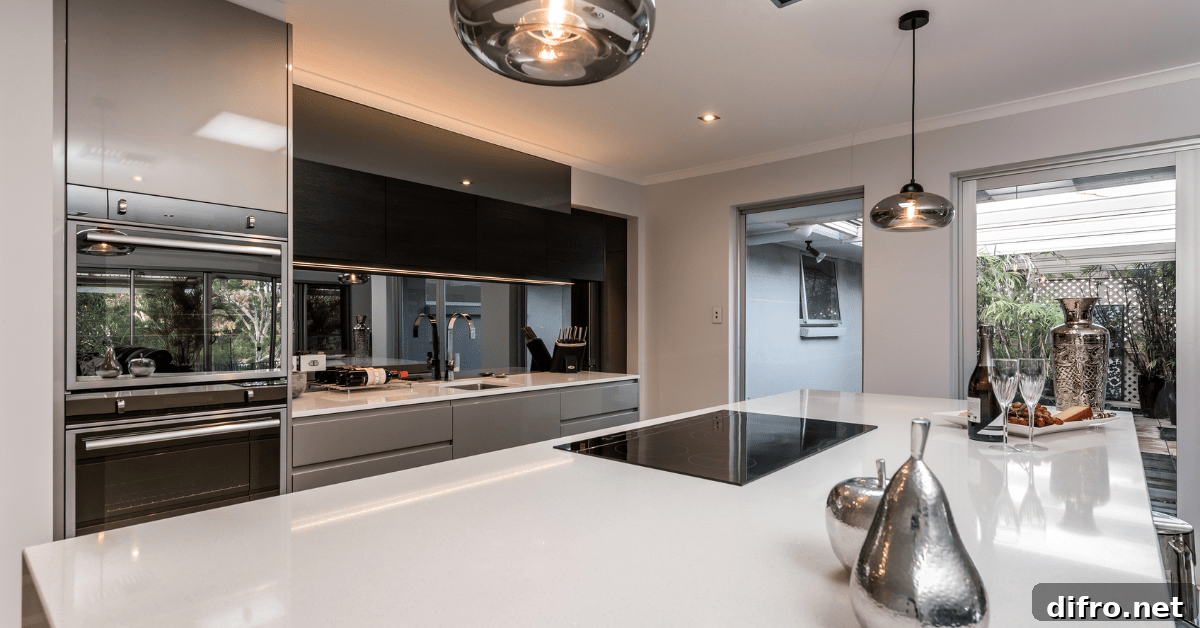
Kitchens are busy, humid places where mirrors can quickly become smeared by cooking splashes, steam and fingerprints. A mirrored backsplash or wall requires regular maintenance to stay pristine and may reflect the kitchen’s activity in ways that feel cluttered. Alternatives such as ceramic tile, glass splashbacks with a subtle texture, stainless steel, or artwork are lower-maintenance options that still add personality and reflect light when needed. If you do choose a mirror in the kitchen, place it away from direct cooking zones and use tempered glass or easy-clean treatments.
Final Thoughts on Mirror Placement
Mirrors are versatile and effective elements in interior design when used with intention. Avoid placing mirrors where they might disrupt sleep, reflect chaotic areas, or be damaged by heat and moisture. Instead, use mirrors to enhance natural light, draw attention to attractive views, and add depth without creating visual confusion. Thoughtful placement and appropriate alternatives—such as artwork, tiles or panels—allow you to enjoy the decorative and functional benefits of mirrors while preserving comfort and harmony in every room.
Interested in more design tips? Subscribe to our newsletter for practical interior ideas, seasonal trends and simple projects to refresh your home. Sign up through our site to receive regular inspiration and expert advice.
Related Articles
- The Paint Colors You Should Never Use in a Bathroom
- The Benefits of Using Mirrors in Home Decor
- 13 Best Bedroom Colors That Never Go Out Of Style