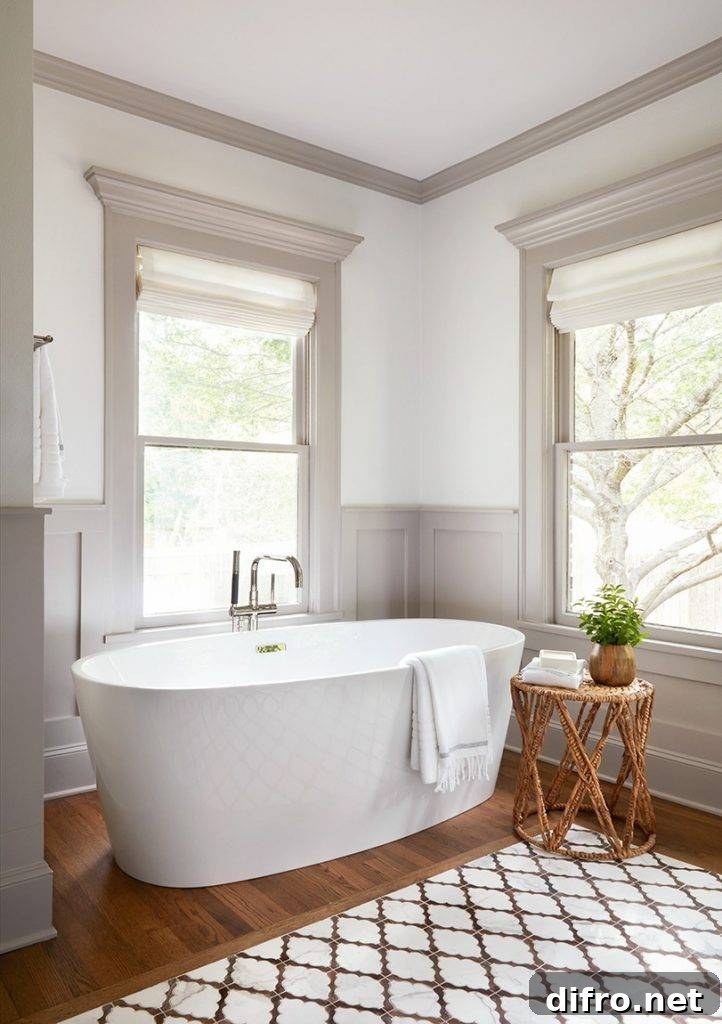
Changing the trim color is a small update with a big impact. Whether you prefer subtle sophistication or bold contrast, repainting trim can refresh a room, reinforce architectural details and shift the entire mood of your home. Below are practical ideas, style considerations and helpful tips to guide your trim-painting decisions — from understated greige to the dramatic look of black trim with white walls.
Why should you paint your trim?
Painting trim defines the edges of a room and clarifies its style. It’s one of the most cost-effective ways to update a space: a fresh coat of paint can make rooms feel cleaner, more contemporary, cozier or more formal depending on the colors and finishes you choose. Matching trim to walls creates a seamless, modern backdrop that lets furniture and artwork stand out, while contrasting trim draws the eye to the architectural details of doors, windows, baseboards and crown molding. Trim also protects woodwork and makes maintenance easier when you choose a durable finish.
Subtle change
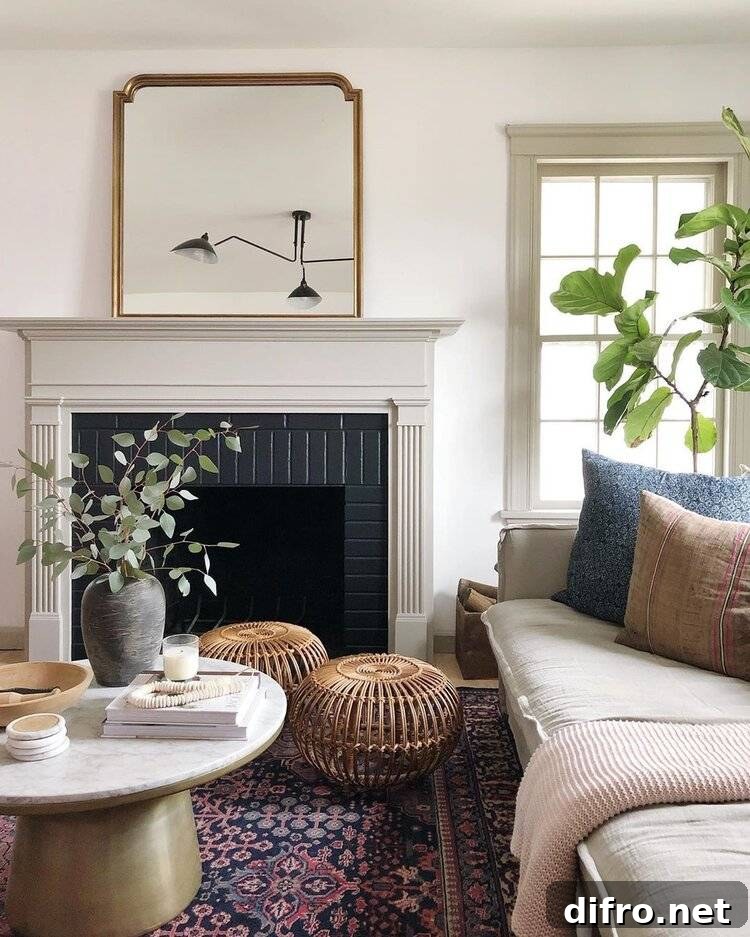
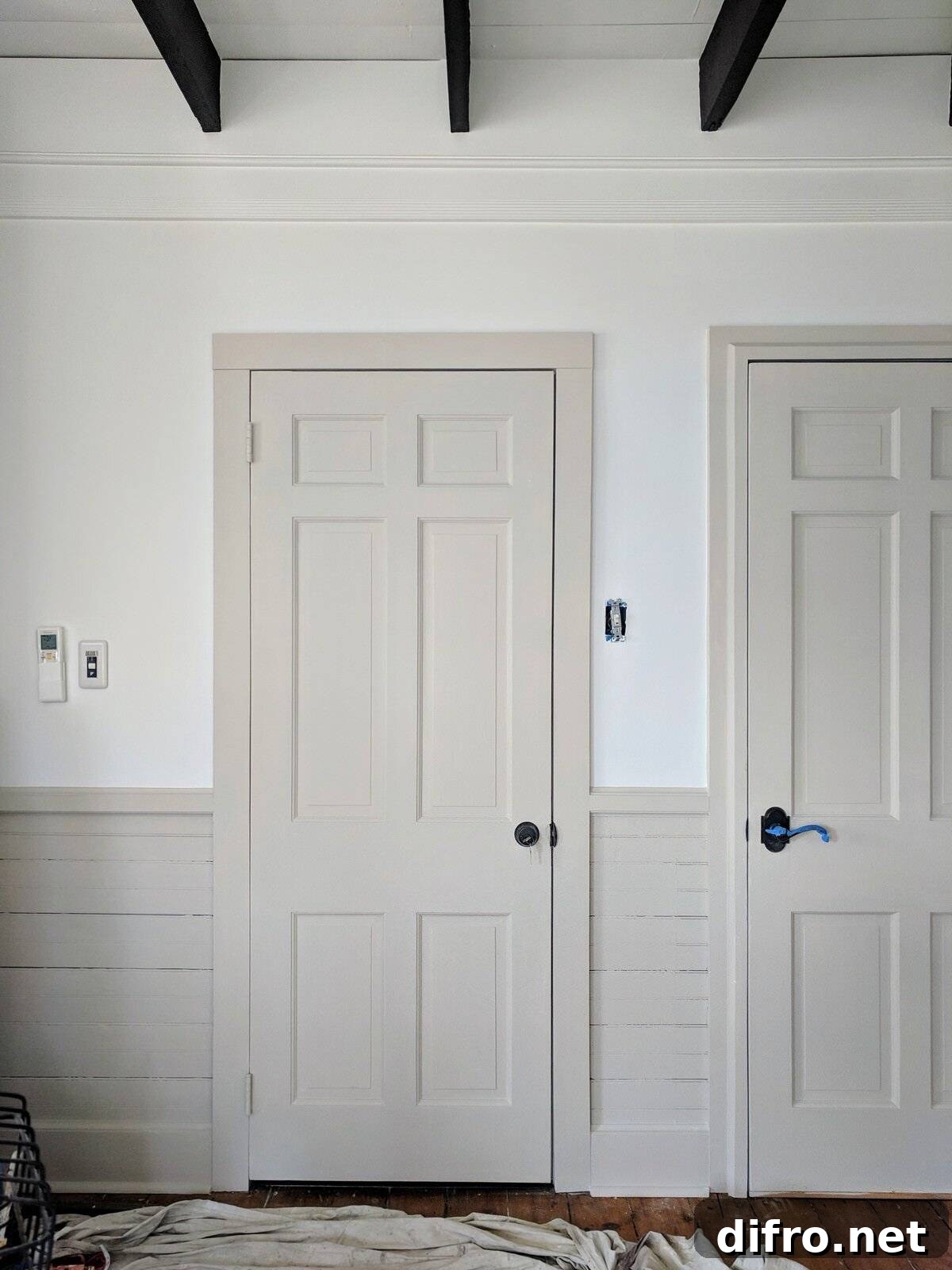
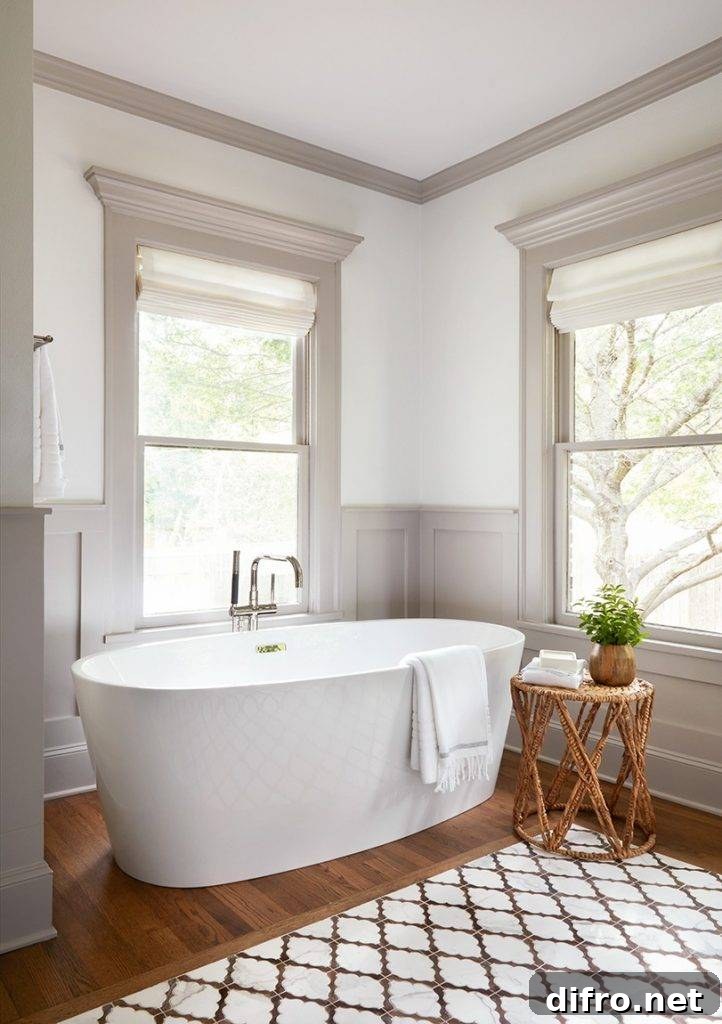
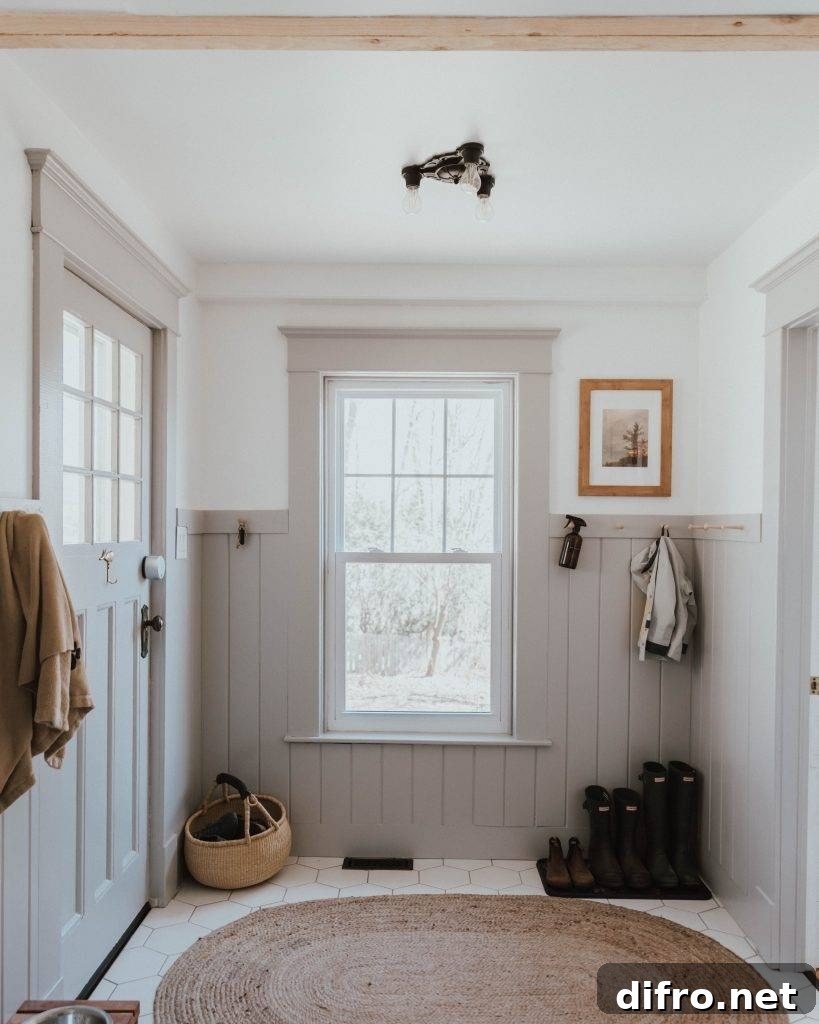
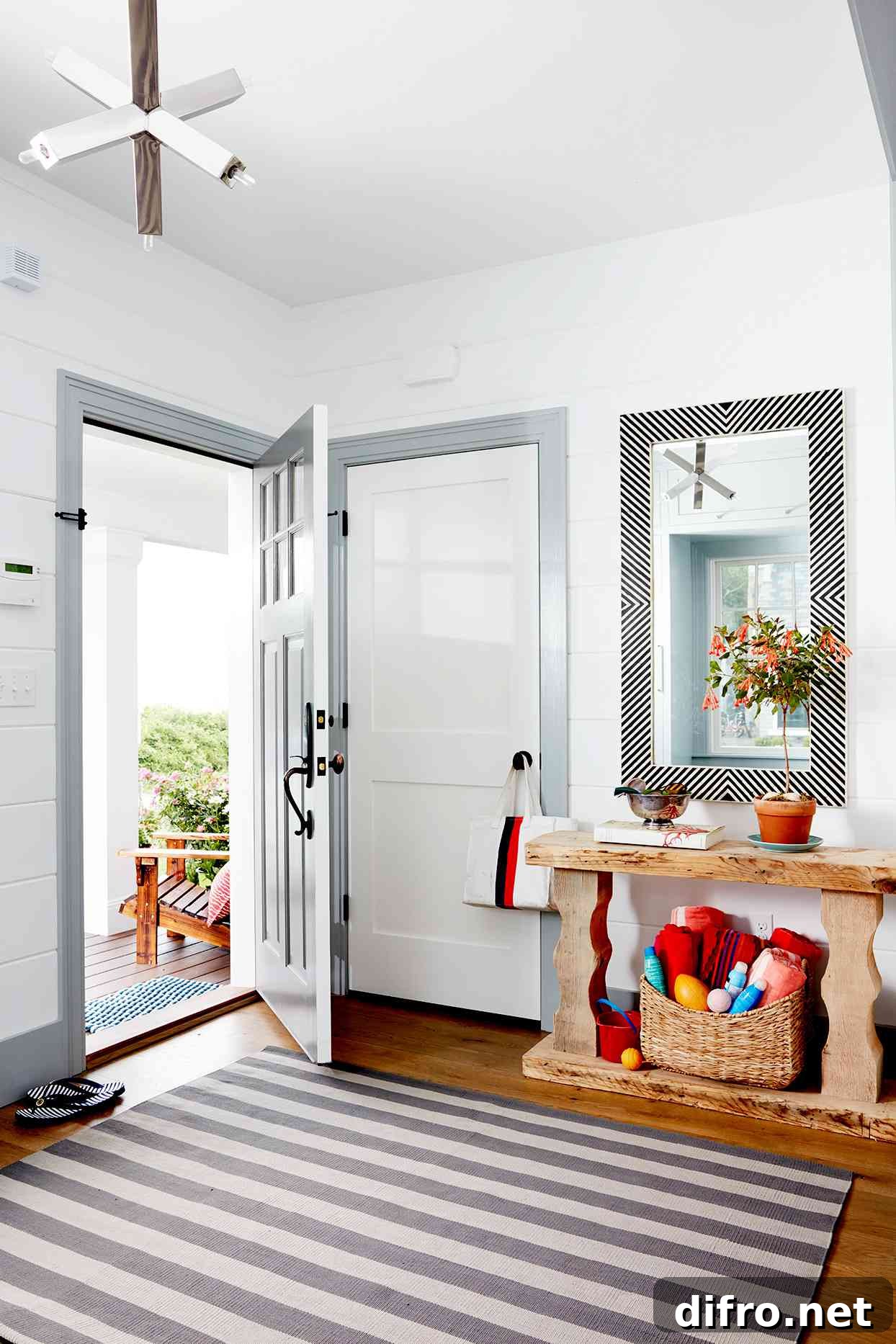
If you prefer a conservative update, choose a trim tone slightly darker than the walls. A soft greige or warm taupe trim against off-white or creamy walls adds depth without overwhelming the room. This subtle contrast enhances moldings and frames while maintaining a calm, cohesive palette that works well with natural textures and contemporary furnishings.
Bold choice
For a confident, fashion-forward look, pick a statement trim color. Deep green, rich navy or charcoal will add drama and personality while still feeling refined. Bold trim choices are especially effective in rooms with period details or paneled doors, where color emphasizes texture and craftsmanship. Use darker trim sparingly if you’re hesitant — for example, paint only door frames and window casings to test the effect before committing to every baseboard.
Contrast
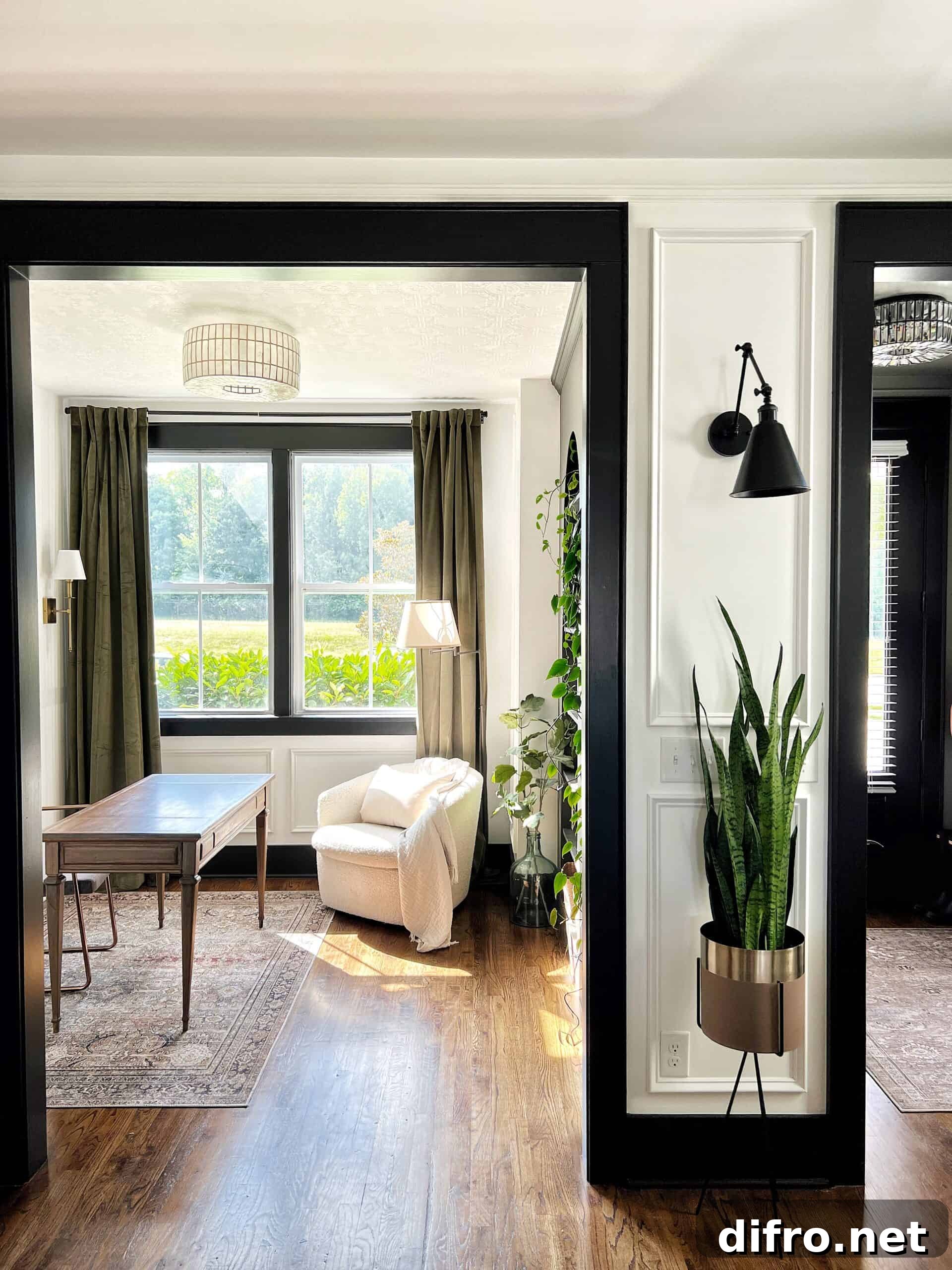
Contrasting wall and trim colors creates strong visual interest. The most classic example is black trim with crisp white walls: a timeless combination that highlights details, defines angles and can lend a historic or gallery-like atmosphere to interiors. High-contrast schemes work particularly well in minimalist or modern spaces, where clean lines and negative space allow trim to become a deliberate design element.
Light trim and dark walls
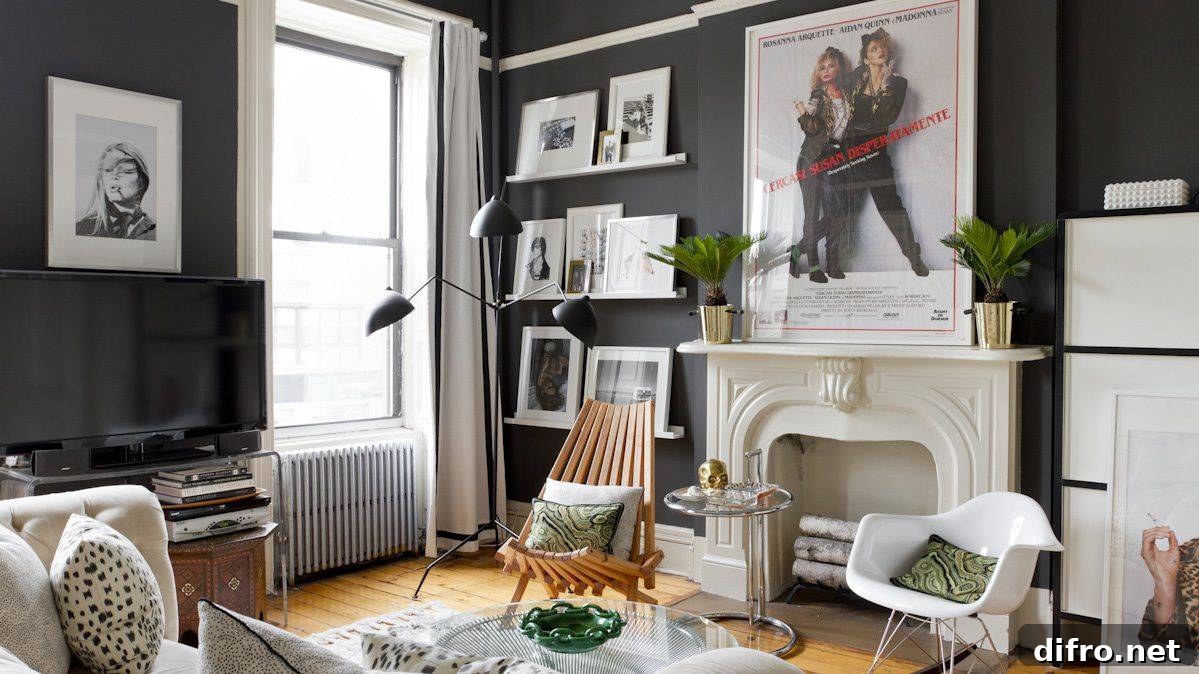
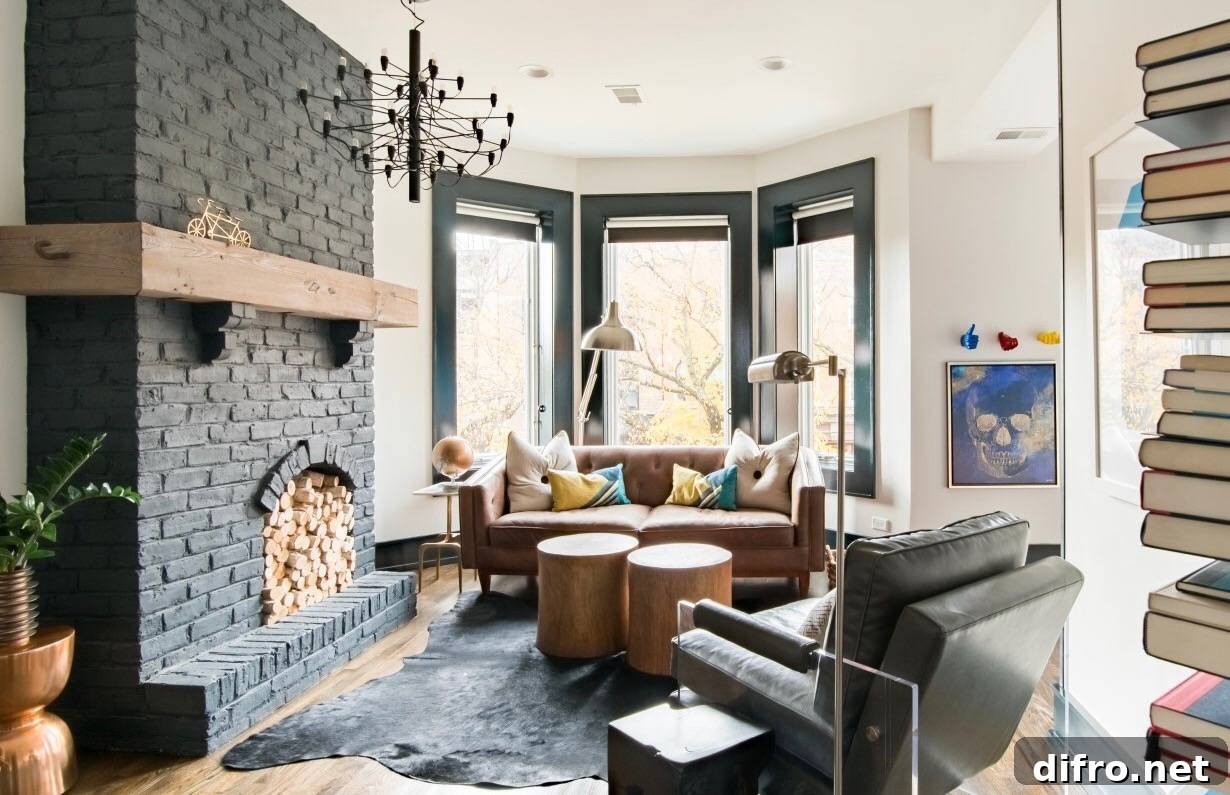
Reversing the contrast—light trim against a dark wall—can be equally striking. White or off-white trim lifts and frames darker wall colors like navy, charcoal or deep green, making architectural features pop. A monochromatic approach using light and dark grays also delivers a sophisticated, layered look that feels intentional and refined.
Matching color with the walls
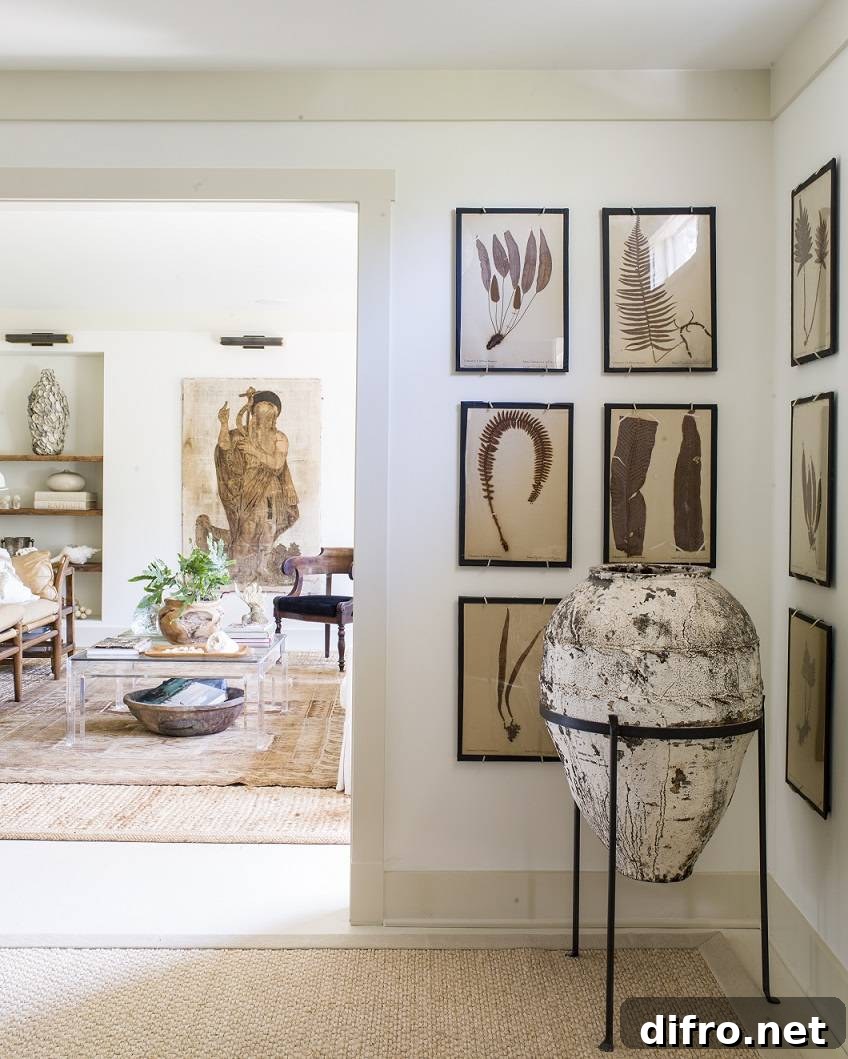
Painting walls and trim the same color creates a continuous flow that minimizes visual interruptions and can make a room feel larger. This approach works well with deep, moody tones such as charcoal or emerald: the uniform color reads as a bold field while subtle changes in sheen or finish reveal trim contours. For the most seamless effect, use the same paint color with a slightly different finish on trim to improve durability and highlight profiles.
Crisp white and bright color
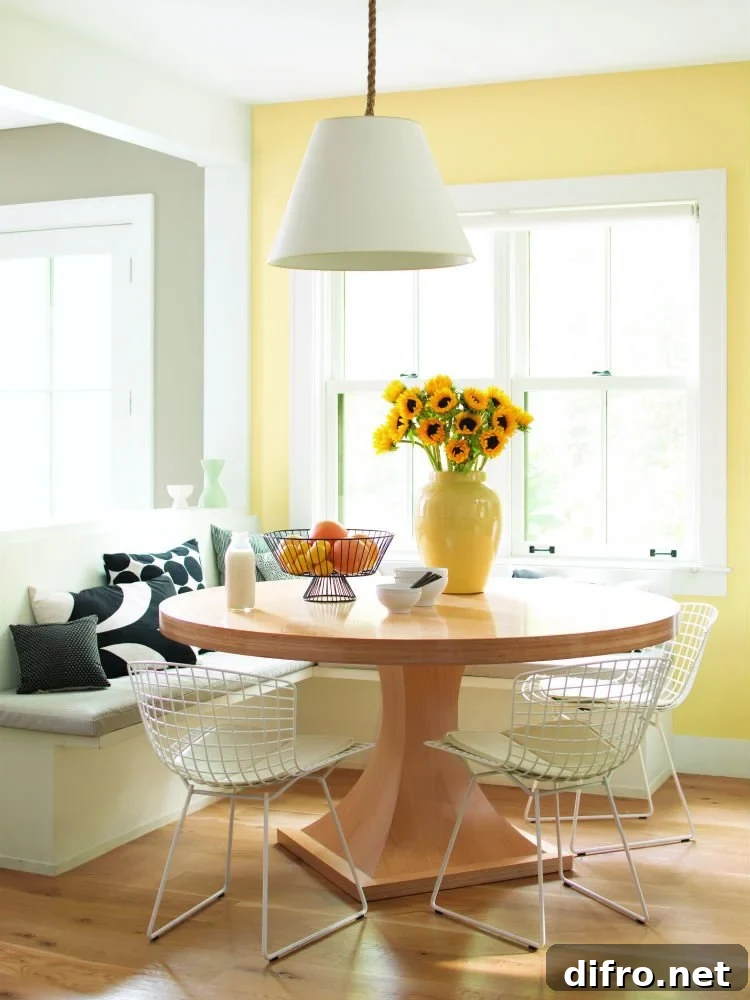
If you love crisp white trim, pair it with an energizing wall color to lift the mood. Vibrant hues like sunny yellow, warm terracotta or lively teal look fresh against white trim and are especially inviting in dining rooms, entryways and social spaces. White trim provides a clean frame that keeps bright walls from feeling overpowering.
Statement door
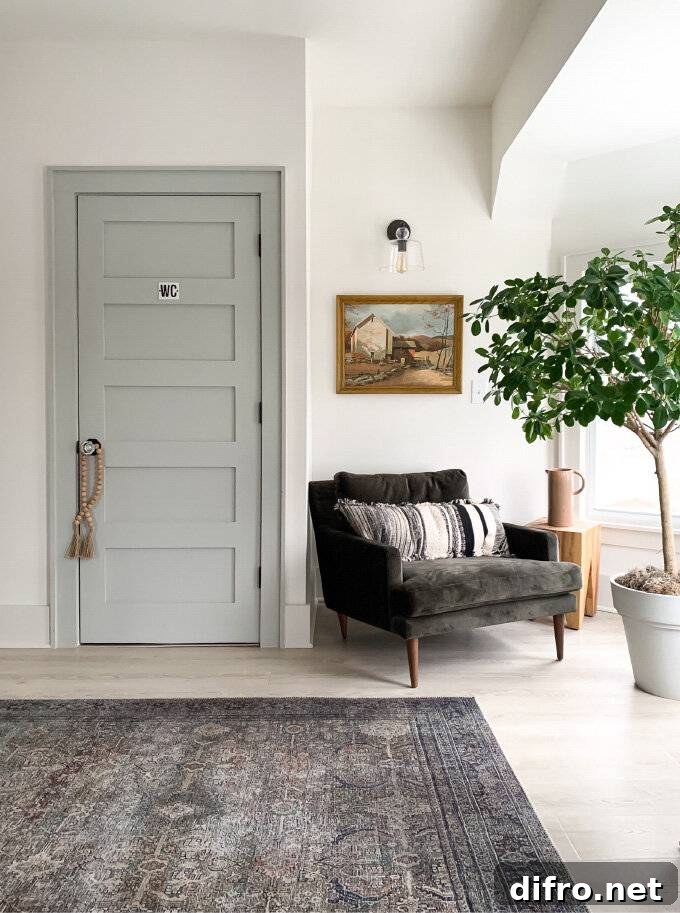
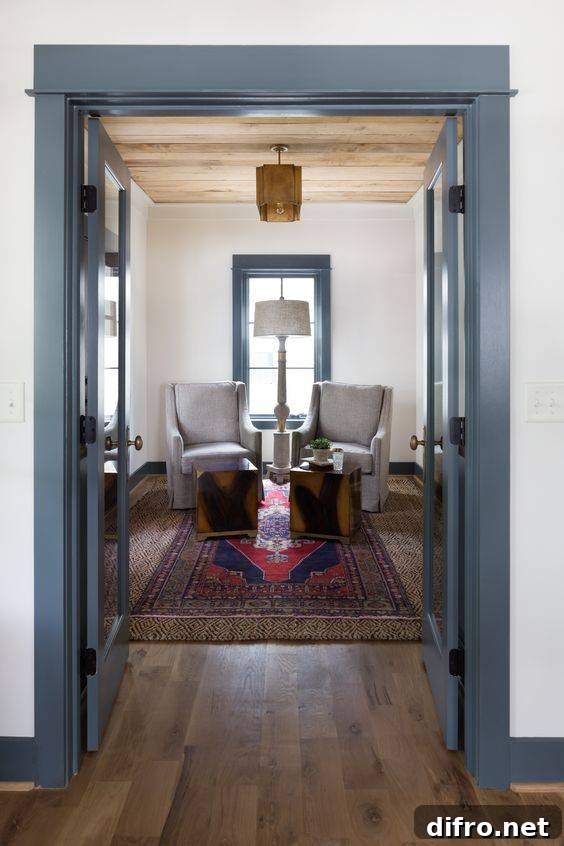
Don’t forget the doors. Painting doors the same color as the trim creates a unified, intentional look—especially effective when you choose a bold or dark trim color. A painted door becomes a focal point that anchors a hallway or entry, and matching it to the trim ties the whole room together. If you’re nervous about commitment, try a single door as a test piece before treating every interior door the same way.
Practical tips for success
Choose a paint finish suited to trim: semi-gloss or satin will resist scuffs and are easy to clean. Proper preparation—cleaning, light sanding and caulking gaps—ensures crisp lines and lasting results. Test samples on several walls and observe them at different times of day to see how light affects color. If you’re unsure, start with one room or a single wall of trim to evaluate the effect before committing to an entire house.
Ultimately, painting trim is an affordable, high-impact way to refresh interiors. Whether you opt for a subtle tone-on-tone approach, a dramatic black-and-white contrast, or a bright wall with clean white trim, thoughtful color choices and proper preparation will deliver a stylish, polished finish that enhances your home’s character.