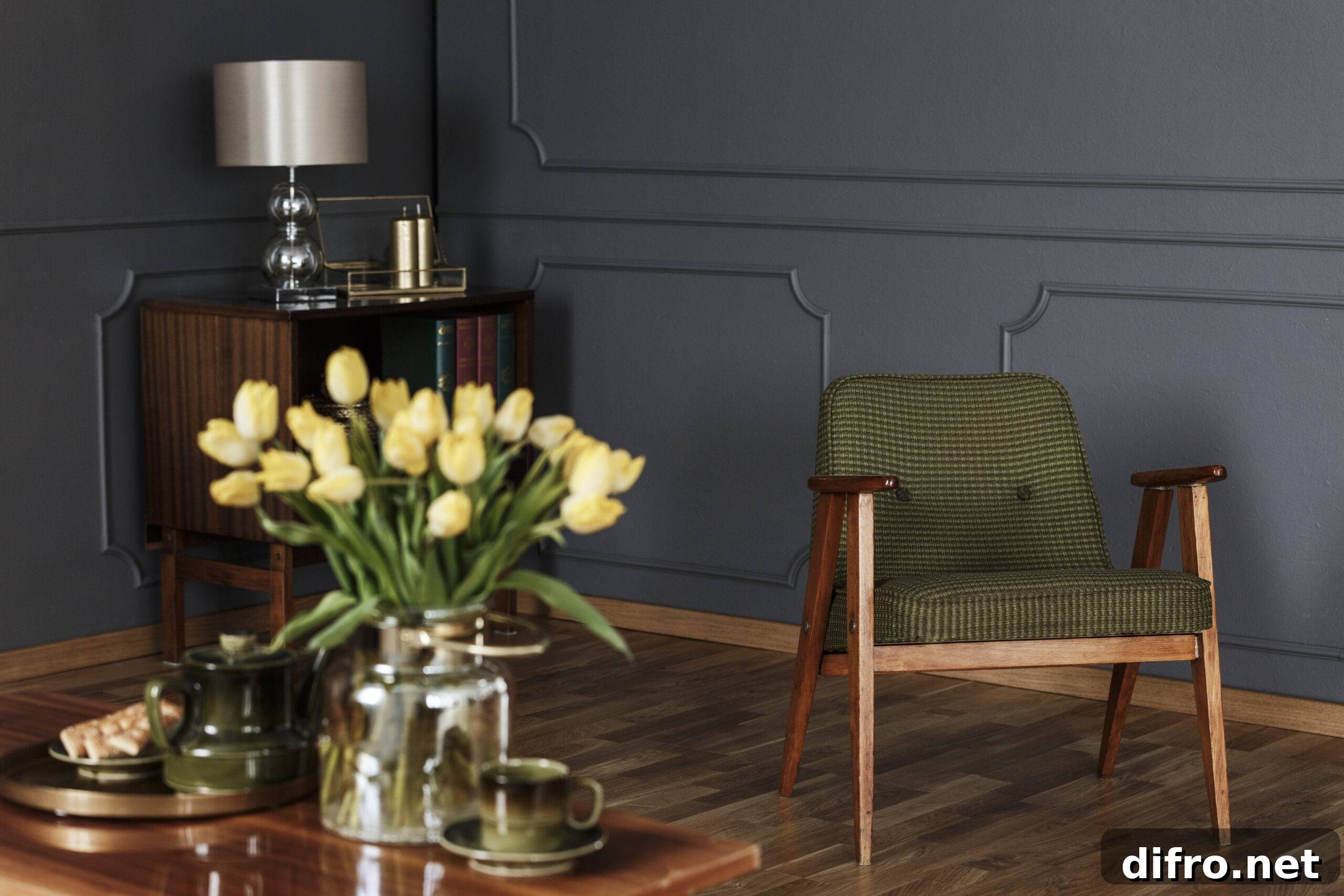
Many so-called rules in home design sound sensible and get repeated until they feel like facts. The problem is that following them rigidly can make a home feel flat, impersonal, or awkward. Great rooms come from experimentation, practical choices, and trusting your own taste—rather than from a strict rulebook. Below are common decorating myths debunked, with practical alternatives to help you create a home that looks and feels right for you.
Myth: Every Room Needs a Focal Point
People often assume each room must have one dominant centerpiece—a statement wall, an oversized artwork, or a dramatic sofa. While a focal point can help organize a room visually, it isn’t mandatory. Some spaces feel more balanced when visual interest is distributed across several elements: varied textures, layered lighting, plants, and smaller art or objects arranged thoughtfully. A well-composed room can guide the eye around the space rather than forcing it to stop at a single focal item. Think in terms of rhythm and balance instead of insisting on a single star.
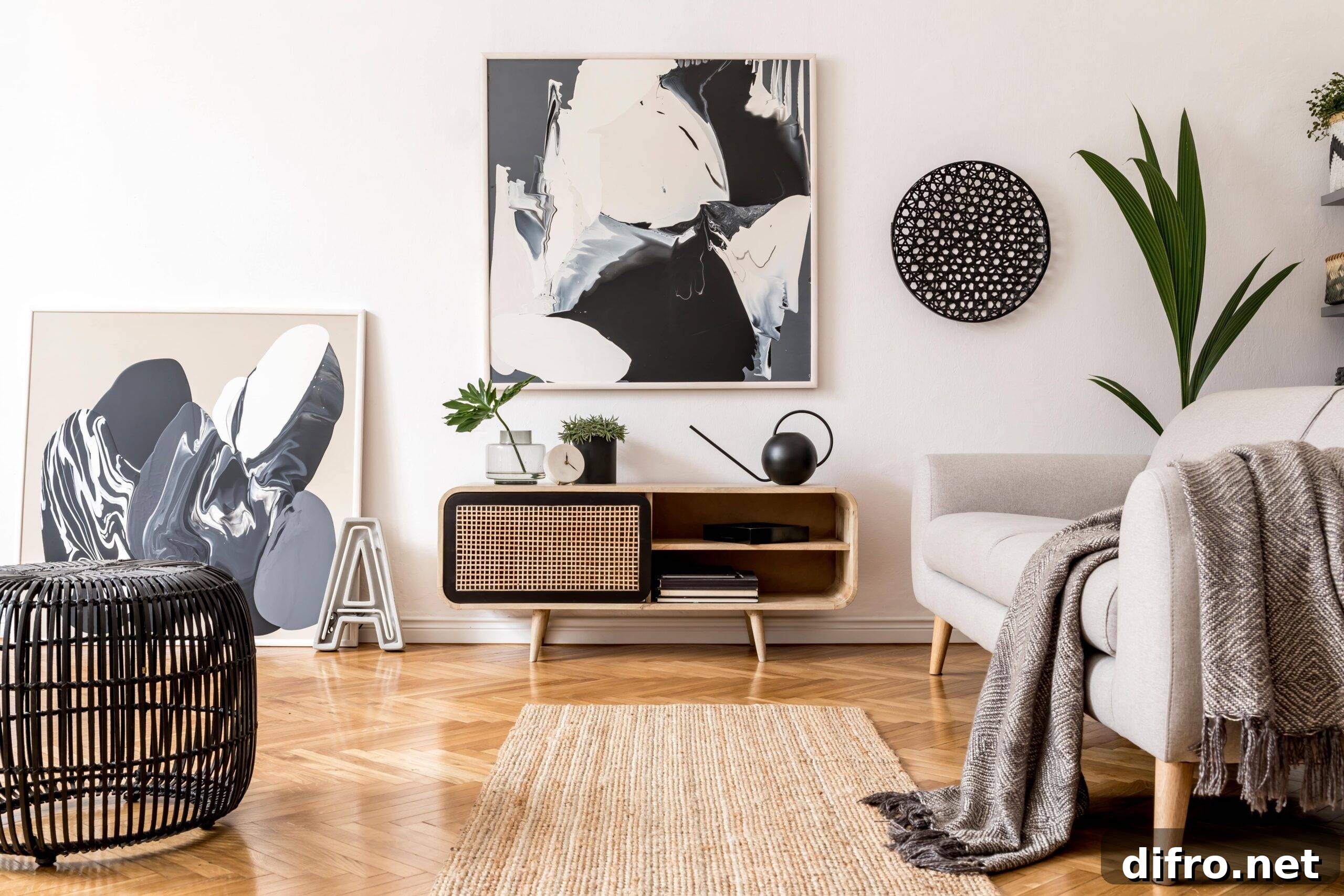
Myth: Dark Walls Make a Room Feel Smaller
It’s often said that dark paint shrinks a room, but that’s an oversimplification. While light colors reflect more light, deep hues—charcoal, navy, forest green—can create a sense of depth and intimacy. Dark walls can recede visually and emphasize architectural features, making a room feel layered and inviting rather than cramped. Strategic lighting, mirrors, and thoughtful furniture placement can offset any loss of perceived space. If you love a darker palette, choose finishes and accents that maintain brightness where you need it and embrace the cozy atmosphere it creates.
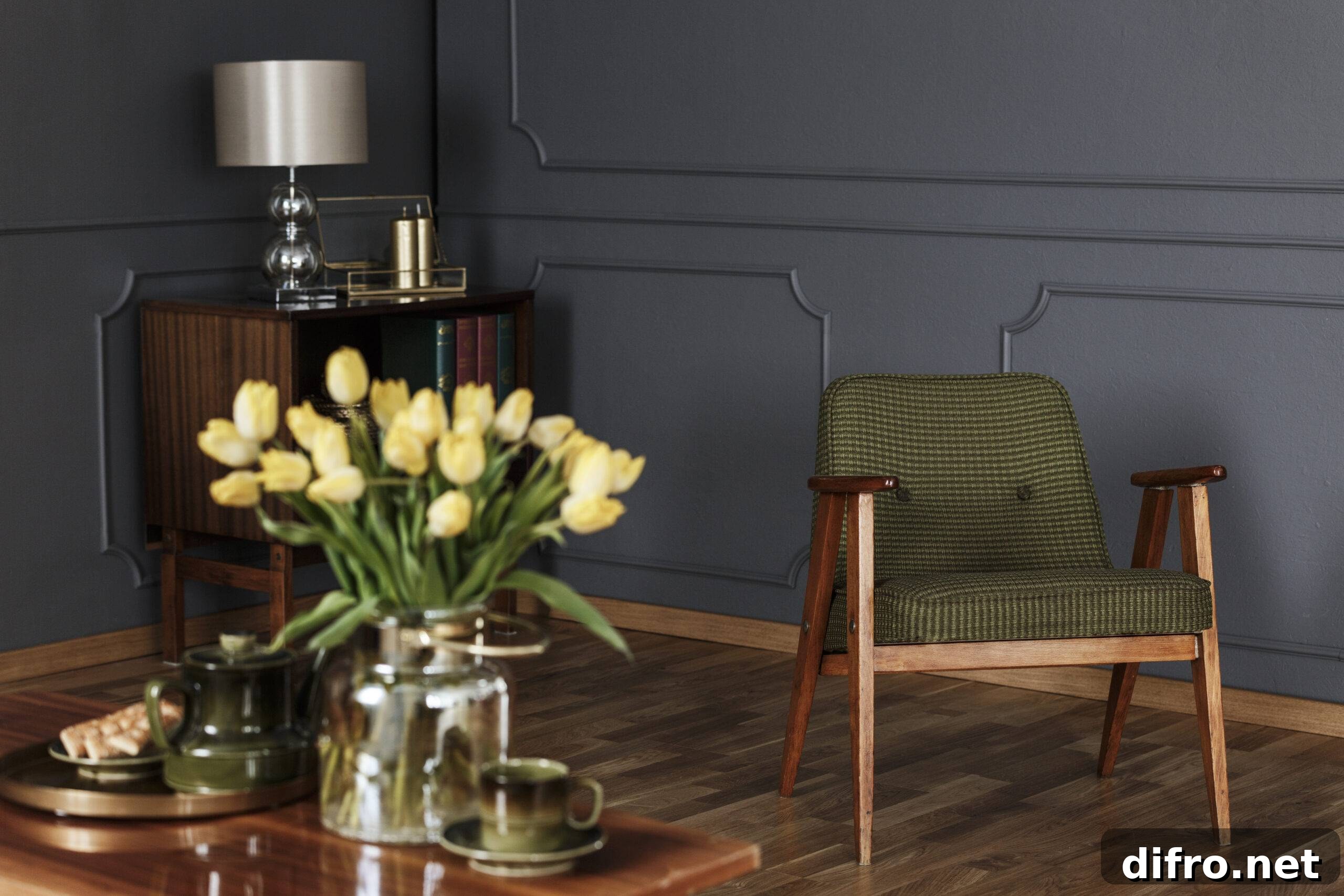
Myth: Small Rooms Should Only Have Small Furniture
Many people fill small rooms with only small pieces because they fear big furniture will overwhelm the space. In reality, a single well-proportioned larger item—like a full-size sofa or a substantial bed—can anchor the room and make the layout feel purposeful. The problem is not size alone but scale and balance. Avoid overfilling a room with many tiny pieces; instead, choose fewer items that work together, leave breathing room around each piece, and focus on circulation and sightlines. A carefully selected larger piece can actually make a small room feel more composed.
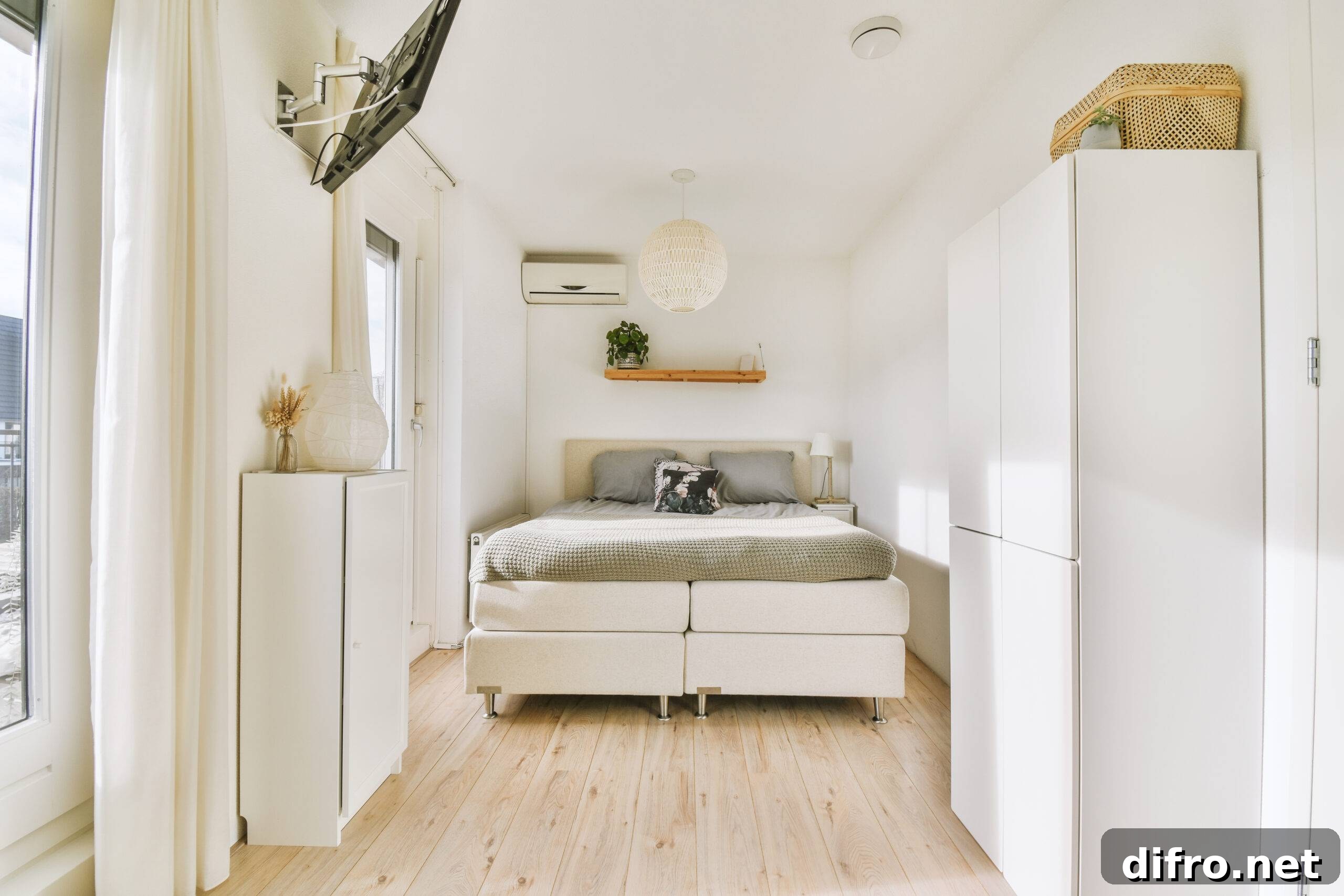
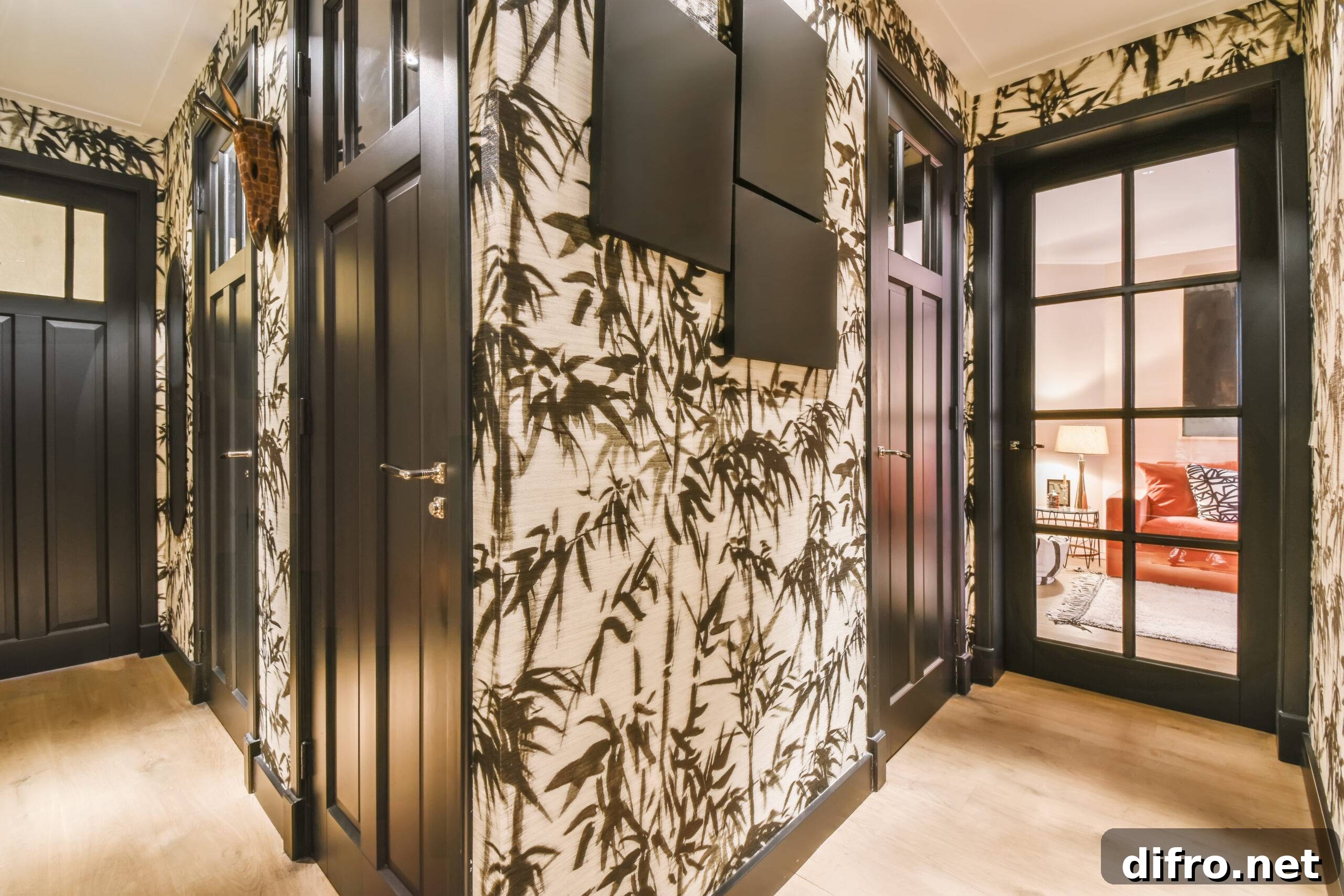
Myth: Wallpaper is a Big Commitment
Wallpaper once meant long-term commitment and difficult removal, but modern options have changed that. Removable peel-and-stick papers make it easy to experiment with patterns and textures and are renter-friendly. Even traditional pasted wallpapers are easier to strip today than in the past. Trends shift across paint, furniture, and textiles—so if a pattern or finish makes you happy, it’s worth using. Wallpaper can add personality and scale quickly, whether applied to a full wall, an accent area, or inside a niche.
Myth: Matching Furniture Looks Better
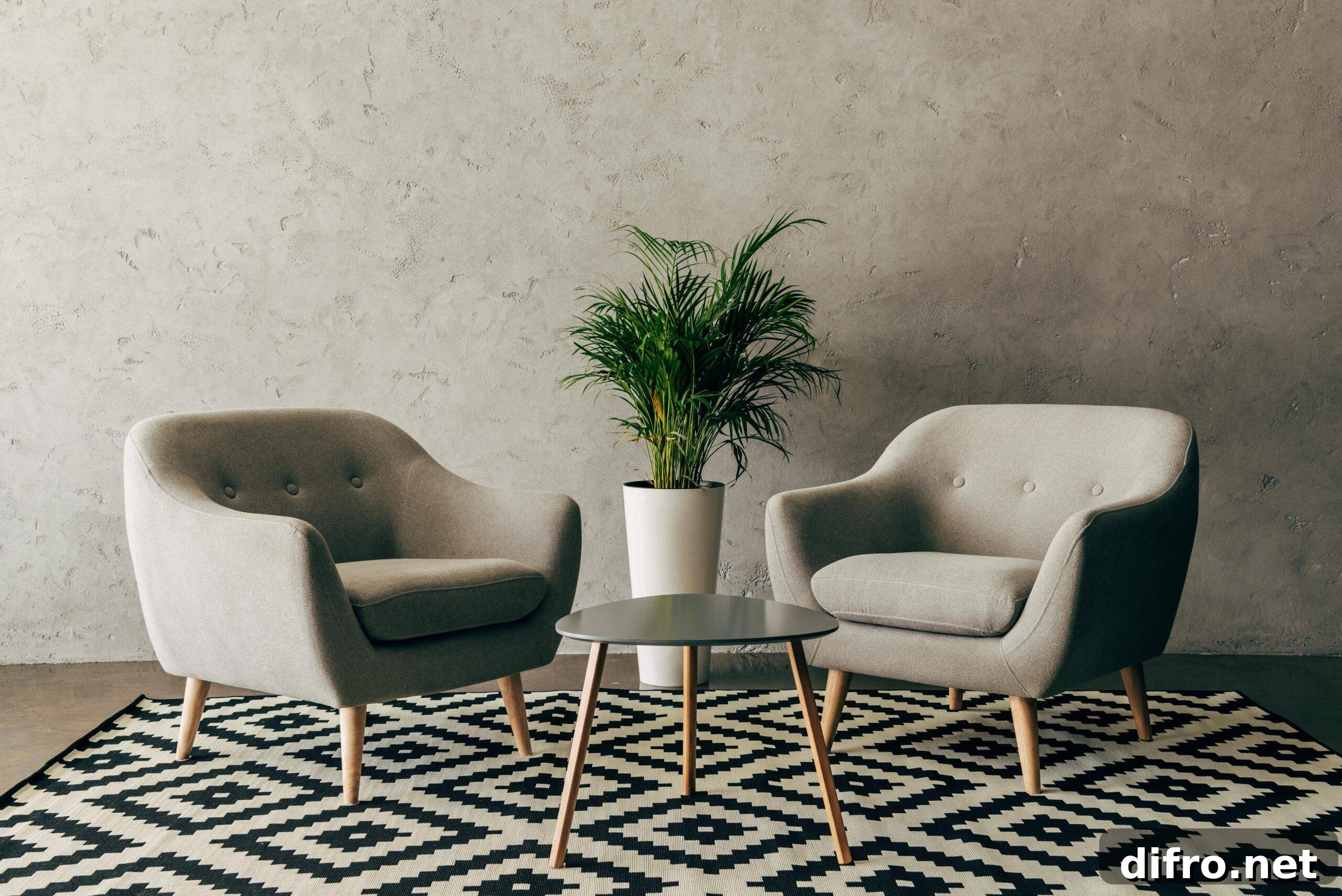
Matching furniture sets may feel safe, but a room made entirely of identical pieces can lack character. Mixing materials, finishes, and styles—wood with metal, modern with vintage, matte with glossy—adds depth and tells a story about how the space is used. Cohesion comes from repeating colors, textures, or shapes, not strict matching. A curated mix of pieces creates a more personal, layered, and interesting environment than a showroom set.
Myth: Rugs Should Always Fit Under All Furniture
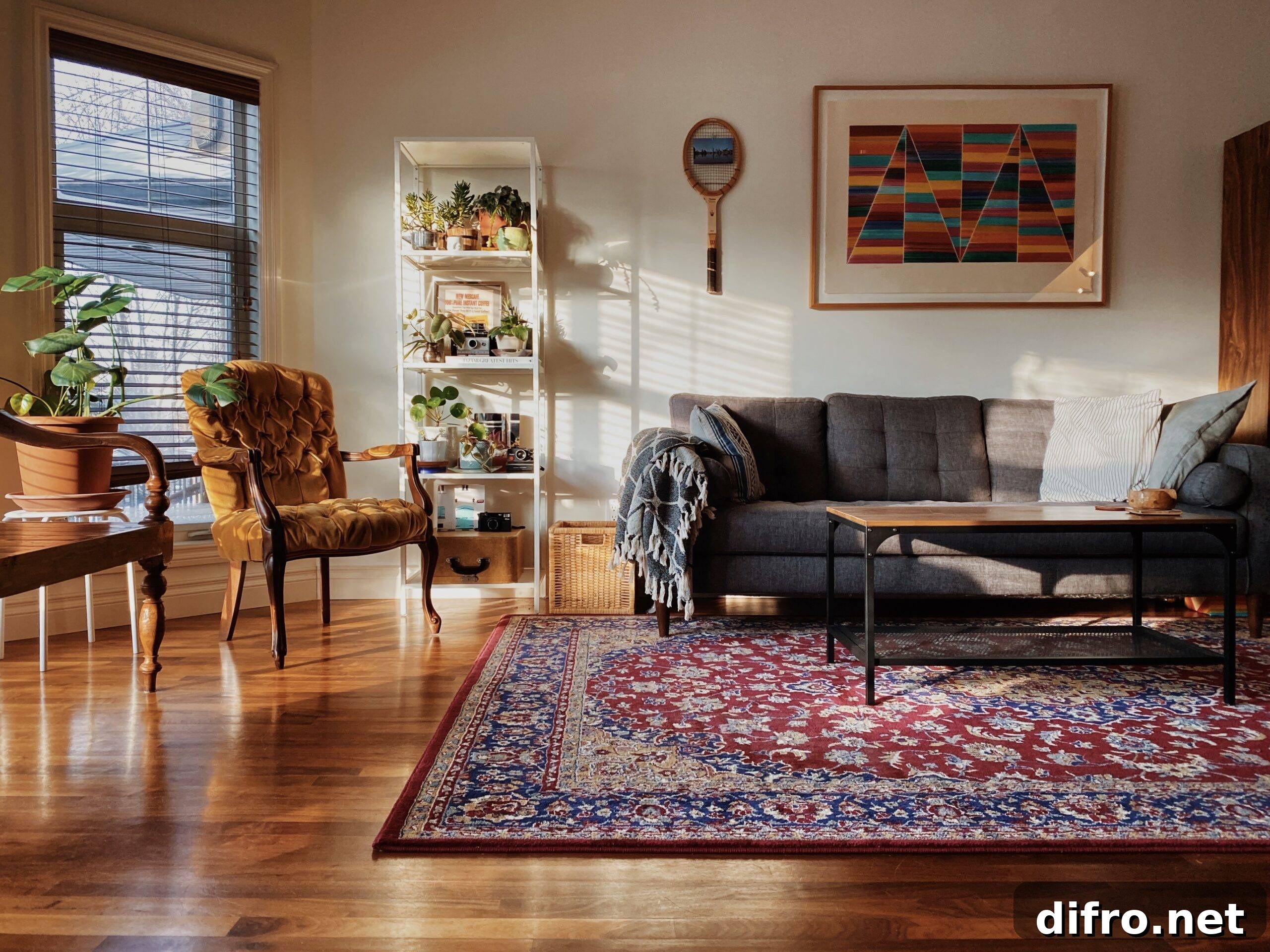
The idea that a rug must contain every piece of furniture is a narrow guideline that doesn’t suit every room. In many living rooms, placing just the front legs of sofas and chairs on the rug creates a cohesive seating zone without forcing an oversized rug into the space. In bedrooms, positioning a rug so it extends beyond the bed and under the lower two-thirds is often enough. A rug should define and unify a layout, not swallow a room or make furniture placement awkward. Use rugs to anchor areas, establish scale, and add texture rather than as strict frames for every item.
Design “rules” can be useful starting points, but they shouldn’t override what makes your home comfortable and reflective of your life. Prioritize function, scale, and how a space feels to you. If dark paint, a large couch, a mixed set of furniture, or a small rug makes your home feel welcoming and well‑balanced, that’s a successful choice. Trust your instincts, experiment, and adapt guidelines to the realities of your rooms—your best results will come from confident, personal decisions rather than rigid rules.