Many DIY projects can elevate the look of your garden while improving functionality. Homemade hot tubs, in particular, merge style and ergonomics: they create a relaxing focal point, save money, and let you customize materials and heating methods to suit your lifestyle. From rustic wooden tubs to solar-heated concrete installations, these budget-friendly DIY hot tub ideas offer comfort, charm, and plenty of inspiration for bringing a private spa to your backyard.
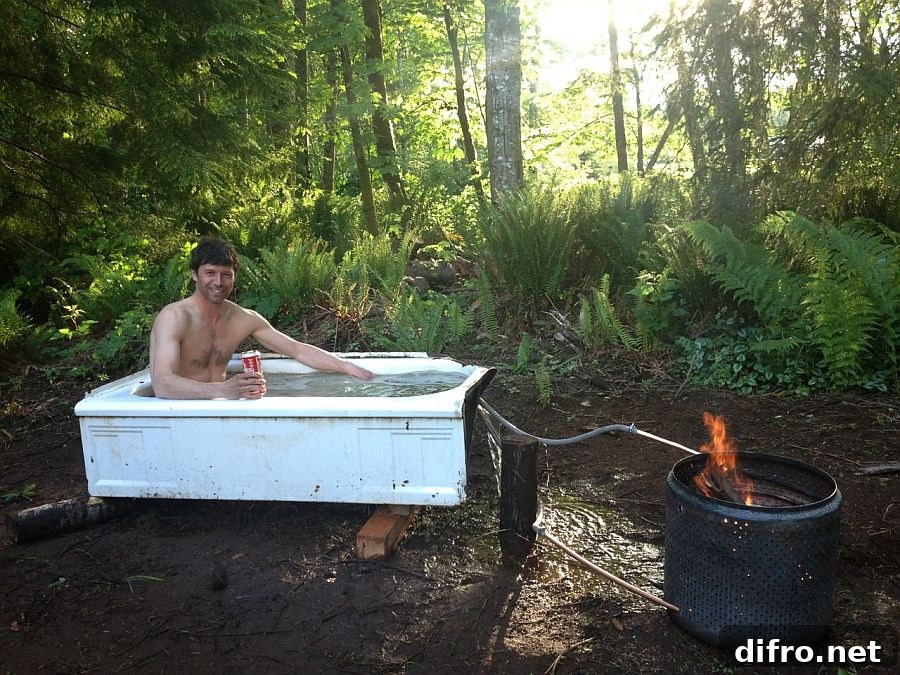
DIY hot tubs come in a wide variety of shapes and finishes, and wood remains the most popular choice for its warmth and traditional appeal. Some designs favor a modern, streamlined look; others embrace a more natural, rustic feel. Whether you want an intimate single-person soak, a larger group-friendly tub, or an eye-catching centerpiece for your yard, a homemade hot tub can be built to match your aesthetic and budget. Below are practical approaches and inspiring concepts to help you plan your own budget-friendly DIY hot tub.
DIY Hot Tubs on the Cheap
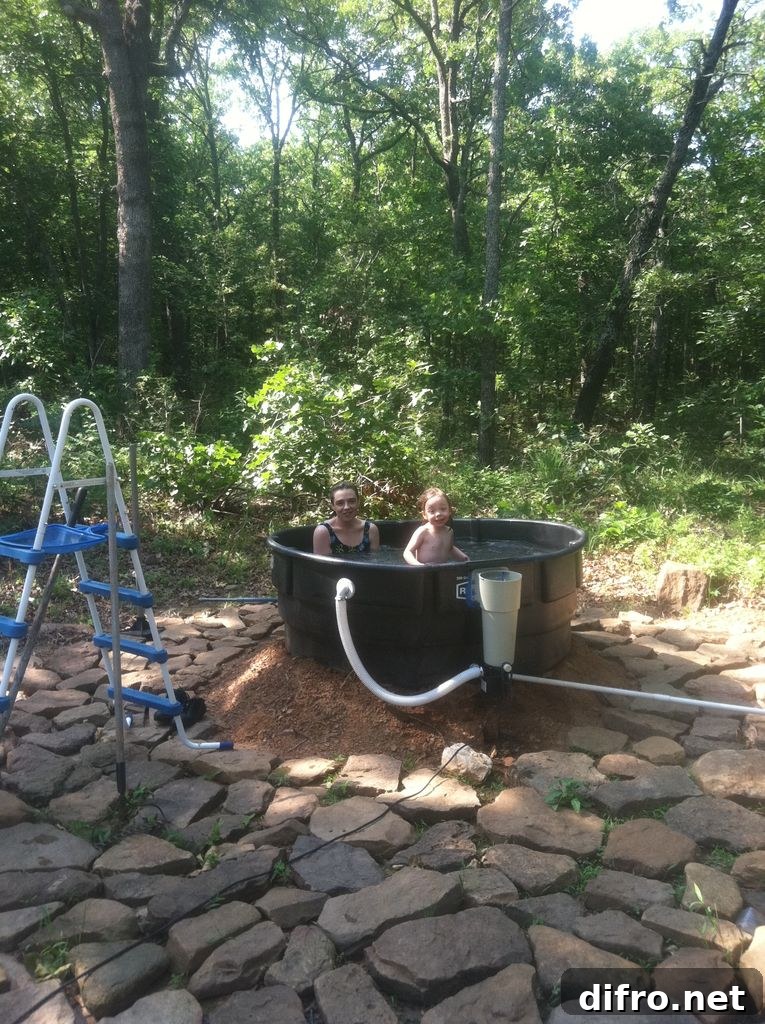
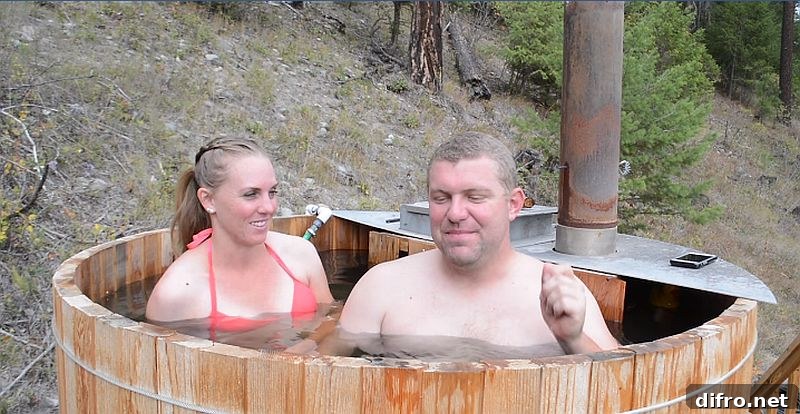
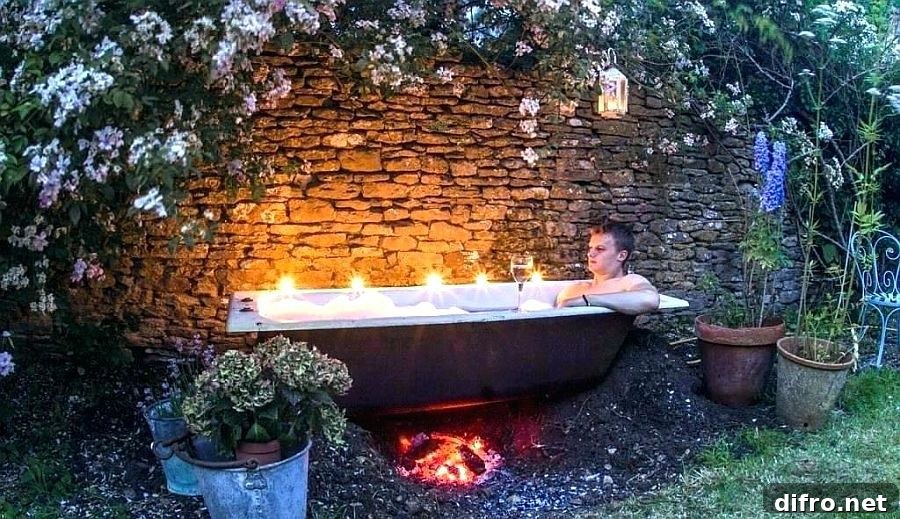
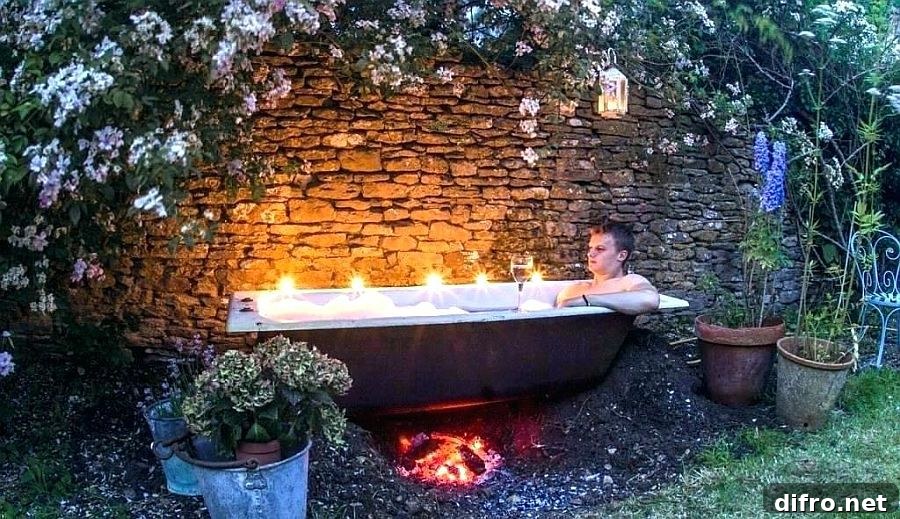
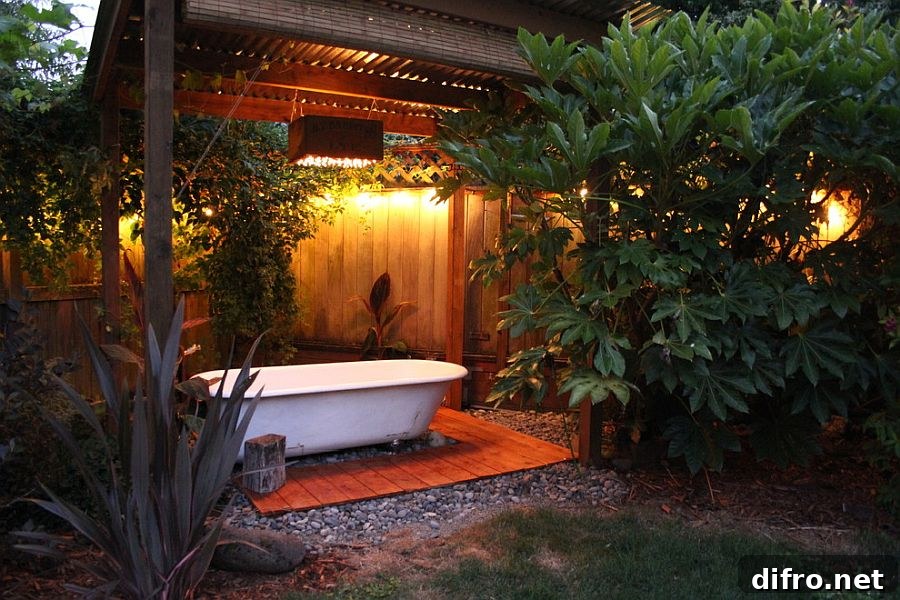
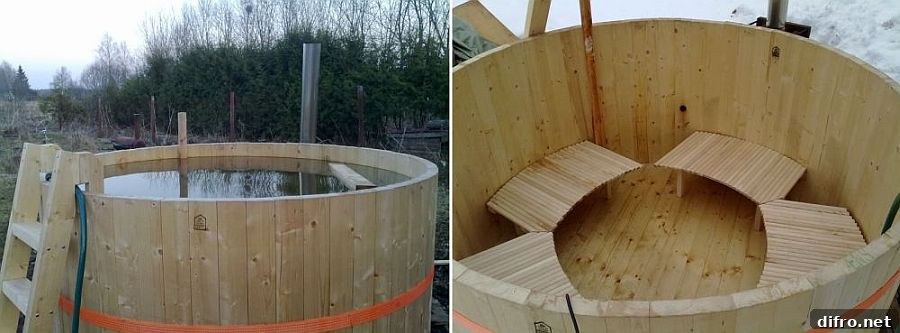
For a low-cost, straightforward build, wood pallets or reclaimed lumber are an accessible starting point. A small wooden tub can comfortably serve one person and be heated using a separate wood stove or an off-grid wood-fired heater, kept at a safe distance from the water. Metal stock tanks or galvanized tubs make excellent bases when combined with proper insulation and sealing; these stock-tank hot tubs are a popular, affordable option. Vintage bathtubs can also be repurposed into charming backyard hot tubs with the right reinforcement and waterproofing.
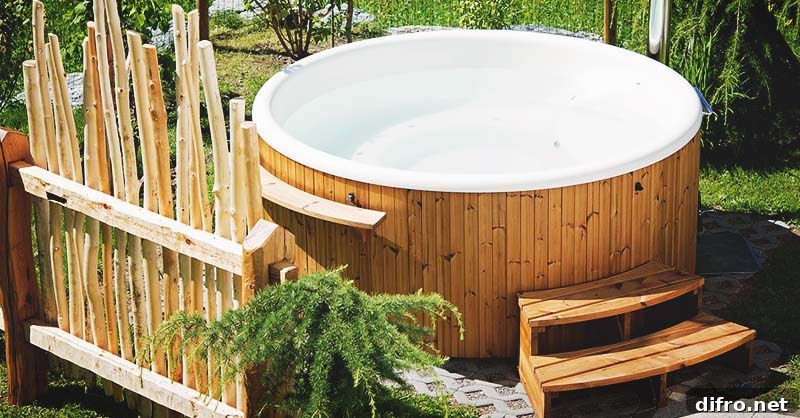
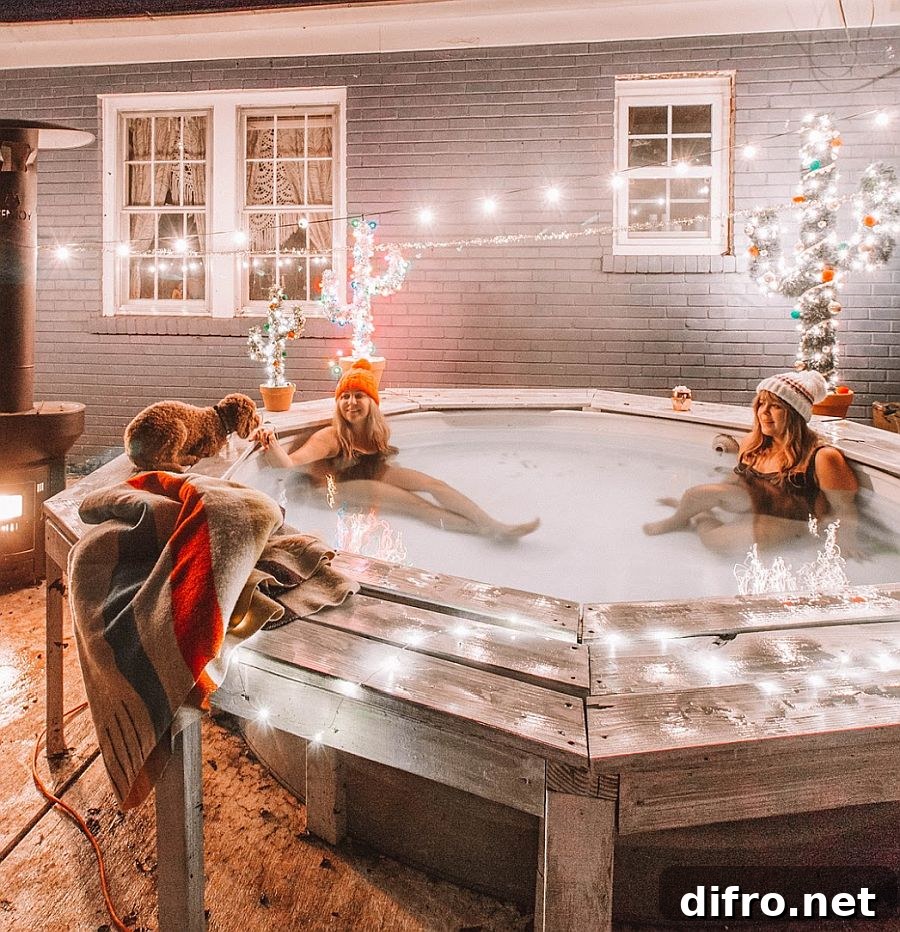
Adding jets, LED lighting, or a small wood-burning stove can raise comfort while keeping costs reasonable. Always prioritize proper insulation, waterproofing, and safe separation of the heat source from the tub to prevent accidents. For a compact, no-frills soak, a single-person wooden tub or stock-tank tub can deliver maximum enjoyment with minimal expense.
Green and Planet-Friendly DIY Hot Tubs
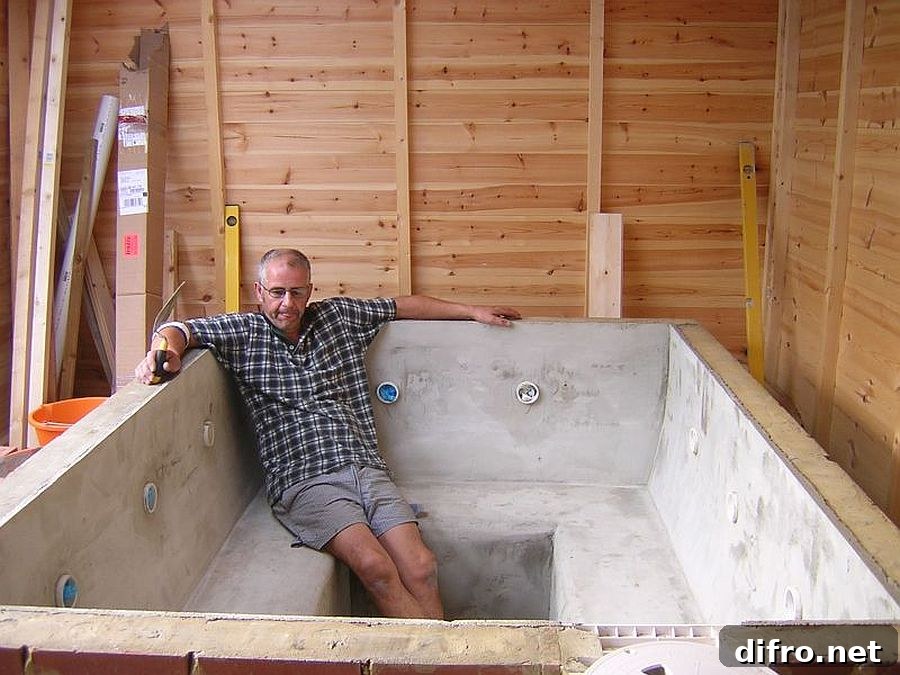
If sustainability is a priority, consider alternative materials and green heating systems. Concrete lets you create durable, custom shapes and larger tubs, though it requires more labor and curing time. For eco-conscious homeowners, solar panels or solar-thermal collectors can provide much of the hot water needed for occasional use, reducing ongoing energy costs. Wood-fired heaters are another low-tech option that pairs well with reclaimed materials for an off-grid, low-impact hot tub.
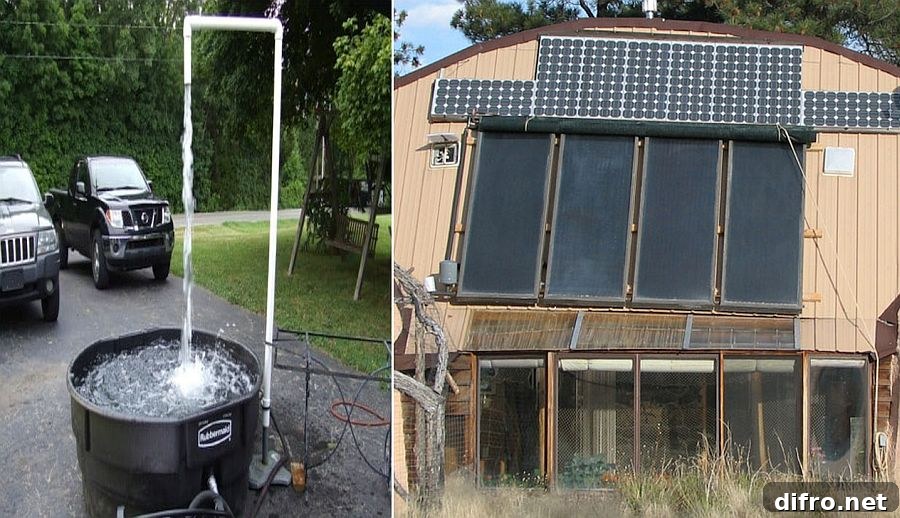
When choosing a green heating solution, evaluate local climate, sun exposure, and how often you plan to use the tub. Solar setups are most effective with frequent use and good sunlight, while wood-fired heating can be ideal for rural properties or occasional, off-grid use. Proper insulation and covers are essential to minimize heat loss and make any system more efficient.
Awesome Concepts to Inspire You
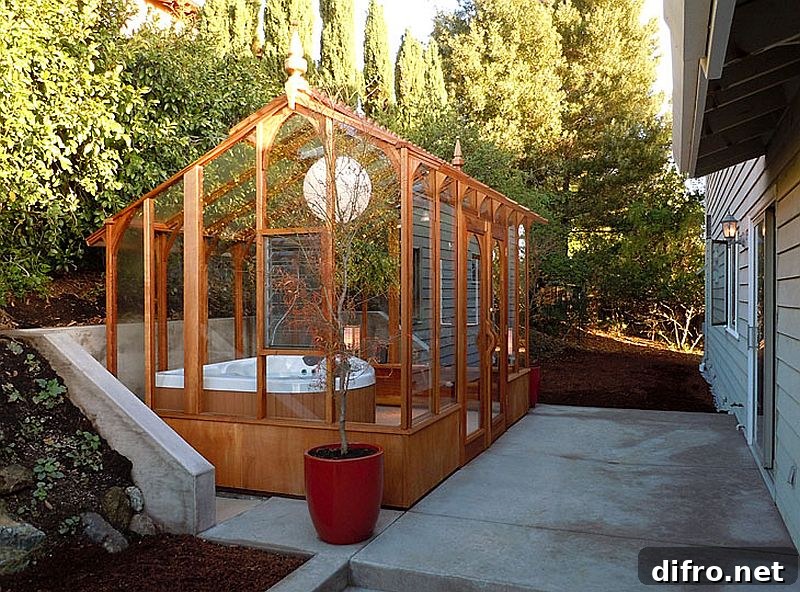
If you want something more dramatic, consider building an inground hot tub to blend the installation with the landscape. An inground tub creates an integrated, natural look and can be lined with tile, stone, or wood. Other creative ideas include sunroom or solarium installations—these allow year-round use and give a sauna-like atmosphere—and multi-level decks with built-in steps and seating for a polished, professional finish.
Tackling a DIY hot tub project can be highly rewarding, but it’s important to plan carefully, follow local codes for plumbing and heating, and use appropriate materials for waterproofing and insulation. Designs range from single-person tubs that require only a weekend to larger, more complex builds that take several weekends and more advanced skills. Whichever route you choose, a well-executed DIY hot tub can deliver relaxation, style, and years of enjoyment.