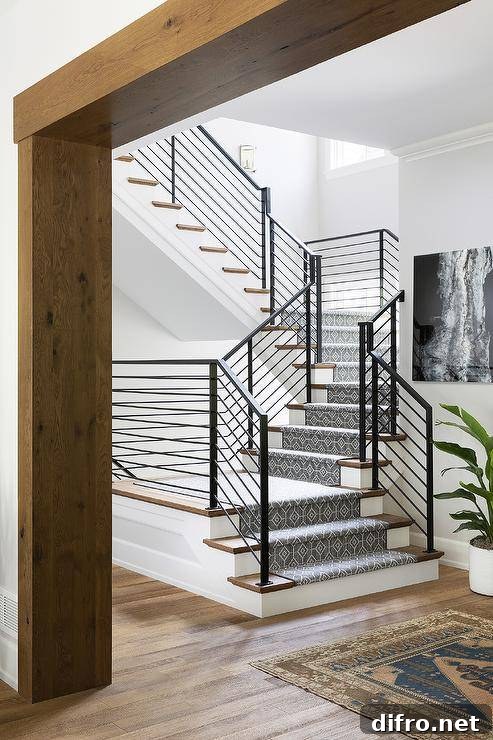
Stair railings are both practical and decorative features that shape the look and safety of your home. They guide movement up and down steps, prevent falls, and help define architectural character. With many materials, styles, and finishes available—metal, wood, glass, cable, and creative custom options—choosing the right stair railing can transform an ordinary staircase into a focal point. This guide outlines inspiring railing ideas, practical tips, and current design trends to help you select a staircase railing that balances form, function, and budget.
Metal Railings
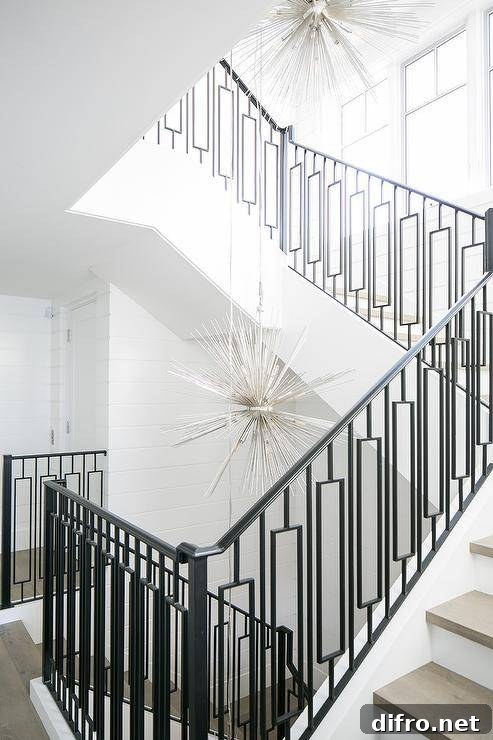
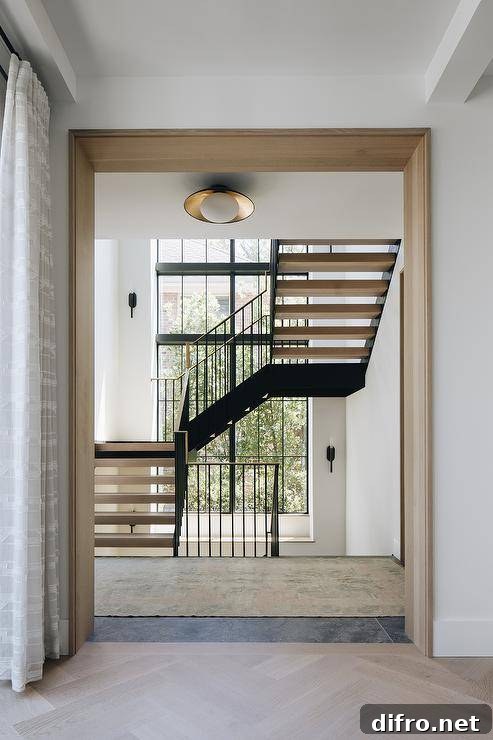
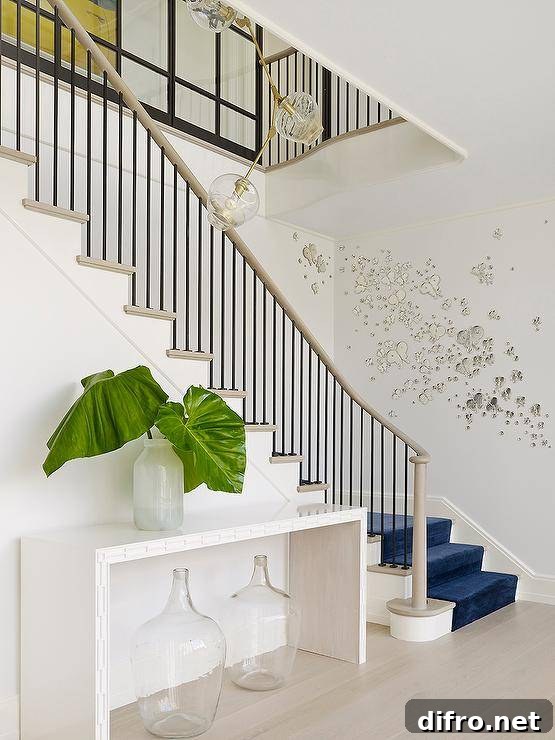
Metal railings remain a favorite for modern and traditional interiors alike. Stainless steel, blackened iron, and powder-coated metals can create sleek, minimalist lines or ornate, decorative patterns. For a contemporary aesthetic, choose simple horizontal or vertical metal balusters and slim handrails. For classic or formal interiors, wrought iron with scrollwork and decorative details adds elegance and visual interest. Metal is durable and pairs well with wood treads, stone floors, or glass panels for mixed-material designs.
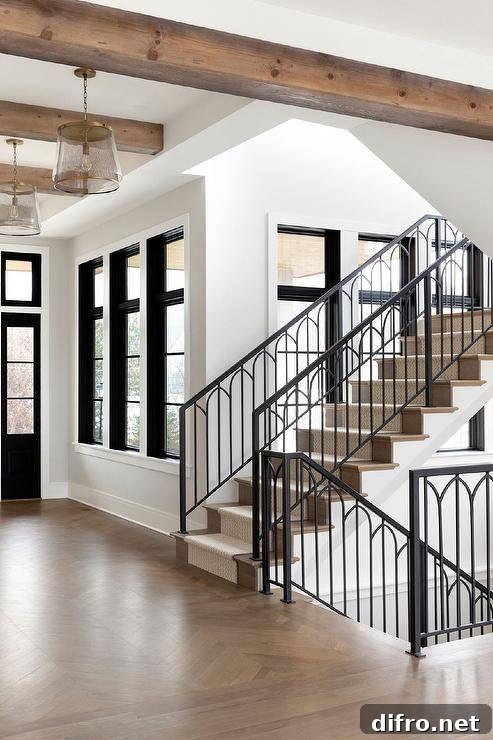
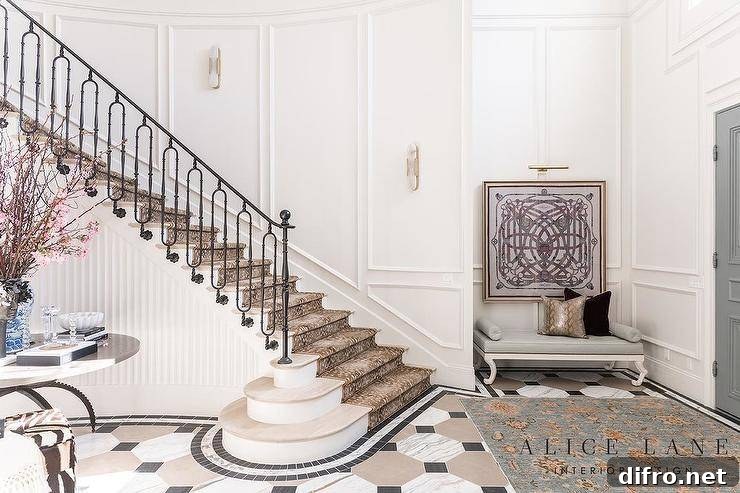
Consider finishes and maintenance when choosing metal: powder-coated or stainless finishes resist corrosion and are low maintenance, while patinated wrought iron creates a more traditional look but may require occasional upkeep.
Wood Railings
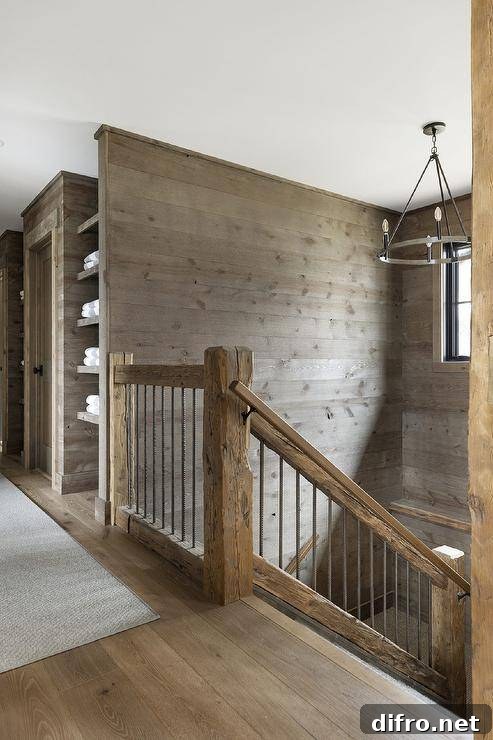
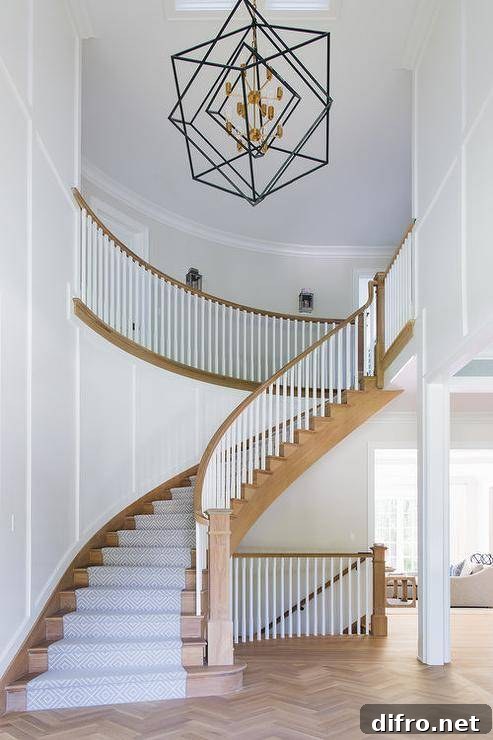
Wood railings offer warmth and versatility. They work seamlessly with a wide range of interior styles—from rustic farmhouse to refined traditional and contemporary minimalist designs. Light, natural wood tones brighten a space and emphasize grain; darker stains add richness and contrast. Turned balusters and carved newel posts lean toward traditional looks, while square posts and simple handrails suit modern interiors.
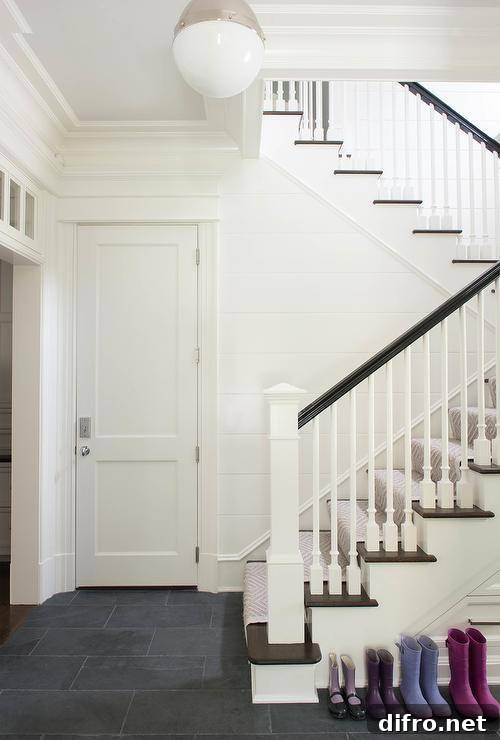
Wood also pairs beautifully with metal accents or glass panels to create hybrid railings—combining the tactile warmth of wood with the strength or transparency of other materials.
Glass Railings
Glass railings create a clean, airy feel and are ideal for open-plan homes. Frameless glass panels offer unobstructed sightlines and visually expand compact spaces, while framed glass—paired with metal or wood—provides additional structure and design contrast. Glass is particularly effective in contemporary homes or where you want the staircase to feel light and modern.
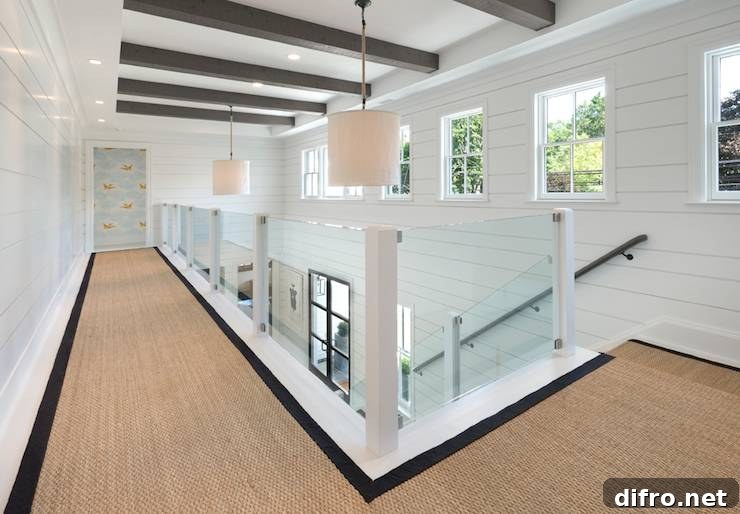
Keep safety and maintenance in mind: tempered glass is required for strength, and regular cleaning preserves the transparent look.
Unique Railings
For a distinctive or playful approach, explore nontraditional materials and custom forms. Cable railings create a nautical, industrial, or modern vibe with slim stainless cables and minimal posts. Rope railings bring a coastal or cottage feel. Natural elements—like handrails fashioned from shaped tree branches or reclaimed wood—add organic warmth and one-of-a-kind character.
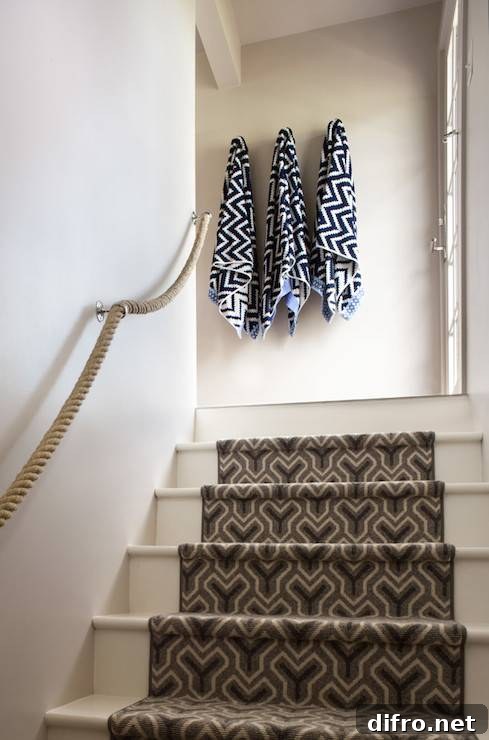
Unique railings work well when you want the staircase to be a statement piece. Just ensure any unconventional design still meets safety codes and is properly secured.
Adding Interest
Small design choices can dramatically change the look of a stair railing. Consider color and finish—black or matte metal creates a modern silhouette, while brass or polished metal adds glamour. Integrated lighting, like LED strips under the handrail or recessed stair lights, improves safety and creates dramatic evening effects. Decorative newel caps, custom balusters, and contrasting materials can also add visual interest without compromising function.
10 Design Tips for Choosing a Stair Railing
- Safety first: Prioritize a railing that meets local building codes and provides stable support.
- Material selection: Choose materials—wood, metal, glass, cable—that match your home’s style and maintenance tolerance.
- Style harmony: Match the railing style with your interior design, whether modern, traditional, or eclectic.
- Color and finish: Select finishes that complement flooring, trim, and hardware.
- Height: Ensure the railing height complies with codes (commonly around 36 inches for residences, but check local rules).
- Spacing: Baluster or spindle spacing should prevent falls—most codes limit gaps to 4 inches or less.
- Lighting: Add integrated lighting for safety and atmosphere—LED solutions are low-profile and energy efficient.
- Durability: Choose finishes and materials that withstand traffic and environmental exposure if outdoors.
- Maintenance: Consider how often you’ll need to clean, refinish, or repair the railing.
- Budget: Balance design ambitions with cost—custom metalwork and glass can be pricier than standard wood or cable systems.
Conclusion
Choosing the right stair railing blends safety, style, and practicality. Whether you favor metal, wood, glass, or experimental materials, thoughtful choices about scale, finish, and lighting will elevate your staircase and complement your home’s interior. Work with experienced fabricators or contractors to ensure your railing meets safety standards and is installed correctly—then enjoy the added beauty and function it brings to your space.
Frequently Asked Questions (FAQs)
What materials are commonly used for stair railing designs?
Common materials include wood, metal (steel, iron, aluminum), glass, and cable. Each offers different aesthetics, maintenance needs, and price points.
How do I choose the right stair railing design for my home?
Consider your home’s architectural style, practical needs, and budget. Gather inspiration, review safety requirements, and consult a professional for installation guidance.
Are there building codes I need to follow when installing stair railings?
Yes. Building codes vary by location and typically cover railing height, baluster spacing, and load-bearing requirements. Always verify local regulations before installation.
Can I install a stair railing myself?
DIY installation is possible for some prefabricated rail kits, but hiring a professional ensures correct attachment, compliance with codes, and long-term durability.
What are current design trends in stair railings?
Trends include minimalist metal profiles, mixed-material railings (wood with metal or glass), cable systems, and integrated lighting for contemporary interiors.
How should I maintain my stair railing?
Clean regularly with appropriate, gentle cleaners for the material. Refinish or touch up wood and metal finishes as needed. Inspect connections periodically for safety.
Is it possible to customize a stair railing design?
Yes. Many fabricators provide custom railings tailored to your dimensions, materials, and style preferences.
How much does stair railing installation cost?
Costs vary widely based on material, complexity, and labor. Get multiple quotes and consider long-term value when comparing options.