Choosing the right gravel for your yard is more than selecting what looks attractive. Different gravel types serve distinct purposes—some improve drainage, others provide a stable base for driveways and pavers, and some are purely decorative. The wrong choice can cause drainage problems, instability, or ongoing maintenance headaches. This guide explains common gravel types, their strengths and limitations, and practical tips so you can pick the best option for paths, patios, driveways, garden beds, and decorative areas.
Pea Gravel
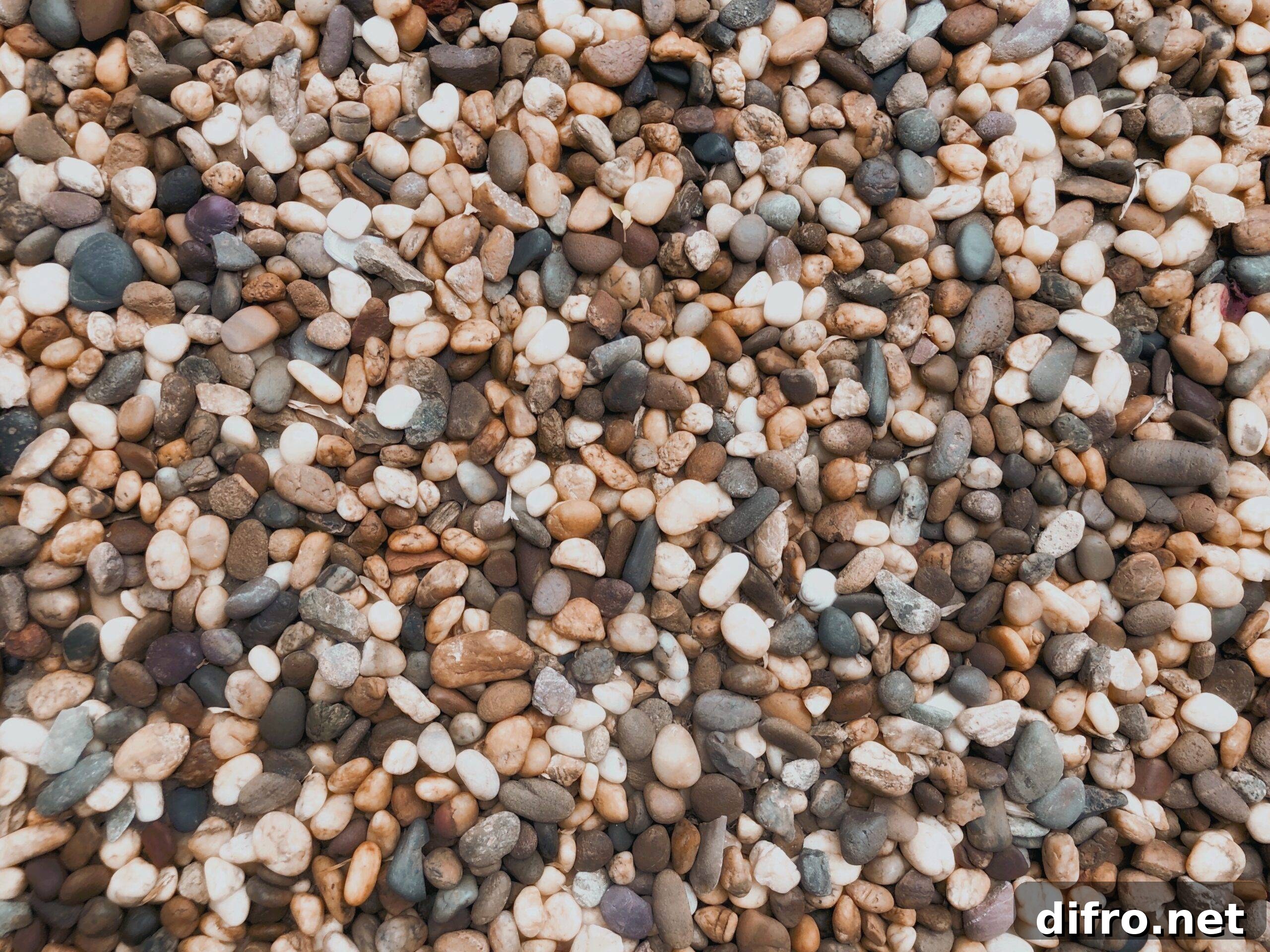
Pea gravel consists of small, rounded stones available in a range of colors and sizes. Its smooth texture makes it comfortable to walk on, so it’s often used for walkways, play areas, and around patios. Pea gravel helps with surface drainage and can reduce weed growth when used with a proper landscape fabric. It is, however, prone to shifting and migrating over time, so it works best when contained by edging or held in place with a border system. For high-traffic driveways or areas that require a compacted surface, pea gravel is not ideal unless layered over a stable base. Maintenance is generally limited to occasional replenishing and raking to keep the surface level and tidy.
Crushed Stone
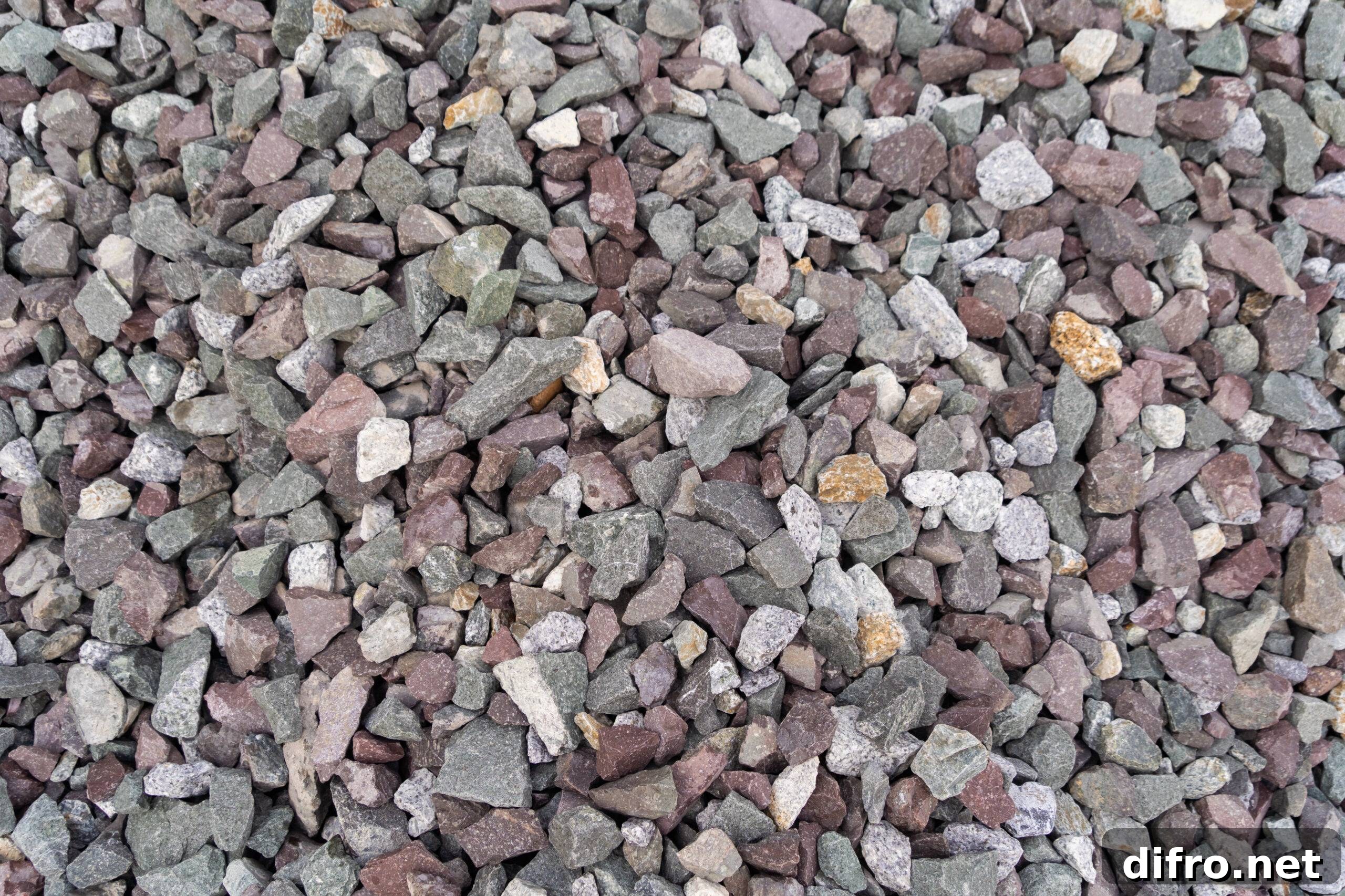
Crushed stone is angular and sharp-edged because it’s mechanically broken from larger rock. Those edges lock together when compacted, making it an excellent choice for driveways, base layers under pavers, and any application needing structural support. It resists shifting and compacts into a firm surface, so it typically requires less frequent replenishing than rounded gravels. The downside is comfort—sharp fragments can be uncomfortable to walk on barefoot and may not be suitable for play areas. When installing crushed stone, a geotextile fabric and a compacted sub-base improve longevity and reduce settling.
River Rock
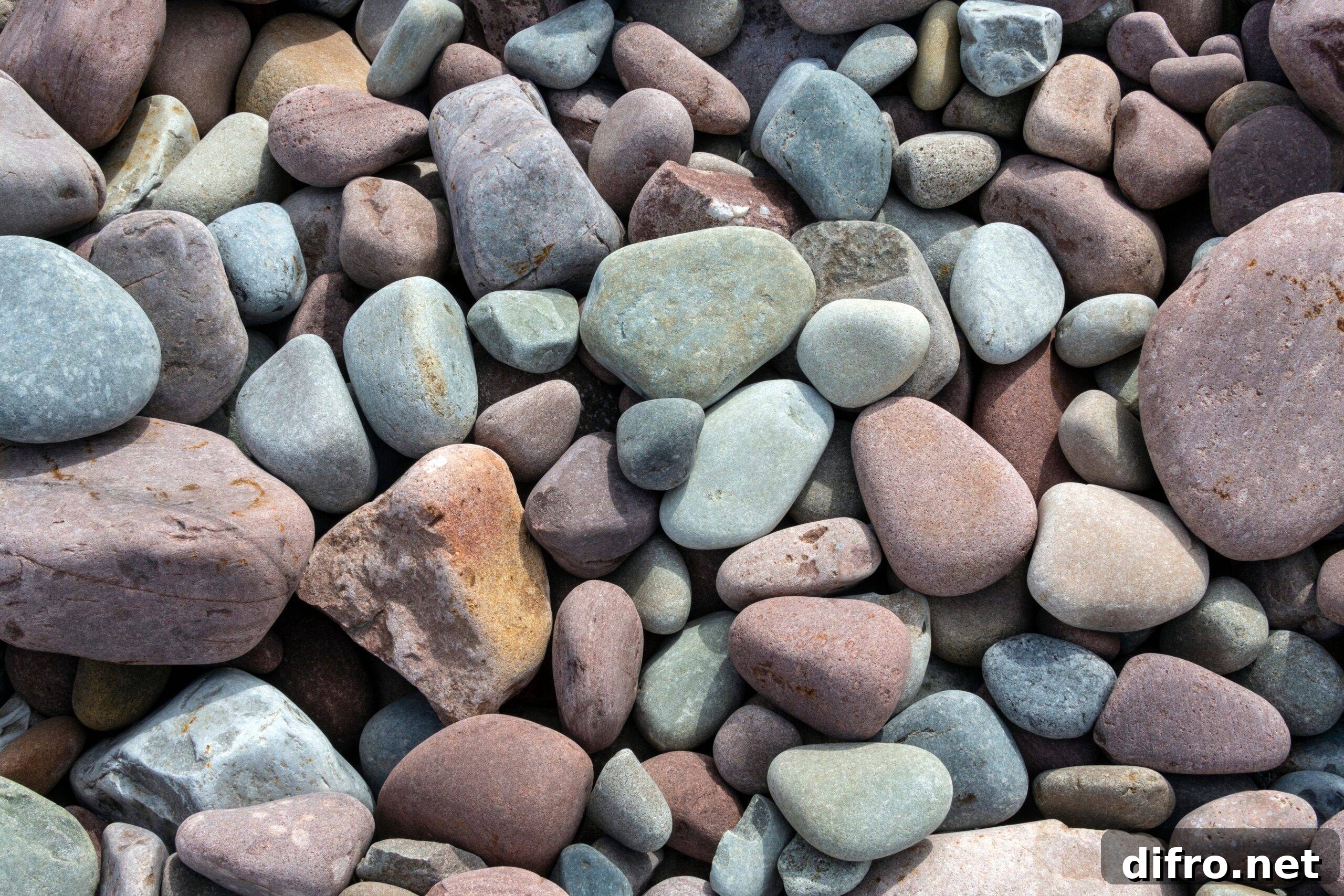
River rock is larger and smoother than pea gravel and provides a polished, natural aesthetic. Because the stones are rounded and typically several centimeters across, river rock is effective for landscape accents, dry creek beds, and erosion control where water runoff needs to be managed. Its large size allows water to move through and around the stones, which helps prevent soil washout. River rock does not compact well, so it’s not suitable where a firm, walkable surface is required. It’s low-maintenance for visual features and drainage areas but can shift if placed on steep slopes without proper anchoring.
Decomposed Granite
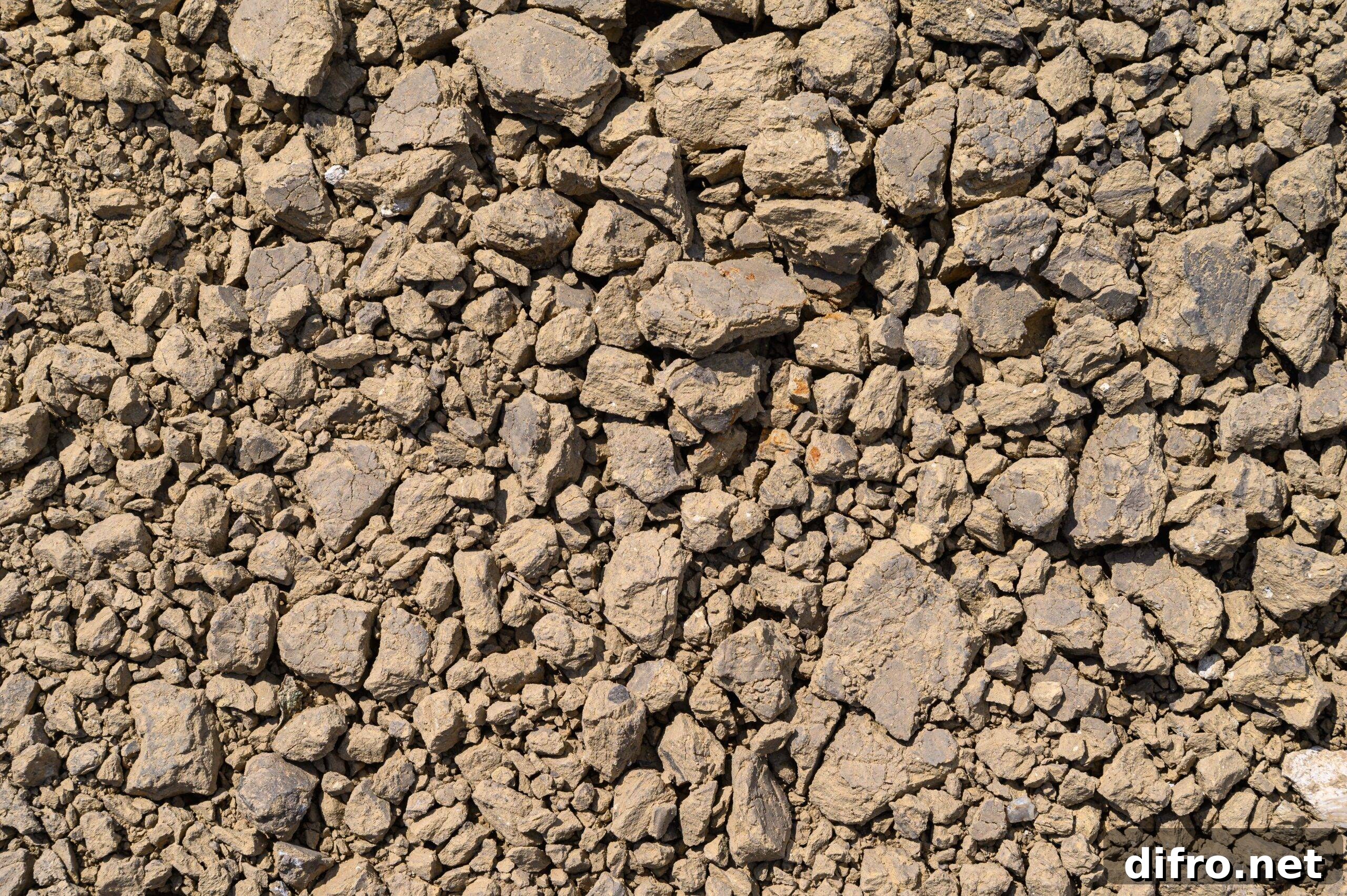
Decomposed granite (DG) is finely crushed rock that compacts into a stable, relatively smooth surface. It’s a popular choice for patios, pathways, and informal driveways because it creates a natural-looking finish while offering good stability when compacted and edged. DG comes in warm, earthy tones that blend well with many landscape styles. Note that in very dry conditions it can produce dust, and in consistently wet climates it may become soft or muddy unless mixed with stabilizers or properly installed over a firm base. Regular sweeping and occasional replenishment keep DG surfaces looking their best.
Marble Chips
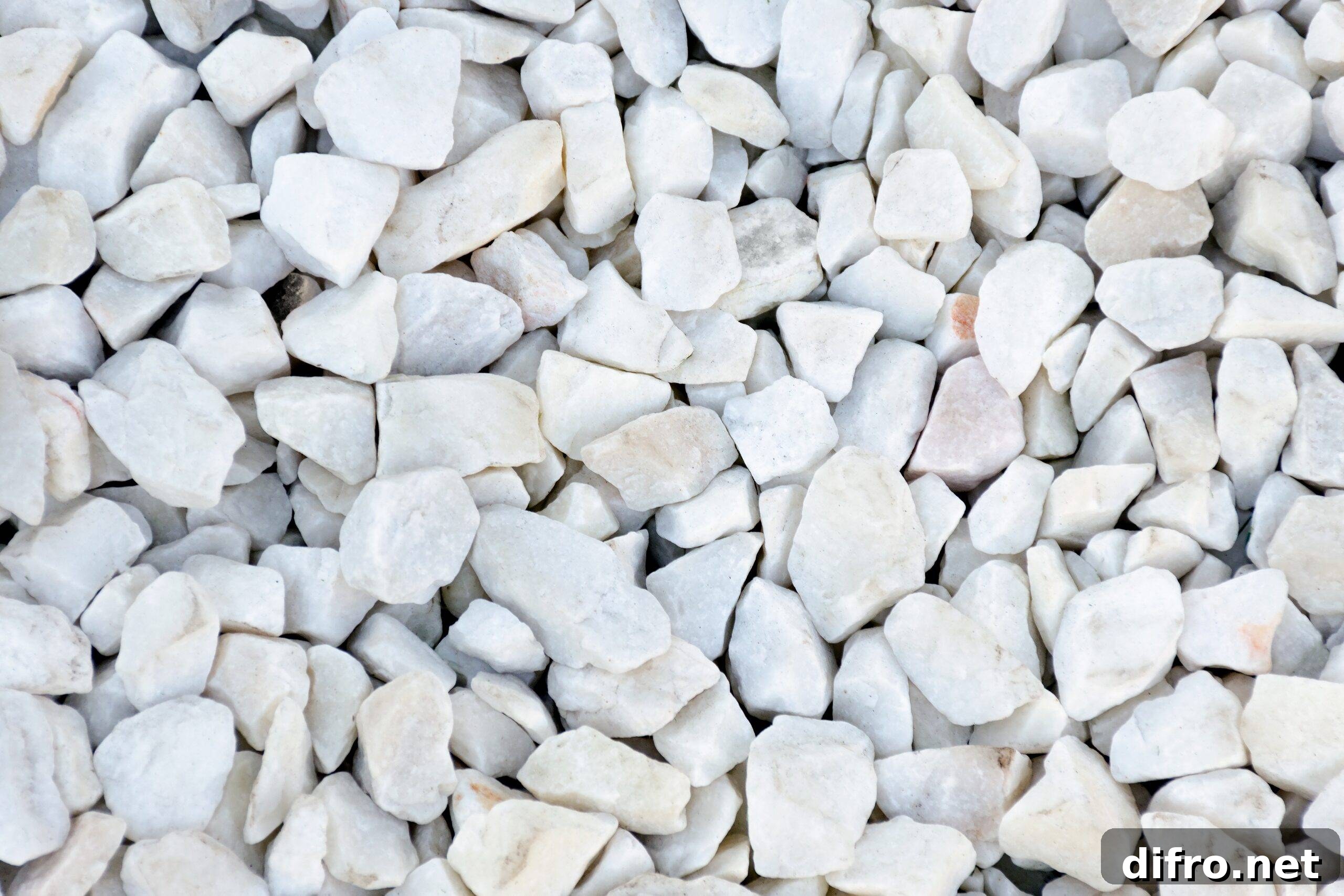
Marble chips are small, crushed pieces of marble that create a bright, elegant look in garden beds and pathways. Their light color reflects sunlight, helping surfaces stay cooler underfoot—an advantage in warmer climates. Marble chips are usually more costly than other gravels, so they are often used sparingly for focal areas or to highlight planting beds and entryways. Over time they can accumulate dirt and weathering, which may dull their appearance; periodic cleaning and topping up will help preserve their bright look. Because marble is harder than many landscape gravels, it tends to last well under light to moderate use.
How you select gravel should depend on function as much as appearance. For durable, load-bearing surfaces choose angular crushed stone or a compacted decomposed granite mix. For decorative areas, pathways, or play zones prioritize comfort and color—pea gravel and marble chips work well for those applications. For drainage, erosion control, and dry creek beds, river rock and larger crushed stone are most effective. Consider edging, base layers, and landscape fabric to control migration and weeds, and plan for occasional maintenance like raking, topping up, and compaction where needed. With a clear use case and proper installation, gravel can be an attractive, long-lasting, and low-maintenance element of your outdoor design.