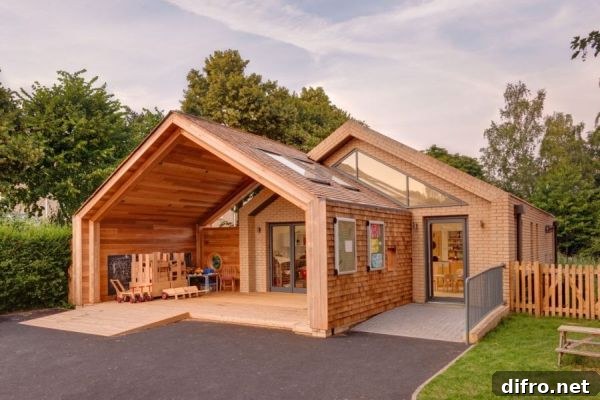
Plain, boxy classrooms are giving way to brighter, more human-centered learning spaces. The renovated St Mary’s Infant School in Oxfordshire illustrates this shift: a warm, playful extension designed by Jessop and Cook Architects that prioritizes natural light, clear circulation and child-friendly scale. The project transforms a traditional school façade into an inviting, contemporary learning environment while respecting the character of the original building.
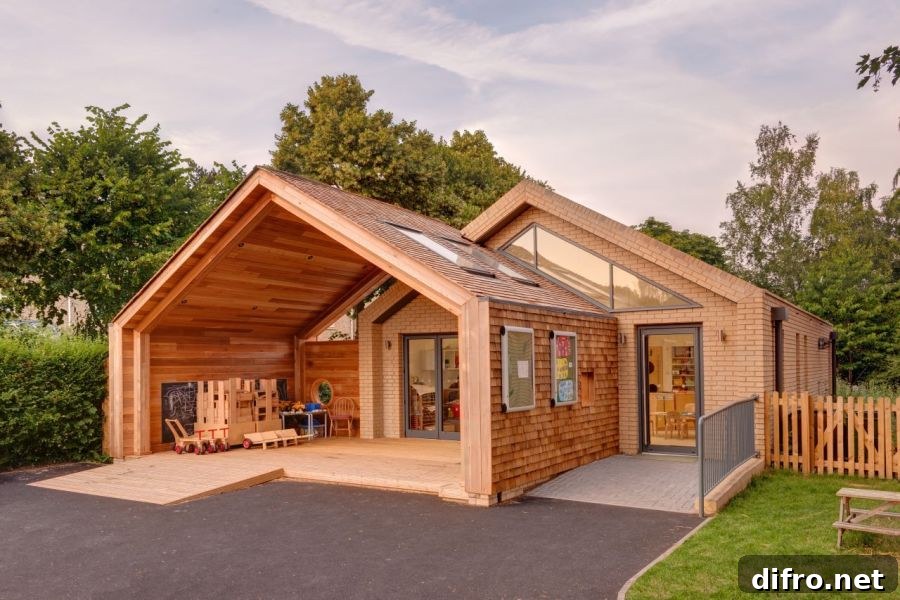
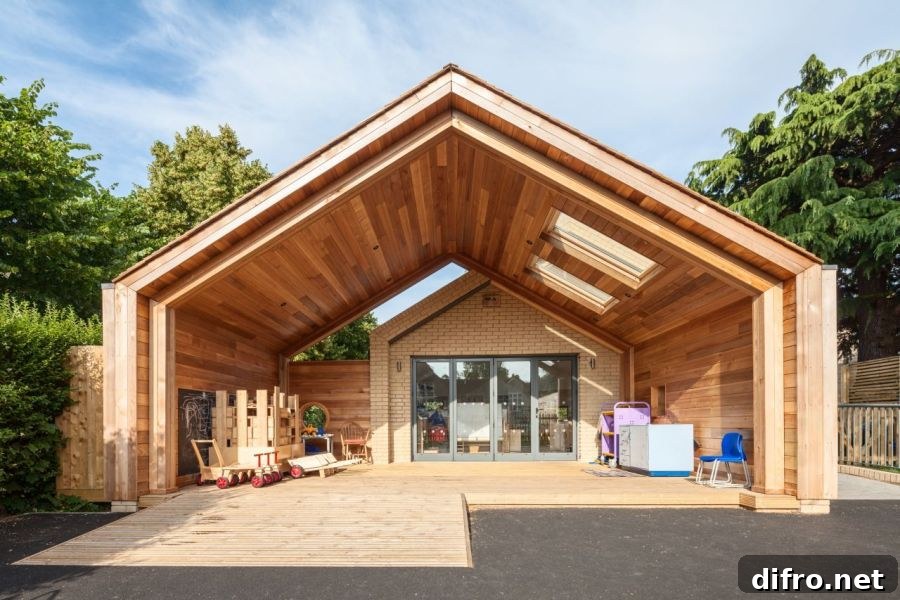
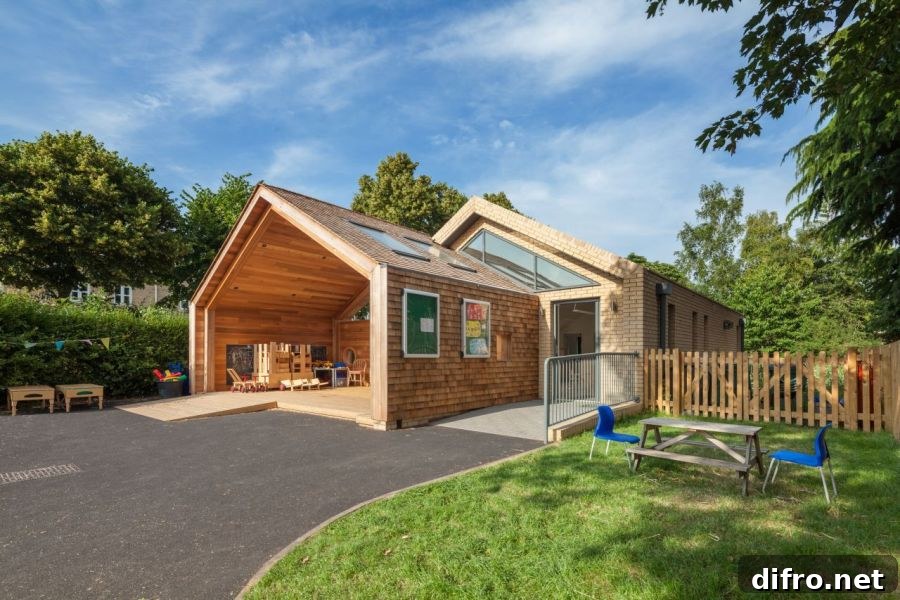
The new extension is composed of three linked volumes with pitched roofs that sit comfortably beside the existing school building. Arranged in a linear sequence, these three sections create a clear hierarchy of spaces: a main classroom in warm buff brick, an additional teaching and resource area, and an open playroom that faces the outdoor space. Sliding glass doors connect the playroom to adjacent areas, allowing the interior to open up for flexible activities while maintaining good supervision and circulation.
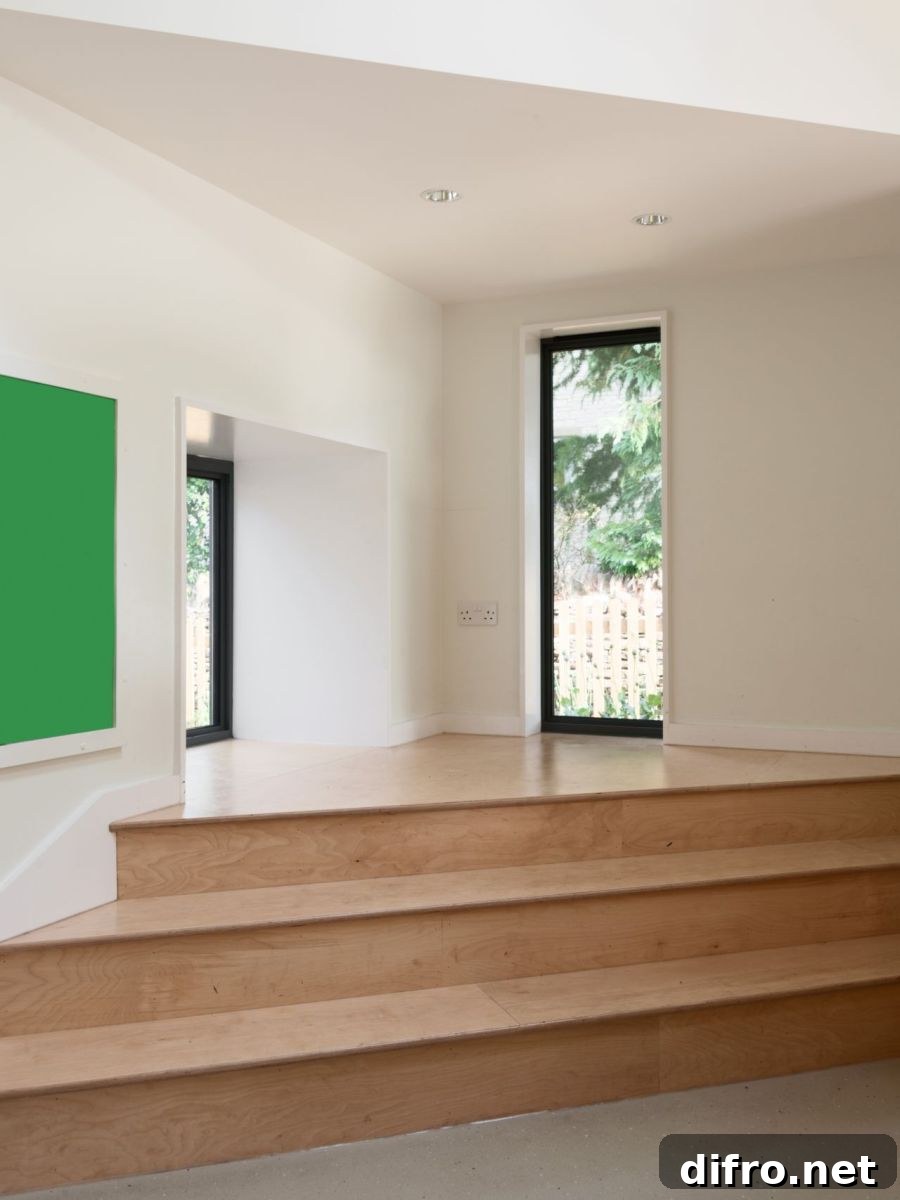
By stepping the rooflines and varying the ceiling heights, the design carves out smaller, human-scaled zones that still feel visually connected. This approach helps define activity areas—reading nooks, group-work tables and play corners—without relying on full-height partitions, so light and sightlines pass through the spaces easily. The result is an interior that balances openness with a sense of intimacy tailored to the needs of young children.
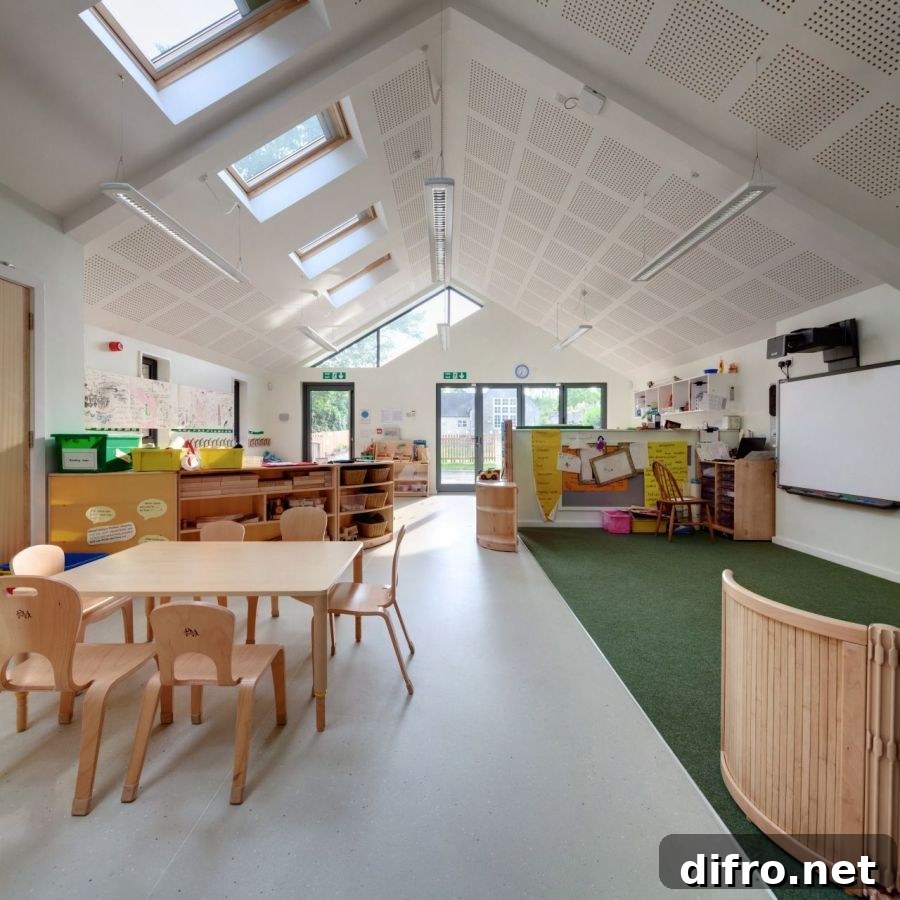
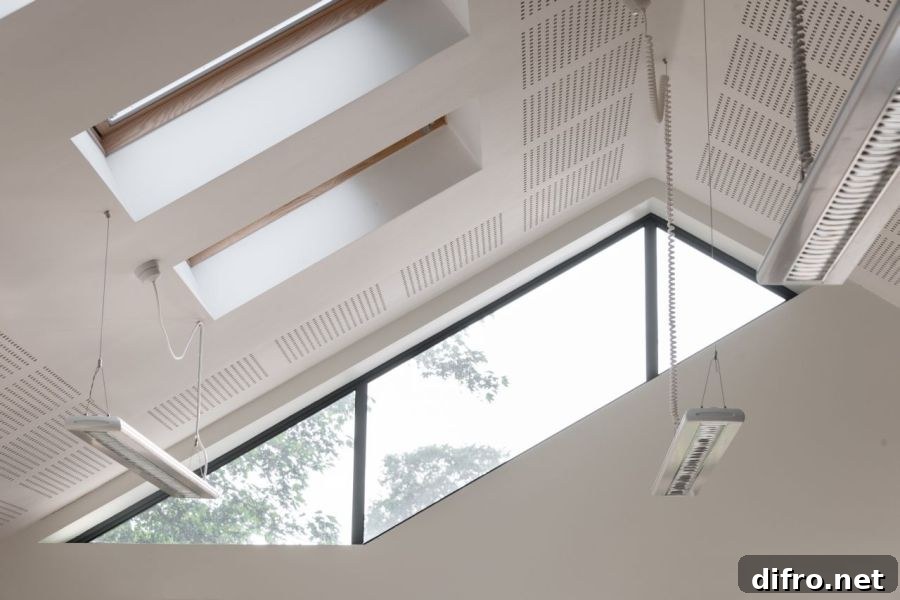
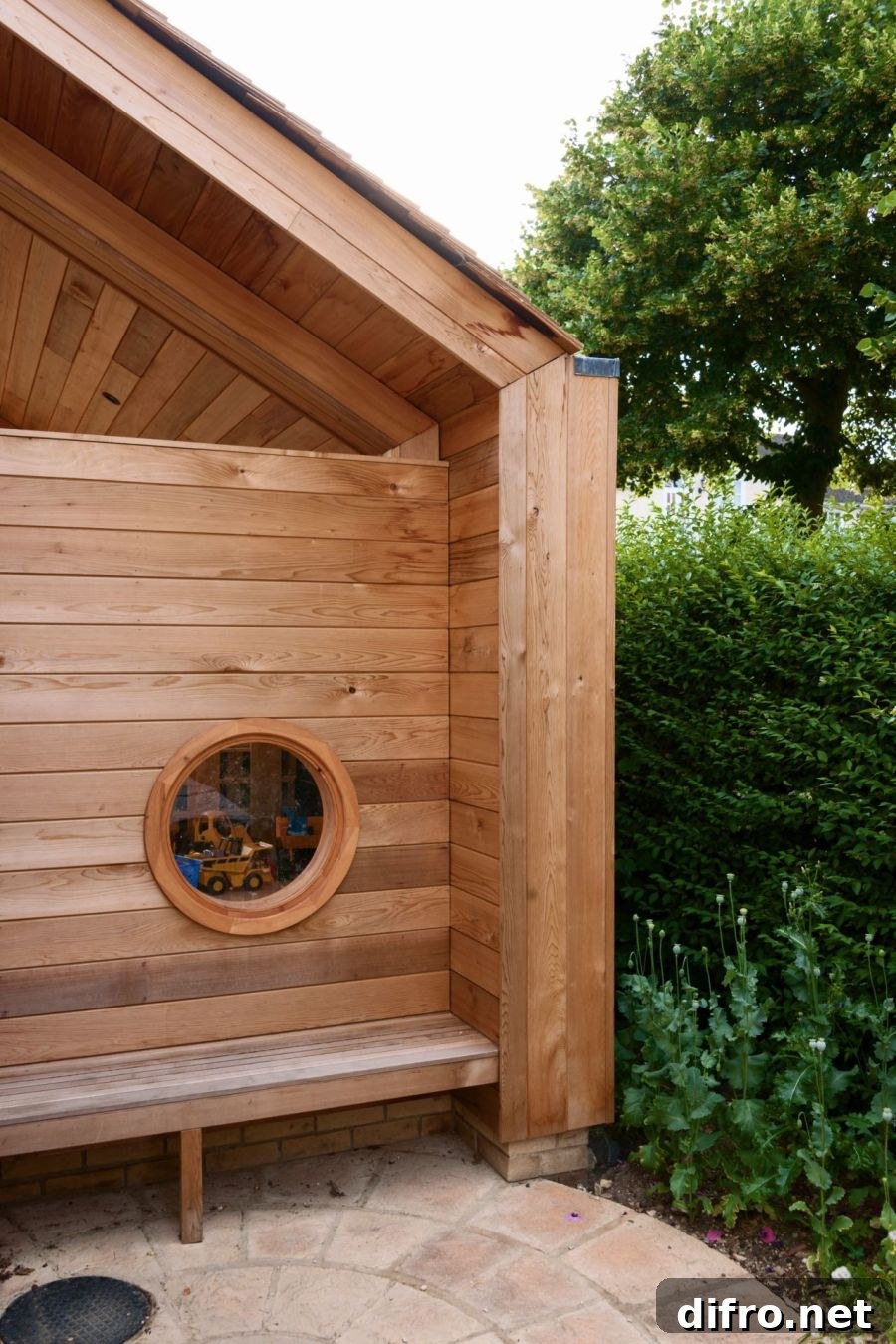
The exterior of the extension is clad in cedar, a material choice that gives the new addition a warm, textured appearance while providing durability and low maintenance. Large skylights and generously glazed windows draw daylight deep into the plan, reducing the need for artificial lighting during daytime hours and creating a bright, cheerful atmosphere. These daylight strategies also support a healthy indoor environment, improving visibility and wellbeing for pupils and staff alike.
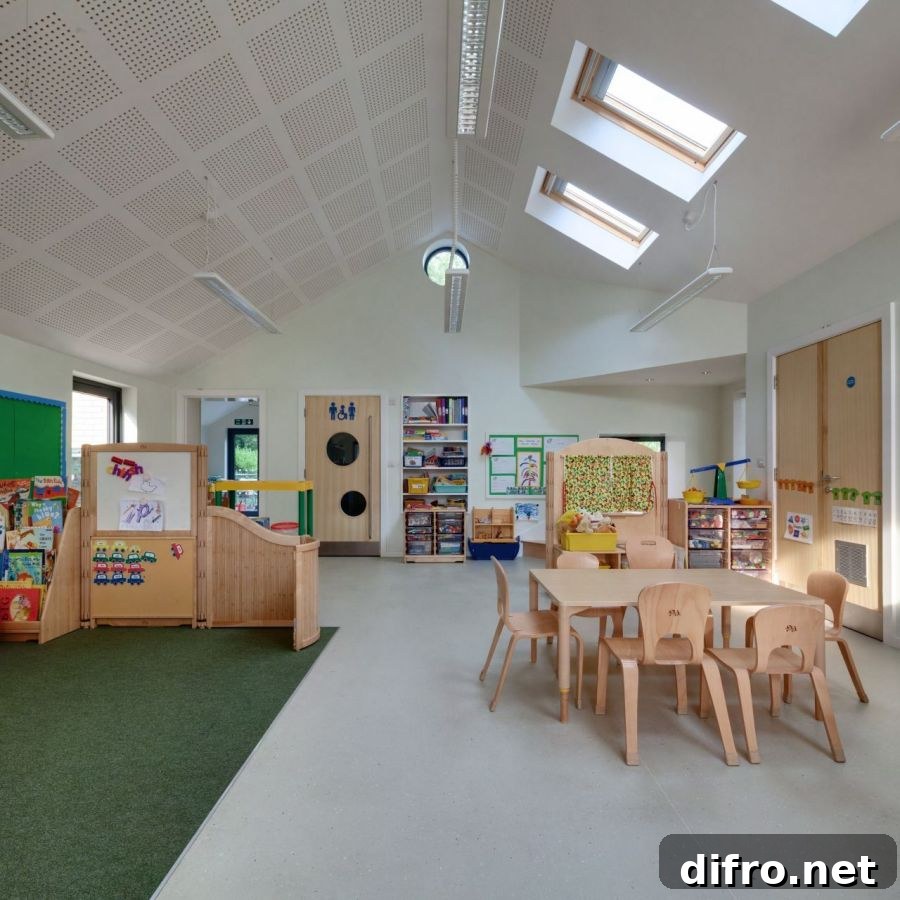
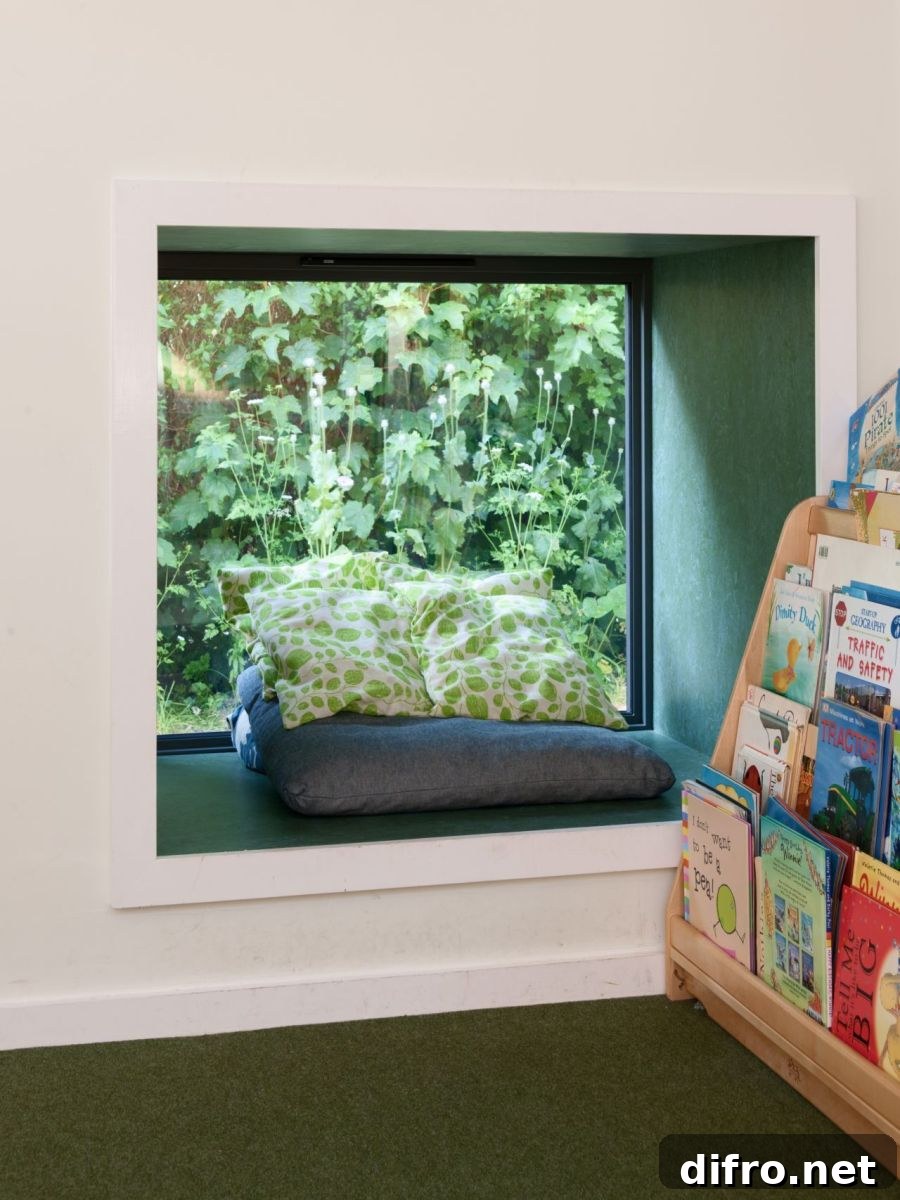
Inside, lively yet restrained colors and child-scale fittings enliven the classrooms without overwhelming the space. Flexible furniture and soft floor areas support a range of teaching styles—from guided lessons to free play and small-group work. Thoughtful detailing, such as window seats and low shelves, creates accessible storage and informal learning spots where children can curl up with a book or enjoy views of the school grounds.
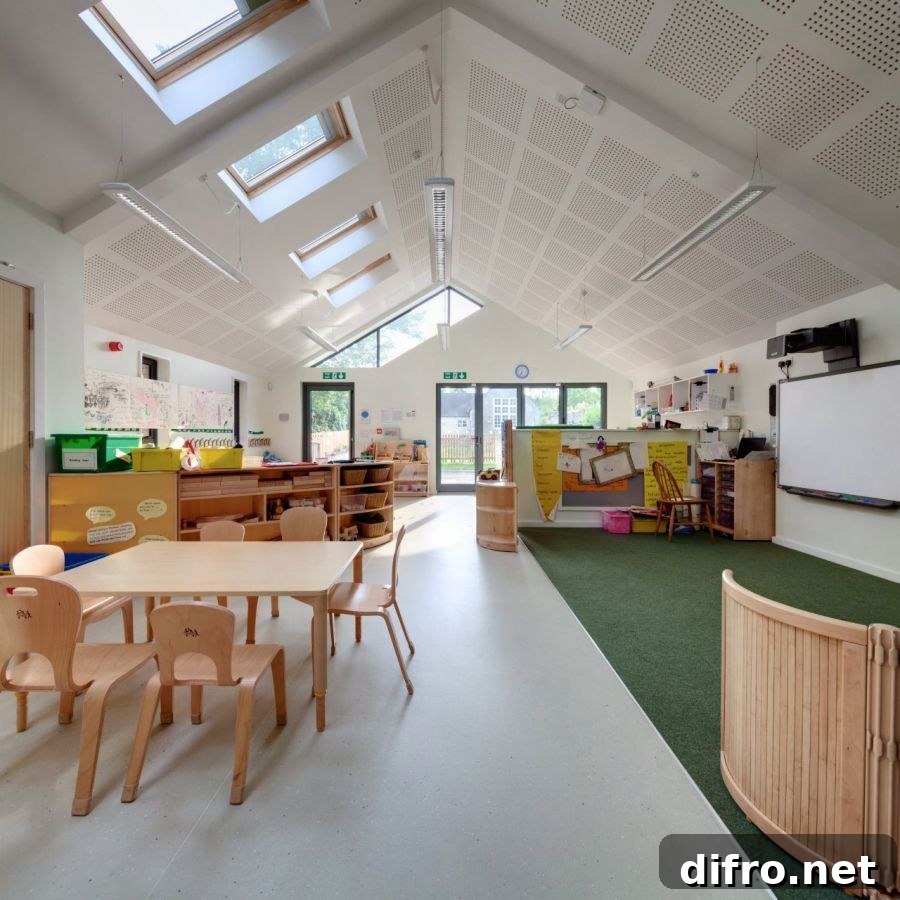
Skylights not only flood spaces with daylight but also support natural ventilation when designed to do so. Combined with operable windows, these openings help maintain comfortable temperatures and fresh air circulation. The configuration of roof pitches and clerestory windows also makes it possible to bring daylight to different levels while keeping glare and solar heat gain under control.
Detailing in timber—stair treads, wall finishes and built-in furniture—adds tactile warmth and a sense of craftsmanship. These wooden elements are adaptable and repairable, which is practical in a school setting where resilience and longevity matter. Small architectural gestures like window nooks provide moments of calm and framed views to the outdoors, helping to connect everyday classroom life with the surrounding landscape.
Overall, the extension at St Mary’s Infant School demonstrates how relatively modest interventions—careful massing, thoughtful material choices and daylight-focused openings—can significantly enhance the quality of a school environment. The project creates flexible, welcoming spaces that support a range of learning activities while celebrating light, timber and simple, child-centered design. For Oxfordshire pupils, the refurbished classrooms and playroom offer a brighter, more engaging setting for early years education.