
Have you ever thought that your home could be full of easy, practical opportunities to save energy and cut your electricity bills? With a few simple habit changes and small upgrades, you can reduce consumption, keep your home comfortable, and protect your budget. Below are straightforward, actionable tips to make your home more energy-efficient without sacrificing style or convenience.
From smarter kitchen routines to better lighting choices and improved appliance habits, these energy-saving ideas are designed for real homes and busy lives. Implementing several of them together produces the biggest savings, so pick the tips that suit your household and start reducing your energy use today.
Use Oven Preheating Time Wisely
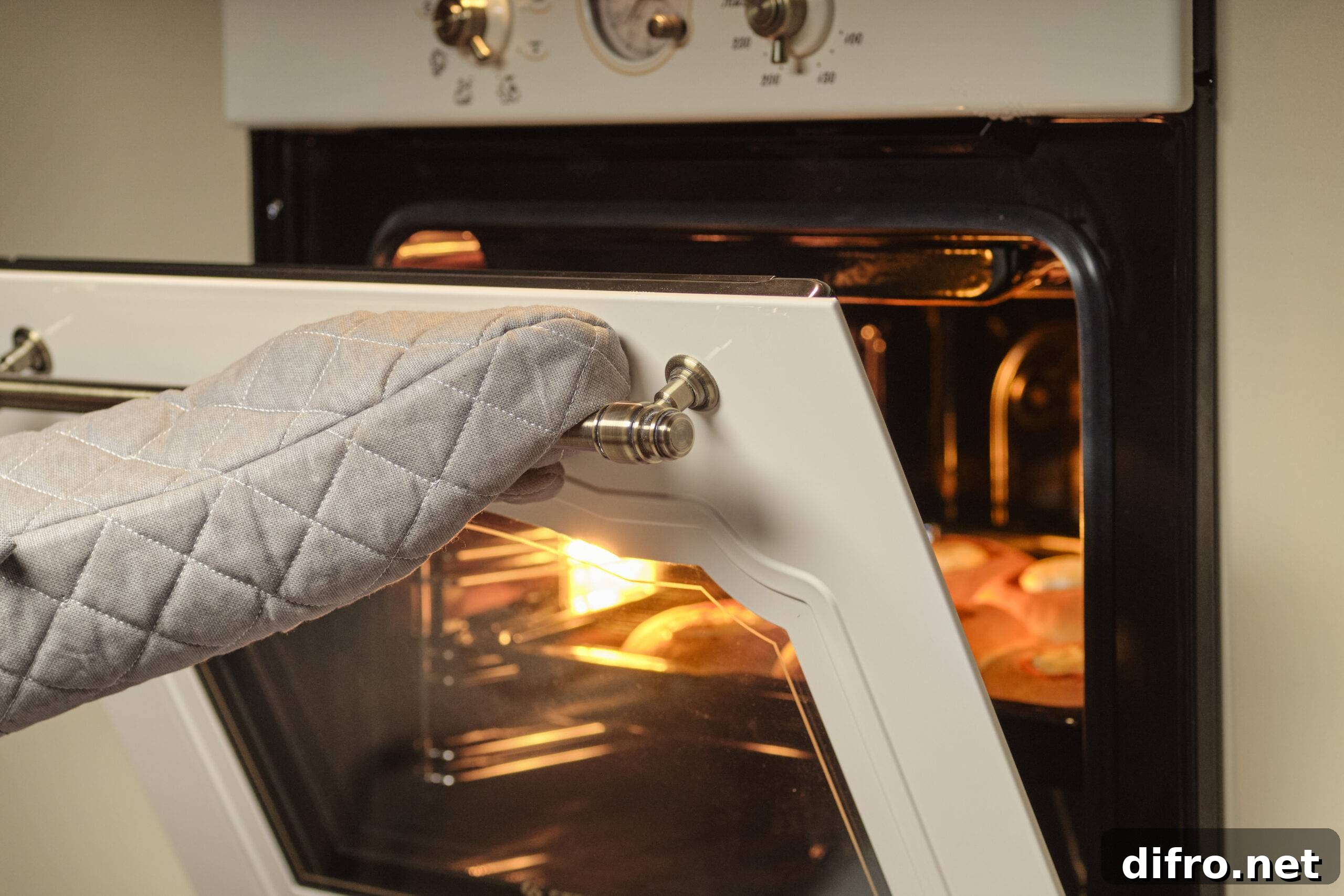
The oven is one of the more energy-intensive appliances in a home. Instead of standing by while it preheats, use that time to begin cooking items that tolerate a gradual rise in temperature—casseroles, baked potatoes, and some breads and desserts work well. Placing dishes in as the oven heats reduces total cooking time and the oven’s overall energy demand.
For smaller meals, consider using a toaster oven, air fryer, or slow cooker. These appliances typically use less energy than a full-size oven and are ideal for single portions or small dishes. Also, try batch cooking: prepare multiple meals at once and refrigerate or freeze portions to reduce future oven use.
Embrace LED Bulbs and Natural Light
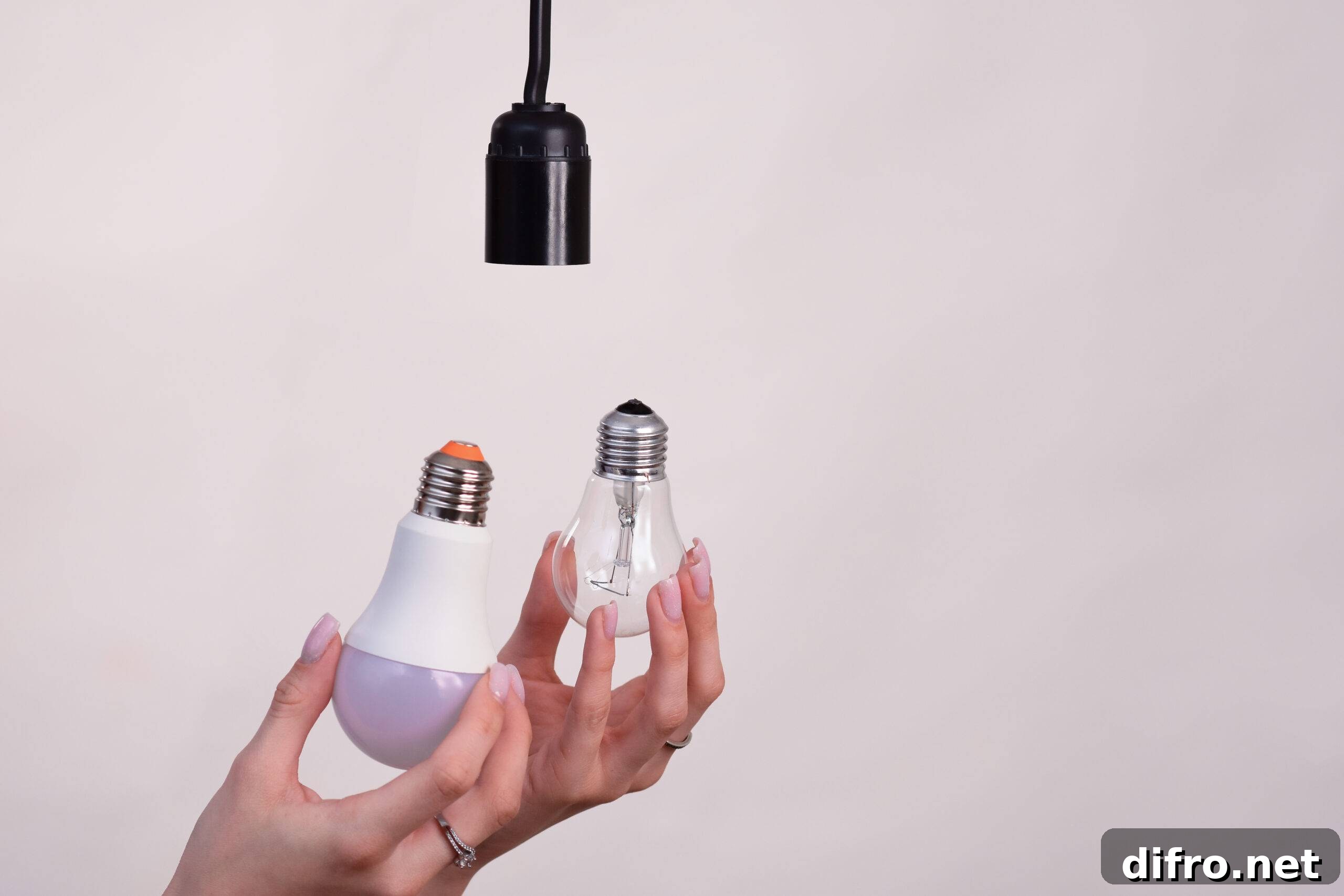
Lighting is an easy win for energy savings. Replace incandescent bulbs with LED bulbs, which use up to 80% less energy and last far longer. Choose warm-tone LEDs for living spaces to keep a cozy atmosphere while saving energy.
Maximize natural daylight by opening curtains and blinds during the day. Natural light reduces the need for artificial lighting and enhances interior comfort. Where lighting is needed only intermittently, install dimmer switches or motion sensors to limit runtime and reduce wattage used. These modest upgrades quickly add up to meaningful savings.
Unplug Chargers and Electronics
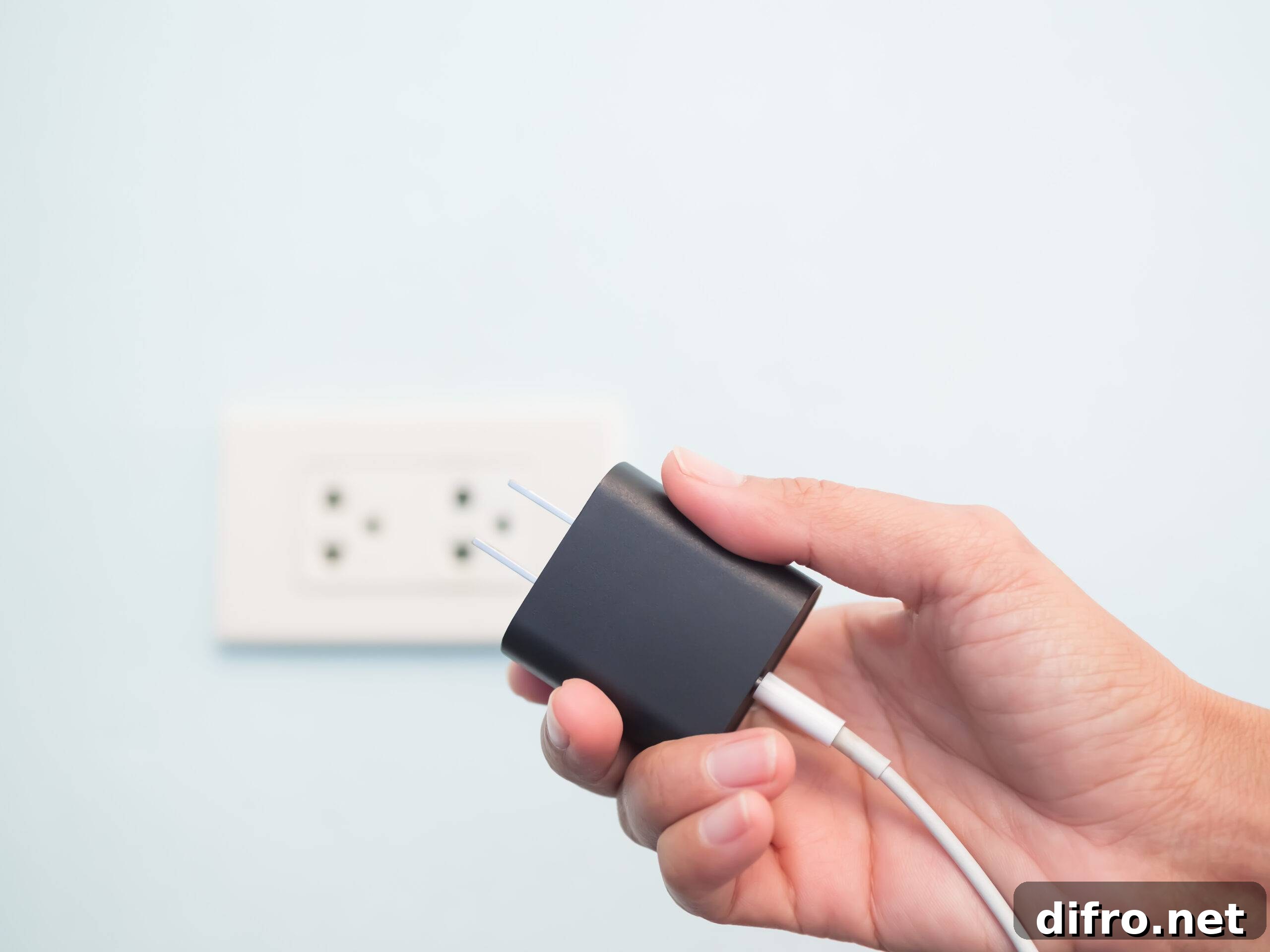
Many chargers and electronics draw small amounts of power even when turned off—a phenomenon called phantom or standby power. Over time, this phantom load contributes noticeably to energy bills. Unplug devices when they are not in use, or plug groups of devices into a single power strip with an on/off switch and turn it off overnight or when you’re away.
Prioritize unplugging less obvious items—TVs, game consoles, printers, and kitchen gadgets—especially if they have standby displays or remote wake features. Small changes in daily routines, like unplugging chargers after use, are free and effective.
Seal Windows and Use Fans Wisely
Heating and cooling account for a large share of home energy use. Sealing gaps around windows and doors with weatherstripping or caulk prevents drafts and helps maintain a steady indoor temperature, so your HVAC system works less. Inspect seals annually and replace or repair worn materials.
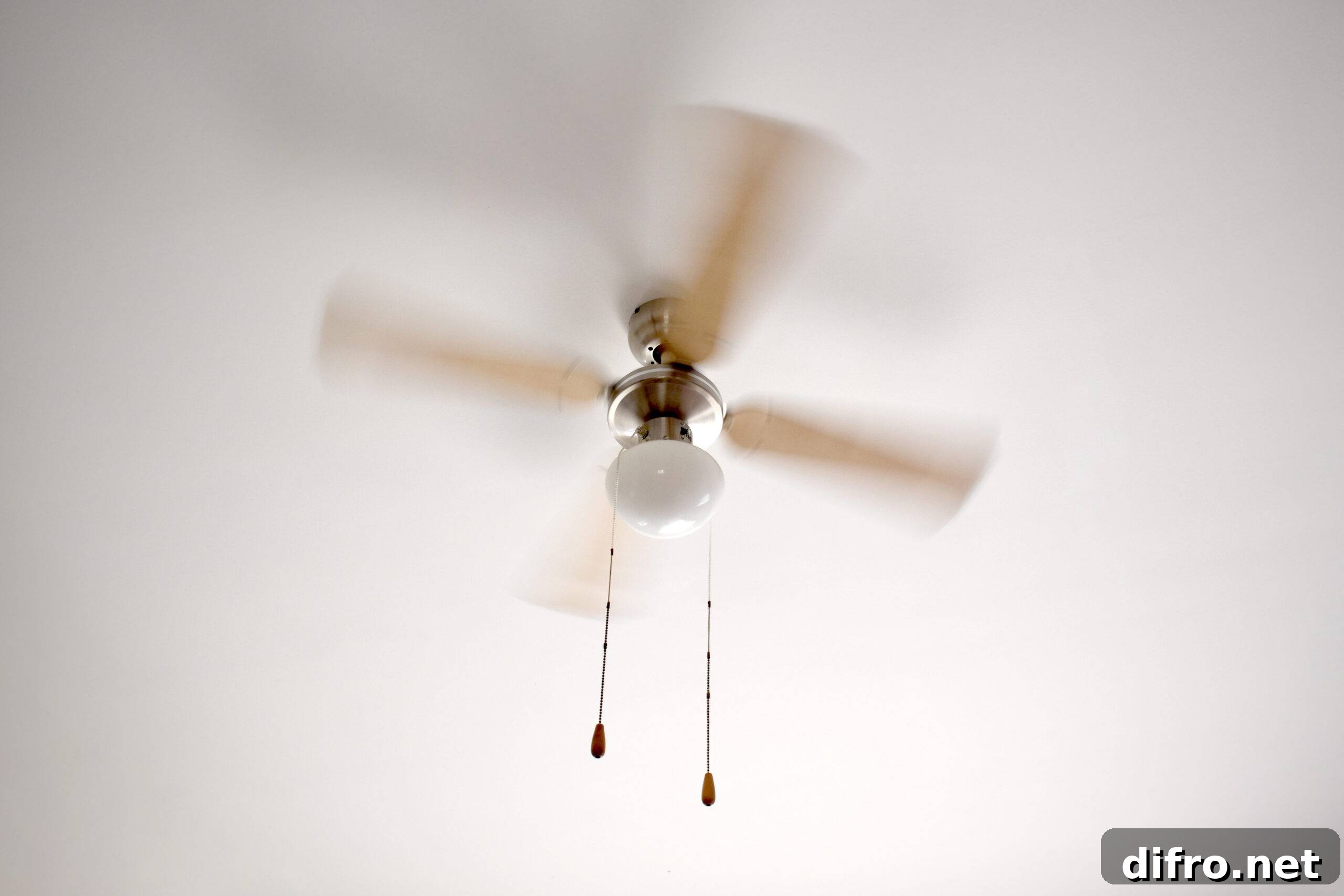
Ceiling fans are a low-energy way to improve comfort. In summer, set fans to rotate counterclockwise to create a cooling breeze and allow raising the thermostat a few degrees. In winter, reverse the fan to a low, clockwise setting to gently push warm air down from the ceiling. Together with sealed windows, fans can reduce reliance on heating and cooling equipment.
Wash with Cold Water and Air Dry Clothes
Laundry is another high-impact area for savings. Washing clothes in cold water reduces the energy used to heat water and is effective with modern detergents. Reserve hot cycles for heavily soiled items or sanitize loads when necessary.
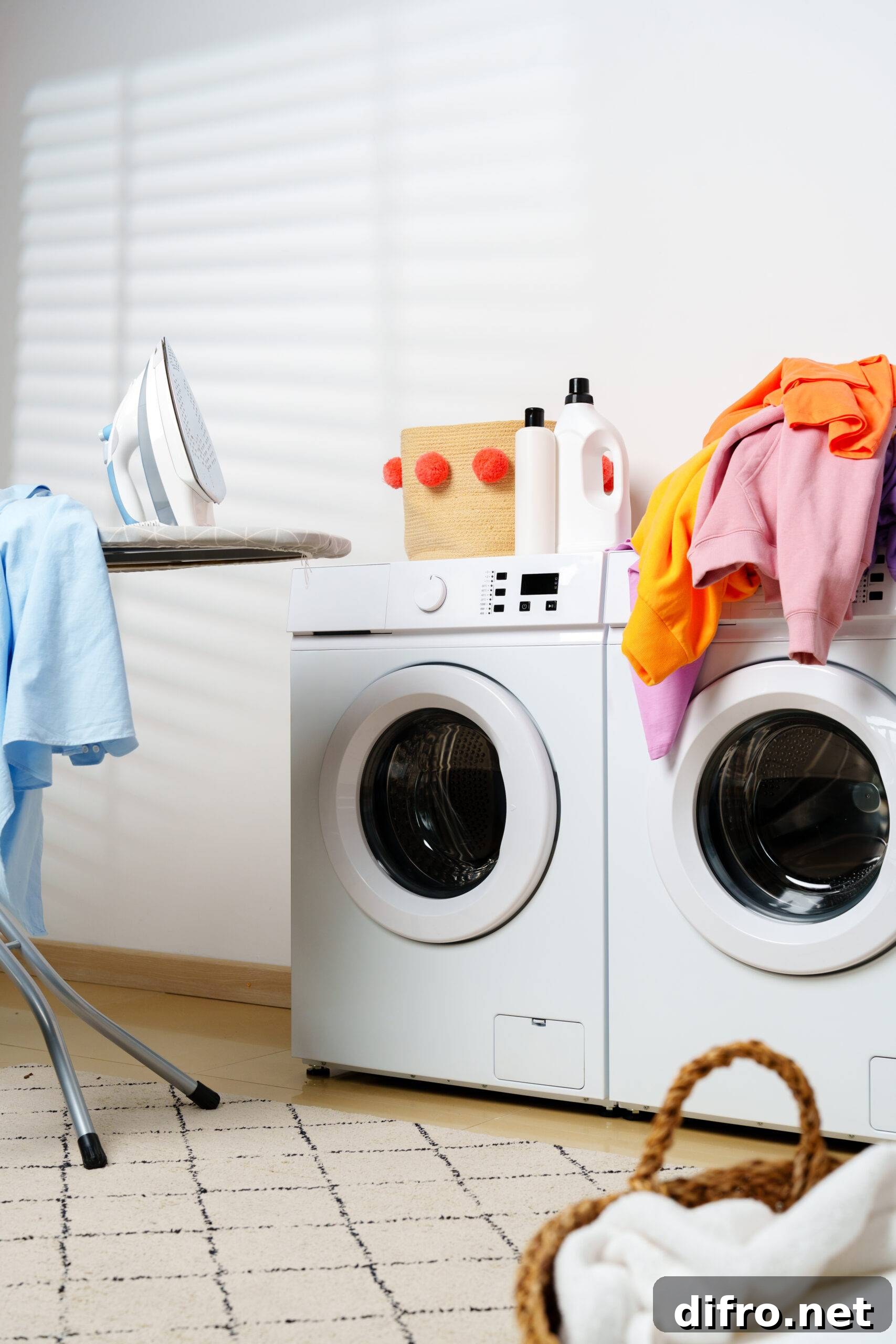
Air drying clothes on a line or drying rack uses no electricity, reduces fabric wear, and saves money. When you use a dryer, clean the lint filter after each load to improve airflow and shorten drying time. Combining full loads with low-heat or sensor-dry settings helps conserve energy.
A Full Freezer Uses Less Energy
A well-stocked freezer runs more efficiently than an empty one. Frozen items act as thermal mass and help maintain cold temperatures, which reduces the effort required to keep the appliance cold. If your freezer isn’t full, place containers of water to occupy space and provide the same benefit.
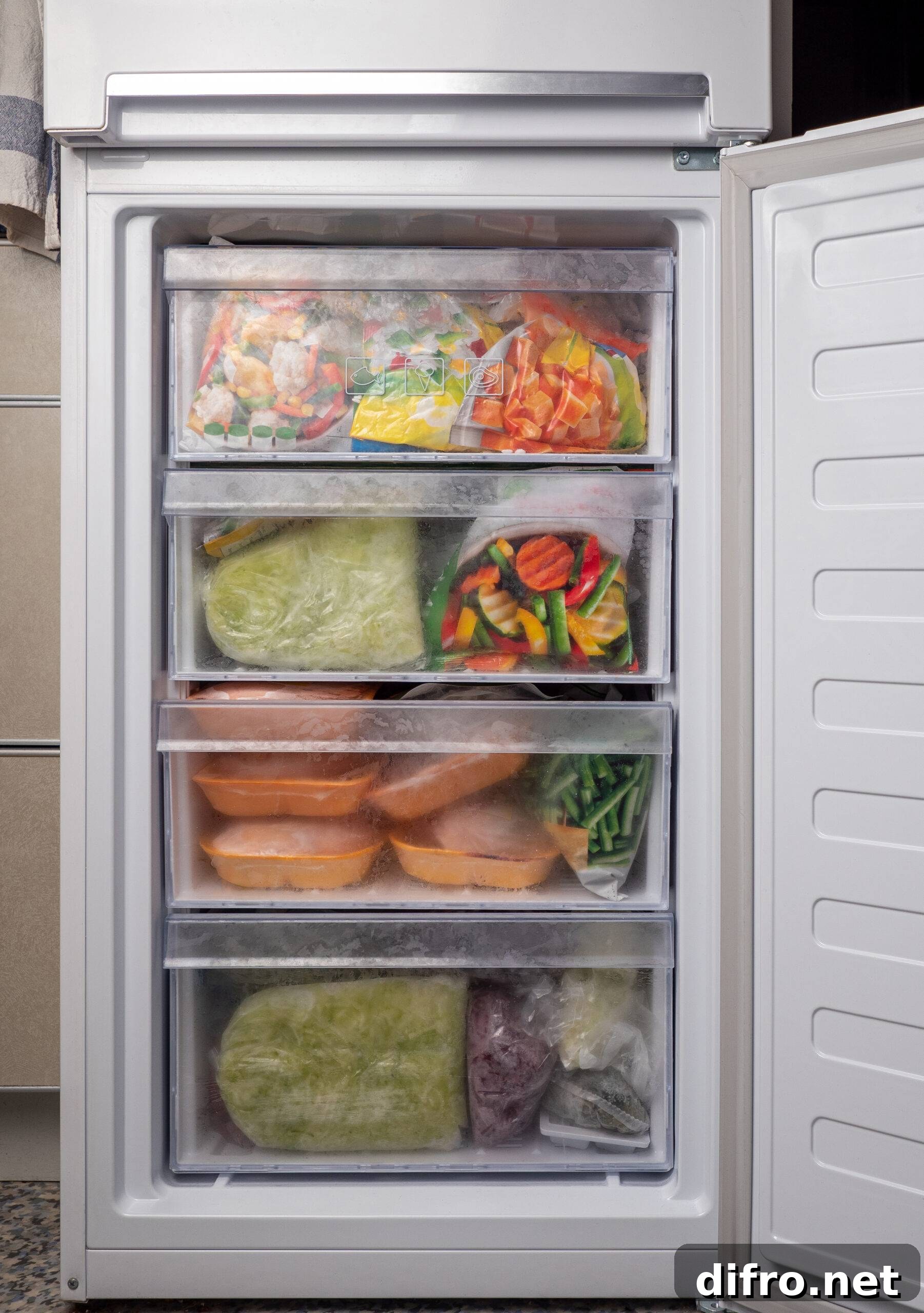
Keeping the freezer organized and using labeled containers reduces the time the door is open, which also helps conserve energy. During power outages, a full freezer maintains safe temperatures longer, protecting your food and reducing waste.
Cover Liquids in the Fridge
Leaving liquids uncovered in the refrigerator increases humidity and forces the fridge to work harder. Cover drinks and leftovers to limit moisture release and help the appliance maintain a stable temperature more efficiently.
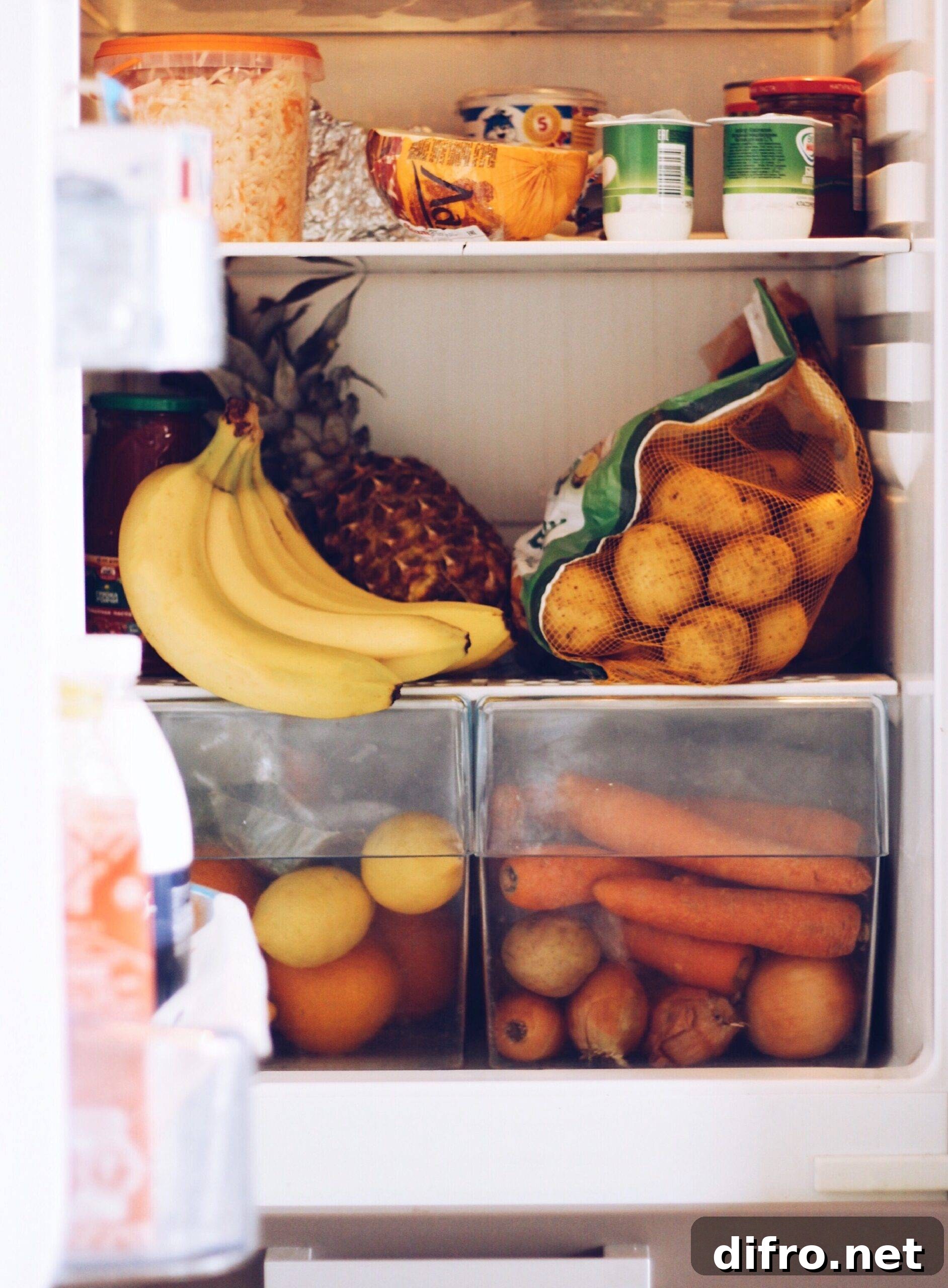
This simple habit not only reduces energy use but also helps food stay fresher longer, cutting down on waste and grocery costs. Small, consistent changes like these add up to measurable savings on your monthly bill.
Related Articles:
- Six Secrets to Saving Money While Sprucing up Your Living Space
- Decorating Tricks You’ll Wish You Knew Before Your Last Move
- Inexpensive Hacks That Elevate Your Home Decor Without Raising Your Budget
By combining these practical strategies—optimizing oven use, switching to LEDs, unplugging idle electronics, sealing drafts, using fans, washing in cold water, keeping freezers full, and covering fridge liquids—you can noticeably reduce electricity consumption. Each small adjustment contributes to a larger impact on your energy bills and the environment. Start with the easiest changes, track your progress, and build habits that keep saving energy for years to come.
Subscribe to our newsletter for interior design ideas and practical home tips to make your space more efficient and enjoyable.