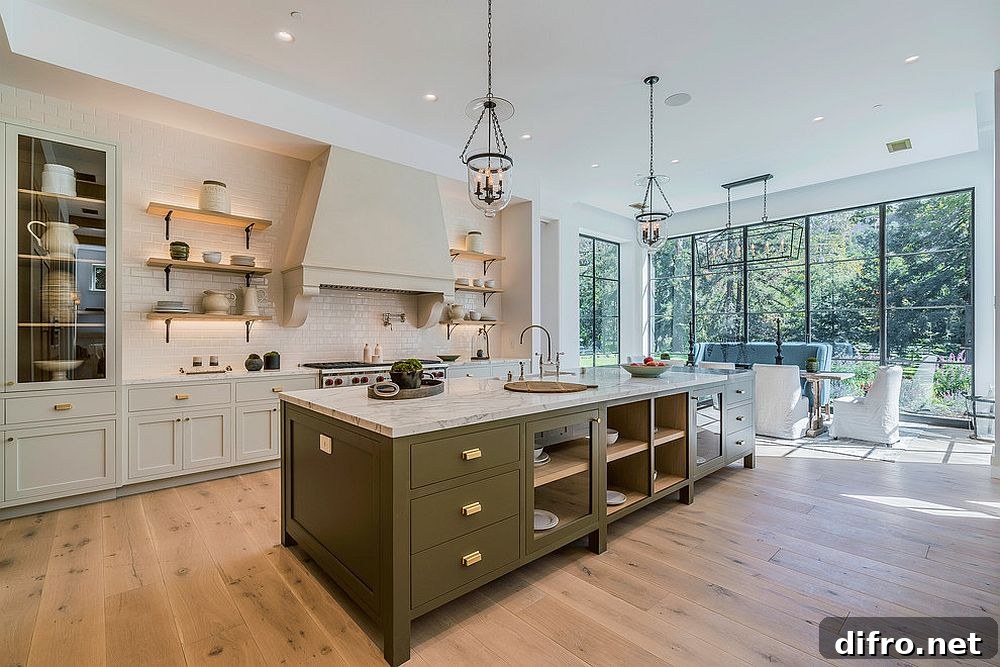
When it comes to the most stylish colors this year, dark blue often grabs attention—but a close contender is olive green. As homeowners and designers increasingly favor eco-conscious, nature-inspired palettes, olive green has become a popular choice for interiors. Its warm, earthy tones can lift the mood and add a sense of calm, making it an appealing option for many rooms.
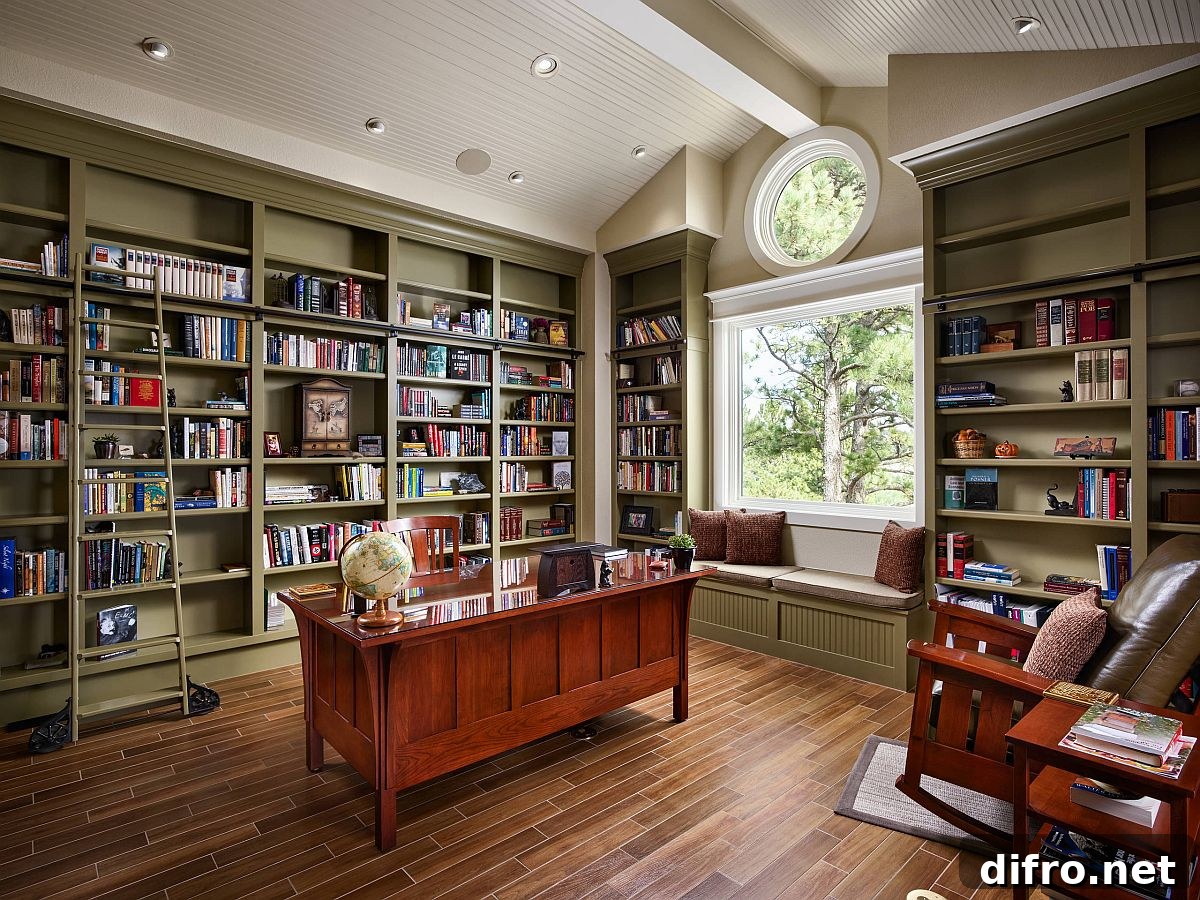
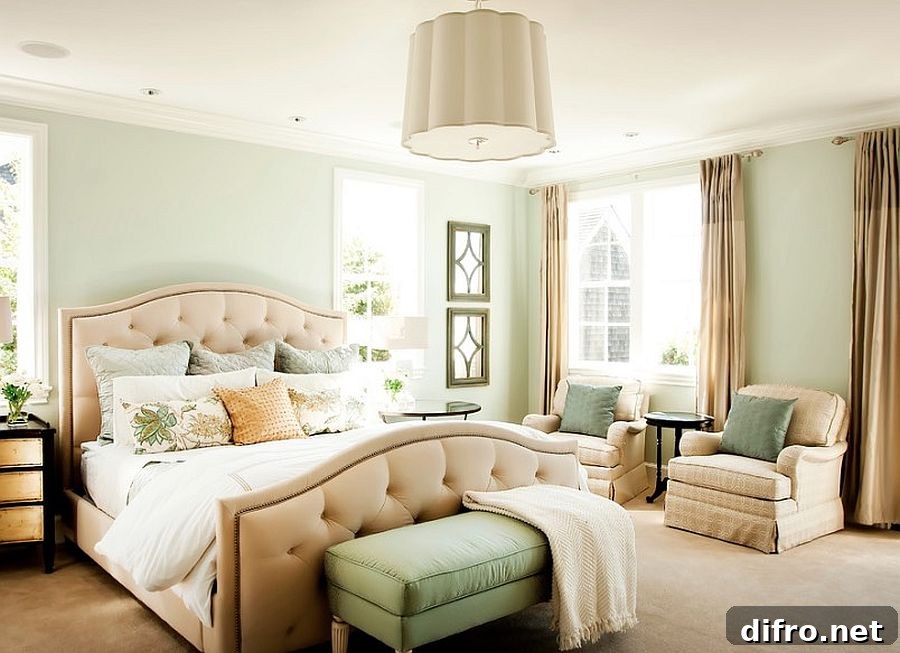
Olive green is a versatile color family with many hues and tints, ranging from deep, sophisticated tones to lighter, more earthen shades. Darker olives feel refined and modern, making excellent backdrops for contemporary rooms. Lighter olive tones read as cozy and grounded, perfect for creating restful bedrooms or calm living areas. The variety within the olive spectrum makes it easy to find a shade that complements your home’s style, whether you prefer a polished, urban look or a relaxed, natural aesthetic.
Finding the Right Shade of Olive Green
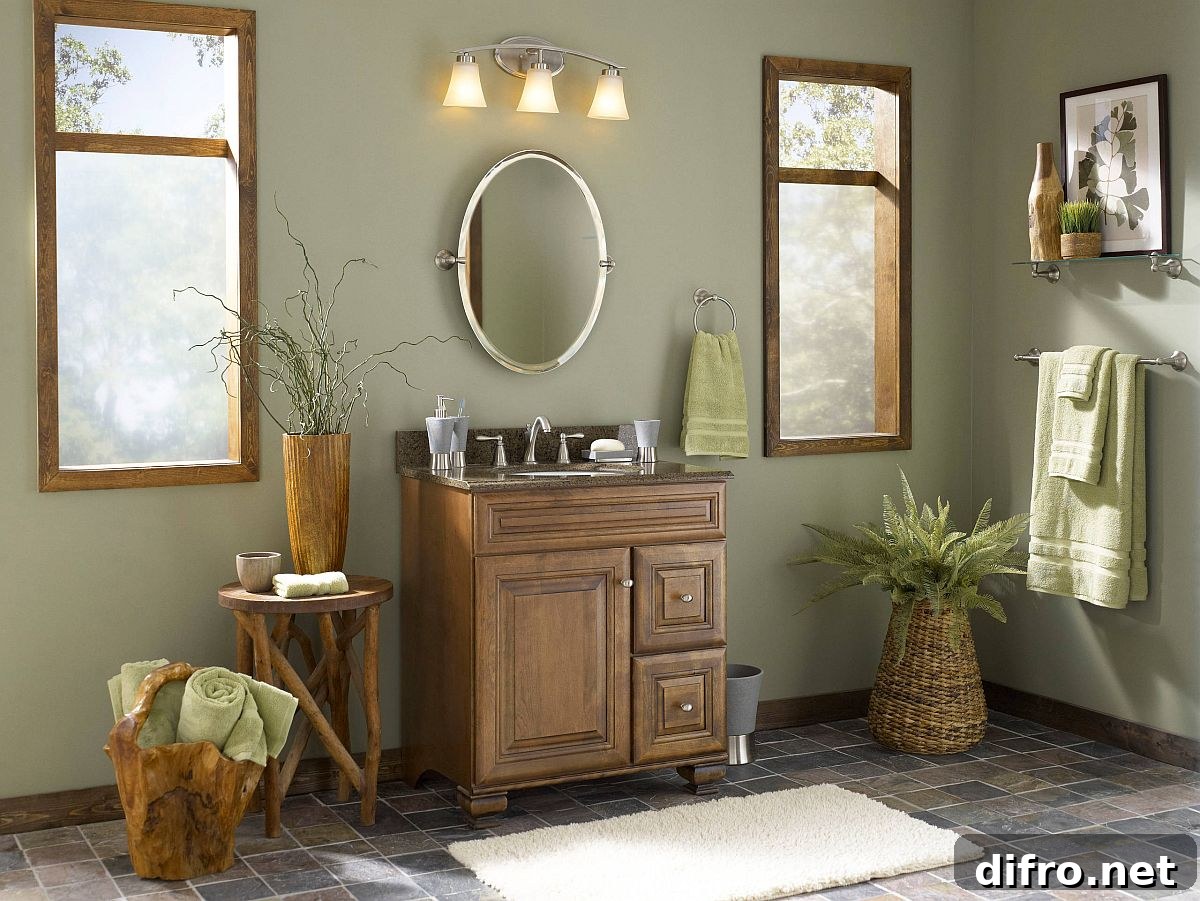
Choosing the right shade starts with the room’s natural light and overall mood. In well-lit spaces, deep olive tones can deliver drama and elegance without feeling heavy, especially with a matte finish. In darker rooms or locations with limited sunlight, consider medium or lighter olives to avoid a somber effect. Neutral variations such as olive drab—where olive mixes with gray or brown—create a comfortable, understated backdrop that pairs well with both warm and cool accents. Try paint samples on different walls and observe them at various times of day to pick the most flattering hue.
Creating a Sophisticated Backdrop
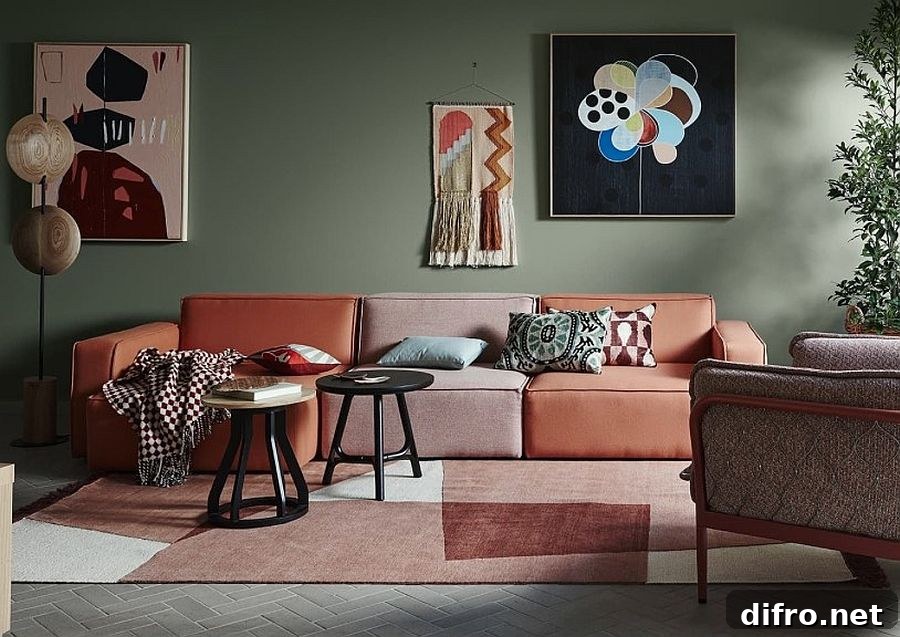
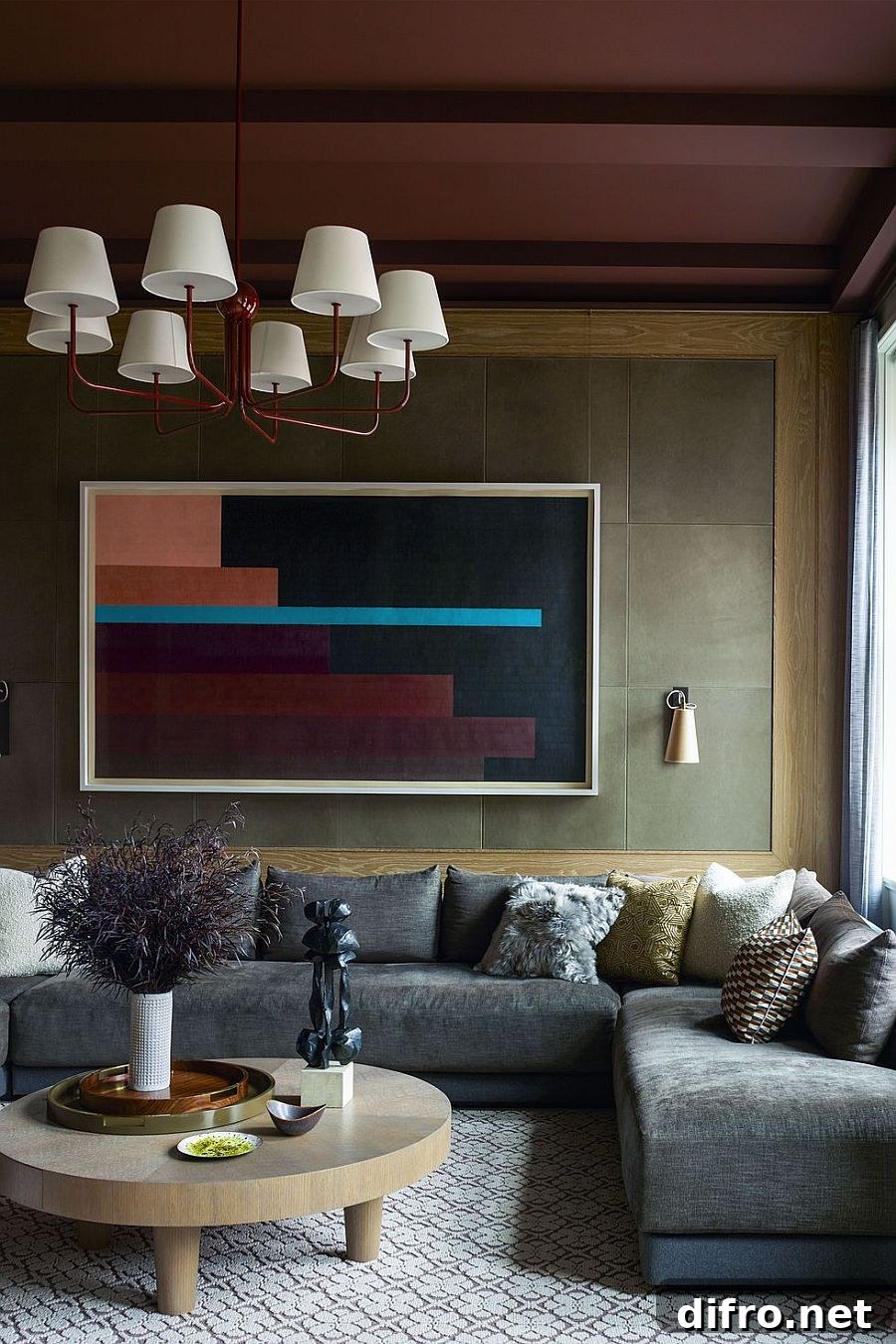
Deep olive green makes an excellent alternative to charcoal gray or black when you want a polished, urbane interior. It can serve as a refined backdrop in a living room or study, and with the right finish—matte for subtlety or a soft satin for depth—it can enhance the room’s textures. Olive green also adapts well to traditional and rustic styles, where it harmonizes with wood, leather, and stone. Use it on feature walls, cabinets, or even on larger surfaces to create a cohesive, elegant ambiance.
Accents and Décor: Start Small
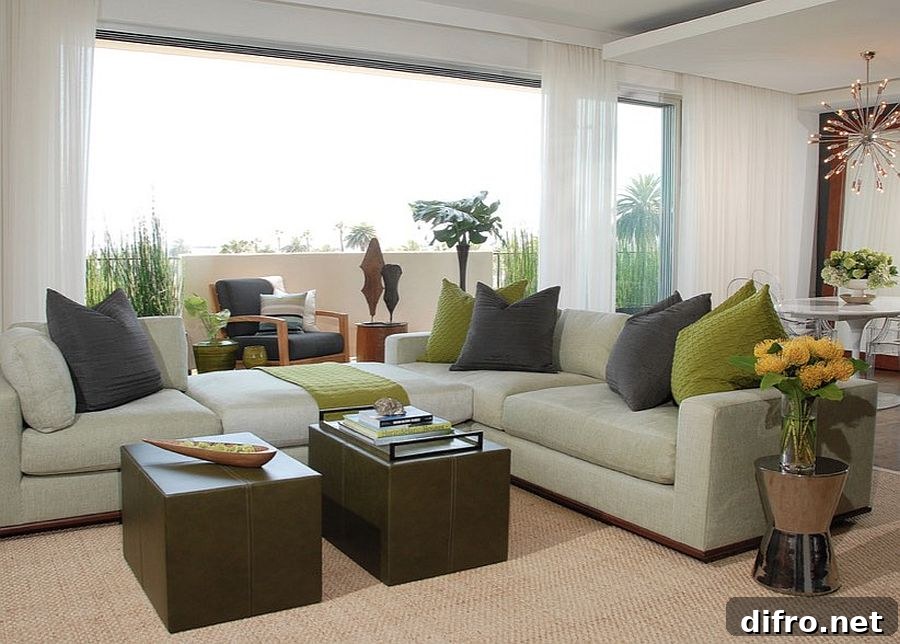
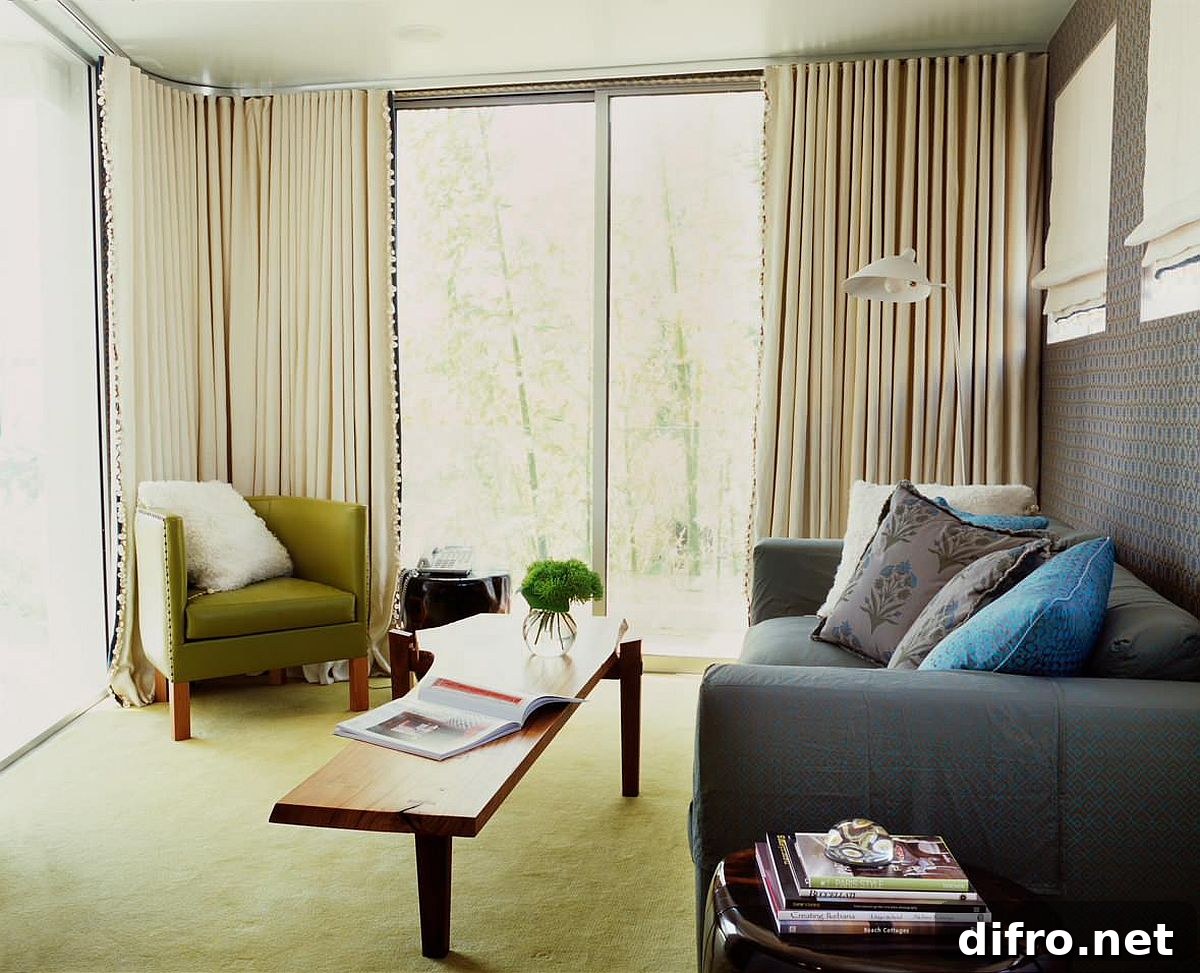
If you’re unsure about committing to an all-over olive paint, introduce the color through accents first. Accent walls, headboards, dining chairs or bar stools, and decorative vases or textiles in sage and cargo tones are effective, budget-friendly ways to test the color. Small changes—like an olive throw, cushions, or a patterned rug—give you a sense of how the shade interacts with your existing palette without a major overhaul. Layering different olive hues in a room adds depth and keeps the space visually interesting.
Combine Olive Green with Bright Colors
One of olive green’s strengths is its ability to pair well with bright, saturated tones. Olive drab functions like a neutral, letting hot pinks, vivid orange, sunny yellows, or bold reds pop without overwhelming the space. For playful rooms—children’s bedrooms, informal dining areas, or creative studios—combine olive green with a few bright accents to achieve a lively, balanced contrast. The key is to control the scale of each color so that the room reads cohesive.
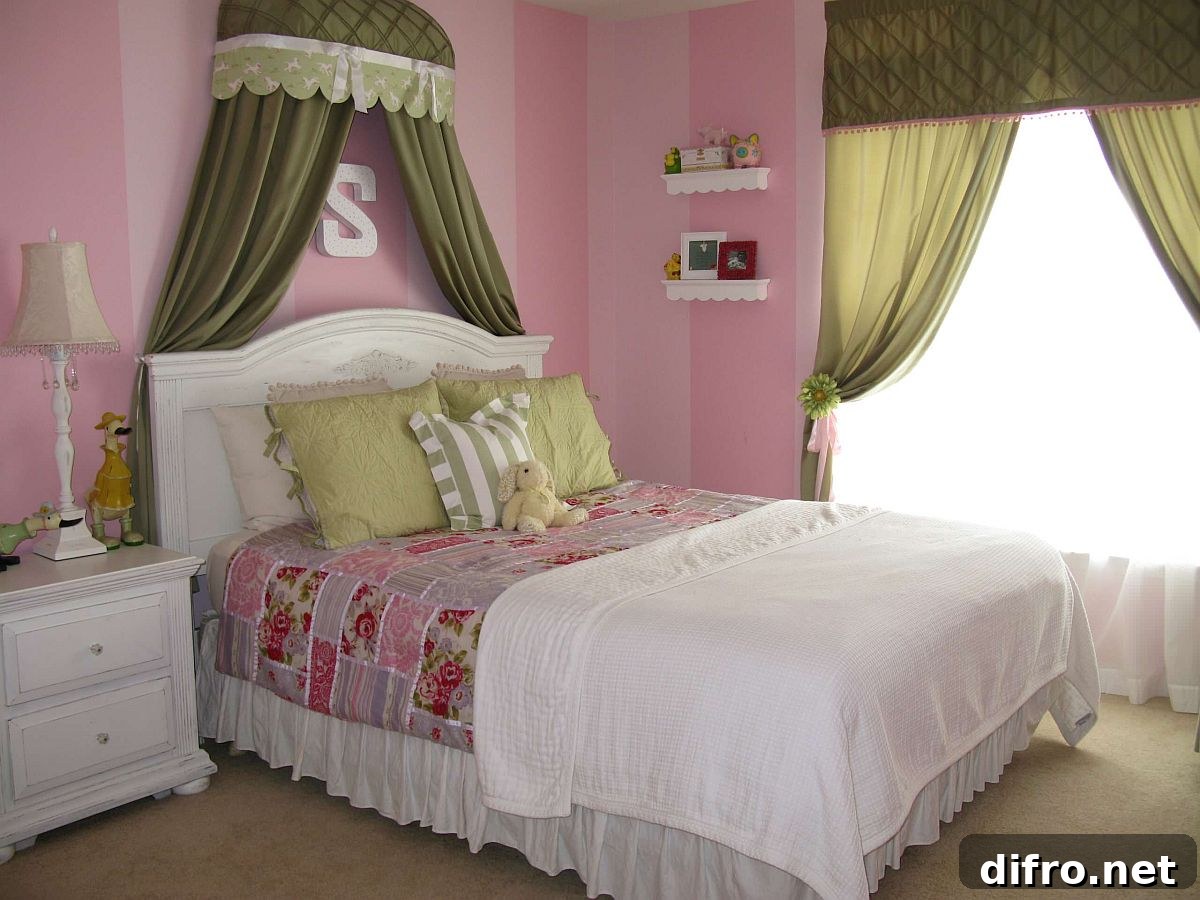
Drapes, Rugs and Ceilings
Textiles are an accessible way to introduce olive green and experiment with different tones. Olive drapes, rugs, and throw pillows can transform a room’s atmosphere quickly and affordably. Changing textiles also makes seasonal updates simple. For a bold, unexpected touch, consider painting a ceiling in a soft olive—this can add warmth and a sense of enclosure without altering the walls. Pair olive textiles with natural materials like wood and woven fibers for a layered, organic look.
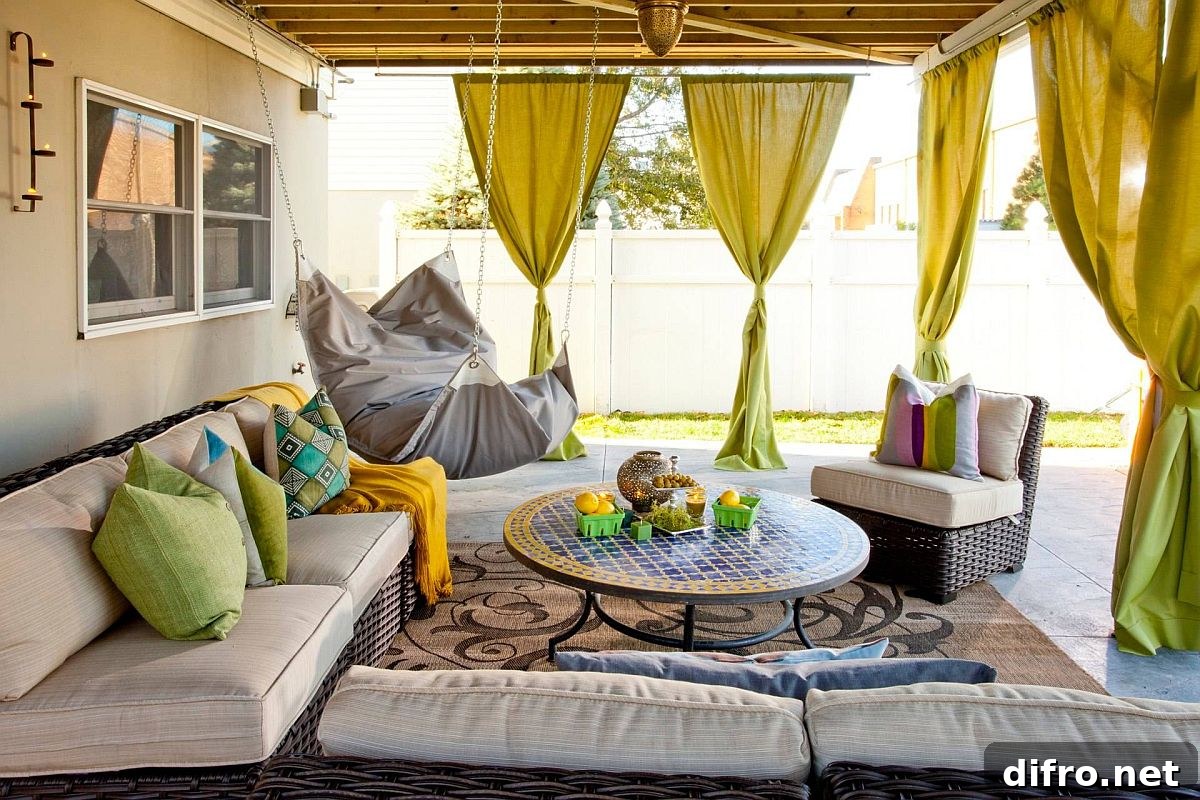
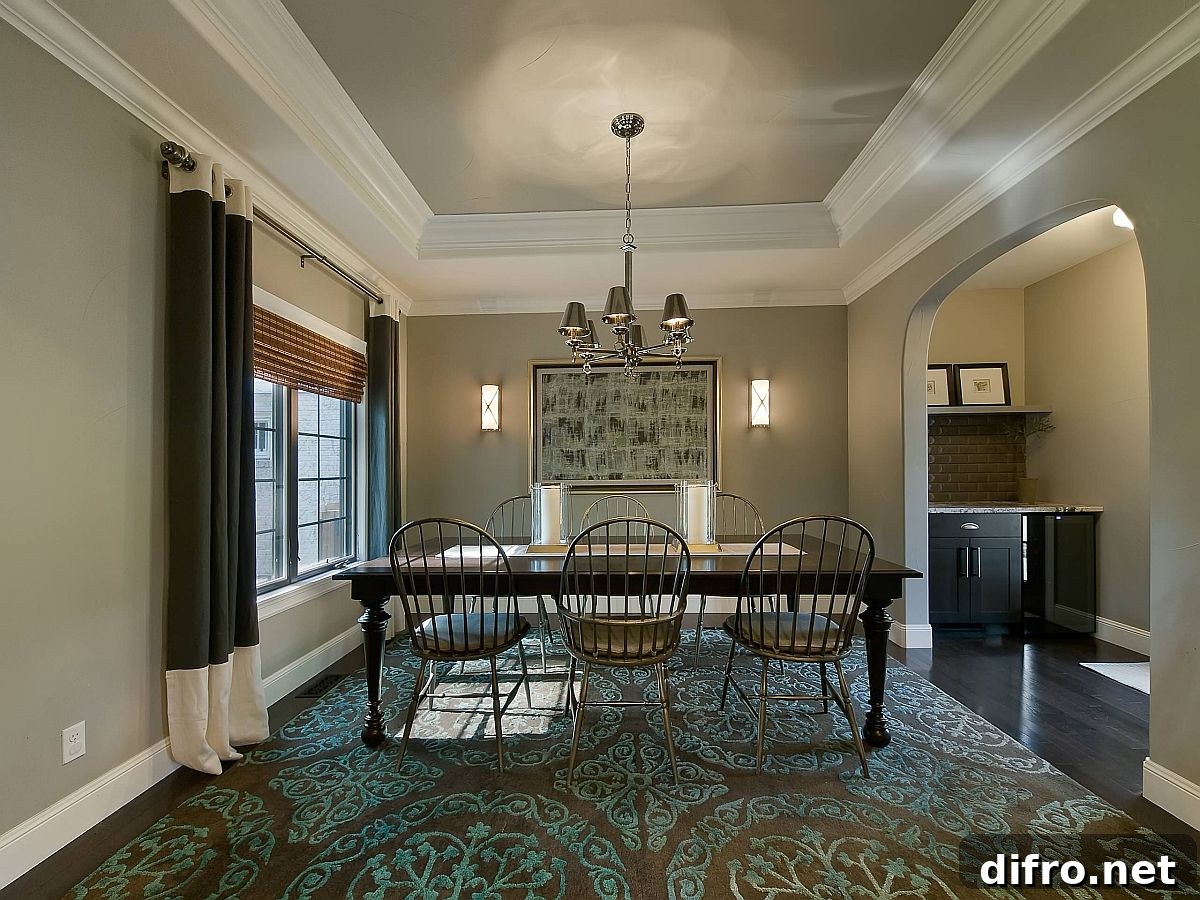
Olive green is versatile, timeless, and surprisingly easy to live with. Whether you choose a subtle olive drab, a deep, dramatic olive, or lighter sage-like hues, this color family can update any room with warmth and character. Take your time sampling shades, layer textures, and start small with accents if you’re unsure—then enjoy the natural, grounded feel olive brings to your home.
Take your pick and go green this year!