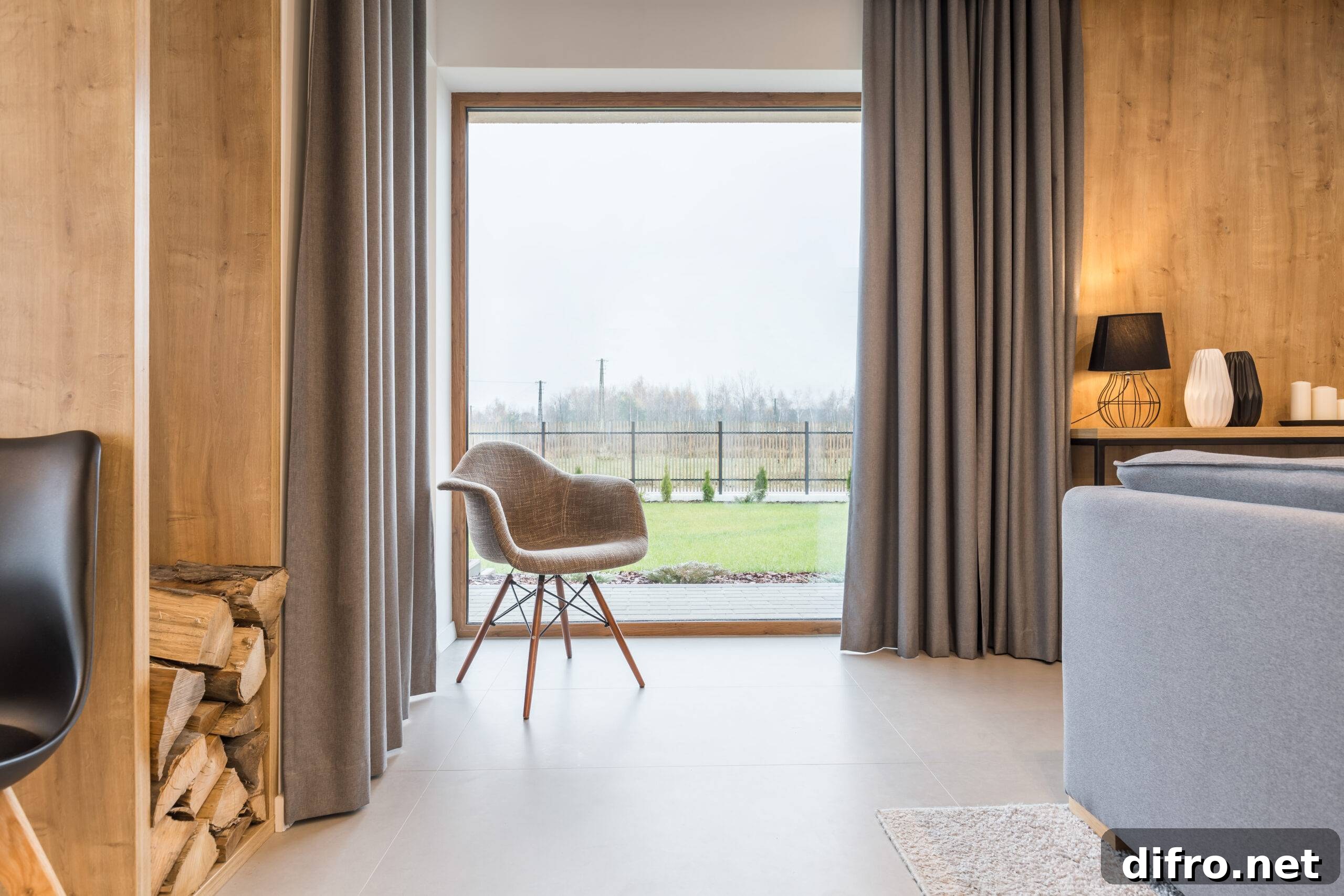
Hanging curtains looks like a simple job, but doing it well requires planning and careful decisions. Small errors—wrong height, poor measurements, or unsuitable hardware—can make a room feel unbalanced. The following guide covers essential dos and don’ts for hanging curtains so you can achieve a polished, professional result that enhances light control, privacy, and overall room style.
DO Measure Twice
Accurate measurements are the foundation of a successful curtain installation. Measure the window width and height precisely, and decide how far you want the curtains to extend beyond the frame. Allow extra width for fullness—curtain panels should overlap the window and gather slightly when closed. For height, measure from where the rod will be mounted down to the floor or sill. Always re-check measurements before cutting or ordering fabric; even small mistakes can lead to awkward gaps or uneven hems. When in doubt, choose a slightly larger size: it’s easier to hem or adjust excess fabric than to add more later.
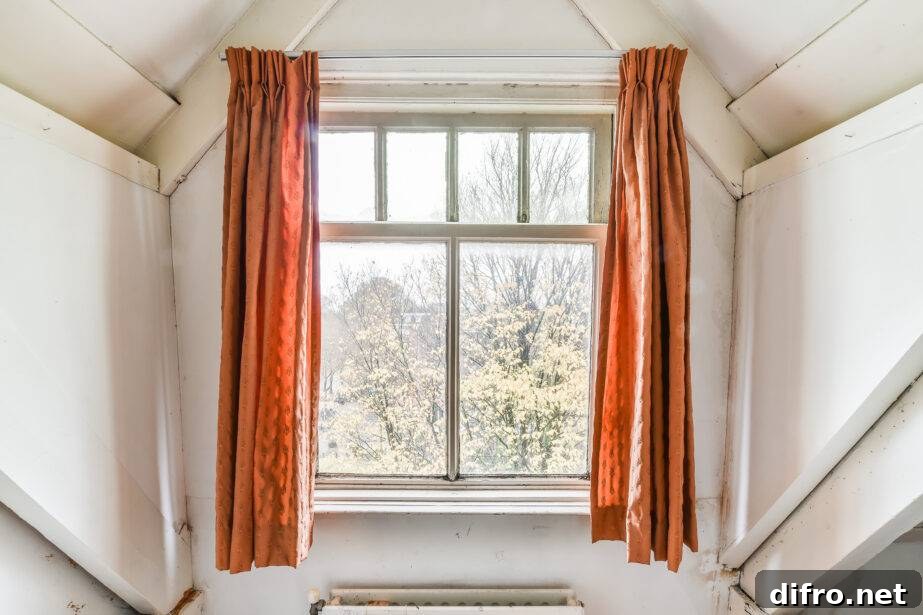
DON’T Hang Too Low
Mounting the rod too close to the top of the window frame is a common error that makes ceilings feel lower and rooms look cramped. Position the rod several inches above the frame—closer to the ceiling line—to visually increase ceiling height and open the space. This simple adjustment creates a taller, more elegant proportion and improves the overall balance of the room. For very low ceilings, place the rod just above the molding or a few inches above the frame; for rooms with tall ceilings, consider mounting even higher to emphasize vertical space.

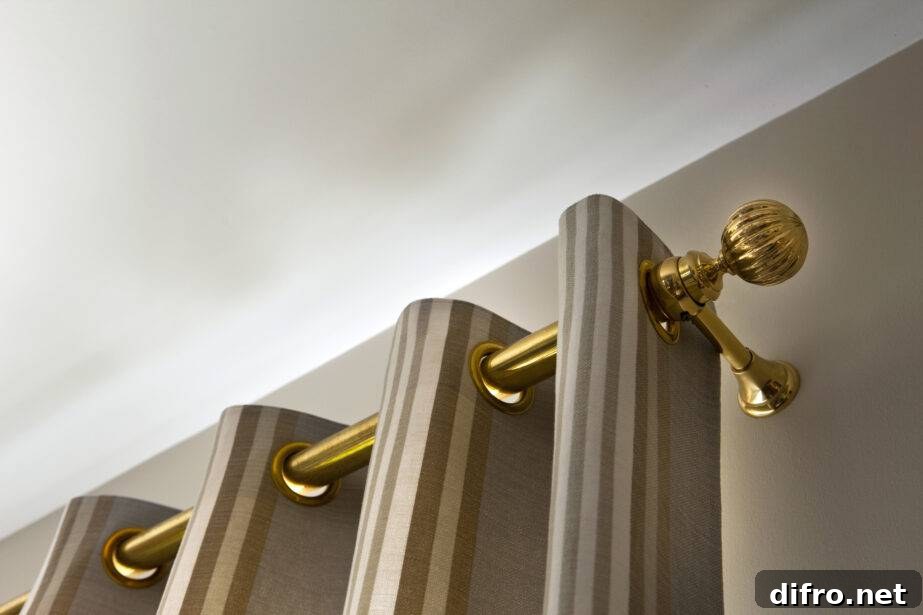
DO Invest in Quality Hardware
The curtain rod, brackets, rings, and finials are more than functional pieces—they contribute directly to the finished look. Choose hardware that matches the room’s aesthetic and is strong enough for the fabric weight you’ve selected. Inexpensive or mismatched hardware can sag or shift, undermining even high-quality curtains. Durable brackets that are properly anchored to wall studs or with suitable anchors will prevent sagging and ensure smooth operation. Consider finishes and shapes that complement furniture and other metalwork in the space for a cohesive result.
DON’T Ignore Fabric Weight
Fabric weight affects how curtains hang, how much light they block, and which hardware you should use. Heavy fabrics like velvet require robust rods and strong support; lightweight sheers work best on slimmer hardware and can be installed on separate inner rods for layering. Mixing the wrong weight with weak hardware can cause sagging, uneven drape, or damage to mounts over time. Also consider how weight influences light and insulation: thicker panels offer more privacy and thermal benefits, while lighter fabrics soften incoming light and create an airy feel.
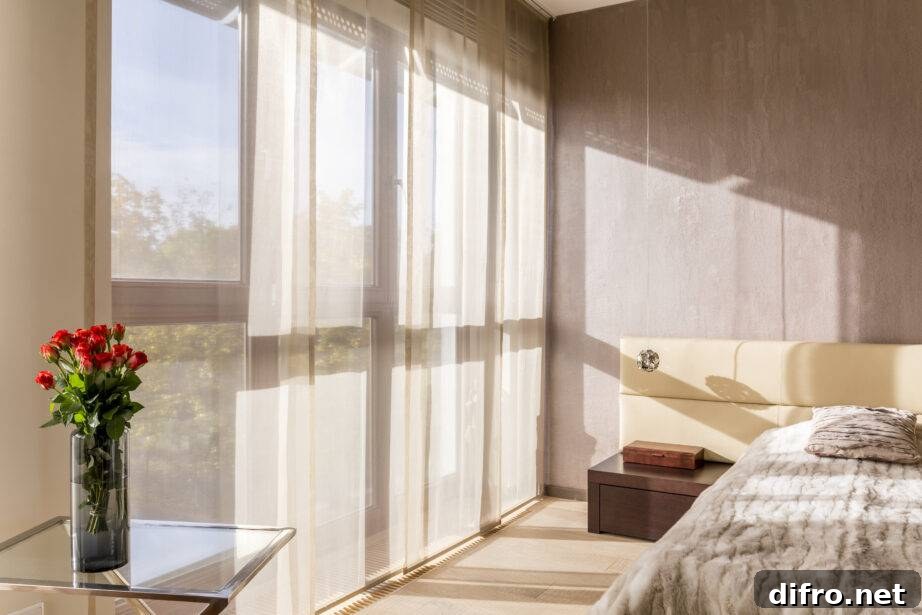
DO Layer Them
Layering curtains adds depth, flexibility, and refinement to a window treatment. Combining sheer panels with heavier drapes allows precise control over light, privacy, and insulation while creating a curated, textured look. Use a double-rod system or a separate inner track for sheers, and coordinate colors and patterns so they complement rather than compete. Subtle tone-on-tone layering often reads more sophisticated than high-contrast pairings. Layering also makes a window a focal point by introducing visual interest and deliberate styling.
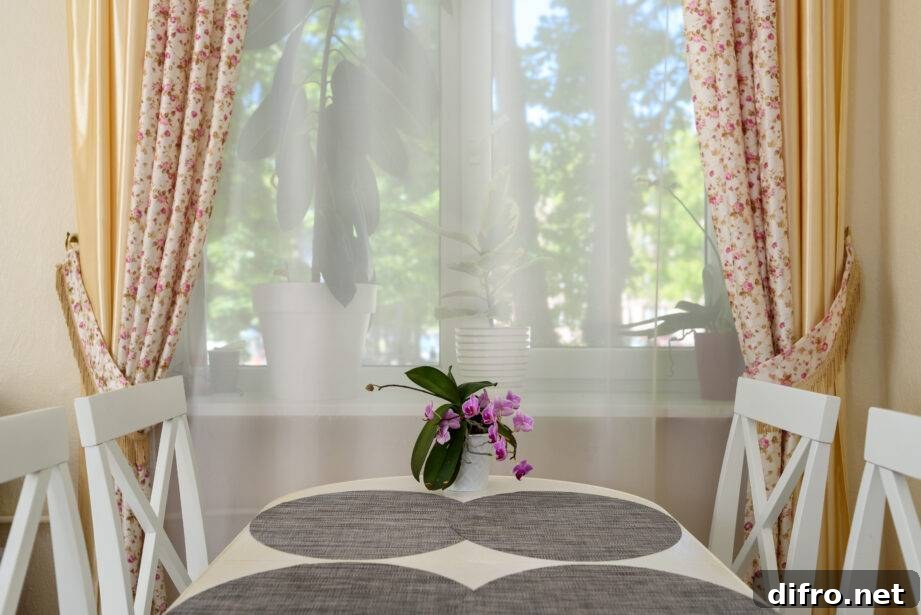
DON’T Skimp on Length
Length is crucial to a refined window treatment. Curtains that stop several inches above the floor look unfinished and can make a room feel cut short. Aim for panels that either just kiss the floor for a tailored look or puddle slightly for a more luxurious, dramatic style. If you buy panels that are too long, hemming is straightforward; buying panels that are too short limits your options. For consistent styling throughout your home, measure multiple windows and match lengths for cohesive visual flow.
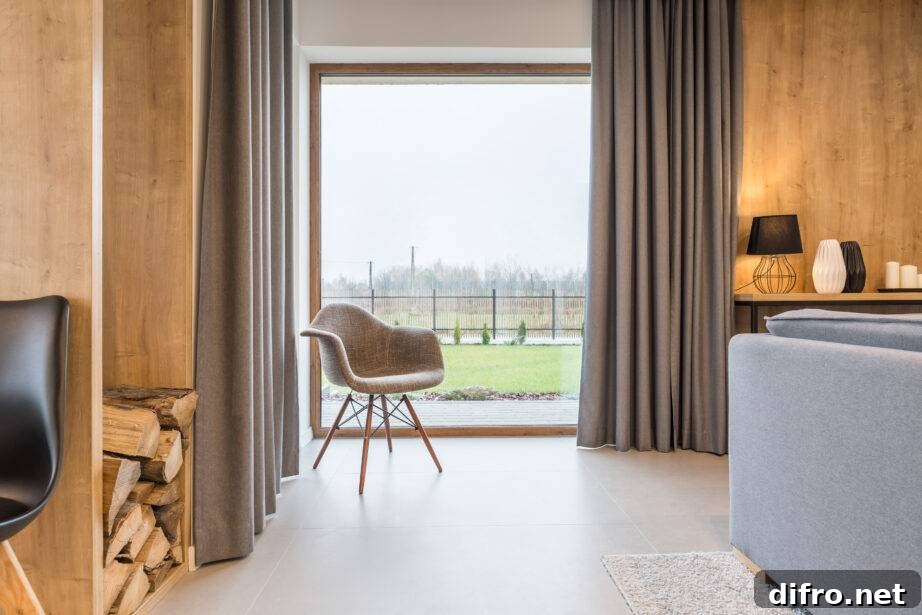
Thoughtful curtain selection and installation transform a room more than many other design elements. Take time to measure accurately, select appropriate hardware, choose fabrics that suit your needs, and pay attention to height and length. Layering and investing in quality components create both practical benefits—better light control, privacy, and insulation—and an elevated, cohesive look that enhances the whole space. Use these tips as a checklist before you hang your next set of curtains and enjoy the difference good installation makes.