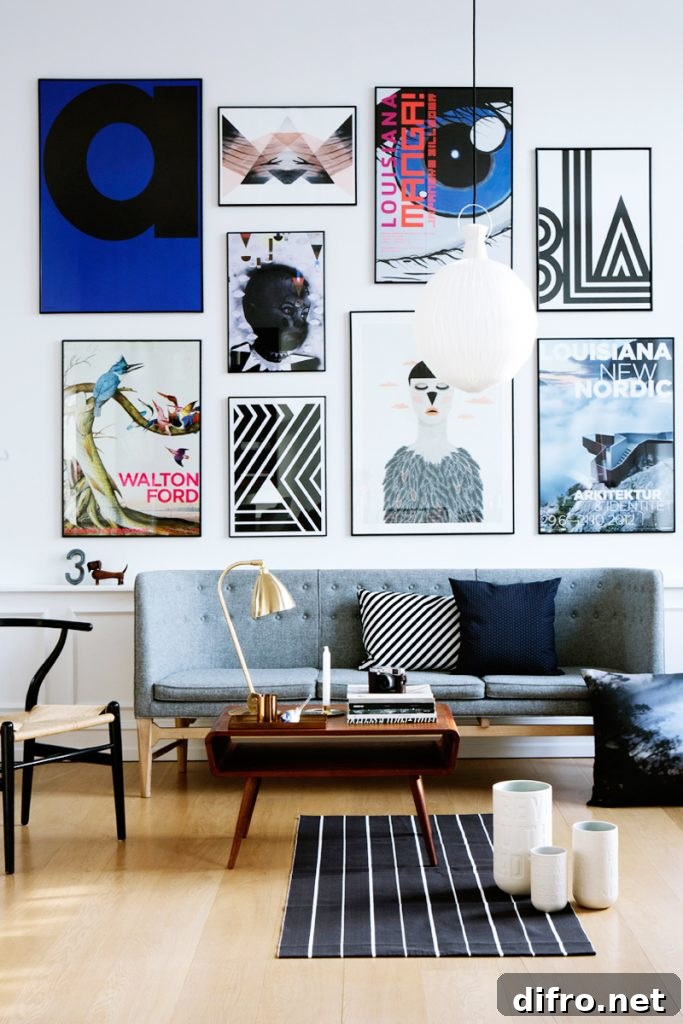
Choosing where and how to display artwork or photos in your home can feel overwhelming. You might have a handful of prints or photographs you love but don’t know the best way to present them. A gallery wall is a stylish and practical solution: it highlights your favorite pieces, adds personality to a room, and makes efficient use of wall space.
Deciding What Type of Gallery Wall Is Right for You
Start by thinking about the purpose of your gallery wall. Are you trying to add color and interest to a small living room, or create a tidy, unified display above a desk? Your goals will guide your choice of layout. If you want a clean, structured feel, a linear or grid arrangement works well. If you prefer an eclectic, living-room focal point, a salon-style gallery with mixed sizes and frames will feel more relaxed and personal. Clarifying the mood you want—orderly and modern or layered and collected—will make design decisions much easier.
One crucial step before you begin is the planning stage. Use paper templates or lay pieces out on the floor to visualize sizes and spacing. Templates and mockups help you decide where to place hanging hardware so you avoid unnecessary holes in the wall. Even with a casual, salon-style layout, taking time to plan will save effort and produce a more balanced result.
If you want a guided walk-through, consider watching our step-by-step Decoist Video: Gallery Wall How-To.
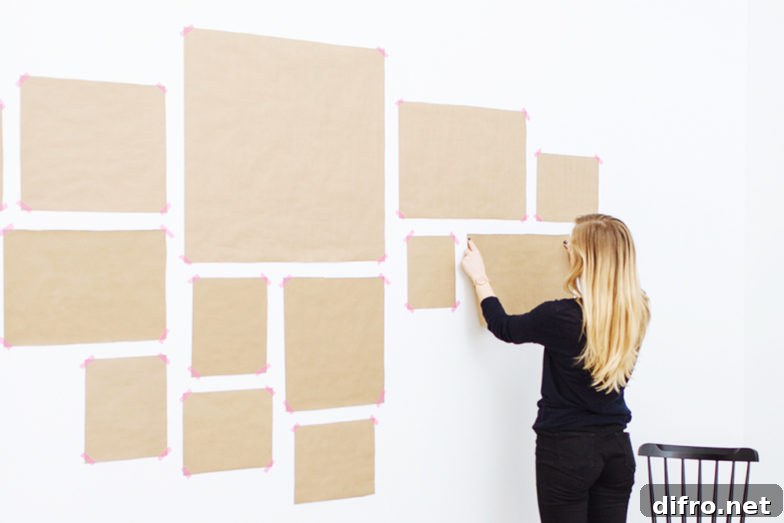
Once you’ve planned, choose the wall or area that suits the scale of your collection. Below are several layout ideas to inspire your own gallery wall project, from structured grids to relaxed salon arrangements.
An Ascending Staircase Gallery
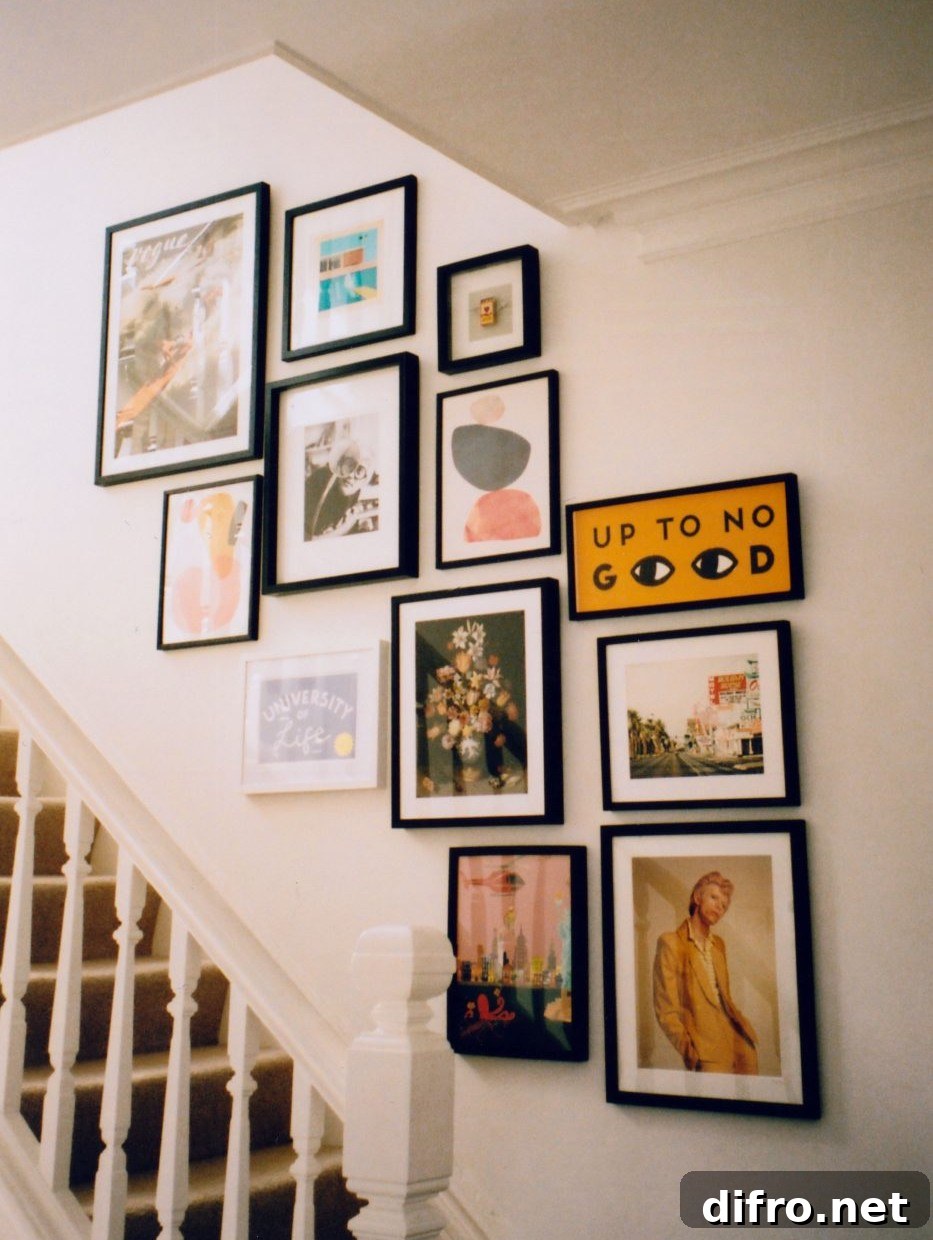
Staircase galleries make a striking visual ride up the wall, but they require a consistent reference point. Measure from the stair tread and mark equal distances up the wall—60 inches is a common guideline—or use a painter’s tape guideline that ascends with the stairs to act as your centerline. For a cohesive look, keep some frames aligned in a grid-like or linear sequence so the display reads clearly from below and maintains balance as it climbs the stairs.
Leaning on the Ledge
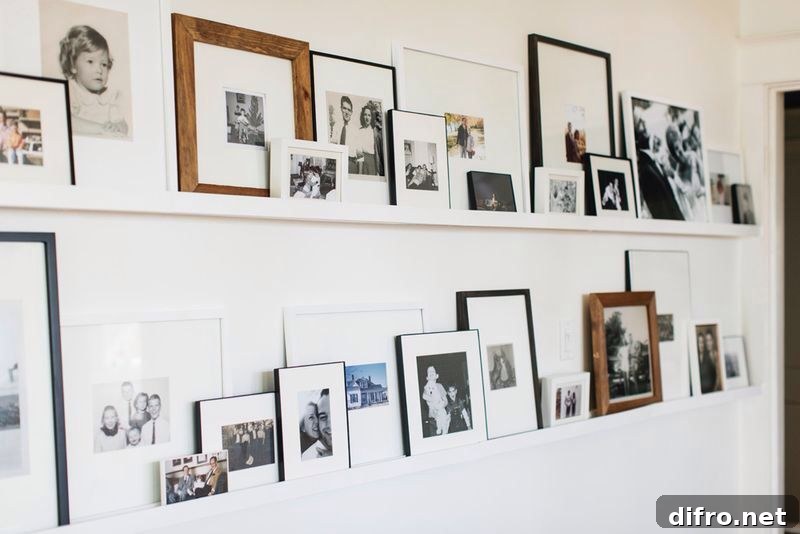
Picture ledges are a flexible, non-permanent way to display a rotating collection. Frames simply lean against the wall, so you can change the arrangement without new holes or complicated hardware. This setup is ideal if you like to swap art often or have many pieces but limited wall space. Ledges also encourage layered displays—mix small and large frames, objects, or books for a curated shelf-like look.
Mixing the Media
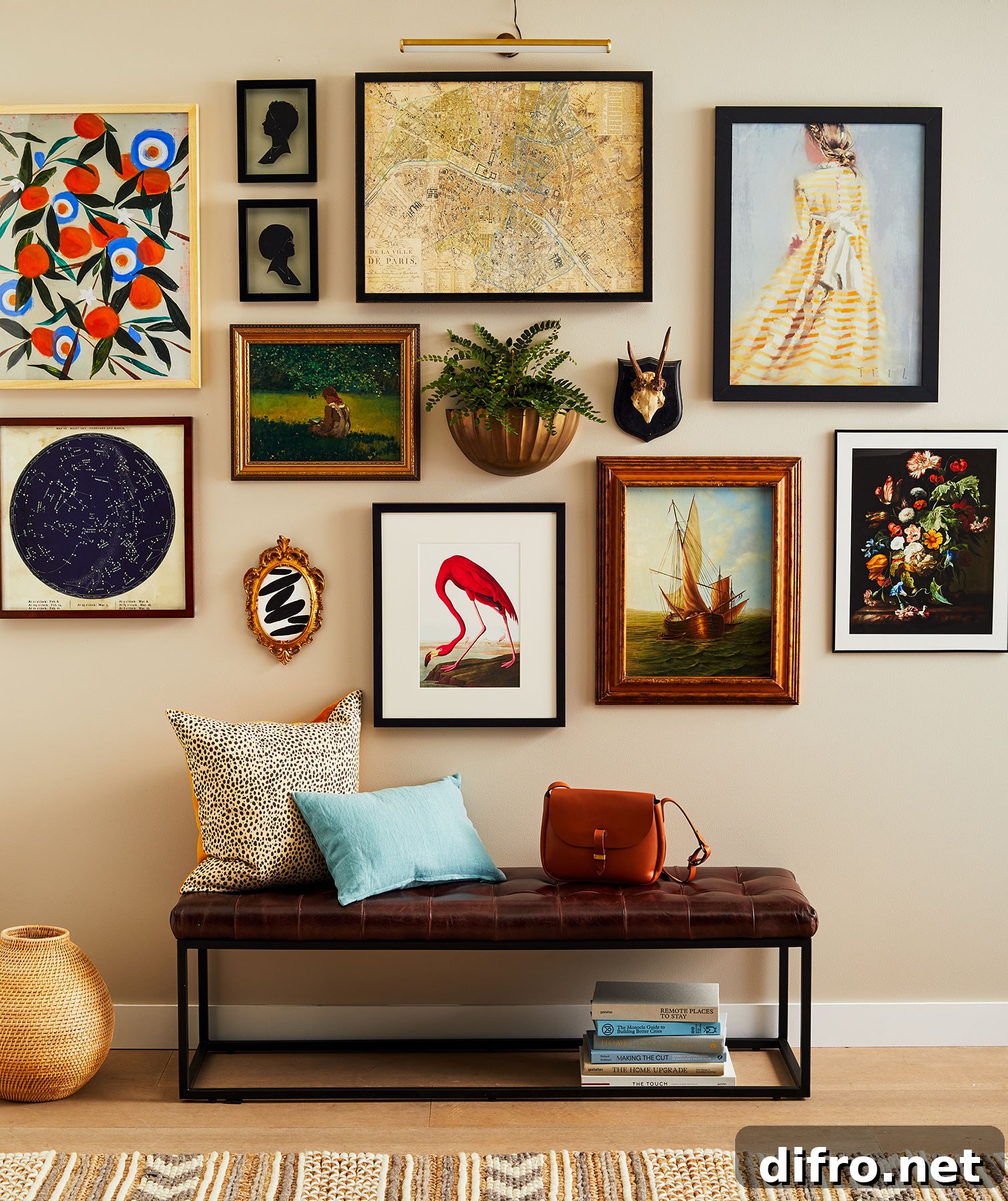
Don’t limit your gallery wall to photographs. Mixing framed prints, original artwork, decorative plates, mirrors, or textiles creates a richer, more personal composition. A salon-style layout embraces asymmetry and layered textures, giving you freedom to expand the display over time without strict rules about matching frames or spacing. This approach is especially effective when you want the wall to feel collected rather than manufactured.
The Classic Grid
The grid is a timeless option if you want a bold, orderly statement. Use identically sized artwork or photos and matching frames, and space each piece evenly. A level and careful measuring are essential to preserve the grid’s clean lines. This configuration works beautifully for a series of portraits or cohesive prints and adds balance without overpowering a room.
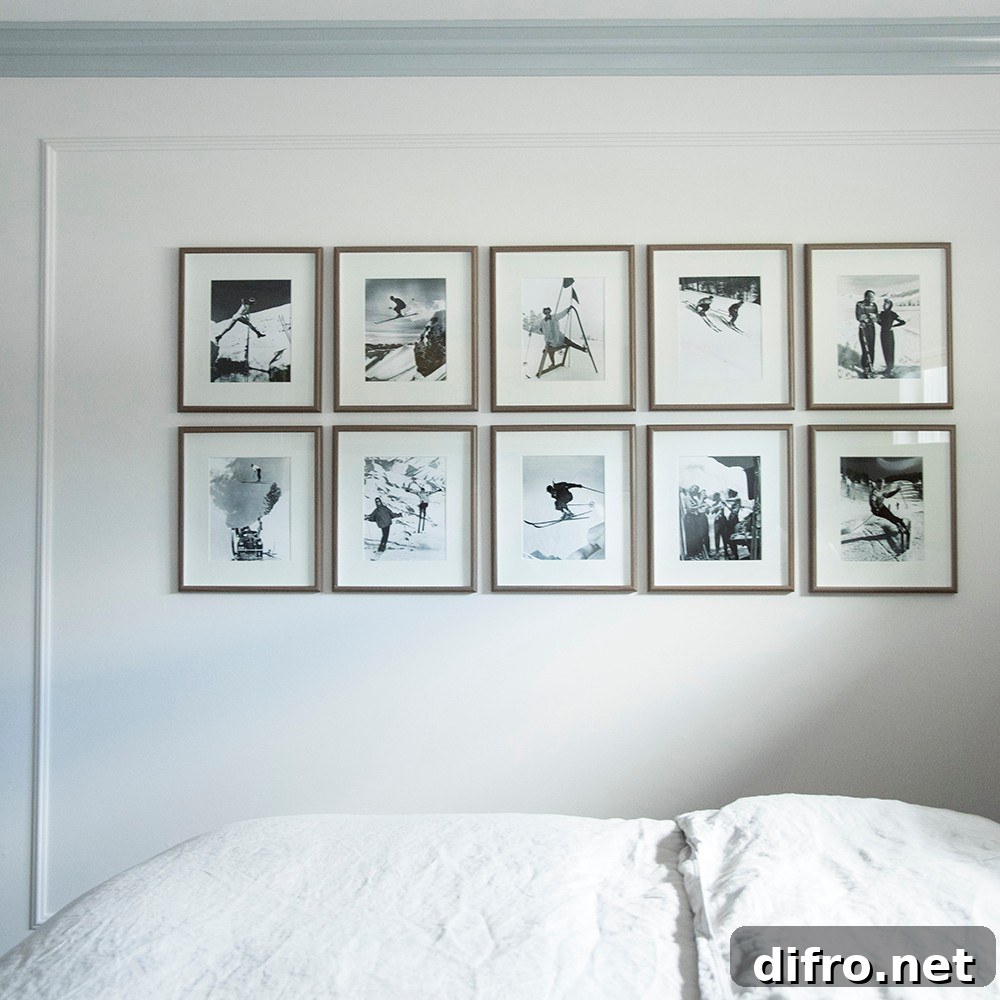
A gallery wall can be a room’s focal point. If you’re looking for bedroom-specific ideas, explore additional inspiration for creating a showstopping bedroom gallery wall.
A Top-Heavy Display
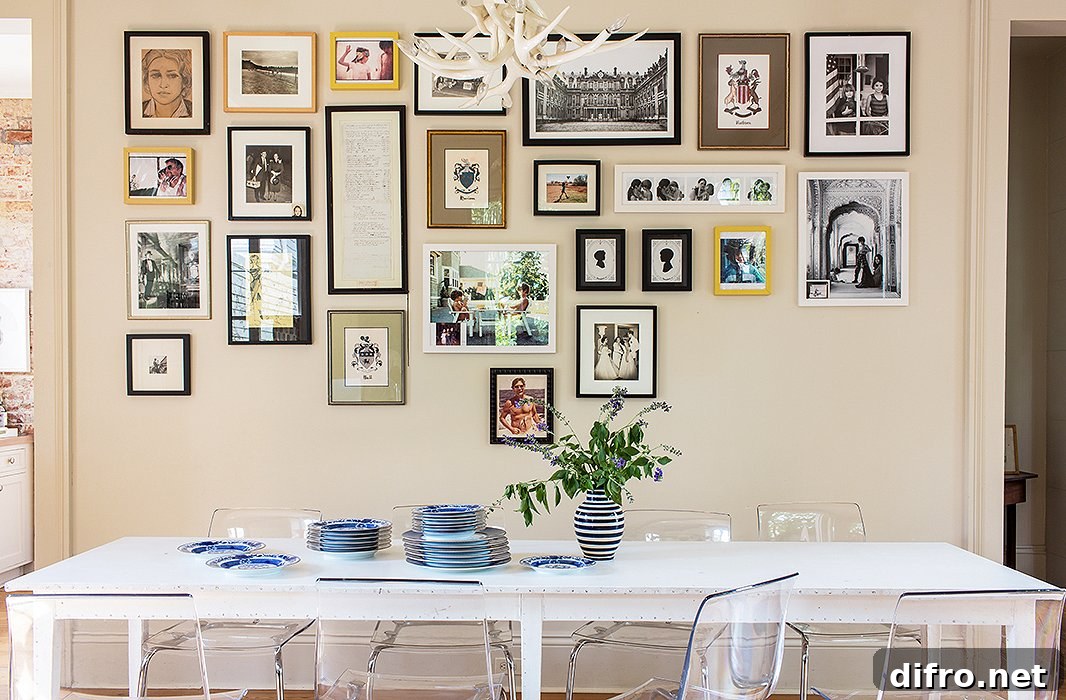
The top-aligned layout puts emphasis on the upper row, creating a clear visual line while allowing more playful or varied pieces below. This style gives structure without strict central symmetry and is ideal when you want a dominant horizontal guide at the top while preserving flexibility in the rest of the arrangement.
No Cutting Corners Here
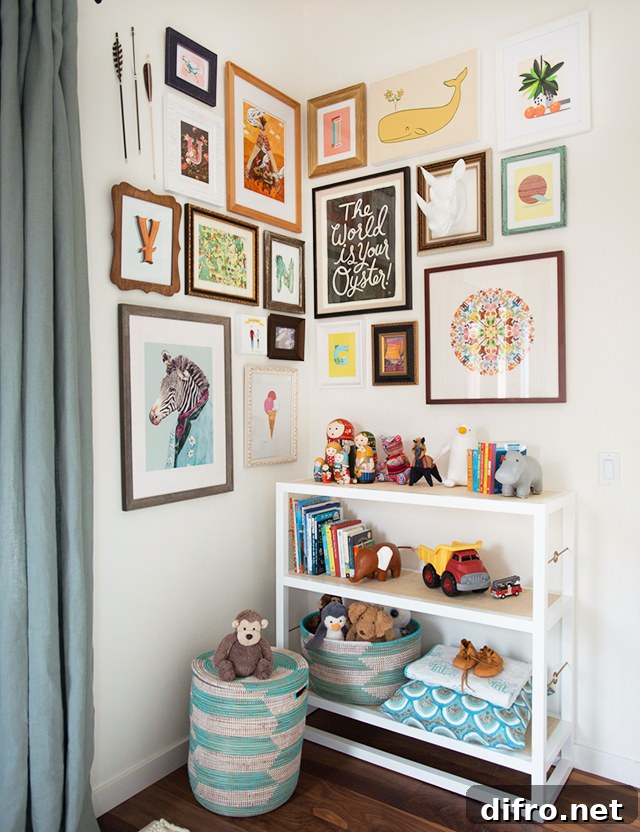
If you lack a wide blank wall, consider wrapping your gallery into a corner. Corner displays brighten small areas without dominating the room and are especially useful for filling awkward or underused spaces like a child’s bedroom nook or the wall behind a breakfast area.
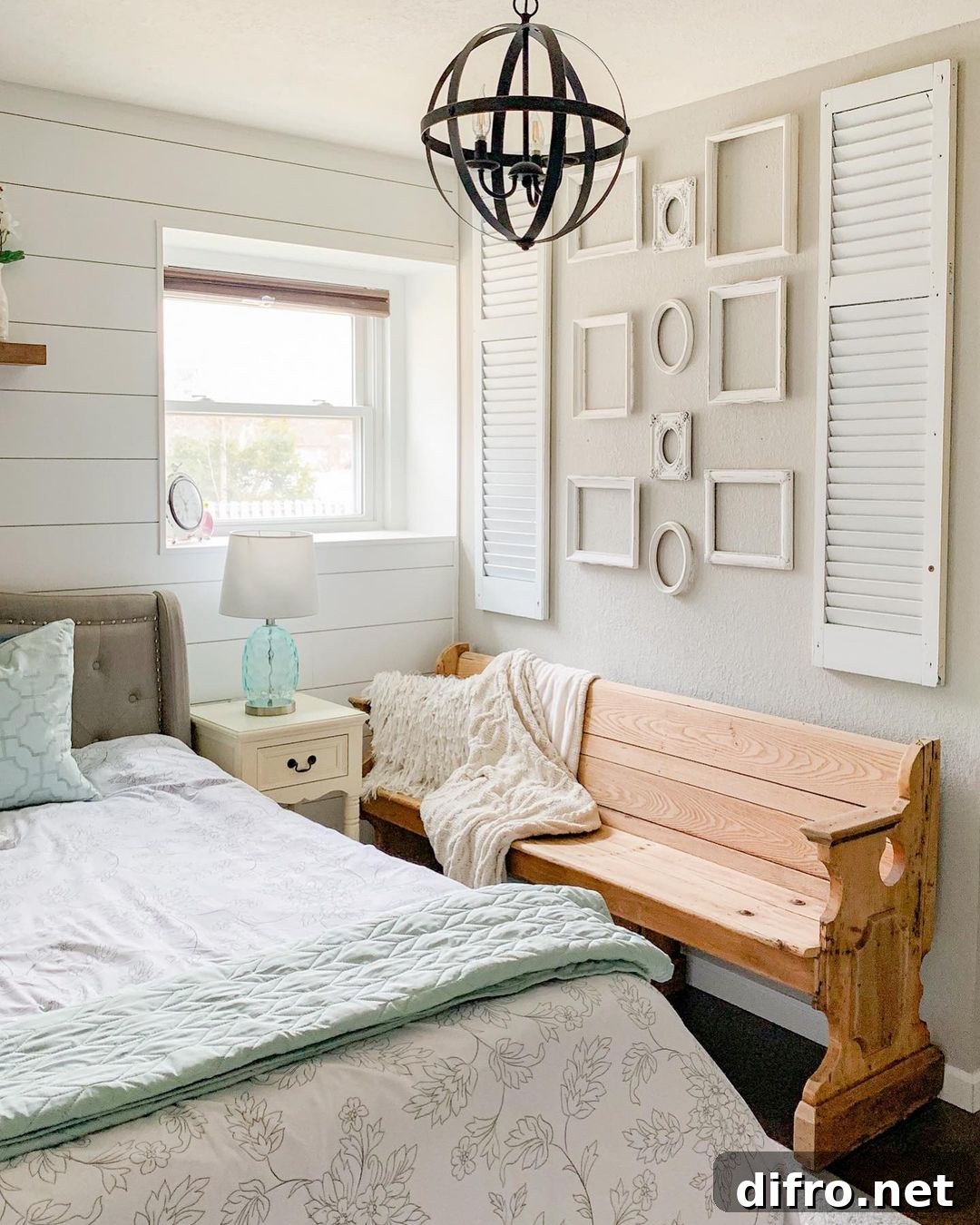
Just the Frames
For a minimalist or transitional approach, hang empty frames in a curated arrangement. Vary sizes, finishes, and shapes to create visual interest even without artwork inside. Over time you can add prints, photos, or original pieces as you acquire them, or leave the frame-only display as an intentional design feature.
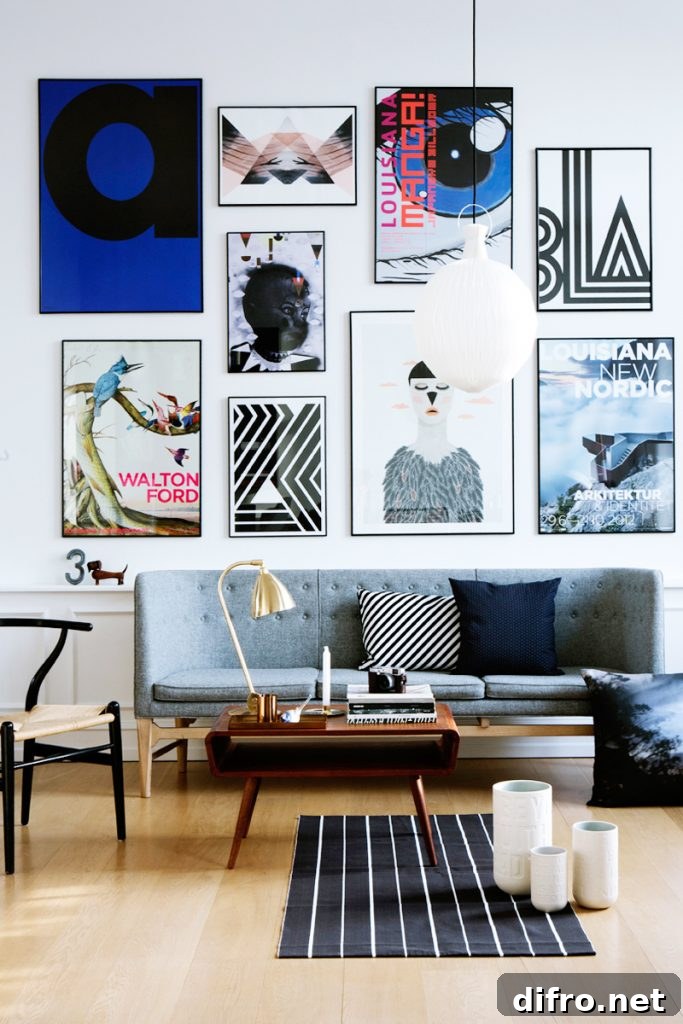
Starting from the Bottom
Bottom-aligned galleries anchor the composition to furniture like a sofa or console, creating a resting point for the eye. This layout works well above seating because it provides a strong horizontal reference and leaves room to expand upward over time while maintaining a grounded base.
Whatever style you choose—grid, salon, ledge, or corner—planning, consistent reference points, and thoughtful editing will help your gallery wall become a cohesive and engaging feature in your home. Start small, test your layout with templates or on the floor, and enjoy building a personalized display that reflects your taste and memories.