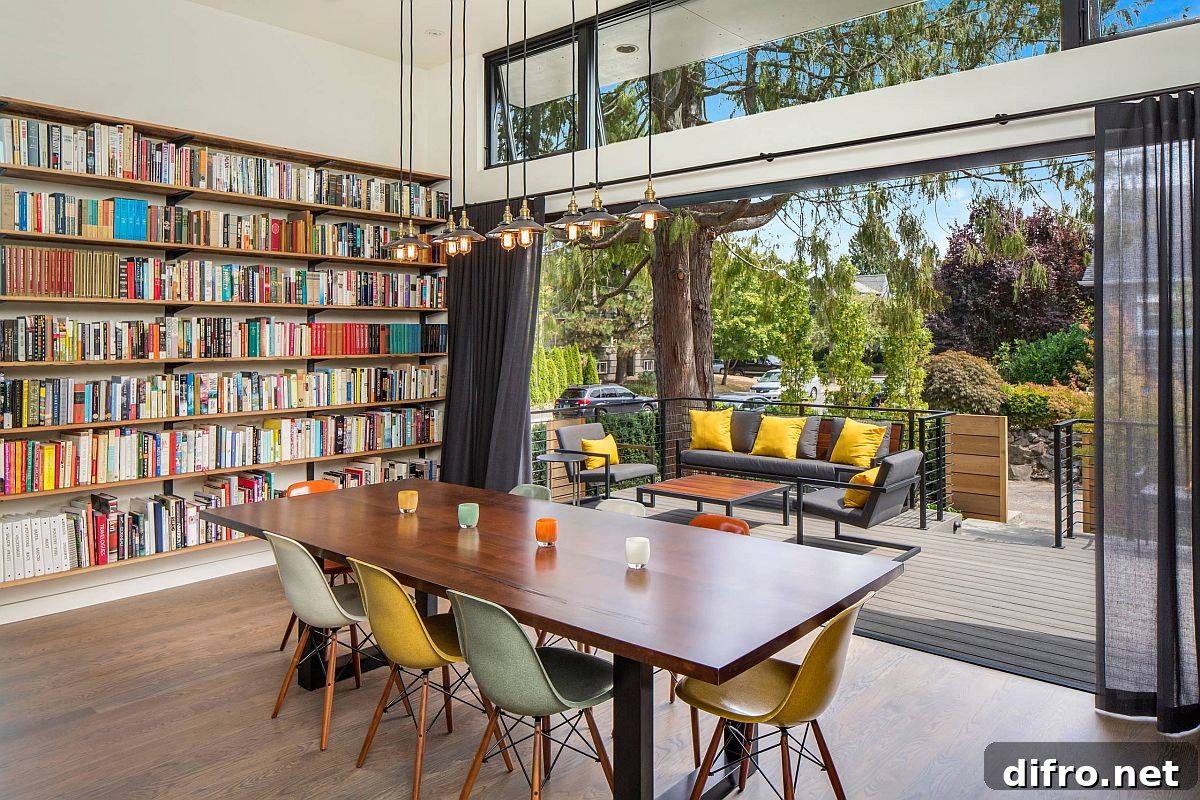
You probably don’t spend much of your day tracking the latest directions in architecture and interior design, but one clear shift over the past decade is the changing role of the dining room. Once a formal, standalone room reserved for special occasions and elaborate dinners, the dining area is increasingly repurposed or integrated into other living spaces. So, are dining rooms out of style? Not necessarily. Rather than disappearing, they are evolving. With thoughtful design choices, a dining space can remain useful, attractive and versatile in a modern home.
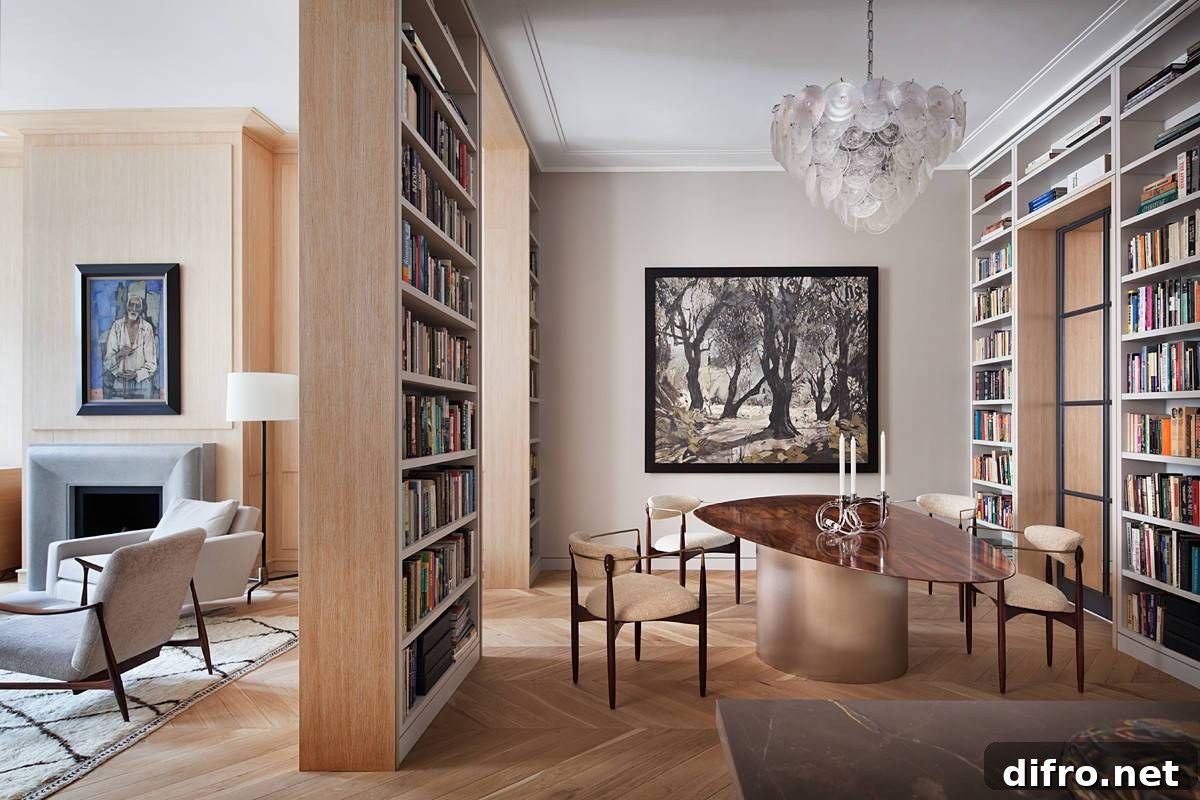
The traditional formal dining room may be less common, but thoughtful redesign keeps dining spaces relevant. Modern approaches treat the dining area as a flexible extension of daily life rather than an isolated, rarely used chamber. Whether integrated into an open-plan layout, subtly separated with partitions, layered with textures and greenery, or reduced to a compact nook, the contemporary dining area is all about function, connection and character. Below are five effective trends that preserve the dining room’s presence in today’s homes.
Open Plan Living Space
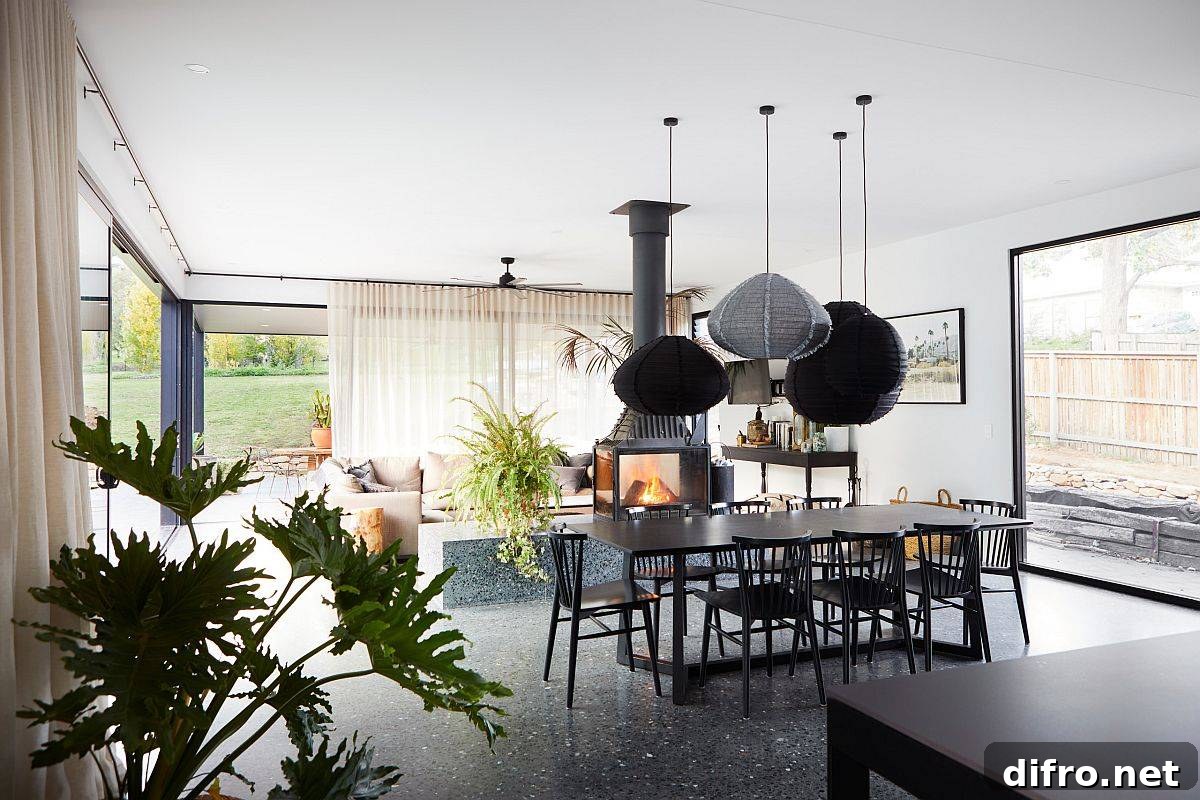
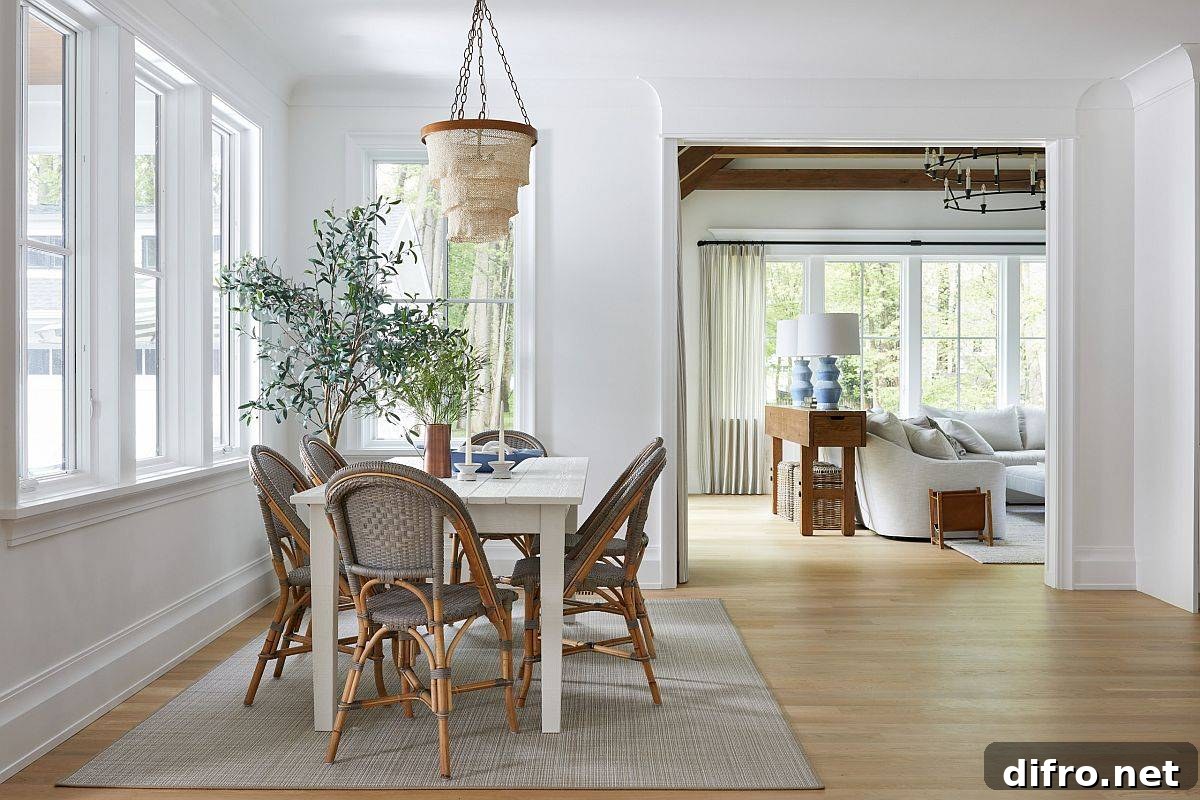
Open-plan living remains the most popular way to incorporate a dining area into modern homes. In this layout the dining table acts as a transition between kitchen and living zones, supporting conversation and shared activities. Use visual anchors such as colorful wall art, a credenza or sideboard, an area rug and a coordinating ceiling treatment to define the dining spot without closing it off. The result is a cohesive, space-efficient environment that suits family life, entertaining and everyday use.
Smart Partitions
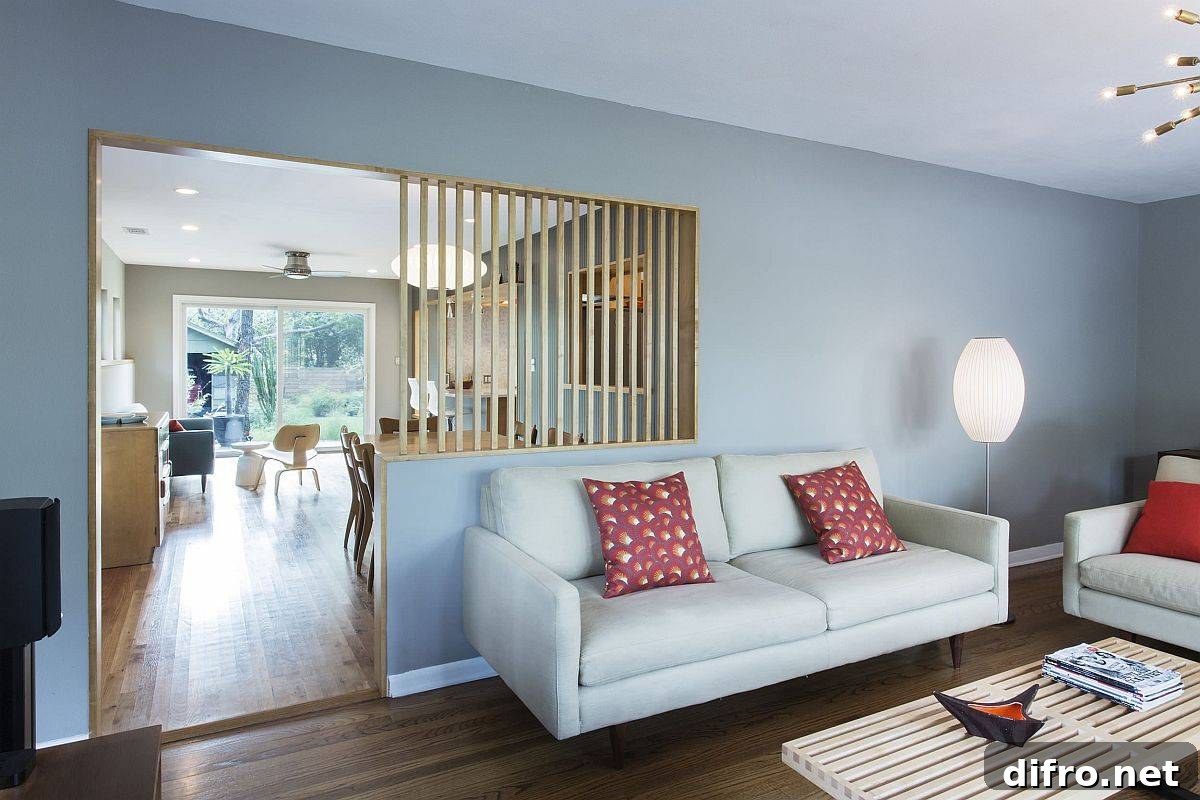
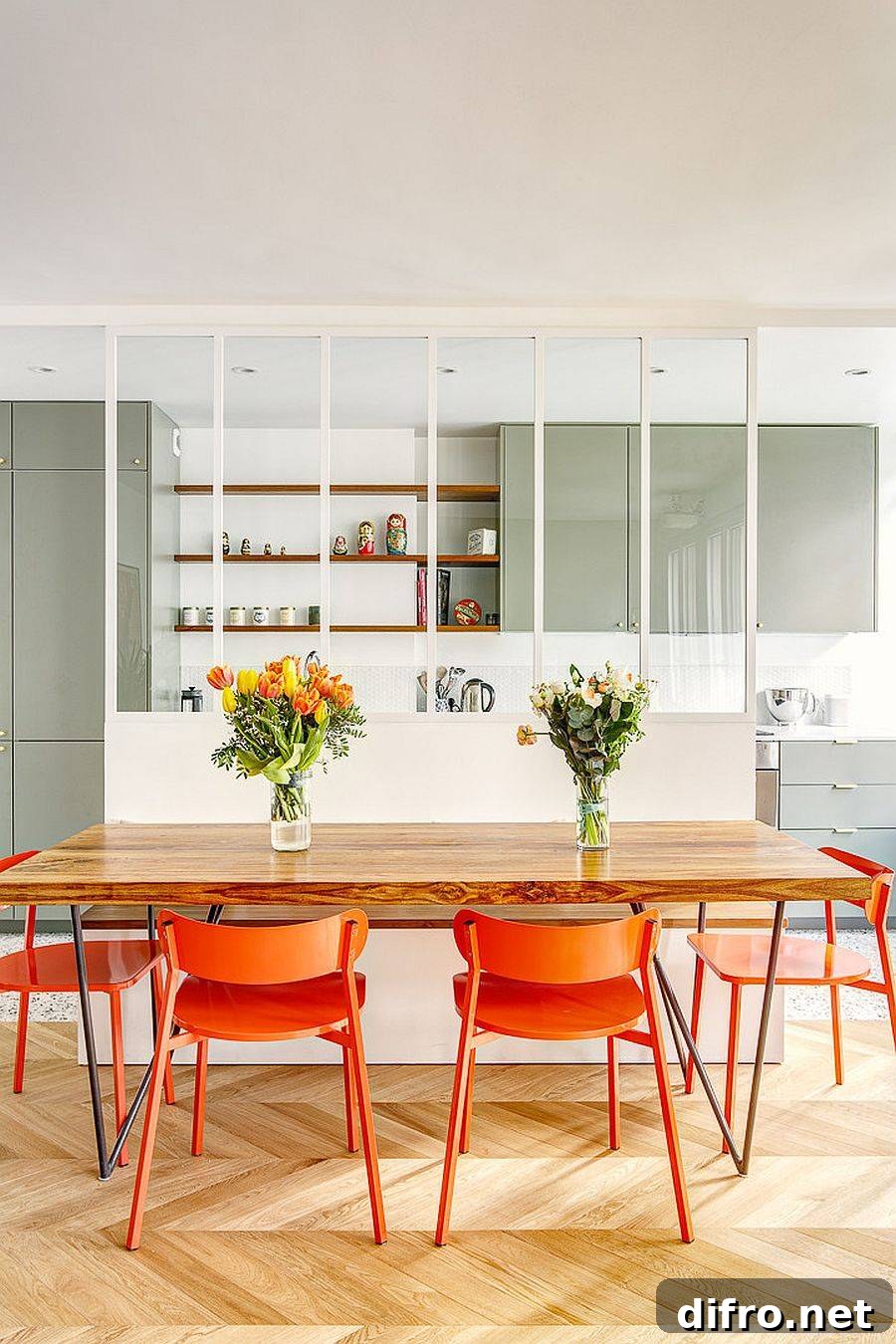
If you prefer some separation without building full walls, smart partitions are an excellent option. Low half-walls, narrow bookshelves that double as dividers, open screens or vertical timber slats make it possible to define a dining area while maintaining sightlines and flow. These lightweight boundaries allow flexibility in the floor plan and help everyone feel connected — people in the kitchen, at the dining table and in the living room can still interact easily.
Multi-functional Spaces for All
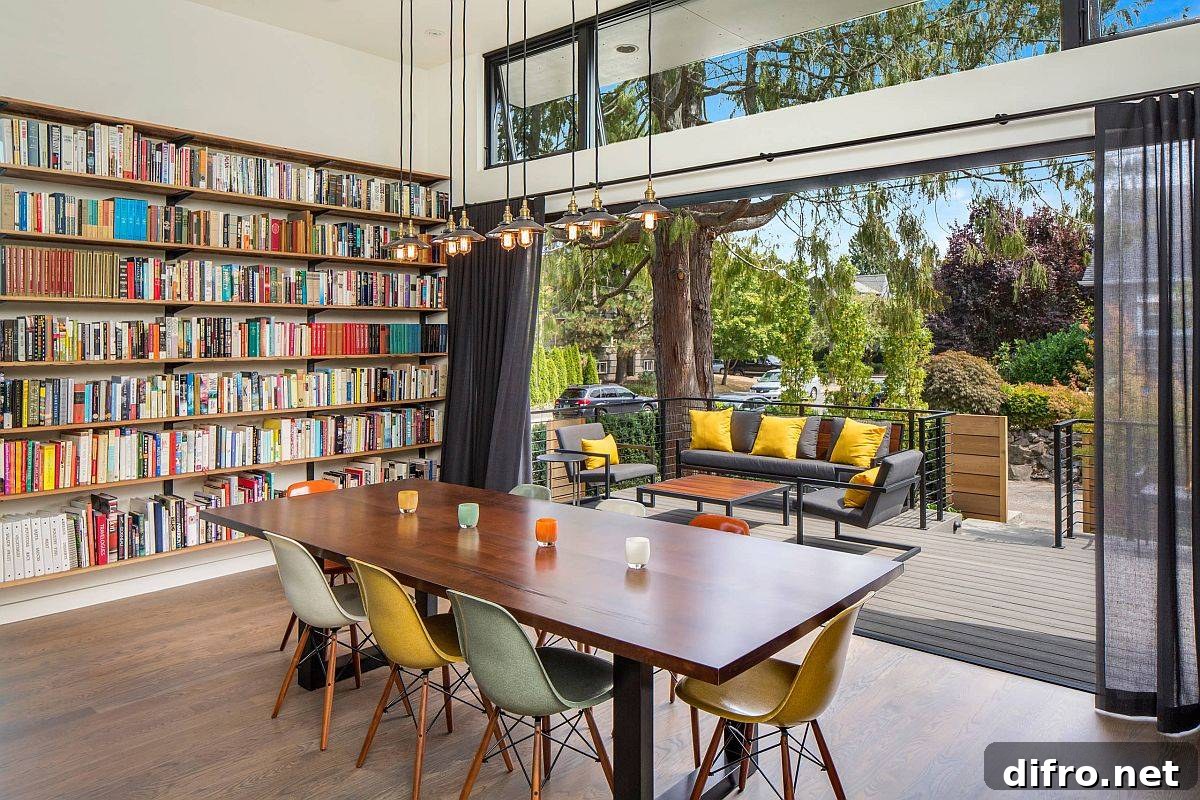
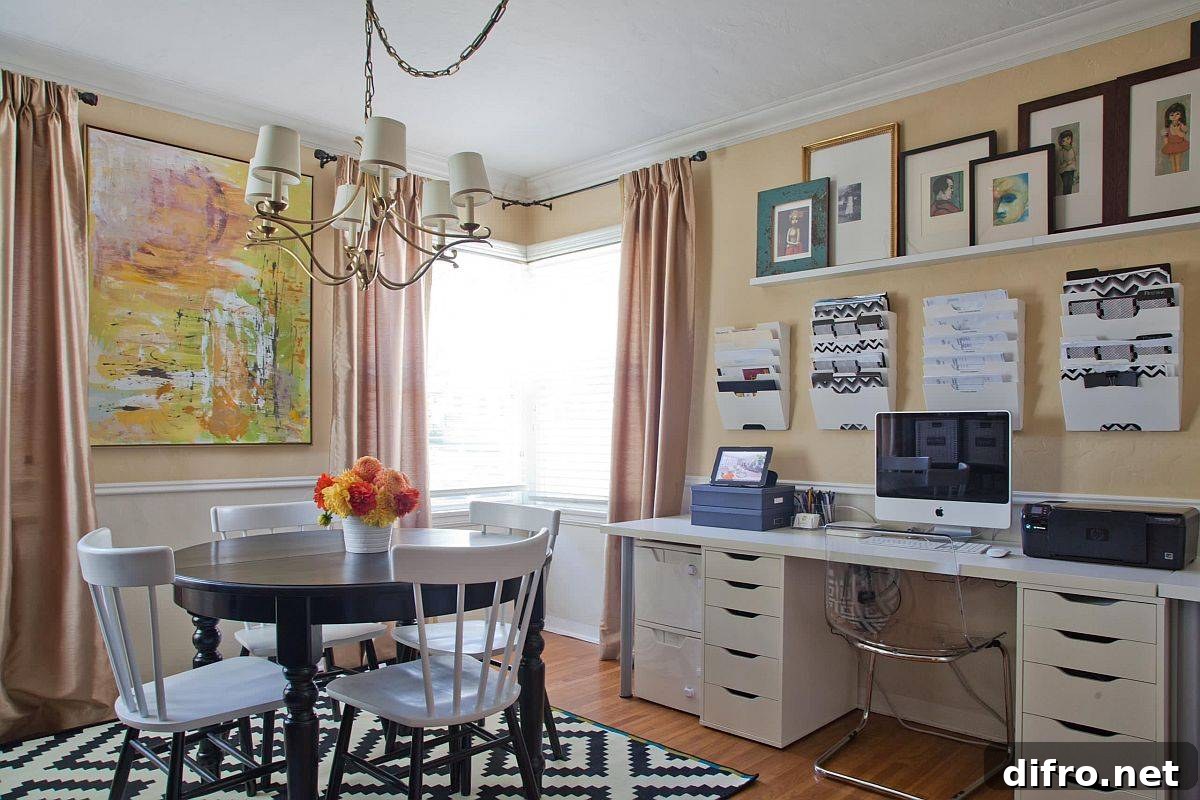
Today’s dining areas often act as multi-purpose zones. With more people working from home or homeschooling children, the dining table can double as a productive home office, a homework station or a family crafting spot. Adding a bookshelf, a comfortable chair for reading breaks or discreet storage for supplies makes the area adaptable. With a flexible mindset and the right furnishings, a dining corner can serve daily routines without losing its primary role for meals and gatherings.
Nature and Textural Charm
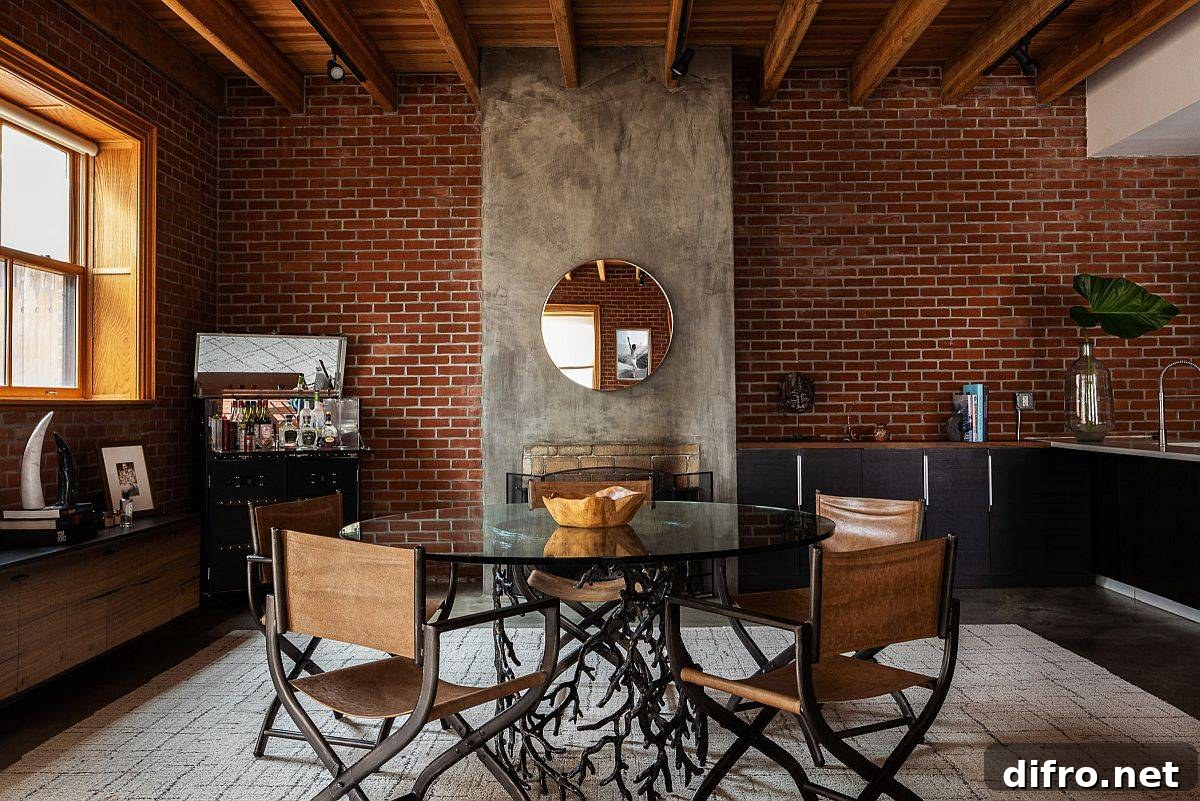
Style-wise, two trends instantly enhance a dining area’s appeal: exposed brick and indoor greenery. A brick accent wall brings warm texture and an urban-architectural edge, while plants introduce color, life and improved air quality. Used together or separately, these elements give the dining space a strong visual identity and prevent it from feeling sterile. Textures, natural finishes and living plants are simple, high-impact additions that make dining zones feel welcoming and contemporary.
Small and Space-Savvy Designs
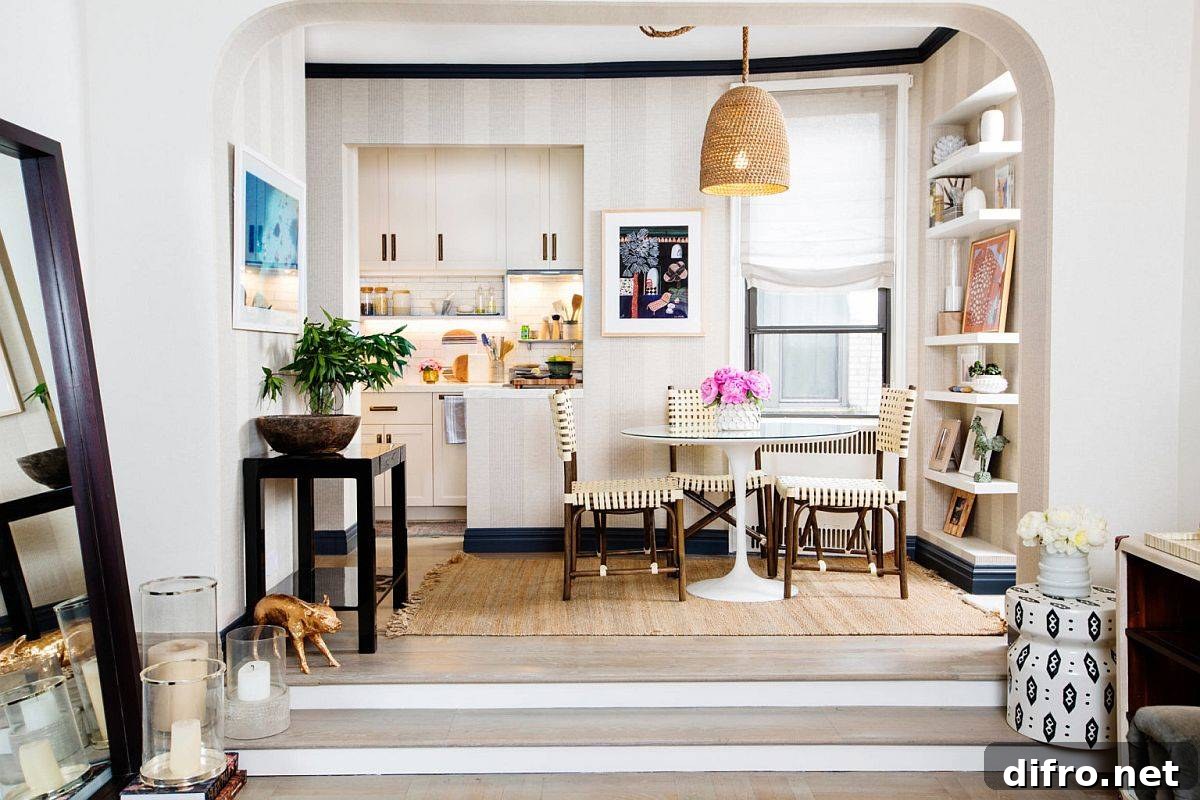
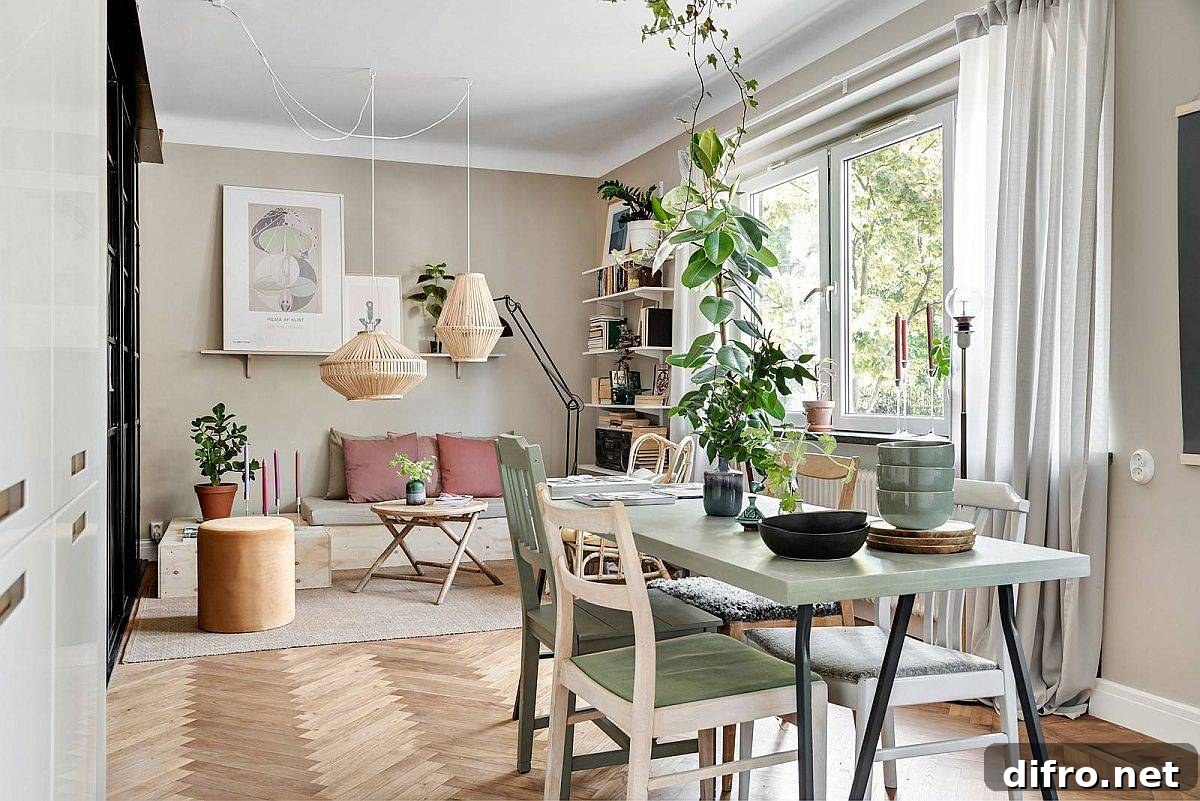
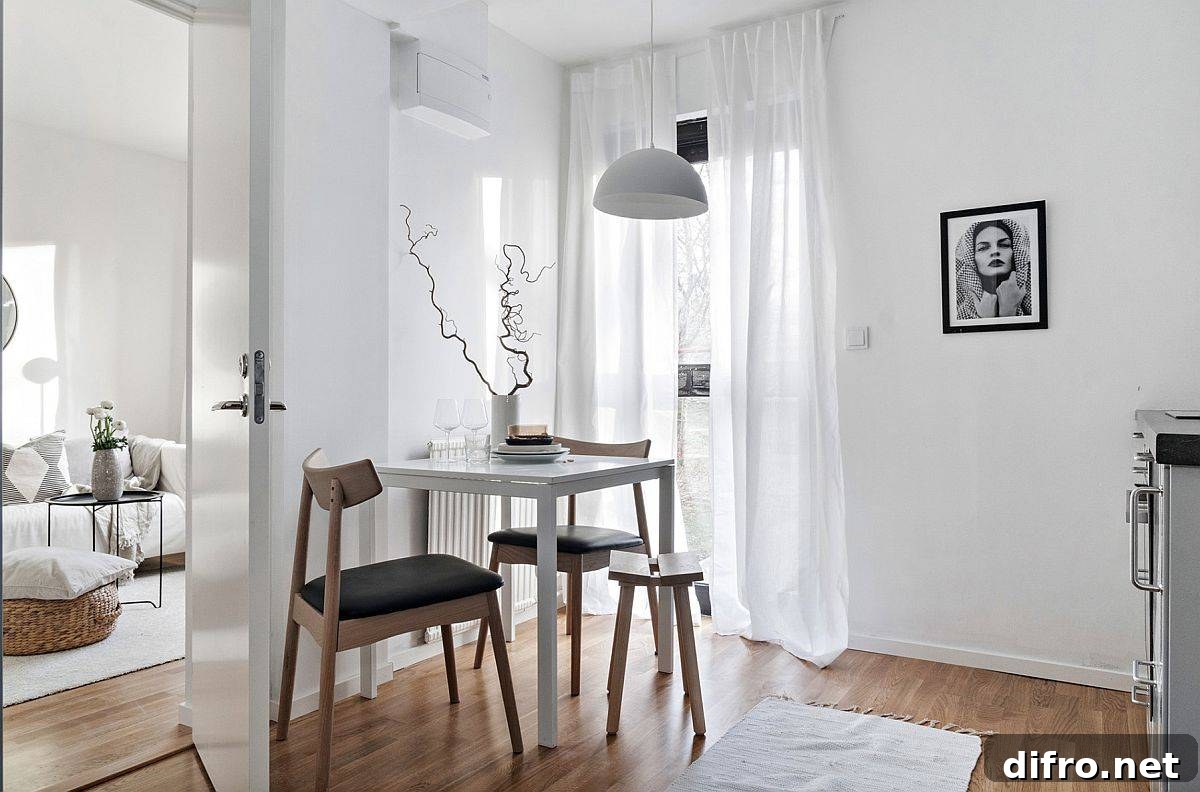
If floor space is limited, there are many smart alternatives to a large, formal dining room. Corner banquettes, compact round tables and built-in benches make efficient use of tight areas while offering comfort and style. Round tables, particularly with a single pedestal base, take up less space and make it easier to tuck chairs in. Clever storage and foldable or extendable tables let a small dining area expand for guests and contract for everyday life.
In short, the dining room hasn’t vanished — it has adapted. From open-plan layouts and smart partitions to multi-functional usage, natural textures and compact designs, modern dining areas emphasize flexibility, connection and personality. With a few intentional choices, your dining spot can become a practical, stylish and well-used part of the home rather than a room reserved only for special occasions.